Atlantic Croaker

Atlantic Croaker are silvery-pink drum family members found throughout the Chesapeake Bay and coastal estuaries. They're named for the loud croaking sounds they make by vibrating muscles against their swim bladder.
Scientific Name: Micropogonias undulatus
Also known as hardheads
- Distinctive brassy spots forming wavy bars on their backs and 3-5 pairs of small barbels under their chin.
- In Maryland waters, croakers typically reach 18-20 inches and average 1-3 pounds, though the state record is 6.5 pounds.
Fishing in Maryland
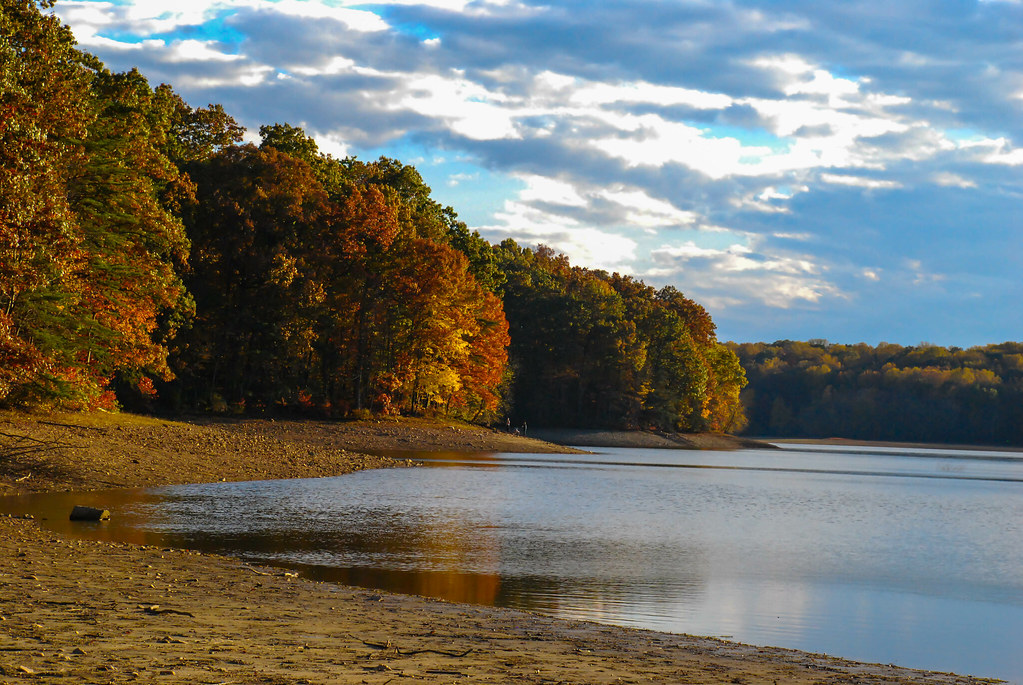
Triadelphia Reservoir
Severn River
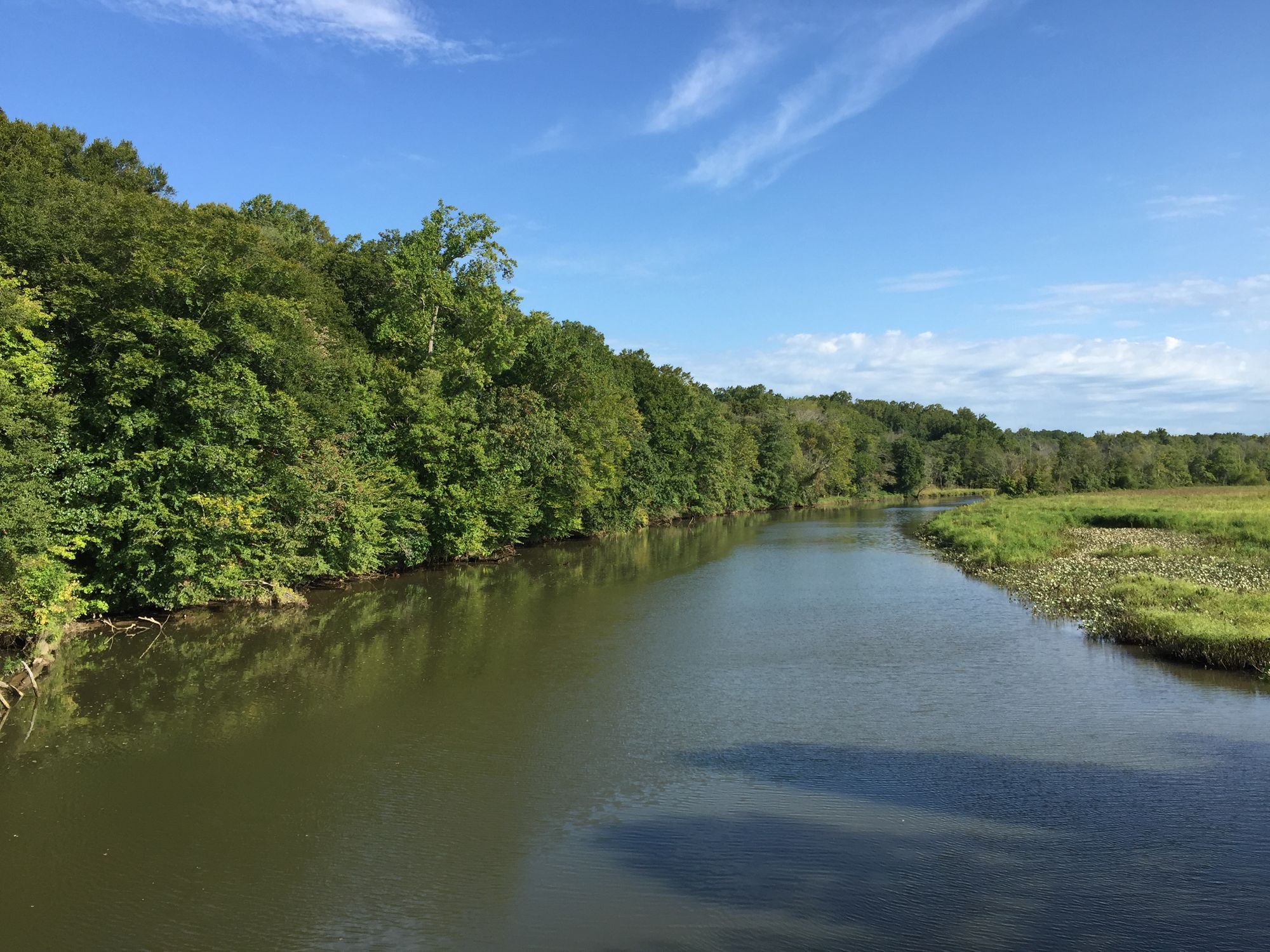
Patuxent River
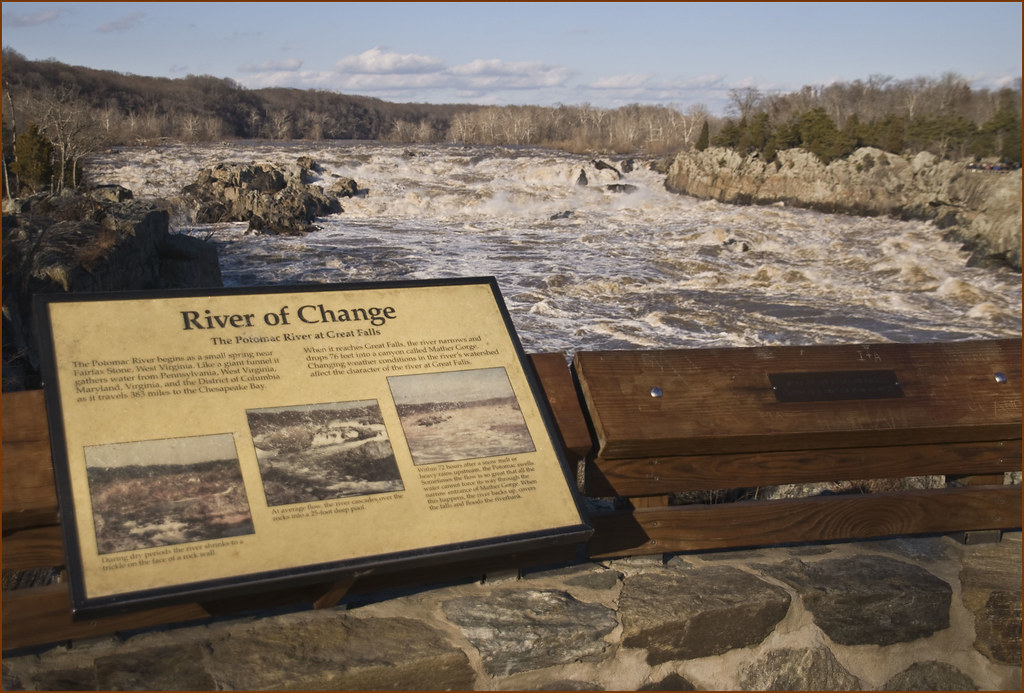
Potomac River
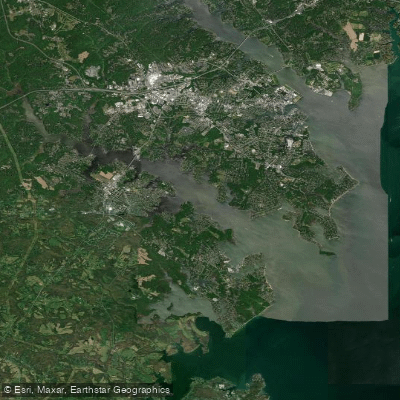
South River
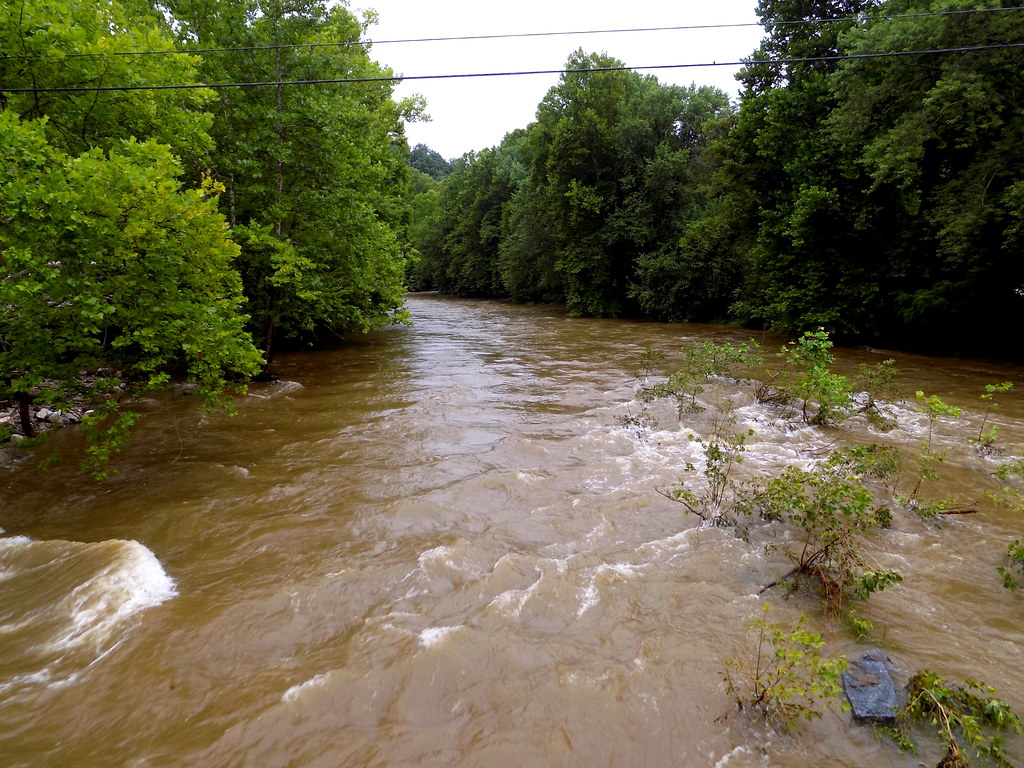
Patapsco River
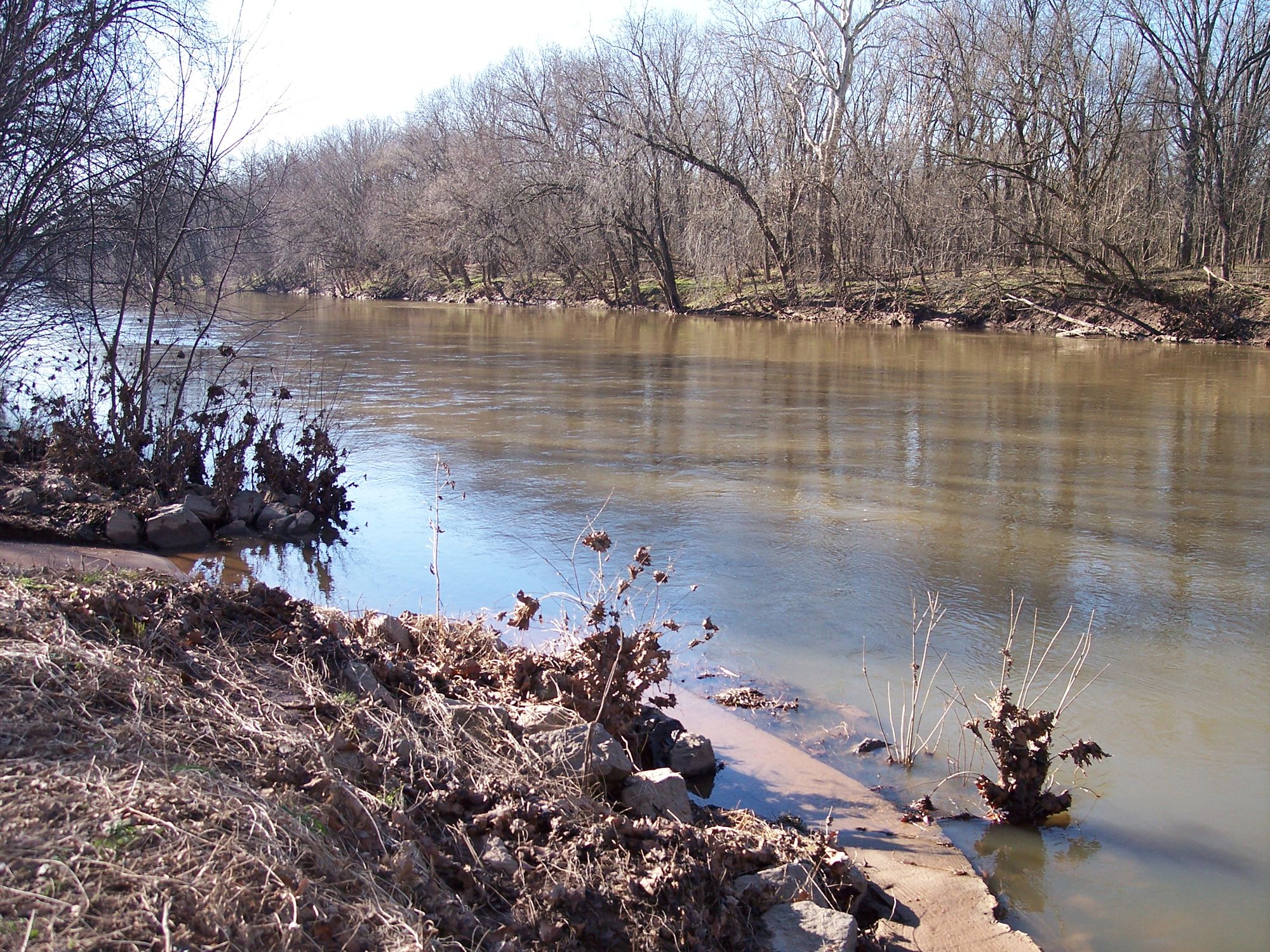
Monocacy River
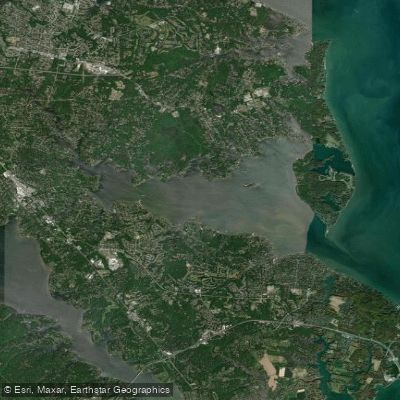
Magothy River
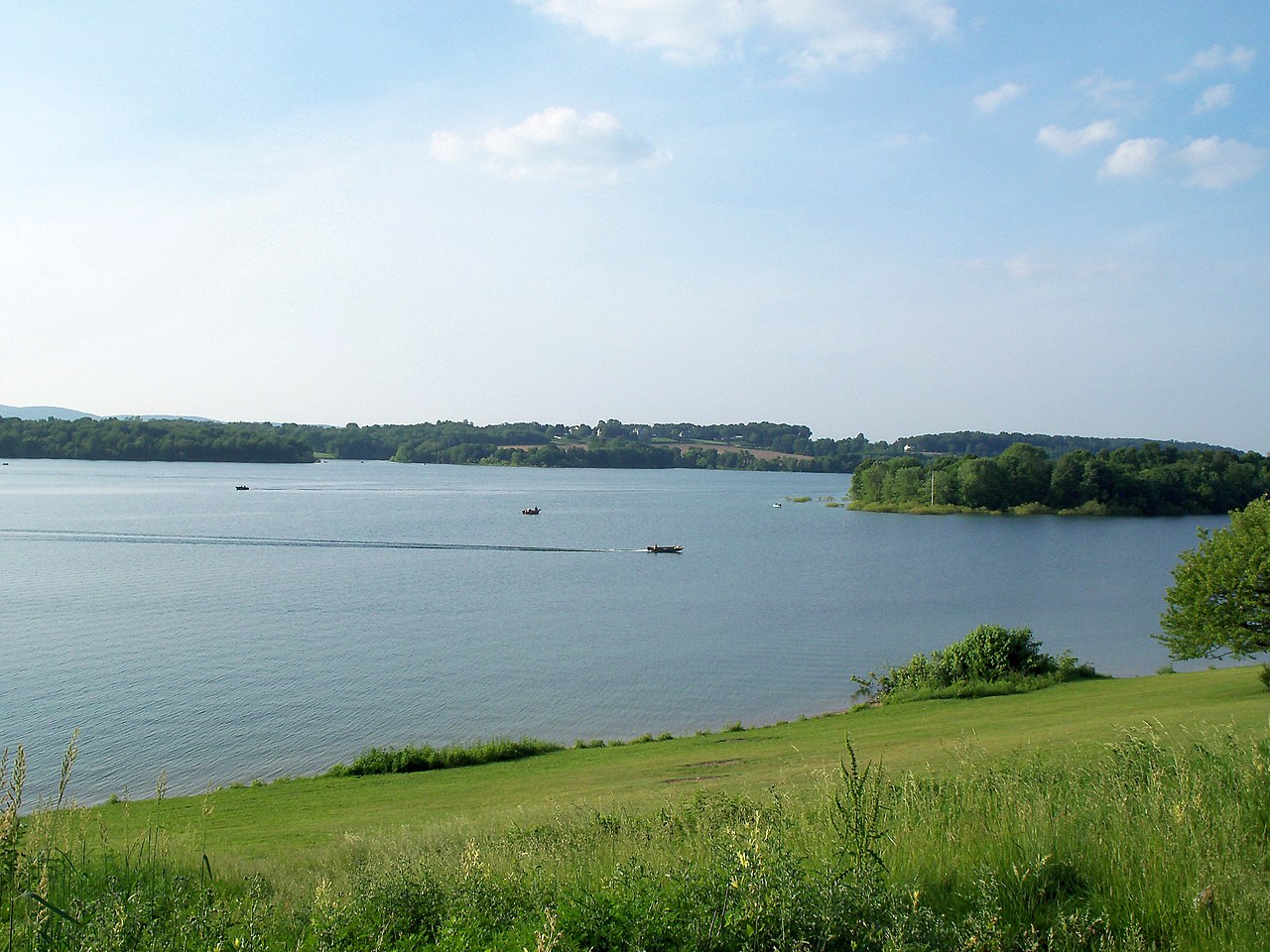
Lake Marburg
What to know
Habitat Distribution
- They prefer mud, sand, and shell bottoms at around 18 ppt salinity.
- Young croakers concentrate in oligohaline waters (0.5-18 ppt salinity) for optimal growth and survival.
- Juveniles use low-salinity creeks as nurseries.
Key Locations
- Found throughout the Chesapeake Bay and coastal estuaries.
- Look for them in the mid-Bay region.
Specific Spots
- Fish over muddy and sandy substrates near oyster beds, around bridges and piers, or in areas with good detritus loads that support their invertebrate prey.
Atlantic Croaker FAQ
Answers from onWater's species guide.
What are the best lures and bait for Atlantic Croaker in Maryland?
The most effective baits are bloodworms, squid strips, peeler crab, and soft crab, with small pieces of squid being particularly productive. Bait the bottom and top hooks with squid and middle hooks with bloodworms. Croakers can also be caught on small jigs intended for weakfish.
When is the best time to fish for Atlantic Croaker in Maryland?
Atlantic Croaker fishing in Maryland is open year-round. Prime fishing occurs during spring and summer months (May through September). Adult croakers migrate up the Chesapeake Bay in spring and return to ocean waters in fall.
How do you catch Atlantic Croaker in Maryland?
Both drift fishing and anchored bottom fishing are effective. Jigging your line on the bottom helps trigger strikes from these aggressive feeders. Night fishing can be particularly productive.
What do Atlantic Croaker eat?
These bottom-dwelling carnivores feed primarily on bristle worms (polychaetes), mollusks, small crustaceans like mysids and amphipods, and small fish. They're somewhat crepuscular feeders, most active during dawn and dusk periods.
Where do Atlantic Croaker live in Maryland?
They prefer mud, sand, and shell bottoms at around 18 ppt salinity. Young croakers concentrate in oligohaline waters (0.5-18 ppt salinity) for optimal growth and survival. Juveniles use low-salinity creeks as nurseries.
Fish smarter with real-time insights
Whether you're en route and conditions shift or you're looking for the best spot based on current flows, we enable you to make informed decisions on the fly.




See it in the app
Most maps show you water.
onWater shows you Atlantic Croaker.



- 01 · Species map filter
Map every Atlantic Croaker water
Pick Atlantic Croaker and the map zeroes in on the waters they call home. No more guessing which lake holds them.
- 02 · Waterbody species
Tap any water. See what lives there.
Species, behavior and seasonal patterns for every lake, river and pond, before you leave the driveway.
- 03 · Angler Intelligence
Ask how to catch Atlantic Croaker
Tactics, gear and timing from onWater's AI fishing guide, tuned to the species and the water you're on.
Stop guessing where Atlantic Croaker are.
Open the map, filter by Atlantic Croaker, and head to water that holds them. Download onWater and plan your next trip in minutes.
- Species map filter
- Angler Intelligence
- Fishing journal
Explore other species
Trout, bass, salmon, panfish and everything in between. Each guide unpacks the behavior, seasons, and tactics that put fish in the net.
No species information available.
Maryland licenses and regulations
Explore nearby waters
Explore Maryland waters
Top fishing waters
Popular Cities
Loading popular cities...

Smarter Fishing Starts in the App.
onWater Fish gives you everything you need to plan smarter, fish better, and own every trip from first cast to last.