Hickory Shad

Hickory Shad (Alosa mediocris) in Maryland are anadromous schooling fish that spend most of their lives at sea, entering freshwater only to spawn. They're nicknamed 'Poor Man's Tarpon' for their aggressive strikes and acrobatic fights.
Maryland represents near the northern limits of their spawning range, so they've never been as abundant as other alosine species in Chesapeake Bay waters.
Scientific Name: Alosa mediocris
Also known as Poor Man's Tarpon
- At 12-20 inches and weighing 1-3 pounds, they're smaller than American shad but larger than alewife and blueback herring.
- Key identifying features include a gray-green dorsal surface, protruding lower jaw, sharp saw-like belly scales (scutes), and a dusky shoulder spot often followed by several faint spots.
Fishing in Maryland
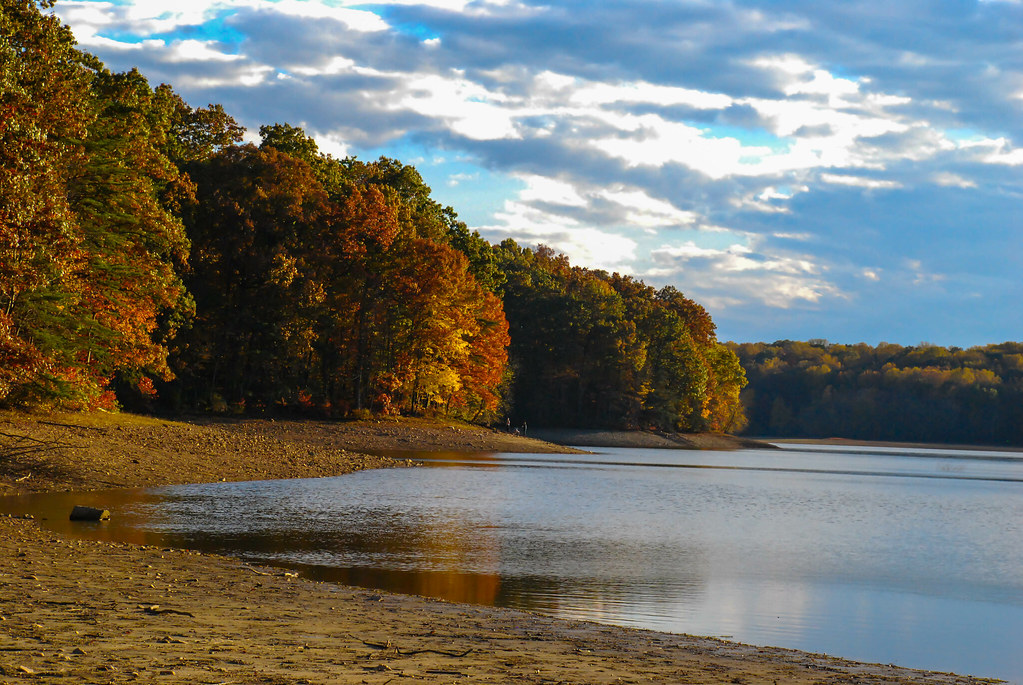
Triadelphia Reservoir
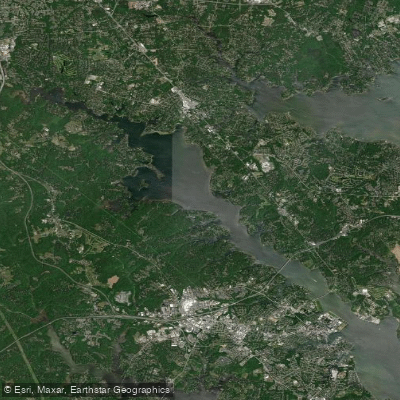
Severn River
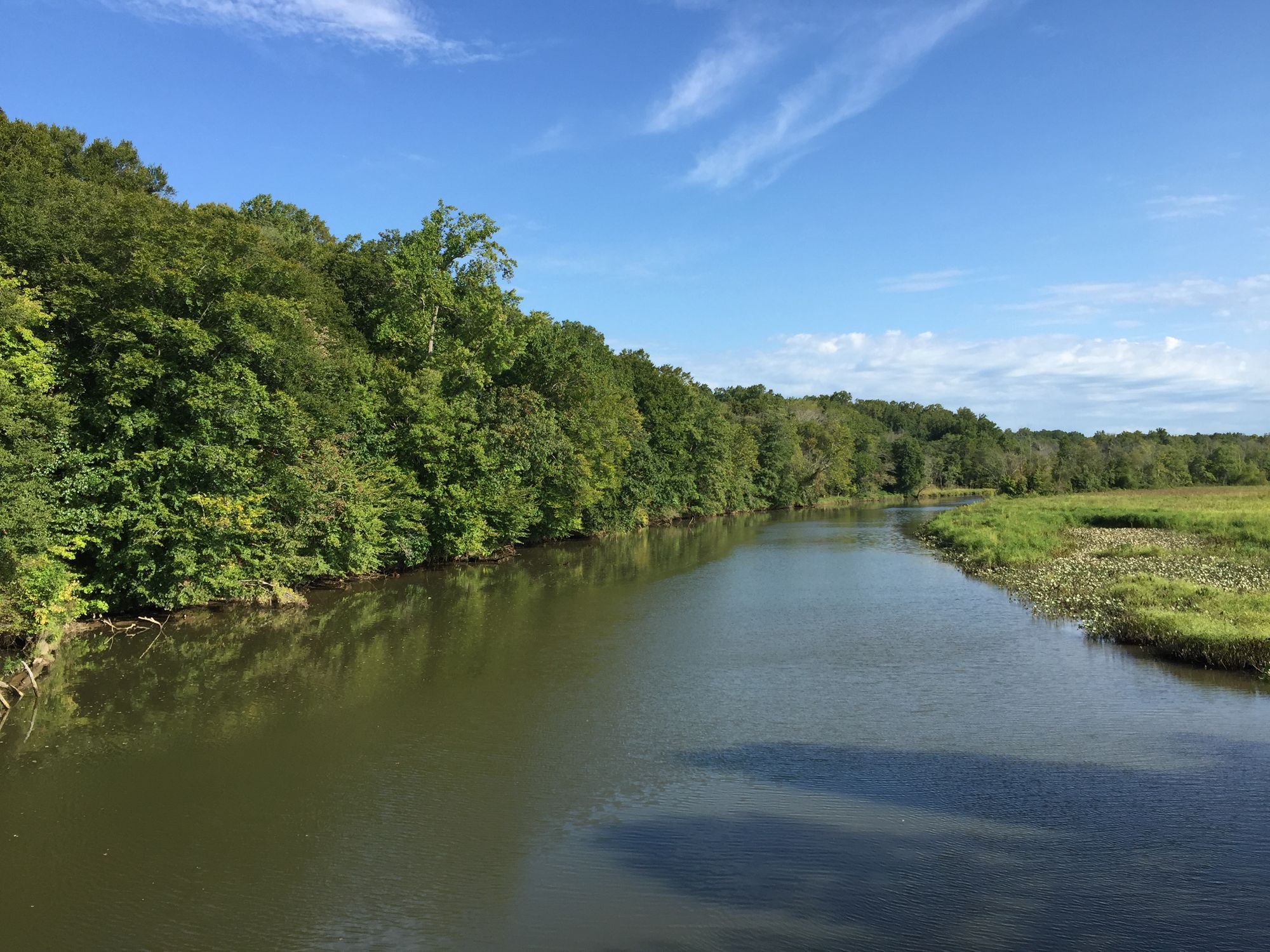
Patuxent River
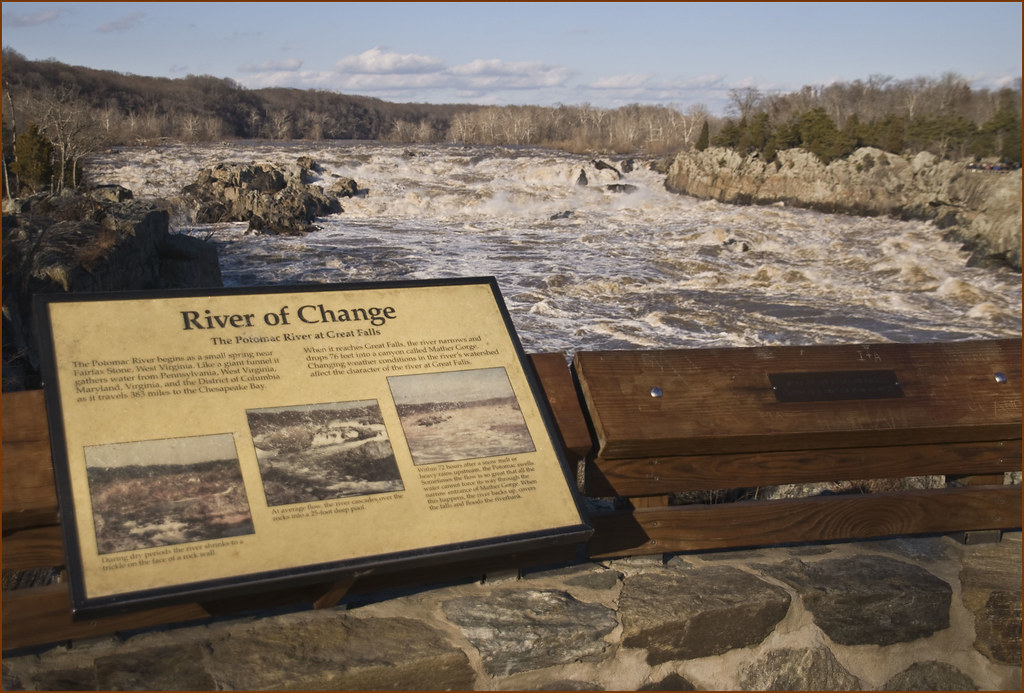
Potomac River
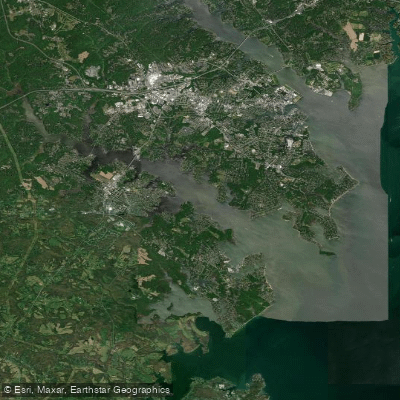
South River
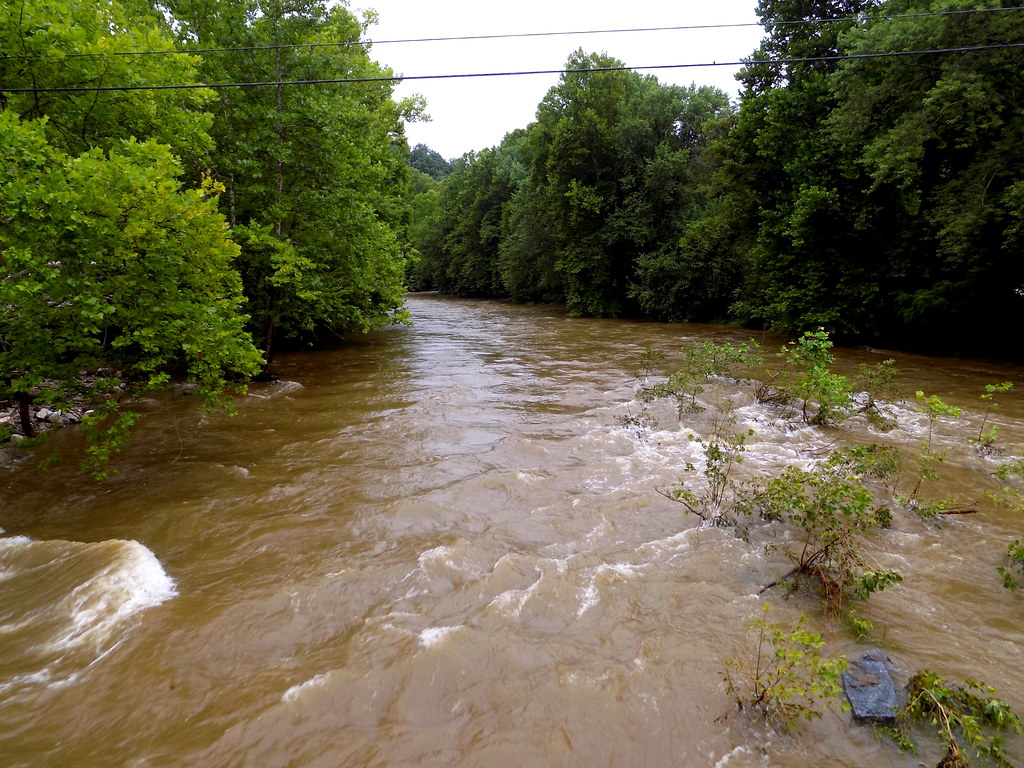
Patapsco River
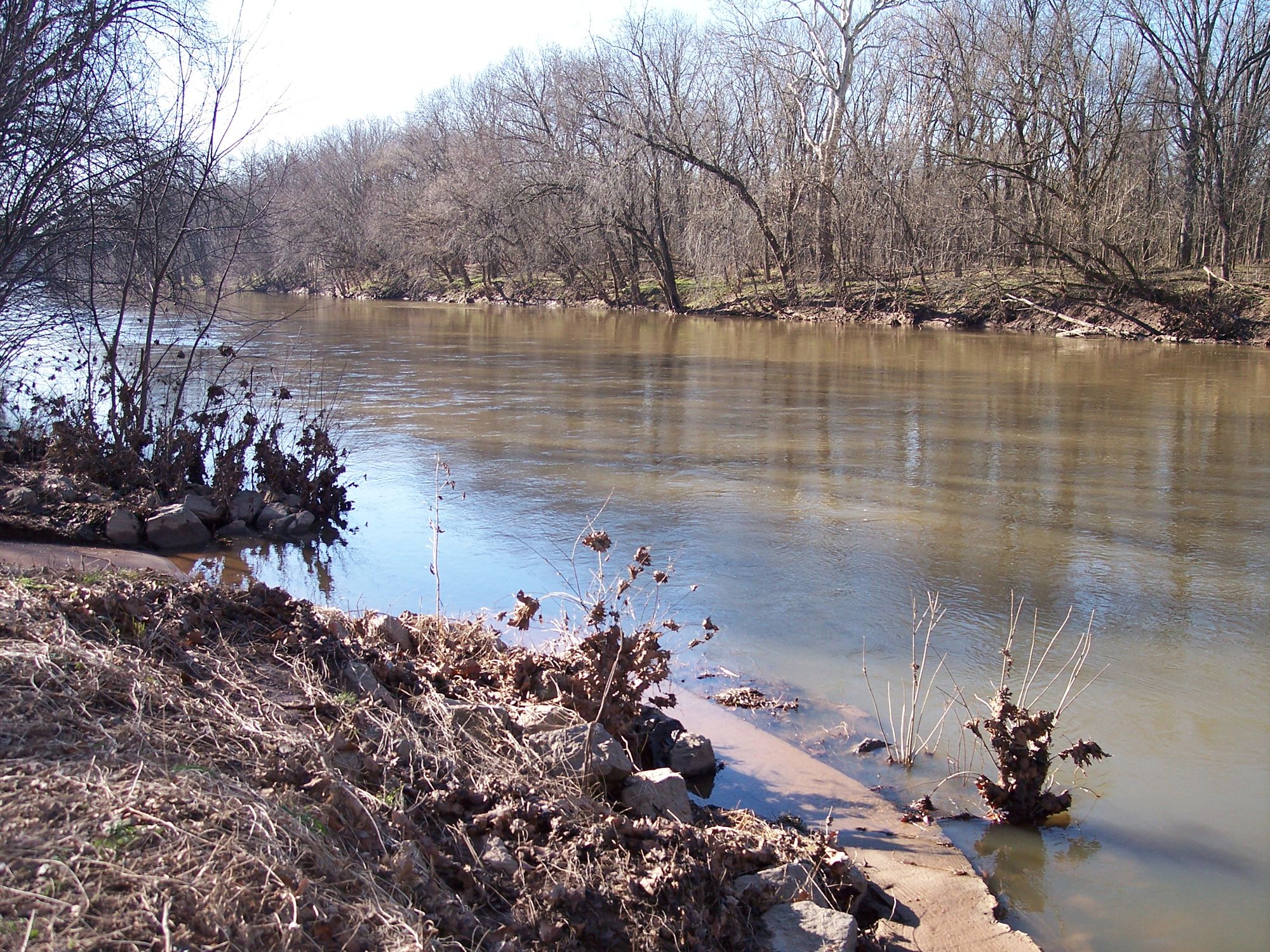
Monocacy River
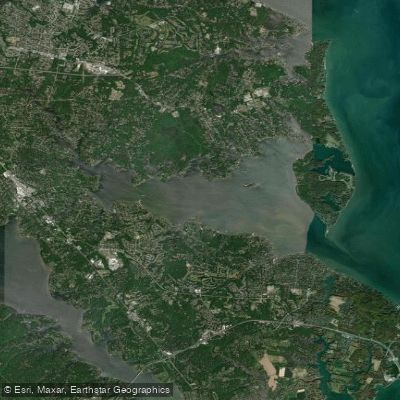
Magothy River
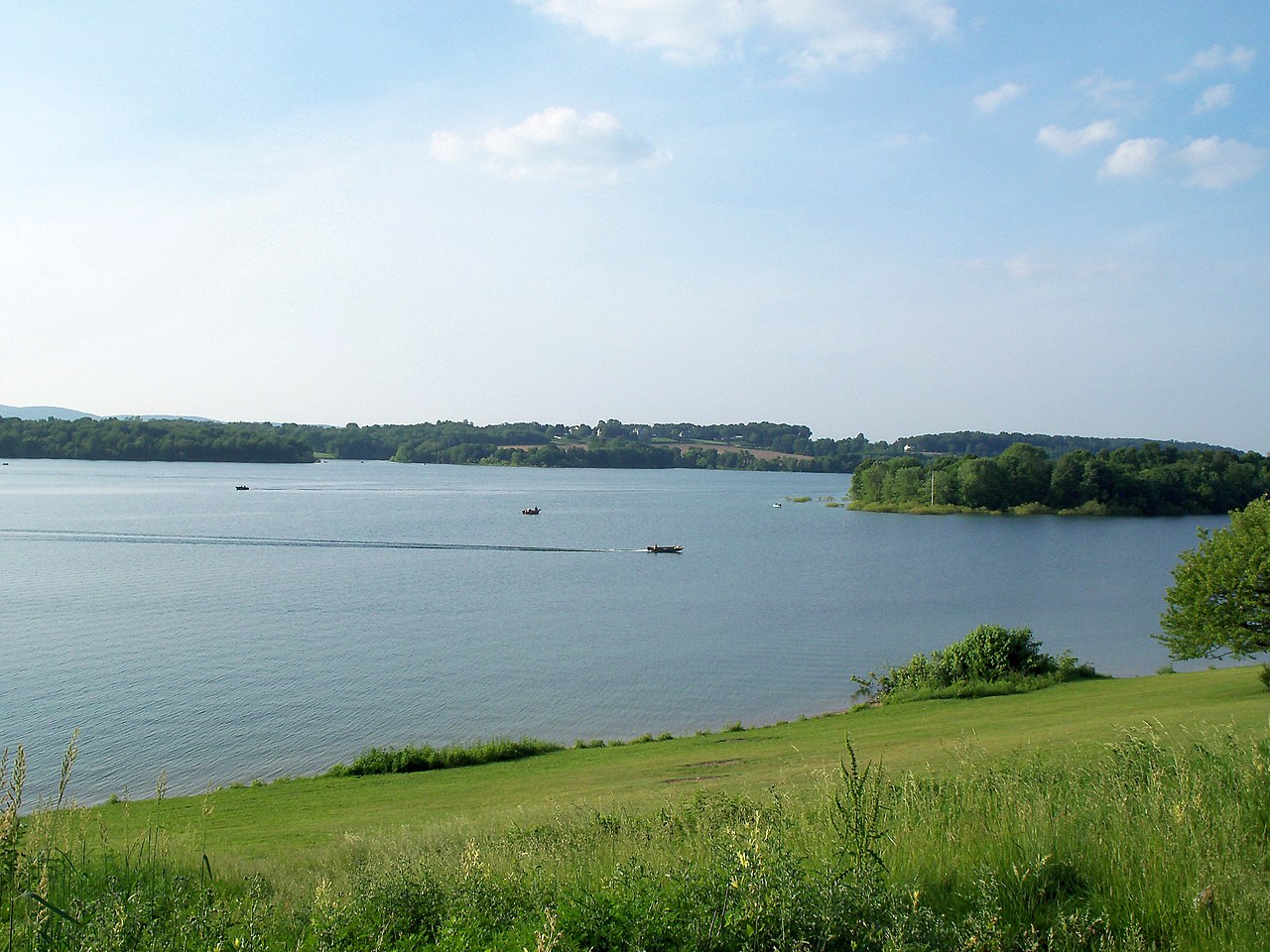
Lake Marburg
What to know
Habitat Distribution
- In Maryland, they're found in major river systems including the Susquehanna (especially below Conowingo Dam), Patuxent, Gunpowder, Choptank, Potomac, and Deer Creek.
- They prefer diverse habitats from backwaters and sloughs to tidal and non-tidal freshwater areas.
Key Locations
- Prime Maryland locations include the Susquehanna River below Conowingo Dam (accessed via Fisherman's Park off Route 1), Deer Creek through Susquehanna State Park, Gunpowder River from Route 40 north (Jones Road parking area), Patuxent River from Route 4 at Wayson's Corner to Queen Anne's Bridge off Route 214, and Choptank River at Red Bridges off Route 313.
Specific Spots
- Target current seams where fast water meets still water.
- Target areas immediately above and below constriction points.
Hickory Shad FAQ
Answers from onWater's species guide.
What are the best lures and bait for Hickory Shad in Maryland?
Effective lures include Tony Accetta spoons (size 13 gold/silver), small shad darts in tandem rigs, and 1/16-1/32 oz jigs. Popular dart colors are orange/green, red/white, pink/black, chartreuse, yellow, and red with flash.
What flies work for Hickory Shad in Maryland?
Top fly patterns include red/yellow shad flies, chartreuse crystal buggers, small Clouser Minnows, and wet flies on size 4-6 hooks in bright colors with gold/silver tinsel.
When is the best time to fish for Hickory Shad in Maryland?
Mid-March through early June, with peak fishing from mid-April through late May. Spawning occurs from March through late May, with peak activity mid-April through late May when water temperatures reach 54-72°F (optimal 59-66°F).
How do you catch Hickory Shad in Maryland?
Fish the wet fly swing technique - cast across and downstream, mend upstream, let flies sink and swing through current seams where fast water meets still water. Target areas immediately above and below constriction points. Use barbless hooks for easier catch-and-release.
What do Hickory Shad eat?
Hickory shad are piscivorous, feeding primarily on small fish, though they also consume crustaceans and squid. During freshwater spawning runs, they don't actively feed - strikes are believed to be territorial responses.
Fish smarter with real-time insights
Whether you're en route and conditions shift or you're looking for the best spot based on current flows, we enable you to make informed decisions on the fly.




See it in the app
Most maps show you water.
onWater shows you Hickory Shad.



- 01 · Species map filter
Map every Hickory Shad water
Pick Hickory Shad and the map zeroes in on the waters they call home. No more guessing which lake holds them.
- 02 · Waterbody species
Tap any water. See what lives there.
Species, behavior and seasonal patterns for every lake, river and pond, before you leave the driveway.
- 03 · Angler Intelligence
Ask how to catch Hickory Shad
Tactics, gear and timing from onWater's AI fishing guide, tuned to the species and the water you're on.
Stop guessing where Hickory Shad are.
Open the map, filter by Hickory Shad, and head to water that holds them. Download onWater and plan your next trip in minutes.
- Species map filter
- Angler Intelligence
- Fishing journal
Explore other species
Trout, bass, salmon, panfish and everything in between. Each guide unpacks the behavior, seasons, and tactics that put fish in the net.
No species information available.
Maryland licenses and regulations
Explore nearby waters
Explore Maryland waters
Top fishing waters
Popular Cities
Loading popular cities...

Smarter Fishing Starts in the App.
onWater Fish gives you everything you need to plan smarter, fish better, and own every trip from first cast to last.