Black Crappie

Black Crappie are a popular freshwater panfish species widely distributed throughout Maryland's freshwater streams, ponds, lakes, and reservoirs.
Scientific Name: Pomoxis nigromaculatus
- Distinguished by their broad, compressed body mottled with irregularly arranged dark spots (rather than the vertical bars of white crappie), they also feature large eyes, rounded dorsal and anal fins, and 7-8 dorsal spines.
- Adults typically range between 4-6 inches, though Maryland's maximum recorded weight is 4.4 pounds, with fish reaching up to 19.3 inches in length and living up to 10 years.
Fishing in Maryland
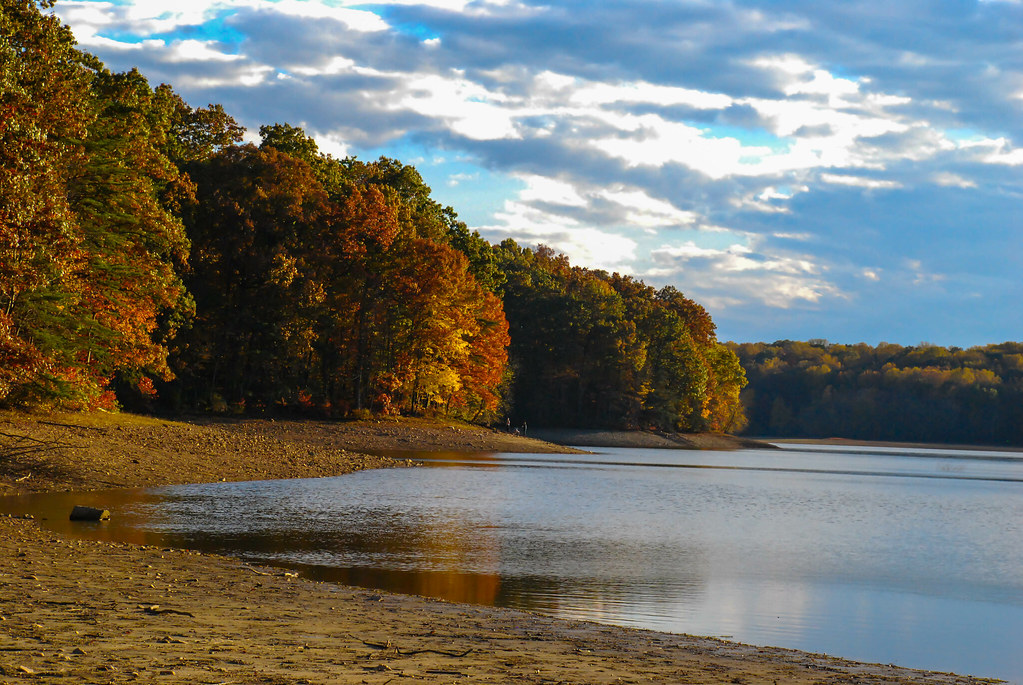
Triadelphia Reservoir
Severn River
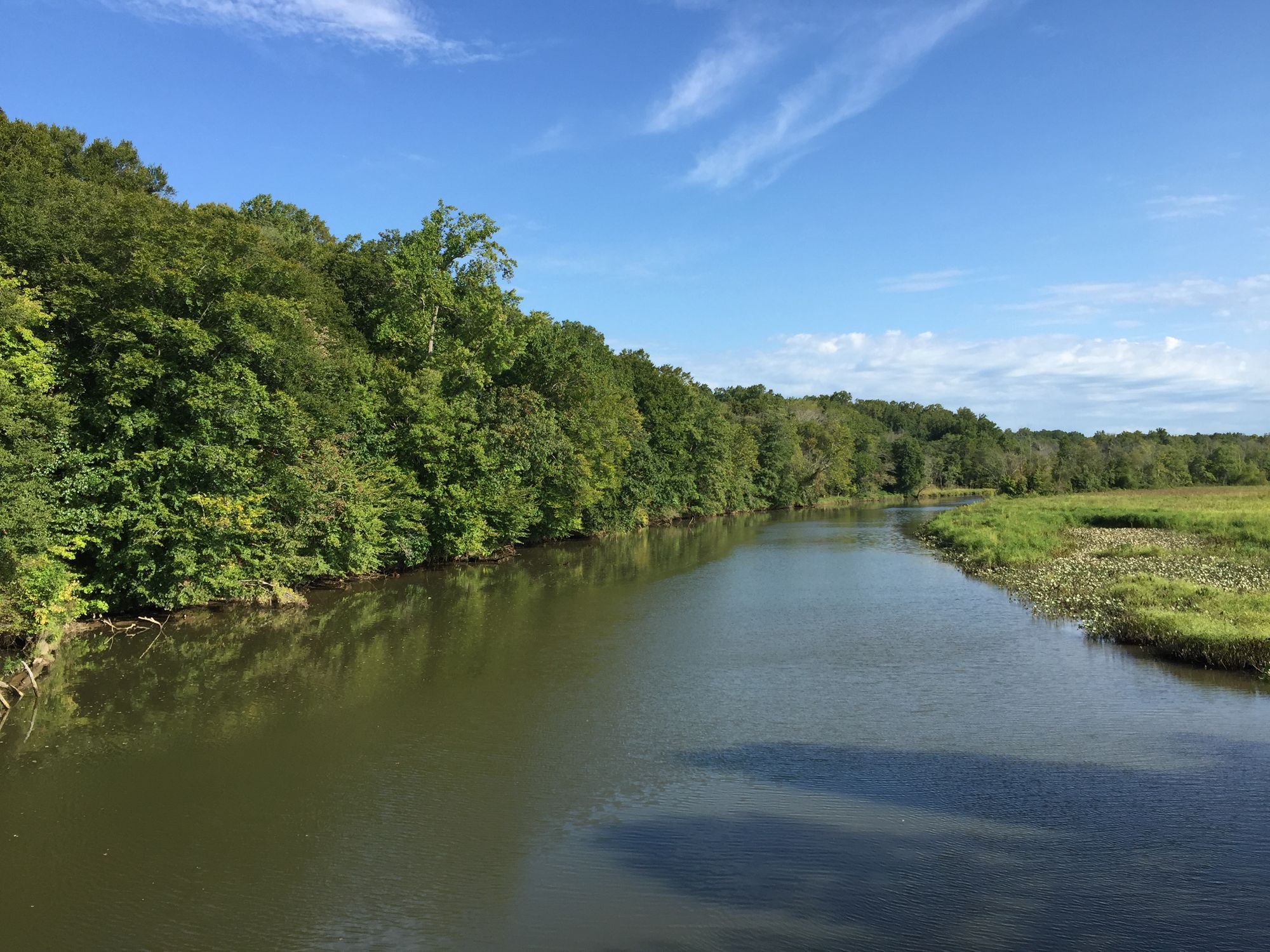
Patuxent River
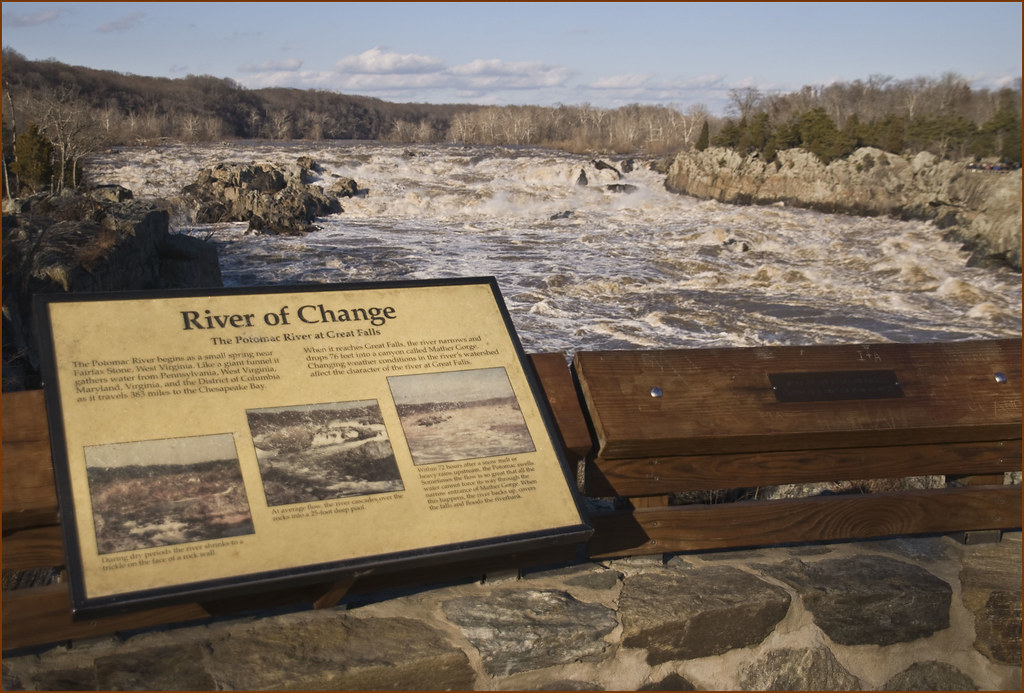
Potomac River
South River
Patapsco River
Monocacy River
Magothy River
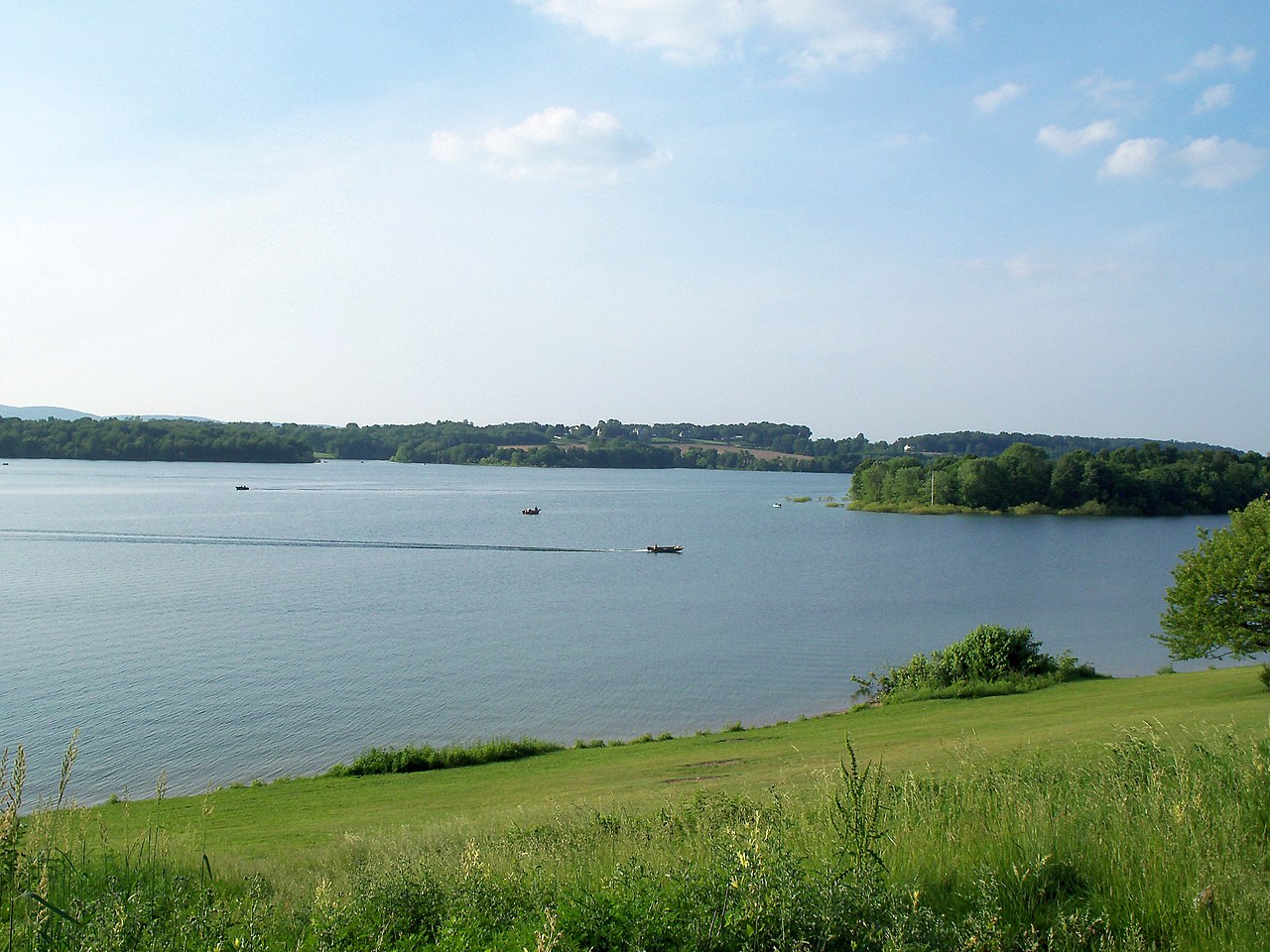
Lake Marburg
What to know
Habitat Distribution
- Black Crappie are widely distributed throughout Maryland's freshwater streams, ponds, lakes, and reservoirs.
Key Locations
- In Maryland, Black Crappie are found in many tidal systems including the Upper Choptank, Nanticoke, Marshyhope Creek, Wicomico, Blackwater, and Pocomoke rivers on the Eastern Shore, as well as reservoirs like Piney Run, Liberty, Loch Raven, and Prettyboy.
- Productive Maryland locations include Hunting Creek Lake (Cunningham Falls Reservoir) for largemouth bass-managed waters that also hold quality crappie, and the numerous freshwater hotspots across Western region reservoirs like Liberty and Piney Run, Central region waters including Loch Raven and Prettyboy Reservoirs, and Eastern Shore waters like Smithville Lake and various tidal river systems.
Specific Spots
- Target structure-rich areas including submerged trees, brush piles, aquatic vegetation, dock pilings, and areas where trees have been sunk in reservoirs.
- Fish depths from 6-20 feet, focusing on dropoffs and transitions from shallow flats to deeper water.
Black Crappie FAQ
Answers from onWater's species guide.
What are the best lures and bait for Black Crappie in Maryland?
Effective lures include 1/16 to 1/32-ounce leadhead jigs with soft plastic bodies resembling minnows, small spinnerbaits, and tube jigs in chartreuse, white, black, and brown colors. Live minnows remain highly productive bait.
What flies work for Black Crappie in Maryland?
Effective patterns include small streamers like Clouser Minnows in chartreuse and white, small nymphs, and patterns imitating aquatic insects, minnows, and crustaceans.
When is the best time to fish for Black Crappie in Maryland?
Black Crappie fishing is productive year-round in Maryland, with prime opportunities during late March through April. Ice fishing is also popular and effective during winter months when targeting deep-holding schools.
How do you catch Black Crappie in Maryland?
Effective techniques include casting light jigs and retrieving slowly, trolling with minnows or soft lures, using bobber rigs with live bait, and vertical jigging around cover.
What do Black Crappie eat?
Black Crappie are opportunistic feeders with diet varying by size. Juveniles under 6.3 inches feed primarily on zooplankton, planktonic crustaceans, mysid shrimp, amphipods, copepods, cladocerans, and chironomid larvae.
Fish smarter with real-time insights
Whether you're en route and conditions shift or you're looking for the best spot based on current flows, we enable you to make informed decisions on the fly.




See it in the app
Most maps show you water.
onWater shows you Black Crappie.



- 01 · Species map filter
Map every Black Crappie water
Pick Black Crappie and the map zeroes in on the waters they call home. No more guessing which lake holds them.
- 02 · Waterbody species
Tap any water. See what lives there.
Species, behavior and seasonal patterns for every lake, river and pond, before you leave the driveway.
- 03 · Angler Intelligence
Ask how to catch Black Crappie
Tactics, gear and timing from onWater's AI fishing guide, tuned to the species and the water you're on.
Stop guessing where Black Crappie are.
Open the map, filter by Black Crappie, and head to water that holds them. Download onWater and plan your next trip in minutes.
- Species map filter
- Angler Intelligence
- Fishing journal
Explore other species
Trout, bass, salmon, panfish and everything in between. Each guide unpacks the behavior, seasons, and tactics that put fish in the net.
No species information available.
Maryland licenses and regulations
Explore nearby waters
Explore Maryland waters
Top fishing waters
Popular Cities
Loading popular cities...
Smarter Fishing Starts in the App.
onWater Fish gives you everything you need to plan smarter, fish better, and own every trip from first cast to last.