Longnose Gar
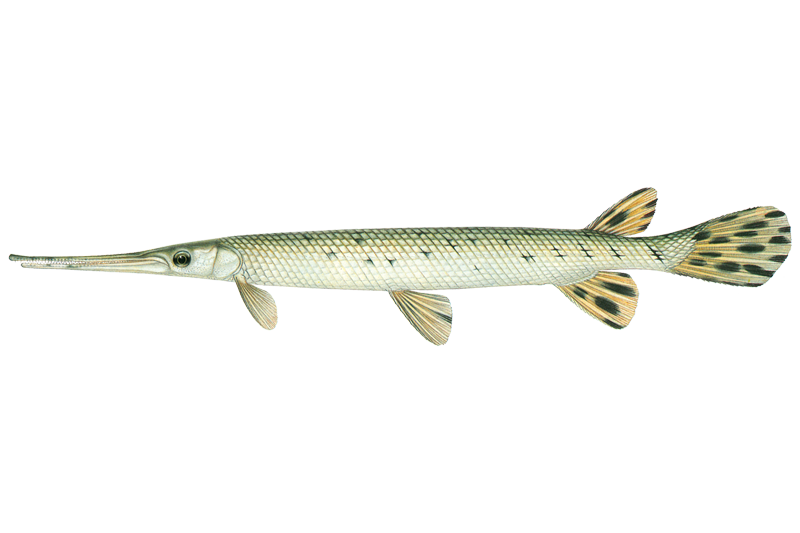
Longnose gar are large, cylindrical fish with long beak-like snouts and rounded tails, distinguished by their hard diamond-shaped ganoid scales that create effective armor.
This native species is near the northern edge of their Atlantic coast range and designated as 'In Need of Conservation' due to their restricted distribution.
These 'living fossils' possess unique characteristics including ganoid scales, an abbreviated heterocercal tail, and a highly vascularized swim bladder that functions as a primitive lung, allowing them to breathe air and survive in low-oxygen waters.
Scientific Name: Lepisosteus osseus
- Maryland longnose gar typically measure 3-4 feet though can reach 6 feet, with olive to gray coloration above and white/silvery below, featuring large black spots and a dusky brown midlateral stripe.
- They have hard diamond-shaped ganoid scales, long beak-like snouts, rounded tails, and sharp teeth and rough scales.
Fishing in Maryland
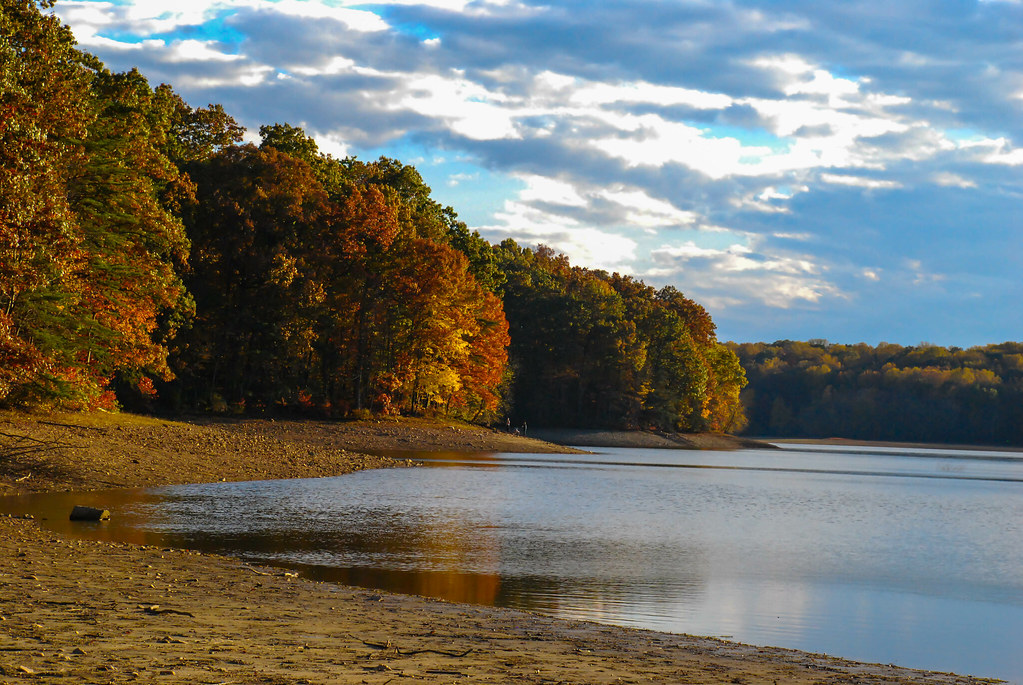
Triadelphia Reservoir
Severn River
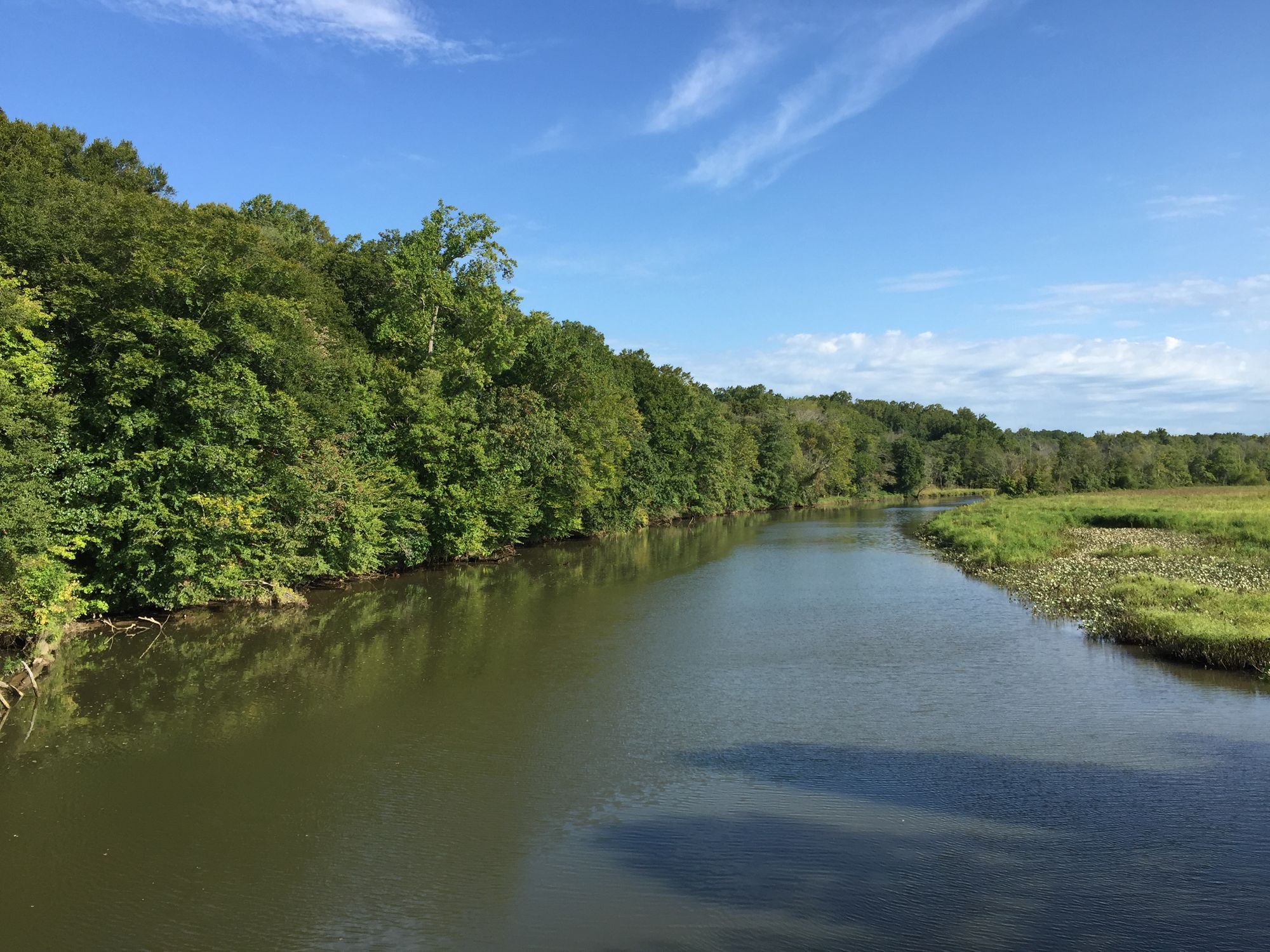
Patuxent River
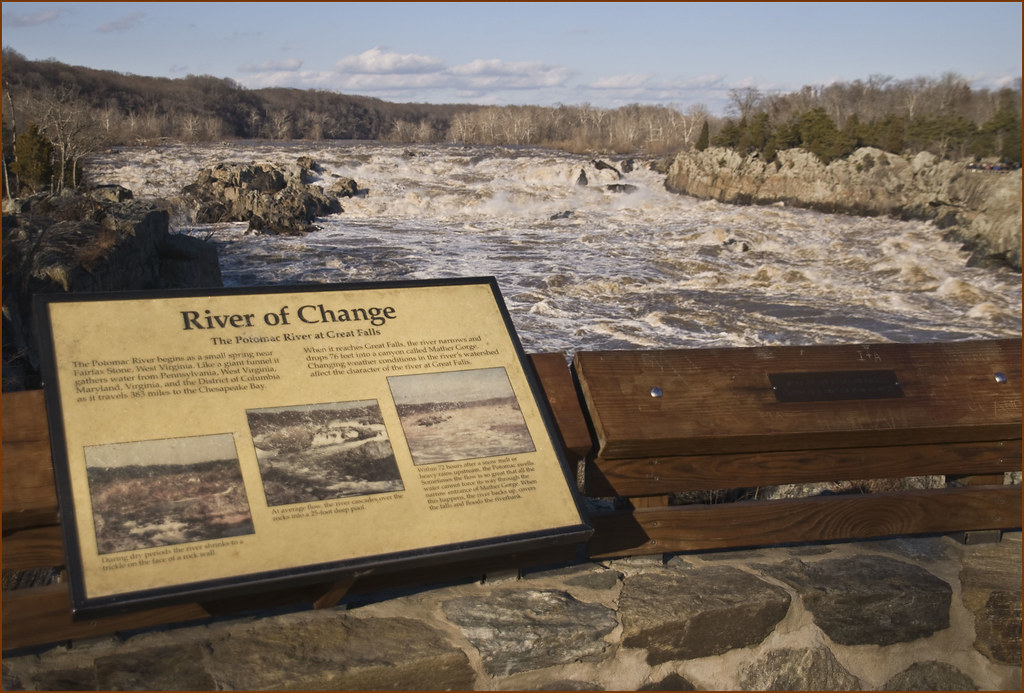
Potomac River
South River
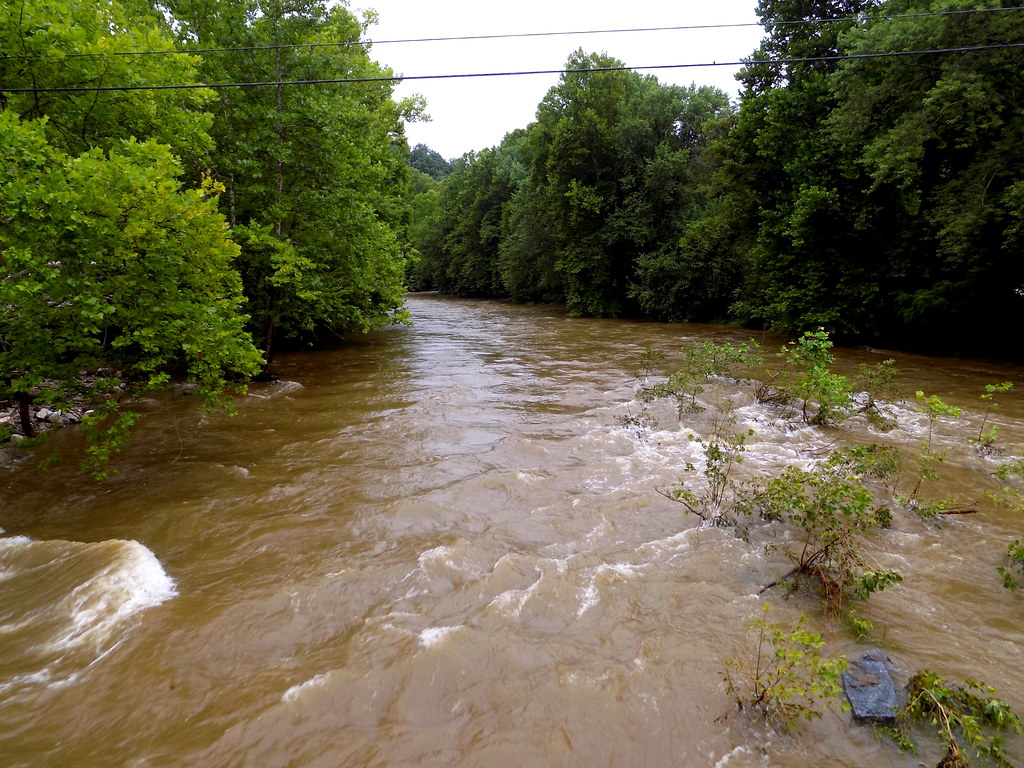
Patapsco River
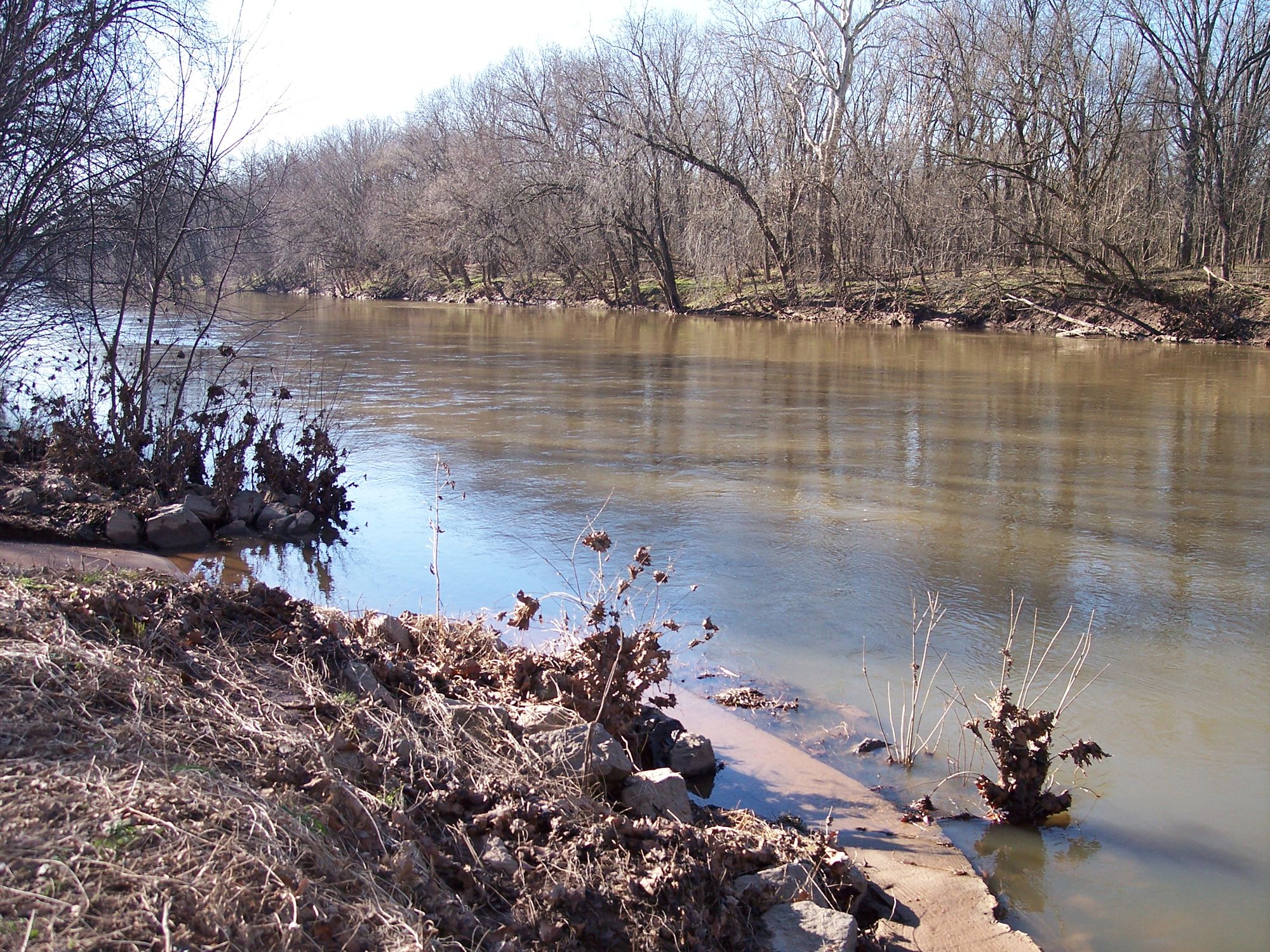
Monocacy River
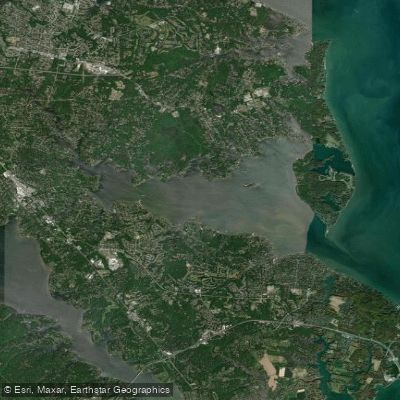
Magothy River
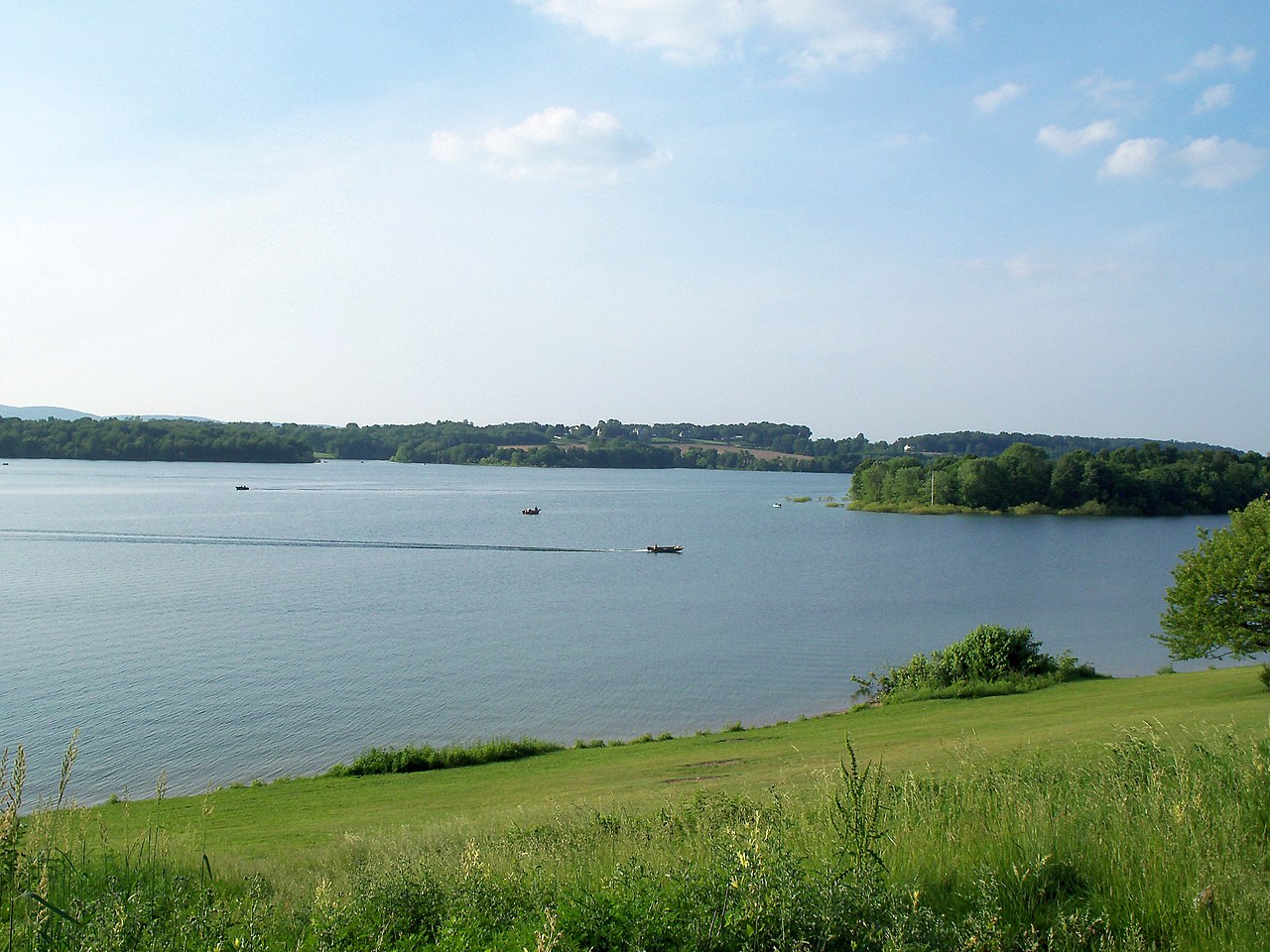
Lake Marburg
What to know
Habitat Distribution
- In Maryland, they're found in tidal tributaries of the Chesapeake Bay.
- They prefer slow-moving or stagnant waters with vegetation, stone outcrops, or downed trees.
Key Locations
- Potomac, Pocomoke, Nanticoke, Wicomico, and Choptank Rivers.
Specific Spots
- Target shallow, weedy areas around structure like vegetation, downed trees, or stone outcrops.
Longnose Gar FAQ
Answers from onWater's species guide.
What flies work for Longnose Gar in Maryland?
Effective flies include bucktail streamers, rope flies (though these complicate release), or any 3-5 inch streamer patterns fished just under the surface.
When is the best time to fish for Longnose Gar in Maryland?
Hot summer months (July-August) when water temperatures reach 70-80°F, with peak activity from July 1-April 14. Avoid fishing during spawning season (April 15-June 30) when they're protected with reduced creel limits.
How do you catch Longnose Gar in Maryland?
Traditional methods include sight-fishing with bow or spear, suspending bait just below the surface in shallow areas, or using frayed nylon rope as a hookless lure that tangles in their teeth. Cast beyond and ahead of visible fish, retrieving slowly as gar will follow before striking.
What do Longnose Gar eat?
They're apex predators feeding voraciously on small crustaceans and fish including perch, sunfish, and menhaden.
Where do Longnose Gar live in Maryland?
In Maryland, they're found in tidal tributaries of the Chesapeake Bay. They prefer slow-moving or stagnant waters with vegetation, stone outcrops, or downed trees.
Fish smarter with real-time insights
Whether you're en route and conditions shift or you're looking for the best spot based on current flows, we enable you to make informed decisions on the fly.




See it in the app
Most maps show you water.
onWater shows you Longnose Gar.



- 01 · Species map filter
Map every Longnose Gar water
Pick Longnose Gar and the map zeroes in on the waters they call home. No more guessing which lake holds them.
- 02 · Waterbody species
Tap any water. See what lives there.
Species, behavior and seasonal patterns for every lake, river and pond, before you leave the driveway.
- 03 · Angler Intelligence
Ask how to catch Longnose Gar
Tactics, gear and timing from onWater's AI fishing guide, tuned to the species and the water you're on.
Stop guessing where Longnose Gar are.
Open the map, filter by Longnose Gar, and head to water that holds them. Download onWater and plan your next trip in minutes.
- Species map filter
- Angler Intelligence
- Fishing journal
Explore other species
Trout, bass, salmon, panfish and everything in between. Each guide unpacks the behavior, seasons, and tactics that put fish in the net.
No species information available.
Maryland licenses and regulations
Explore nearby waters
Explore Maryland waters
Top fishing waters
Popular Cities
Loading popular cities...

Smarter Fishing Starts in the App.
onWater Fish gives you everything you need to plan smarter, fish better, and own every trip from first cast to last.