Round Whitefish

Round Whitefish are abundant throughout Alaska's freshwater systems and are part of the salmon family but distinguished by their cylindrical body shape, single flap between nostrils, olive-brown back fading to silvery sides, and amber-colored lower fins.
Scientific Name: Prosopium cylindraceum
Distinguished by their cylindrical body shape, single flap between nostrils, olive-brown back fading to silvery sides, and amber-colored lower fins. They grow to 9-19 inches typically, though some reach 22 inches.
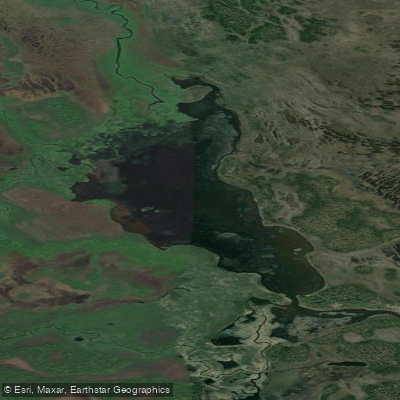
What to know
Habitat Distribution
They inhabit cold freshwaters including post-glacial lakes, rivers, and brackish waters, typically at depths of 180-700 feet, preferring deeper, colder areas. In Alaska, they're found in the Great Lakes region equivalents, Arctic Ocean drainages, and throughout northern waterways.Key Locations
Found in the Yukon and Kuskokwim River drainages, Tanana River, and numerous lakes and rivers statewide. Target them in the Kenai River system from the lake outlet to Skilak Lake inlet. Look for them in the Tanana River drainage, Chatanika River area near Fairbanks, and various Interior Alaska lakes and rivers accessible by road or boat.Specific Spots
Focus on deeper waters, holes, and areas with current edges where they feed on drifting insectsRound Whitefish FAQ
Answers from onWater's species guide.
What are the best lures and bait for Round Whitefish in Alaska?
Cured fish roe, small minnows, and insects. For artificial lures, try small spoons, tiny flies, and very small beads or corkies.
When is the best time to fish for Round Whitefish in Alaska?
Early spring (April-May) and late fall (October-November) when they move to shallower waters. They're present year-round in many systems. Avoid the late fall spawning period (October-November) when they're focused on reproduction rather than feeding.
How do you catch Round Whitefish in Alaska?
Still fishing with bait on the bottom can be effective since they're benthic feeders. Spin casting and bait casting with ultra-light tackle. Fly fishing works well. Persistence with small, natural presentations in the right habitat can produce results.
What do Round Whitefish eat?
These bottom feeders primarily consume benthic invertebrates including chironomids, isopods, gastropods, amphipods, and aquatic insect larvae. They also feed on plankton, small clams, snails, and fish eggs when available.
Where do Round Whitefish live in Alaska?
They inhabit cold freshwaters including post-glacial lakes, rivers, and brackish waters, typically at depths of 180-700 feet, preferring deeper, colder areas. In Alaska, they're found in the Great Lakes region equivalents, Arctic Ocean drainages, and throughout northern waterways.
Fish smarter with real-time insights
Whether you're en route and conditions shift or you're looking for the best spot based on current flows, we enable you to make informed decisions on the fly.







See it in the app
Most maps show you water.
onWater shows you Round Whitefish.



- 01 · Species map filter
Map every Round Whitefish water
Pick Round Whitefish and the map zeroes in on the waters they call home. No more guessing which lake holds them.
- 02 · Waterbody species
Tap any water. See what lives there.
Species, behavior and seasonal patterns for every lake, river and pond, before you leave the driveway.
- 03 · Angler Intelligence
Ask how to catch Round Whitefish
Tactics, gear and timing from onWater's AI fishing guide, tuned to the species and the water you're on.
Stop guessing where Round Whitefish are.
Open the map, filter by Round Whitefish, and head to water that holds them. Download onWater and plan your next trip in minutes.
- Species map filter
- Angler Intelligence
- Fishing journal
Explore other species
Trout, bass, salmon, panfish and everything in between. Each guide unpacks the behavior, seasons, and tactics that put fish in the net.

Find which waters have the species you want to catch

Rainbow Trout
Oncorhynchus mykiss

Cutthroat Trout
Oncorhynchus clarkii clarkii

Northern Pike
Esox lucius

Arctic Char
Salvelinus alpinus
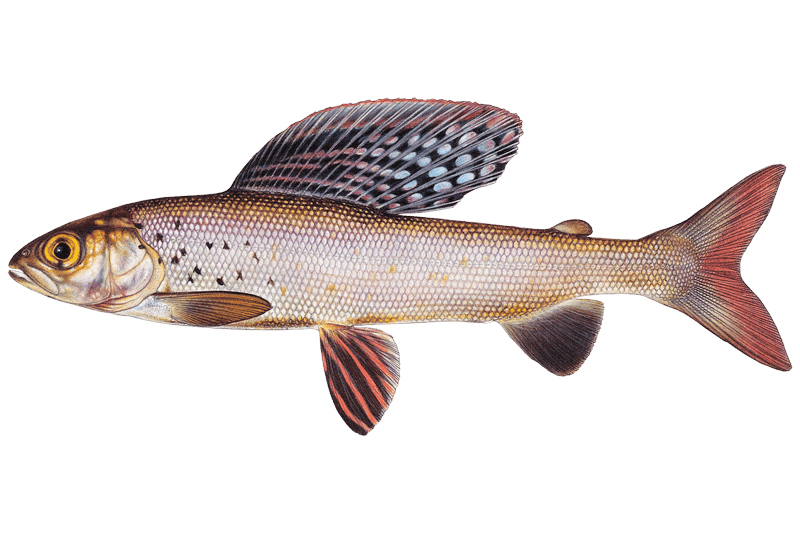
Arctic Grayling
Thymallus arcticus

Atlantic Salmon
Salmo salar

Burbot
Lota lota

Chinook Salmon
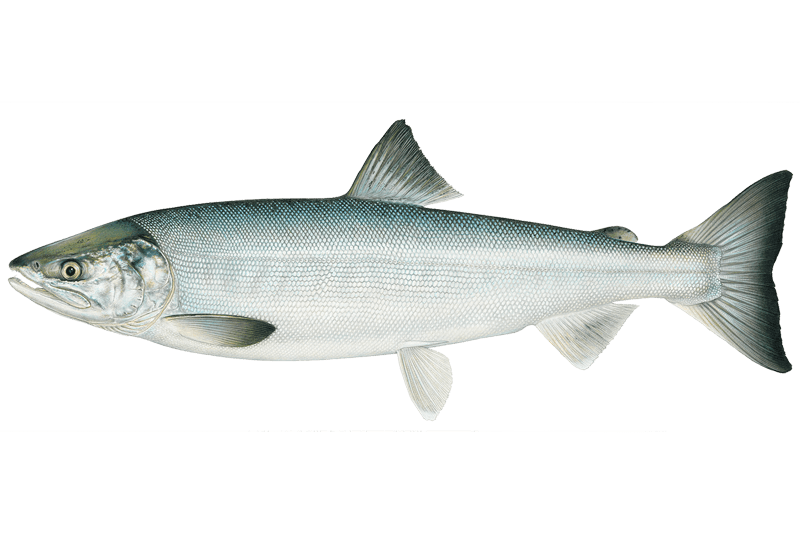
Chum Salmon
Oncorhynchus keta

Cisco
Coregonus autumnalis (Arctic Cisco), Coregonus laurettae (Bering Cisco)

Coho Salmon
Oncorhynchus kisutch
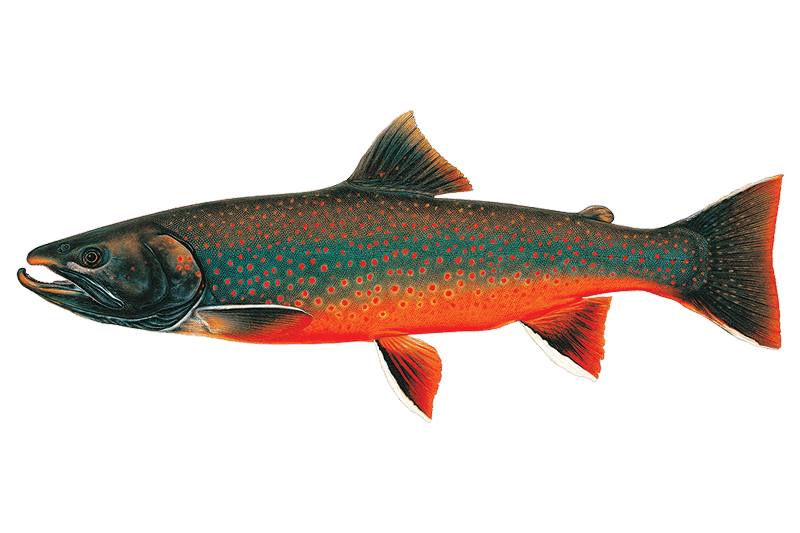
Dolly Varden
Salvelinus malma

Lake Trout
Salvelinus namaycush
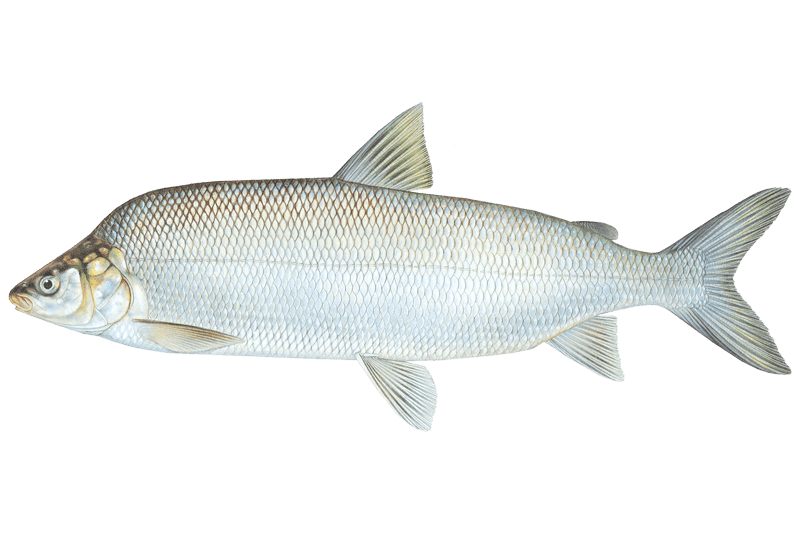
Lake Whitefish
Coregonus clupeaformis

Longnose Sucker
Catostomus catostomus
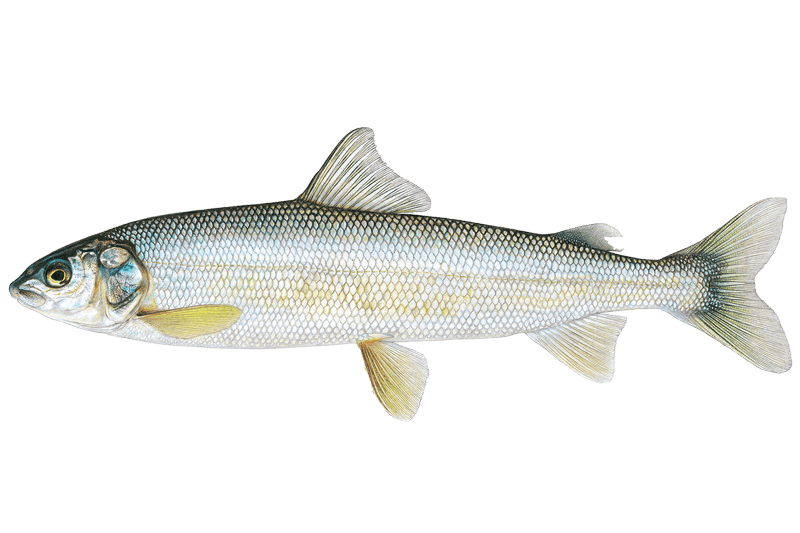
Mountain Whitefish
Prosopium williamsoni

Pink Salmon
Oncorhynchus gorbuscha
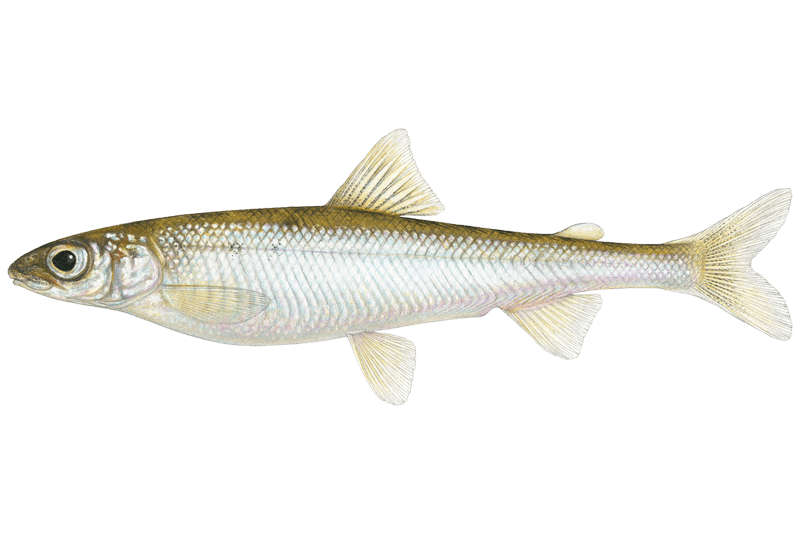
Pygmy Whitefish
Prosopium coulterii

Sockeye Salmon
Oncorhynchus nerka

Steelhead
Alaska licenses and regulations

Alaska Boating Regulations
When using any type of watercraft to access a body of water, it is important to follow all federal, state, and local rules and regulations. These rules and regulations include boat permitting and licensing, invasive species inspections and stamps, life jacket and PFD rules, motor size and horsepower restrictions, noise limitations, restrictions on personal watercraft, and many more. Visit the web link below for the most current rules and regulations for this body of water.

Alaska Fishing License
All residents age 18 or older and nonresidents age 16 or older must purchase and possess a sport fishing license to participate in Alaska sport and personal use fisheries. In addition, a king salmon stamp is required to fish for king salmon (except king salmon in stocked lakes). These laws apply in both fresh and marine waters.

Alaska Fishing Regulations
This state has a variety of species and regulations, including potential floating and/or watercraft restrictions. Because this state is specially managed for species, seasons, angling methods, and watercraft, it is strongly encouraged you check all federal, state, and local regulations before fishing. Visit any of the links below, inquire locally, or contact a local fly shop to learn current regulations and restrictions.

Alaska Stream Access Laws
The Alaska Constitution and state statutes protect the public's right to use navigable or public waters. Under Alaska law, ownership of uplands adjacent to navigable or public water does not grant an exclusive right to use the water or to control public use of the water, even if the title includes the submerged land
Explore nearby waters
Explore Alaska waters
Top fishing waters
Popular Cities
Loading popular cities...

Smarter Fishing Starts in the App.
onWater Fish gives you everything you need to plan smarter, fish better, and own every trip from first cast to last.