Steelhead

Steelhead in Alaska are anadromous rainbow trout that represent one of the last strongholds of healthy wild steelhead populations in North America.
Born in freshwater, they spend 2-5 years in natal rivers before migrating to saltwater where they feed extensively on shrimp, squid, and various ocean prey for 2-3 years before returning to spawn.
Most Alaskan steelhead are two-salt fish weighing 8-12 pounds, with respectable numbers in the 12-16 pound range and occasional fish reaching 20+ pounds and over 40 inches.
These wild fish are exceptionally strong and athletic compared to hatchery fish found elsewhere.
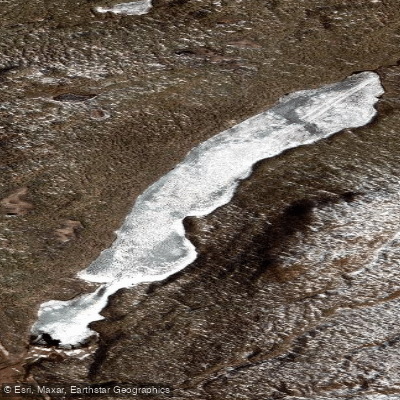
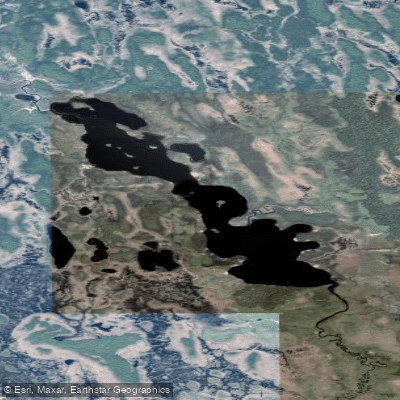
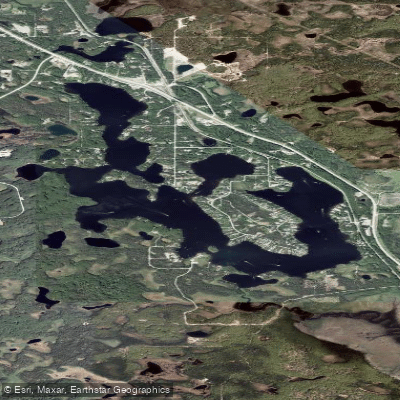
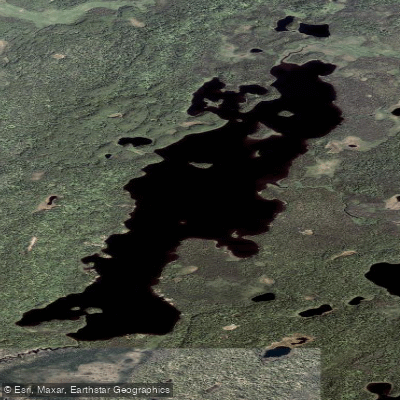
What to know
Habitat Distribution
Alaska's steelhead are found in over 300 watersheds primarily in Southeast Alaska, South-central Alaska (including the Kenai Peninsula), and Kodiak Island.Key Locations
Key productive waters include the Situk River (largest run), Peterson Creek, Cowee Creek near Juneau, and numerous streams on Kodiak Island and the Kenai Peninsula. The Situk River near Yakutat hosts Alaska's largest known population. Southeast Alaska streams like Peterson Creek and Cowee Creek provide road-accessible fishing near Juneau.Specific Spots
Target water 2-5 feet deep with moderate current around boulders, ledges, logs, current seams, and tailouts.Steelhead FAQ
Answers from onWater's species guide.
What flies work for Steelhead in Alaska?
Effective fly patterns include size 2-6 Intruders in black/blue and pink combinations, purple Silveynators with pink heads, Hobo Spey patterns, and Dali Llama flies with rabbit strips. Beads (6-10mm) in various colors are extremely effective, particularly when dead-drifted under indicators.
When is the best time to fish for Steelhead in Alaska?
The prime seasons for Alaska steelhead fishing are spring (April-May) and fall (September-October), avoiding spawning periods in spring. Spring offers the best fishing in Southeast Alaska when fish are fresh from the ocean and most aggressive. Fall fishing is excellent on the Kenai Peninsula and Kodiak Island.
How do you catch Steelhead in Alaska?
Key techniques include swinging flies at 45-degree downstream angles through deep pools and current breaks, or nymphing/dead-drifting beads and flies close to bottom structure.
What do Steelhead eat?
They feed extensively on shrimp, squid, and various ocean prey for 2-3 years before returning to spawn. Adult steelhead do not feed once entering freshwater, relying entirely on stored ocean energy.
Where do Steelhead live in Alaska?
Alaska's steelhead are found in over 300 watersheds primarily in Southeast Alaska, South-central Alaska (including the Kenai Peninsula), and Kodiak Island.
Fish smarter with real-time insights
Whether you're en route and conditions shift or you're looking for the best spot based on current flows, we enable you to make informed decisions on the fly.




See it in the app
Most maps show you water.
onWater shows you Steelhead.



- 01 · Species map filter
Map every Steelhead water
Pick Steelhead and the map zeroes in on the waters they call home. No more guessing which lake holds them.
- 02 · Waterbody species
Tap any water. See what lives there.
Species, behavior and seasonal patterns for every lake, river and pond, before you leave the driveway.
- 03 · Angler Intelligence
Ask how to catch Steelhead
Tactics, gear and timing from onWater's AI fishing guide, tuned to the species and the water you're on.
Stop guessing where Steelhead are.
Open the map, filter by Steelhead, and head to water that holds them. Download onWater and plan your next trip in minutes.
- Species map filter
- Angler Intelligence
- Fishing journal
Explore other species
Trout, bass, salmon, panfish and everything in between. Each guide unpacks the behavior, seasons, and tactics that put fish in the net.
No species information available.
Alaska licenses and regulations
Explore nearby waters
Explore Alaska waters
Top fishing waters
Popular Cities
Loading popular cities...

Smarter Fishing Starts in the App.
onWater Fish gives you everything you need to plan smarter, fish better, and own every trip from first cast to last.