Mountain Whitefish
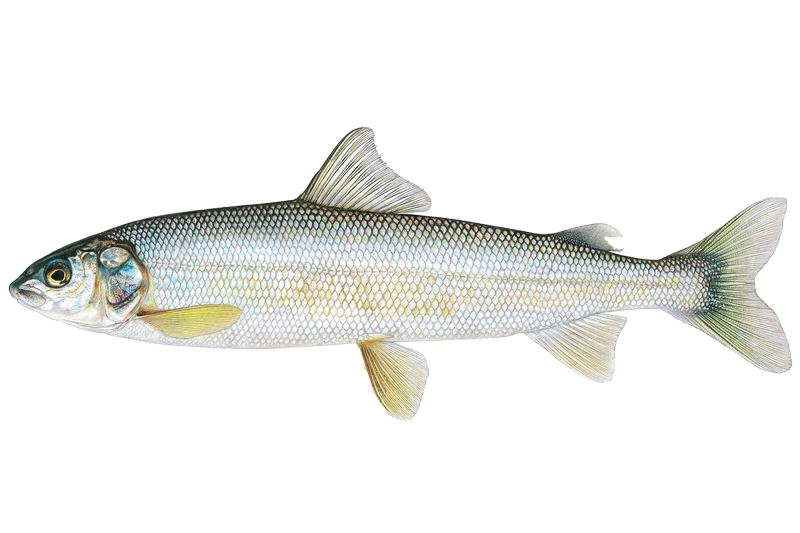
Mountain Whitefish are native salmonids found throughout western North America from California to Alaska, representing one of the most widely distributed salmonid species in the region.
They are an important indicator species for clean, pollution-free water systems and serve as forage for larger predatory fish.
Scientific Name: Prosopium williamsoni
These fish are distinguished by their silvery, large-scaled bodies (74-90 scales on lateral line) with a prominent adipose fin, small ventral mouth, cylindrical body, and forked tail.
They typically range from 12-20 inches, though specimens over 20 inches are relatively rare.
What to know
Habitat Distribution
Native salmonids found throughout western North America from California to Alaska. They prefer clear, cold streams and rivers.Key Locations
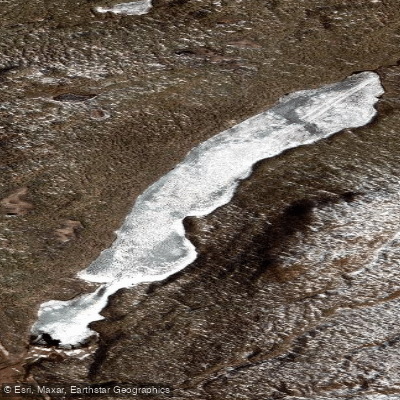
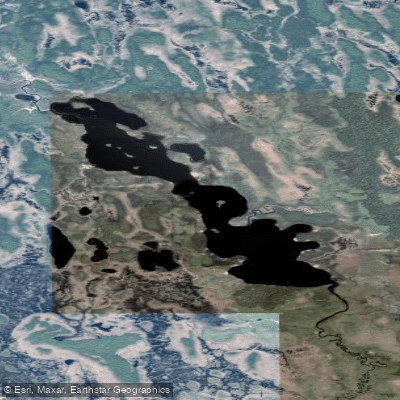
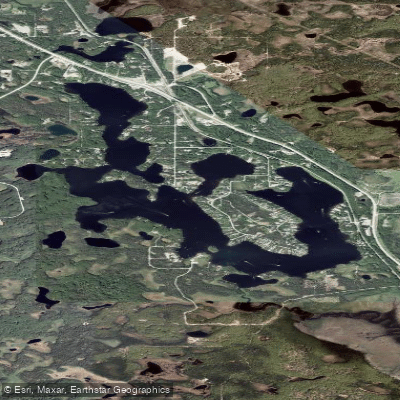
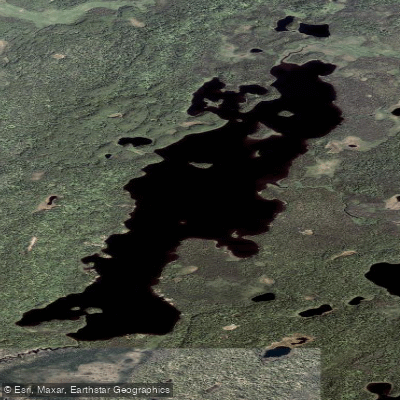
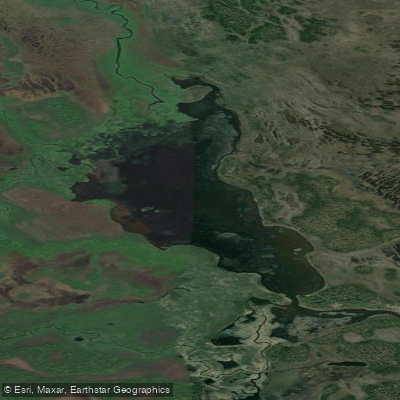
In Alaska, they inhabit both the Kuskokwim and Johnson Rivers.Specific Spots
Target them in deep pools, large runs, and areas with moderate current - look for water that's fast enough to create small peaks on the surface but not broken water. Fish deep water or large pools rather than seeking cover and shade like other salmonids prefer.Mountain Whitefish FAQ
Answers from onWater's species guide.
What are the best lures and bait for Mountain Whitefish in Alaska?
Small baits like mealworms, maggots, garden worms, or salmon eggs work well. Small spinners retrieved moderately near the surface can also be effective.
What flies work for Mountain Whitefish in Alaska?
Small beadhead nymphs are highly effective - Prince Nymphs (size 12 on larger rivers, 14-16 on smaller waters), Pheasant Tails, Hare's Ears, and Copper Johns being particularly productive. Small flashy midge patterns and caddis larva imitations are also excellent choices.
When is the best time to fish for Mountain Whitefish in Alaska?
The best fishing occurs when water temperatures are cool, making late fall through early spring productive seasons, though avoid the October-December spawning period. They are highly active during winter months when water temperatures are cool.
How do you catch Mountain Whitefish in Alaska?
Use Euro nymph techniques to get flies close to the bottom where whitefish feed. The key is achieving a long, natural dead-drift presentation close to the bottom where these fish typically hold.
What do Mountain Whitefish eat?
Mountain Whitefish are bottom-oriented predators that feed primarily on aquatic insects including mayfly, caddisfly, and stonefly larvae, as well as chironomid midges, blackfly larvae, snails, crayfish, and amphipods.
Fish smarter with real-time insights
Whether you're en route and conditions shift or you're looking for the best spot based on current flows, we enable you to make informed decisions on the fly.







See it in the app
Most maps show you water.
onWater shows you Mountain Whitefish.



- 01 · Species map filter
Map every Mountain Whitefish water
Pick Mountain Whitefish and the map zeroes in on the waters they call home. No more guessing which lake holds them.
- 02 · Waterbody species
Tap any water. See what lives there.
Species, behavior and seasonal patterns for every lake, river and pond, before you leave the driveway.
- 03 · Angler Intelligence
Ask how to catch Mountain Whitefish
Tactics, gear and timing from onWater's AI fishing guide, tuned to the species and the water you're on.
Stop guessing where Mountain Whitefish are.
Open the map, filter by Mountain Whitefish, and head to water that holds them. Download onWater and plan your next trip in minutes.
- Species map filter
- Angler Intelligence
- Fishing journal
Explore other species
Trout, bass, salmon, panfish and everything in between. Each guide unpacks the behavior, seasons, and tactics that put fish in the net.

Find which waters have the species you want to catch

Rainbow Trout
Oncorhynchus mykiss

Cutthroat Trout
Oncorhynchus clarkii clarkii

Northern Pike
Esox lucius

Arctic Char
Salvelinus alpinus
Arctic Grayling
Thymallus arcticus

Atlantic Salmon
Salmo salar

Burbot
Lota lota

Chinook Salmon
Chum Salmon
Oncorhynchus keta

Cisco
Coregonus autumnalis (Arctic Cisco), Coregonus laurettae (Bering Cisco)

Coho Salmon
Oncorhynchus kisutch
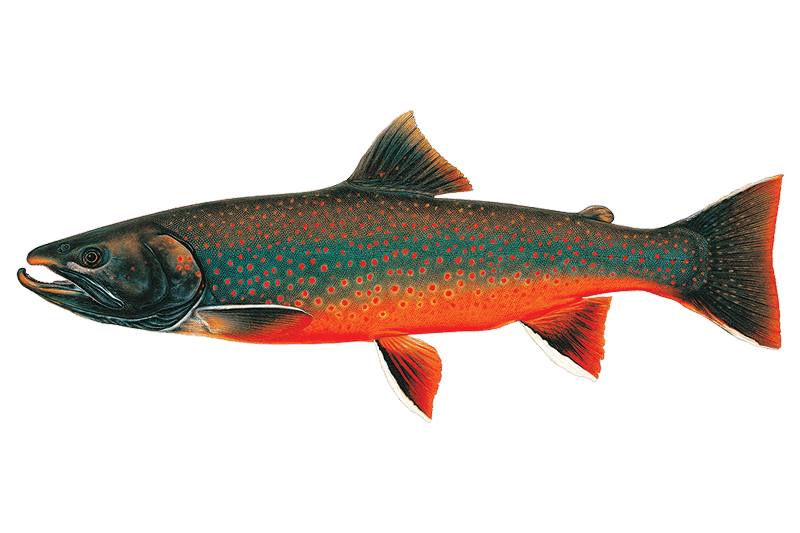
Dolly Varden
Salvelinus malma

Lake Trout
Salvelinus namaycush
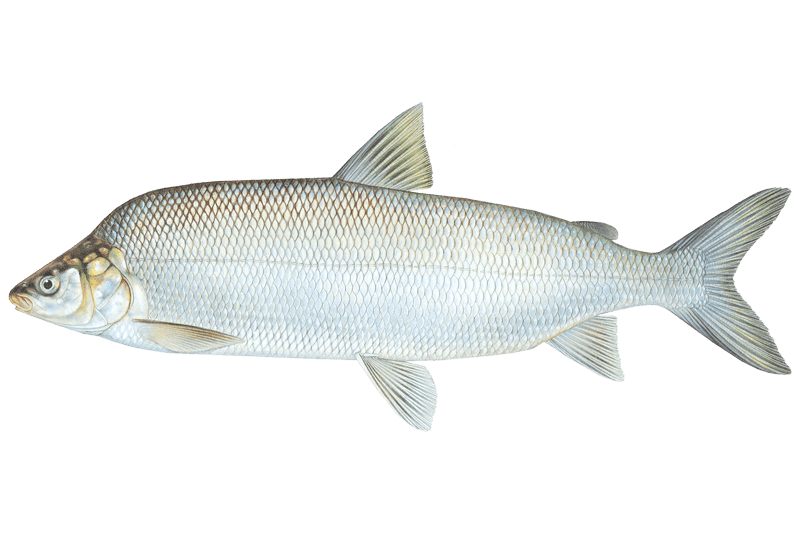
Lake Whitefish
Coregonus clupeaformis

Longnose Sucker
Catostomus catostomus

Pink Salmon
Oncorhynchus gorbuscha
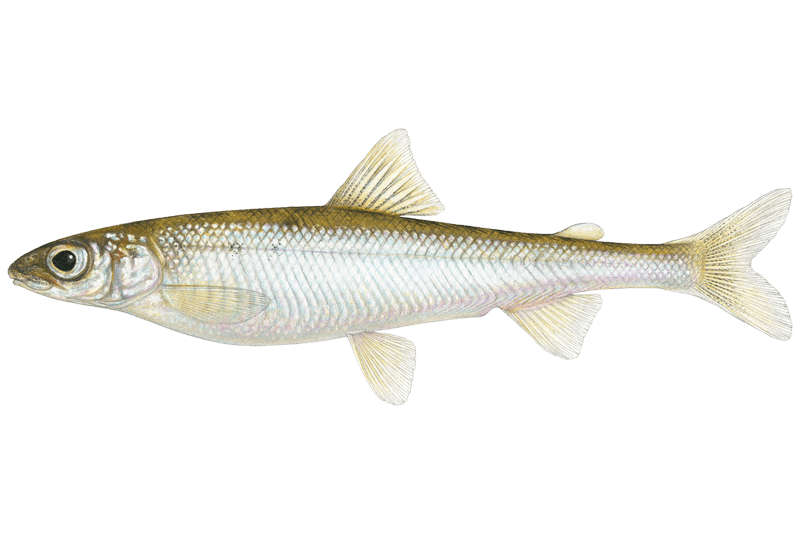
Pygmy Whitefish
Prosopium coulterii

Round Whitefish
Prosopium cylindraceum

Sockeye Salmon
Oncorhynchus nerka

Steelhead
Alaska licenses and regulations

Alaska Boating Regulations
When using any type of watercraft to access a body of water, it is important to follow all federal, state, and local rules and regulations. These rules and regulations include boat permitting and licensing, invasive species inspections and stamps, life jacket and PFD rules, motor size and horsepower restrictions, noise limitations, restrictions on personal watercraft, and many more. Visit the web link below for the most current rules and regulations for this body of water.

Alaska Fishing License
All residents age 18 or older and nonresidents age 16 or older must purchase and possess a sport fishing license to participate in Alaska sport and personal use fisheries. In addition, a king salmon stamp is required to fish for king salmon (except king salmon in stocked lakes). These laws apply in both fresh and marine waters.

Alaska Fishing Regulations
This state has a variety of species and regulations, including potential floating and/or watercraft restrictions. Because this state is specially managed for species, seasons, angling methods, and watercraft, it is strongly encouraged you check all federal, state, and local regulations before fishing. Visit any of the links below, inquire locally, or contact a local fly shop to learn current regulations and restrictions.

Alaska Stream Access Laws
The Alaska Constitution and state statutes protect the public's right to use navigable or public waters. Under Alaska law, ownership of uplands adjacent to navigable or public water does not grant an exclusive right to use the water or to control public use of the water, even if the title includes the submerged land
Explore nearby waters
Explore Alaska waters
Top fishing waters
Popular Cities
Loading popular cities...

Smarter Fishing Starts in the App.
onWater Fish gives you everything you need to plan smarter, fish better, and own every trip from first cast to last.