Arctic Grayling
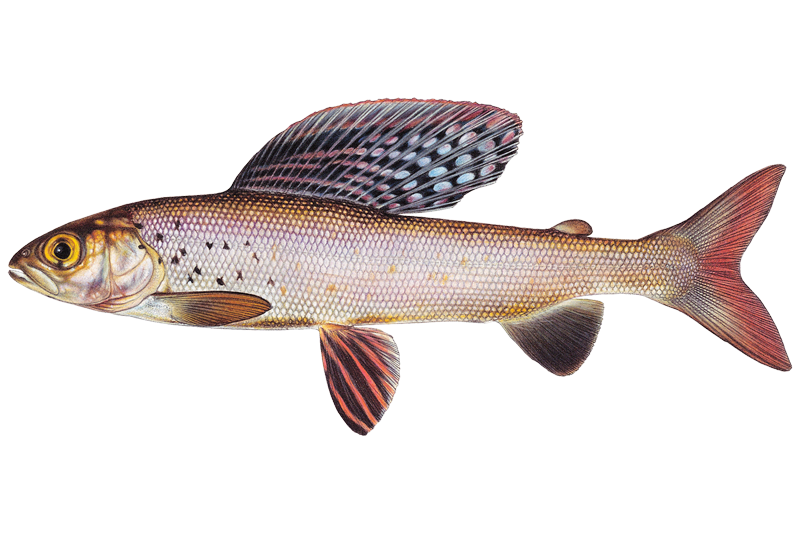
Arctic Grayling are one of Alaska's most beautiful and widely distributed freshwater fish, found throughout nearly the entire state except Southeast Alaska (excluding a few stocked lakes), Kodiak Island, and the Aleutian Islands.
Scientific Name: Thymallus arcticus
- These stunning fish are easily identified by their large, sail-like dorsal fin fringed in red and dotted with iridescent red, aqua, or purple spots - markings that are most dramatic on larger specimens.
- Their bodies display remarkable color variation from stream to stream, ranging from black, silver, gold, or blue backs to sides with pelvic fins striped with iridescent orange, red, or pink.
- A distinctive golden band separates their colorful sides from white bellies.
- Grayling can live up to 32 years and reach lengths of 24 inches, with the Alaska state record weighing 5 pounds 1 ounce caught on the Seward Peninsula.
What to know
Habitat Distribution
- found throughout nearly the entire state except Southeast Alaska (excluding a few stocked lakes), Kodiak Island, and the Aleutian Islands.
Key Locations
- The largest grayling fisheries occur along Alaska's road system in Interior Alaska, particularly the Parks, Glenn, and Denali highways north of Anchorage, and the Alaska, Richardson, and Steese highways around Fairbanks.
- For trophy grayling over 3 pounds, target the Ugashik Lake and river system in Bristol Bay or waters around Nome.
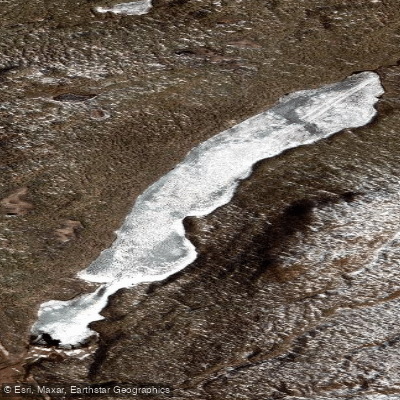
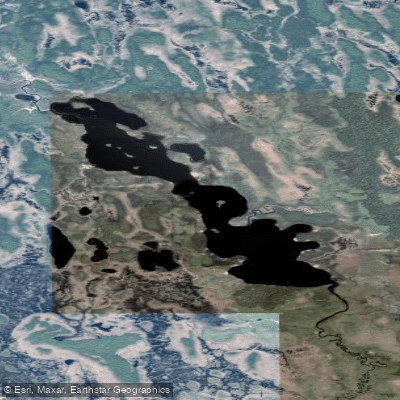
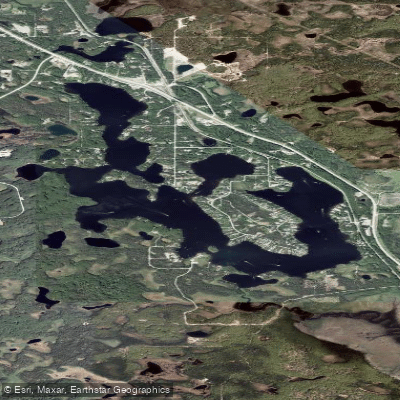
- Symphony Lake (5-mile hike from Anchorage) offers excellent roadside access, while Chena River near Fairbanks provides catch-and-release opportunities along Chena Hot Springs Road.
Specific Spots
- Target deeper pools in streams, areas near current breaks, structure like logs or boulders, and lake edges near inlets/outlets.
Arctic Grayling FAQ
Answers from onWater's species guide.
What are the best lures and bait for Arctic Grayling in Alaska?
small spinners like Mepps (size 0-2), Rooster Tail (1/8 ounce), or Panther Martin lures.
What flies work for Arctic Grayling in Alaska?
Top dry fly patterns include Adams, Elk Hair Caddis, Red Humpy (especially effective for large fish), Mosquito, Black Gnat, Royal Coachman, and various terrestrial patterns. During salmon spawning season, use salmon-egg patterns like Iliamna Pinkies or beads positioned at least 2 inches above the hook.
When is the best time to fish for Arctic Grayling in Alaska?
Peak Arctic Grayling fishing in Alaska runs from June through September. Avoid fishing during spawning from mid-May to mid-June.
How do you catch Arctic Grayling in Alaska?
Fish often rise to take flies on the way down rather than on initial presentation, so delay your hook set. In fall, try maggot imitations when salmon are decomposing on shores.
What do Arctic Grayling eat?
They're voracious feeders during the brief summer months, primarily eating drifting aquatic insects like black flies, mayflies, stone flies, and caddis flies, though they'll also consume salmon e.g.gs, smaller fish, and even shrews or voles.
Fish smarter with real-time insights
Whether you're en route and conditions shift or you're looking for the best spot based on current flows, we enable you to make informed decisions on the fly.
See it in the app
Most maps show you water.
onWater shows you Arctic Grayling.



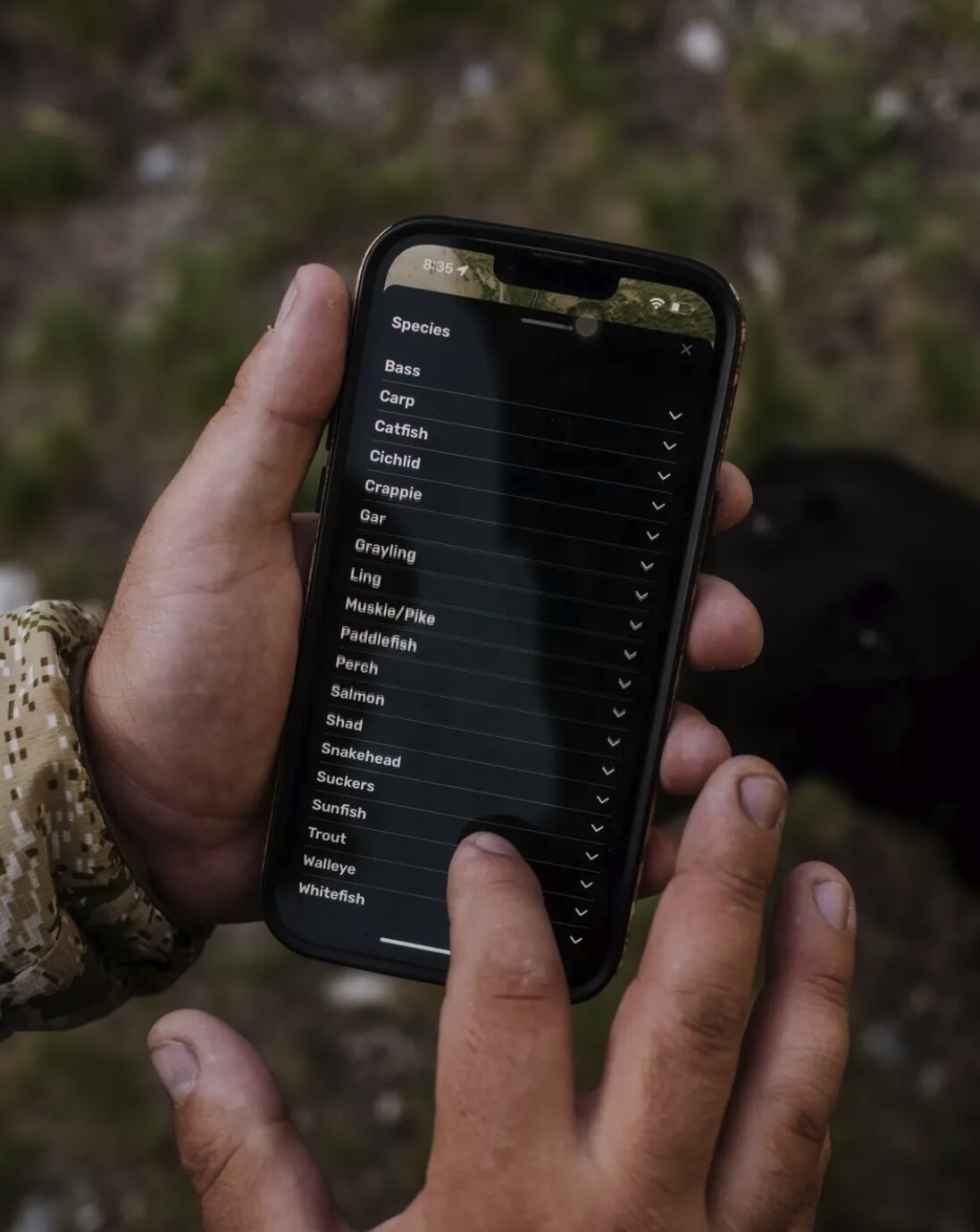
- 01 · Species map filter
Map every Arctic Grayling water
Pick Arctic Grayling and the map zeroes in on the waters they call home. No more guessing which lake holds them.
- 02 · Waterbody species
Tap any water. See what lives there.
Species, behavior and seasonal patterns for every lake, river and pond, before you leave the driveway.
- 03 · Angler Intelligence
Ask how to catch Arctic Grayling
Tactics, gear and timing from onWater's AI fishing guide, tuned to the species and the water you're on.
Stop guessing where Arctic Grayling are.
Open the map, filter by Arctic Grayling, and head to water that holds them. Download onWater and plan your next trip in minutes.
- Species map filter
- Angler Intelligence
- Fishing journal
Explore other species
Trout, bass, salmon, panfish and everything in between. Each guide unpacks the behavior, seasons, and tactics that put fish in the net.
No species information available.
Alaska licenses and regulations
Explore nearby waters
Explore Alaska waters
Top fishing waters
Popular Cities
Loading popular cities...
Smarter Fishing Starts in the App.
onWater Fish gives you everything you need to plan smarter, fish better, and own every trip from first cast to last.