Sockeye Salmon

Sockeye salmon are anadromous fish that exhibit remarkable diversity in life history types with sea-run, riverine, and lake forms.
Alaska supports the largest sockeye runs in North America, with the Bristol Bay region producing some of the world's largest commercial harvests.
Scientific Name: Oncorhynchus nerka
Also known as red salmon
- In Alaska's waters, they appear blue-black on top with silver sides while in the ocean, transforming to bright red bodies with green heads during spawning season.
- Adult sockeye average 25 inches in length and weigh 8-12 pounds, with Alaska's state angling record at 16 pounds from the Kenai River.
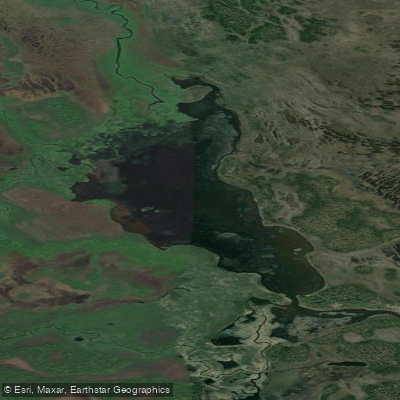
What to know
Habitat Distribution
- They are distributed from Southeast Alaska north to Kotzebue Sound, with significant populations found from the Snake River north to the Bering Sea.
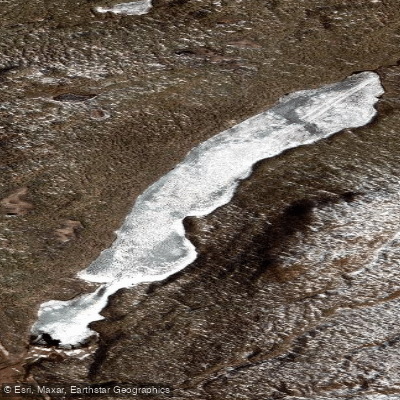
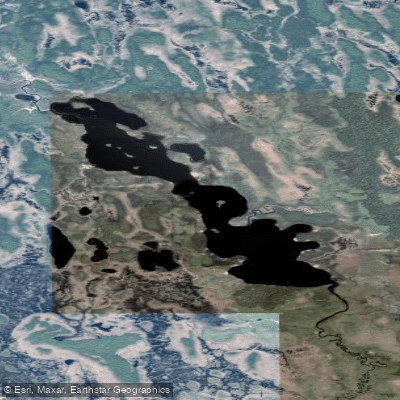
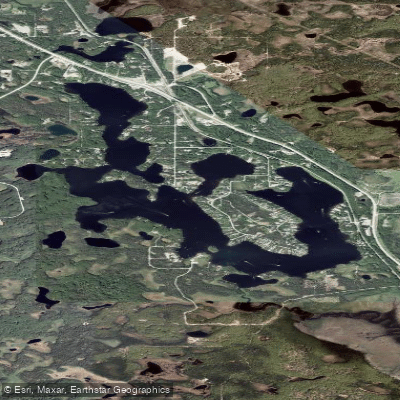
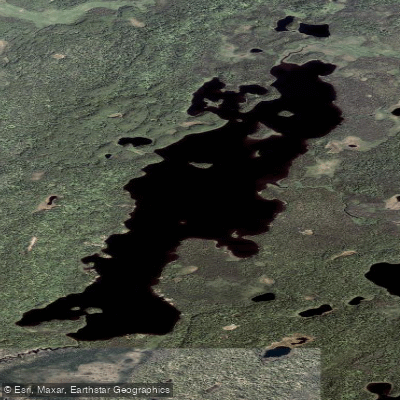
- They require lake-rearing habitat during juvenile stages, making Alaska's abundant lake systems crucial to their lifecycle.
Key Locations
- Top locations include the Kenai River (world-record producing waters), Russian River (peak mid-June through August), Kasilof River, and Bristol Bay tributaries like the Naknek, Kvichak, and Nushagak rivers.
- In Alaska, sockeye are found in major river systems including the Kenai, Kasilof, Russian, Naknek, Kvichak, Nushagak, Alagnak, and numerous Southeast Alaska systems.
- Southeast Alaska locations like the Situk, Auke Lake, and numerous other systems.
Specific Spots
- Fish are typically caught from shore as they run close to banks during upstream migration.
- Target fish at eye level in the strike zone.
- Backtrolling plugs in deeper sections.
Sockeye Salmon FAQ
Answers from onWater's species guide.
What are the best lures and bait for Sockeye Salmon in Alaska?
Use single-hook artificial flies or lures only on most waters (bait allowed on Kasilof).
What flies work for Sockeye Salmon in Alaska?
Essential fly patterns include the Sockeye Lantern in green (#1 producer), Sockeye Killer in red for fast water, Montana Brassie in Tutti Fruiti, Mercer's Sockeye Fly in orange, Copper Swan, and Sockeye Lightning in red.
When is the best time to fish for Sockeye Salmon in Alaska?
Peak sockeye fishing in Alaska occurs from June through August, with July being the absolute best month for numbers. The Kenai River offers two distinct runs: early run from late May through early July, and the larger late run from mid-July through mid-August.
How do you catch Sockeye Salmon in Alaska?
Dead drift presentations with floating line and indicator work best, targeting fish at eye level in the strike zone. Key techniques include 'flossing' or 'lining' and backtrolling plugs in deeper sections.
What do Sockeye Salmon eat?
Sockeye are unique among Pacific salmon for their extensive zooplankton feeding throughout both freshwater and saltwater life stages, consuming zooplankton, benthic amphipods, insects, crustacean larvae, small fish like sand lance, and squid.
Fish smarter with real-time insights
Whether you're en route and conditions shift or you're looking for the best spot based on current flows, we enable you to make informed decisions on the fly.




See it in the app
Most maps show you water.
onWater shows you Sockeye Salmon.



- 01 · Species map filter
Map every Sockeye Salmon water
Pick Sockeye Salmon and the map zeroes in on the waters they call home. No more guessing which lake holds them.
- 02 · Waterbody species
Tap any water. See what lives there.
Species, behavior and seasonal patterns for every lake, river and pond, before you leave the driveway.
- 03 · Angler Intelligence
Ask how to catch Sockeye Salmon
Tactics, gear and timing from onWater's AI fishing guide, tuned to the species and the water you're on.
Stop guessing where Sockeye Salmon are.
Open the map, filter by Sockeye Salmon, and head to water that holds them. Download onWater and plan your next trip in minutes.
- Species map filter
- Angler Intelligence
- Fishing journal
Explore other species
Trout, bass, salmon, panfish and everything in between. Each guide unpacks the behavior, seasons, and tactics that put fish in the net.
No species information available.
Alaska licenses and regulations
Explore nearby waters
Explore Alaska waters
Top fishing waters
Popular Cities
Loading popular cities...

Smarter Fishing Starts in the App.
onWater Fish gives you everything you need to plan smarter, fish better, and own every trip from first cast to last.