Lake Whitefish

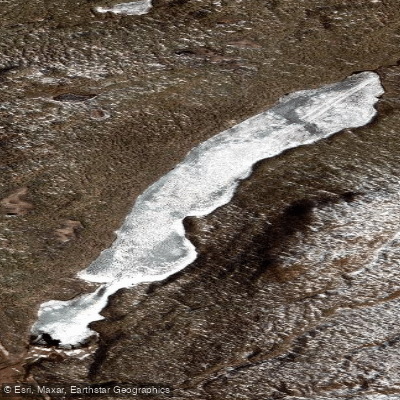
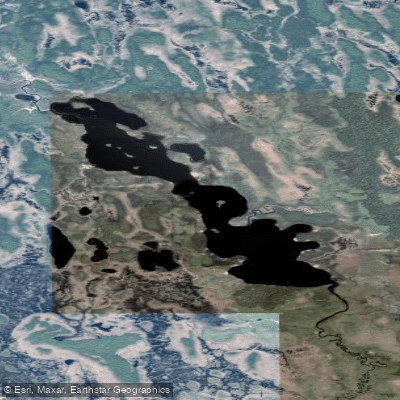
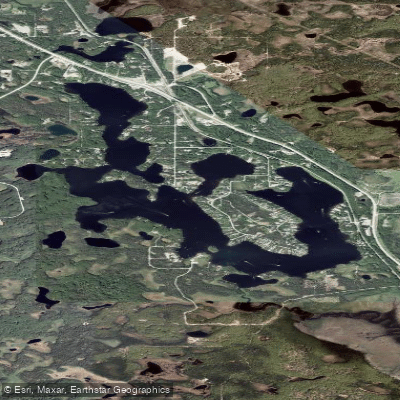
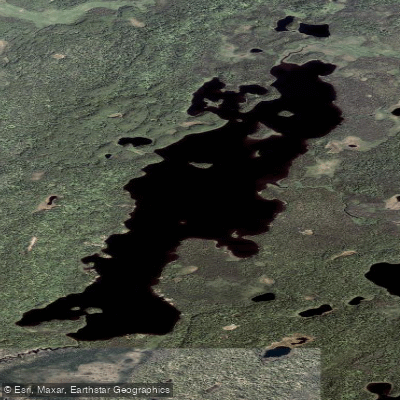
Lake Whitefish in Alaska are distributed from Alaska and western Canada to the Atlantic coastal drainage, found in cold freshwater lakes and their drainage basins.
These cool-water fish make seasonal migrations between different depths - deeper water in summer and winter, returning to shallower water in spring and fall.
Scientific Name: Coregonus clupeaformis
Also known as humpback
- They have an overall silvery to white coloration with olive to pale greenish-brown backs, small heads in relation to body length, and protruding snouts with subterminal mouths.
- The species averages 457mm in length.
What to know
Habitat Distribution
- Found in cold freshwater lakes and their drainage basins.
- They can occasionally enter brackish water and are found in large, cold freshwater lakes throughout Alaska and Canada.
Specific Spots
- Target areas include rocky shoals, reefs, drop-offs, undercut banks, rock and boulder pockets, and areas near overhanging trees and bushes.
- Look for them in freshwater lakes and ponds, particularly in open water areas and spring holes.
- Lake Whitefish prefer water depths from 5-128 meters, though 15-37 meters is more common.
Lake Whitefish FAQ
Answers from onWater's species guide.
What are the best lures and bait for Lake Whitefish in Alaska?
Effective lures include small spoons, jigs. Natural baits work well including fish e.g.gs, small fish, and insects. Bread or dough balls, cured fish roe, minnows, and various insects are effective baits.
What flies work for Lake Whitefish in Alaska?
Flies. For fly fishing, focus on patterns that imitate their primary food sources like mayflies, midges, and aquatic insects.
When is the best time to fish for Lake Whitefish in Alaska?
The best fishing occurs during late June through August. Target them during spring and winter. During fall and early winter, fish only during daylight hours. Avoid fishing during their spawning period from September through January.
How do you catch Lake Whitefish in Alaska?
A productive technique is floating small jigs near the surface under a bobber, letting it drift and slowly reeling back when reaching rocky points or reefs. For fly fishing, focus on patterns that imitate their primary food sources like mayflies, midges, and aquatic insects.
What do Lake Whitefish eat?
Lake Whitefish are primarily bottom feeders with small mouths, eating aquatic insects (Diptera, Trichoptera, Chironomidae larvae, Hexagenia nymphs), amphipods (Pontoporeia and Mysis), mollusks (Sphaerium and Amnicola), fish e.g.gs and fry, small alewives, and sculpin.
Fish smarter with real-time insights
Whether you're en route and conditions shift or you're looking for the best spot based on current flows, we enable you to make informed decisions on the fly.




See it in the app
Most maps show you water.
onWater shows you Lake Whitefish.



- 01 · Species map filter
Map every Lake Whitefish water
Pick Lake Whitefish and the map zeroes in on the waters they call home. No more guessing which lake holds them.
- 02 · Waterbody species
Tap any water. See what lives there.
Species, behavior and seasonal patterns for every lake, river and pond, before you leave the driveway.
- 03 · Angler Intelligence
Ask how to catch Lake Whitefish
Tactics, gear and timing from onWater's AI fishing guide, tuned to the species and the water you're on.
Stop guessing where Lake Whitefish are.
Open the map, filter by Lake Whitefish, and head to water that holds them. Download onWater and plan your next trip in minutes.
- Species map filter
- Angler Intelligence
- Fishing journal
Explore other species
Trout, bass, salmon, panfish and everything in between. Each guide unpacks the behavior, seasons, and tactics that put fish in the net.
No species information available.
Alaska licenses and regulations
Explore nearby waters
Explore Alaska waters
Top fishing waters
Popular Cities
Loading popular cities...

Smarter Fishing Starts in the App.
onWater Fish gives you everything you need to plan smarter, fish better, and own every trip from first cast to last.