Pygmy Whitefish
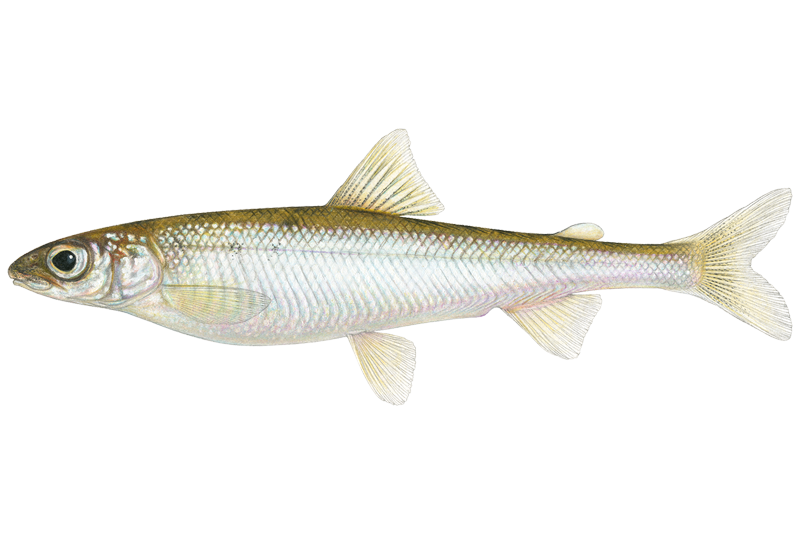
Alaska's smallest member of the whitefish subfamily, these glacial relict fish are generalist carnivores that frequently form large schools of several thousand fish in both rivers and lakes.
Scientific Name: Prosopium coulterii
Reaching up to 28 cm in length with a long, cylindrical body and short, broadly rounded snout. They display brownish coloration with greenish tints above, silvery sides, and white belly.
Juveniles have 7-14 large, round parr marks, while spawning fish develop nuptial tubercles and orange ventral fins.
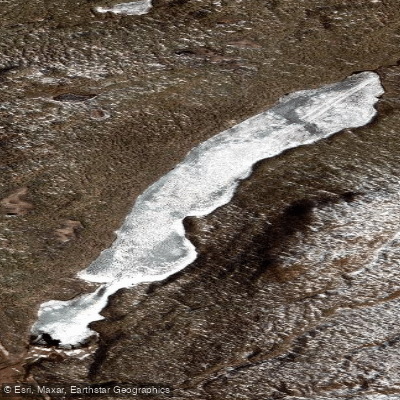
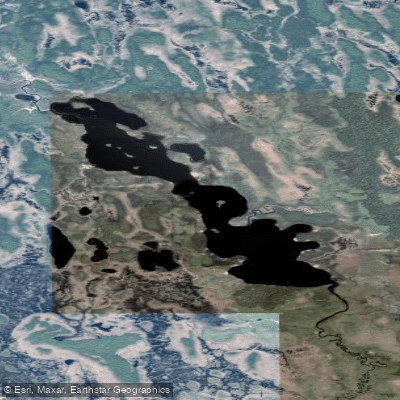
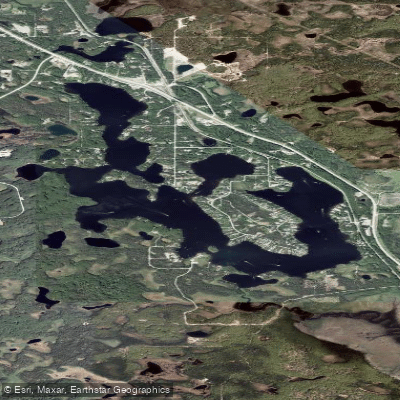
What to know
Habitat Distribution
These glacial relict fish inhabit both deep lakes (found at depths up to 168 meters but also abundant in shallows) and flowing waters of clear or silted rivers. They prefer water temperatures below 10°C and oxygen concentrations above 5 mg/l.Key Locations
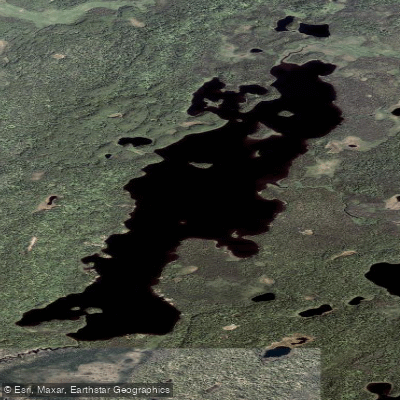
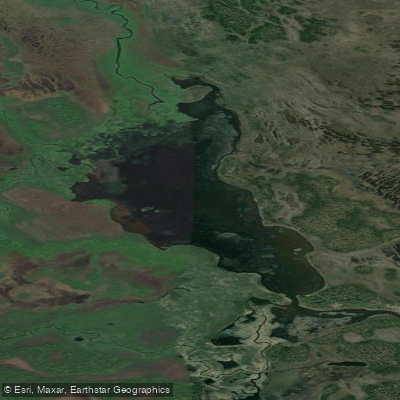
In Alaska, they're found in the Chignik, Naknek, and Wood River systems in southwestern Alaska, and in Tazlina, Klutina, and Tonsina lakes in the Copper River system in southcentral Alaska. The Naknek River system hosts some of the most abundant populations studied anywhere.Specific Spots
In the Naknek system, they can be found from shallow littoral areas to depths exceeding 168 meters, occupying all benthic habitats and seasonally moving to limnetic areas. In rivers, target nearshore eddies along faster mainstream flows at depths of 0.5-1 meter.Pygmy Whitefish FAQ
Answers from onWater's species guide.
What flies work for Pygmy Whitefish in Alaska?
Use small flies and lures that imitate their natural prey: chironomid larvae patterns, small crustacean imitations, ostracod patterns, and copepod flies.
When is the best time to fish for Pygmy Whitefish in Alaska?
Best fishing opportunities occur outside spawning periods (avoid October-January when they're spawning). Target them during summer months when they're actively feeding and more accessible in shallower waters.
How do you catch Pygmy Whitefish in Alaska?
Effective techniques include fishing small nymphs and wet flies in sizes that match their tiny prey items. In rivers, target nearshore eddies along faster mainstream flows at depths of 0.5-1 meter.
What do Pygmy Whitefish eat?
Generalist carnivores feeding diurnally on crustaceans, chironomids, ostracods, pontoporeia, copepods, and fish eggs.
Where do Pygmy Whitefish live in Alaska?
These glacial relict fish inhabit both deep lakes (found at depths up to 168 meters but also abundant in shallows) and flowing waters of clear or silted rivers. They prefer water temperatures below 10°C and oxygen concentrations above 5 mg/l.
Fish smarter with real-time insights
Whether you're en route and conditions shift or you're looking for the best spot based on current flows, we enable you to make informed decisions on the fly.




See it in the app
Most maps show you water.
onWater shows you Pygmy Whitefish.



- 01 · Species map filter
Map every Pygmy Whitefish water
Pick Pygmy Whitefish and the map zeroes in on the waters they call home. No more guessing which lake holds them.
- 02 · Waterbody species
Tap any water. See what lives there.
Species, behavior and seasonal patterns for every lake, river and pond, before you leave the driveway.
- 03 · Angler Intelligence
Ask how to catch Pygmy Whitefish
Tactics, gear and timing from onWater's AI fishing guide, tuned to the species and the water you're on.
Stop guessing where Pygmy Whitefish are.
Open the map, filter by Pygmy Whitefish, and head to water that holds them. Download onWater and plan your next trip in minutes.
- Species map filter
- Angler Intelligence
- Fishing journal
Explore other species
Trout, bass, salmon, panfish and everything in between. Each guide unpacks the behavior, seasons, and tactics that put fish in the net.
No species information available.
Alaska licenses and regulations
Explore nearby waters
Explore Alaska waters
Top fishing waters
Popular Cities
Loading popular cities...

Smarter Fishing Starts in the App.
onWater Fish gives you everything you need to plan smarter, fish better, and own every trip from first cast to last.