Burbot

Burbot are Alaska's only freshwater member of the cod family, resembling a cross between an eel and catfish with their elongated, serpent-like bodies and single chin barbel.
These coldwater predators are long-lived, slow-growing fish that can exceed 20 years of age.
Scientific Name: Lota lota
Elongated, serpent-like bodies with single chin barbel, resembling a cross between an eel and catfish. Typically reach 18 inches and have big mouths.
What to know
Habitat Distribution
Distributed throughout most of Alaska's large rivers and lakes, absent only from Southeast Alaska and offshore islands.Key Locations
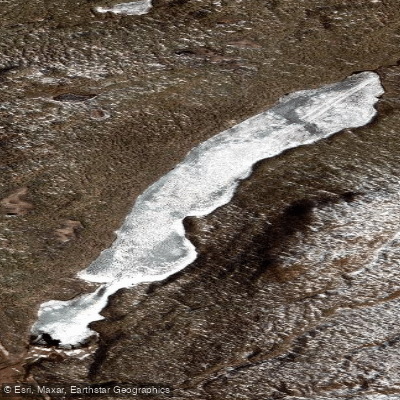
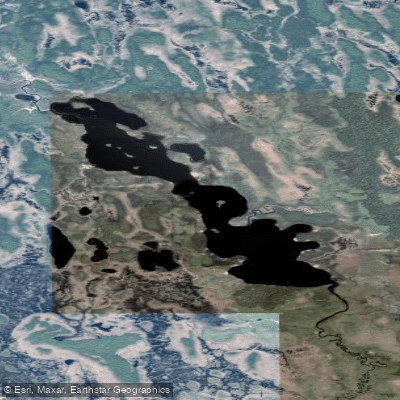
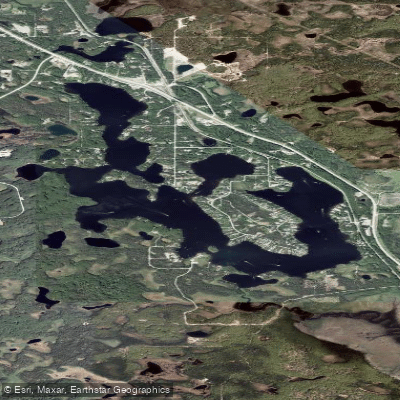
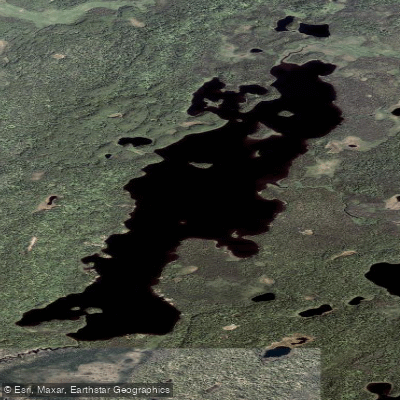
Major glacial river systems including the Tanana, Yukon, Kuskokwim, and Copper rivers. Largest sport fisheries occur in the Tanana River and lakes in the Upper Tanana, Upper Copper, and Upper Susitna river drainages. Popular fishing waters include Long Lake (Glenn Highway Mile 86), Big Lake, and various waters in the Susitna and Yentna river drainages.Specific Spots
Target depths of 1-3 feet under ice, focusing on mouths of creeks below confluences, inside gravel bars at river bends, backwater eddies, and areas with moving water. In summer, target deeper waters (200+ feet). They occupy depths near creek mouths, gravel bars, and eddies.Burbot FAQ
Answers from onWater's species guide.
What are the best lures and bait for Burbot in Alaska?
Fresh fish baits are essential - whitefish, herring, squid, smelt, and lamprey are most productive. Use large bait pieces to match their big mouths. Burbot won't take rotten bait.
When is the best time to fish for Burbot in Alaska?
Winter ice fishing from December through March provides the best opportunities. In summer, target deeper waters (200+ feet), though winter remains the optimal season. Avoid fishing during spawning period in late winter (February-March).
How do you catch Burbot in Alaska?
Set-lining is the most effective method where permitted. For rod and reel fishing, use jigging at the bottom to stir up sediment and create sound. In summer, use vertical jigging techniques.
What do Burbot eat?
Primarily piscivorous, feeding on whitefish, sculpins, lampreys, suckers, and other fish species.
Where do Burbot live in Alaska?
Distributed throughout most of Alaska's large rivers and lakes, absent only from Southeast Alaska and offshore islands.
Fish smarter with real-time insights
Whether you're en route and conditions shift or you're looking for the best spot based on current flows, we enable you to make informed decisions on the fly.




See it in the app
Most maps show you water.
onWater shows you Burbot.



- 01 · Species map filter
Map every Burbot water
Pick Burbot and the map zeroes in on the waters they call home. No more guessing which lake holds them.
- 02 · Waterbody species
Tap any water. See what lives there.
Species, behavior and seasonal patterns for every lake, river and pond, before you leave the driveway.
- 03 · Angler Intelligence
Ask how to catch Burbot
Tactics, gear and timing from onWater's AI fishing guide, tuned to the species and the water you're on.
Stop guessing where Burbot are.
Open the map, filter by Burbot, and head to water that holds them. Download onWater and plan your next trip in minutes.
- Species map filter
- Angler Intelligence
- Fishing journal
Explore other species
Trout, bass, salmon, panfish and everything in between. Each guide unpacks the behavior, seasons, and tactics that put fish in the net.
No species information available.
Alaska licenses and regulations
Explore nearby waters
Explore Alaska waters
Top fishing waters
Popular Cities
Loading popular cities...

Smarter Fishing Starts in the App.
onWater Fish gives you everything you need to plan smarter, fish better, and own every trip from first cast to last.