Fishing in Maryland
- Lakes
- 315
- Rivers
- 2,083
- Access
- 263
- Boat Ramps
- 559
- Shops
- 63
Maryland is a Chesapeake state first, and the Bay's biological calendar sets the rhythm for almost everyone who fishes here — even the trout crowd.
The through-line is striped bass, the official state fish since 1965 and the species that nearly disappeared in the 1980s before the moratorium brought it back.
That recovery is living memory for most Maryland anglers over 40, and you can hear it in how seriously people debate the season structure.
Under the 2026 rules, April reopened to catch-and-release Bay-wide, all of August closed to protect resident fish from warm-water mortality, and the harvest window settled into a 19–24-inch slot at one fish a day. Learn that before you book a charter.
Spring announces itself with yellow perch — the first fish of the year on the Choptank, Tuckahoe, and Nanticoke — and then the show moves to the Susquehanna Flats, thousands of acres of shallow grass beds at the head of the Bay where pre-spawn rockfish get sight-fished from skiffs and released.
April brings the hickory shad run hammering up against Conowingo Dam.
Through summer, the invasive species become the de facto stars: blue catfish over 40 pounds in every tidal river, and northern snakehead — which DNR has gamely rebranded "Chesapeake Channa" — crushing topwater poppers in the same flats that hold the rockfish.
No limits, no closed season, and DNR would prefer you eat them. Trout fishing in Maryland is essentially the story of two rivers.
The Gunpowder Falls below Prettyboy Reservoir runs cold year-round and holds something like 1,000 wild browns per mile across a 7.2-mile catch-and-release stretch less than an hour from Baltimore.
Most fish are under twelve inches, all of them are picky, and the sulphur hatch from May through July is the state's signature dry-fly event.
The Savage River tailwater out in Garrett County is the pilgrimage — fly-fishing-only for the first 1.25 miles below the dam, artificials to the Potomac, no barbed hooks in the trophy water, and wild browns and brookies in genuine numbers.
Blue-winged olives fish hard in spring and again in fall. Savage River Lodge anchors the western Maryland scene.
Two more things worth knowing: there's no general stream-access law, so wading private water requires permission, and felt soles are banned statewide.
And the first week of August, while the Bay is closed to rockfish, Ocean City runs the White Marlin Open out at the canyons — free public weigh-ins, thousands of spectators, and a tournament that has been writing checks since 1974.
Top waters to fish near Maryland
Deep Creek Lake
Cranberry Reservoir
Bel Air Reservoir
Lonaconing Reservoir
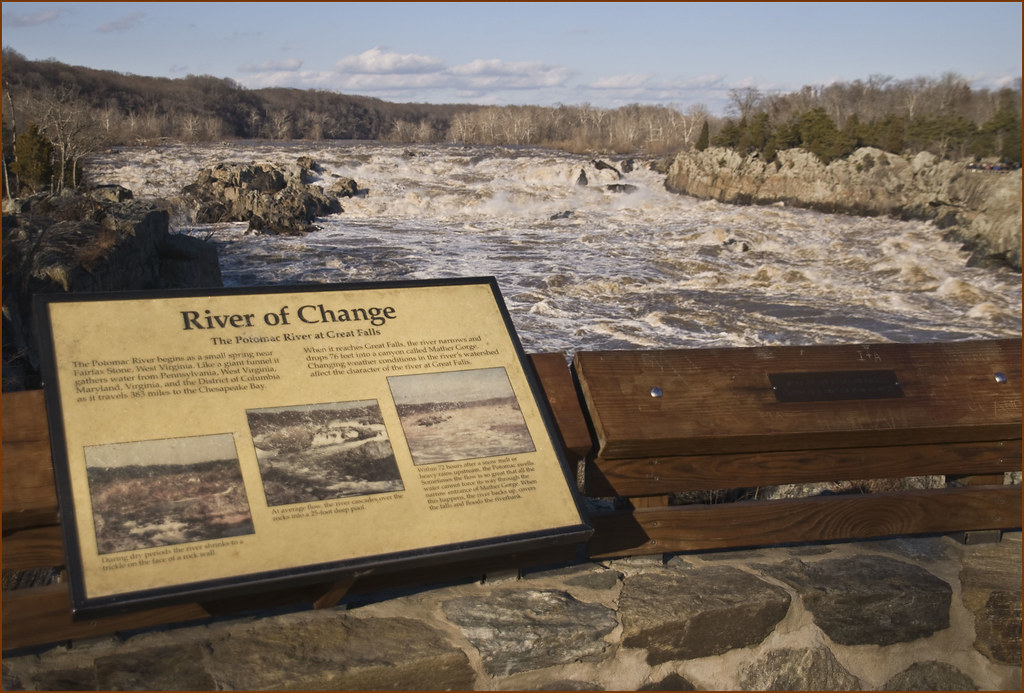
Potomac River
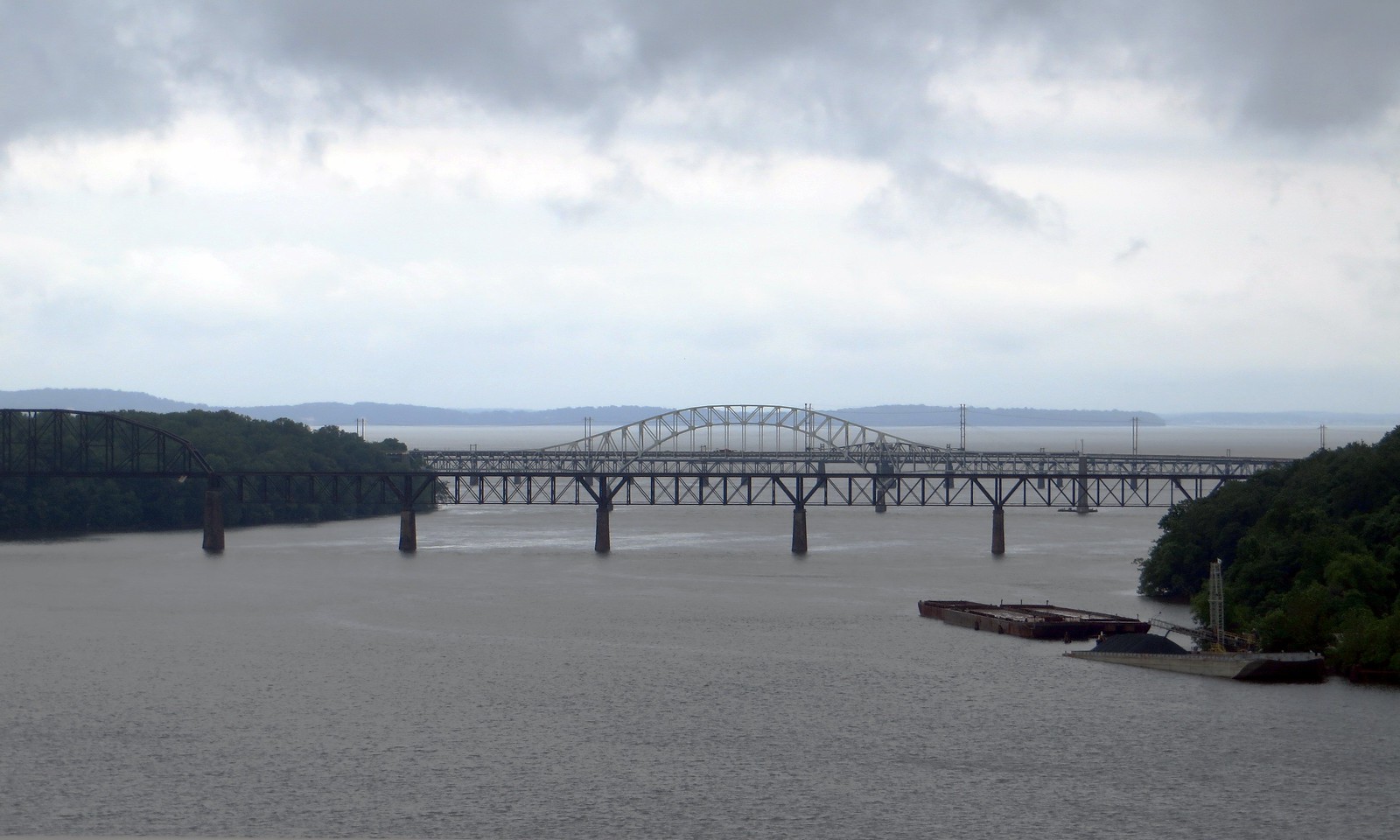
Susquehanna River
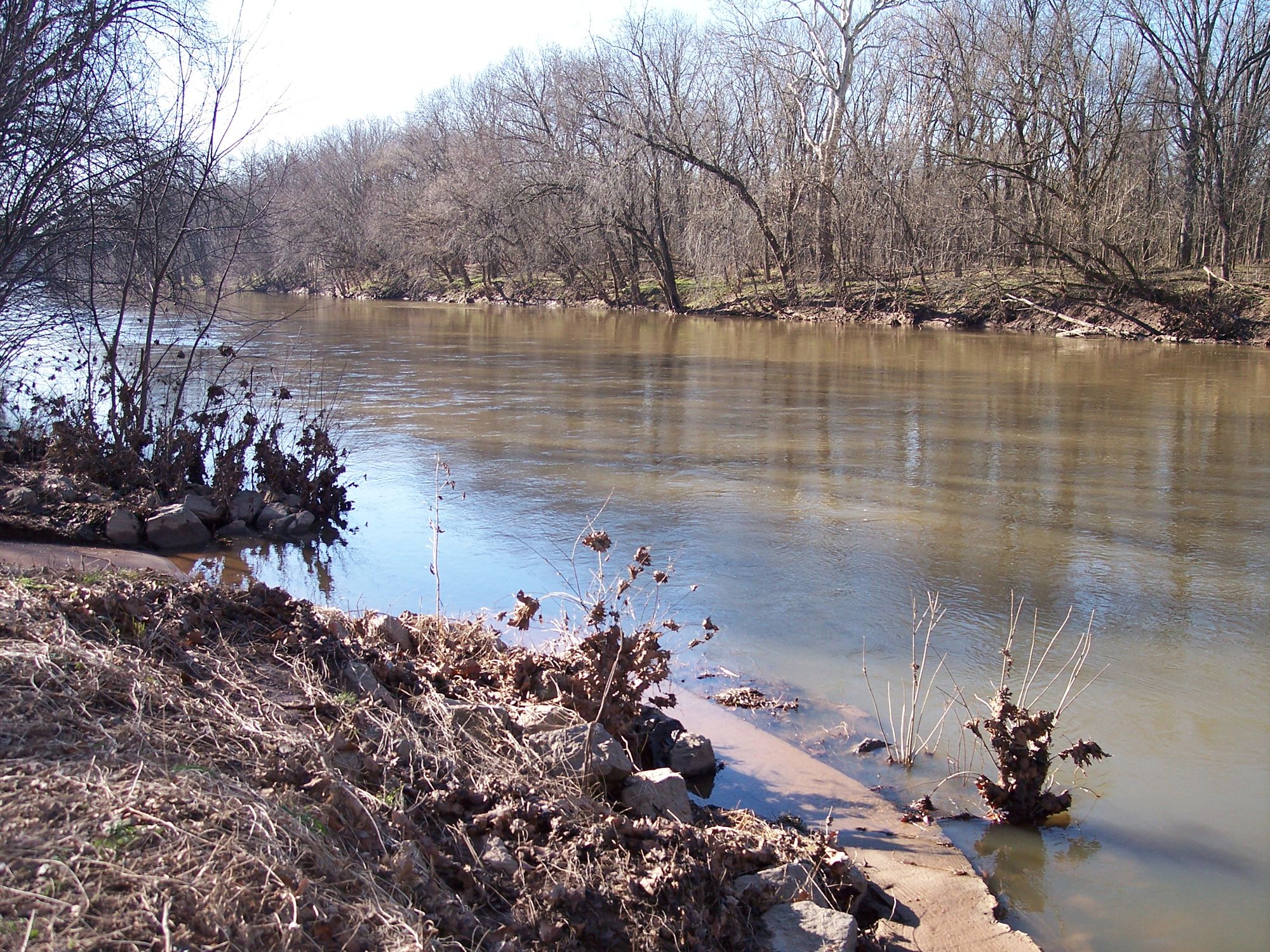
Monocacy River
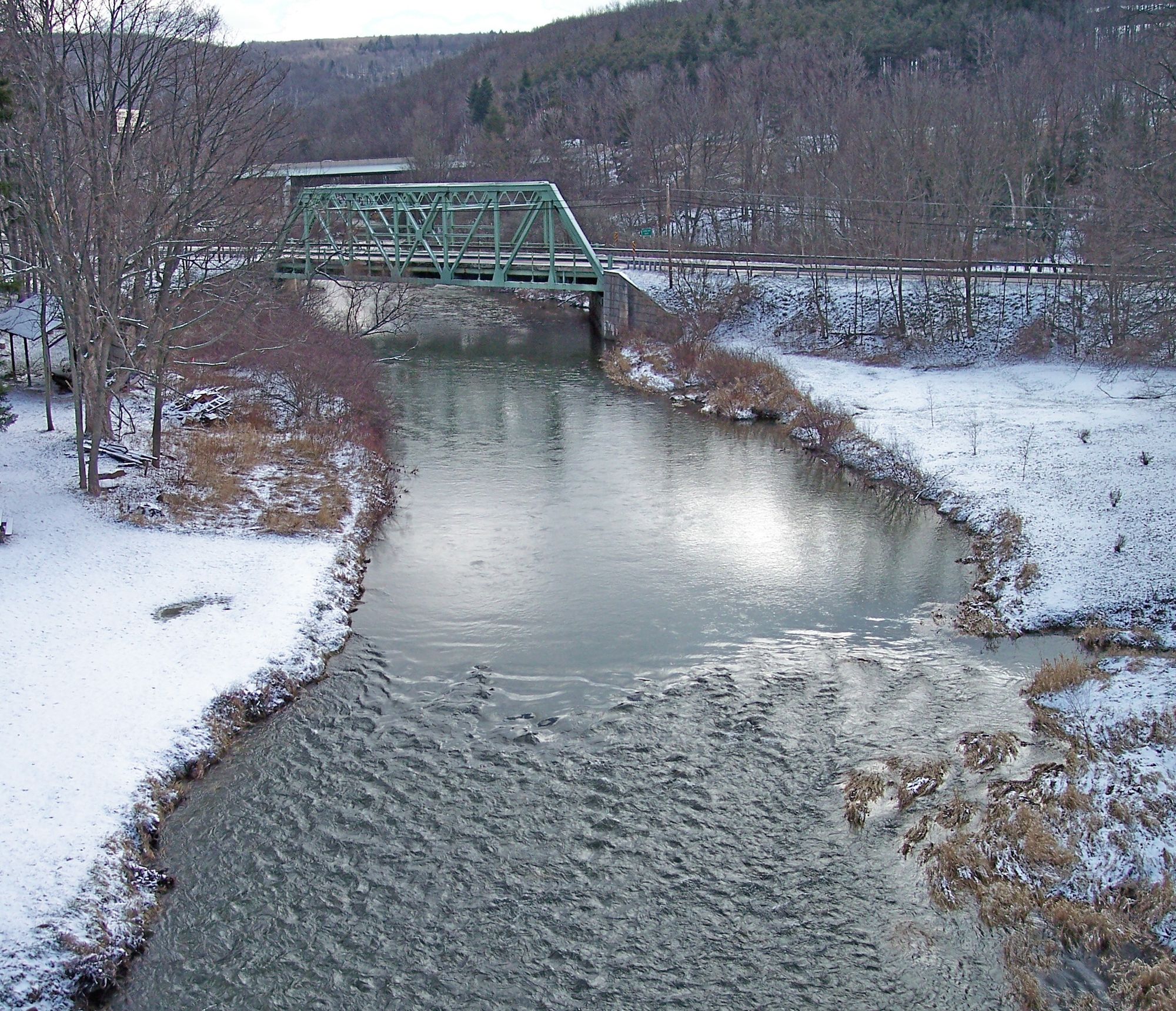
Casselman River
Youghiogheny River
Piney Run
Species & education
Learn what type of fish are in Maryland and what's needed to catch them.

Find which waters have the species you want to catch

Largemouth Bass

Smallmouth Bass
Micropterus dolomieu

Rainbow Trout
Oncorhynchus mykiss

Brown Trout
Salmo trutta

Brook Trout
Salvelinus fontinalis

Cutthroat Trout

Northern Pike
Esox lucius

Muskellunge
Esox masquinongy

Walleye
Sander vitreus

Black Crappie
Pomoxis nigromaculatus

Alewife
Alosa pseudoharengus

American Eel
Anguilla rostrata

American Shad
Alosa sapidissima

Atlantic Croaker
Micropogonias undulatus

Atlantic Sturgeon
Acipenser oxyrinchus

Black Bullhead
Ameiurus melas

Blacknose Dace
Rhinichthys atratulus

Black Sea Bass
Centropristis striata

Blue Catfish
Ictalurus furcatus

Bluefish
Pomatomus saltatrix

Bowfin
Amia calva

Brown Bullhead
Ameiurus nebulosus

Chain Pickerel
Esox niger

Channel Catfish
Ictalurus punctatus

Common Carp
Cyprinus carpio carpio

Creek Chub
Semotilus atromaculatus

Fallfish
Semotilus corporalis

Flathead Catfish
Pylodictis olivaris

Flier
Centrarchus macropterus

Freshwater Drum
Aplodinotus grunniens

Gizzard Shad
Dorosoma cepedianum

Golden Redhorse
Moxostoma erythrurum

Golden Trout
Oncorhynchus aguabonita
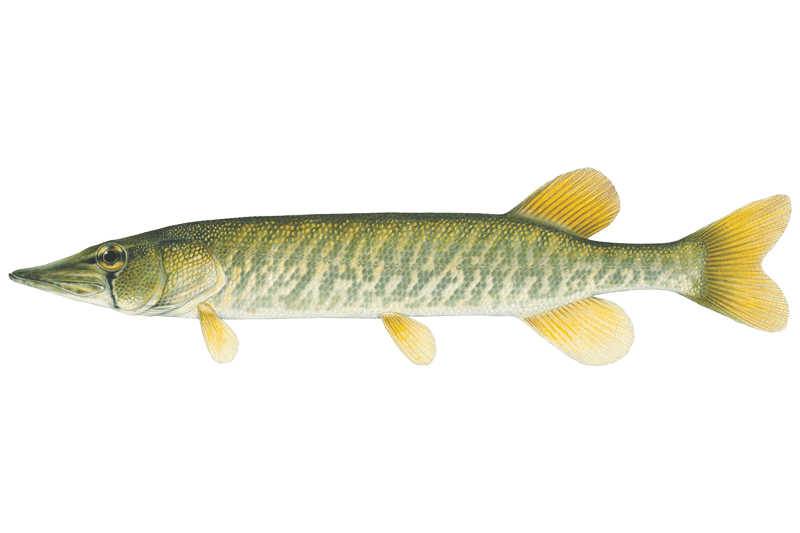
Grass Pickerel
Esox americanus vermiculatus

Green Sunfish
Lepomis cyanellus

Hickory Shad
Alosa mediocris

Longear Sunfish
Lepomis megalotis

Longnose Gar
Lepisosteus osseus

Northern Hogsucker
Hypentelium nigricans
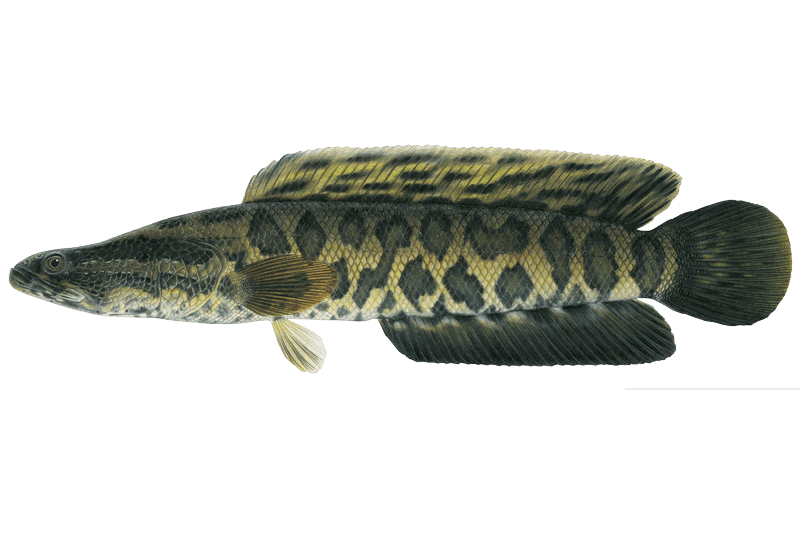
Northern Snakehead
Channa argus
Fishing guides in Maryland
Book a trip with a local fishing guide through Guidesly.


Phil Gootee
Capt. Phil Gootee Fishing Charters and Tours
4.5 (8 reviews)
Fishing Charter & Tours in the Chesapeake Bay, MD
Book on Guidesly, opens in new tab
Eric Goodrich
Stella Charters
5.0 (3 reviews)
Fishing Thrills With Chesapeake Fishing Charters
Book on Guidesly, opens in new tab
Herman Haddaway
Screaming Eagle Charters
4.3 (3 reviews)
Book Your Premier Neavitt Fishing Charter Today.
Book on Guidesly, opens in new tabThomas Hallock
Hallock's Grace Charters
5.0 (1 review)
Experience the Ultimate Maryland Fishing Charter
Book on Guidesly, opens in new tab
James Coane
Sportfishing East Coast
5.0 (1 review)
Reel Adventures In Ocean City MD Fishing Charters!
Book on Guidesly, opens in new tab
Ron Buffington
JLS Light Tackle Guide Service LLC
Book Your Best Maryland Fishing Charter Now!
Book on Guidesly, opens in new tab
Fish smarter with real-time insights
Whether you're en route and conditions shift or you're looking for the best spot based on current flows, we enable you to make informed decisions on the fly.







Maryland licenses and regulations

Maryland Boating Regulations
When using any type of watercraft to access a body of water, it is important to follow all federal, state, and local rules and regulations. These rules and regulations include boat permitting and licensing, invasive species inspections and stamps, life jacket and PFD rules, motor size and horsepower restrictions, noise limitations, restrictions on personal watercraft, and many more. Visit the web link below for the most current rules and regulations for this body of water.

Maryland Fishing License
Individuals under the age of 16 are not required to obtain a license to sport fish/crab. They can, however, purchase a recreational crab license if they want to catch the bushel of crabs allowed with that license.

Maryland Fishing Regulations
This river has a variety of species and regulations, including potential floating and/or watercraft restrictions. Because this river is specially managed for species, seasons, angling methods, and watercraft, it is strongly encouraged you check all federal, state, and local regulations before fishing. Visit any of the links below, inquire locally, or contact a local fly shop to learn current regulations and restrictions.

Maryland Stream Access Laws
Current law in Maryland seems quite friendly to public access to floatable water, allowing access at all public bridges and road crossings of floatable water. Though historically the state has only recognized waters subject to the ebb and flow of tides as navigable, that definition appears to have broadened. A complete list of public waters and access points is available on the Maryland DNR website.
National parks in Maryland
Explore Maryland waters

Smarter Fishing Starts in the App.
onWater Fish gives you everything you need to plan smarter, fish better, and own every trip from first cast to last.