White Bullhead

White Bullhead are the largest bullhead species and the only bullhead with a forked tail.
These scaleless catfish are omnivorous bottom feeders with excellent survival abilities, tolerating pollution, low oxygen, and temperature variations better than most species.
Scientific Name: Ameiurus catus
Also known as White Catfish
- These scaleless catfish have eight barbels (whiskers) - two nasal, two maxillary, and four chin - with light-colored chin barbels that distinguish them from brown and black bullheads.
- They typically weigh 0.5-2 pounds but can reach over 10 pounds and grow up to 37 inches.
- White Bullhead have broader heads relative to body width compared to channel catfish and possess sharp spines on their dorsal and pectoral fins.
Fishing in South Carolina
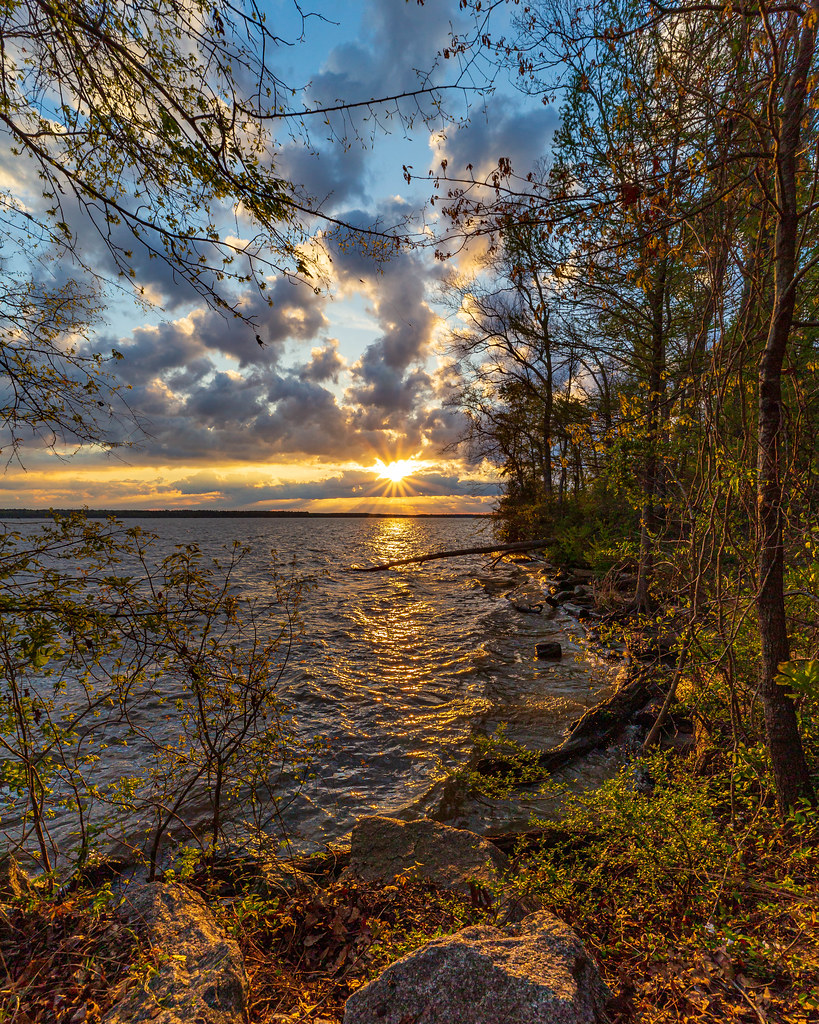
Lake Marion
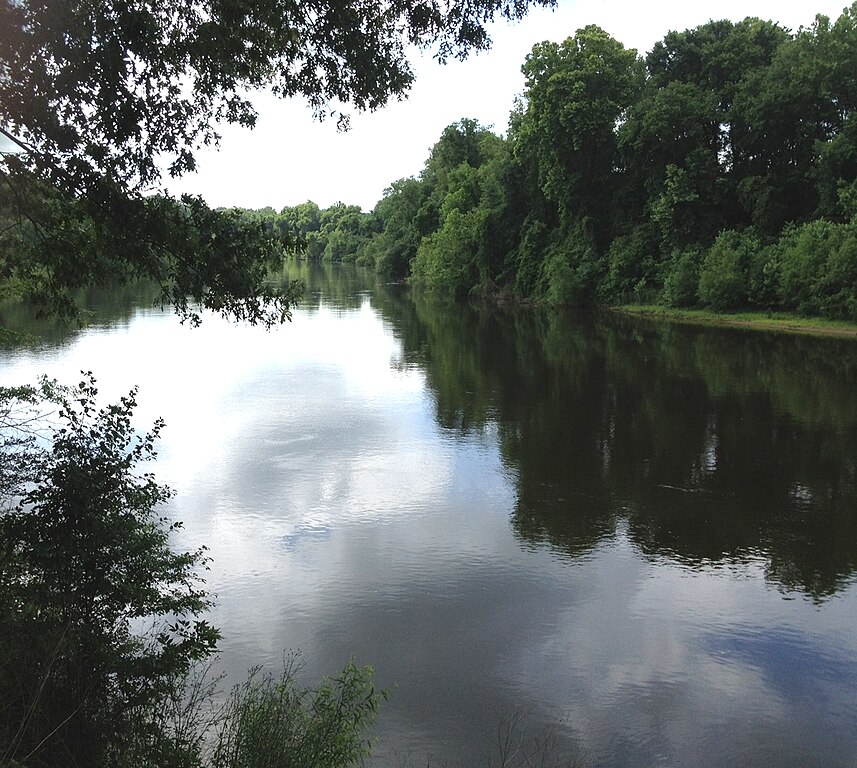
Wateree River
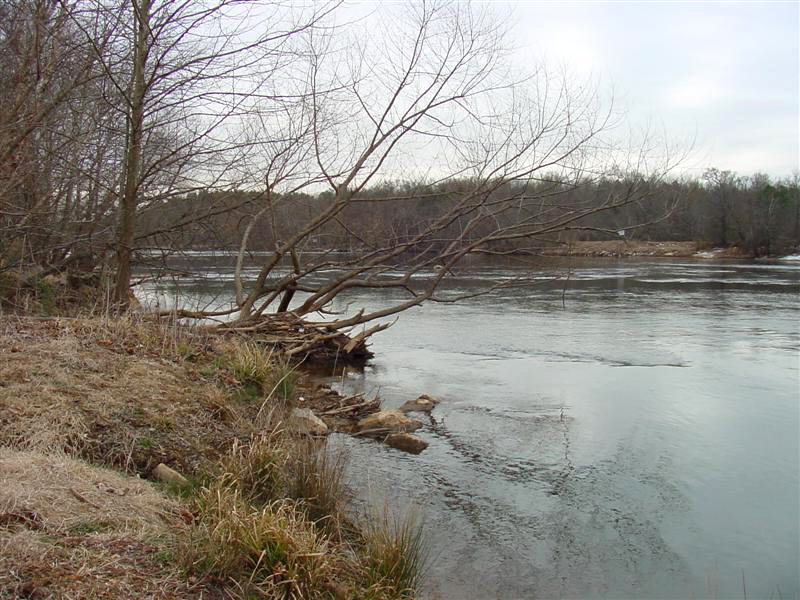
Broad River
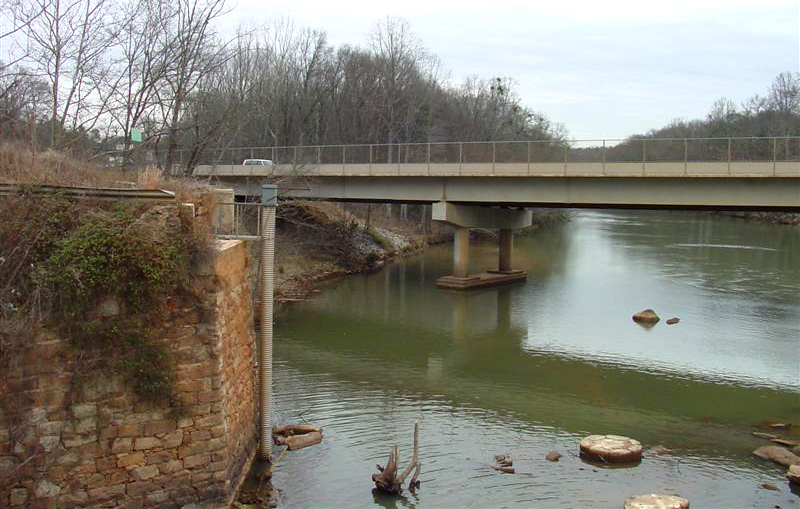
Saluda River
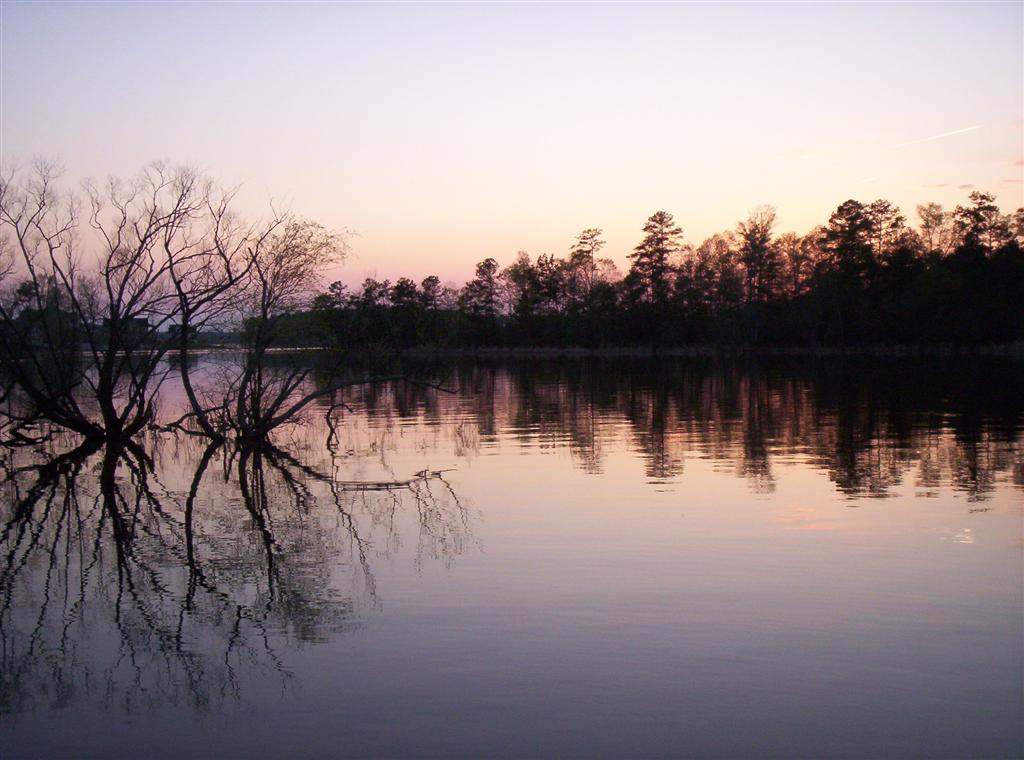
Lake Murray
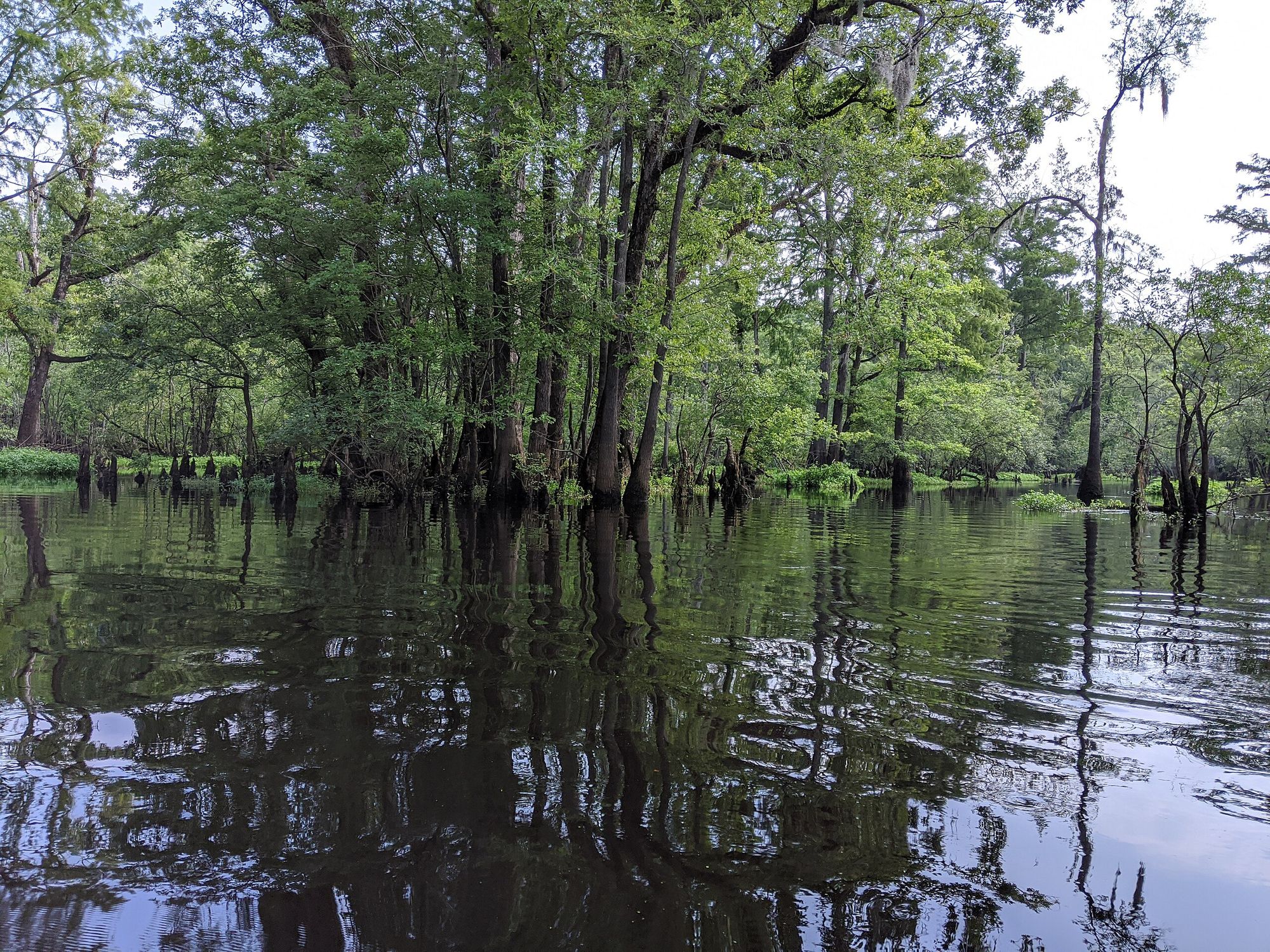
Black River
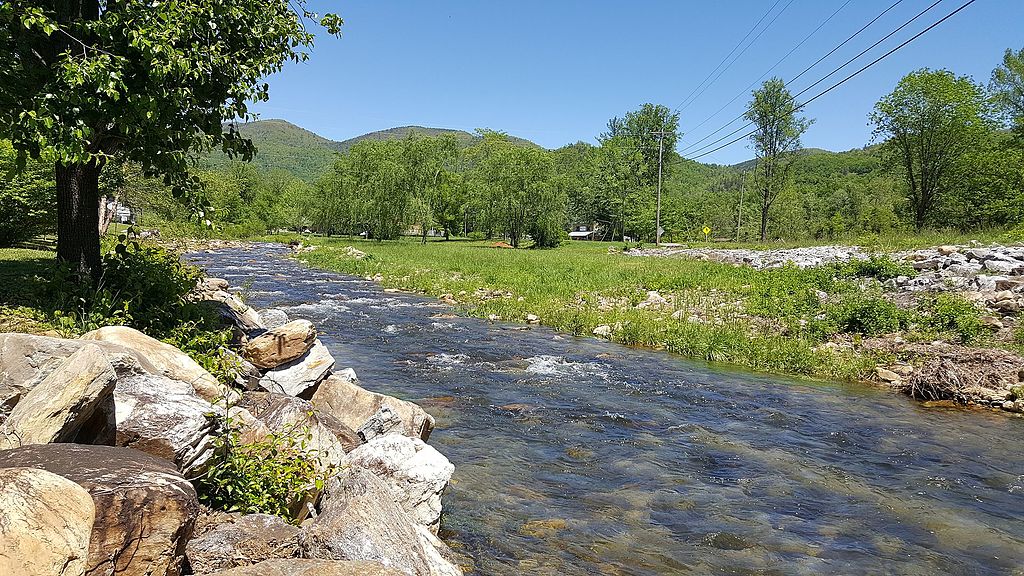
Catawba River
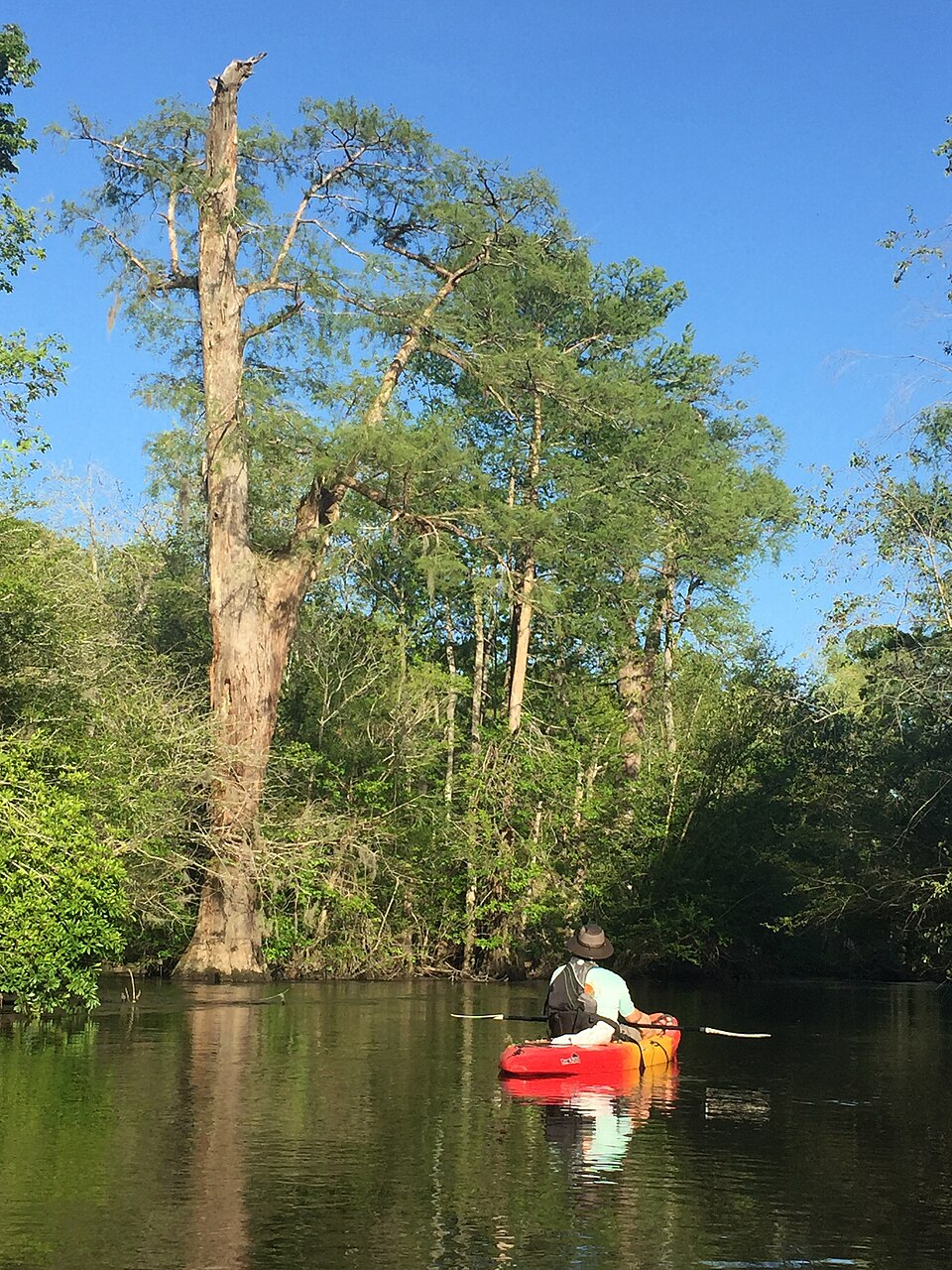
Lynches River
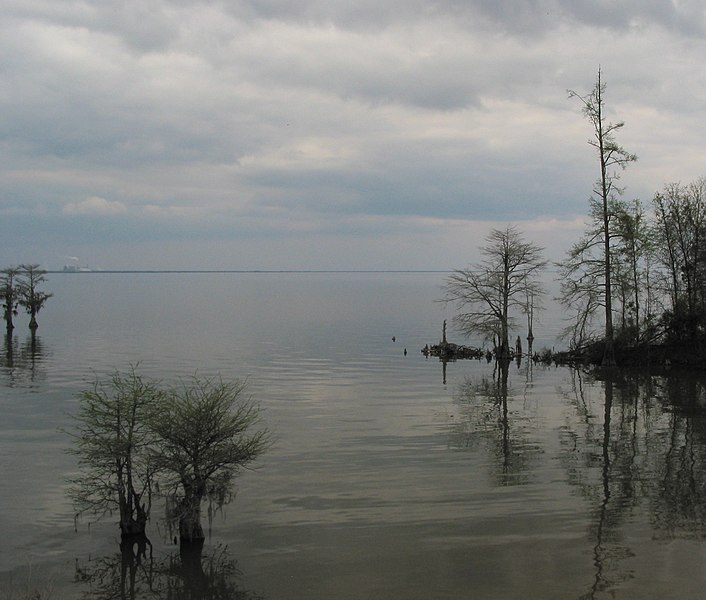
Lake Moultrie
Santee River
What to know
Habitat Distribution
- In South Carolina, they were documented in the Congaree River Basin as early as 1954.
- They inhabit sluggish, mud-bottom pools and backwaters of rivers and streams, thriving in lakes and large impoundments.
Key Locations
- In South Carolina waters documented in various locations including Plantation Lakes in Horry County, Yauhannah Lake in Georgetown County, and areas near Old Clinton Reservoir in Laurens County.
- Fish productive South Carolina locations including Lake Murray (accessible via Dr.eher Island State Park with 12 miles of shoreline access), the Congaree River system, and various smaller lakes and ponds throughout the metro Columbia district.
Specific Spots
- Target areas with slow-moving water, muddy substrates, and vegetation, particularly around boat docks and structures where they congregate searching for baitfish and crustaceans.
White Bullhead FAQ
Answers from onWater's species guide.
What are the best lures and bait for White Bullhead in South Carolina?
Most effective natural baits include live or dead minnows, leeches, crickets, nightcrawlers, and worms - try soaking worms in pickled beet juice for bright red color that attracts attention in murky water.
When is the best time to fish for White Bullhead in South Carolina?
Best results occur during cooler months when fish taste better, as summer-caught bullhead can have a muddy flavor. Avoid April-July spawning season.
How do you catch White Bullhead in South Carolina?
Keep hook points exposed for better hooksets through their bony mouths. Since these fish locate food primarily by scent rather than sight, ensure baits have strong odors.
What do White Bullhead eat?
Their diet consists of aquatic insects, worms, amphipods, small invertebrates, other fish, and they feed most actively at dusk and through the night.
Where do White Bullhead live in South Carolina?
In South Carolina, they were documented in the Congaree River Basin as early as 1954. They inhabit sluggish, mud-bottom pools and backwaters of rivers and streams, thriving in lakes and large impoundments.
Fish smarter with real-time insights
Whether you're en route and conditions shift or you're looking for the best spot based on current flows, we enable you to make informed decisions on the fly.







See it in the app
Most maps show you water.
onWater shows you White Bullhead.



- 01 · Species map filter
Map every White Bullhead water
Pick White Bullhead and the map zeroes in on the waters they call home. No more guessing which lake holds them.
- 02 · Waterbody species
Tap any water. See what lives there.
Species, behavior and seasonal patterns for every lake, river and pond, before you leave the driveway.
- 03 · Angler Intelligence
Ask how to catch White Bullhead
Tactics, gear and timing from onWater's AI fishing guide, tuned to the species and the water you're on.
Stop guessing where White Bullhead are.
Open the map, filter by White Bullhead, and head to water that holds them. Download onWater and plan your next trip in minutes.
- Species map filter
- Angler Intelligence
- Fishing journal
Explore other species
Trout, bass, salmon, panfish and everything in between. Each guide unpacks the behavior, seasons, and tactics that put fish in the net.

Find which waters have the species you want to catch

Largemouth Bass
Micropterus salmoides

Smallmouth Bass

Rainbow Trout
Oncorhynchus mykiss

Brown Trout
Salmo trutta

Brook Trout
Salvelinus fontinalis

Muskellunge
Esox masquinongy

Walleye
Sander vitreus

Black Crappie
Pomoxis nigromaculatus

Alewife
Alosa pseudoharengus

American Eel
Anguilla rostrata

American Shad
Alosa sapidissima

Atlantic Croaker
Micropogonias undulatus

Atlantic Sharpnose Shark
Rhizoprionodon terraenovae

Atlantic Sturgeon
Acipenser oxyrinchus

Bigmouth Buffalo
Ictiobus cyprinellus

Black Buffalo
Ictiobus niger

Black Bullhead
Ameiurus melas

Black Drum
Pogonias cromis

Blacktip Shark
Carcharhinus limbatus

Blue Catfish
Ictalurus furcatus

Bluefish

Blue Tilapia
Oreochromis aureus

Bowfin
Amia calva

Brown Bullhead
Ameiurus nebulosus

Bull Shark
Carcharhinus leucas

Chain Pickerel
Esox niger

Channel Catfish
Ictalurus punctatus

Cobia
Rachycentron canadum

Common Carp
Cyprinus carpio

Creek Chub
Semotilus atromaculatus

Crevalle Jack
Caranx hippos

Flathead Catfish

Flier
Centrarchus macropterus

Freshwater Drum
Aplodinotus grunniens

Gizzard Shad
Dorosoma cepedianum

Grass Carp
Ctenopharyngodon idella

Green Sunfish
Lepomis cyanellus

Hickory Shad
Alosa mediocris

Longear Sunfish
Lepomis megalotis

Longnose Gar
Lepisosteus osseus
South Carolina licenses and regulations

South Carolina Boating Regulations
When using any type of watercraft to access a body of water, it is important to follow all federal, state, and local rules and regulations. These rules and regulations include boat permitting and licensing, invasive species inspections and stamps, life jacket and PFD rules, motor size and horsepower restrictions, noise limitations, restrictions on personal watercraft, and many more. Visit the web link below for the most current rules and regulations for this body of water.

South Carolina Fishing License
Children under the age of 16 are not required to purchase a hunting or fishing license unless they are engaged in commercial activity or using any non-game fish devices (traps, trotlines, gill nets, hoop nets, set hooks, jugs.)

South Carolina Fishing Regulations
This river has a variety of species and regulations, including potential floating and/or watercraft restrictions. Because this river is specially managed for species, seasons, angling methods, and watercraft, it is strongly encouraged you check all federal, state, and local regulations before fishing. Visit any of the links below, inquire locally, or contact a local fly shop to learn current regulations and restrictions.

South Carolina Stream Access Laws
In South Carolina, if a waterway can be floated and used as a public highway, it is navigable and open to recreational use up to the high water mark.
Explore nearby waters
Explore South Carolina waters
Top fishing waters
Popular Cities
Loading popular cities...
Smarter Fishing Starts in the App.
onWater Fish gives you everything you need to plan smarter, fish better, and own every trip from first cast to last.