Blue Tilapia

Blue Tilapia are non-native African cichlids established in South Carolina's coastal waters since 1997, with populations documented in watersheds including Carolina Coastal-Sampit, Cooper, Edisto-South Carolina Coastal, Little Pee Dee, South Atlantic-Gulf, South Carolina Coastal, and Waccamaw.
These invasive fish are challenging targets outside of spawning periods when fishing should be avoided to prevent disrupting reproduction.
Scientific Name: Oreochromis aureus
Distinguished by their blue-gray coloration with white bellies, broken lateral lines, and distinctive breeding colors - males develop metallic blue heads with vermillion dorsal fin edges and pink caudal margins.
Adults typically reach 16-20 inches and 2-4 pounds, though specimens up to 21 inches have been recorded.
Fishing in South Carolina
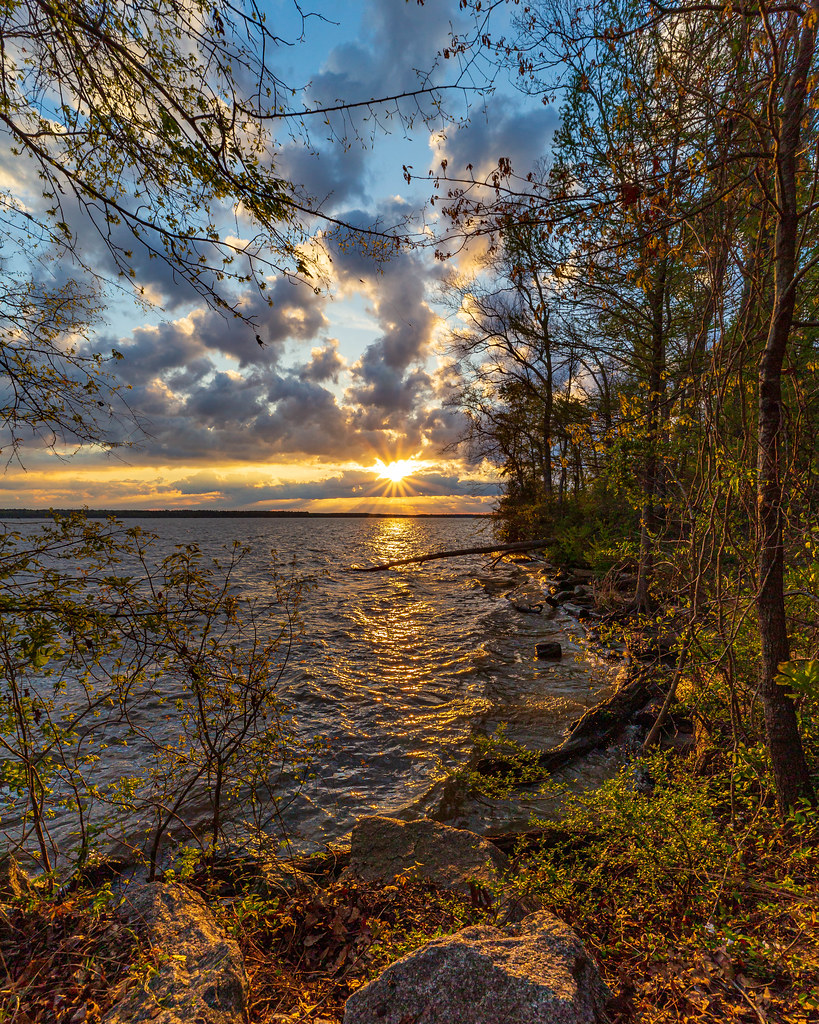
Lake Marion
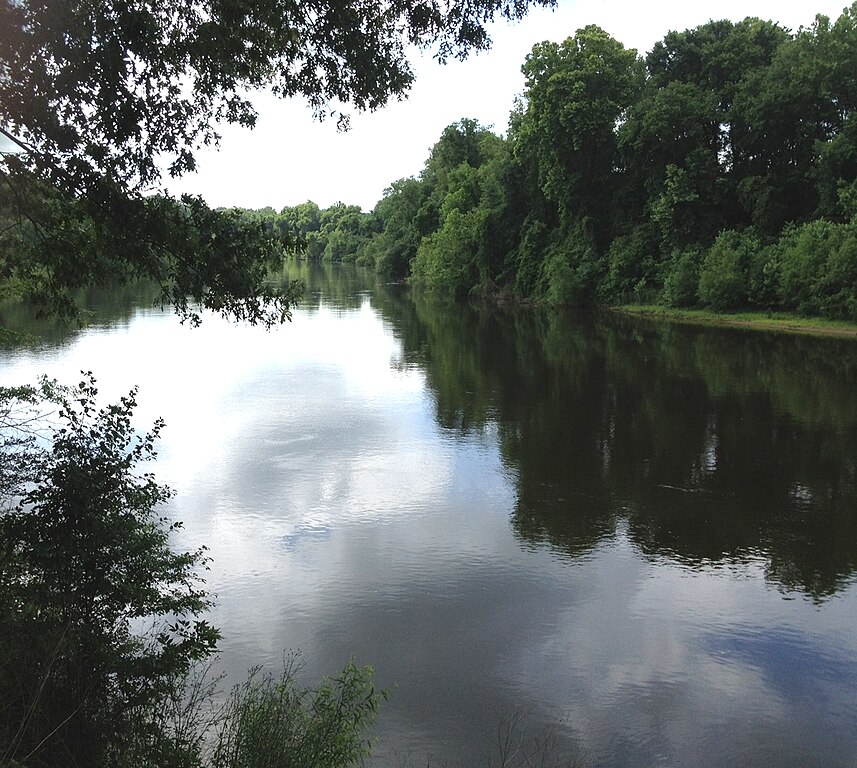
Wateree River
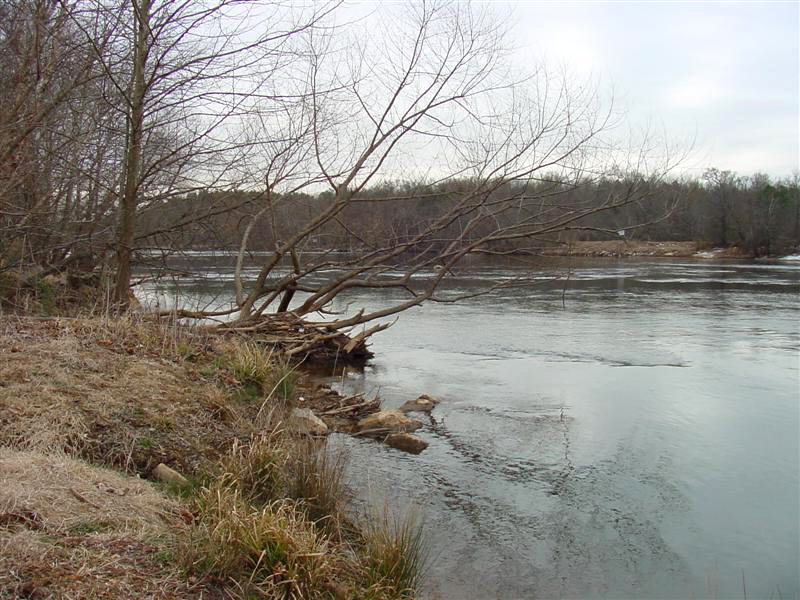
Broad River
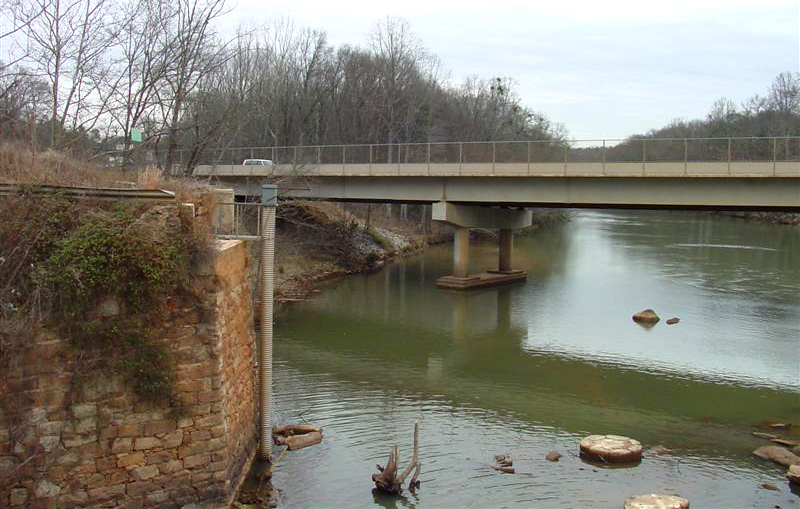
Saluda River
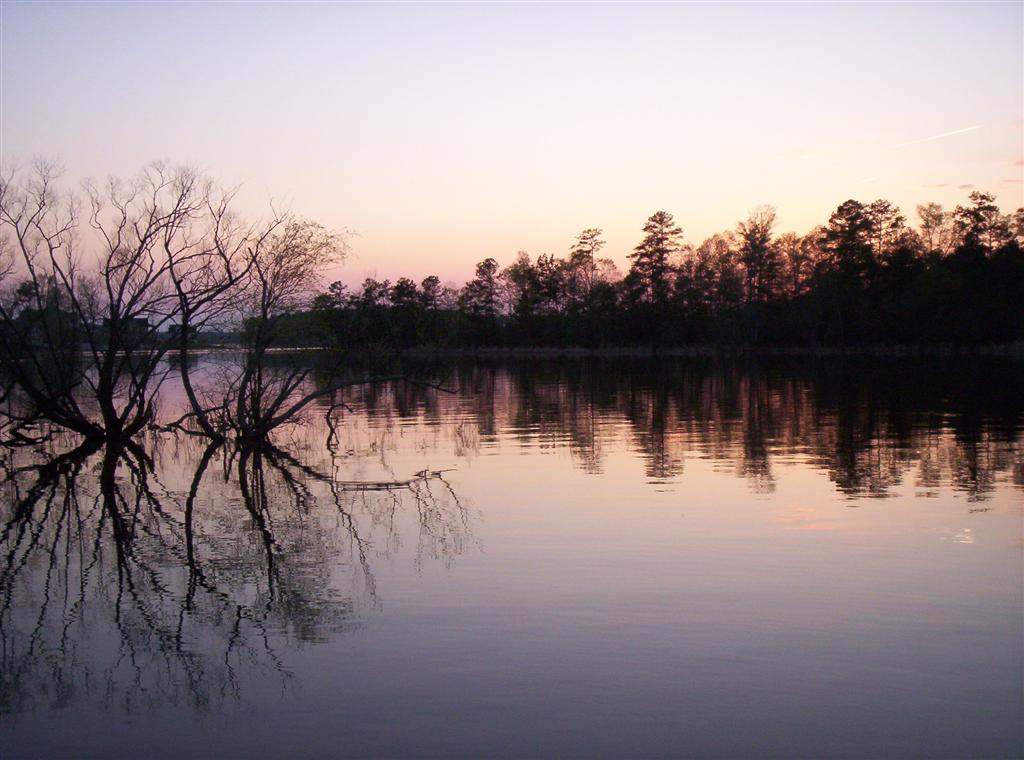
Lake Murray
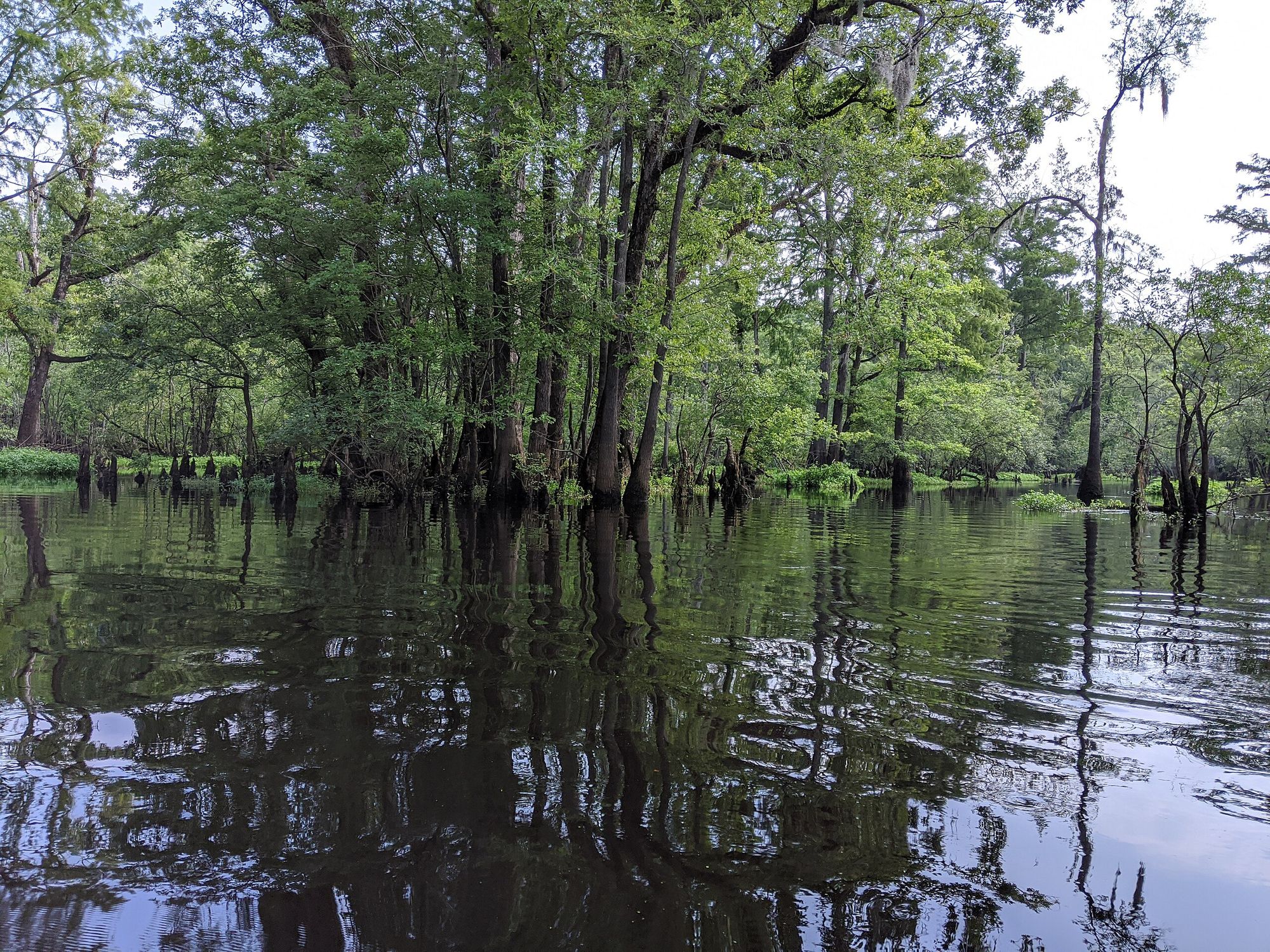
Black River
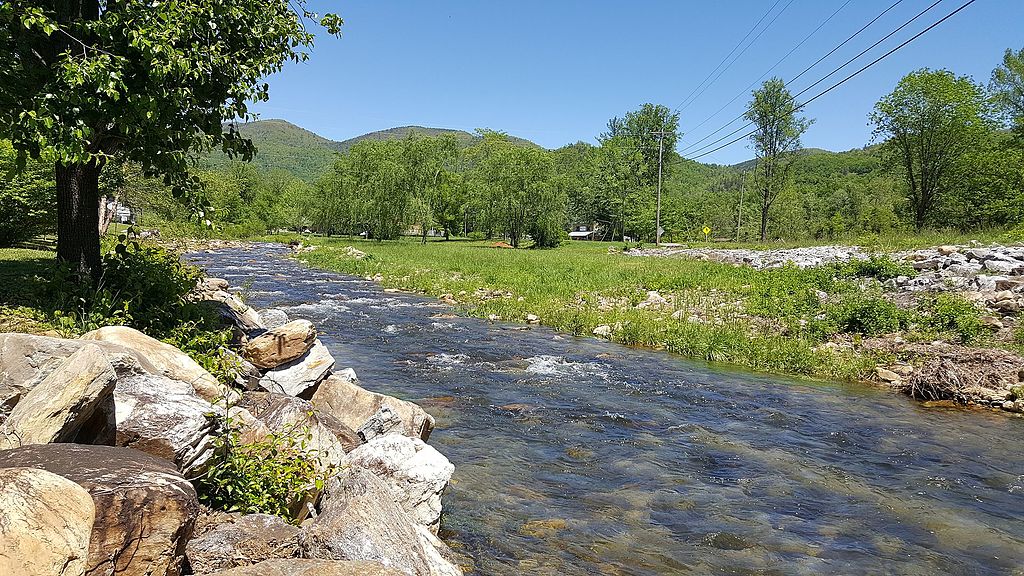
Catawba River
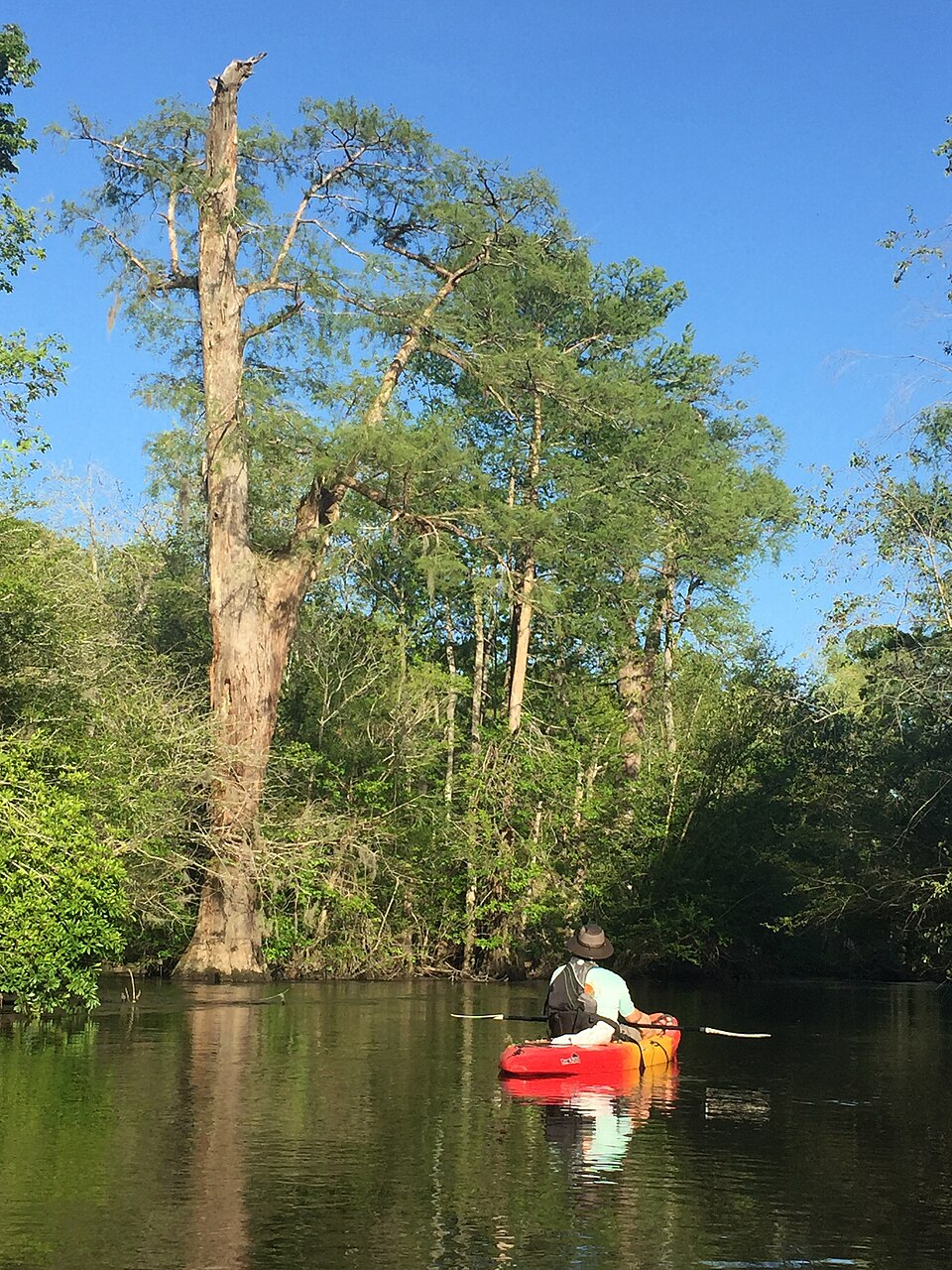
Lynches River
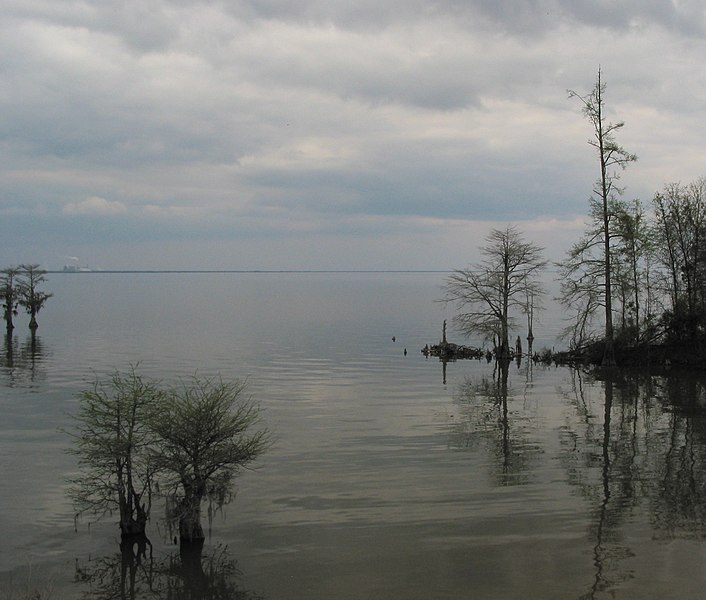
Lake Moultrie
Santee River
What to know
Habitat Distribution
Established in South Carolina's coastal waters since 1997, with populations documented in watersheds including Carolina Coastal-Sampit, Cooper, Edisto-South Carolina Coastal, Little Pee Dee, South Atlantic-Gulf, South Carolina Coastal, and WaccamawKey Locations
South Carolina's coastal rivers and tidal creeksSpecific Spots
Focus on shallow, warm brackish waters with vegetation, targeting areas around docks, creek mouths, and protected covesBlue Tilapia FAQ
Answers from onWater's species guide.
What flies work for Blue Tilapia in South Carolina?
terrestrial patterns like hoppers, elk hair caddis, or beadhead pheasant tail nymphs stripped like small streamers
When is the best time to fish for Blue Tilapia in South Carolina?
Spawn year-round when water temperatures exceed 68°F, with peak activity January through May. Fishing should be avoided during spawning periods to prevent disrupting reproduction.
How do you catch Blue Tilapia in South Carolina?
Traditional bait fishing proves most effective with baits suspended under small floats or bobbers. Cast beyond visible spawning beds or fish to avoid spooking them. Maintain distance and use stealthy approaches.
What do Blue Tilapia eat?
Blue Tilapia are opportunistic omnivores, primarily herbivorous but adaptable feeders consuming filamentous algae, blue-green algae, phytoplankton, zooplankton, aquatic macrophytes, small invertebrates, and occasionally small fish. Juveniles eat more varied diets including copepods, cladocerans, and mosquito larvae.
Where do Blue Tilapia live in South Carolina?
Established in South Carolina's coastal waters since 1997, with populations documented in watersheds including Carolina Coastal-Sampit, Cooper, Edisto-South Carolina Coastal, Little Pee Dee, South Atlantic-Gulf, South Carolina Coastal, and Waccamaw
Fish smarter with real-time insights
Whether you're en route and conditions shift or you're looking for the best spot based on current flows, we enable you to make informed decisions on the fly.




See it in the app
Most maps show you water.
onWater shows you Blue Tilapia.



- 01 · Species map filter
Map every Blue Tilapia water
Pick Blue Tilapia and the map zeroes in on the waters they call home. No more guessing which lake holds them.
- 02 · Waterbody species
Tap any water. See what lives there.
Species, behavior and seasonal patterns for every lake, river and pond, before you leave the driveway.
- 03 · Angler Intelligence
Ask how to catch Blue Tilapia
Tactics, gear and timing from onWater's AI fishing guide, tuned to the species and the water you're on.
Stop guessing where Blue Tilapia are.
Open the map, filter by Blue Tilapia, and head to water that holds them. Download onWater and plan your next trip in minutes.
- Species map filter
- Angler Intelligence
- Fishing journal
Explore other species
Trout, bass, salmon, panfish and everything in between. Each guide unpacks the behavior, seasons, and tactics that put fish in the net.
No species information available.
South Carolina licenses and regulations
Explore nearby waters
Explore South Carolina waters
Top fishing waters
Popular Cities
Loading popular cities...

Smarter Fishing Starts in the App.
onWater Fish gives you everything you need to plan smarter, fish better, and own every trip from first cast to last.