Bigmouth Buffalo
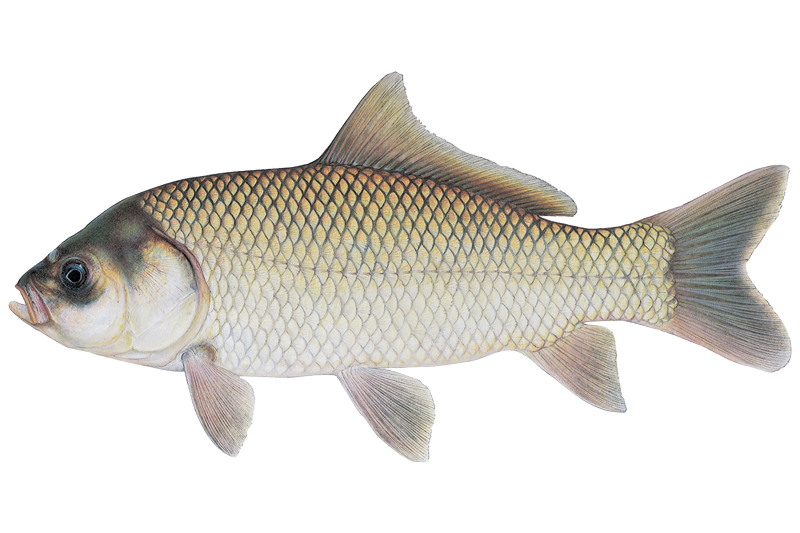
The Bigmouth Buffalo is North America's largest member of the sucker family and one of the longest-lived freshwater fish, capable of living over 100 years.
In South Carolina, they have been documented in the Lower Pee Dee River drainage since 2009, though their population status remains unknown.
Scientific Name: Ictiobus cyprinellus
These fish are not native carp despite their similar appearance - they lack the serrated dorsal spine that carp possess and have a distinctive large, oblique terminal mouth with thin lips positioned almost level with their eyes.
Bigmouth Buffalo are brownish-olive to slate-blue above with lighter sides and white bellies, and can reach lengths over 4 feet and weights exceeding 70 pounds.
Fishing in South Carolina

Lake Marion

Wateree River
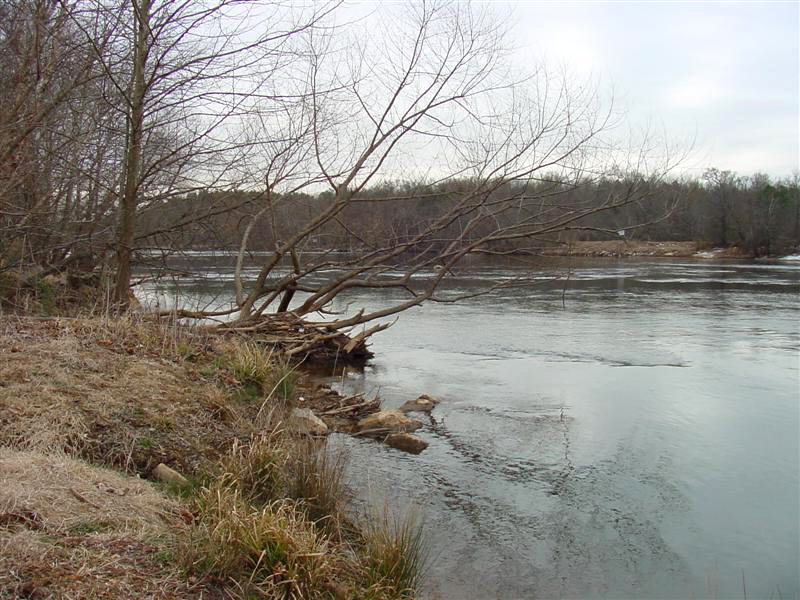
Broad River

Saluda River

Lake Murray
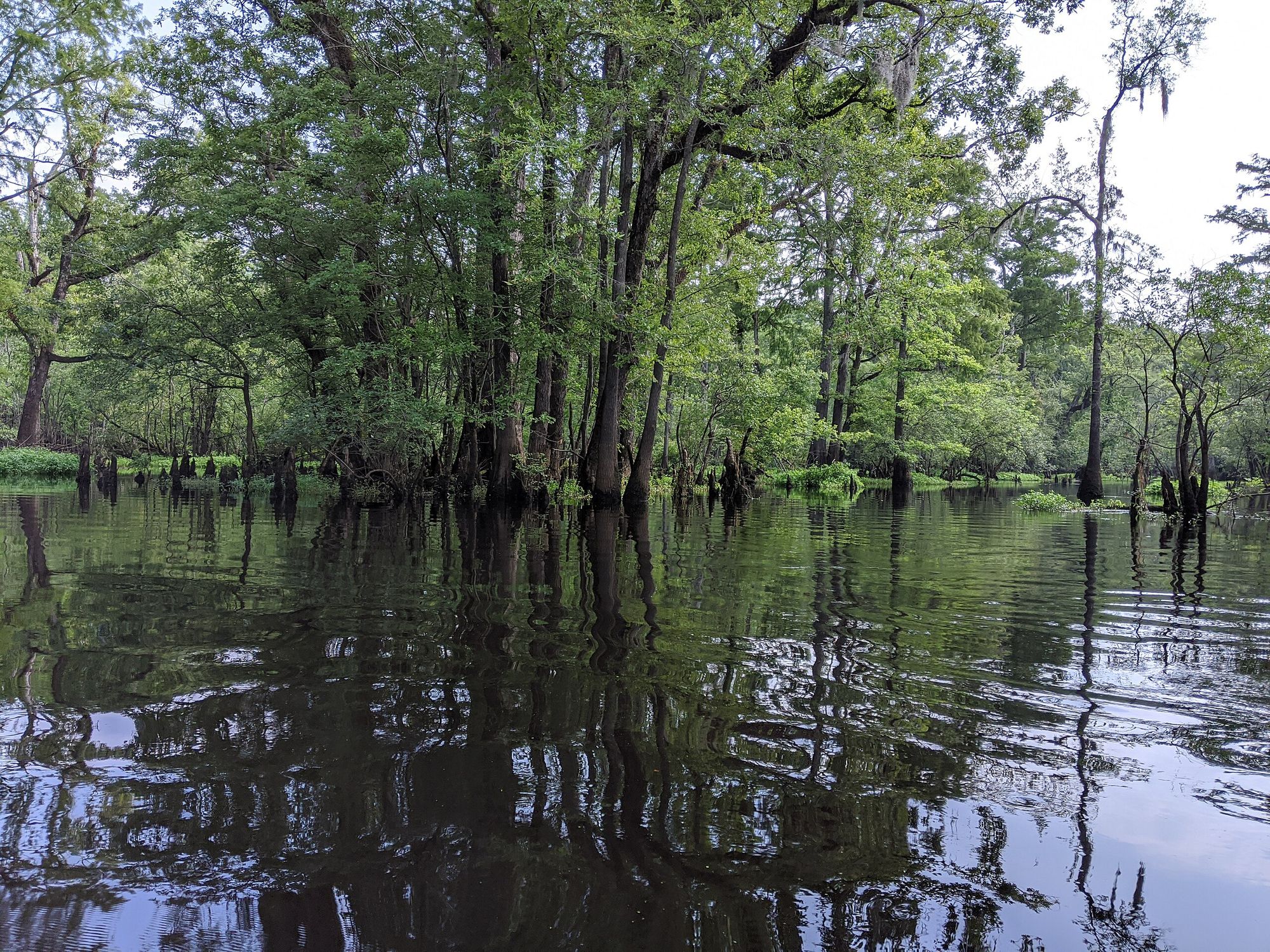
Black River
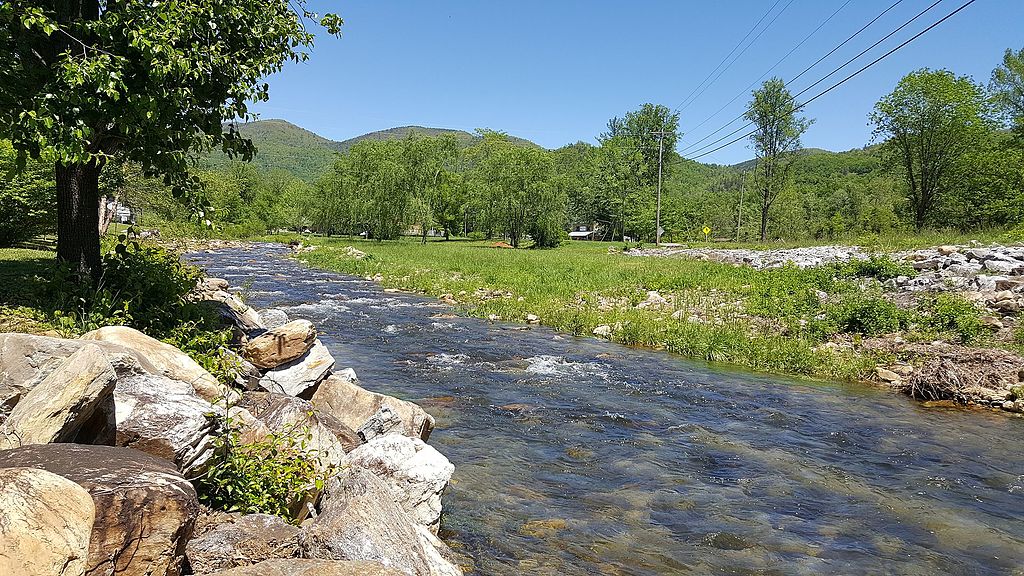
Catawba River
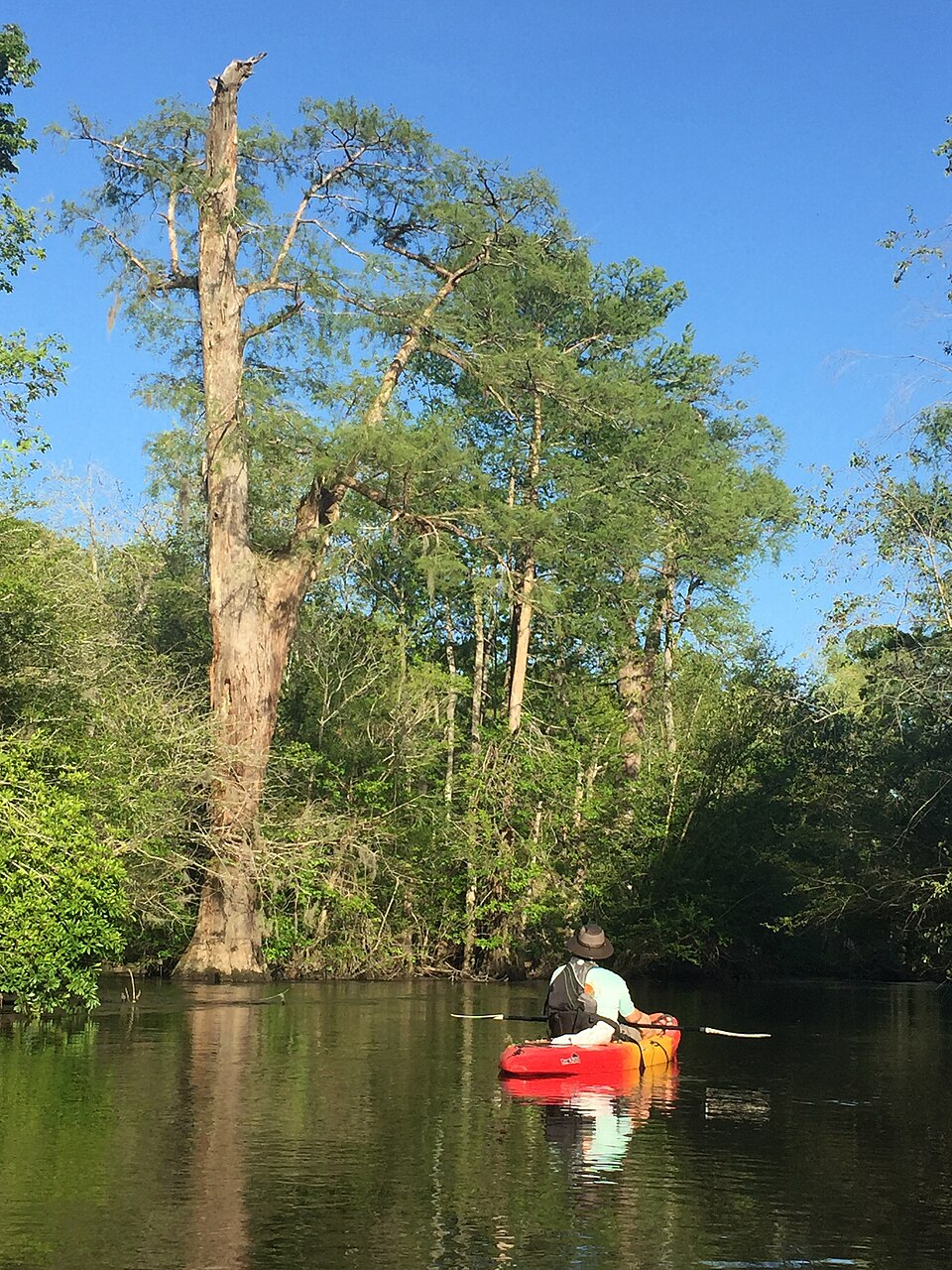
Lynches River

Lake Moultrie
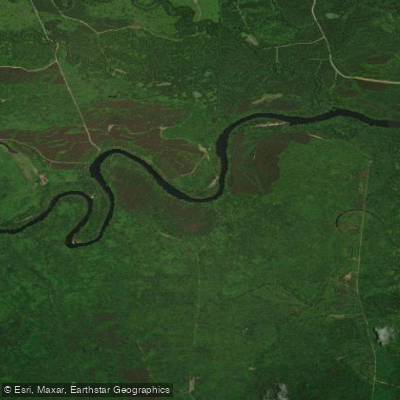
Santee River
What to know
Habitat Distribution
They inhabit slow-moving rivers, backwaters, oxbows, lakes, and reservoirs, preferring waters less than 5 meters deep with high turbidity toleranceKey Locations
Lower Pee Dee River drainage, Lower Pee Dee systemSpecific Spots
Target slow-moving backwaters, oxbows, and areas with flooded vegetationBigmouth Buffalo FAQ
Answers from onWater's species guide.
What are the best lures and bait for Bigmouth Buffalo in South Carolina?
Bread or dough balls work best when positioned with small hooks and allowed to sit motionless on the bottom. Cut bait and minnows can work but are less effective than scented dough baits.
What flies work for Bigmouth Buffalo in South Carolina?
Small weighted nymph patterns like woolly buggers, san juan worms, or saltwater bonefish flies in sizes 6-12 with lead dumbbell eyes for quick descent
When is the best time to fish for Bigmouth Buffalo in South Carolina?
The best fishing occurs during late fall through early spring when water temperatures are between 60-75°F, avoiding their April-June spawning period
How do you catch Bigmouth Buffalo in South Carolina?
Still fishing and drift fishing are most productive, with presentations requiring extreme finesse since buffalo will mouth baits extensively without moving, making bite detection difficult.
What do Bigmouth Buffalo eat?
Unlike other buffalo species, they are filter-feeders that consume primarily zooplankton including cladocerans and copepods, supplemented with chironomid larvae, algae, and small crustaceans. 90% of their diet consists of small crustaceans and plankton.
Fish smarter with real-time insights
Whether you're en route and conditions shift or you're looking for the best spot based on current flows, we enable you to make informed decisions on the fly.




See it in the app
Most maps show you water.
onWater shows you Bigmouth Buffalo.



- 01 · Species map filter
Map every Bigmouth Buffalo water
Pick Bigmouth Buffalo and the map zeroes in on the waters they call home. No more guessing which lake holds them.
- 02 · Waterbody species
Tap any water. See what lives there.
Species, behavior and seasonal patterns for every lake, river and pond, before you leave the driveway.
- 03 · Angler Intelligence
Ask how to catch Bigmouth Buffalo
Tactics, gear and timing from onWater's AI fishing guide, tuned to the species and the water you're on.
Stop guessing where Bigmouth Buffalo are.
Open the map, filter by Bigmouth Buffalo, and head to water that holds them. Download onWater and plan your next trip in minutes.
- Species map filter
- Angler Intelligence
- Fishing journal
Explore other species
Trout, bass, salmon, panfish and everything in between. Each guide unpacks the behavior, seasons, and tactics that put fish in the net.
No species information available.
South Carolina licenses and regulations
Explore nearby waters
Explore South Carolina waters
Top fishing waters
Popular Cities
Loading popular cities...

Smarter Fishing Starts in the App.
onWater Fish gives you everything you need to plan smarter, fish better, and own every trip from first cast to last.