Black Buffalo

Black Buffalo are not native to South Carolina waters but were historically introduced to the state through early 1900s stocking programs in the Pee Dee and Catawba river drainages. These large suckerfish are part of the buffalo family.
Scientific Name: Ictiobus niger
Can reach impressive sizes up to 123cm and 63 pounds, though typically average around 52cm. Black Buffalo are distinguished from other buffalo species by their more slender, compressed bodies with slate to bronze coloring and a greenish overcast.
They have subterminal mouths designed for bottom feeding and lack the barbels found on carp.
Fishing in South Carolina

Lake Marion
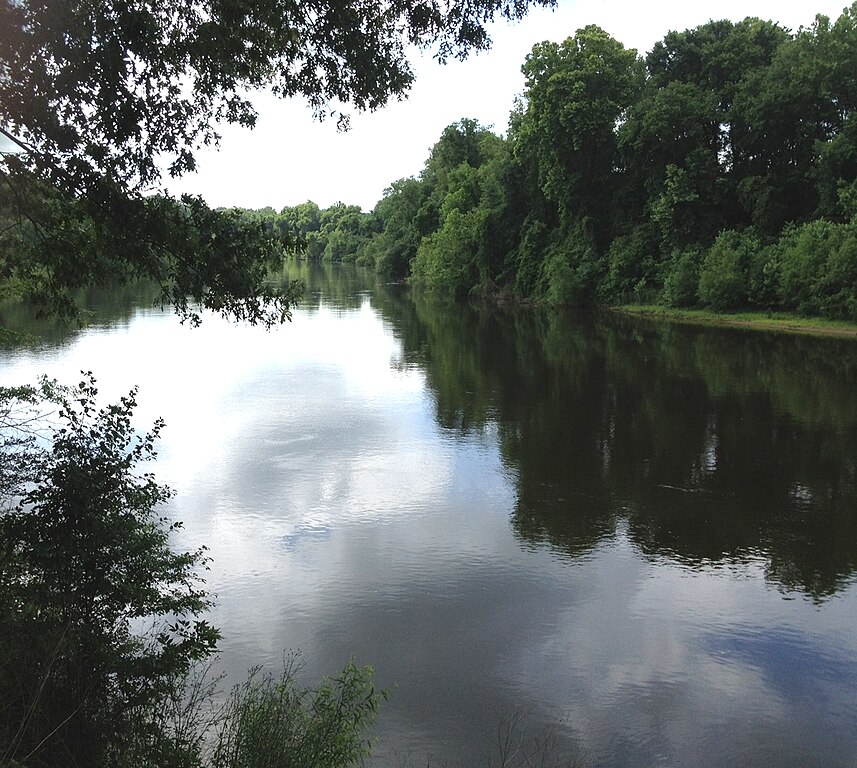
Wateree River
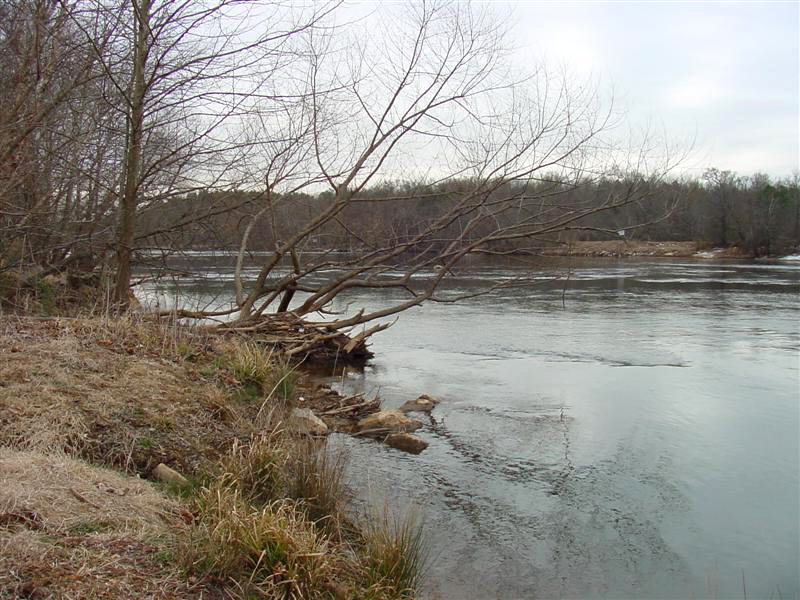
Broad River

Saluda River
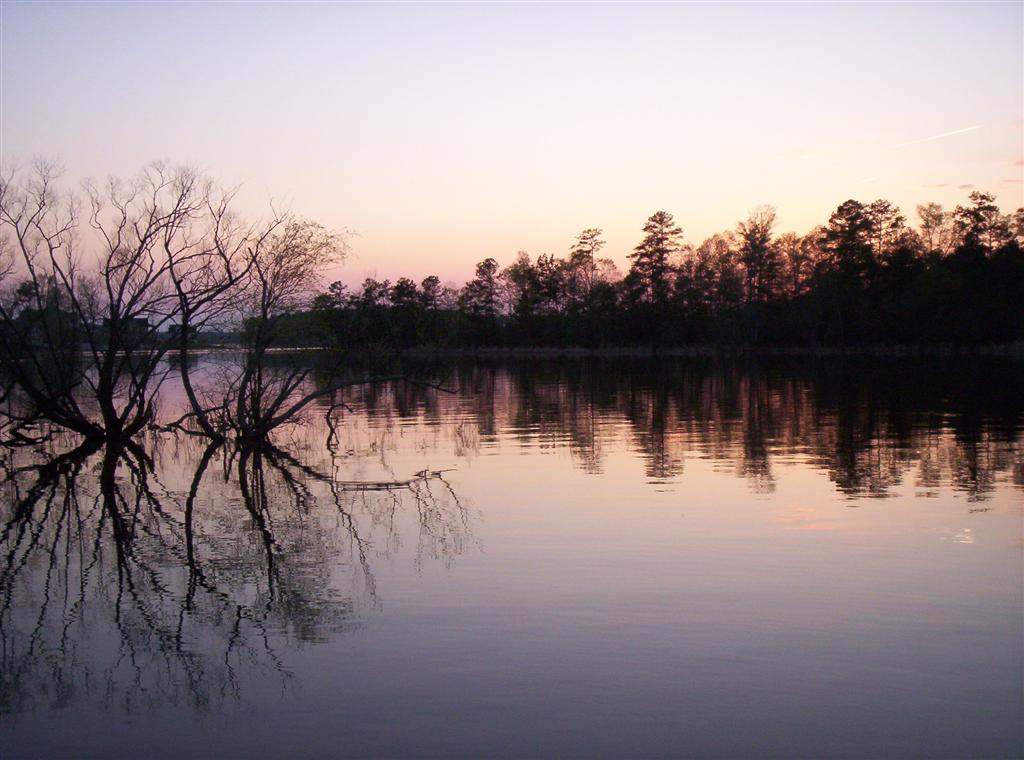
Lake Murray
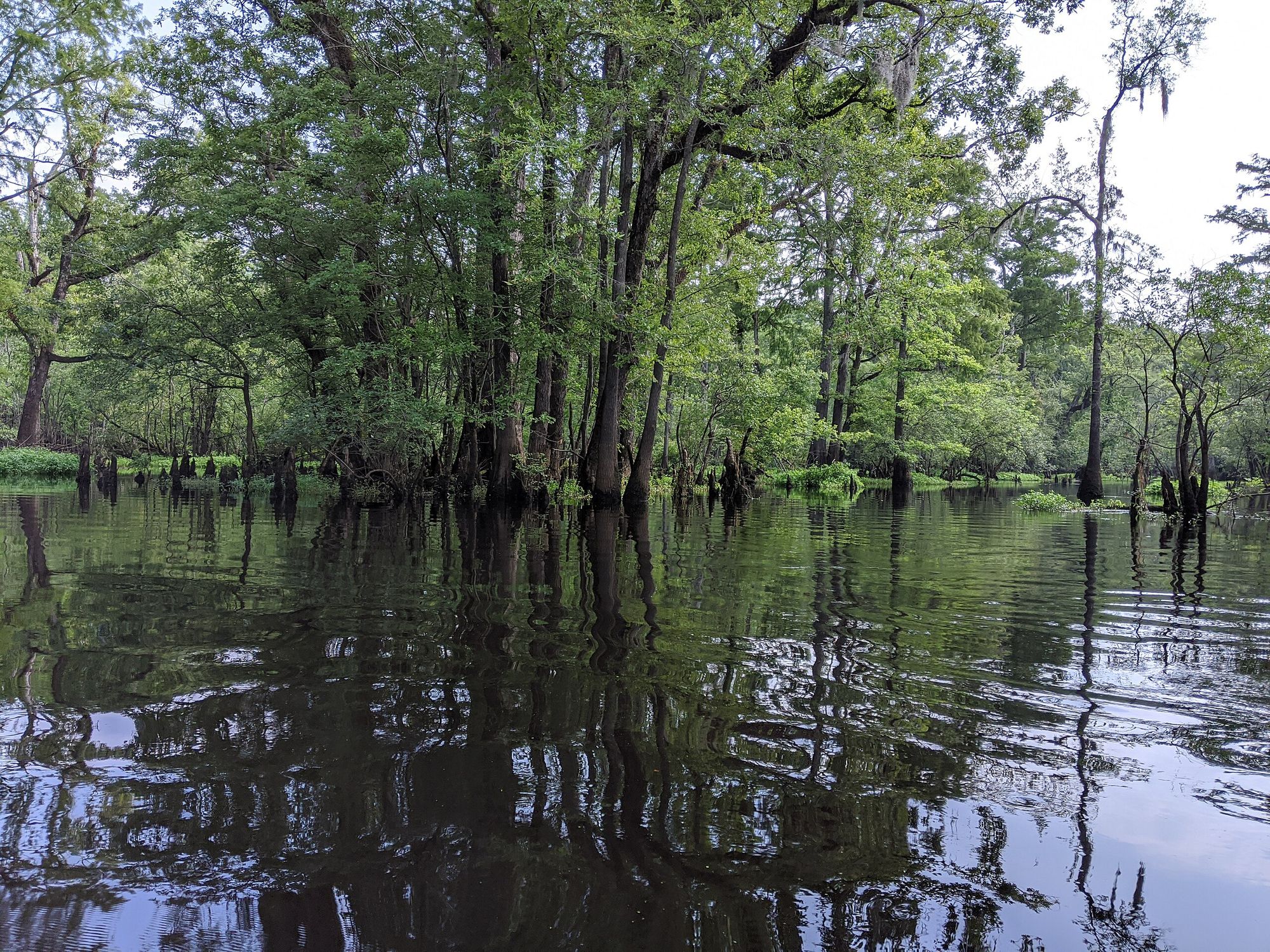
Black River
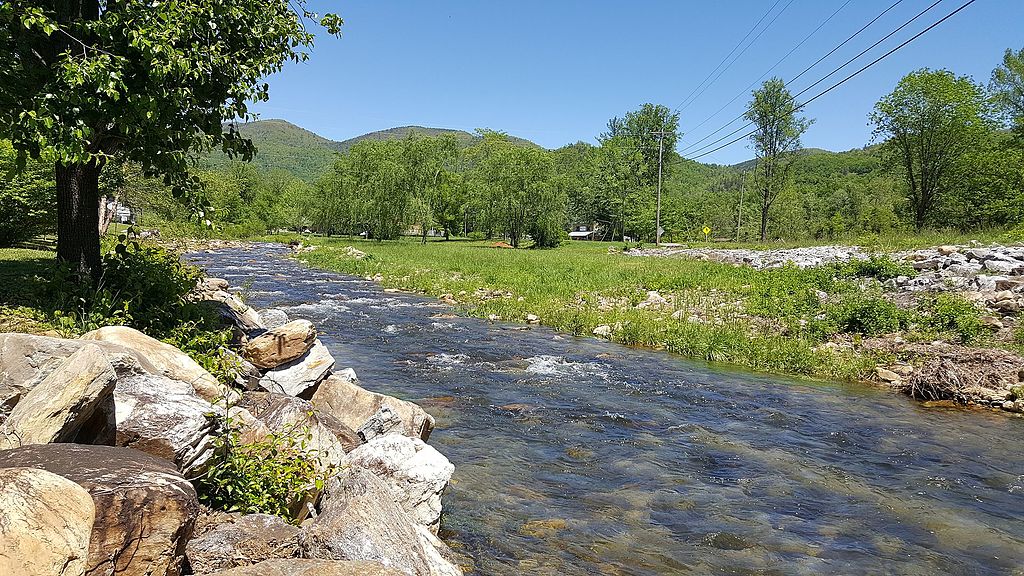
Catawba River
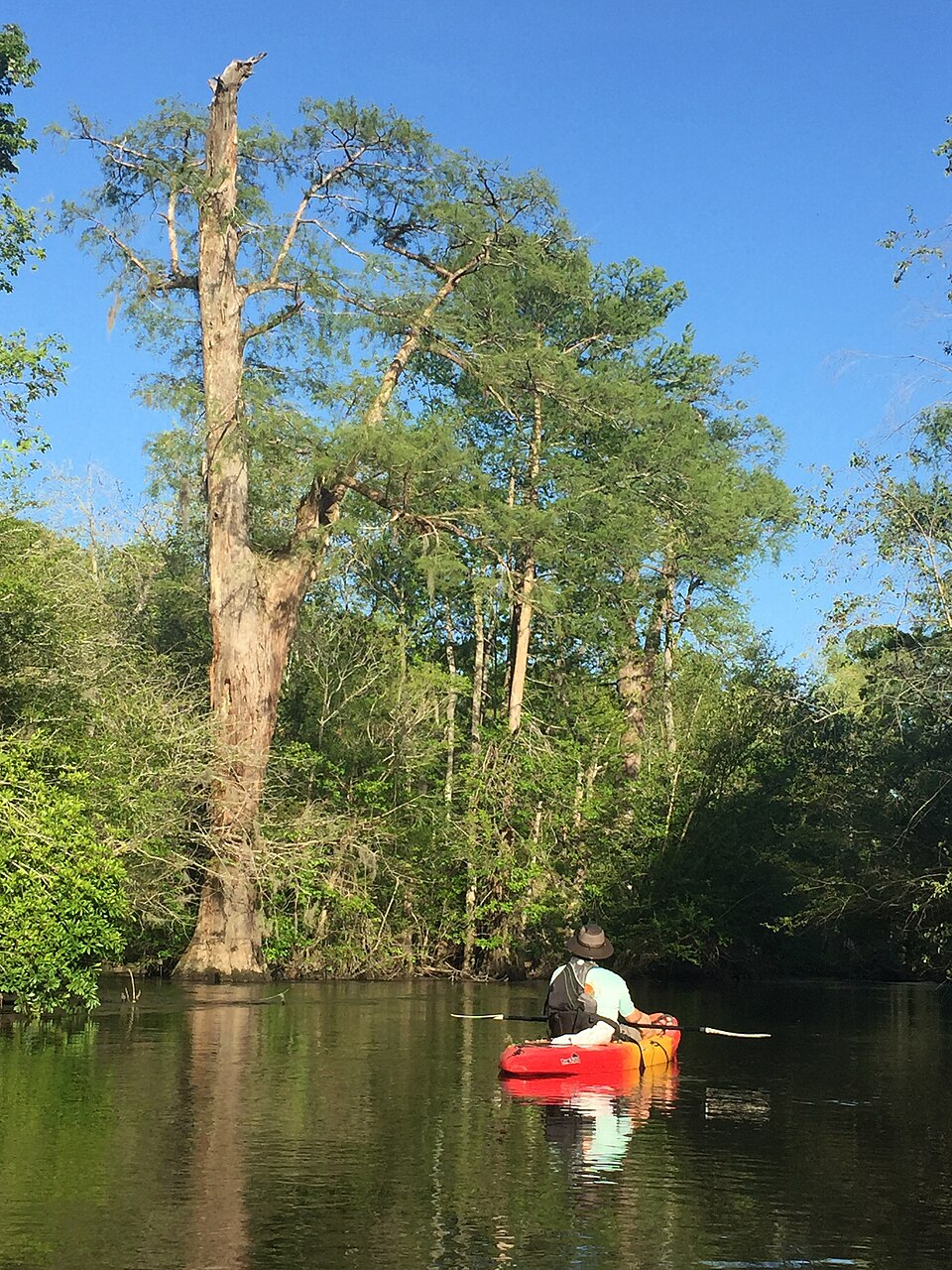
Lynches River
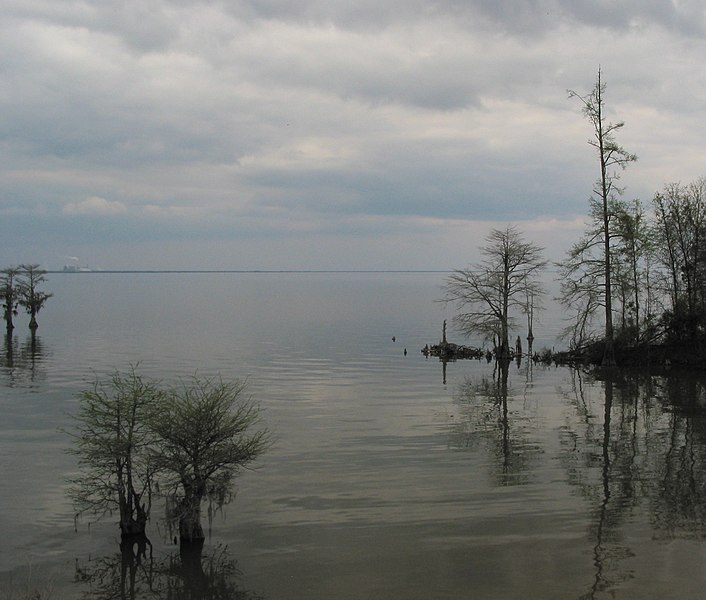
Lake Moultrie
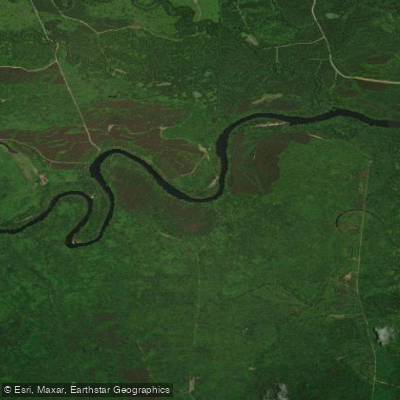
Santee River
What to know
Habitat Distribution
They inhabit pools and backwaters of small to large rivers, reservoirs, and lakes, preferring areas with moderate to strong currents. They prefer deeper waters than other buffalo species and are known to tolerate strong river currents.Key Locations
In South Carolina's Pee Dee and Catawba drainages, focus on calmer eddie pockets along river shores and deeper sections of reservoirs.Specific Spots
Target deeper pools, river bends with slower current, and areas with muddy or sandy bottoms rich in aquatic vegetation.Black Buffalo FAQ
Answers from onWater's species guide.
What are the best lures and bait for Black Buffalo in South Carolina?
Use small hooks (size 6-8) that are well-concealed within baits, as their sensitive lips can easily detect larger hooks. Effective baits include corn, dough balls, earthworms, and plant-based attractants that mimic their herbivorous diet.
How do you catch Black Buffalo in South Carolina?
Fish with Carolina rigs or slip-sinker setups to keep baits on the bottom where they naturally feed. Bowfishing can be effective when fish are visible in shallow water, requiring accuracy and compensation for light refraction.
What do Black Buffalo eat?
Their diet consists primarily of benthic organisms including Asiatic clams, algae, diatoms, crustaceans, native mollusks, insects, and aquatic plants like duckweed.
Where do Black Buffalo live in South Carolina?
They inhabit pools and backwaters of small to large rivers, reservoirs, and lakes, preferring areas with moderate to strong currents. They prefer deeper waters than other buffalo species and are known to tolerate strong river currents.
Fish smarter with real-time insights
Whether you're en route and conditions shift or you're looking for the best spot based on current flows, we enable you to make informed decisions on the fly.




See it in the app
Most maps show you water.
onWater shows you Black Buffalo.



- 01 · Species map filter
Map every Black Buffalo water
Pick Black Buffalo and the map zeroes in on the waters they call home. No more guessing which lake holds them.
- 02 · Waterbody species
Tap any water. See what lives there.
Species, behavior and seasonal patterns for every lake, river and pond, before you leave the driveway.
- 03 · Angler Intelligence
Ask how to catch Black Buffalo
Tactics, gear and timing from onWater's AI fishing guide, tuned to the species and the water you're on.
Stop guessing where Black Buffalo are.
Open the map, filter by Black Buffalo, and head to water that holds them. Download onWater and plan your next trip in minutes.
- Species map filter
- Angler Intelligence
- Fishing journal
Explore other species
Trout, bass, salmon, panfish and everything in between. Each guide unpacks the behavior, seasons, and tactics that put fish in the net.
No species information available.
South Carolina licenses and regulations
Explore nearby waters
Explore South Carolina waters
Top fishing waters
Popular Cities
Loading popular cities...

Smarter Fishing Starts in the App.
onWater Fish gives you everything you need to plan smarter, fish better, and own every trip from first cast to last.