Black Crappie

Black crappie are native to South Carolina and found statewide in all warm water habitats except mountain streams. They prefer clearer waters compared to white crappie and are abundant in large impoundments, natural lakes, and backwaters.
Scientific Name: Pomoxis nigromaculatus
- They're distinguished by their gray-green to bluish back fading to silvery sides and belly, with black mottling on the body and fins.
- Black crappie have 7-8 dorsal fin spines and a large mouth extending beneath the eye, with a distinctive 'receding fin line' due to the highly arched area in front of the dorsal fin.
- In South Carolina, they average 5.1-19.3 inches and ½ to 1¼ pounds, with the state record being 5 pounds.
Fishing in South Carolina
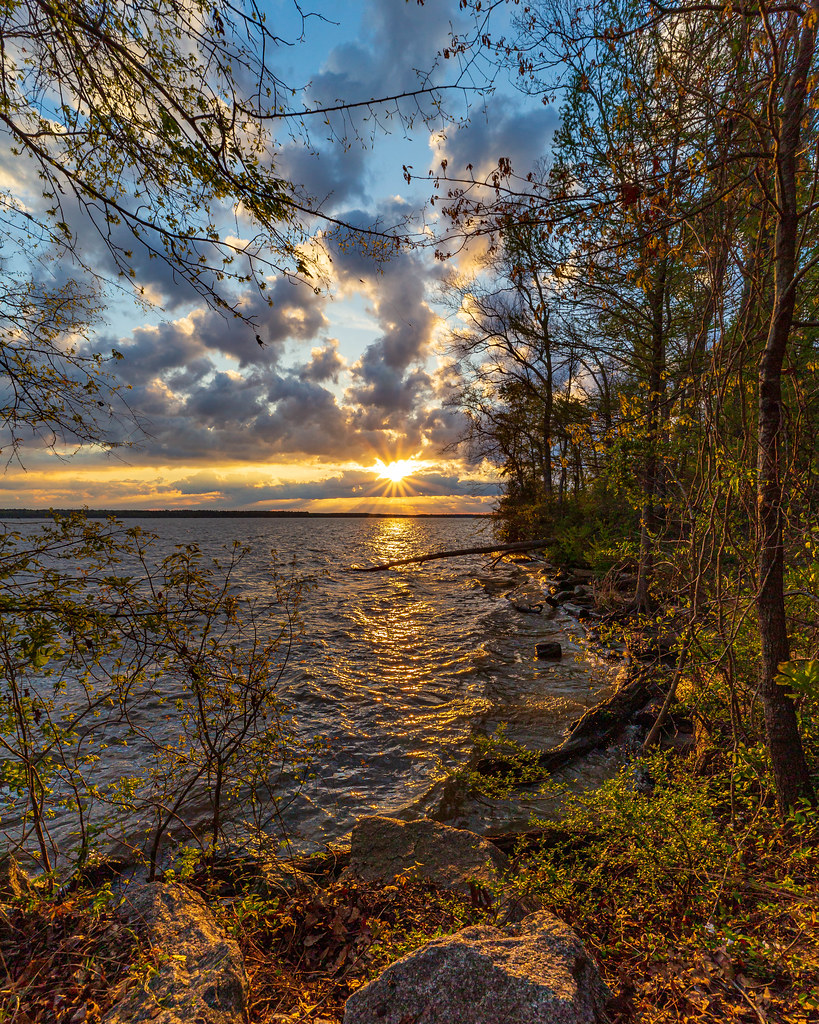
Lake Marion
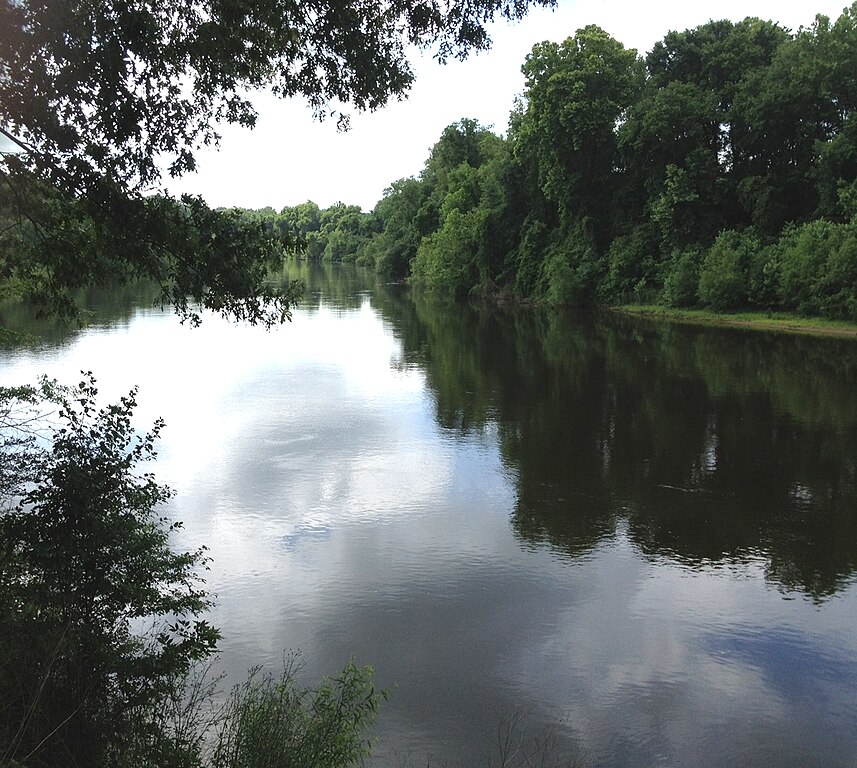
Wateree River
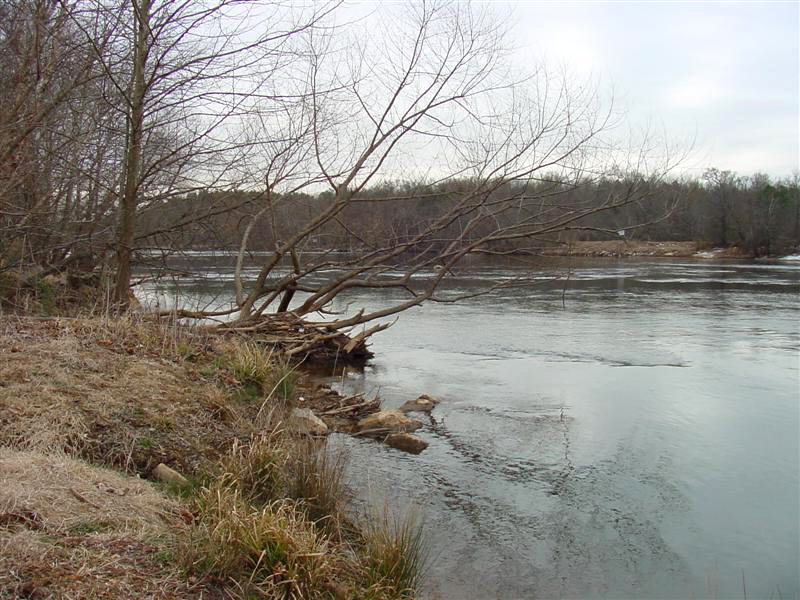
Broad River
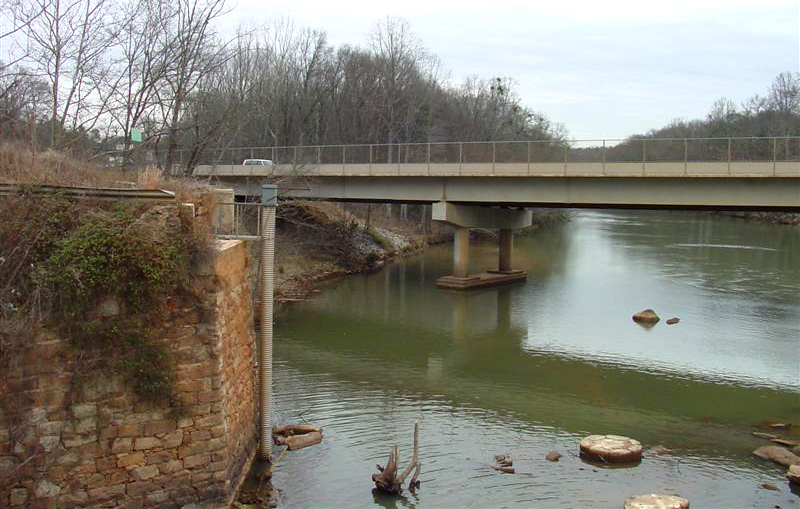
Saluda River
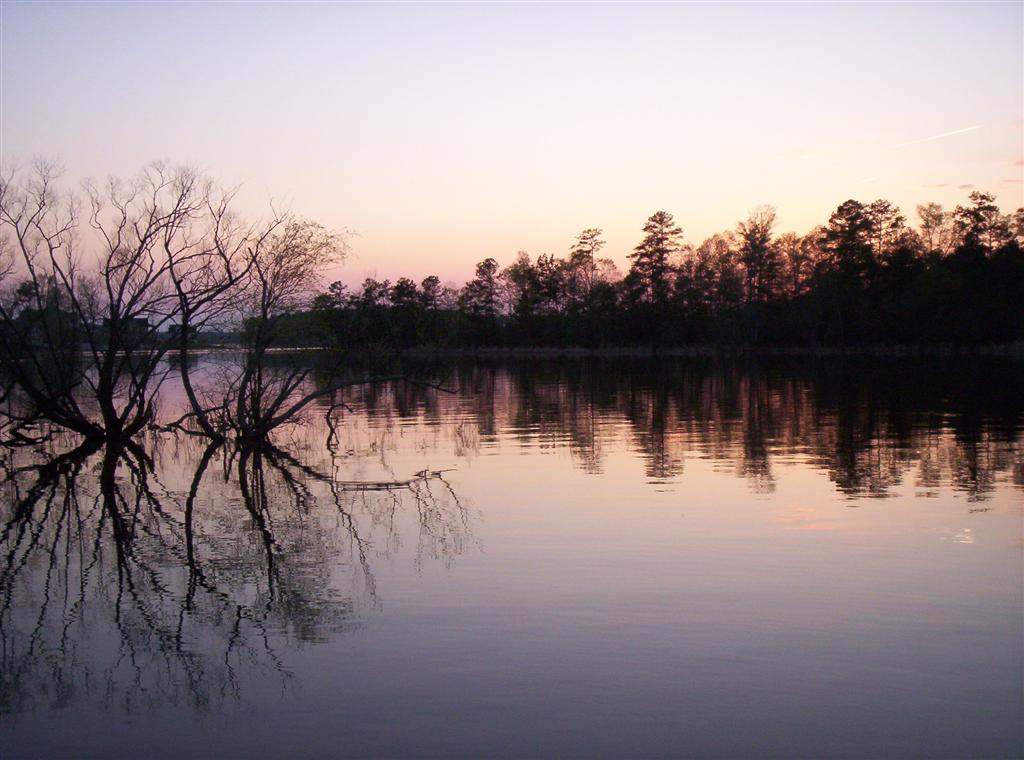
Lake Murray
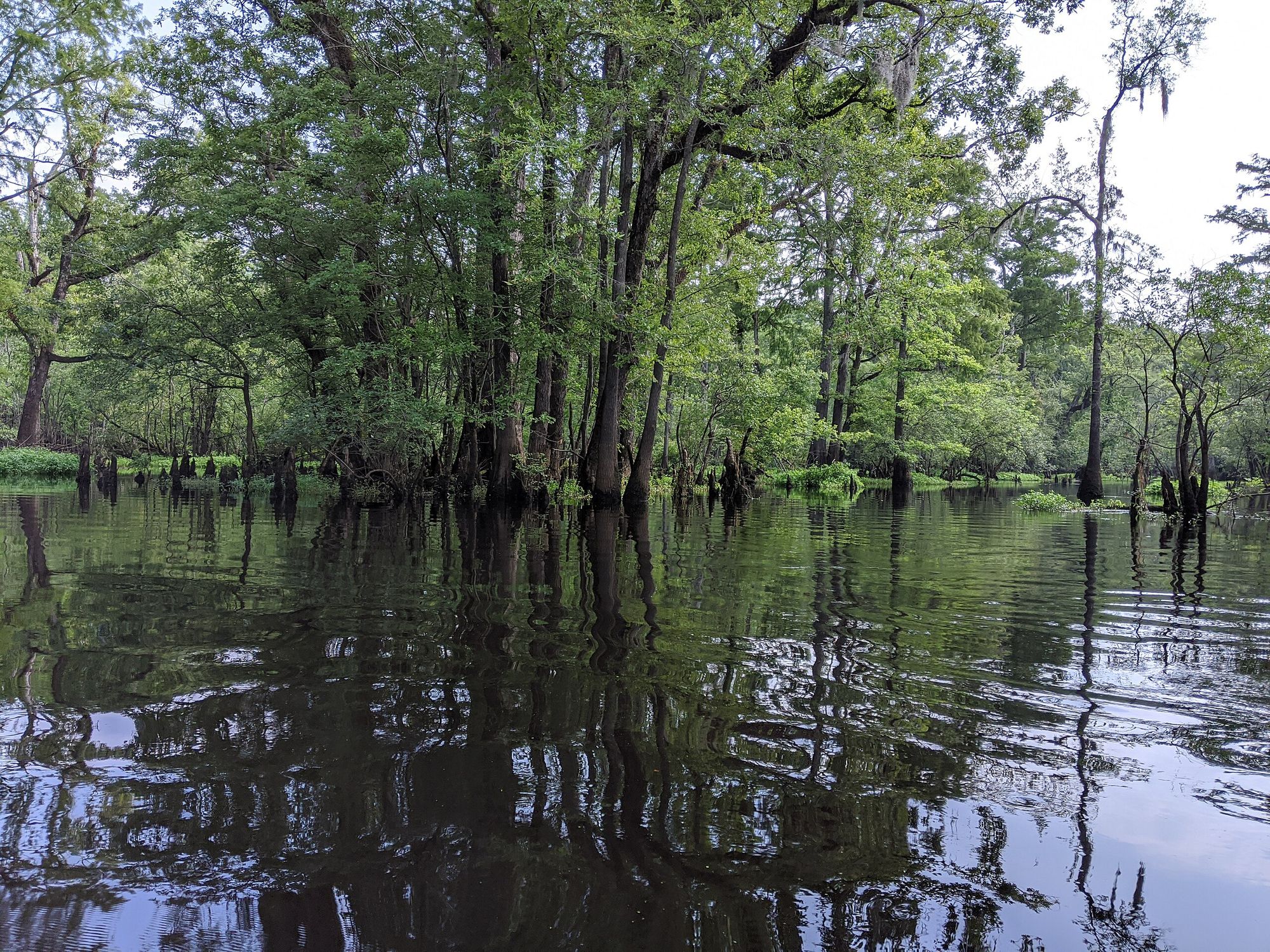
Black River
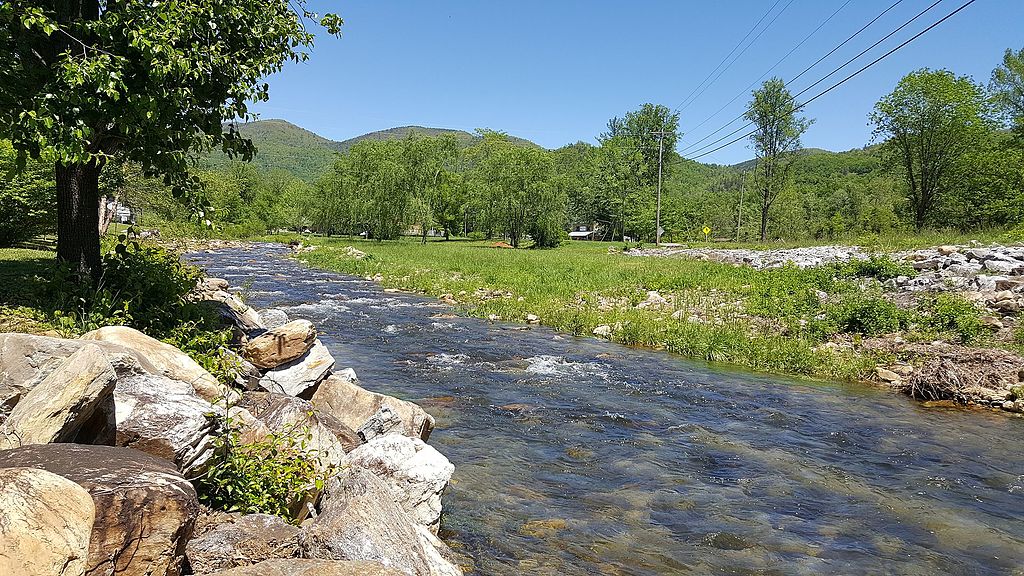
Catawba River
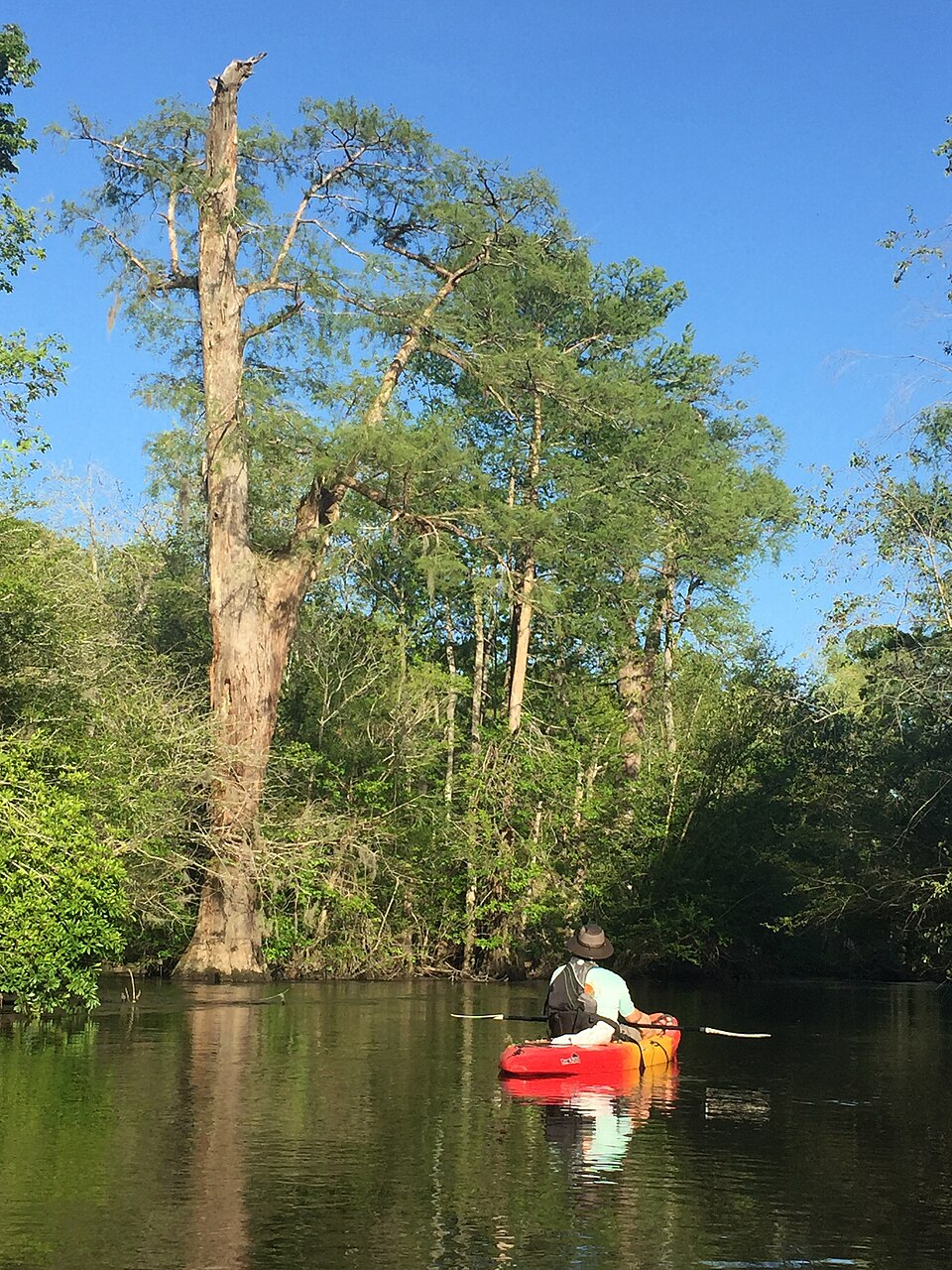
Lynches River
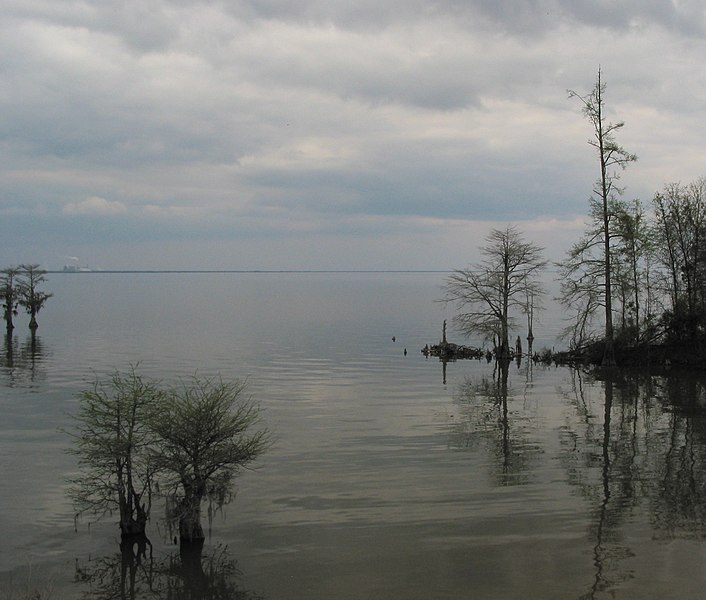
Lake Moultrie
Santee River
What to know
Habitat Distribution
- Found statewide in all warm water habitats except mountain streams.
- Abundant in large impoundments, natural lakes, and backwaters.
Key Locations
- In the Coastal region, focus on the famous Santee Cooper Lakes (Marion and Moultrie).
- In the Piedmont, Lake Murray's major creeks are productive.
- Lake Secession.
- In the Upstate, Lake Richard B.
- Russell.
Specific Spots
- Target around brush piles, docks, and cypress trees.
- Males building nests in shallow water (1-20 feet depending on water clarity) around cypress knees, brush piles, docks, and woody cover.
- Lake Murray's major creeks - troll creek ledges.
- Lake Richard B.
- Russell around standing timber and flooded forests.
Black Crappie FAQ
Answers from onWater's species guide.
What are the best lures and bait for Black Crappie in South Carolina?
1/16 and 1/32-ounce jigs in chartreuse colors, often tipped with minnows. 1/16 to 1/8-ounce jigs in white, yellow, blue, pink, and mixed colors. Live minnows under bobbers remain highly effective.
When is the best time to fish for Black Crappie in South Carolina?
Prime time for black crappie fishing in South Carolina is March and April during the spawning migration. In the Coastal region, Lake Marion warms faster and offers shallow cypress knee fishing in late February. Lake Secession offers excellent shallow action around visible woody cover when water hits 54-56°F.
How do you catch Black Crappie in South Carolina?
In the Coastal region, guides like David Hilton work brush piles in 10-25 feet of water. In the Piedmont, troll creek ledges in 10-15 feet early season, then work progressively shallower flats and brush piles in 8-15 feet during March-April. Brad Taylor recommends using graphs to locate brushpiles and staying mobile.
What do Black Crappie eat?
Black crappie are opportunistic carnivores feeding on zooplankton and microcrustaceans as juveniles, progressing to aquatic insects, small invertebrates, crayfish, and small fish as adults.
Where do Black Crappie live in South Carolina?
Found statewide in all warm water habitats except mountain streams. Abundant in large impoundments, natural lakes, and backwaters.
Fish smarter with real-time insights
Whether you're en route and conditions shift or you're looking for the best spot based on current flows, we enable you to make informed decisions on the fly.




See it in the app
Most maps show you water.
onWater shows you Black Crappie.



- 01 · Species map filter
Map every Black Crappie water
Pick Black Crappie and the map zeroes in on the waters they call home. No more guessing which lake holds them.
- 02 · Waterbody species
Tap any water. See what lives there.
Species, behavior and seasonal patterns for every lake, river and pond, before you leave the driveway.
- 03 · Angler Intelligence
Ask how to catch Black Crappie
Tactics, gear and timing from onWater's AI fishing guide, tuned to the species and the water you're on.
Stop guessing where Black Crappie are.
Open the map, filter by Black Crappie, and head to water that holds them. Download onWater and plan your next trip in minutes.
- Species map filter
- Angler Intelligence
- Fishing journal
Explore other species
Trout, bass, salmon, panfish and everything in between. Each guide unpacks the behavior, seasons, and tactics that put fish in the net.
No species information available.
South Carolina licenses and regulations
Explore nearby waters
Explore South Carolina waters
Top fishing waters
Popular Cities
Loading popular cities...

Smarter Fishing Starts in the App.
onWater Fish gives you everything you need to plan smarter, fish better, and own every trip from first cast to last.