Atlantic Croaker

Atlantic Croaker are among the most common marine fish in South Carolina waters, historically ranking as the 2nd most abundant species in nearshore coastal areas.
They're habitat generalists found throughout South Carolina's estuarine system and nearshore coastal areas.
Scientific Name: Micropogonias undulatus
- Silvery fish with a pinkish-bronze cast have characteristic dark spots forming wavy lines on their sides, 3-5 prominent gill cover spines, and small chin barbels.
- In South Carolina, Atlantic Croaker typically reach maturity at 5.5-7 inches after one year, though recent data shows some fish living up to 7 years in state waters.
Fishing in South Carolina
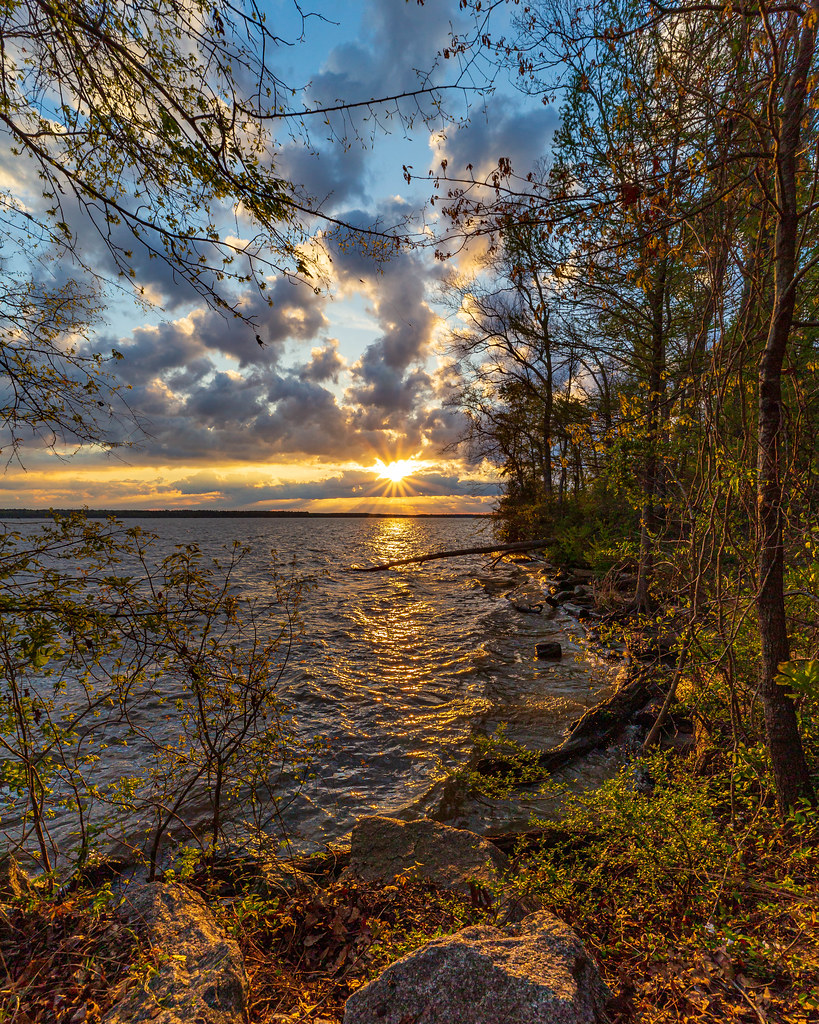
Lake Marion
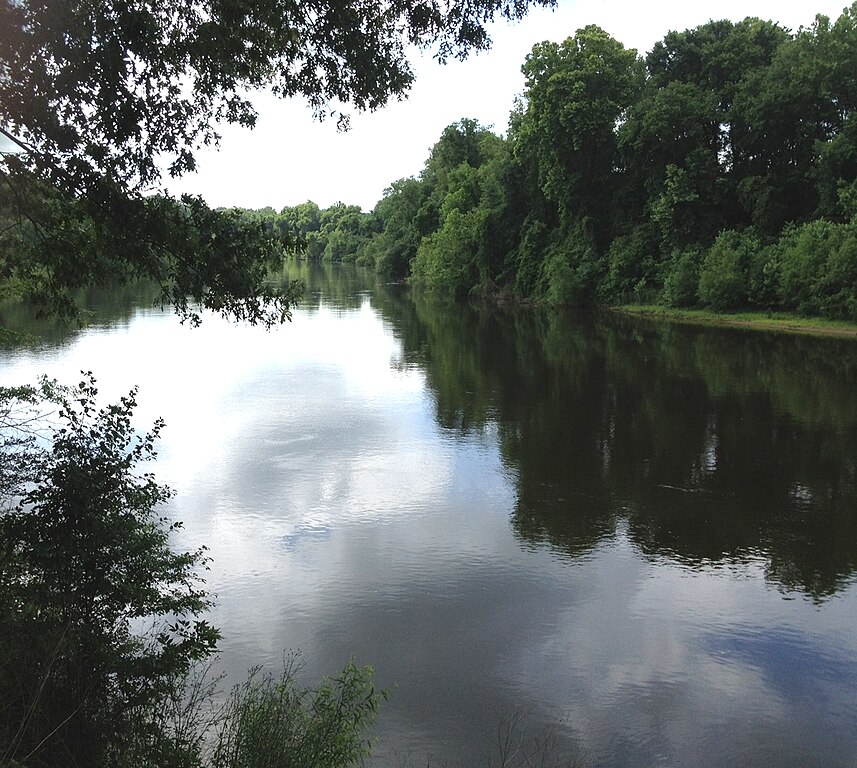
Wateree River
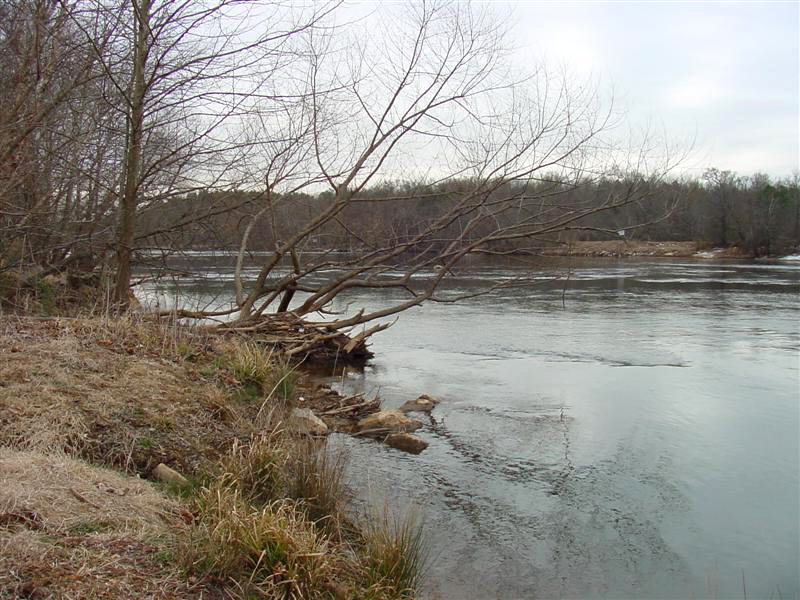
Broad River
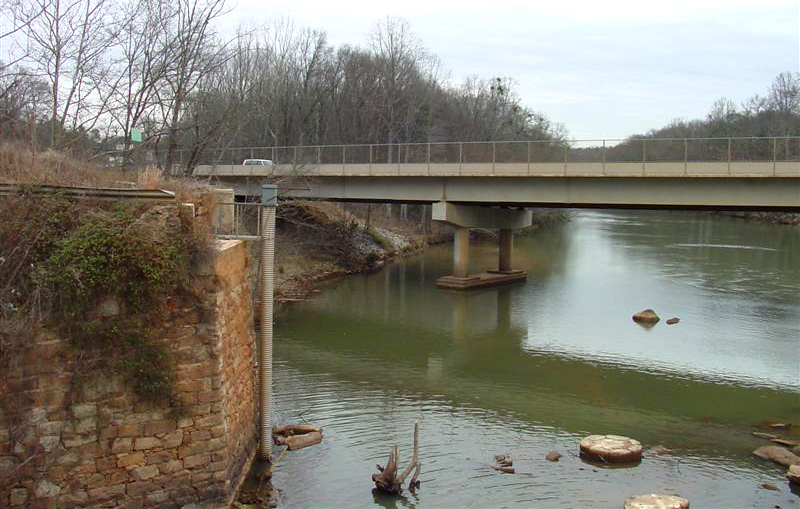
Saluda River
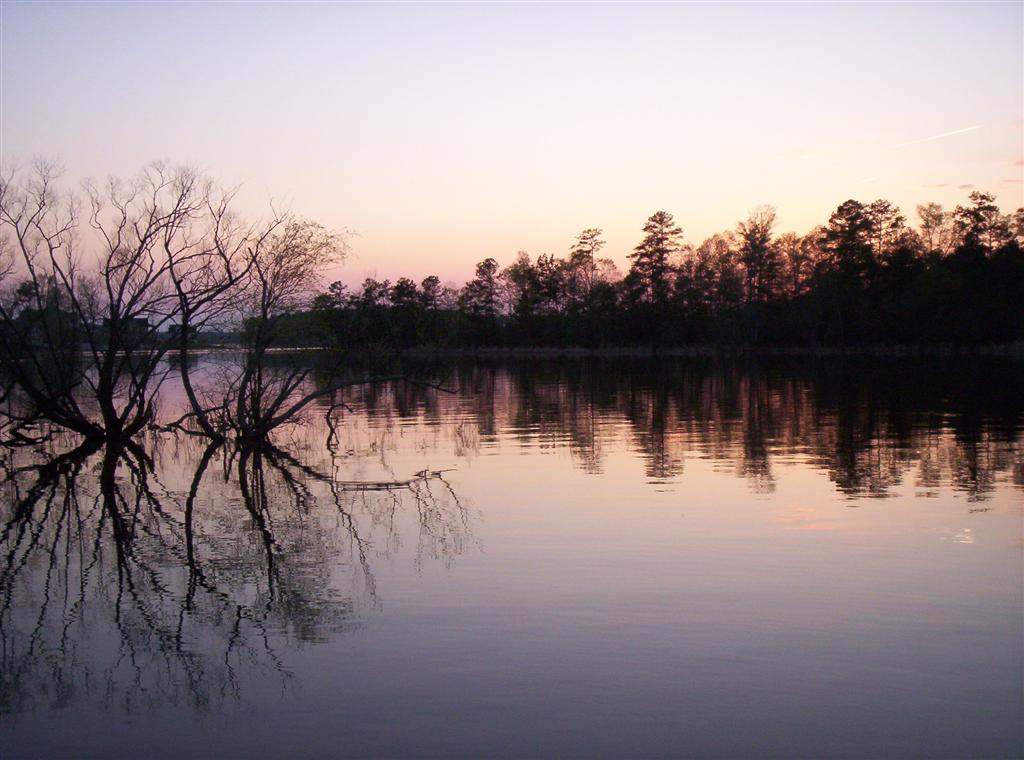
Lake Murray
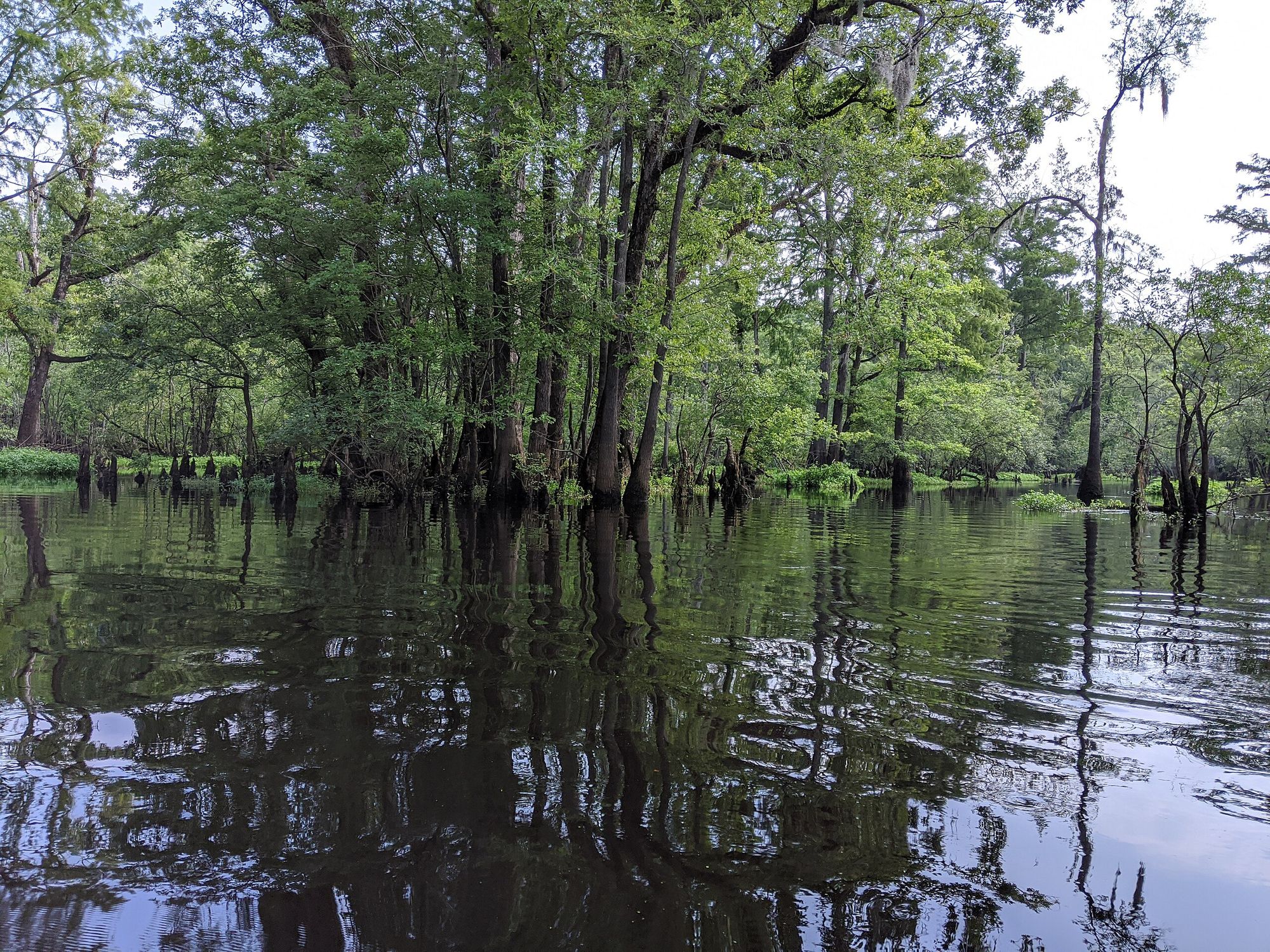
Black River
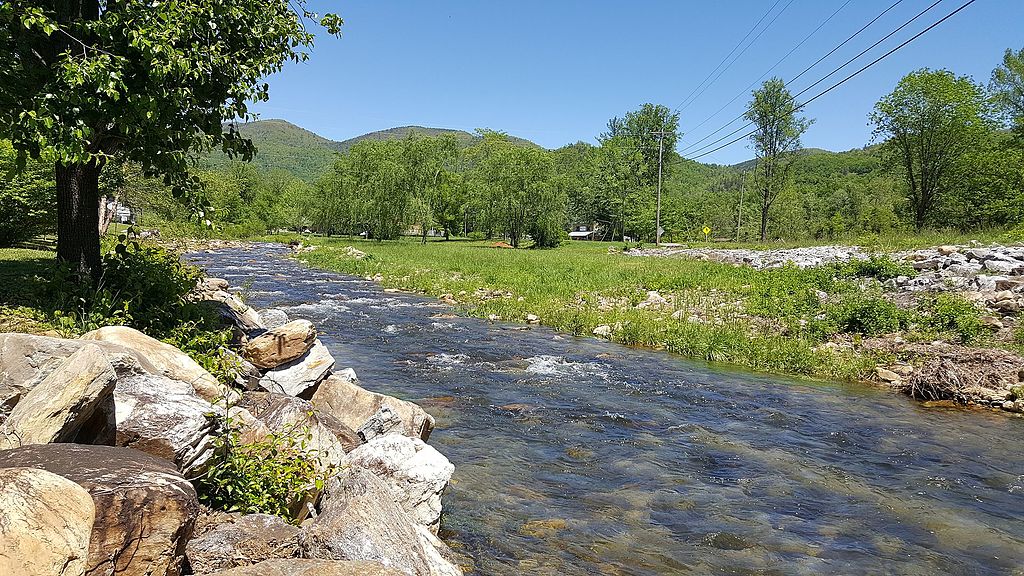
Catawba River
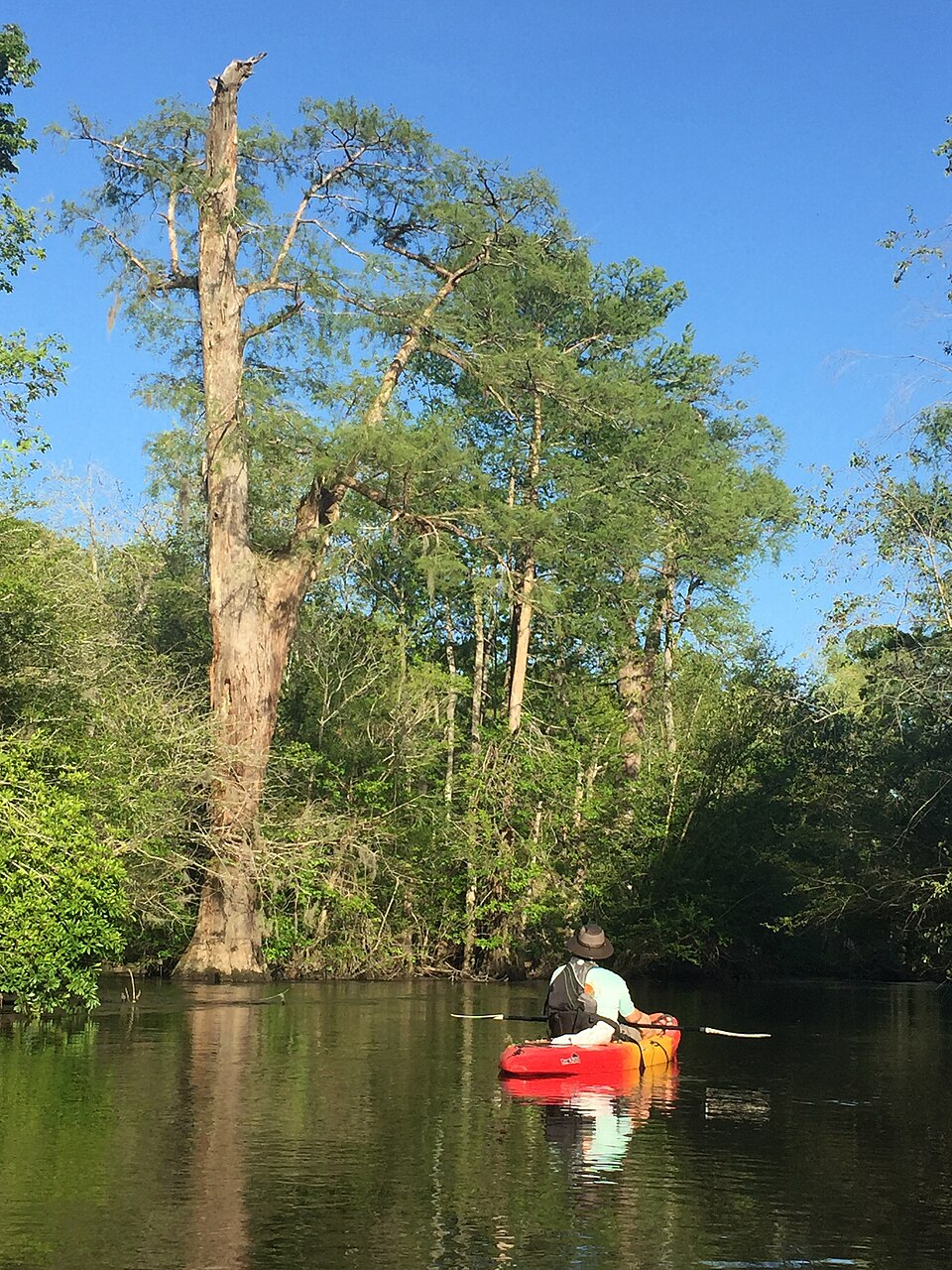
Lynches River
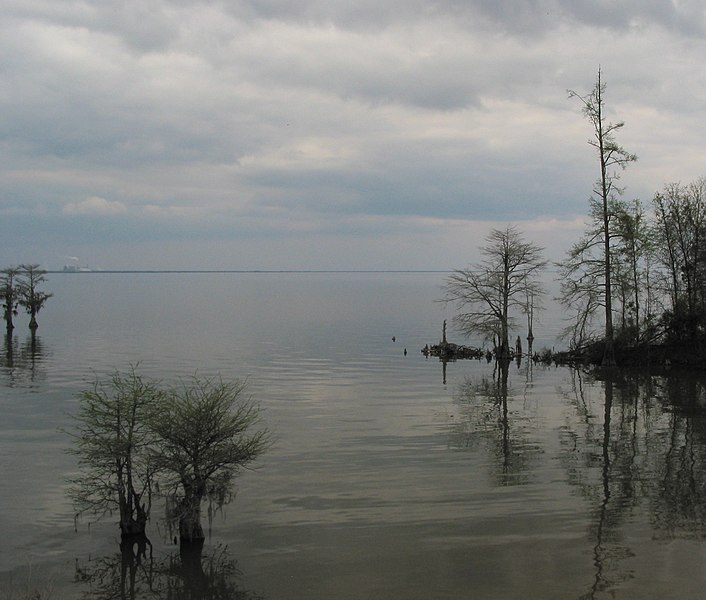
Lake Moultrie
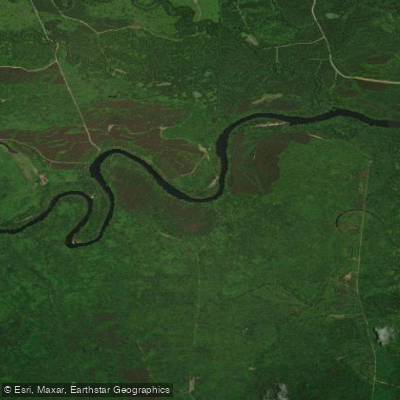
Santee River
What to know
Habitat Distribution
- Found over mud and sandy bottoms, oyster reefs, and live bottoms throughout South Carolina's estuarine system and nearshore coastal areas.
Key Locations
- Charleston area waters, ACE Basin (Ashepoo-Combahee-Edisto rivers), Colonial Lake, Ashley River, Wappoo Creek, Murrells Inlet.
Specific Spots
- Shallow estuarine areas, tidal creeks with mud bottoms, around oyster reefs, bridges, piers, and jetties throughout the coastal zone, nearshore waters from 4-10 feet deep, channels and deep holes, areas with soft mud bottoms containing detritus.
Atlantic Croaker FAQ
Answers from onWater's species guide.
What are the best lures and bait for Atlantic Croaker in South Carolina?
Most effective natural baits are dead shrimp (the most common bait), bloodworms, clams, squid, cut bait, and small crabs. For artificial lures, try small jigs and spoons.
When is the best time to fish for Atlantic Croaker in South Carolina?
Most productive from May through September when they're abundant in estuarine waters. Spawning periods from October through April with peak activity in late fall and winter should be avoided for fishing to allow successful reproduction.
How do you catch Atlantic Croaker in South Carolina?
Bottom fishing with natural baits works consistently. Fish just before or after high tide in channels and deep holes for best results.
What do Atlantic Croaker eat?
As opportunistic bottom feeders, their diet consists primarily of polychaetes, crustaceans, small crabs, shrimp, mollusks, and benthic invertebrates, with juveniles consuming detritus and some plant material.
Where do Atlantic Croaker live in South Carolina?
Found over mud and sandy bottoms, oyster reefs, and live bottoms throughout South Carolina's estuarine system and nearshore coastal areas.
Fish smarter with real-time insights
Whether you're en route and conditions shift or you're looking for the best spot based on current flows, we enable you to make informed decisions on the fly.




See it in the app
Most maps show you water.
onWater shows you Atlantic Croaker.



- 01 · Species map filter
Map every Atlantic Croaker water
Pick Atlantic Croaker and the map zeroes in on the waters they call home. No more guessing which lake holds them.
- 02 · Waterbody species
Tap any water. See what lives there.
Species, behavior and seasonal patterns for every lake, river and pond, before you leave the driveway.
- 03 · Angler Intelligence
Ask how to catch Atlantic Croaker
Tactics, gear and timing from onWater's AI fishing guide, tuned to the species and the water you're on.
Stop guessing where Atlantic Croaker are.
Open the map, filter by Atlantic Croaker, and head to water that holds them. Download onWater and plan your next trip in minutes.
- Species map filter
- Angler Intelligence
- Fishing journal
Explore other species
Trout, bass, salmon, panfish and everything in between. Each guide unpacks the behavior, seasons, and tactics that put fish in the net.
No species information available.
South Carolina licenses and regulations
Explore nearby waters
Explore South Carolina waters
Top fishing waters
Popular Cities
Loading popular cities...

Smarter Fishing Starts in the App.
onWater Fish gives you everything you need to plan smarter, fish better, and own every trip from first cast to last.