White Bullhead

White Bullhead is a small member of the Ictaluridae family native to the northwestern portion of Massachusetts but introduced elsewhere in the state.
These scaleless fish are distinguished by eight barbels (two nasal, two maxillary, four chin) and light-colored chin barbels, with a distinctively forked tail that sets them apart from other bullhead species.
Scientific Name: Ameiurus catus
Also known as white catfish
- They typically weigh 0.5-2 pounds but can reach up to 10 pounds.
- These scaleless fish are distinguished by eight barbels (two nasal, two maxillary, four chin) and light-colored chin barbels, with a distinctively forked tail that sets them apart from other bullhead species.
Fishing in Massachusetts
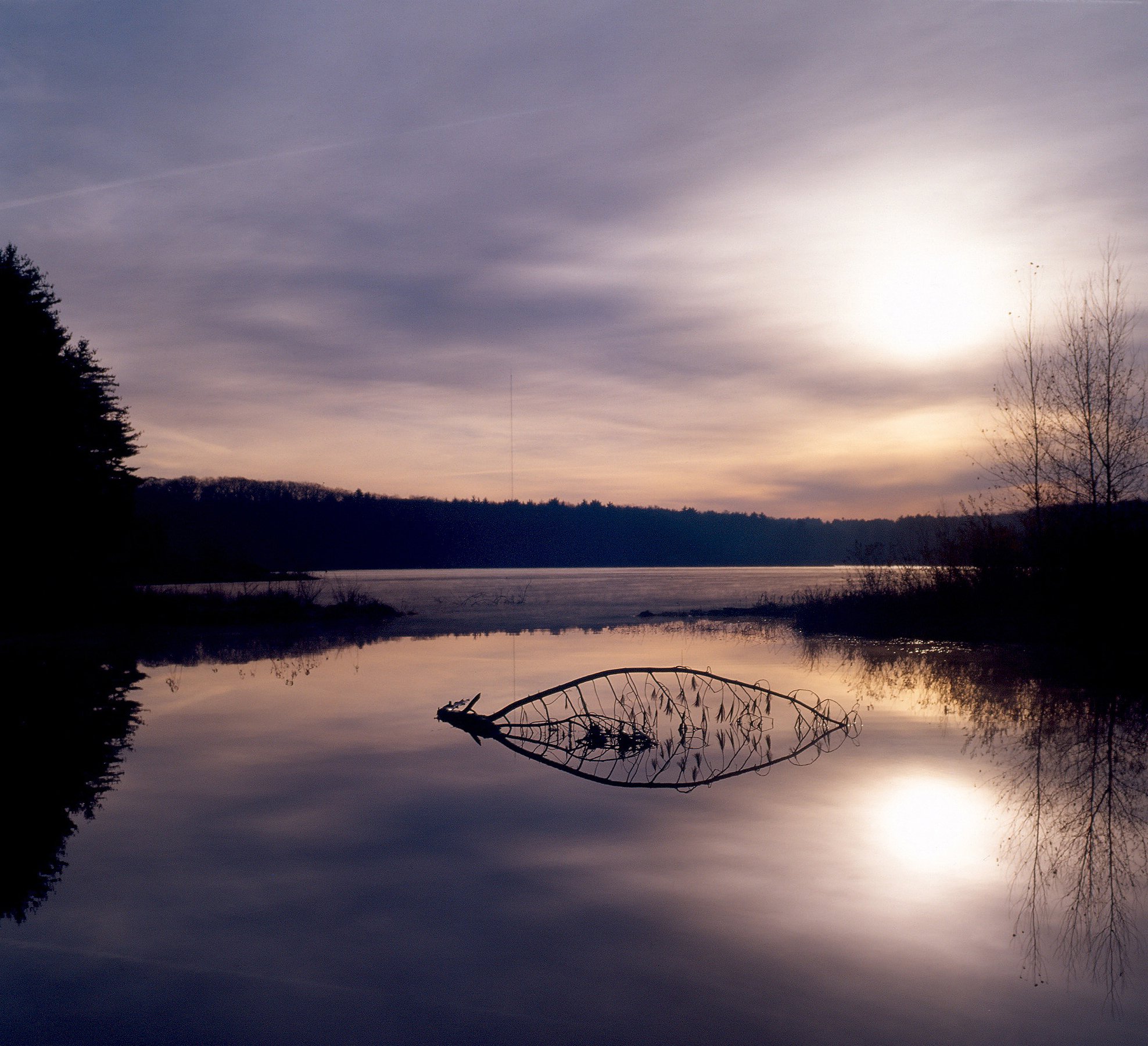
Wachusett Reservoir
Lake Cochituate
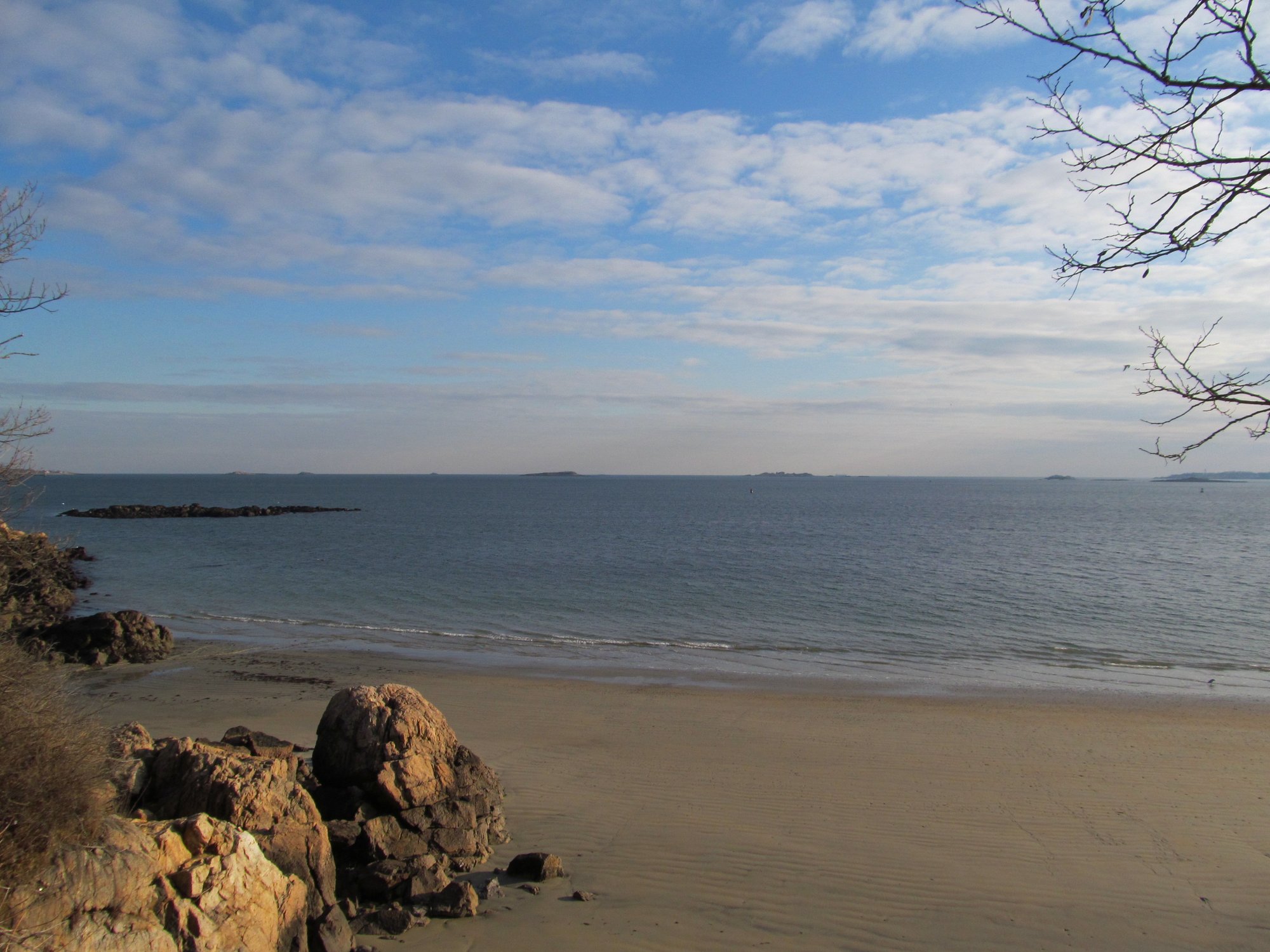
Massachusetts Bay
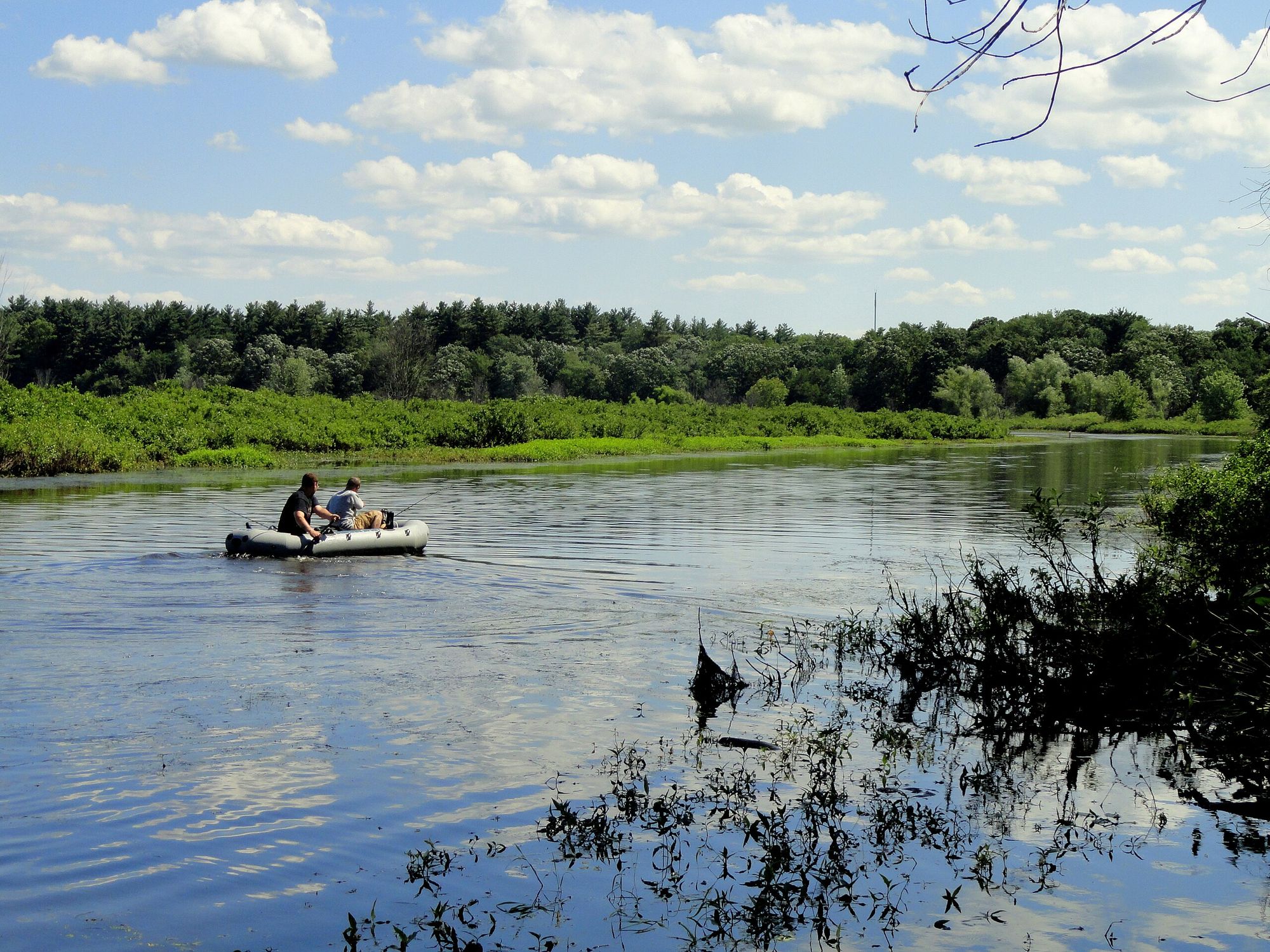
Sudbury River
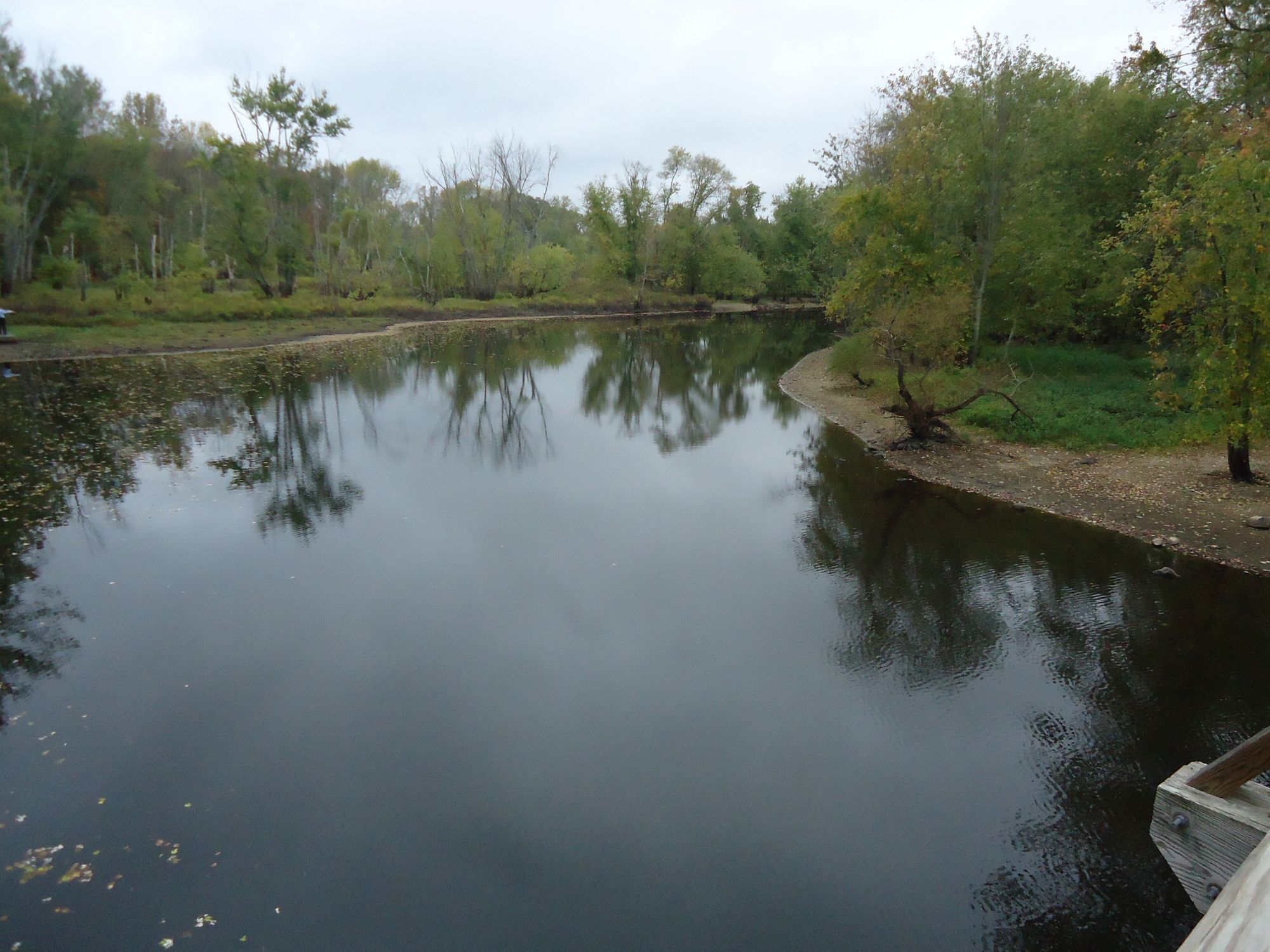
Concord River
Broad Sound
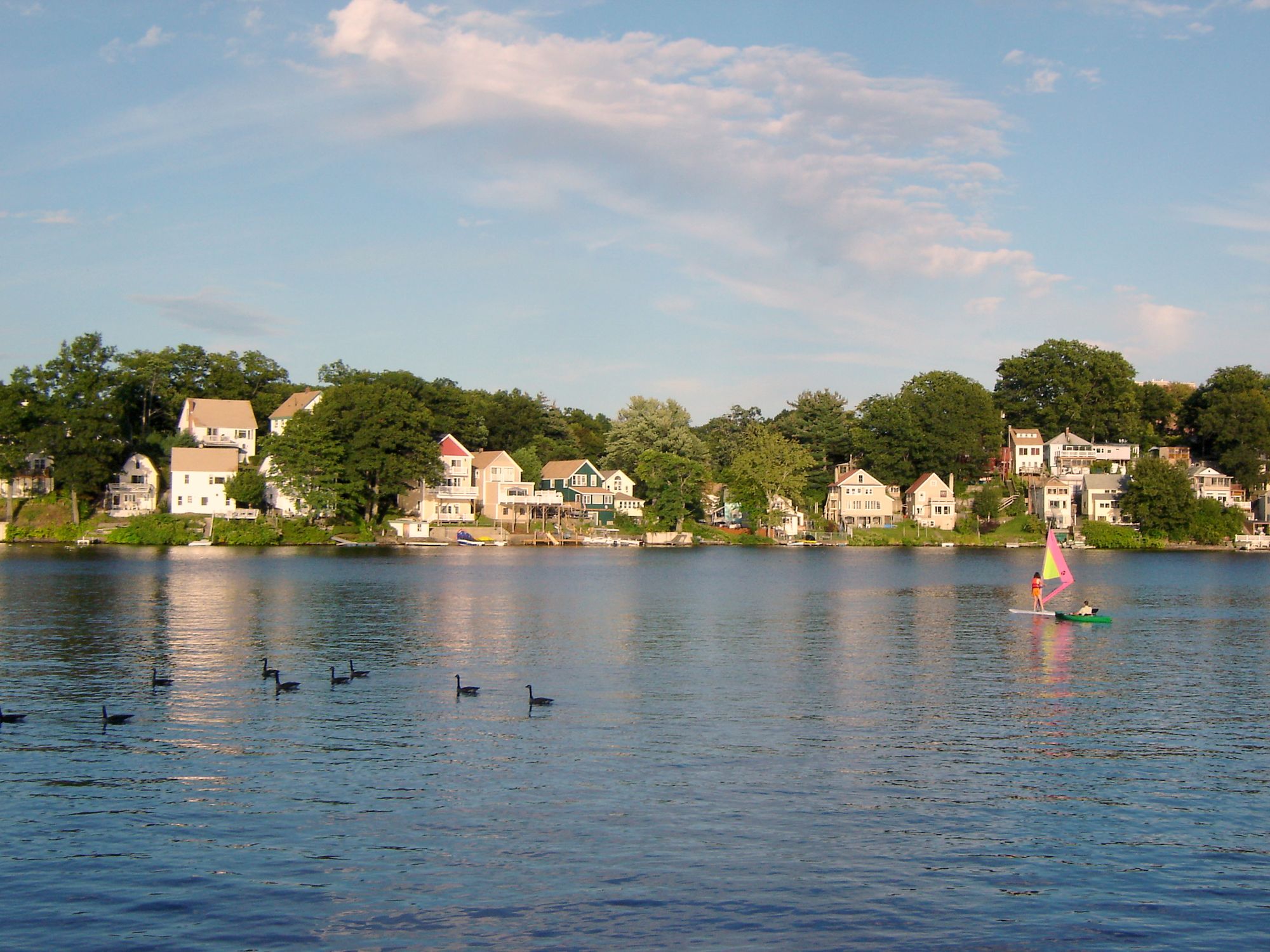
Lake Quinsigamond
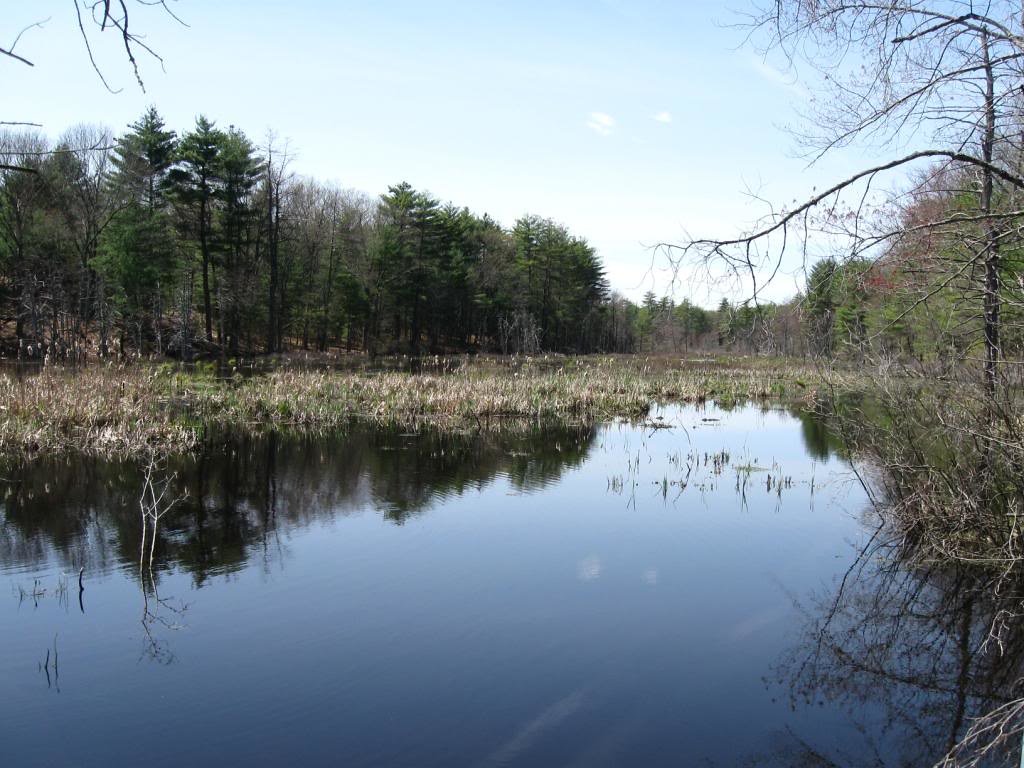
Assabet River

Dorchester Bay
Merrimack River
What to know
Habitat Distribution
- White Bullhead prefer sluggish, mud-bottom pools and backwaters of rivers and streams, thriving in lakes and large impoundments.
Key Locations
- In Massachusetts, they're found in waters like the Connecticut River, Charles River, Concord River, and Merrimack River, as well as Mashpee-Wakeby Pond.
- Fish productive waters like Lake Cochituate in Natick, the Charles River through Greater Boston, and the Connecticut River system.
Specific Spots
- Target muddy bottom areas near deep or shallow weeds, slack water spots, shallow vegetated areas, and inflows of streams or rivers.
White Bullhead FAQ
Answers from onWater's species guide.
What are the best lures and bait for White Bullhead in Massachusetts?
Best baits include nightcrawlers, worms (especially those soaked in pickled beet juice for color), chicken liver, shrimp, live or dead minnows, leeches, and crickets.
When is the best time to fish for White Bullhead in Massachusetts?
Most productive from late spring through fall, with peak action during summer evenings and nights. Spring fishing is productive when water reaches 60°F and fish move to shallows around stream inflows where currents bring food.
How do you catch White Bullhead in Massachusetts?
Bottom fishing works best - let bait sink to the bottom and allow it to move slightly so fish can detect it rather than having it sit motionless in sand.
What do White Bullhead eat?
These bottom feeders consume aquatic insects, small fish, worms, amphipods, and other small invertebrates, feeding most actively at dusk and through the night. They're opportunistic omnivores that will eat everything from vegetation to fish e.g.gs, crayfish, leeches, and algae.
Where do White Bullhead live in Massachusetts?
White Bullhead prefer sluggish, mud-bottom pools and backwaters of rivers and streams, thriving in lakes and large impoundments.
Fish smarter with real-time insights
Whether you're en route and conditions shift or you're looking for the best spot based on current flows, we enable you to make informed decisions on the fly.







See it in the app
Most maps show you water.
onWater shows you White Bullhead.



- 01 · Species map filter
Map every White Bullhead water
Pick White Bullhead and the map zeroes in on the waters they call home. No more guessing which lake holds them.
- 02 · Waterbody species
Tap any water. See what lives there.
Species, behavior and seasonal patterns for every lake, river and pond, before you leave the driveway.
- 03 · Angler Intelligence
Ask how to catch White Bullhead
Tactics, gear and timing from onWater's AI fishing guide, tuned to the species and the water you're on.
Stop guessing where White Bullhead are.
Open the map, filter by White Bullhead, and head to water that holds them. Download onWater and plan your next trip in minutes.
- Species map filter
- Angler Intelligence
- Fishing journal
Explore other species
Trout, bass, salmon, panfish and everything in between. Each guide unpacks the behavior, seasons, and tactics that put fish in the net.

Find which waters have the species you want to catch

Largemouth Bass

Smallmouth Bass
Micropterus dolomieu

Rainbow Trout
Oncorhynchus mykiss

Brown Trout
Salmo trutta

Brook Trout
Salvelinus fontinalis

Northern Pike

Walleye
Sander vitreus

Black Crappie
Pomoxis nigromaculatus

Alewife
Alosa pseudoharengus

American Eel
Anguilla rostrata

American Shad
Alosa sapidissima

Atlantic Salmon

Atlantic Sturgeon
Acipenser oxyrinchus

Black Bullhead
Ameiurus melas

Blacknose Dace
Rhinichthys atratulus

Black Sea Bass
Centropristis striata

Bluefish
Pomatomus saltatrix

Bowfin
Amia calva

Brown Bullhead

Burbot
Lota lota

Chain Pickerel
Esox niger

Channel Catfish
Ictalurus punctatus

Common Carp
Cyprinus carpio

Creek Chub
Semotilus atromaculatus
Fallfish
Semotilus corporalis

Gizzard Shad
Dorosoma cepedianum

Green Sunfish
Lepomis cyanellus

Lake Trout
Salvelinus namaycush

Longnose Sucker
Catostomus catostomus
Northern Snakehead
Channa argus

Pumpkinseed
Lepomis gibbosus

Rainbow Smelt
Osmerus mordax
Redbreast Sunfish
Lepomis auritus
Redear Sunfish
Lepomis microlophus
Redfin Pickerel
Esox americanus americanus

Rock Bass
Ambloplites rupestris
Spotted Bass
Micropterus punctulatus
Striped Bass

Summer Flounder
Tiger Trout
Massachusetts licenses and regulations

Massachusetts Boating Regulations
When using any type of watercraft to access a body of water, it is important to follow all federal, state, and local rules and regulations. These rules and regulations include boat permitting and licensing, invasive species inspections and stamps, life jacket and PFD rules, motor size and horsepower restrictions, noise limitations, restrictions on personal watercraft, and many more. Visit the web link below for the most current rules and regulations for this body of water.

Massachusetts Fishing License
If you are 15 years of age or older, you need a license to fish. Licenses are FREE for Massachusetts residents 15-17 years of age, and those 70 and over. You can get your license online using MassFishHunt. You must carry your license with you when fishing, either as a paper copy or on your smartphone. If asked, anglers have to display a true, complete, and legible image of a valid license. Licenses expire each year on Dec. 31. You can renew your license online at MassFishHunt or print a duplicate copy if you’ve lost it.
Massachusetts Fishing Regulations
This river has a variety of species and regulations, including potential floating and/or watercraft restrictions. Because this river is specially managed for species, seasons, angling methods, and watercraft, it is strongly encouraged you to check all federal, state, and local regulations before fishing. Visit any of the links below, inquire locally, or contact a local fly shop to learn current regulations and restrictions.
Massachusetts Stream Access Laws
Massachusetts protects the public right to freely pass over all waters in the state, regardless of navigability. The rights of passage include recreation. Navigable waters are those subject to the ebb and flow of the tide, are navigable in fact or simply have the capacity for navigation, commercial or recreational.
Explore nearby waters
Explore Massachusetts waters
Top fishing waters
Popular Cities
Loading popular cities...
Smarter Fishing Starts in the App.
onWater Fish gives you everything you need to plan smarter, fish better, and own every trip from first cast to last.