Burbot

The Burbot (Lota lota) is the only freshwater member of the cod family and one of Massachusetts' most unique native fish species.
This cod look-alike is native only to the Connecticut, Merrimack, and Housatonic watersheds in Massachusetts and is currently listed as a species of special concern due to loss of suitable coldwater habitat.
Scientific Name: Lota lota
- Burbot have a distinctive serpentine, eel-like body that's mottled in black with bright yellow coloring, featuring two dorsal fins (the second much longer), a single chin barbel, and microscopic scales that give them a slimy feel.
- They typically grow 12-24 inches but can exceed 30 inches, with females generally larger than males.
Fishing in Massachusetts

Wachusett Reservoir
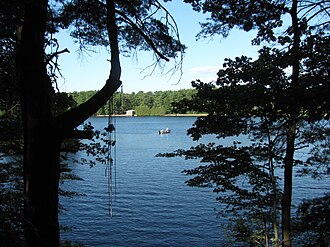
Lake Cochituate
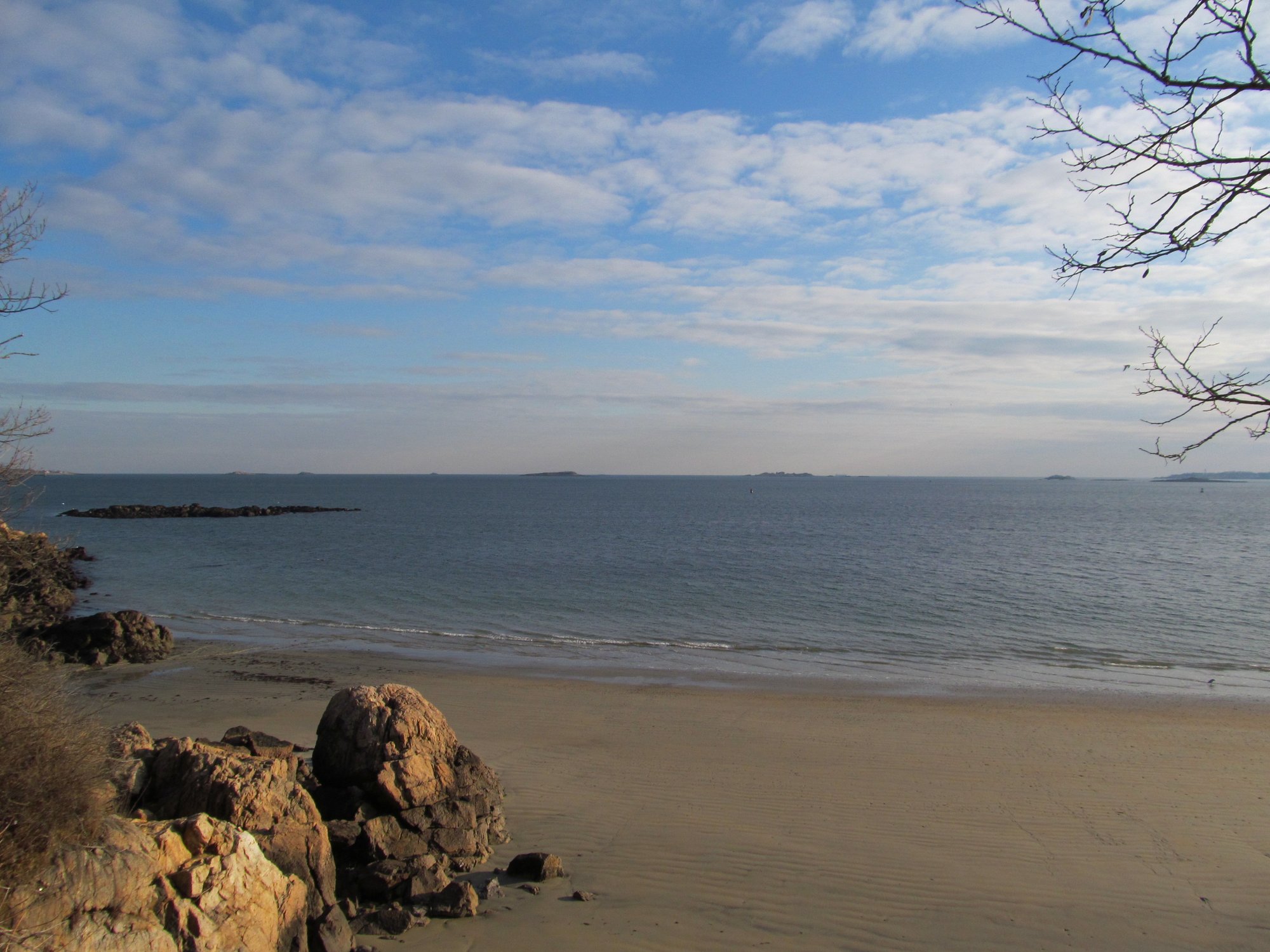
Massachusetts Bay
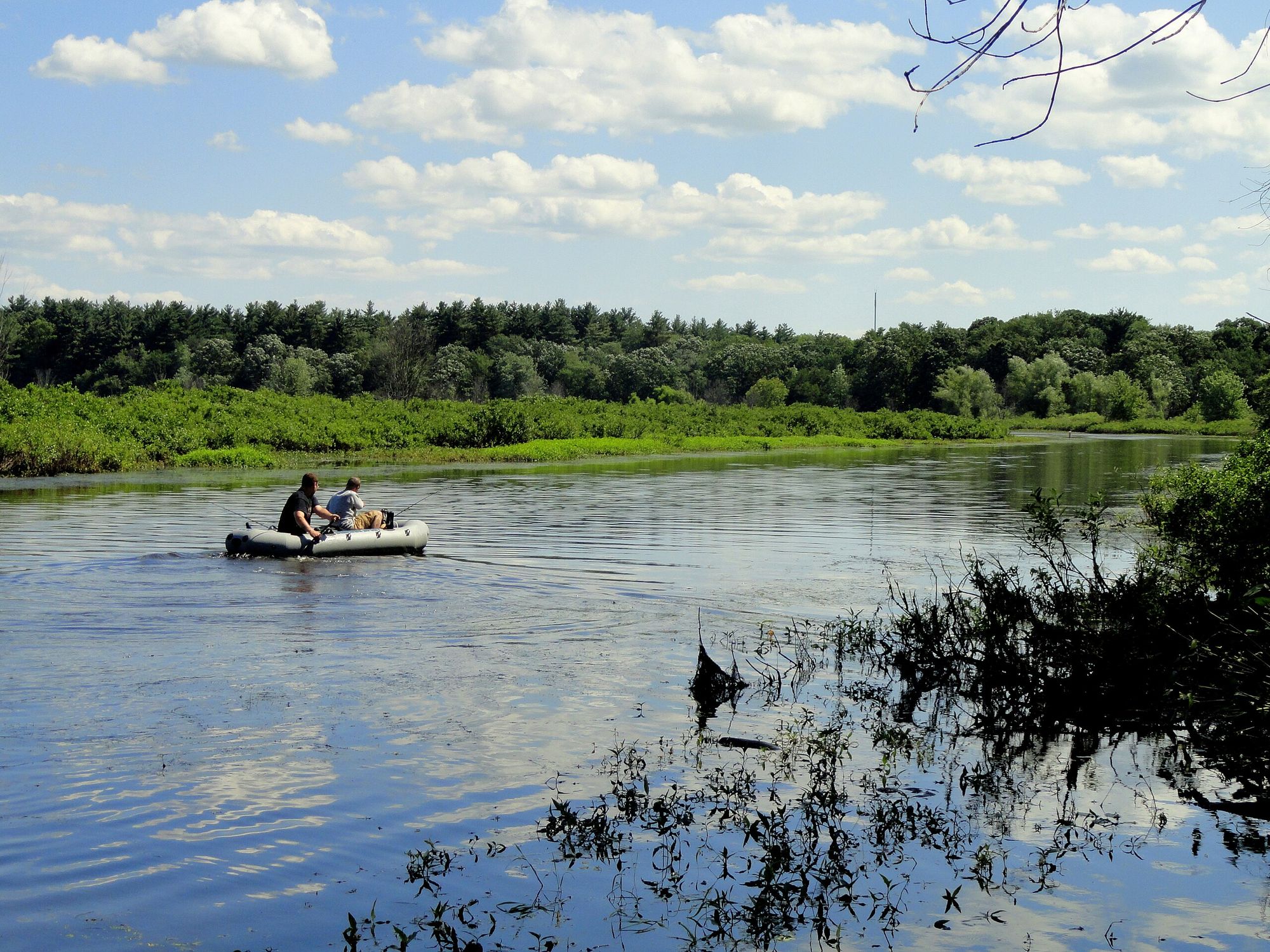
Sudbury River
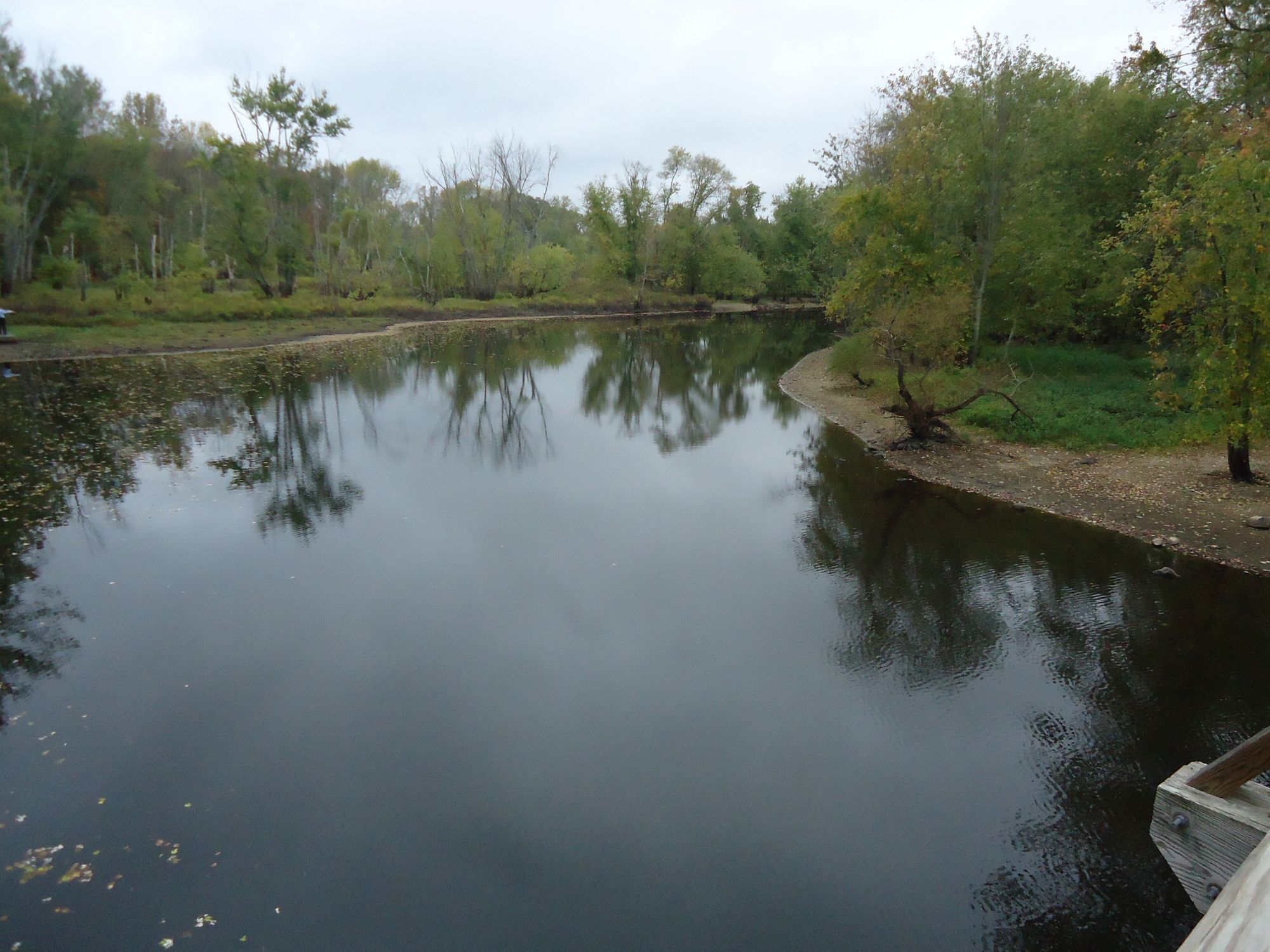
Concord River
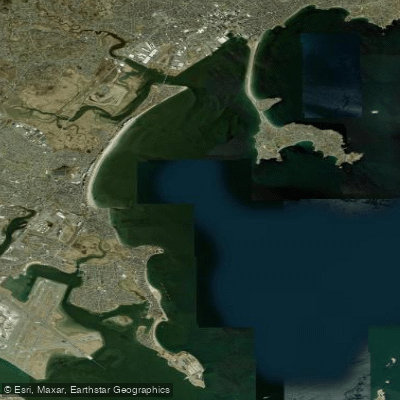
Broad Sound

Lake Quinsigamond
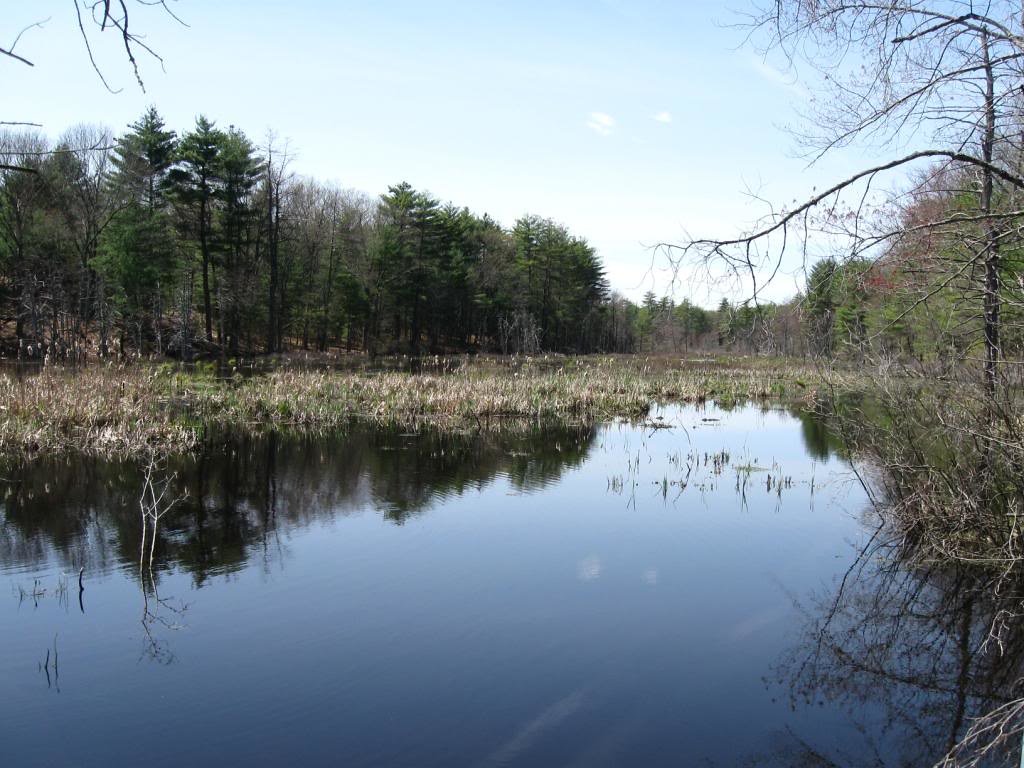
Assabet River
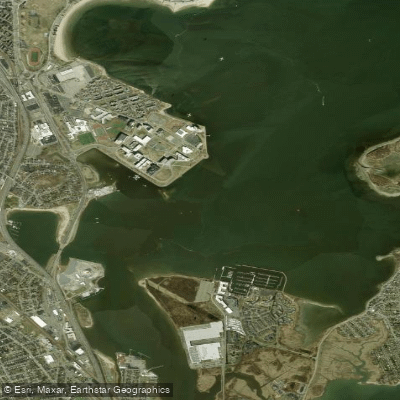
Dorchester Bay
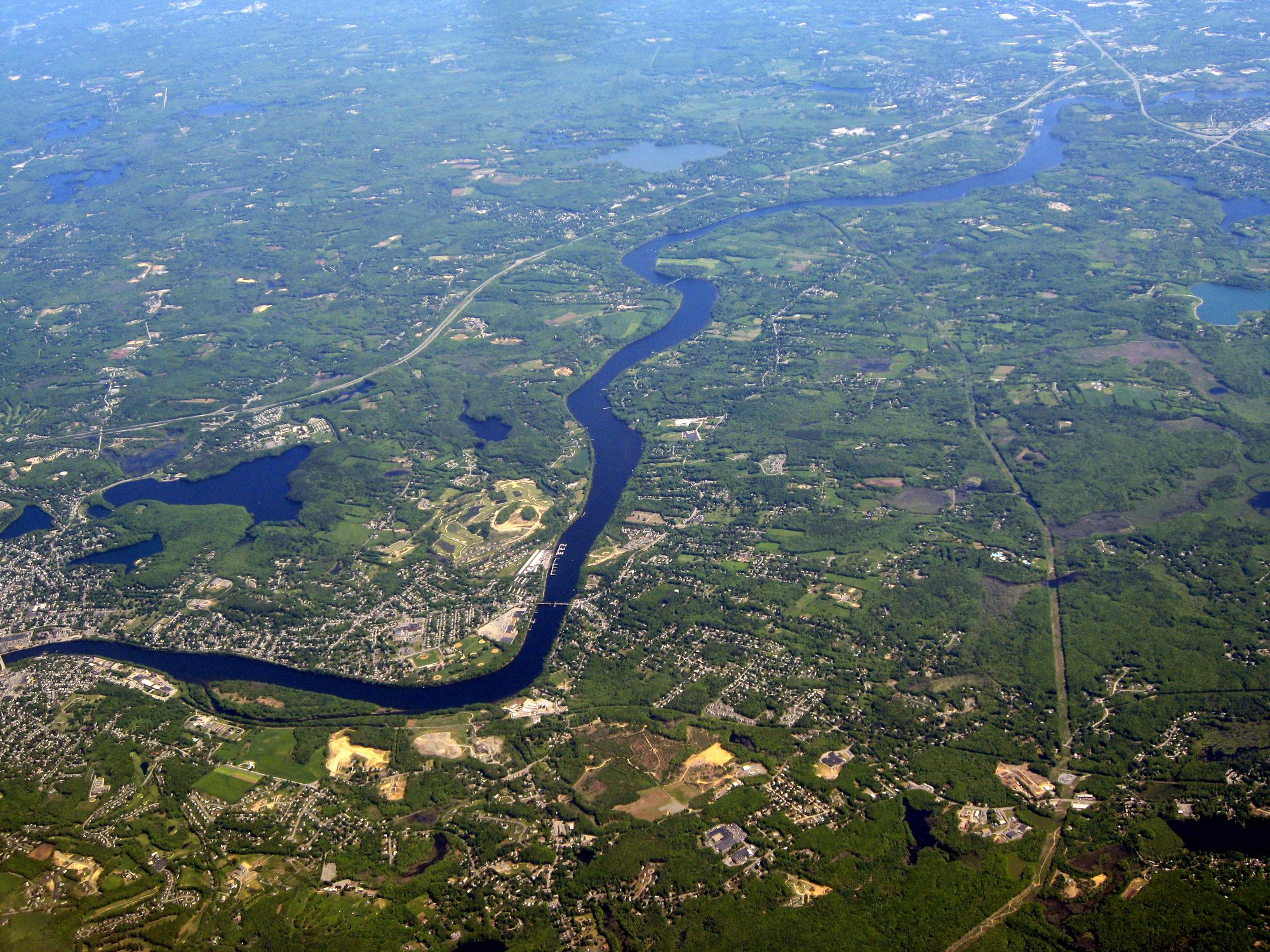
Merrimack River
What to know
Habitat Distribution
- These coldwater specialists inhabit deep, cool lakes and medium to large rivers with varied substrates including cobble, mud, sand, rubble, boulder, silt, and gravel.
Key Locations
- Connecticut, Merrimack, and Housatonic watersheds.
Specific Spots
- Focus on deep, cool sections of the Connecticut, Merrimack, and Housatonic watersheds, particularly areas with rocky structure, deep pools with cover like boulders and large woody debris.
- They are primarily nocturnal predators that shelter during the day among rock slabs, large debris, and tunnels.
Burbot FAQ
Answers from onWater's species guide.
What are the best lures and bait for Burbot in Massachusetts?
Cut bait from trout, perch, or suckers, as well as live minnows, crayfish, and aquatic insects. Various artificials including jigs (especially glow varieties), heavy jigging spoons, soft plastics, bucktails, and spoons. Phosphorescent lures work particularly well given their nocturnal feeding habits.
When is the best time to fish for Burbot in Massachusetts?
Winter being prime time as they become more active before spawning (avoid fishing during December-April spawning period). Success improves in late fall and early winter when water temperatures drop and burbot move into shallower areas to feed before spawning season begins.
How do you catch Burbot in Massachusetts?
Present baits and lures on or near the bottom using aggressive jigging motions to create noise and sediment disturbance, then pause to let the bait settle. Bottom fishing with weighted cut bait is also effective. Charge glow lures every 15-20 minutes to maintain effectiveness.
What do Burbot eat?
Young burbot feed on aquatic insects, crayfish, and mollusks, while large adults primarily eat fish but also consume various aquatic invertebrates. Burbot are opportunistic feeders.
Where do Burbot live in Massachusetts?
These coldwater specialists inhabit deep, cool lakes and medium to large rivers with varied substrates including cobble, mud, sand, rubble, boulder, silt, and gravel.
Fish smarter with real-time insights
Whether you're en route and conditions shift or you're looking for the best spot based on current flows, we enable you to make informed decisions on the fly.




See it in the app
Most maps show you water.
onWater shows you Burbot.



- 01 · Species map filter
Map every Burbot water
Pick Burbot and the map zeroes in on the waters they call home. No more guessing which lake holds them.
- 02 · Waterbody species
Tap any water. See what lives there.
Species, behavior and seasonal patterns for every lake, river and pond, before you leave the driveway.
- 03 · Angler Intelligence
Ask how to catch Burbot
Tactics, gear and timing from onWater's AI fishing guide, tuned to the species and the water you're on.
Stop guessing where Burbot are.
Open the map, filter by Burbot, and head to water that holds them. Download onWater and plan your next trip in minutes.
- Species map filter
- Angler Intelligence
- Fishing journal
Explore other species
Trout, bass, salmon, panfish and everything in between. Each guide unpacks the behavior, seasons, and tactics that put fish in the net.
No species information available.
Massachusetts licenses and regulations
Explore nearby waters
Explore Massachusetts waters
Top fishing waters
Popular Cities
Loading popular cities...

Smarter Fishing Starts in the App.
onWater Fish gives you everything you need to plan smarter, fish better, and own every trip from first cast to last.