Northern Pike

Northern Pike in Massachusetts are non-native predatory fish that have been successfully established through decades of stocking by MassWildlife. These toothy predators are carnivorous ambush hunters.
- These toothy predators have elongated bodies, sharp needle-like teeth, and olive-green coloration with light oblong spots.
- They're distinguished from chain pickerel by having light markings on a dark background and fewer than six sensory pores on the underside of their lower jaw.
- Massachusetts pike average smaller than their northern counterparts, typically 5-10 pounds, though trophy fish approaching 25-30 pounds are caught annually.
Fishing in Massachusetts
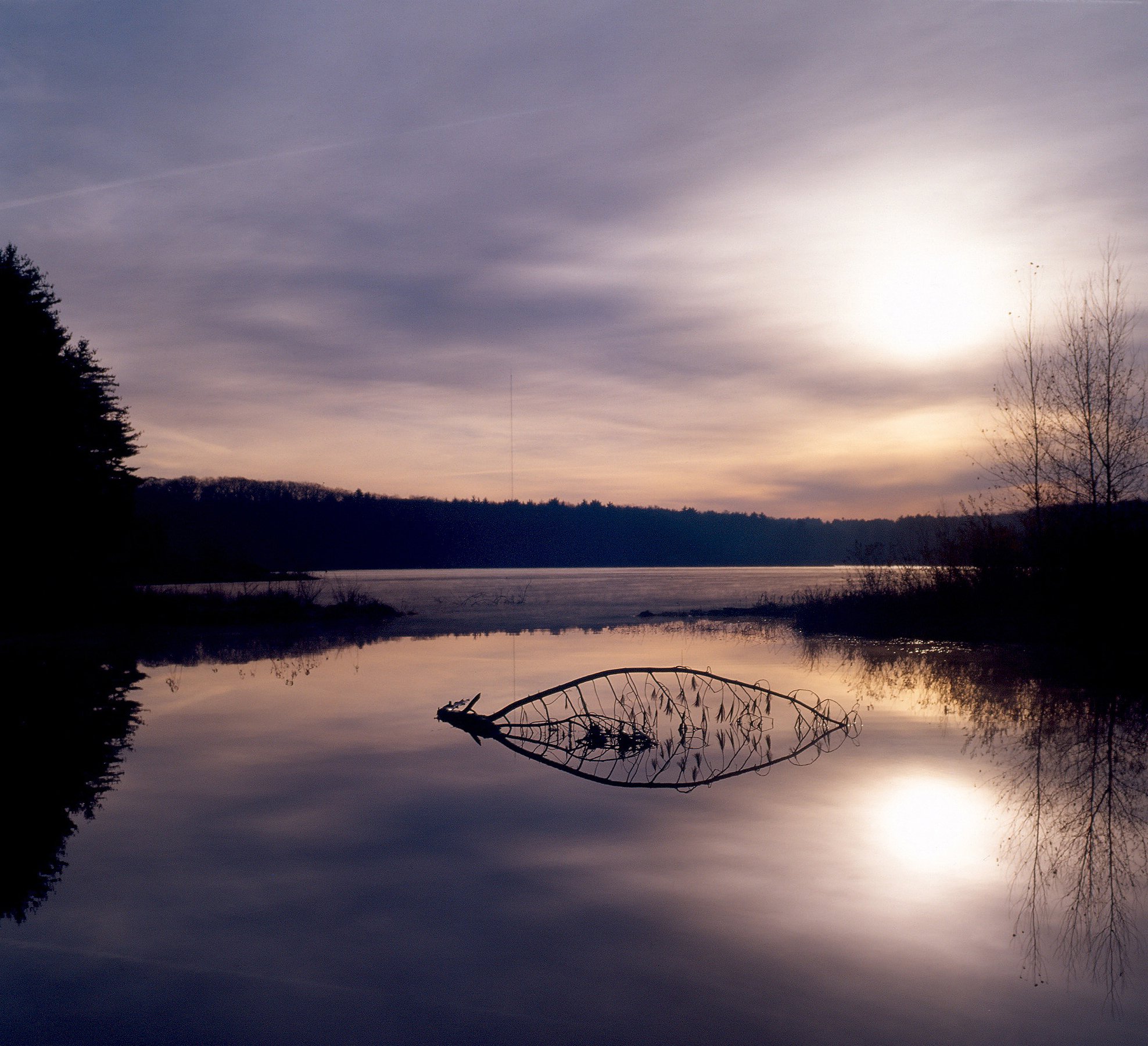
Wachusett Reservoir
Lake Cochituate
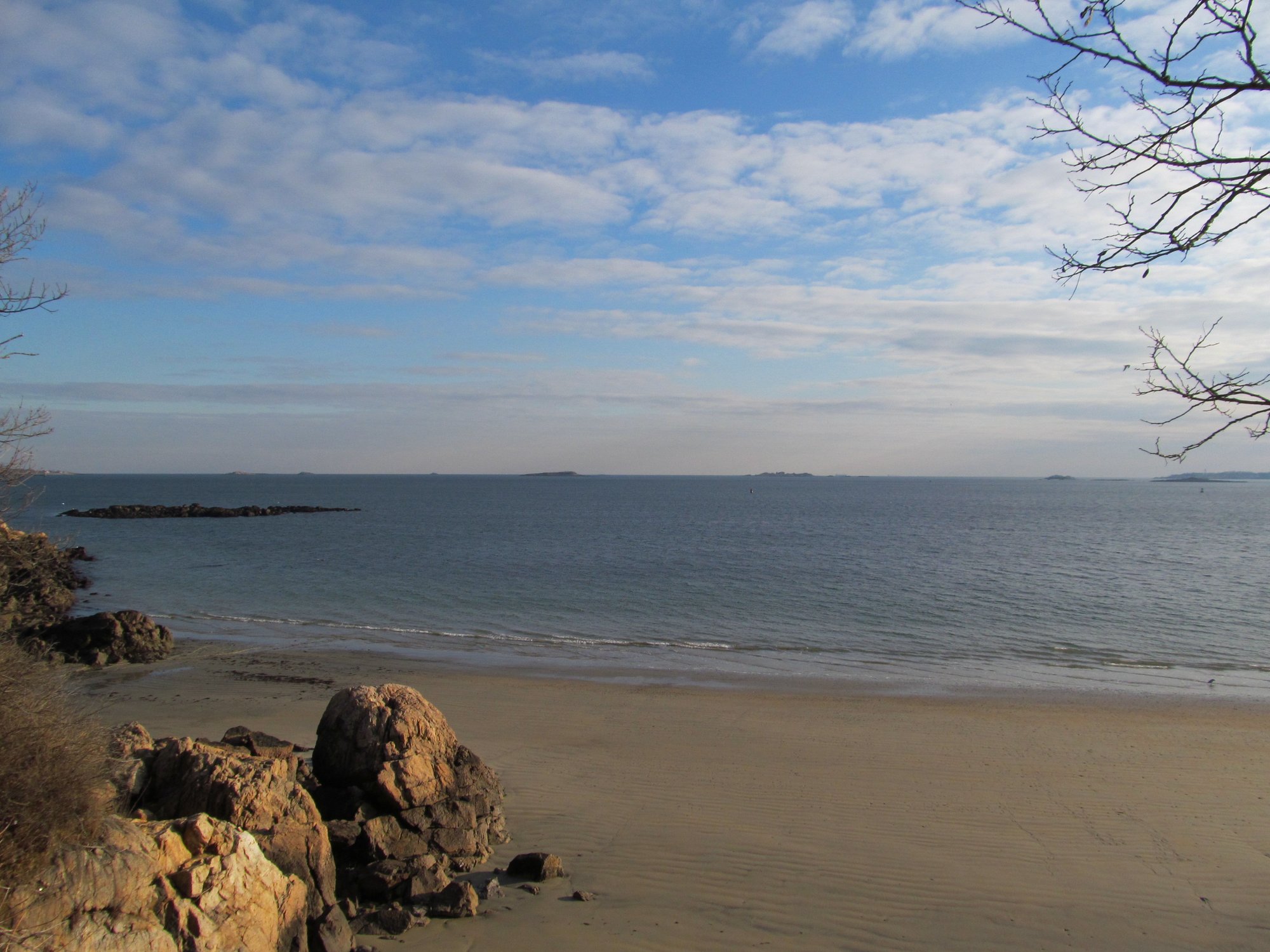
Massachusetts Bay
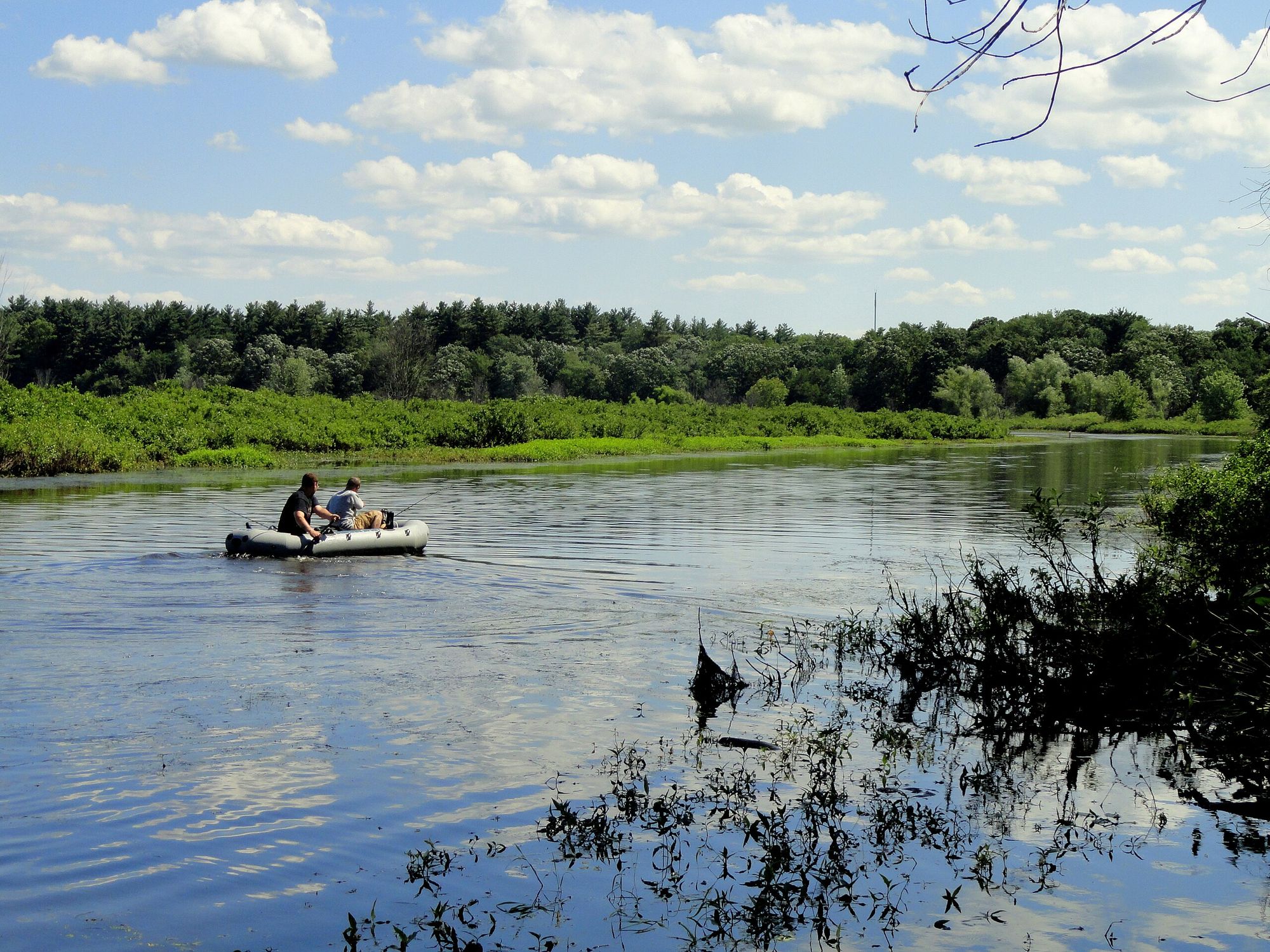
Sudbury River
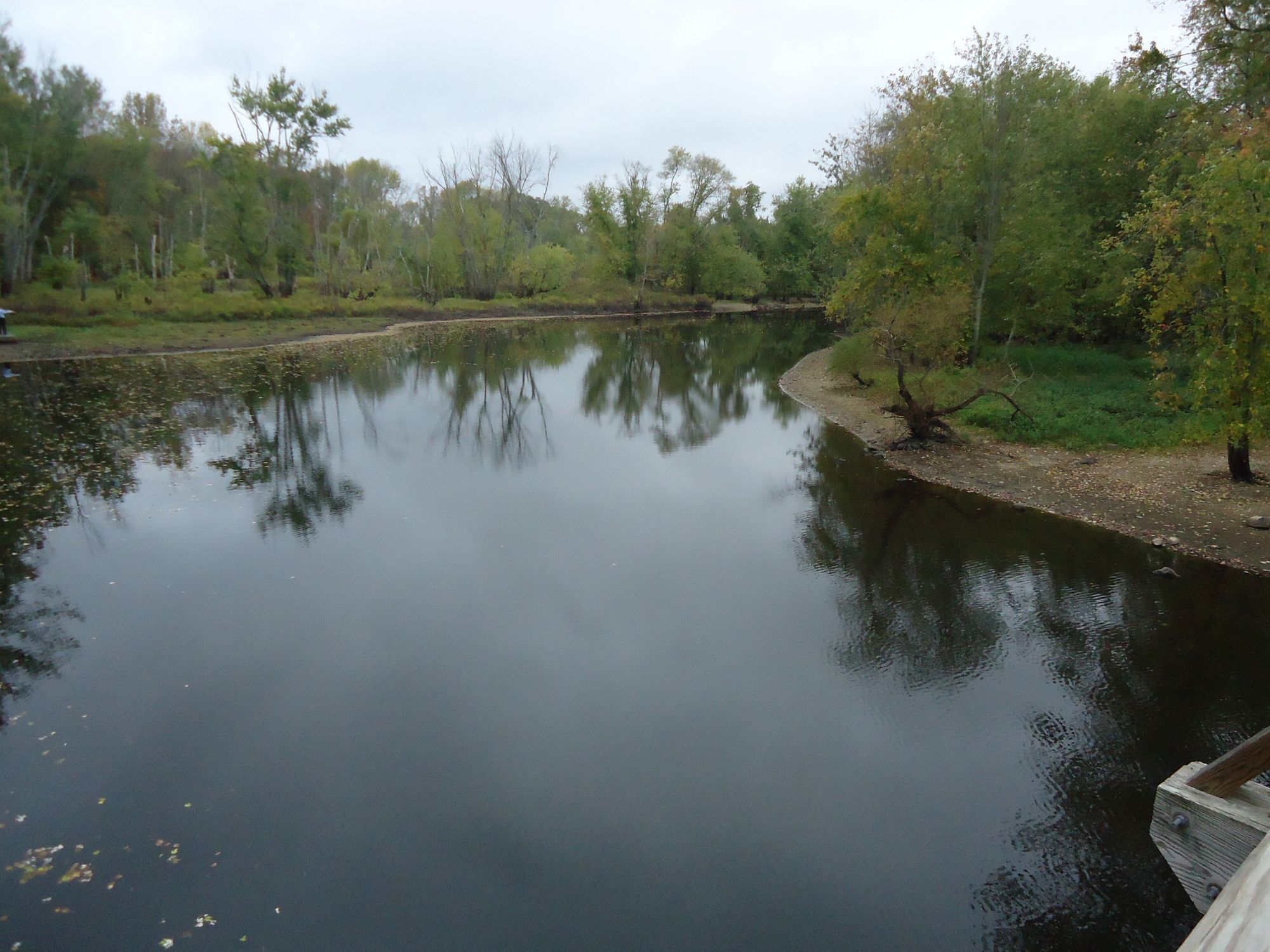
Concord River
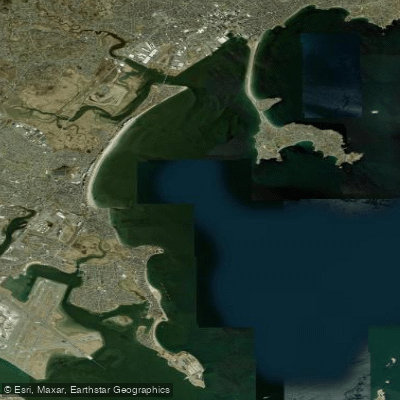
Broad Sound
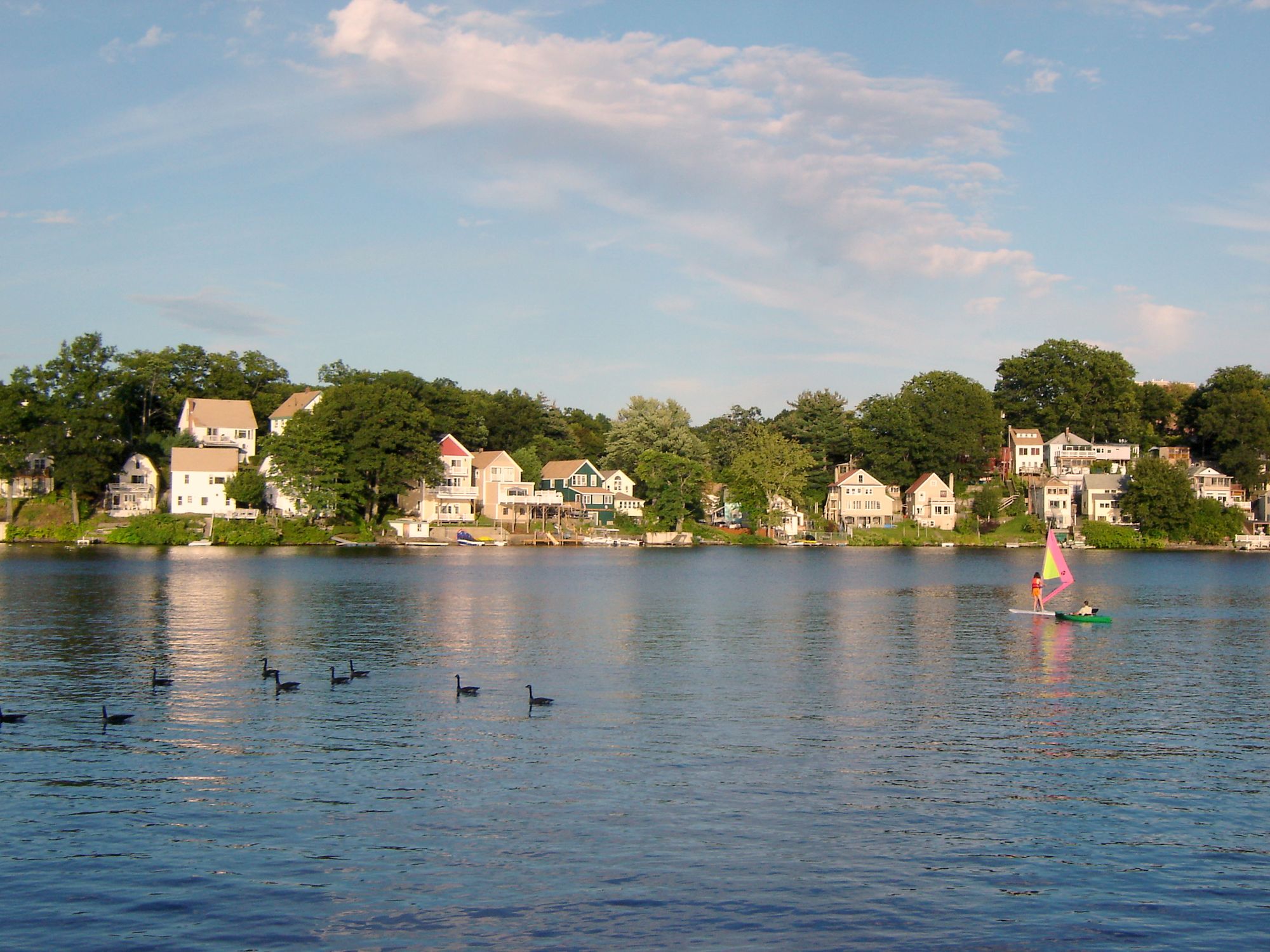
Lake Quinsigamond
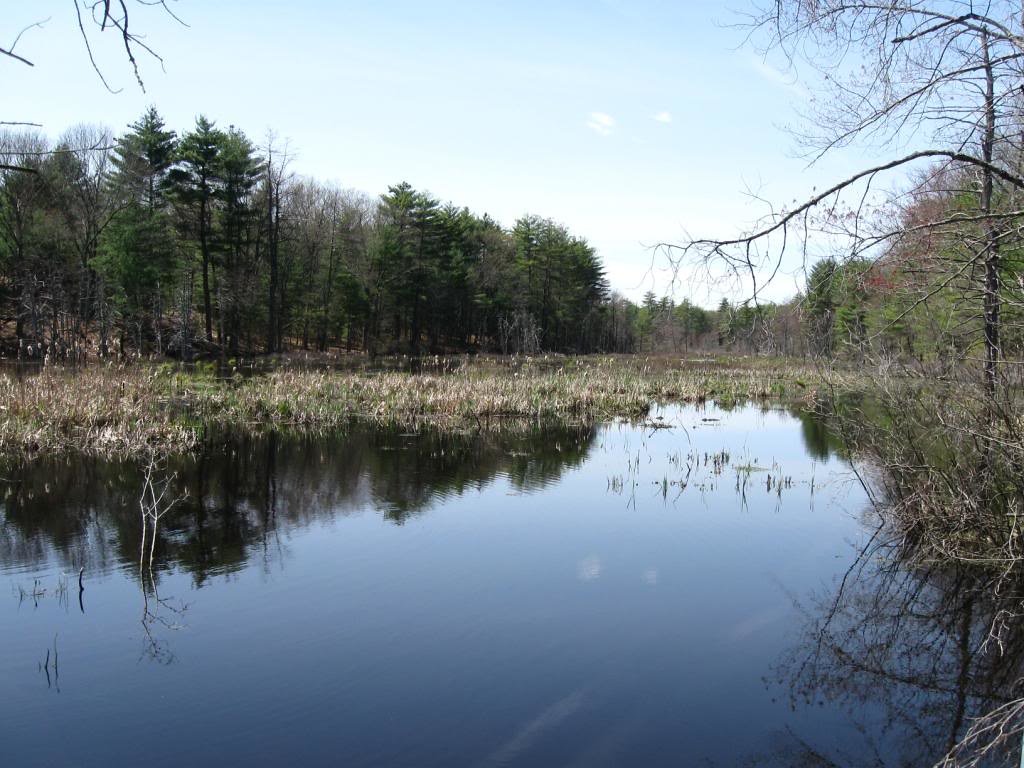
Assabet River
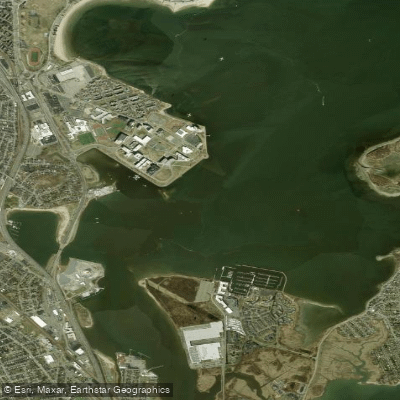
Dorchester Bay
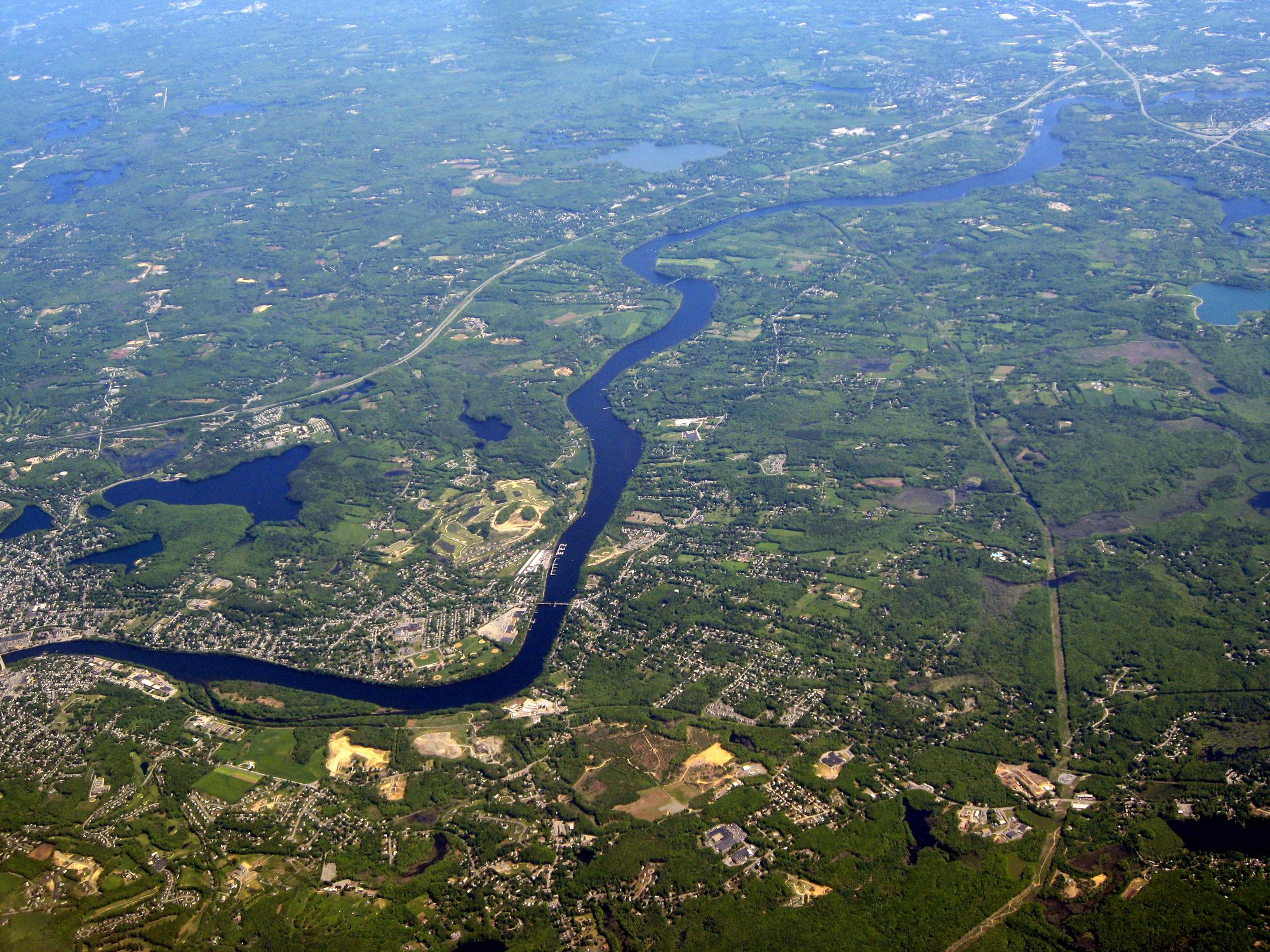
Merrimack River
What to know
Habitat Distribution
- They prefer clear, vegetated waters in lakes, quiet pools, and backwaters of creeks and rivers, typically inhabiting depths up to 100 feet but favoring 1-5 feet.
Key Locations
- In Massachusetts, they're found in waters like Wequaquet Lake (Barnstable), East Brimfield Reservoir, Quaboag Pond (Brookfield), Cheshire Reservoir, Holland Pond, Lake Buel (Monterey), Onota and Pontoosuc Lakes (Pittsfield), Quinsigamond Lake (Shrewsbury), and sections of the Connecticut and Concord Rivers.
- The state record is 35 pounds from South Pond in Brookfield.
Specific Spots
- Target pike along weed edges, around logs and rockpiles, near stream inlets, and at the base of cranberry bog dams where oxygenated water creates deeper spots.
Northern Pike FAQ
Answers from onWater's species guide.
What are the best lures and bait for Northern Pike in Massachusetts?
Productive lures include red and white Dardevles, large spoons (5-6 inches), chrome whitefish spoons, 6-8 inch soft baits and swimmers, large spinnerbaits, giant chatterbaits, and weedless frogs for shallow, weedy areas.
What flies work for Northern Pike in Massachusetts?
Large streamers (5-7 inches) featuring synthetic materials for durability - simple patterns with hackle feathers, tinsel flash, and synthetic dubbing heads work well. Popular fly patterns include Pike Bunny, Whistlers, and large baitfish streamers in flashy colors.
When is the best time to fish for Northern Pike in Massachusetts?
The best times are fall (late August through October) when pike feed heavily preparing for winter, and late spring after spawning when they're aggressive and following forage in shallow water. Summer can be excellent if you target cool pockets of water created by underwater springs and cold inflows.
How do you catch Northern Pike in Massachusetts?
In summer heat, focus on areas with moving water or deeper sections during dawn and dusk.
What do Northern Pike eat?
Pike are voracious feeders with diets consisting primarily of fish (yellow perch, shiners, suckers), but they'll also consume frogs, crayfish, small mammals, birds, and even other pike - in some Alaska waters, up to 90% of their diet is other northerns.
Fish smarter with real-time insights
Whether you're en route and conditions shift or you're looking for the best spot based on current flows, we enable you to make informed decisions on the fly.




See it in the app
Most maps show you water.
onWater shows you Northern Pike.



- 01 · Species map filter
Map every Northern Pike water
Pick Northern Pike and the map zeroes in on the waters they call home. No more guessing which lake holds them.
- 02 · Waterbody species
Tap any water. See what lives there.
Species, behavior and seasonal patterns for every lake, river and pond, before you leave the driveway.
- 03 · Angler Intelligence
Ask how to catch Northern Pike
Tactics, gear and timing from onWater's AI fishing guide, tuned to the species and the water you're on.
Stop guessing where Northern Pike are.
Open the map, filter by Northern Pike, and head to water that holds them. Download onWater and plan your next trip in minutes.
- Species map filter
- Angler Intelligence
- Fishing journal
Explore other species
Trout, bass, salmon, panfish and everything in between. Each guide unpacks the behavior, seasons, and tactics that put fish in the net.
No species information available.
Massachusetts licenses and regulations
Explore nearby waters
Explore Massachusetts waters
Top fishing waters
Popular Cities
Loading popular cities...

Smarter Fishing Starts in the App.
onWater Fish gives you everything you need to plan smarter, fish better, and own every trip from first cast to last.