Northern Snakehead

Northern Snakehead is an invasive species found in Massachusetts, though not yet established as a breeding population.
Individual fish have been reported from three specific Hydrologic Unit Codes in Massachusetts: Blackstone River, Charles River, and Merrimack River watersheds, with sightings from 2001 to 2023.
These aggressive predators are native to Asia and reached Massachusetts likely through aquarium releases or the live food trade.
Scientific Name: Channa argus
They're easily distinguished from native Bowfin by their pelvic fins positioned directly behind pectoral fins, elongated anal fins similar in size to their dorsal fins, and snake-like appearance with flat heads and eyes positioned on top.
Northern Snakeheads can exceed 33 inches and are obligate air-breathers capable of surviving out of water for several days.
Fishing in Massachusetts
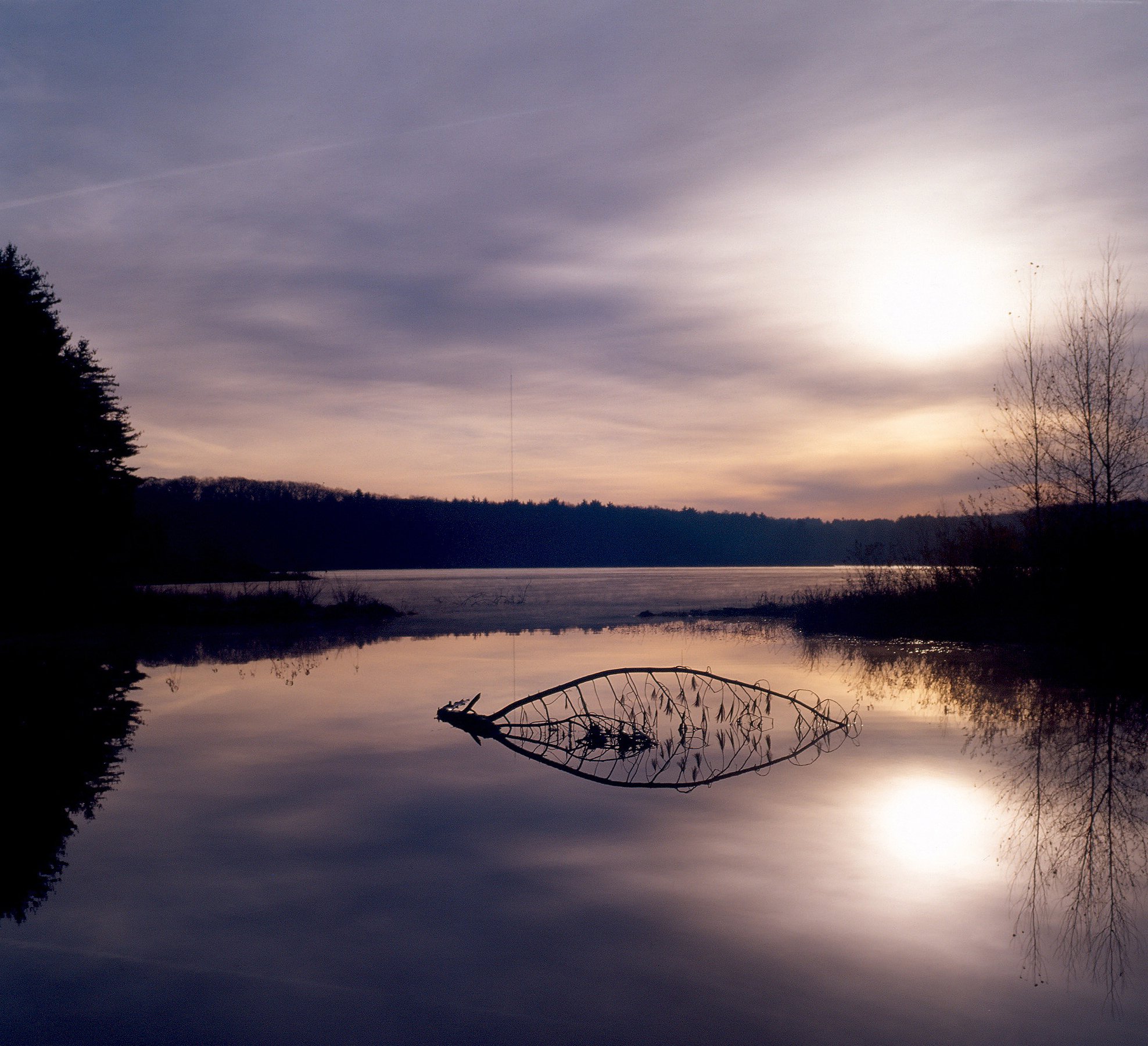
Wachusett Reservoir
Lake Cochituate
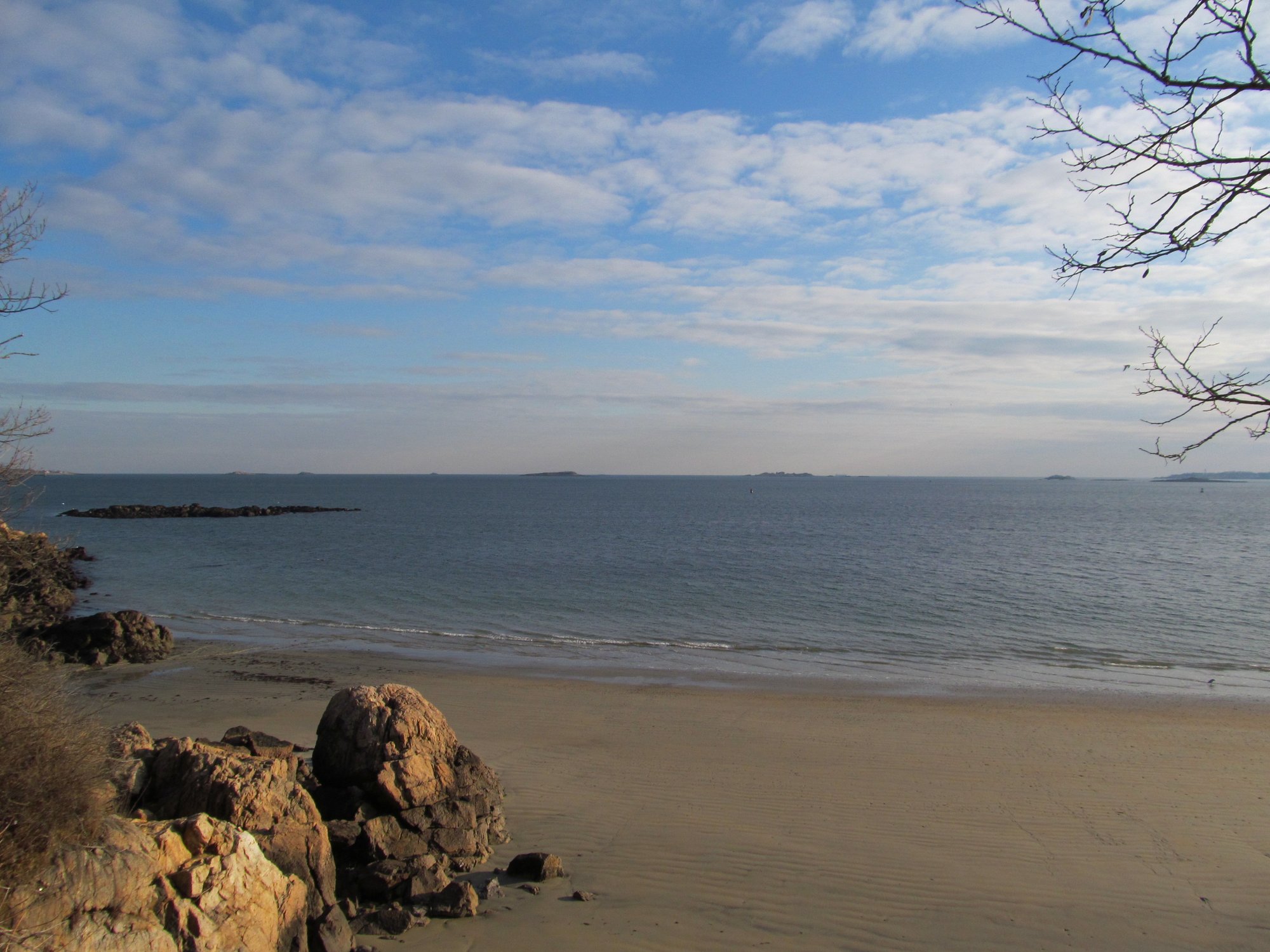
Massachusetts Bay
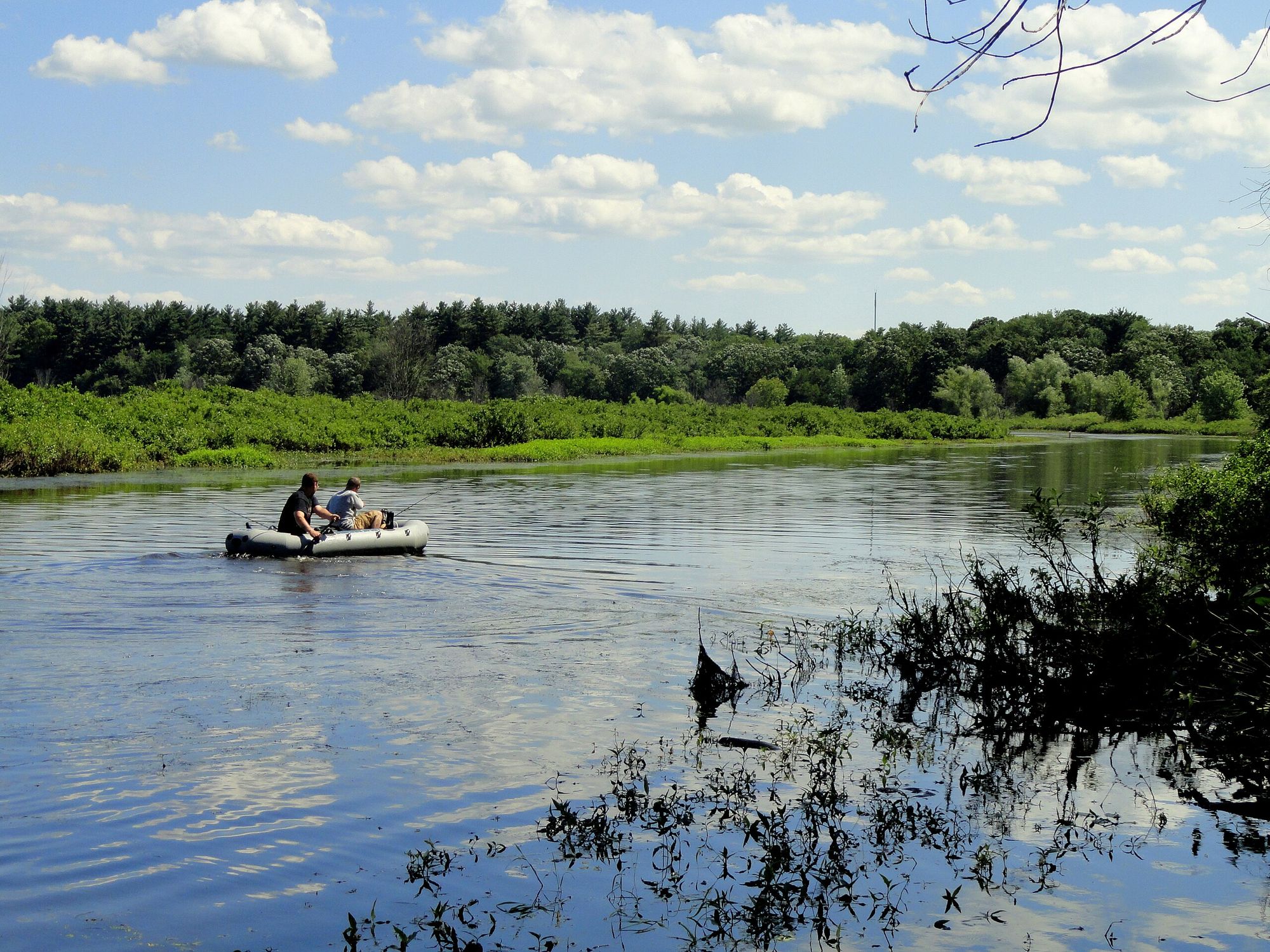
Sudbury River
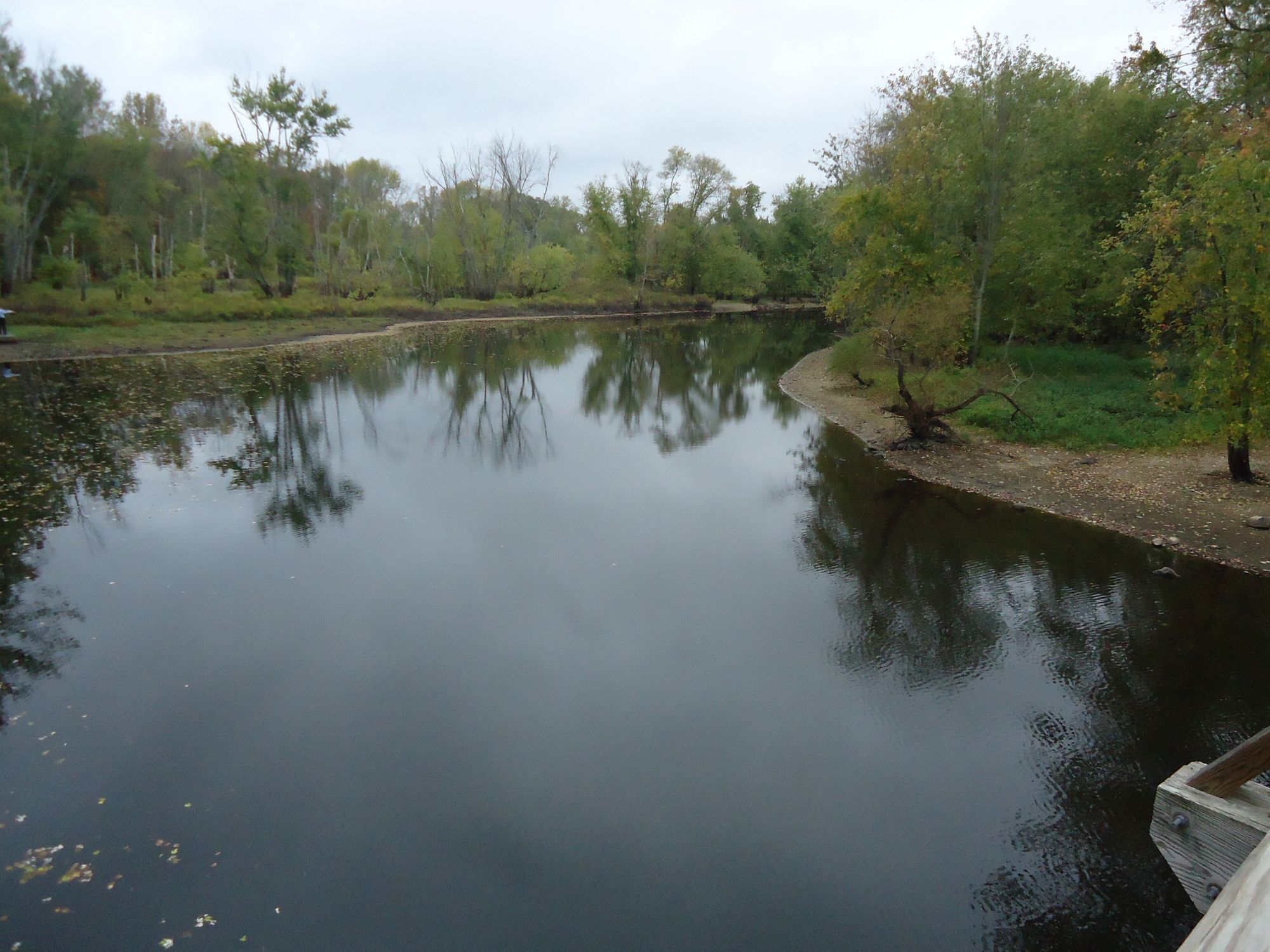
Concord River
Broad Sound
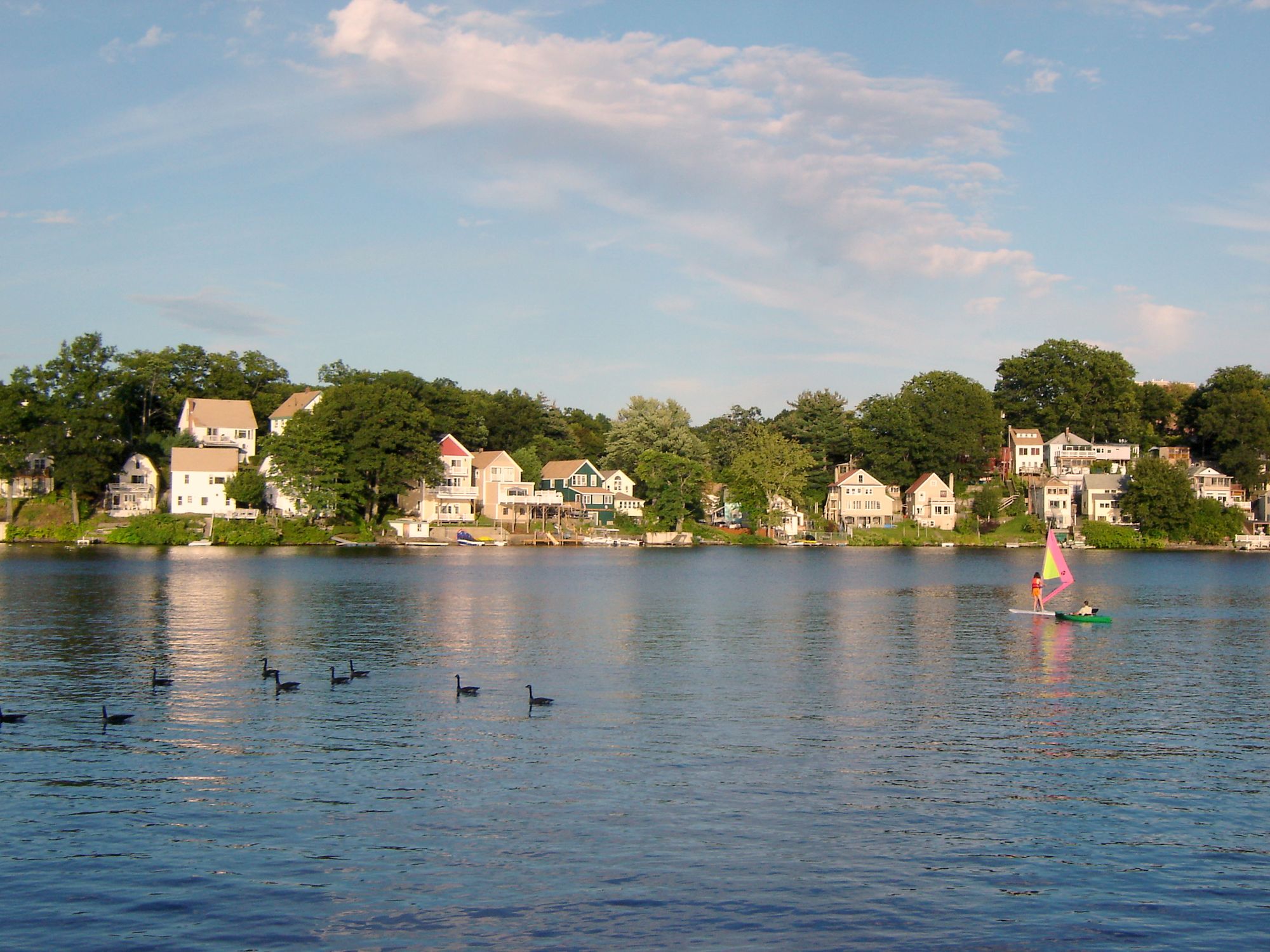
Lake Quinsigamond
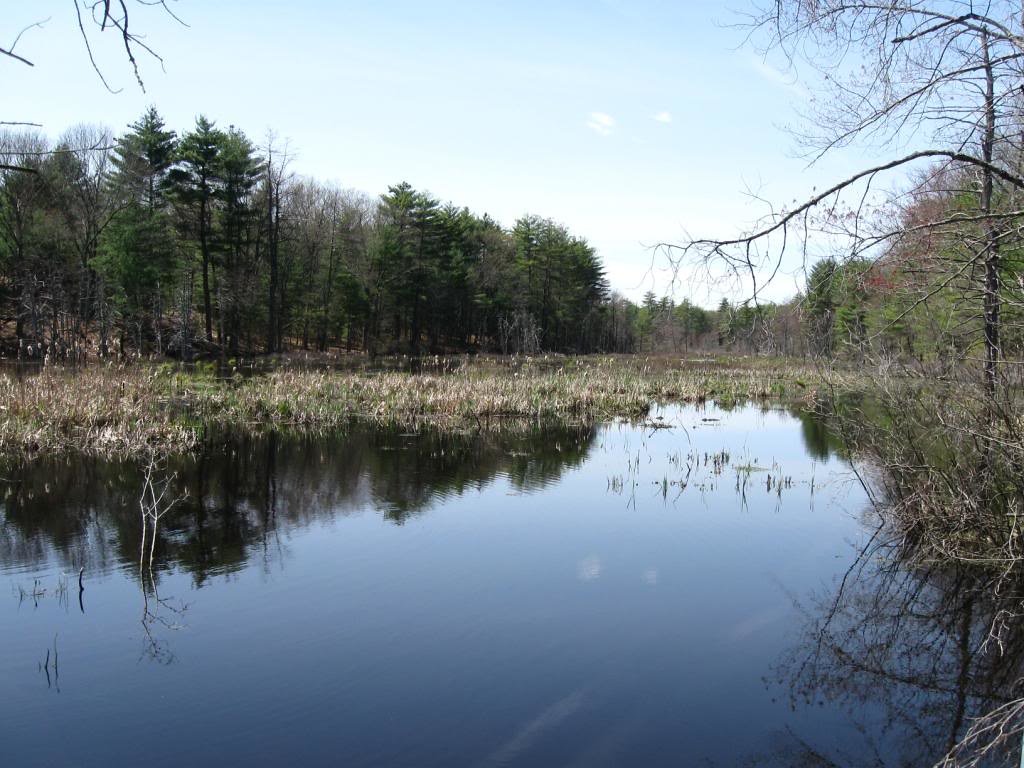
Assabet River
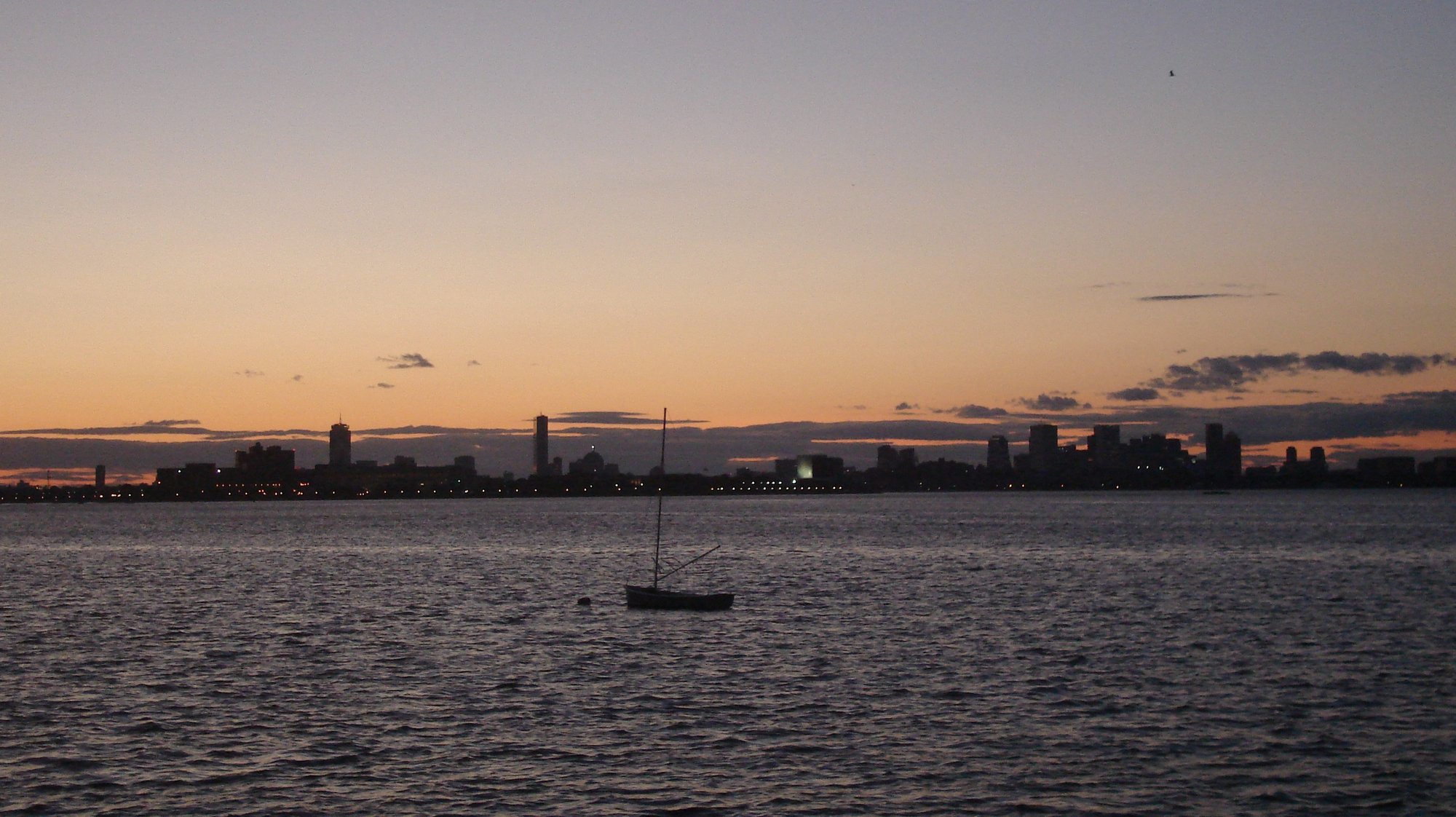
Dorchester Bay
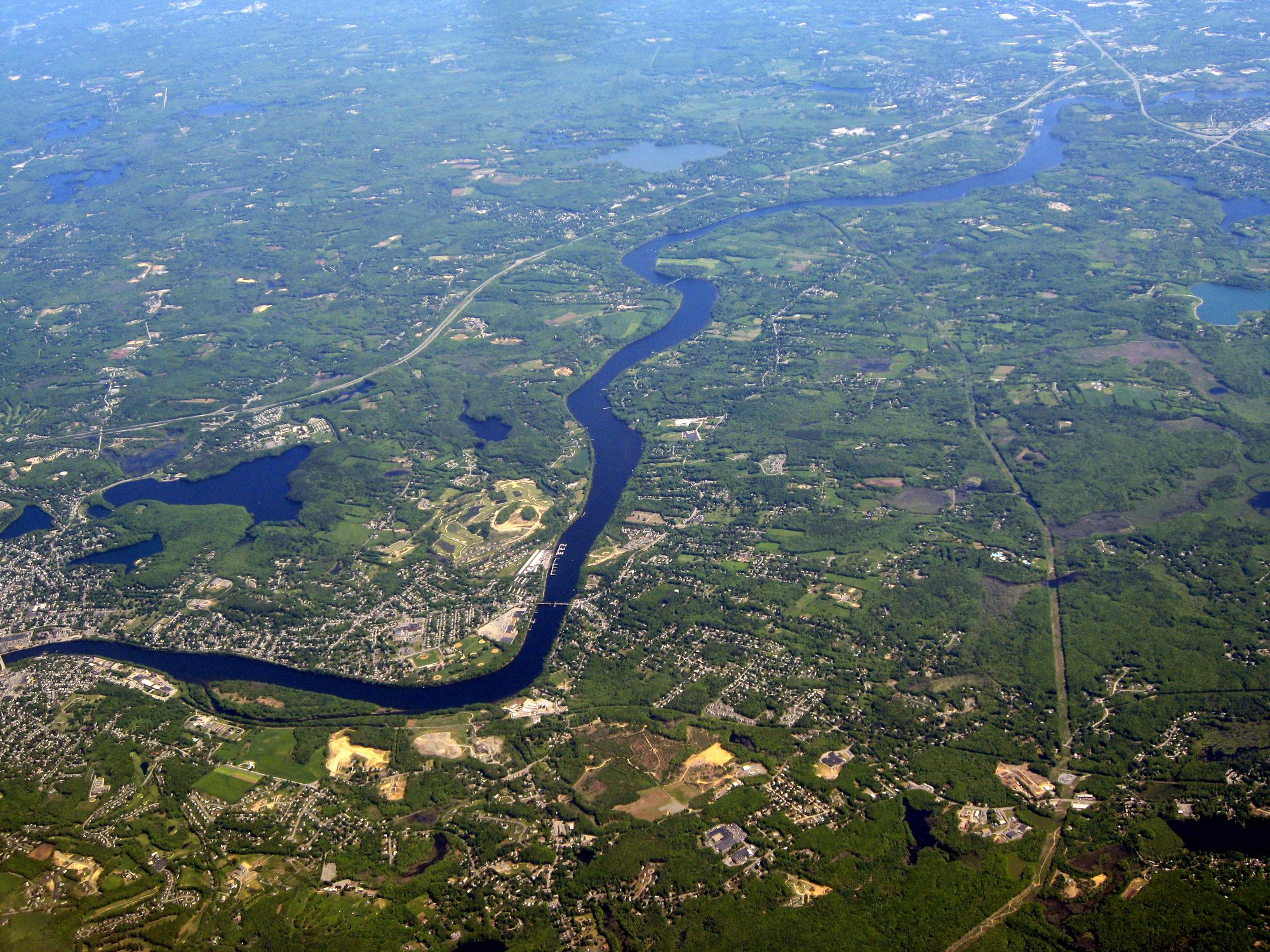
Merrimack River
What to know
Habitat Distribution
They prefer shallow, stagnant waters with mud substrates and heavy vegetation like lily pads, hydrilla, and spatterdocks.Key Locations
Focus on muddy-bottom areas with aquatic vegetation in the Blackstone, Charles, and Merrimack River systems.Specific Spots
Target shallow, slow-moving waters with vegetation, especially areas where spatterdocks are sprouting. Work lures slowly along vegetation edges, lily pad borders, and spatterdock beds.Northern Snakehead FAQ
Answers from onWater's species guide.
What are the best lures and bait for Northern Snakehead in Massachusetts?
Top lures include hollow-body frogs (Booyah Pad Crasher, SPRO Bronzeye Frog), buzzbaits for covering water quickly, and Z-Man ChatterBaits for subsurface presentations. Texas-rigged Zoom Flukes (weightless and weedless) are highly effective throughout spring and summer, particularly in bubblegum color.
What flies work for Northern Snakehead in Massachusetts?
For fly fishing, use foam divers, Game Changers (Feather Changers, Jerk Changers, Finesse Changers), and topwater mouse patterns.
When is the best time to fish for Northern Snakehead in Massachusetts?
In Massachusetts' climate, they can survive winter conditions and are most active during spring and summer months. They become active at 57°F and enter spawning mode around 77°F.
How do you catch Northern Snakehead in Massachusetts?
Work lures slowly along vegetation edges, lily pad borders, and spatterdock beds. Use a two-handed strip retrieve for streamers, varying speed with pauses. For topwater presentations, work frogs steadily along pad edges or walk-the-dog style in openings.
What do Northern Snakehead eat?
These voracious predators feed primarily on fish (97% of diet), with Bluegill and Banded Killifish being common prey, plus crustaceans, frogs, insects, and small mammals.
Fish smarter with real-time insights
Whether you're en route and conditions shift or you're looking for the best spot based on current flows, we enable you to make informed decisions on the fly.




See it in the app
Most maps show you water.
onWater shows you Northern Snakehead.
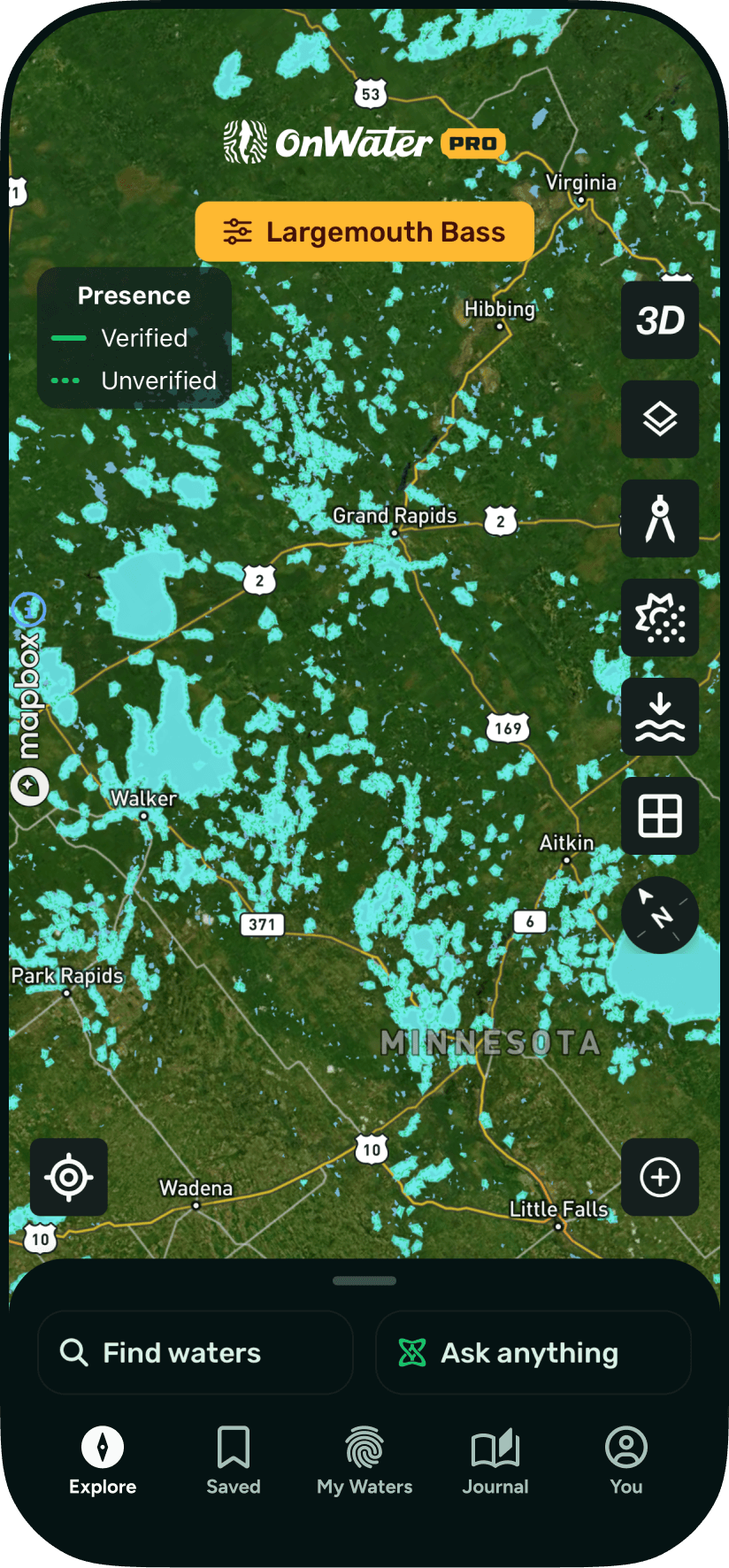
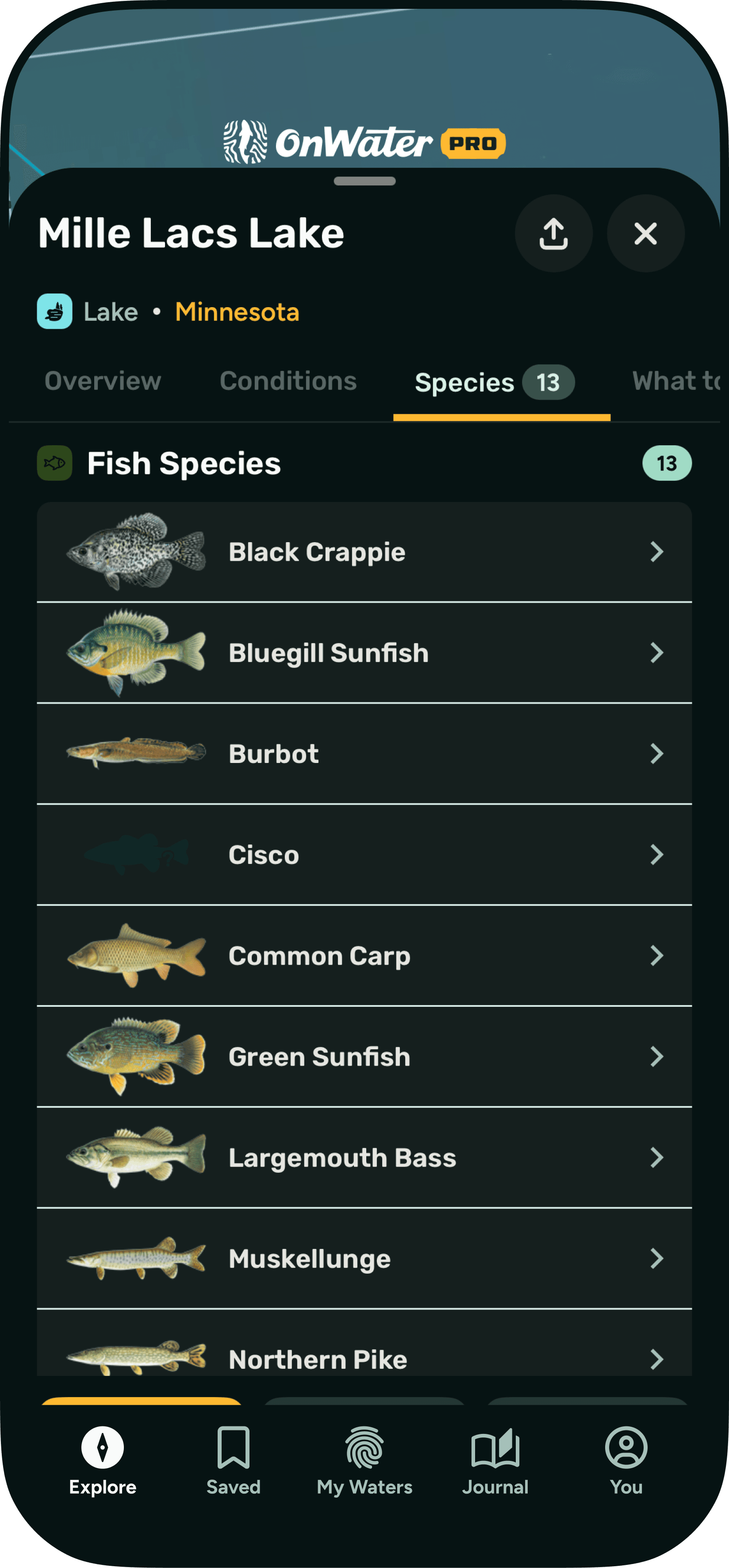
- 01 · Species map filter
Map every Northern Snakehead water
Pick Northern Snakehead and the map zeroes in on the waters they call home. No more guessing which lake holds them.
- 02 · Waterbody species
Tap any water. See what lives there.
Species, behavior and seasonal patterns for every lake, river and pond, before you leave the driveway.
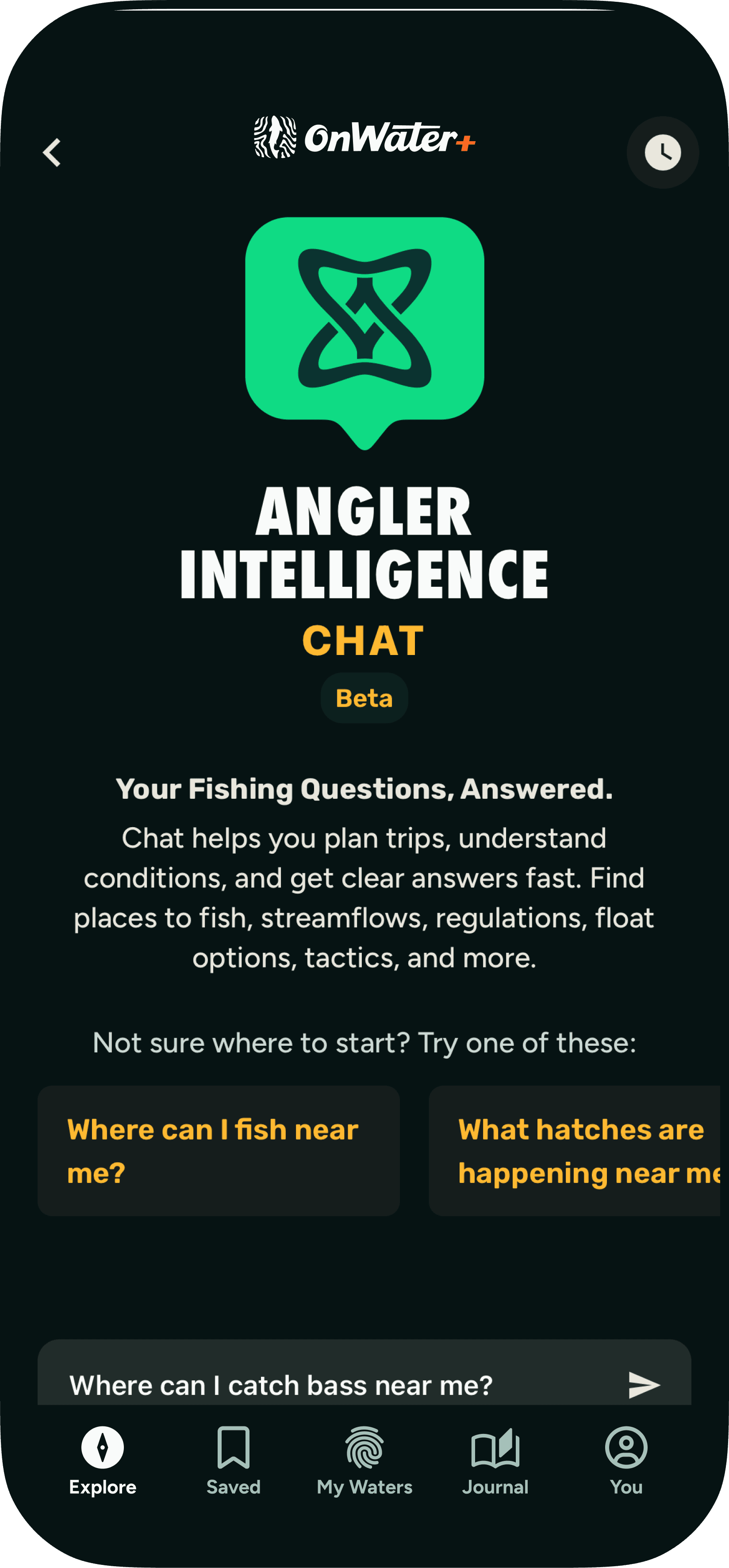
- 03 · Angler Intelligence
Ask how to catch Northern Snakehead
Tactics, gear and timing from onWater's AI fishing guide, tuned to the species and the water you're on.
Stop guessing where Northern Snakehead are.
Open the map, filter by Northern Snakehead, and head to water that holds them. Download onWater and plan your next trip in minutes.
- Species map filter
- Angler Intelligence
- Fishing journal
Explore other species
Trout, bass, salmon, panfish and everything in between. Each guide unpacks the behavior, seasons, and tactics that put fish in the net.
Find which waters have the species you want to catch
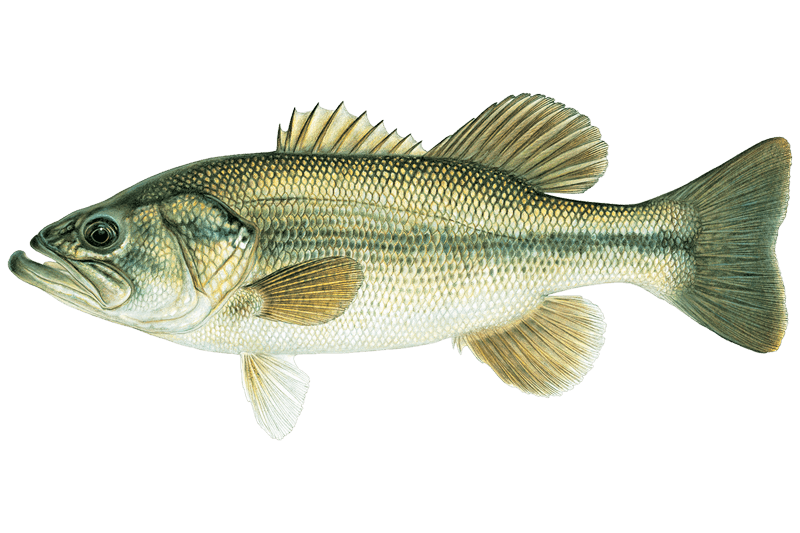
Largemouth Bass
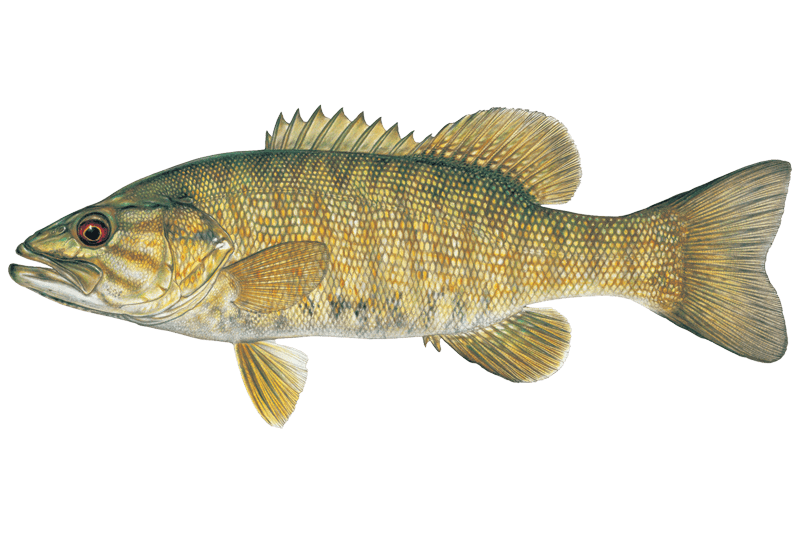
Smallmouth Bass
Micropterus dolomieu
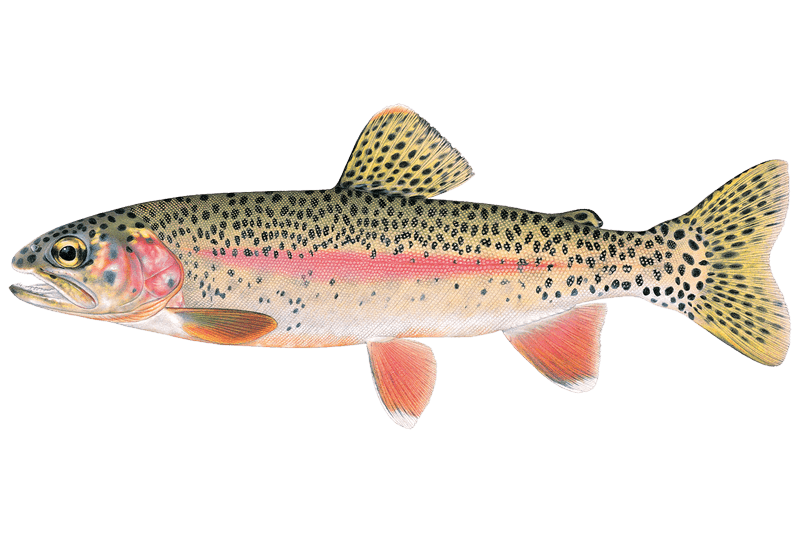
Rainbow Trout
Oncorhynchus mykiss
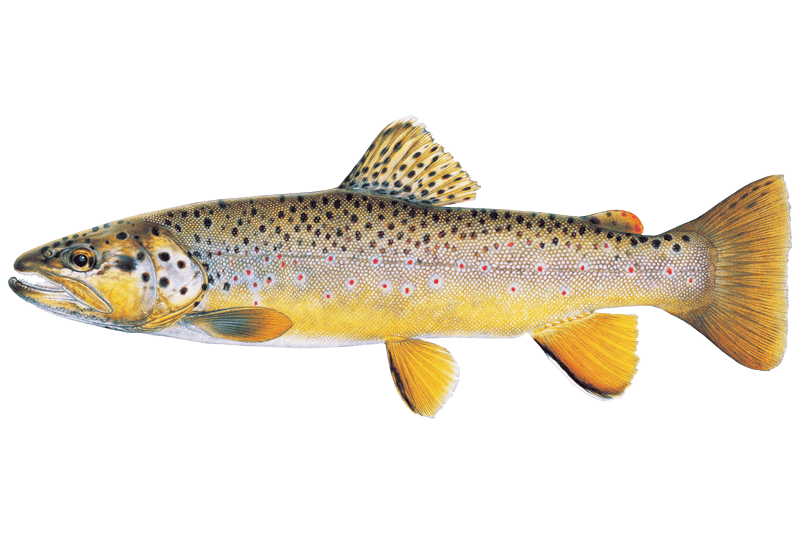
Brown Trout
Salmo trutta
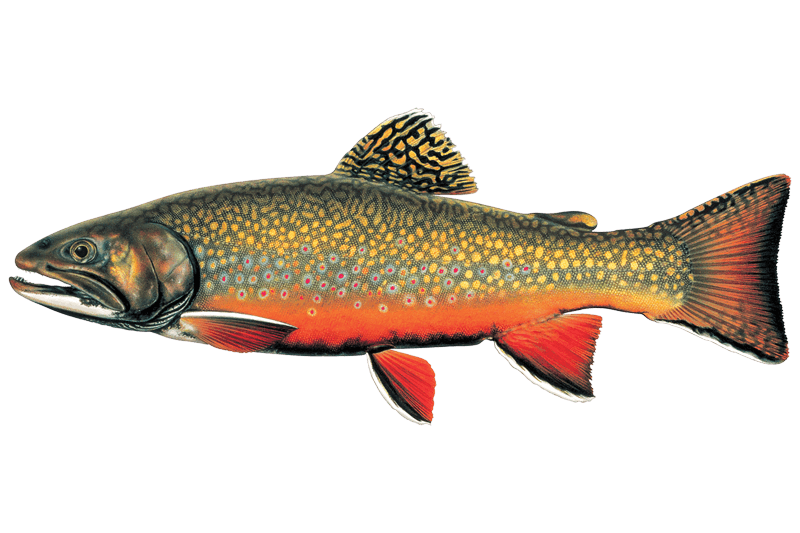
Brook Trout
Salvelinus fontinalis
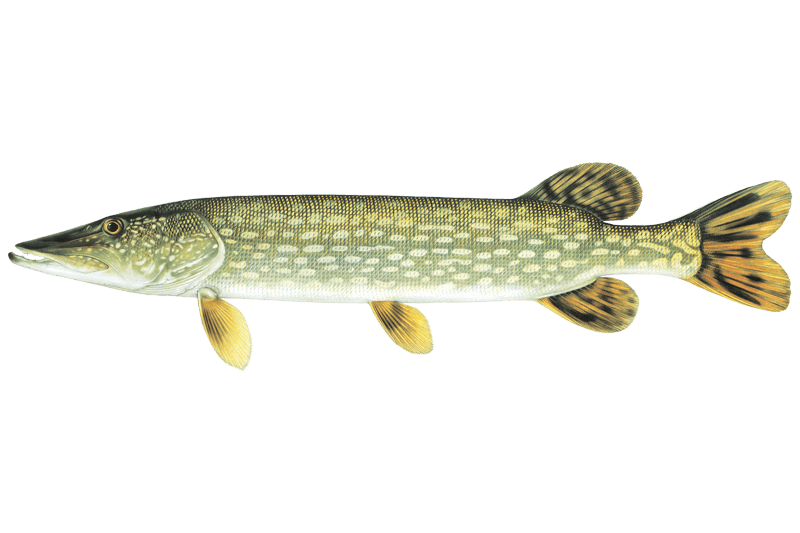
Northern Pike
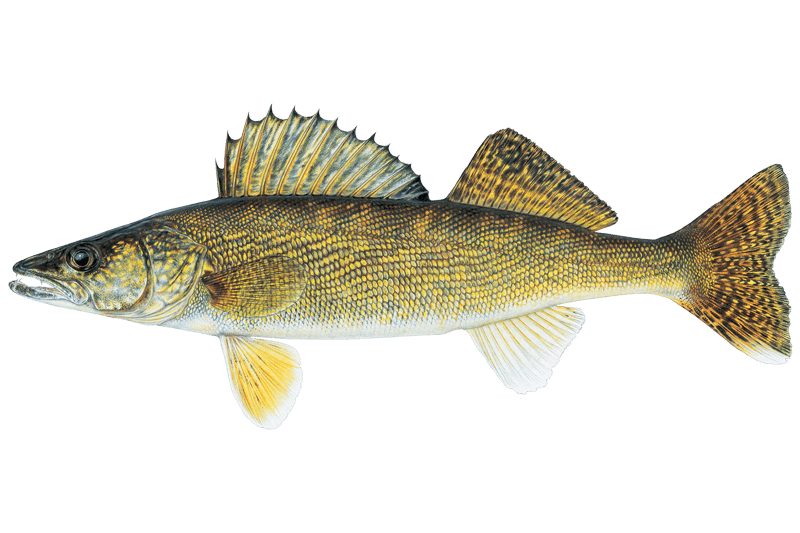
Walleye
Sander vitreus
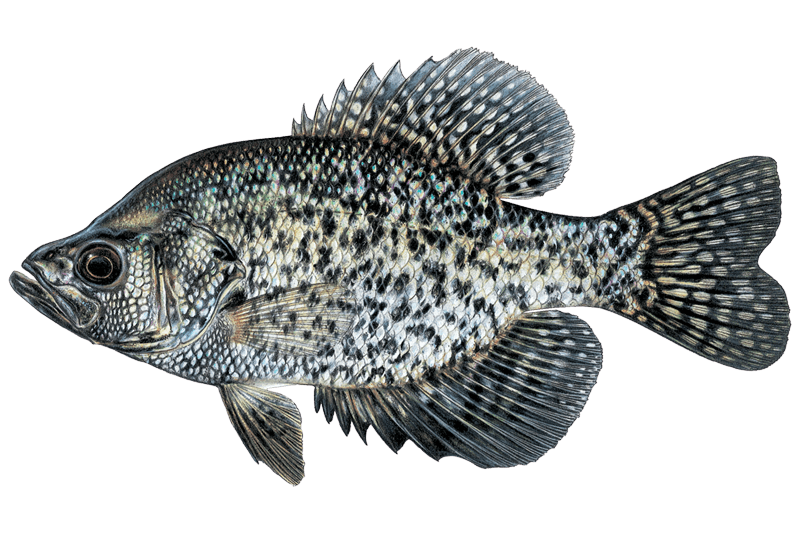
Black Crappie
Pomoxis nigromaculatus

Alewife
Alosa pseudoharengus

American Eel
Anguilla rostrata
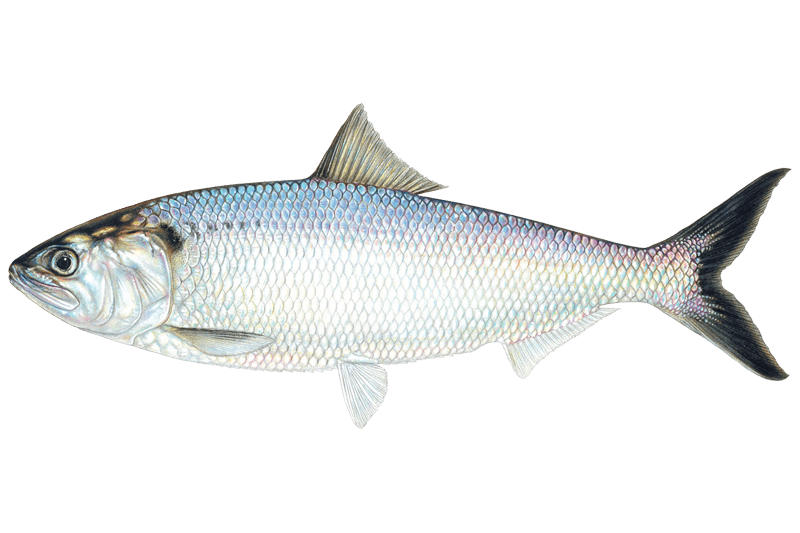
American Shad
Alosa sapidissima
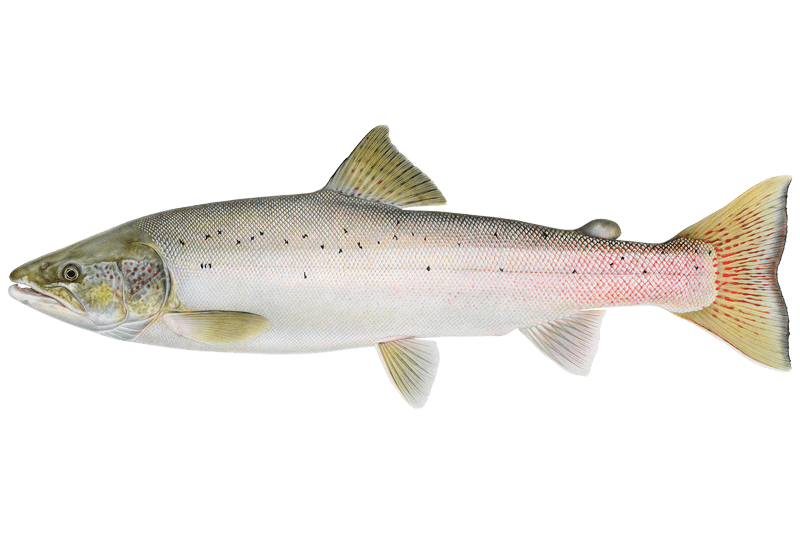
Atlantic Salmon

Atlantic Sturgeon
Acipenser oxyrinchus

Black Bullhead
Ameiurus melas

Blacknose Dace
Rhinichthys atratulus

Black Sea Bass
Centropristis striata

Bluefish
Pomatomus saltatrix

Bowfin
Amia calva
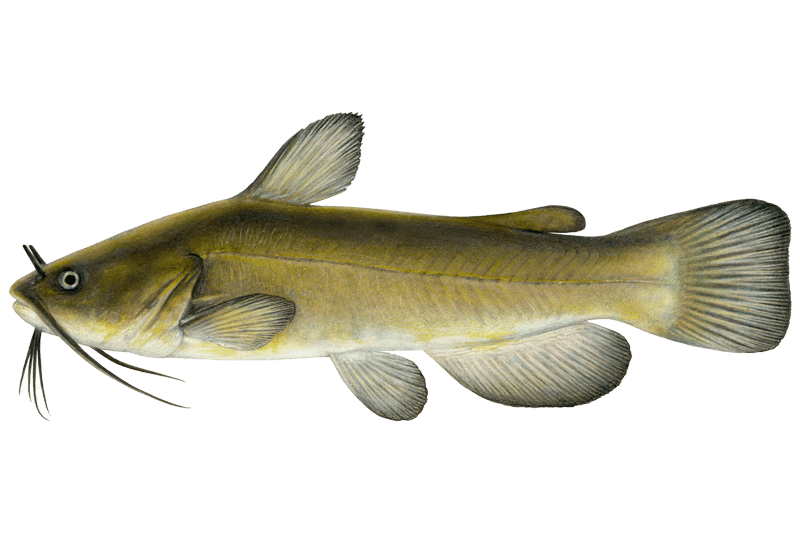
Brown Bullhead
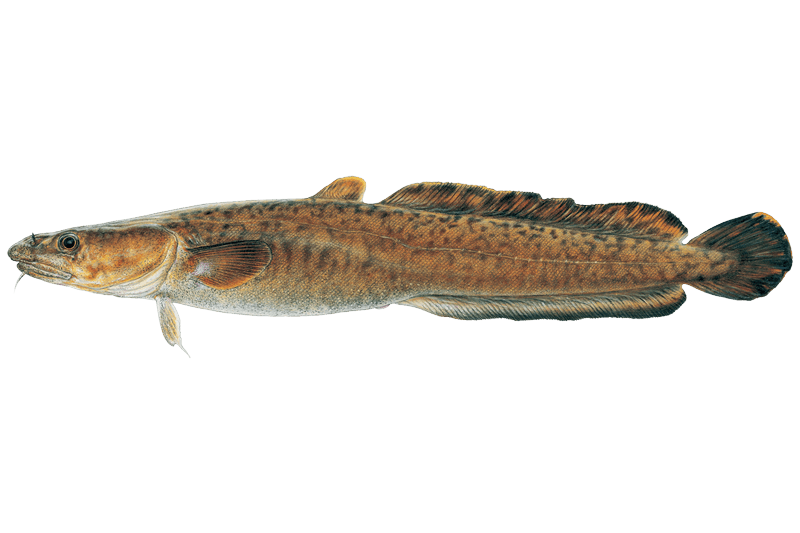
Burbot
Lota lota
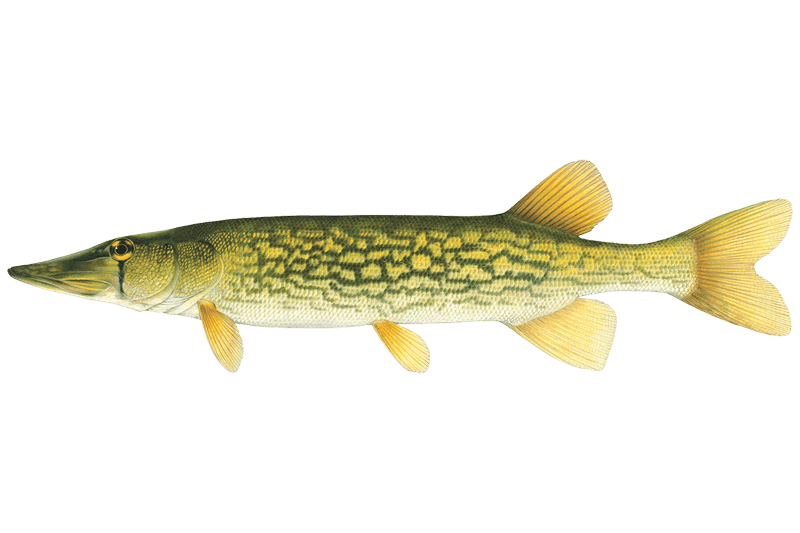
Chain Pickerel
Esox niger
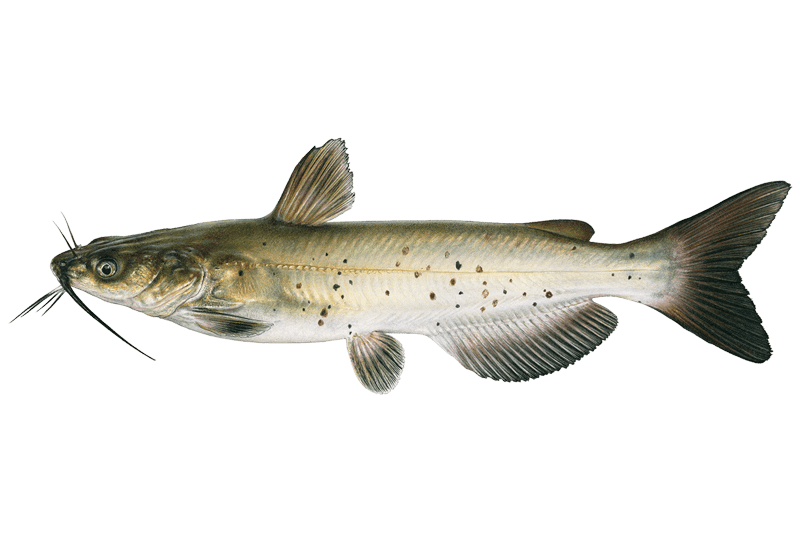
Channel Catfish
Ictalurus punctatus
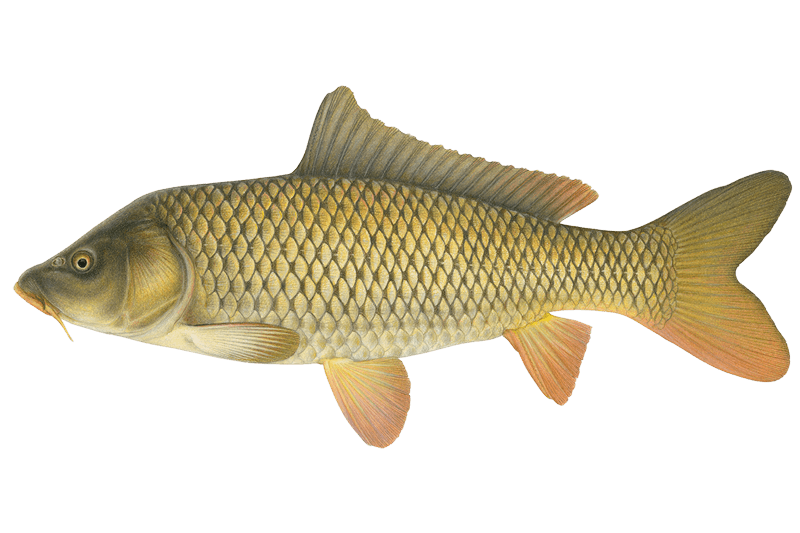
Common Carp
Cyprinus carpio

Creek Chub
Semotilus atromaculatus
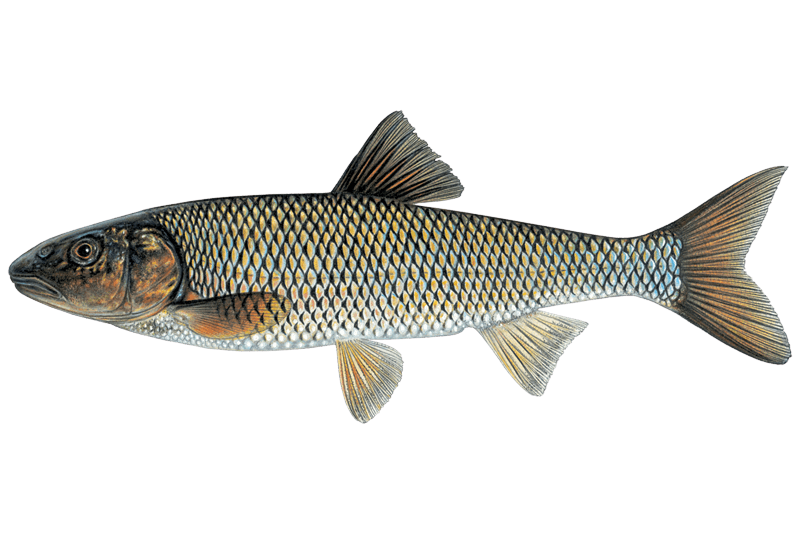
Fallfish
Semotilus corporalis

Gizzard Shad
Dorosoma cepedianum
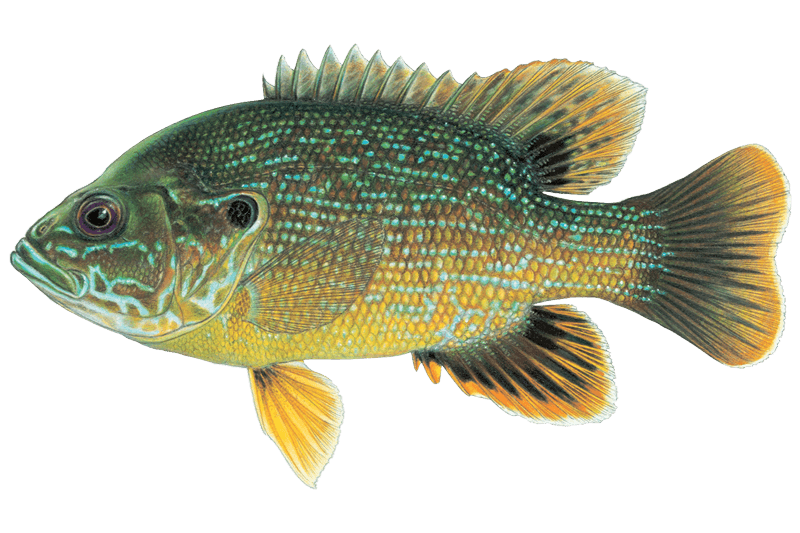
Green Sunfish
Lepomis cyanellus
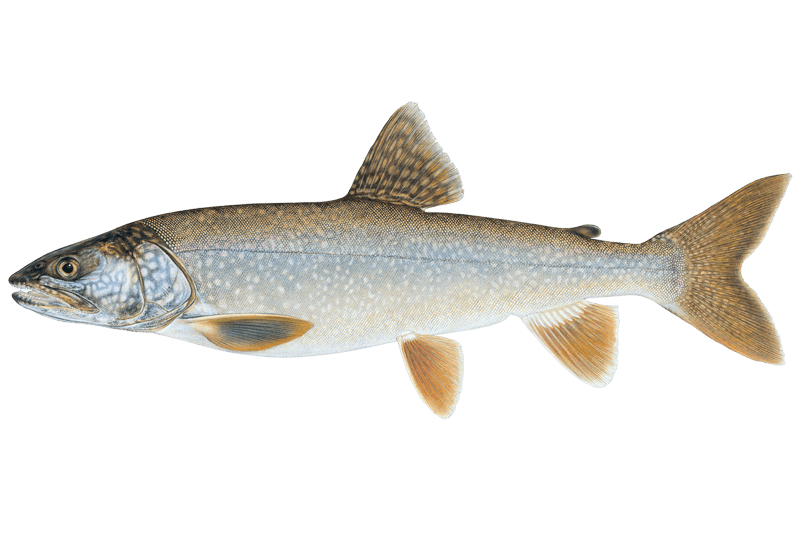
Lake Trout
Salvelinus namaycush

Longnose Sucker
Catostomus catostomus
Pumpkinseed
Lepomis gibbosus

Rainbow Smelt
Osmerus mordax
Redbreast Sunfish
Lepomis auritus
Redear Sunfish
Lepomis microlophus
Redfin Pickerel
Esox americanus americanus
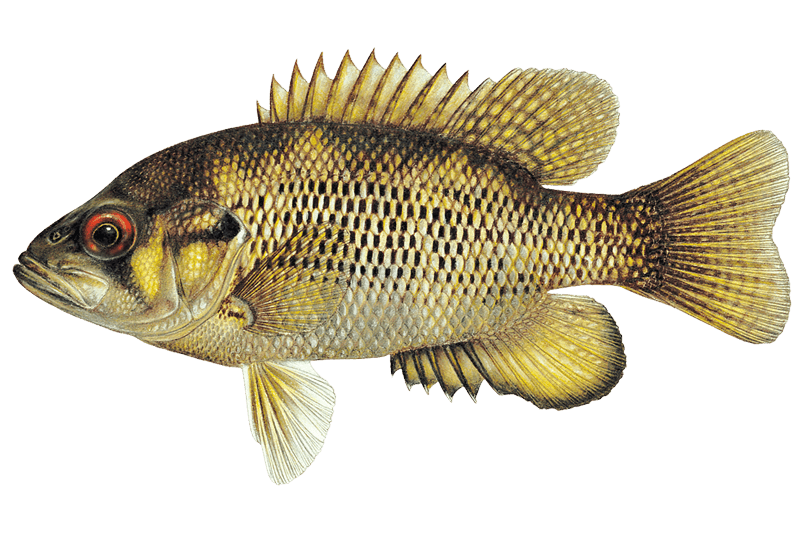
Rock Bass
Ambloplites rupestris
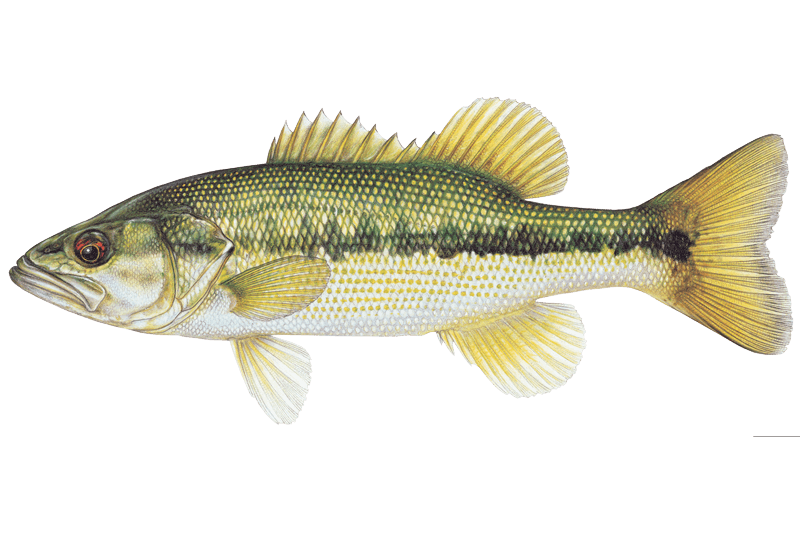
Spotted Bass
Micropterus punctulatus
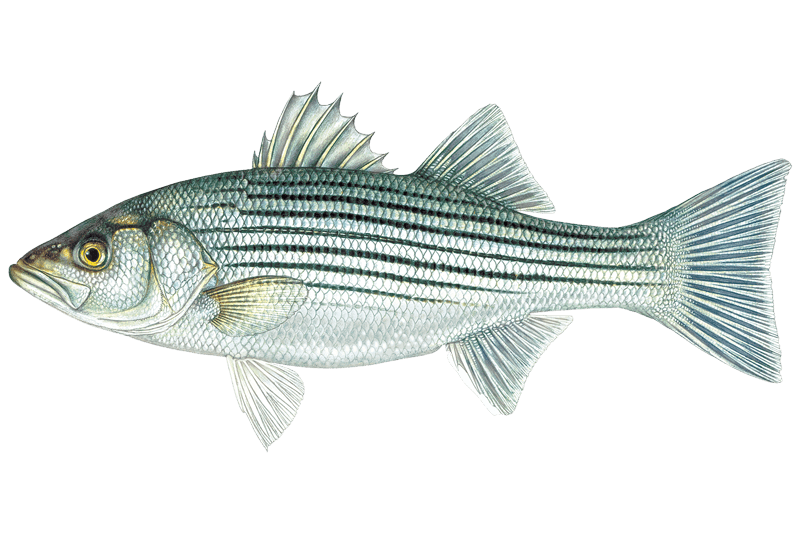
Striped Bass

Summer Flounder
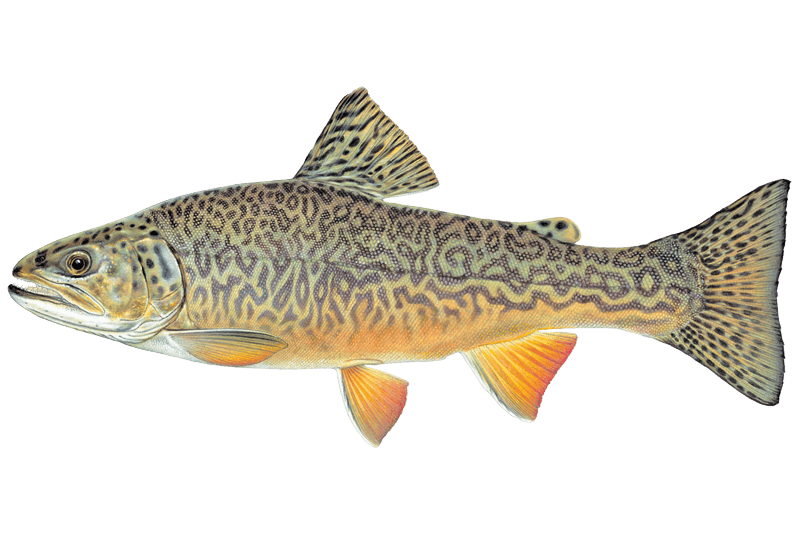
Tiger Trout
White Perch
Morone americana
Massachusetts licenses and regulations
Massachusetts Boating Regulations
When using any type of watercraft to access a body of water, it is important to follow all federal, state, and local rules and regulations. These rules and regulations include boat permitting and licensing, invasive species inspections and stamps, life jacket and PFD rules, motor size and horsepower restrictions, noise limitations, restrictions on personal watercraft, and many more. Visit the web link below for the most current rules and regulations for this body of water.

Massachusetts Fishing License
If you are 15 years of age or older, you need a license to fish. Licenses are FREE for Massachusetts residents 15-17 years of age, and those 70 and over. You can get your license online using MassFishHunt. You must carry your license with you when fishing, either as a paper copy or on your smartphone. If asked, anglers have to display a true, complete, and legible image of a valid license. Licenses expire each year on Dec. 31. You can renew your license online at MassFishHunt or print a duplicate copy if you’ve lost it.
Massachusetts Fishing Regulations
This river has a variety of species and regulations, including potential floating and/or watercraft restrictions. Because this river is specially managed for species, seasons, angling methods, and watercraft, it is strongly encouraged you to check all federal, state, and local regulations before fishing. Visit any of the links below, inquire locally, or contact a local fly shop to learn current regulations and restrictions.
Massachusetts Stream Access Laws
Massachusetts protects the public right to freely pass over all waters in the state, regardless of navigability. The rights of passage include recreation. Navigable waters are those subject to the ebb and flow of the tide, are navigable in fact or simply have the capacity for navigation, commercial or recreational.
Explore nearby waters
Explore Massachusetts waters
Top fishing waters
Popular Cities
Loading popular cities...
Smarter Fishing Starts in the App.
onWater Fish gives you everything you need to plan smarter, fish better, and own every trip from first cast to last.