Black Bullhead

Black Bullhead are introduced freshwater catfish found throughout Massachusetts, though they are not native to the region.
These are extremely hardy fish that tolerate polluted waters, low oxygen, and high temperatures better than most species, which allows them to thrive in degraded water conditions where other fish cannot survive.
Scientific Name: Ameiurus melas
- These stocky, scaleless fish typically range 6-14 inches and 1-2 pounds, with some reaching up to 25 inches.
- They have distinctive dark-colored barbels (whiskers), squared or slightly notched tails, and lack the serrated pectoral spines found on brown bullhead.
Fishing in Massachusetts
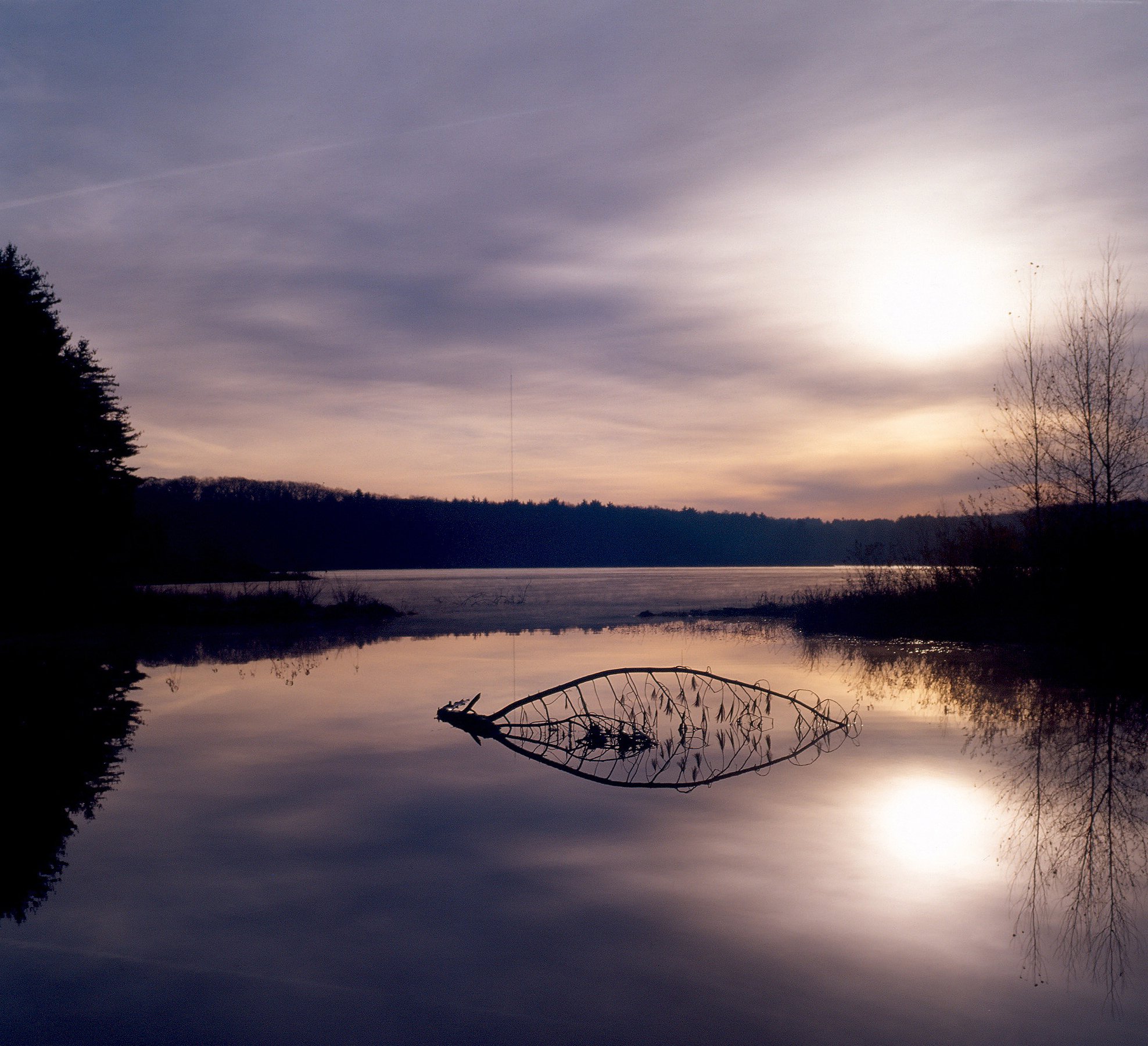
Wachusett Reservoir
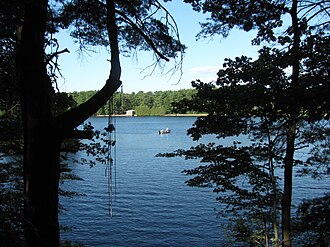
Lake Cochituate
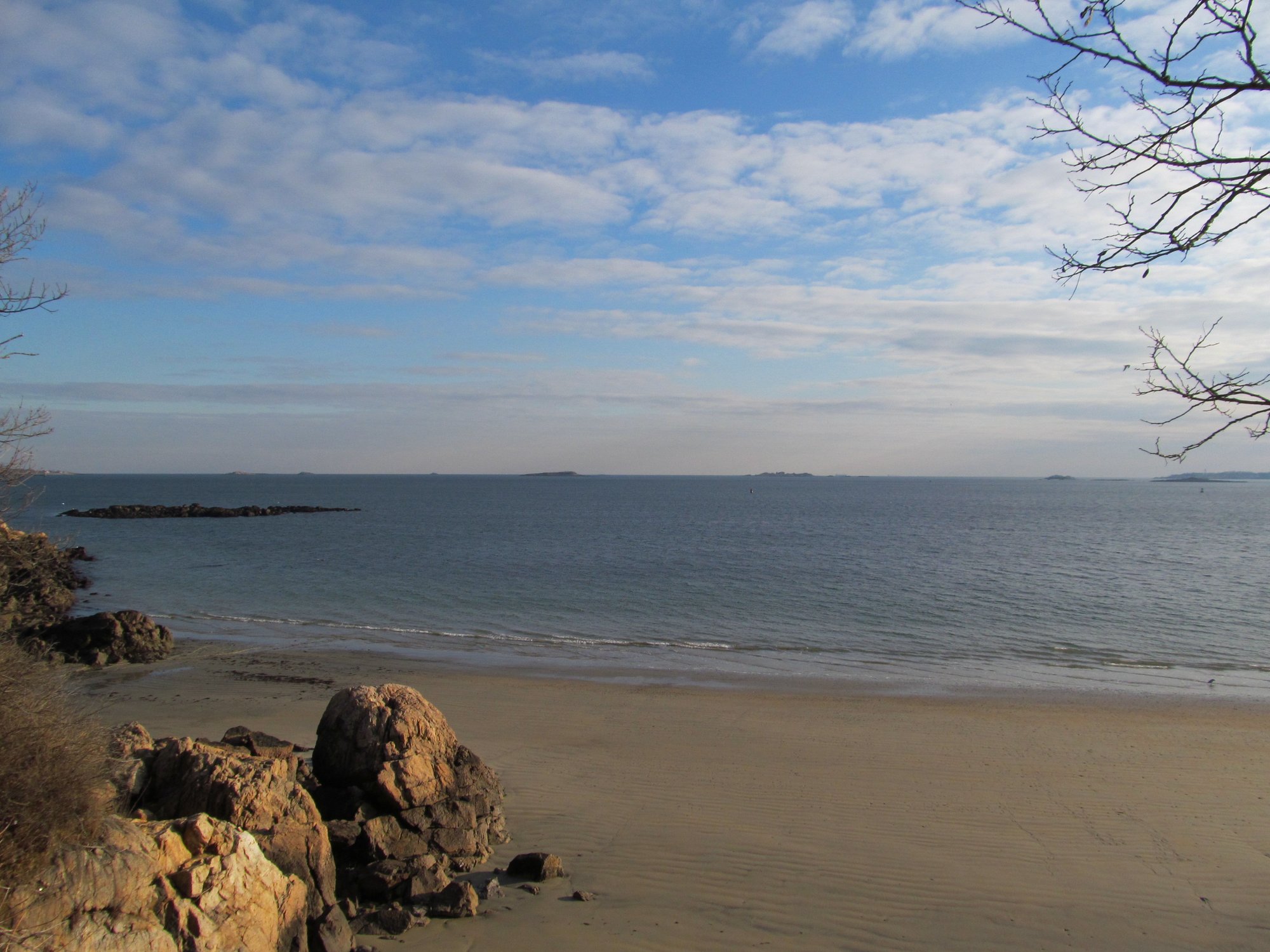
Massachusetts Bay
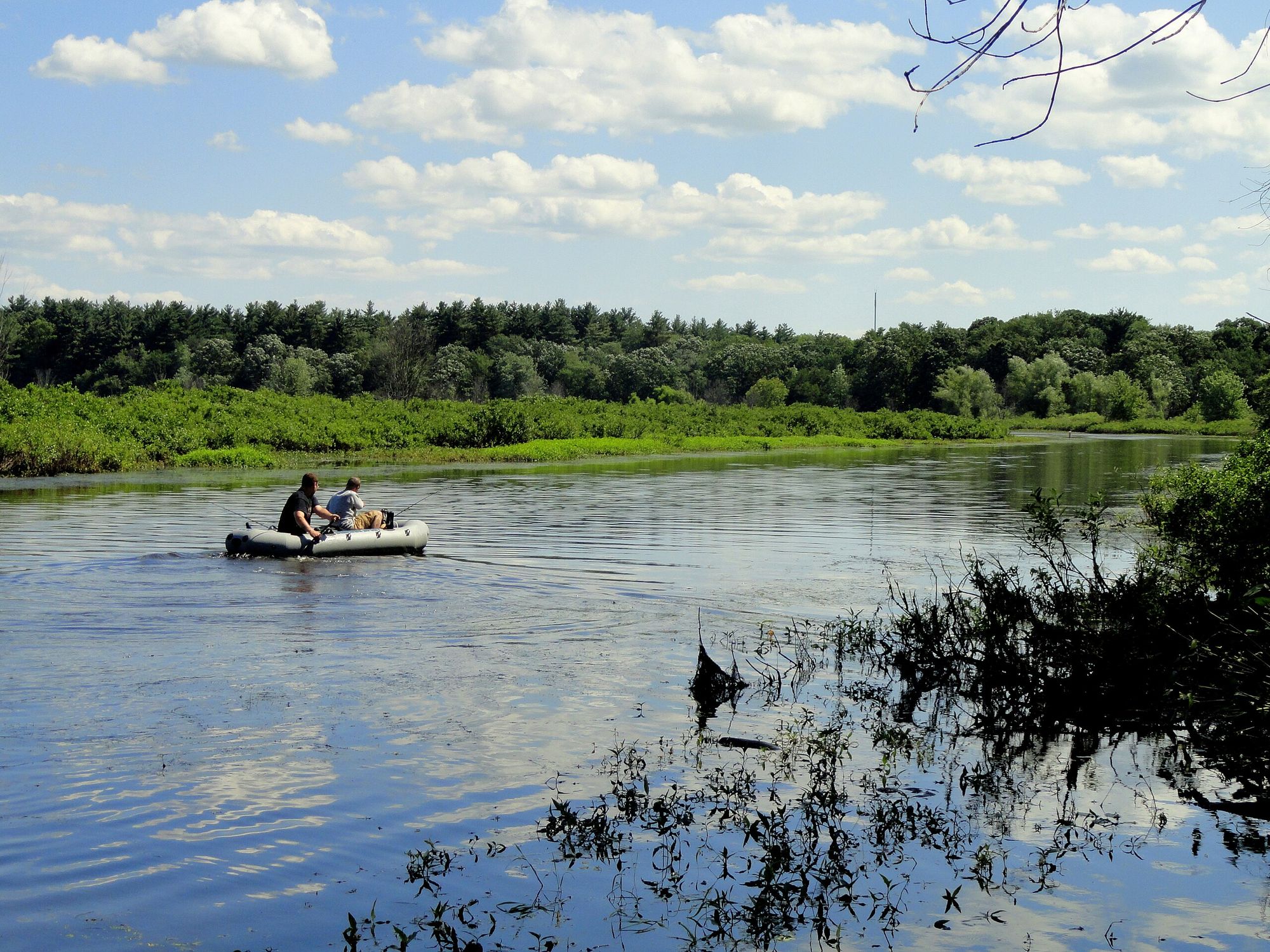
Sudbury River
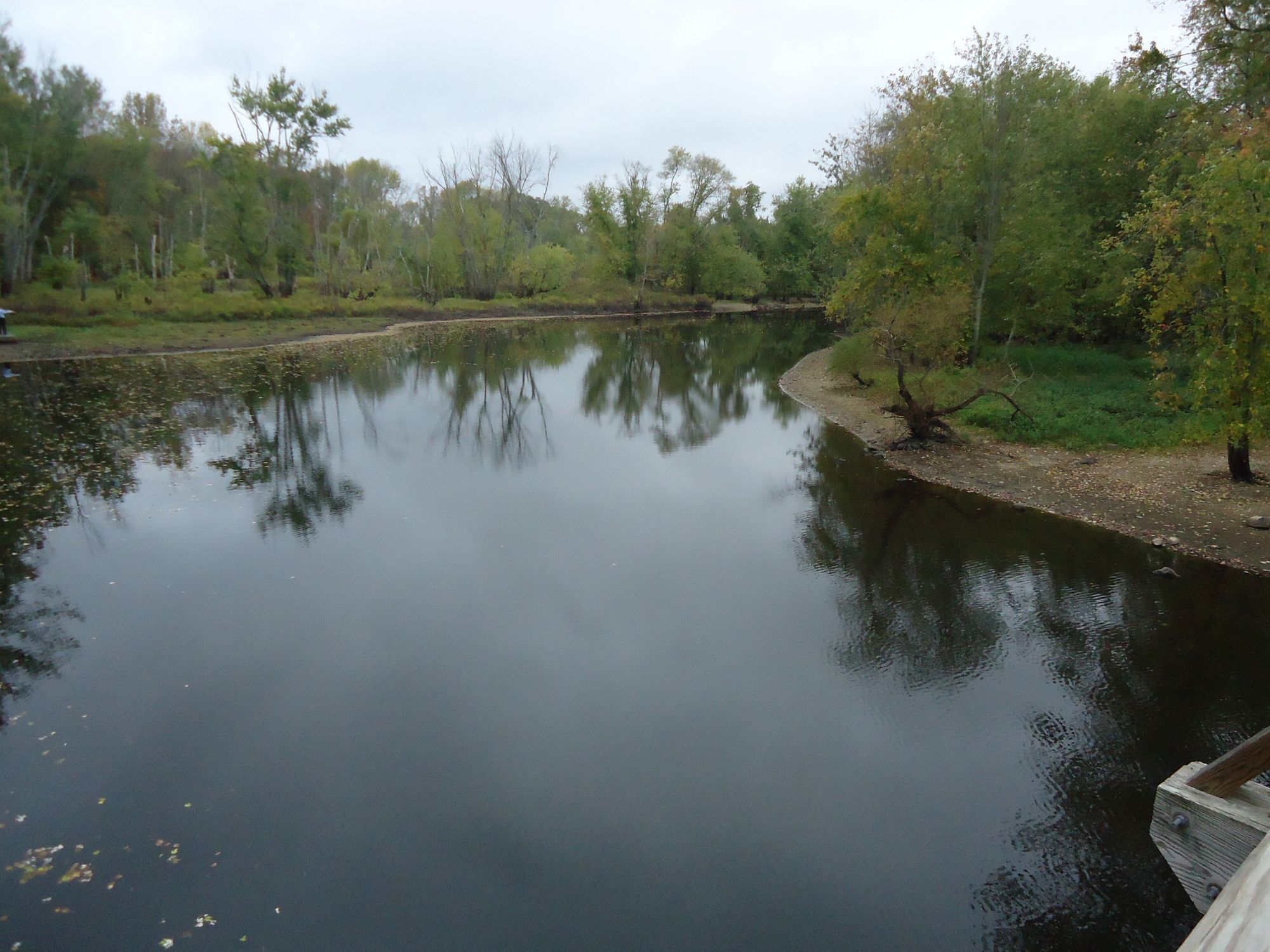
Concord River
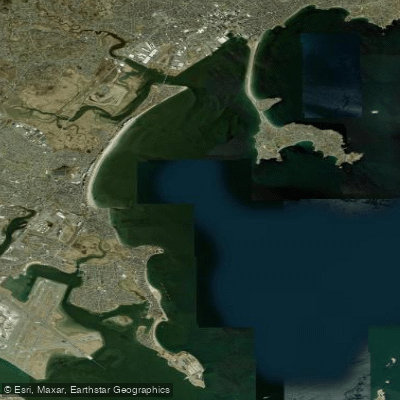
Broad Sound
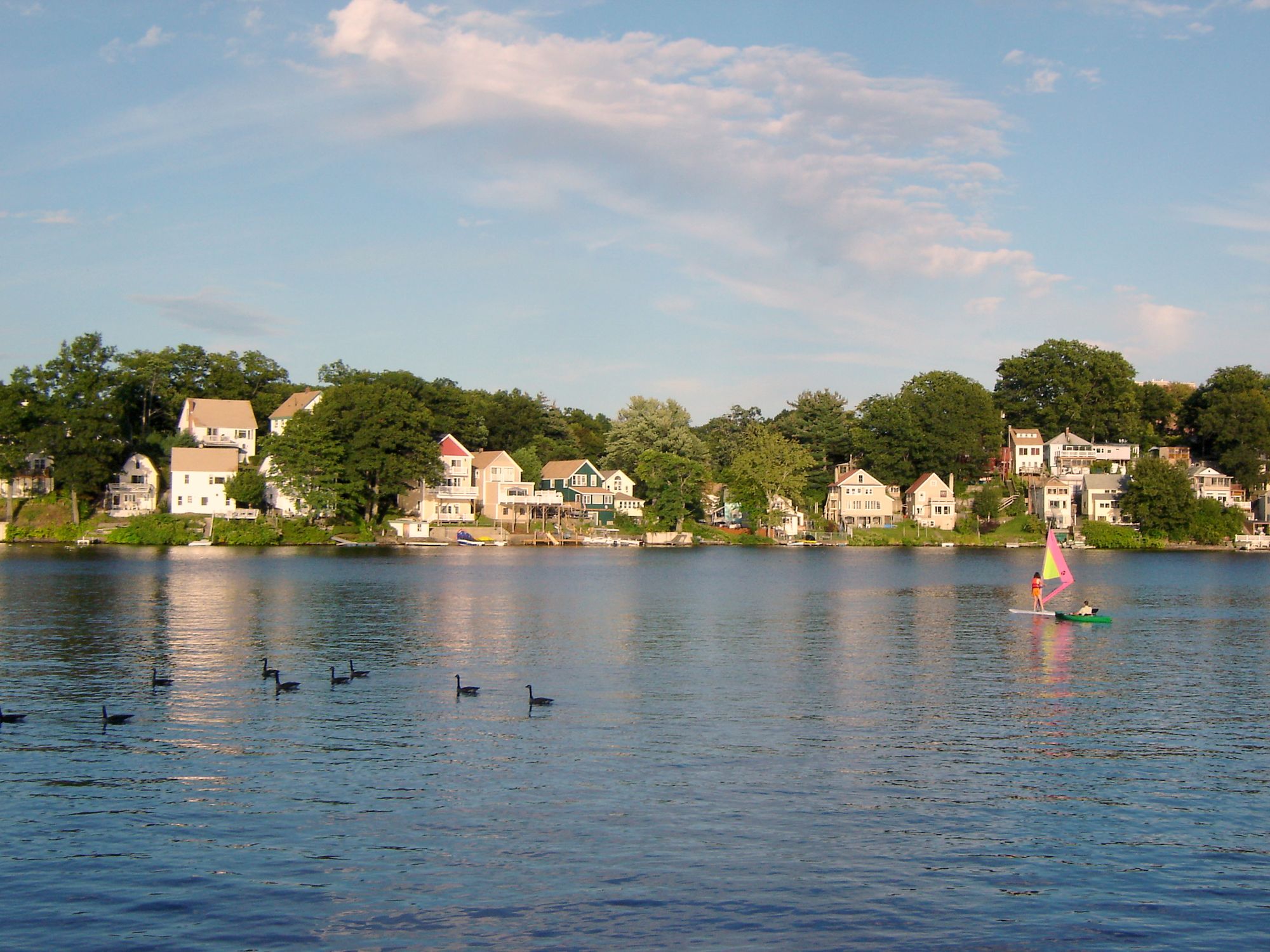
Lake Quinsigamond
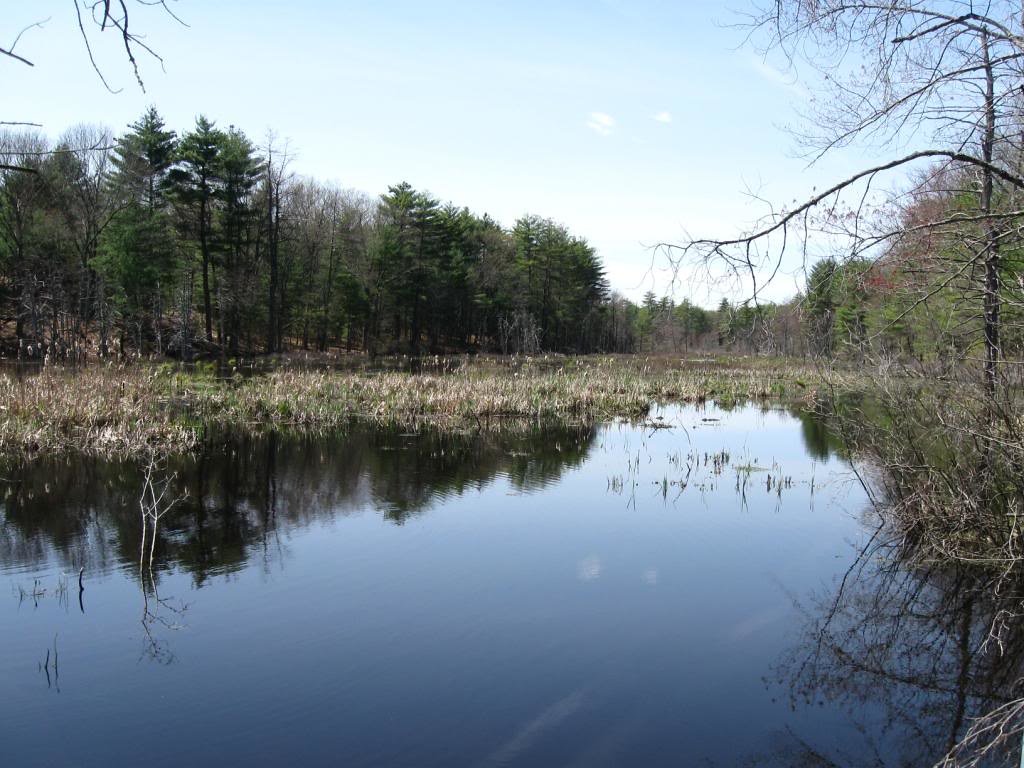
Assabet River
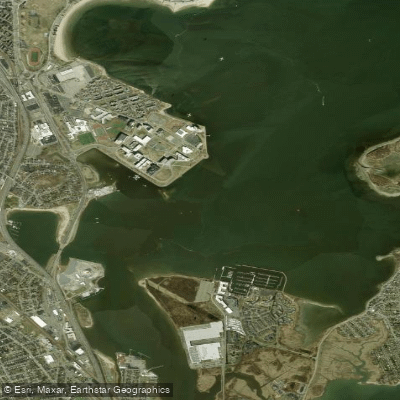
Dorchester Bay
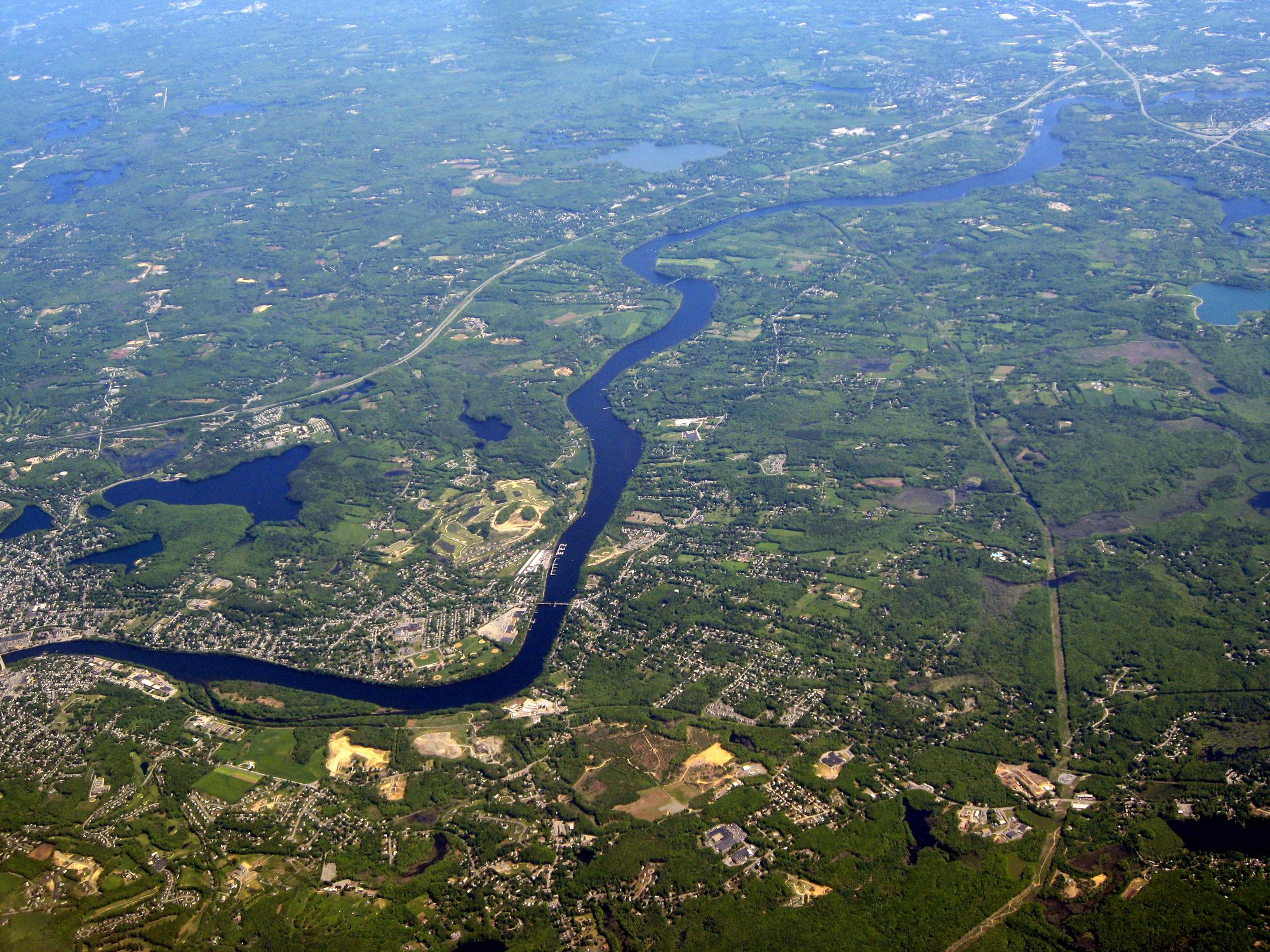
Merrimack River
What to know
Habitat Distribution
- In Massachusetts, black bullhead inhabit slow-moving rivers, ponds, lakes, and reservoirs with murky water and soft mud bottoms.
- They avoid clear, clean water and are most abundant in turbid, weedy areas with abundant organic matter.
Key Locations
- Hot spots include Furnace Pond, Jacobs Pond, and Scituate Main Reservoir on the South Shore, plus numerous other water bodies throughout the state listed in fishing guides.
Specific Spots
- Target shallow bays and areas near shore structure like piers, docks, and weed beds during evening and night hours.
- Focus on muddy bottom areas with soft substrates, especially near inflowing streams or culverts that bring food.
- In spring, concentrate on the warmest water areas as fish prepare for spawning.
- During summer, fish deeper weed lines and drop-offs during the day, then move shallow at night.
Black Bullhead FAQ
Answers from onWater's species guide.
What are the best lures and bait for Black Bullhead in Massachusetts?
Nightcrawlers and earthworms are the most productive baits - two-thirds of trophy bullhead in similar regions are caught on worms. Other highly effective baits include chicken liver, dead shiners, cut bait, shrimp, leeches, and various stink baits.
When is the best time to fish for Black Bullhead in Massachusetts?
Prime fishing season runs from June through September. Avoid fishing during late spring spawning period when water temperatures reach 70-77°F as fish are focused on reproduction rather than feeding.
How do you catch Black Bullhead in Massachusetts?
Let the fish mouth the bait for several seconds before setting the hook due to their tough mouths. Focus on smelly baits as black bullhead rely heavily on scent, so avoid artificial lures.
What do Black Bullhead eat?
Black bullhead are opportunistic omnivores with an estimated 100,000 taste buds covering their bodies. Their diet includes nightcrawlers, insects and larvae (especially chironomids), small fish and fish e.g.gs, crayfish, snails, leeches, aquatic worms, plant material, and virtually any organic matter.
Where do Black Bullhead live in Massachusetts?
In Massachusetts, black bullhead inhabit slow-moving rivers, ponds, lakes, and reservoirs with murky water and soft mud bottoms. They avoid clear, clean water and are most abundant in turbid, weedy areas with abundant organic matter.
Fish smarter with real-time insights
Whether you're en route and conditions shift or you're looking for the best spot based on current flows, we enable you to make informed decisions on the fly.




See it in the app
Most maps show you water.
onWater shows you Black Bullhead.



- 01 · Species map filter
Map every Black Bullhead water
Pick Black Bullhead and the map zeroes in on the waters they call home. No more guessing which lake holds them.
- 02 · Waterbody species
Tap any water. See what lives there.
Species, behavior and seasonal patterns for every lake, river and pond, before you leave the driveway.
- 03 · Angler Intelligence
Ask how to catch Black Bullhead
Tactics, gear and timing from onWater's AI fishing guide, tuned to the species and the water you're on.
Stop guessing where Black Bullhead are.
Open the map, filter by Black Bullhead, and head to water that holds them. Download onWater and plan your next trip in minutes.
- Species map filter
- Angler Intelligence
- Fishing journal
Explore other species
Trout, bass, salmon, panfish and everything in between. Each guide unpacks the behavior, seasons, and tactics that put fish in the net.
No species information available.
Massachusetts licenses and regulations
Explore nearby waters
Explore Massachusetts waters
Top fishing waters
Popular Cities
Loading popular cities...

Smarter Fishing Starts in the App.
onWater Fish gives you everything you need to plan smarter, fish better, and own every trip from first cast to last.