Rock Bass

Rock Bass are native to Massachusetts waters and widely distributed throughout the state's lakes, reservoirs, rivers, and streams.
These scrappy fish are distinguished by their characteristic red eyes, six anal fin spines (versus three in other sunfish), and rows of dark spots along their bronze-colored sides.
Scientific Name: Ambloplites rupestris
- These scrappy fish are distinguished by their characteristic red eyes, six anal fin spines (versus three in other sunfish), and rows of dark spots along their bronze-colored sides.
- Adults typically range 6-10 inches and rarely exceed one pound, though the species can live 10-12 years.
Fishing in Massachusetts

Wachusett Reservoir
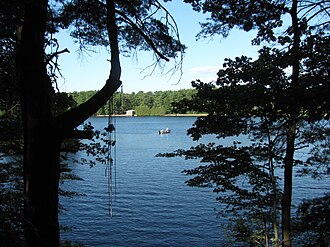
Lake Cochituate
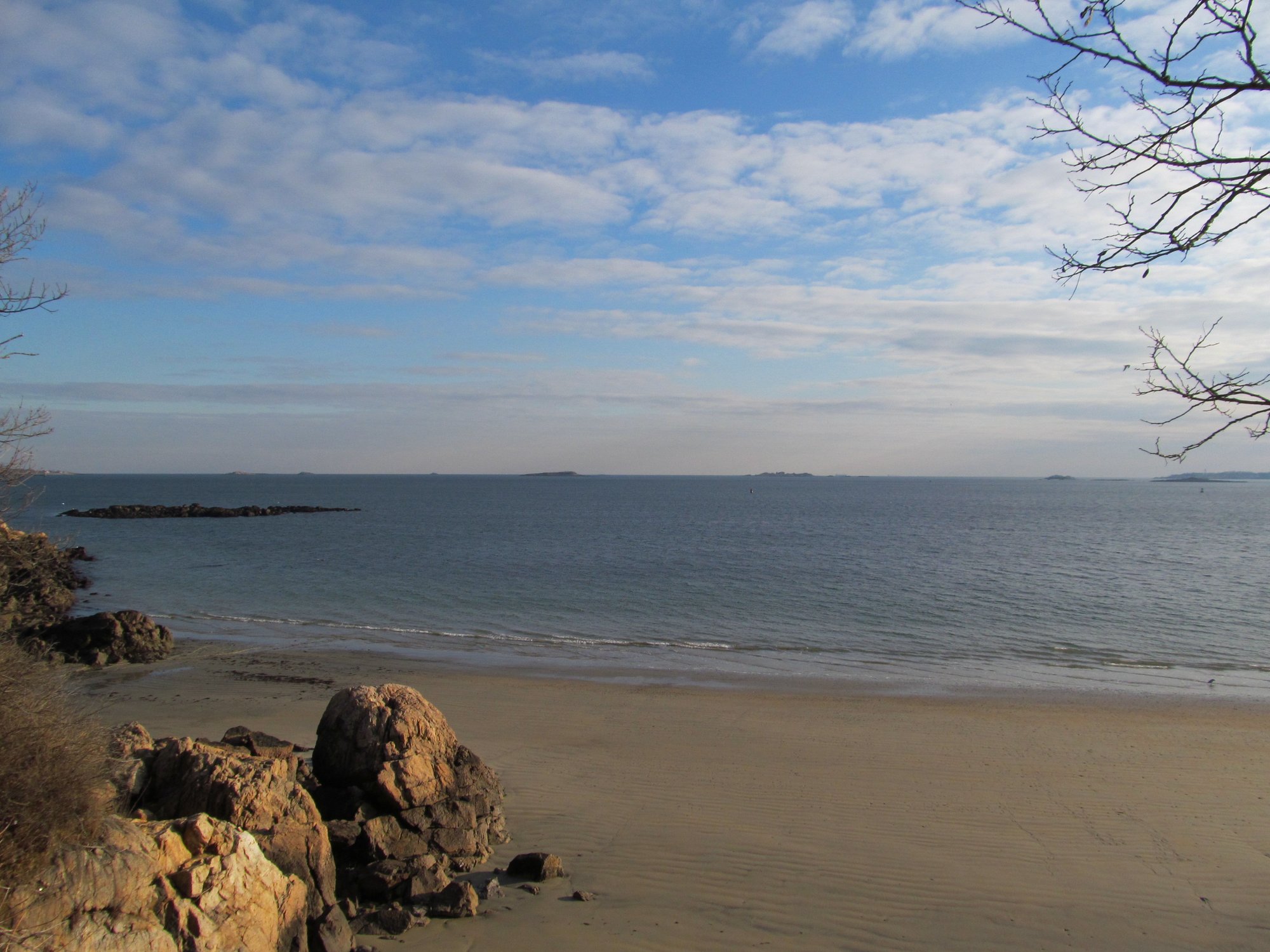
Massachusetts Bay
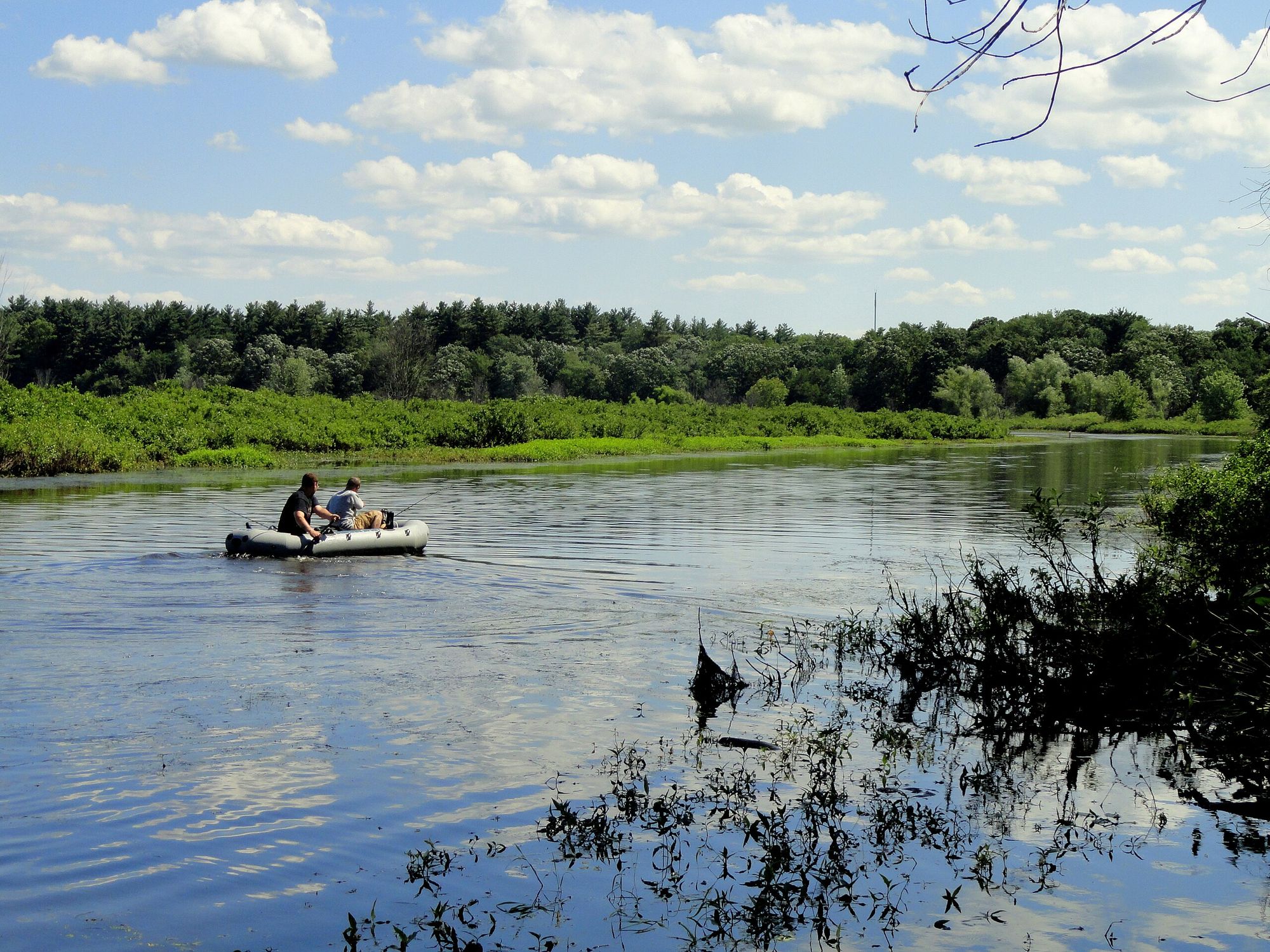
Sudbury River
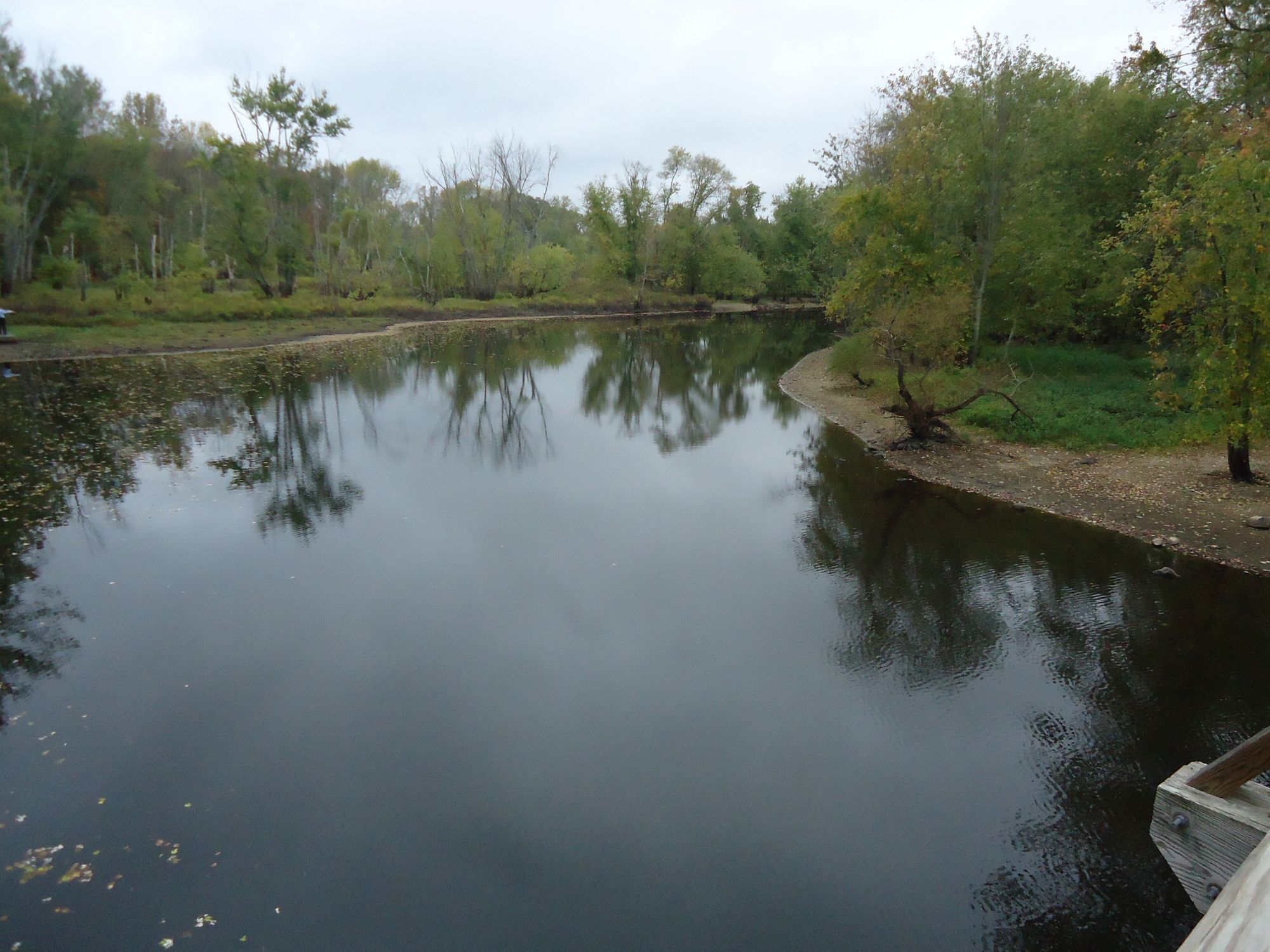
Concord River
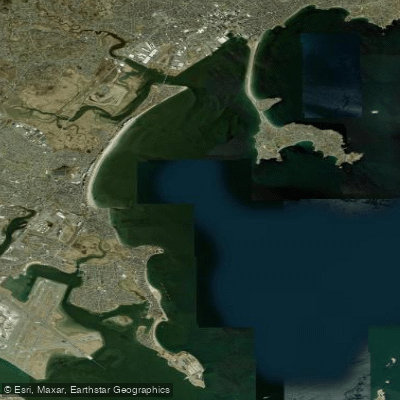
Broad Sound

Lake Quinsigamond
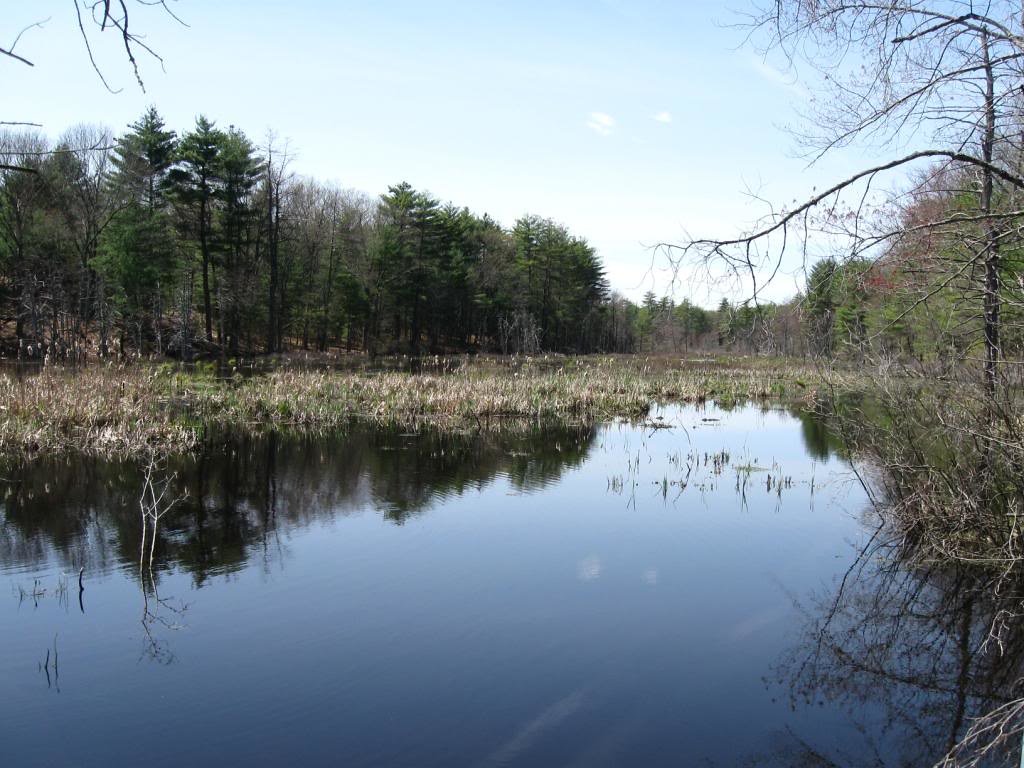
Assabet River

Dorchester Bay

Merrimack River
What to know
Habitat Distribution
- Rock Bass are native to Massachusetts waters and widely distributed throughout the state's lakes, reservoirs, rivers, and streams.
- Rock Bass prefer clear, rocky waters with structure like submerged boulders, fallen trees, bridge pilings, and rocky shorelines - hence their name.
- They inhabit both shallow and deep water, often schooling together and showing little fear of human activity, frequently living under docks and near swimming areas.
Key Locations
- Massachusetts populations are found in major water bodies including Wachusett Reservoir, Quabbin Reservoir, Sudbury Reservoir, Webster Lake (Lake Chagoggagoggmanchaugagoggchabunagungamaug), and numerous smaller ponds and streams throughout the state.
- Productive Massachusetts locations include the rocky shorelines of Wachusett and Quabbin Reservoirs, rocky areas of Webster Lake (especially North Pond near Memorial Beach and the gravel bar in Middle Pond), and structured areas of Sudbury Reservoir.
Specific Spots
- Target rocky structure including riprap, bridge pilings, boulder fields, rock walls, and gravel bars in 2-20 feet of water.
Rock Bass FAQ
Answers from onWater's species guide.
What are the best lures and bait for Rock Bass in Massachusetts?
Live bait is extremely effective - common earthworms are the most recommended bait, along with small minnows, crayfish, crickets, and hellgrammites.
When is the best time to fish for Rock Bass in Massachusetts?
Rock Bass fishing in Massachusetts is most productive during spring, summer, and fall months when water temperatures are between 50-80°F. During summer heat, target deeper rocky areas and fish in low-light periods.
How do you catch Rock Bass in Massachusetts?
Fish live bait on simple rigs like slip bobbers, regular bobbers, or small jigs near rocky structure. Fish slowly and methodically around structure, as Rock Bass often school together - catching one usually means more are nearby.
What do Rock Bass eat?
Their diet consists primarily of crayfish, aquatic insects, small fish including minnows and shiners, and occasionally surface insects.
Where do Rock Bass live in Massachusetts?
Rock Bass are native to Massachusetts waters and widely distributed throughout the state's lakes, reservoirs, rivers, and streams. Rock Bass prefer clear, rocky waters with structure like submerged boulders, fallen trees, bridge pilings, and rocky shorelines - hence their name.
Fish smarter with real-time insights
Whether you're en route and conditions shift or you're looking for the best spot based on current flows, we enable you to make informed decisions on the fly.




See it in the app
Most maps show you water.
onWater shows you Rock Bass.



- 01 · Species map filter
Map every Rock Bass water
Pick Rock Bass and the map zeroes in on the waters they call home. No more guessing which lake holds them.
- 02 · Waterbody species
Tap any water. See what lives there.
Species, behavior and seasonal patterns for every lake, river and pond, before you leave the driveway.
- 03 · Angler Intelligence
Ask how to catch Rock Bass
Tactics, gear and timing from onWater's AI fishing guide, tuned to the species and the water you're on.
Stop guessing where Rock Bass are.
Open the map, filter by Rock Bass, and head to water that holds them. Download onWater and plan your next trip in minutes.
- Species map filter
- Angler Intelligence
- Fishing journal
Explore other species
Trout, bass, salmon, panfish and everything in between. Each guide unpacks the behavior, seasons, and tactics that put fish in the net.
No species information available.
Massachusetts licenses and regulations
Explore nearby waters
Explore Massachusetts waters
Top fishing waters
Popular Cities
Loading popular cities...

Smarter Fishing Starts in the App.
onWater Fish gives you everything you need to plan smarter, fish better, and own every trip from first cast to last.