Channel Catfish

Channel Catfish are non-native to Massachusetts but established through stocking programs and natural reproduction. They're the largest catfish species in the Northeast.
Scientific Name: Ictalurus punctatus
- These fish are distinguished by their deeply forked tail, scattered dark spots on juveniles, and eight whisker-like barbels around their mouth.
- Massachusetts holding impressive records - the state record channel catfish weighed 26 pounds, 8 ounces from Ashfield Lake in 1989, while the catch-and-release record measured 34.75 inches from the Connecticut River in Gill.
Fishing in Massachusetts
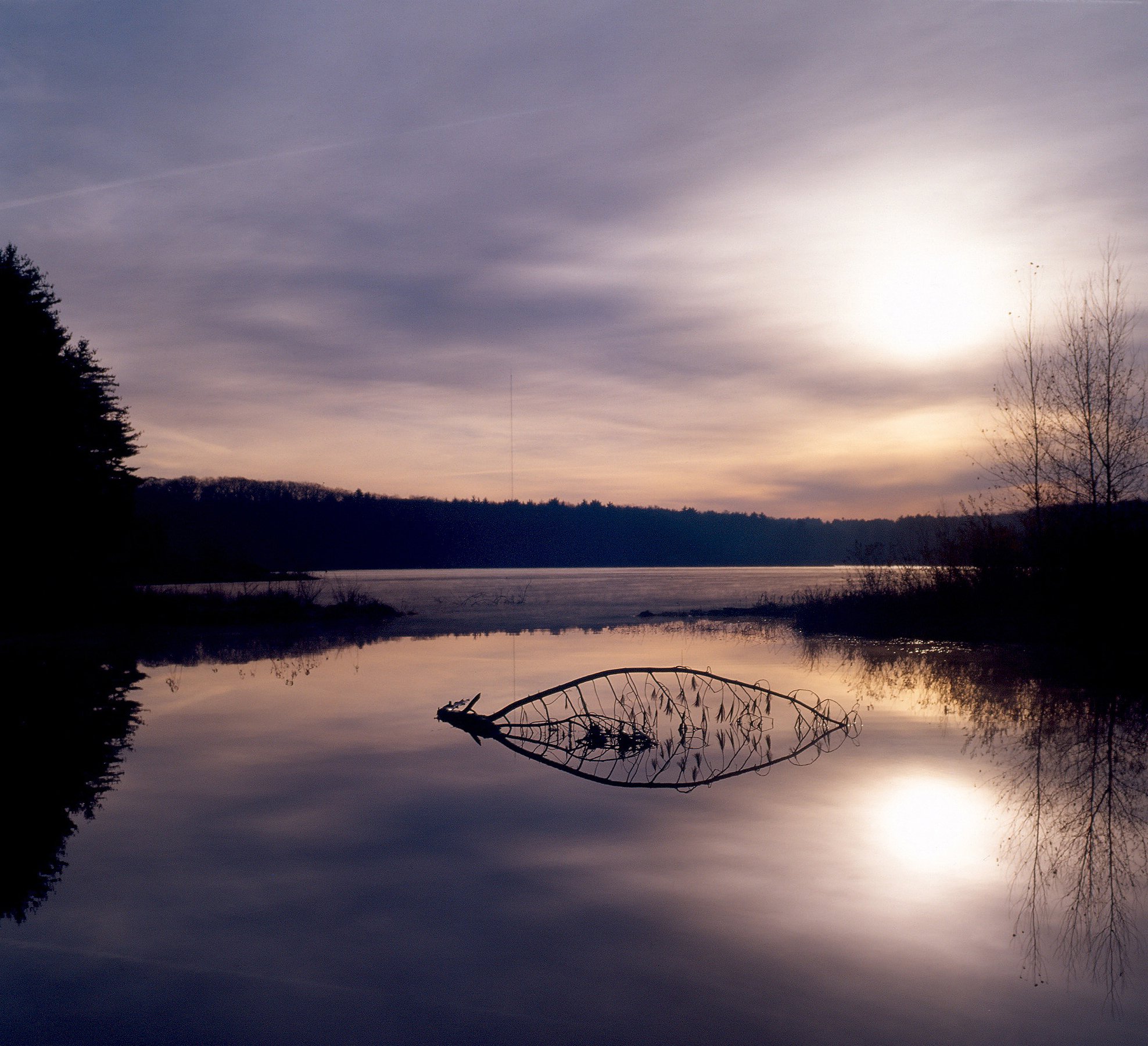
Wachusett Reservoir
Lake Cochituate
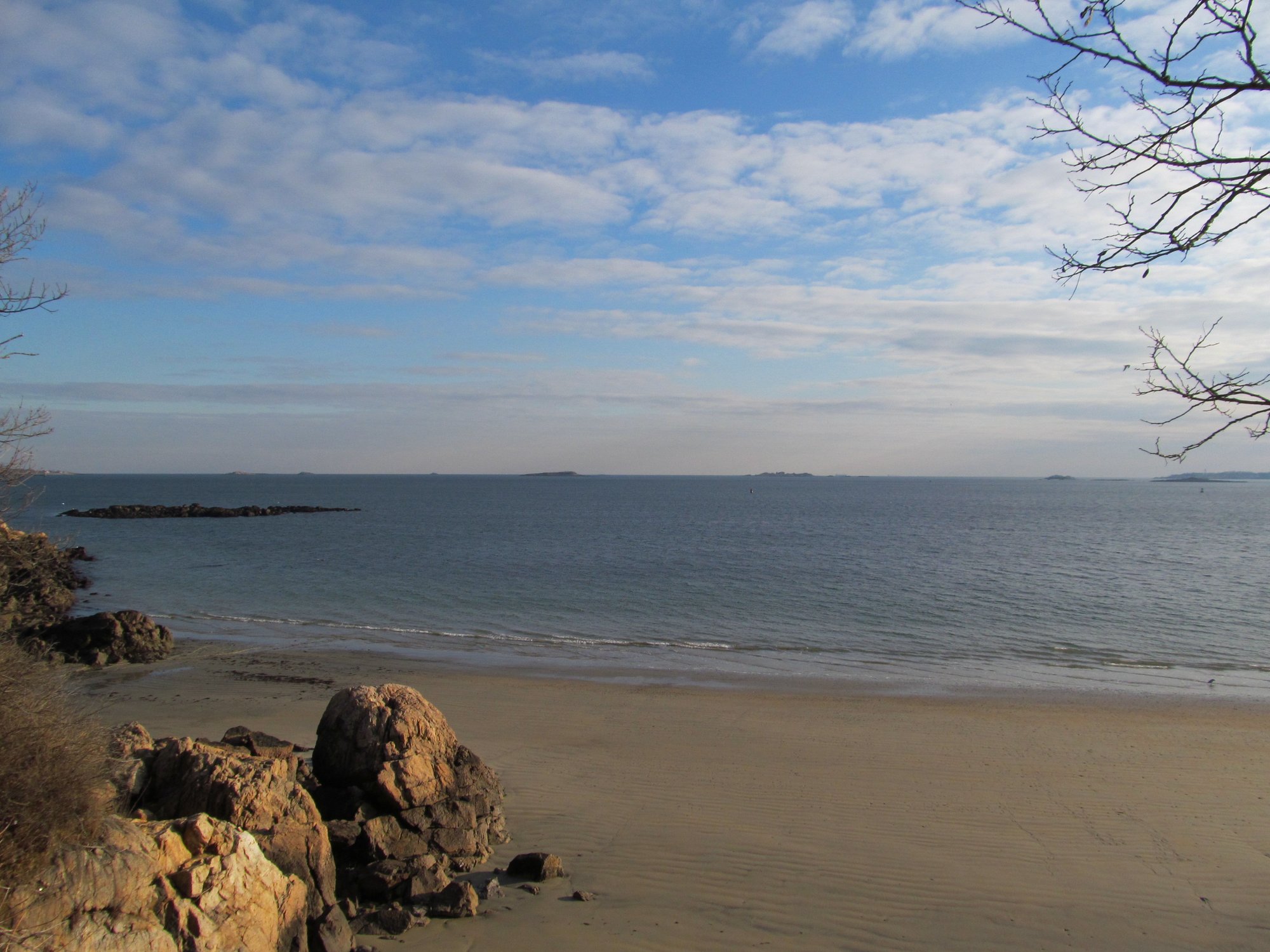
Massachusetts Bay
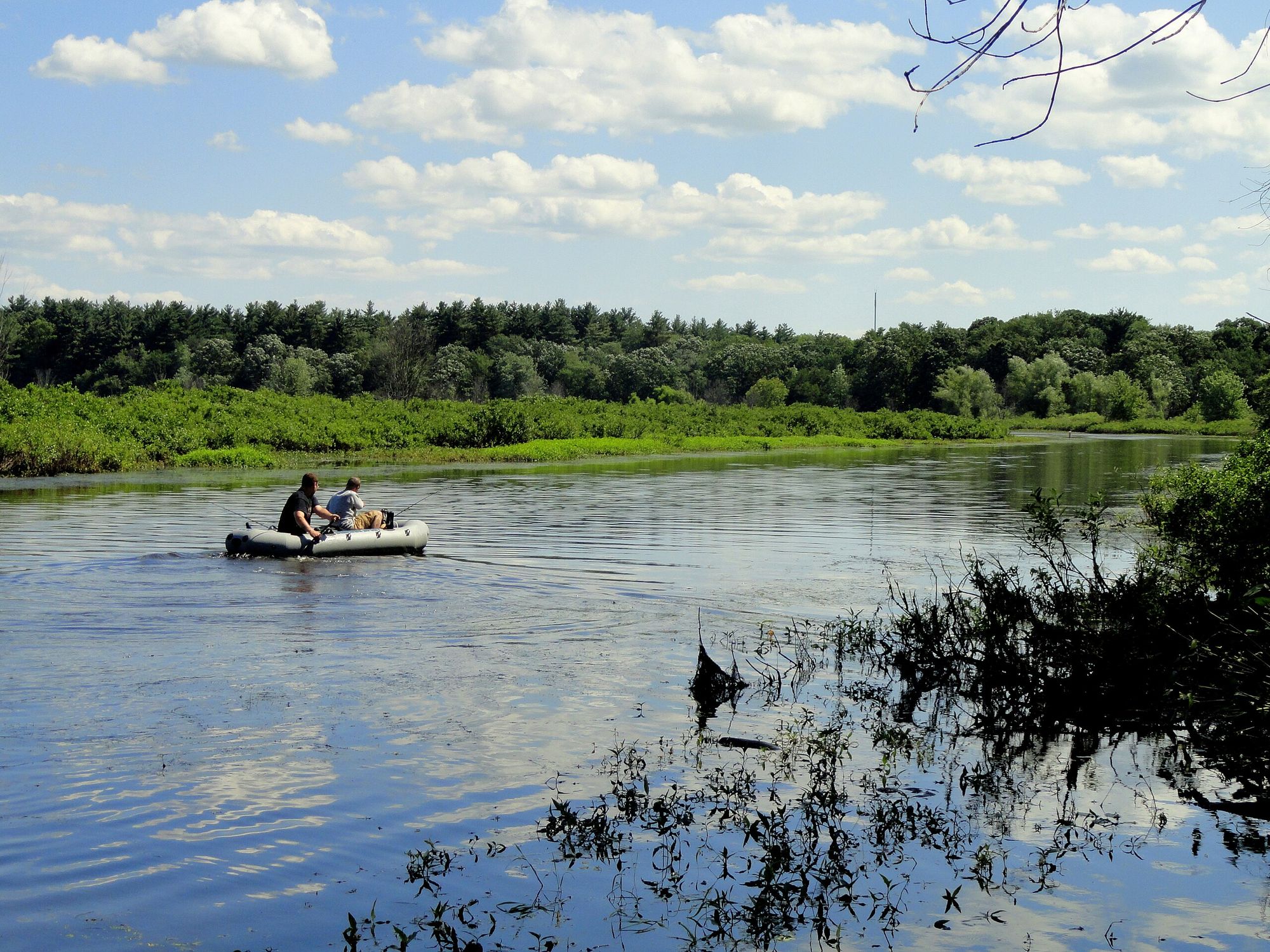
Sudbury River
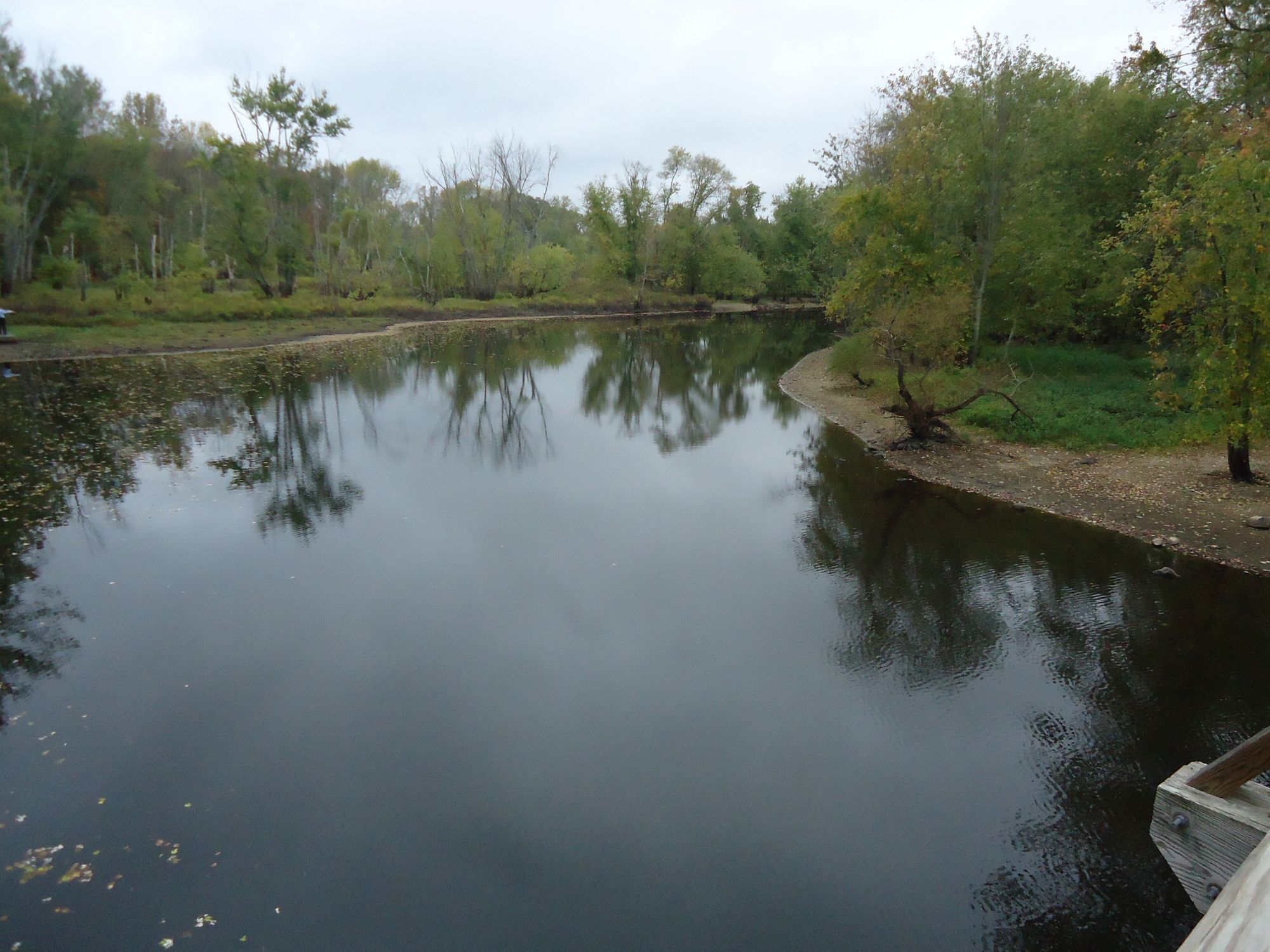
Concord River
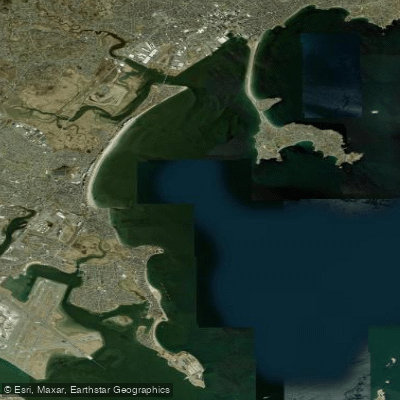
Broad Sound
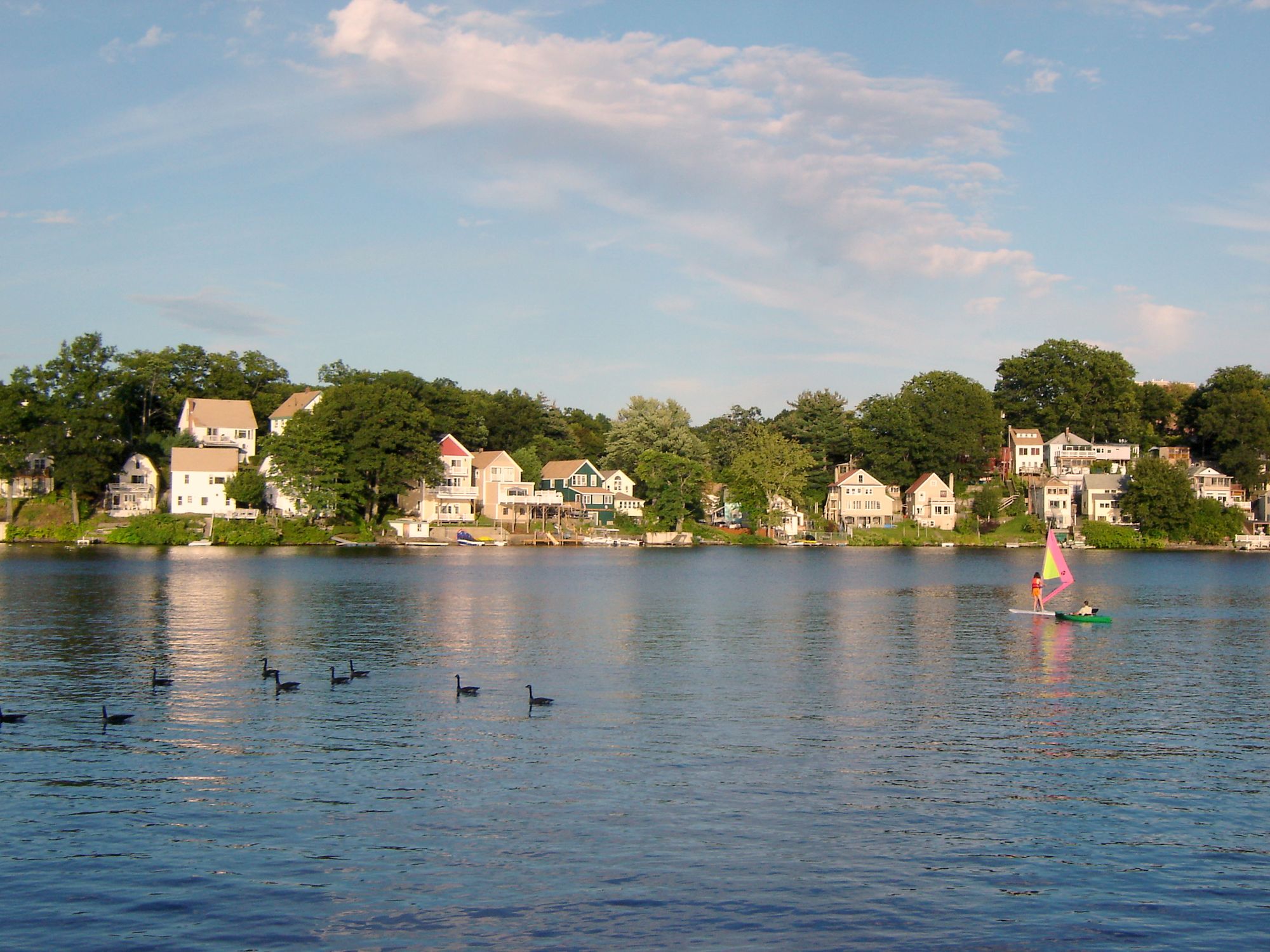
Lake Quinsigamond
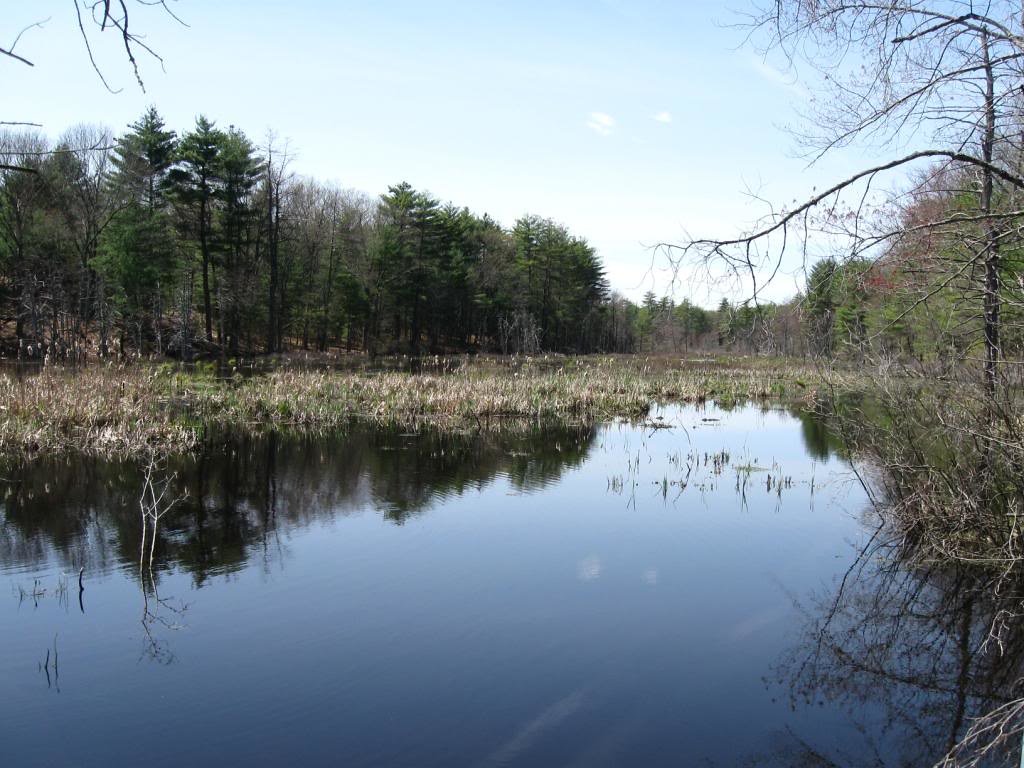
Assabet River
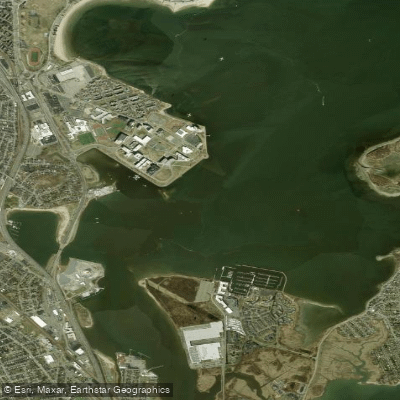
Dorchester Bay
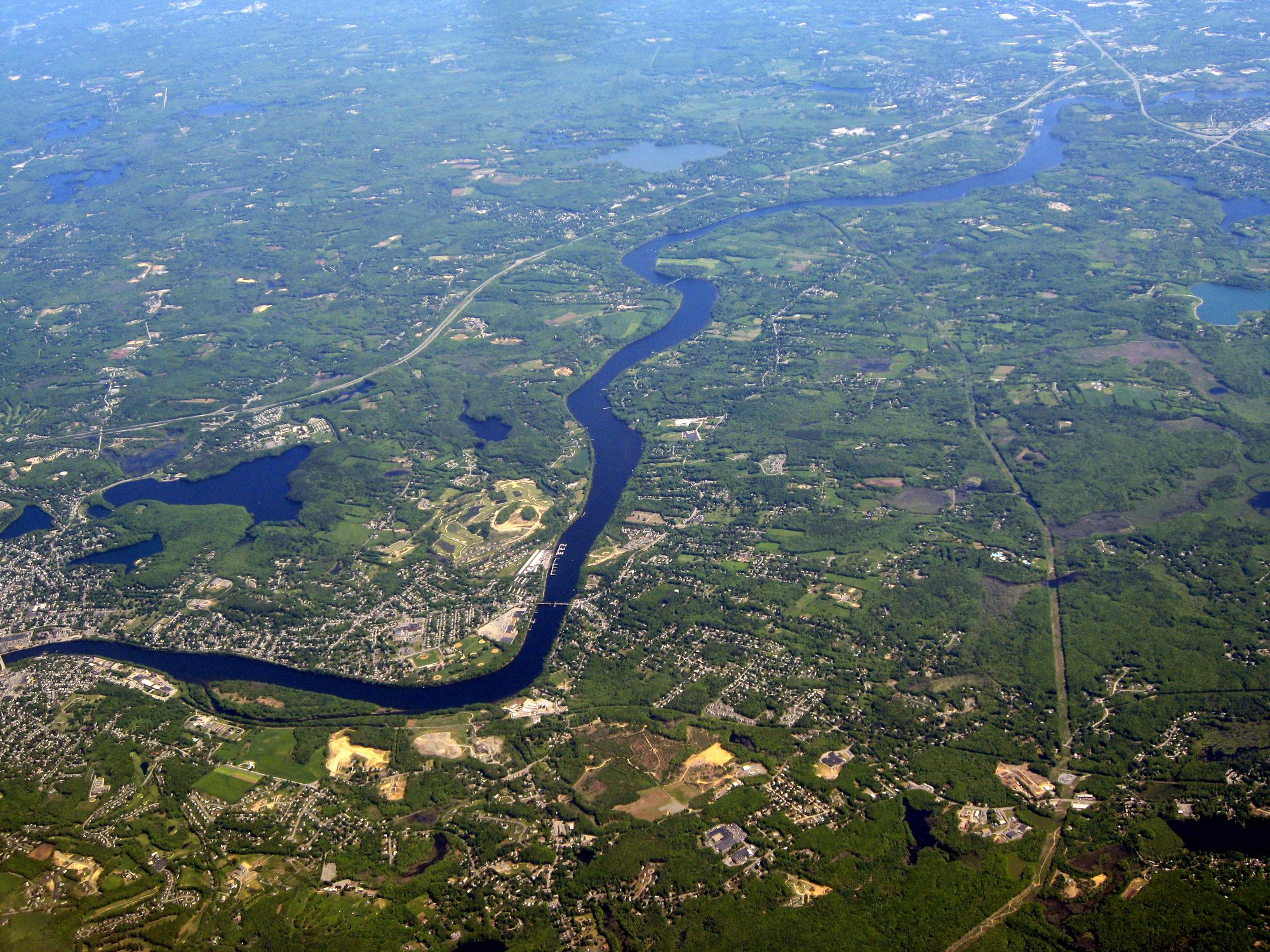
Merrimack River
What to know
Habitat Distribution
- In Massachusetts, they primarily inhabit the Connecticut River system, along with select lakes and ponds.
Key Locations
- The Connecticut River system produces the largest specimens.
- Key waters include Ashfield Lake, and various sections of the Connecticut River from Gill to Hatfield.
- The Connecticut River offers the best trophy channel catfish opportunities in Massachusetts, particularly around Gill, Hatfield, and other deep pools with current breaks.
Specific Spots
- Target deeper holes (10-15 feet), current breaks, areas around submerged structure, and transitions between fast and slow water.
- In reservoirs and ponds, focus on deeper flats around 18 feet, drop-offs, and areas near timber or rocky structure.
- During hot summer days, concentrate efforts in the deepest available water with good oxygen levels.
- They prefer deeper pools during the day, moving to shallow water to feed at dusk and overnight.
Channel Catfish FAQ
Answers from onWater's species guide.
What are the best lures and bait for Channel Catfish in Massachusetts?
The most effective baits include fresh cut bait (yellow perch chunks are especially productive), nightcrawlers (2-3 on a hook), chicken livers, and prepared punch baits for smaller fish.
When is the best time to fish for Channel Catfish in Massachusetts?
Late spring through early fall, with peak action during warm weather periods. Avoid fishing during the spawn (May-July).
How do you catch Channel Catfish in Massachusetts?
Fish finder rigs with sufficient weight to hold bottom work well in current, while slip bobber rigs are effective in calmer water.
What do Channel Catfish eat?
They're opportunistic omnivores with diet varying by size - juveniles feed on detritus, zooplankton, and aquatic invertebrates, while adults consume mainly fish (75% of diet for specimens over 18 inches), crayfish, insects, and aquatic vegetation.
Where do Channel Catfish live in Massachusetts?
In Massachusetts, they primarily inhabit the Connecticut River system, along with select lakes and ponds.
Fish smarter with real-time insights
Whether you're en route and conditions shift or you're looking for the best spot based on current flows, we enable you to make informed decisions on the fly.




See it in the app
Most maps show you water.
onWater shows you Channel Catfish.



- 01 · Species map filter
Map every Channel Catfish water
Pick Channel Catfish and the map zeroes in on the waters they call home. No more guessing which lake holds them.
- 02 · Waterbody species
Tap any water. See what lives there.
Species, behavior and seasonal patterns for every lake, river and pond, before you leave the driveway.
- 03 · Angler Intelligence
Ask how to catch Channel Catfish
Tactics, gear and timing from onWater's AI fishing guide, tuned to the species and the water you're on.
Stop guessing where Channel Catfish are.
Open the map, filter by Channel Catfish, and head to water that holds them. Download onWater and plan your next trip in minutes.
- Species map filter
- Angler Intelligence
- Fishing journal
Explore other species
Trout, bass, salmon, panfish and everything in between. Each guide unpacks the behavior, seasons, and tactics that put fish in the net.
No species information available.
Massachusetts licenses and regulations
Explore nearby waters
Explore Massachusetts waters
Top fishing waters
Popular Cities
Loading popular cities...

Smarter Fishing Starts in the App.
onWater Fish gives you everything you need to plan smarter, fish better, and own every trip from first cast to last.