Alewife

Alewife are anadromous herring native to Massachusetts coastal waters. Massachusetts has 86 documented alewife runs out of 170 total river herring runs statewide, making them the most abundant river herring species.
Alewife are macrohabitat generalists that can form landlocked populations but most Massachusetts populations are anadromous.
Scientific Name: Alosa pseudoharengus
Also known as river herring
- Ranging from 8.5-13 inches with an average of 10.58 inches.
- They're characterized by grayish-blue backs, silvery sides, large eyes, and strongly serrated abdomens.
Fishing in Massachusetts
Wachusett Reservoir
Lake Cochituate
Massachusetts Bay
Sudbury River
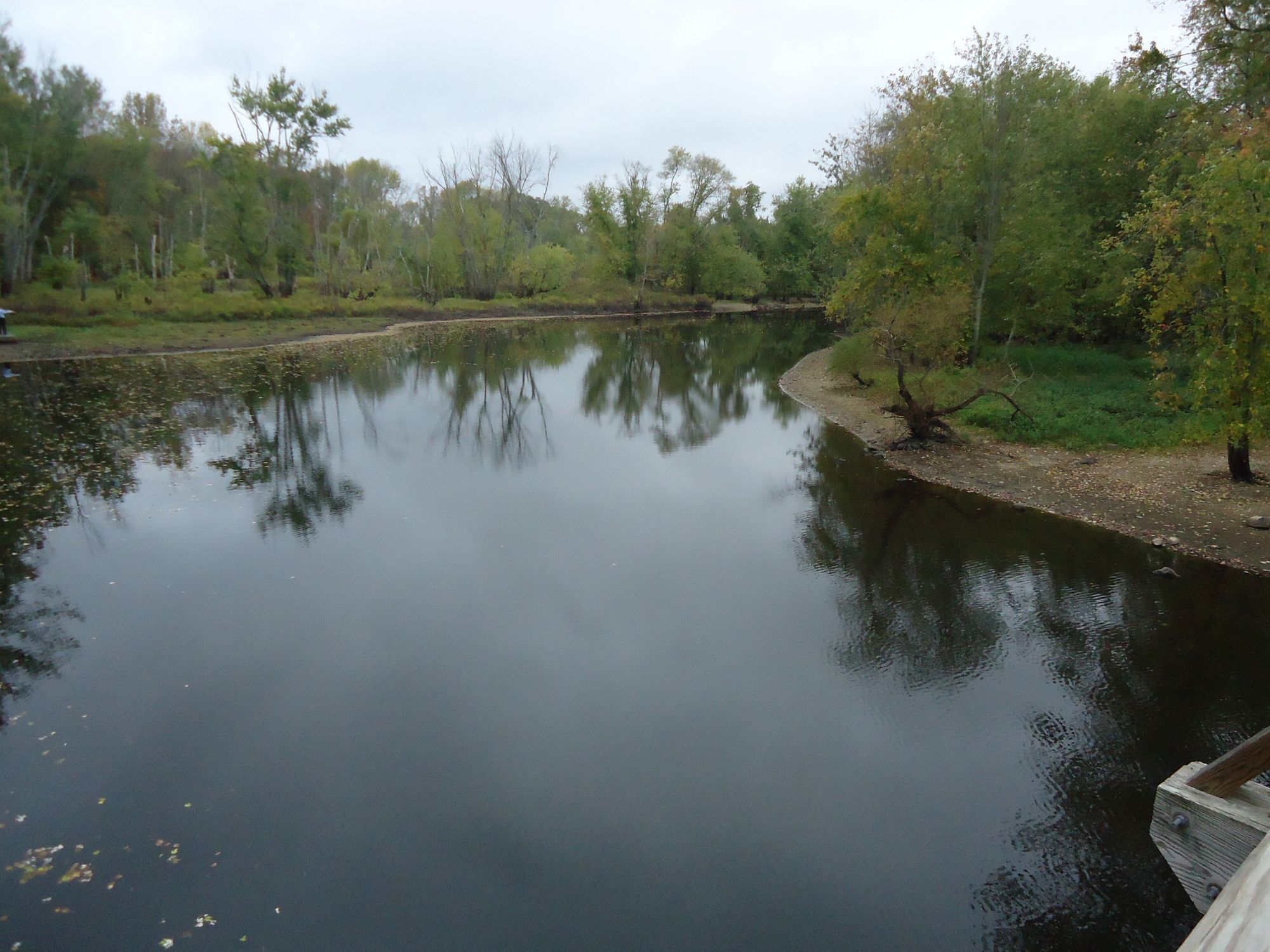
Concord River
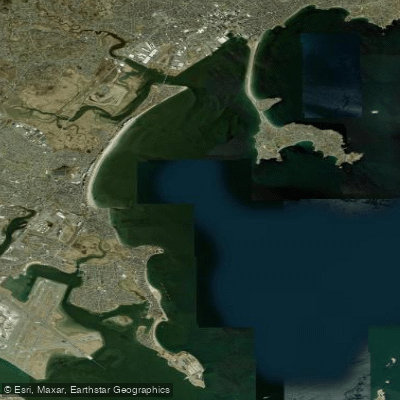
Broad Sound
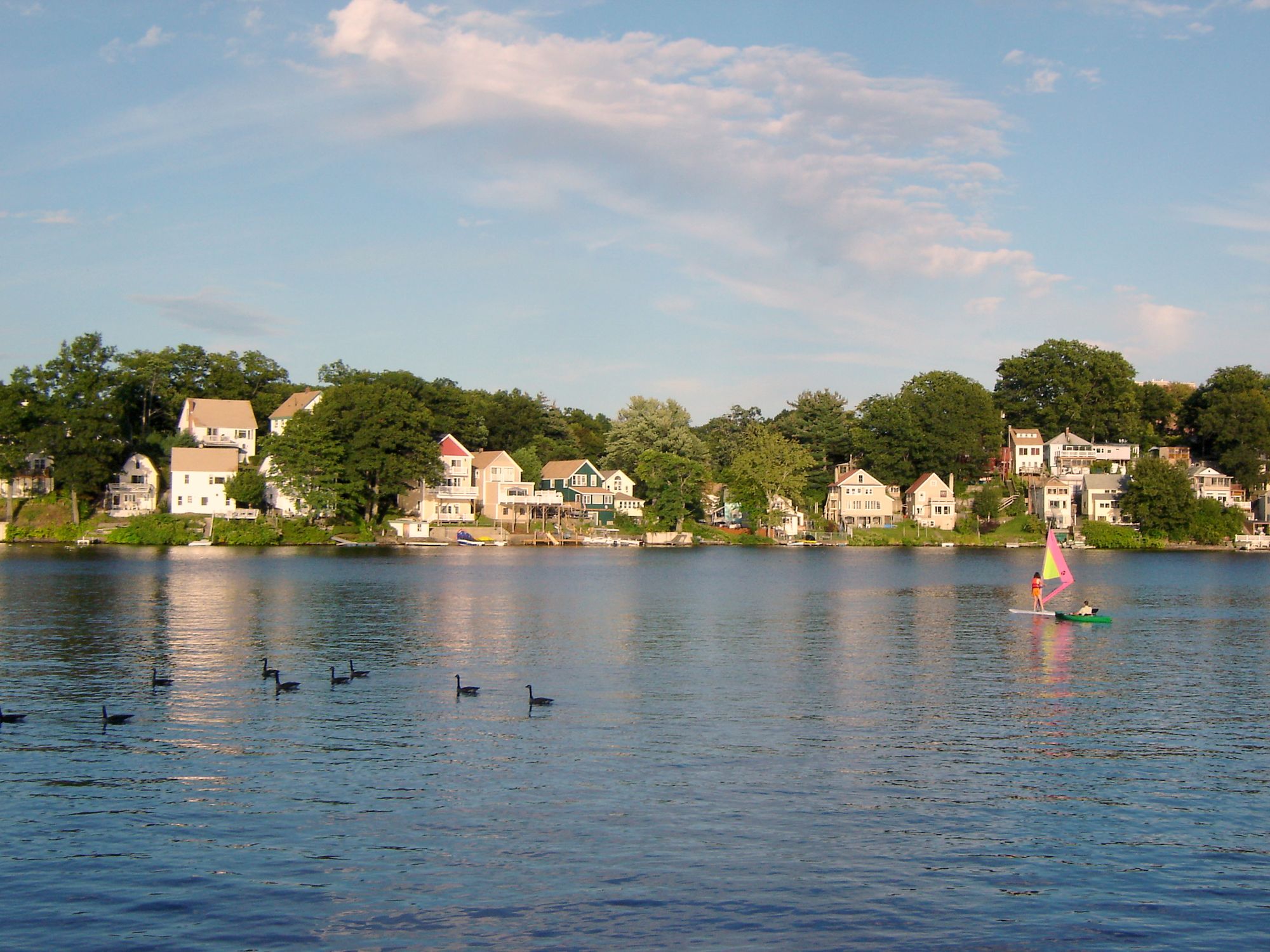
Lake Quinsigamond
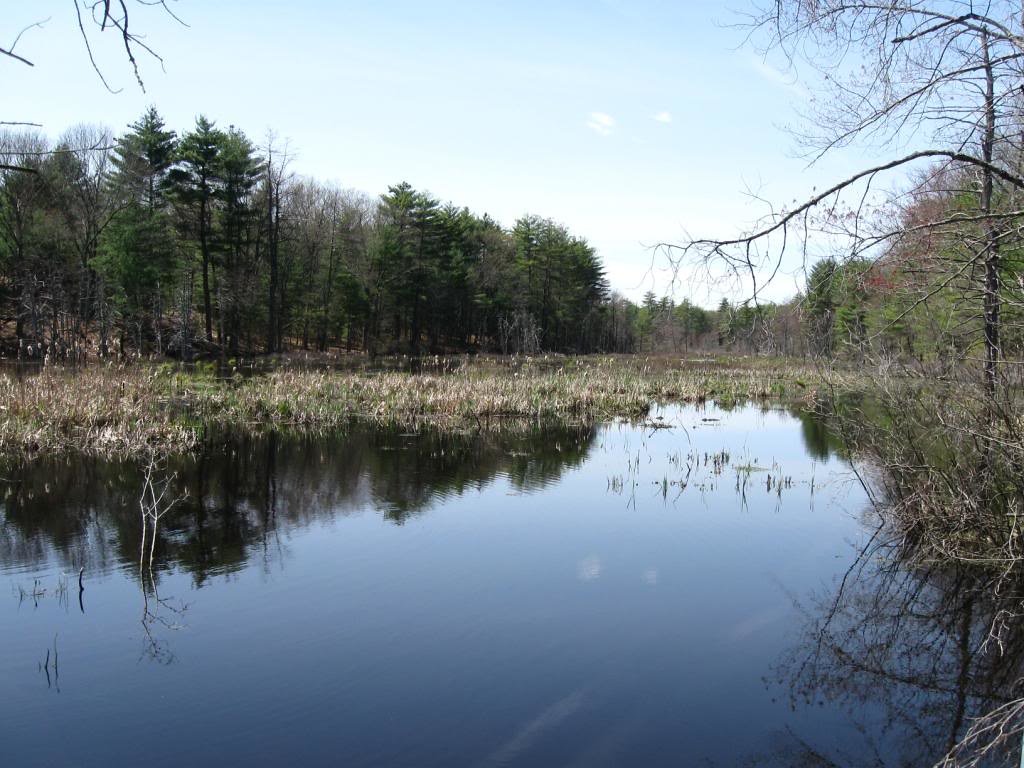
Assabet River
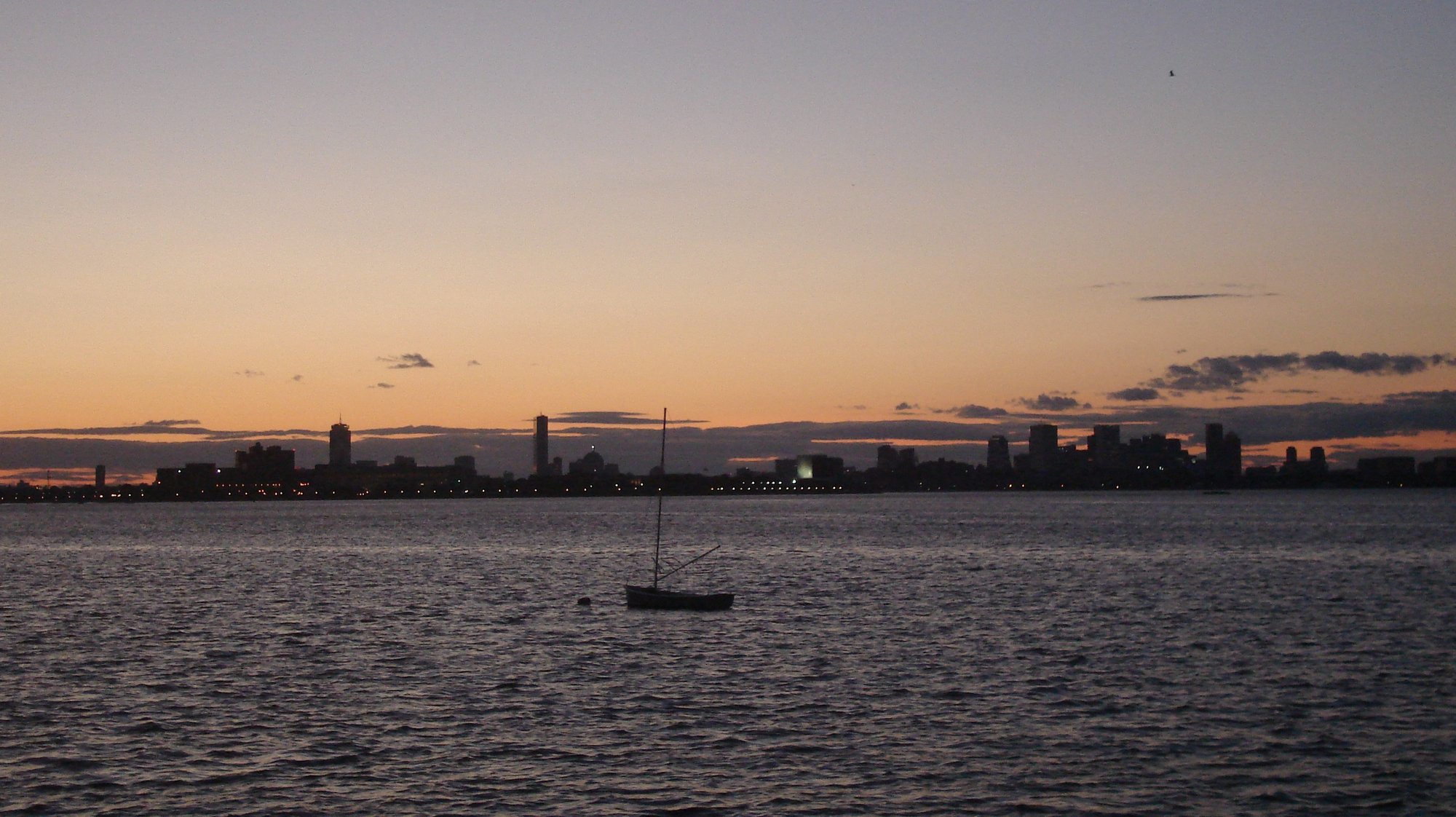
Dorchester Bay
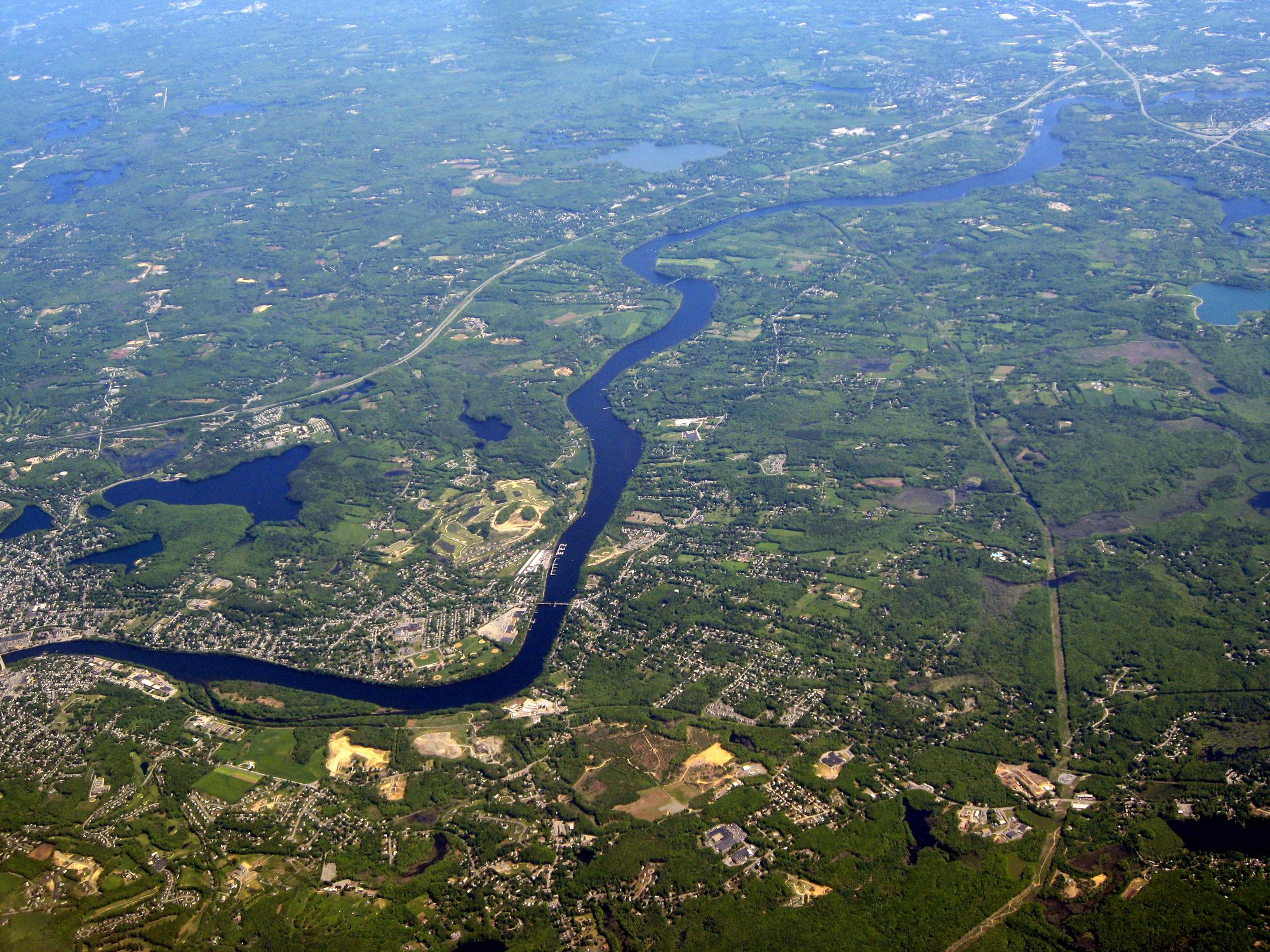
Merrimack River
What to know
Habitat Distribution
- Adults spend most of their lives in shallow marine waters (
- They spawn in fresh-water ponds and slow-moving streams.
Key Locations
- Found in coastal streams from the Connecticut River to the Merrimack River, with key populations in streams like Monument River, Mashpee River, Herring River in Harwich, Agawam River, Mattapoisett River, and Red Brook.
- Key fishing locations include the Charles River Basin (North Point Park area with bridges and river crossings), Alewife Brook (tributary of Mystic River with yellow perch, bass, and pickerel), and various coastal streams on Cape Cod.
- When targeting other species during alewife runs, anglers can expect to encounter them in coastal streams, particularly the Ipswich River, Charles River, and tributaries of systems like the Merrimack and Connecticut rivers.
Specific Spots
- Fresh-water ponds and slow-moving sections of coastal streams.
Alewife FAQ
Answers from onWater's species guide.
What flies work for Alewife in Massachusetts?
For fly fishing targeting other species in areas where alewife are present, effective patterns include juvenile alewife imitations tied 3-4 inches long with white bucktail bodies, yellow and blue layers, peacock herl backs, and large eyes.
When is the best time to fish for Alewife in Massachusetts?
April through June when water temperatures reach 51°F, with spawning typically occurring several weeks earlier than blueback herring. Alewife runs coincide with excellent striped bass fishing from April-June as bass follow the herring runs.
How do you catch Alewife in Massachusetts?
Since alewife cannot be harvested, focus on catch-and-release fishing for other species that feed on them during the runs.
What do Alewife eat?
Adults feeding on zooplankton, small crustaceans, and baitfish. Juveniles feed primarily on zooplankton while in freshwater.
Where do Alewife live in Massachusetts?
Adults spend most of their lives in shallow marine waters ( They spawn in fresh-water ponds and slow-moving streams.
Fish smarter with real-time insights
Whether you're en route and conditions shift or you're looking for the best spot based on current flows, we enable you to make informed decisions on the fly.




See it in the app
Most maps show you water.
onWater shows you Alewife.
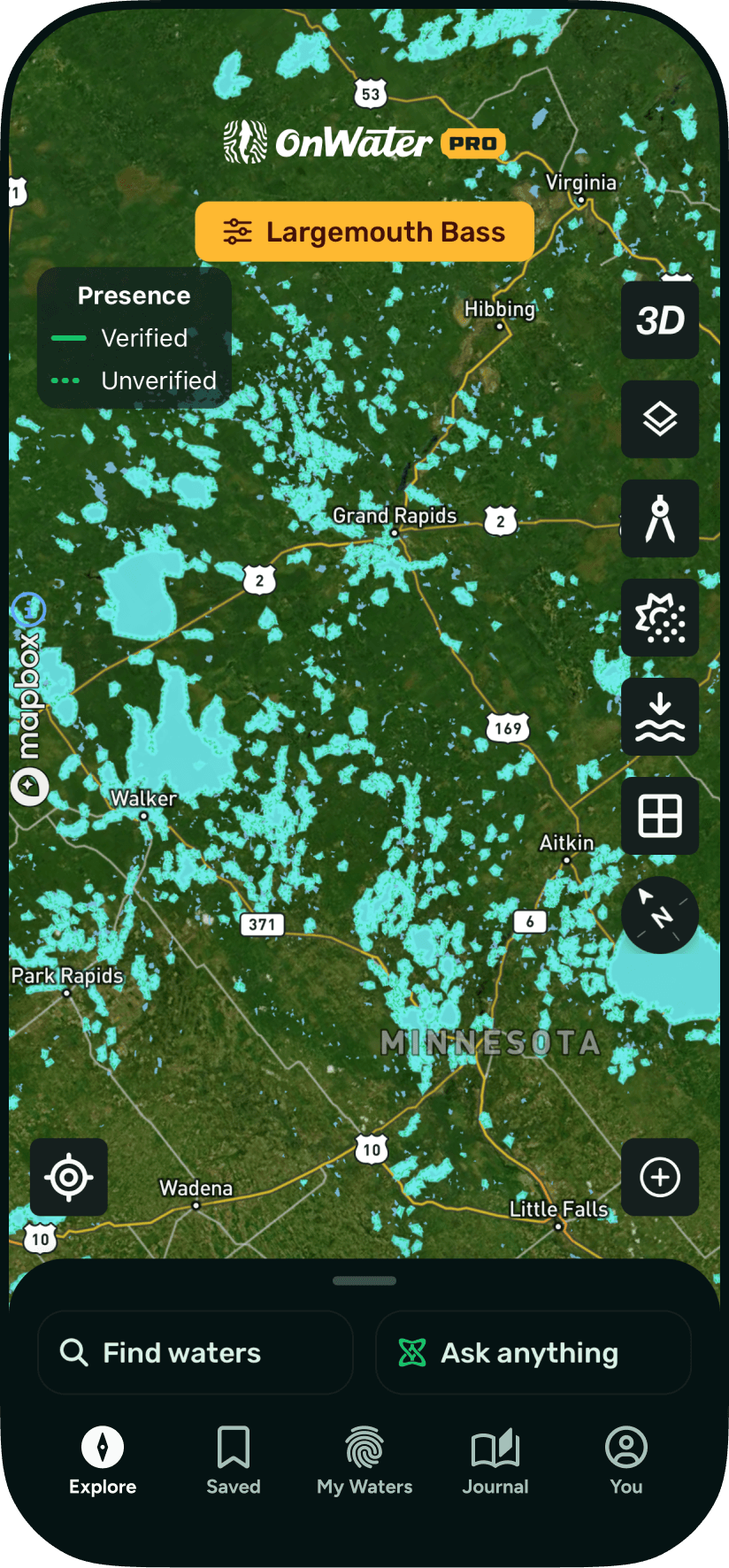
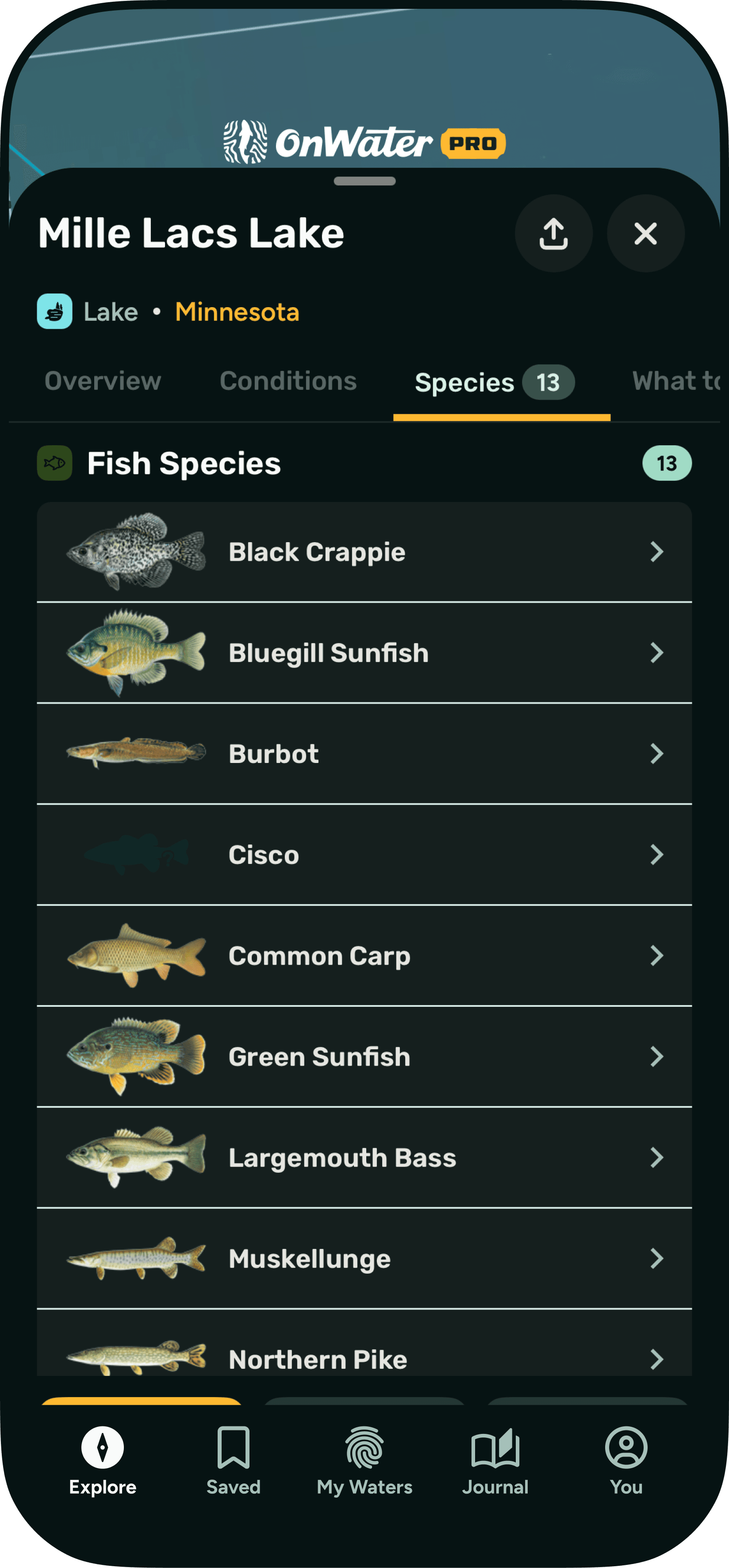
- 01 · Species map filter
Map every Alewife water
Pick Alewife and the map zeroes in on the waters they call home. No more guessing which lake holds them.
- 02 · Waterbody species
Tap any water. See what lives there.
Species, behavior and seasonal patterns for every lake, river and pond, before you leave the driveway.
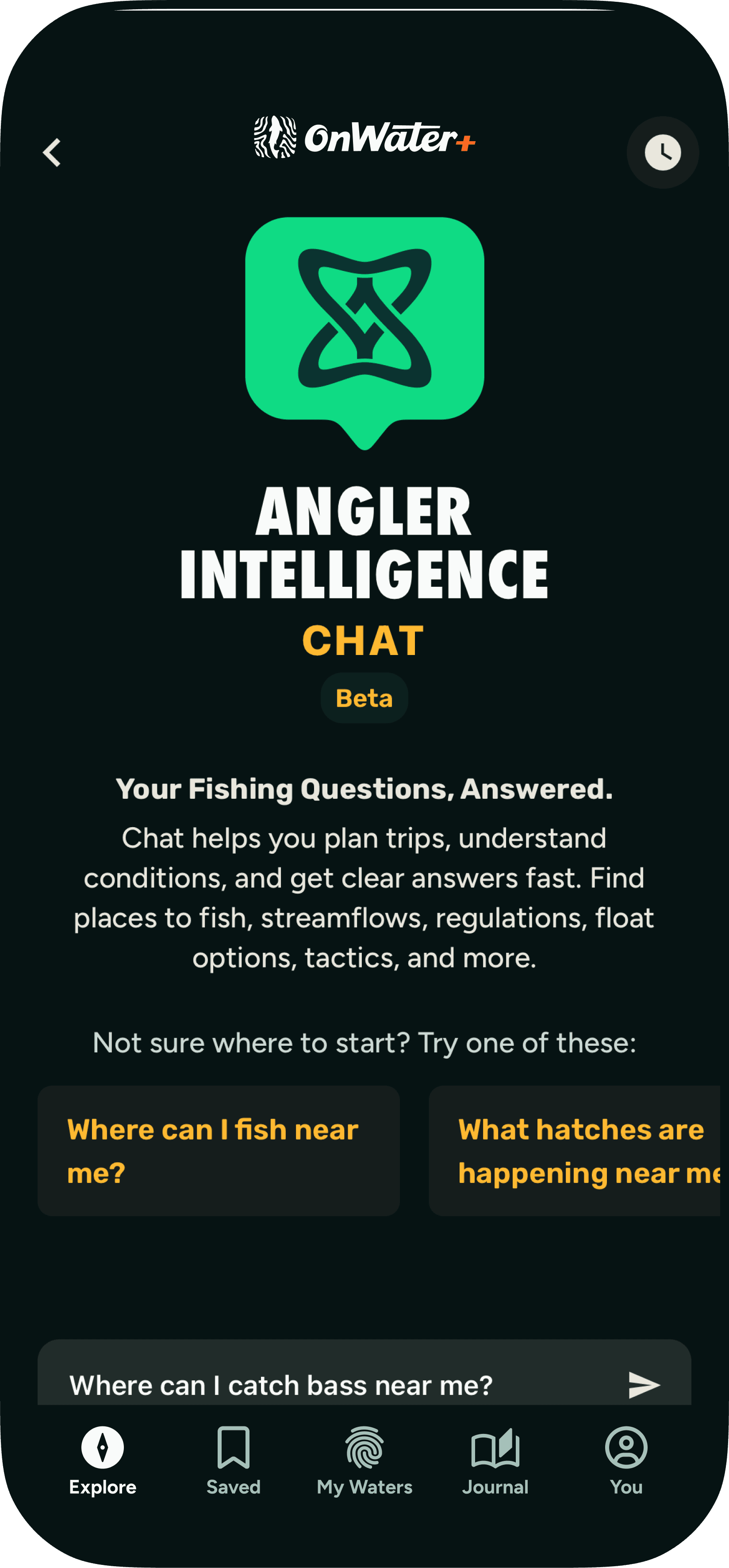
- 03 · Angler Intelligence
Ask how to catch Alewife
Tactics, gear and timing from onWater's AI fishing guide, tuned to the species and the water you're on.
Stop guessing where Alewife are.
Open the map, filter by Alewife, and head to water that holds them. Download onWater and plan your next trip in minutes.
- Species map filter
- Angler Intelligence
- Fishing journal
Explore other species
Trout, bass, salmon, panfish and everything in between. Each guide unpacks the behavior, seasons, and tactics that put fish in the net.
Find which waters have the species you want to catch
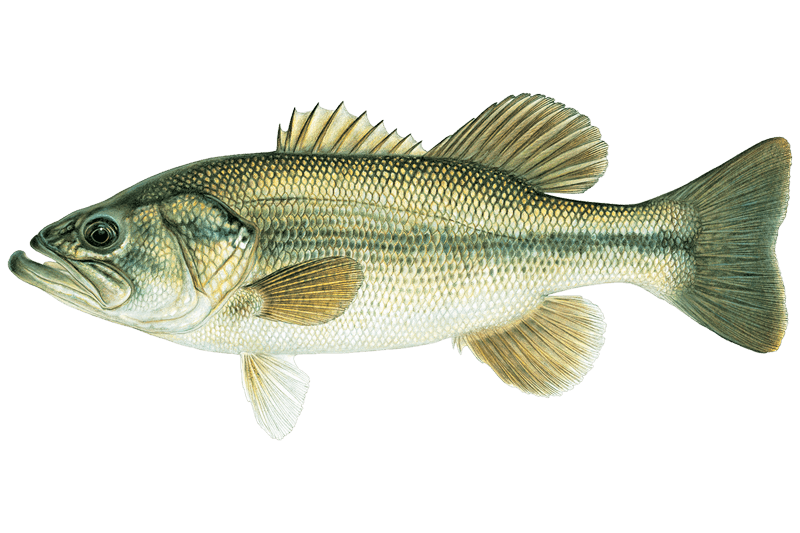
Largemouth Bass
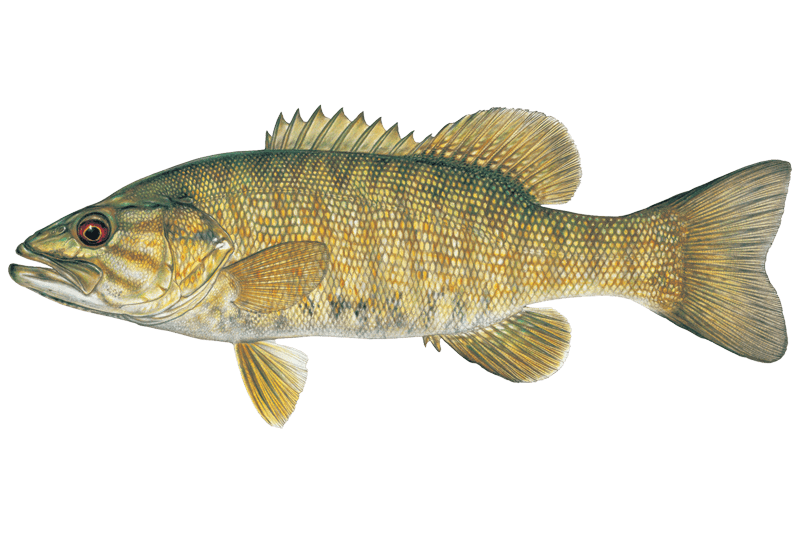
Smallmouth Bass
Micropterus dolomieu
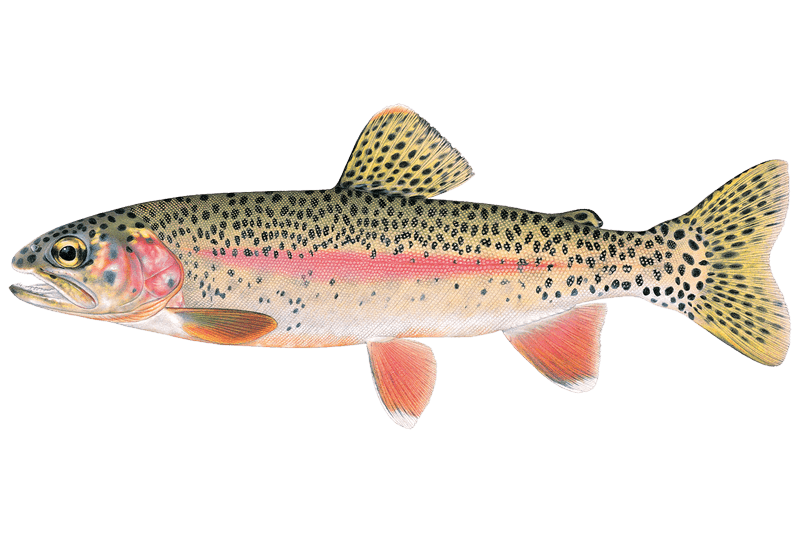
Rainbow Trout
Oncorhynchus mykiss
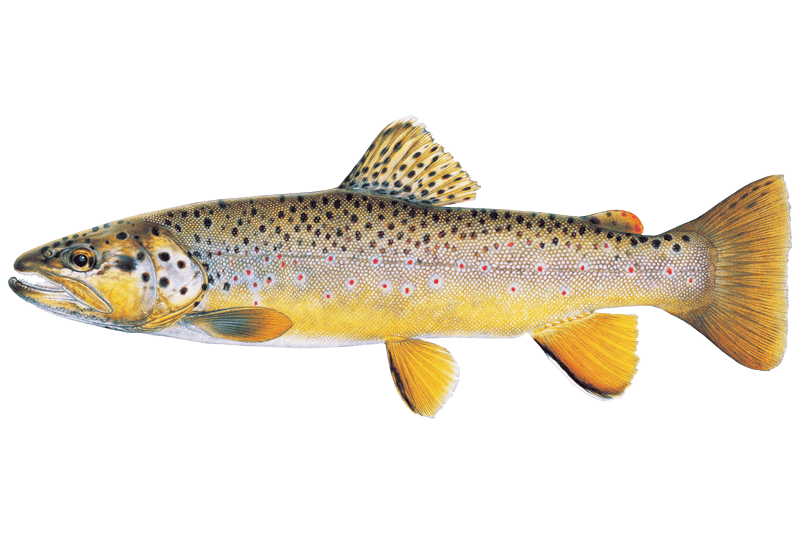
Brown Trout
Salmo trutta
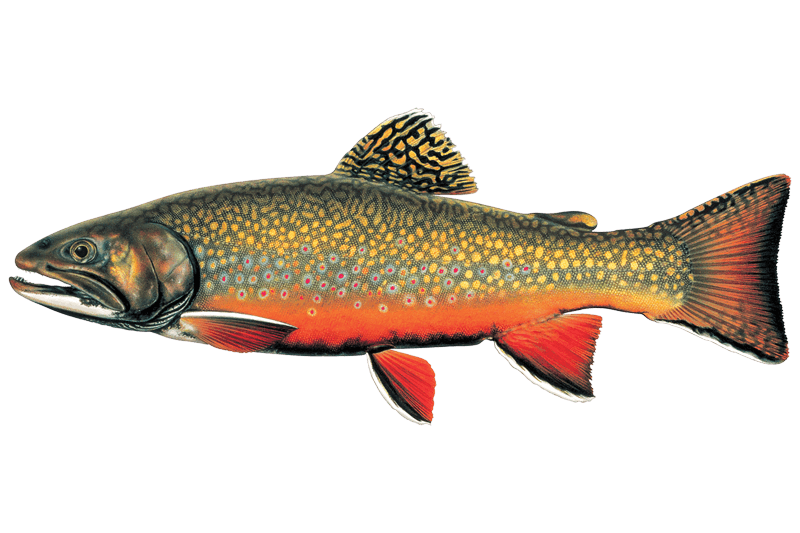
Brook Trout
Salvelinus fontinalis
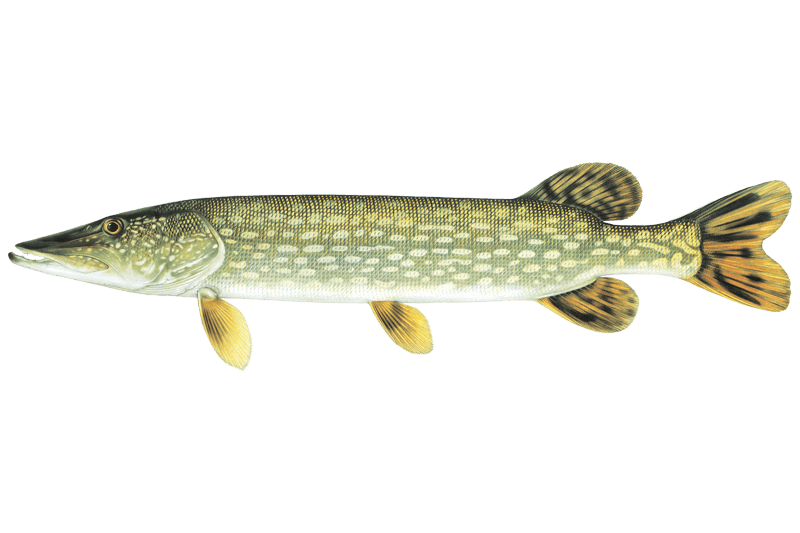
Northern Pike
Walleye
Sander vitreus
Black Crappie
Pomoxis nigromaculatus

American Eel
Anguilla rostrata
American Shad
Alosa sapidissima
Atlantic Salmon

Atlantic Sturgeon
Acipenser oxyrinchus

Black Bullhead
Ameiurus melas

Blacknose Dace
Rhinichthys atratulus

Black Sea Bass
Centropristis striata

Bluefish
Pomatomus saltatrix

Bowfin
Amia calva
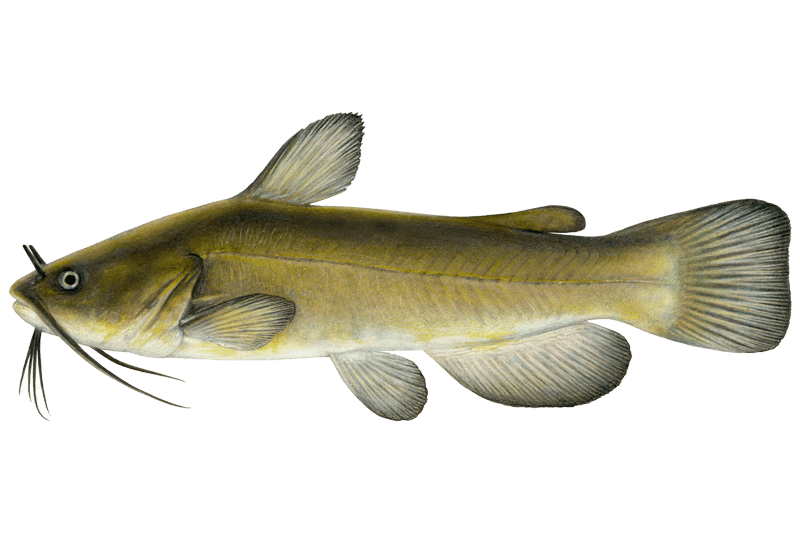
Brown Bullhead
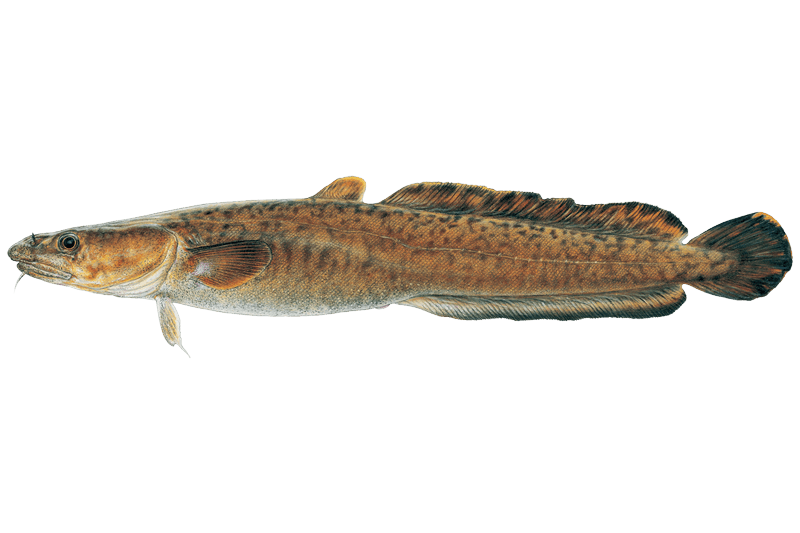
Burbot
Lota lota
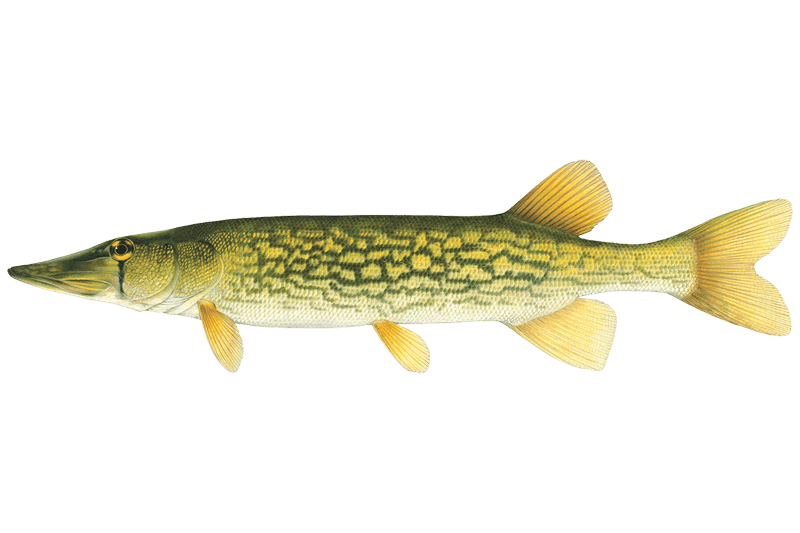
Chain Pickerel
Esox niger
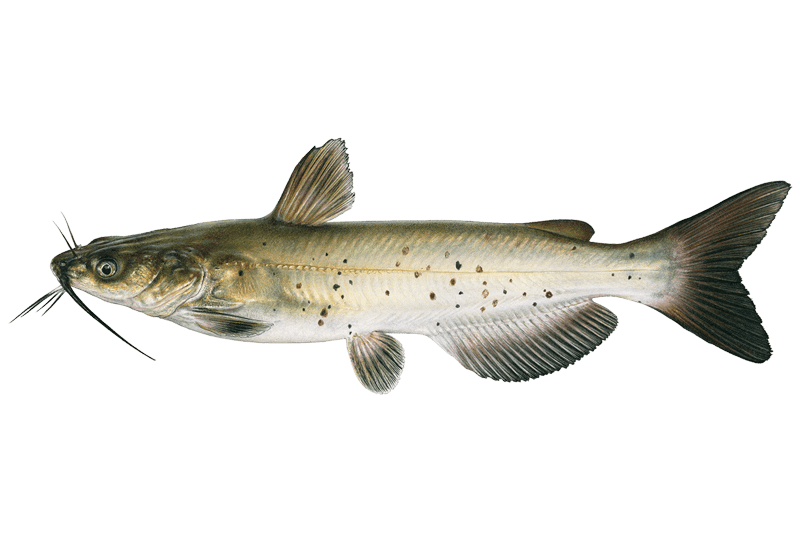
Channel Catfish
Ictalurus punctatus
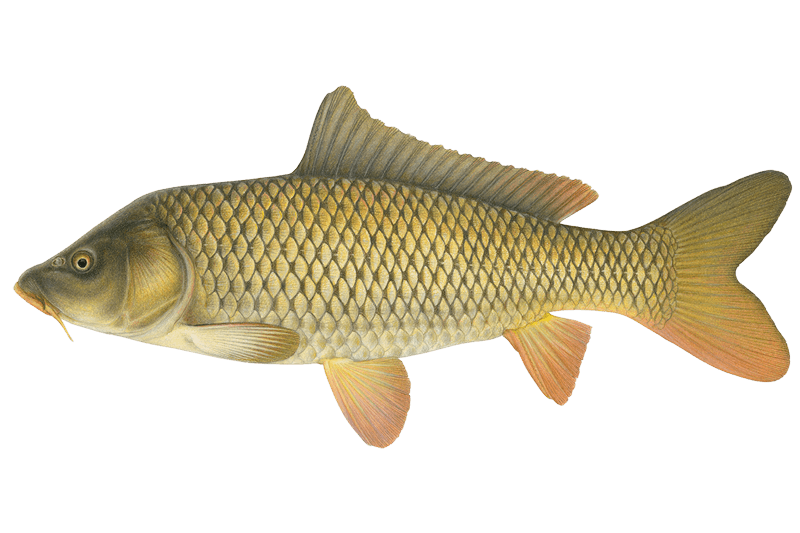
Common Carp
Cyprinus carpio

Creek Chub
Semotilus atromaculatus
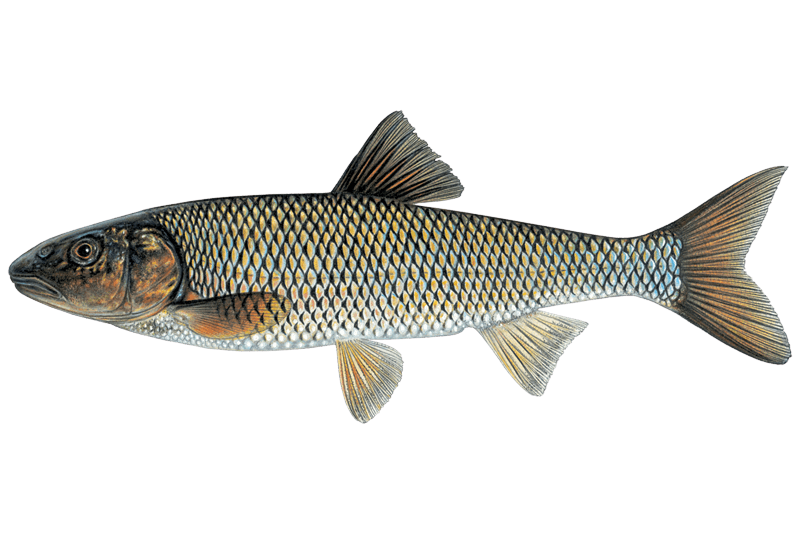
Fallfish
Semotilus corporalis

Gizzard Shad
Dorosoma cepedianum
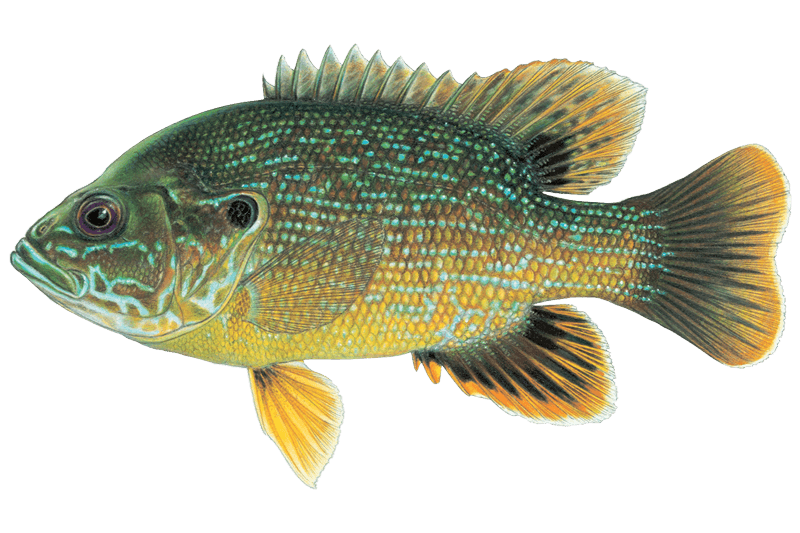
Green Sunfish
Lepomis cyanellus
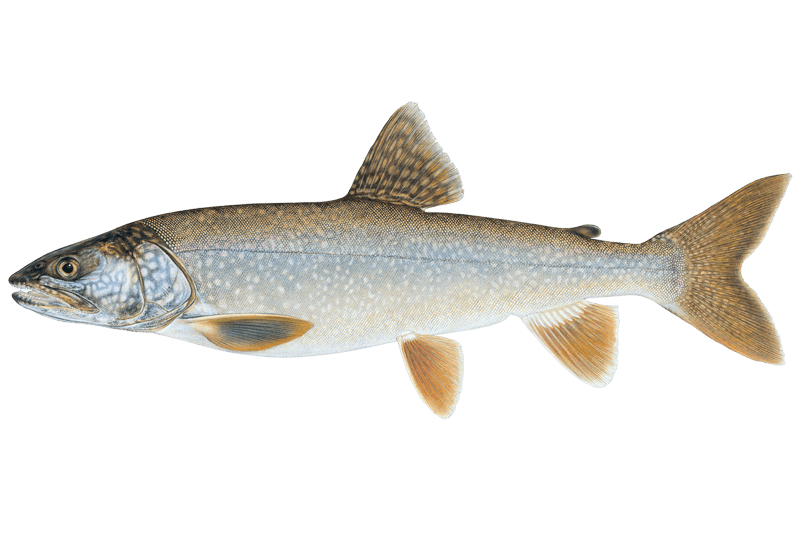
Lake Trout
Salvelinus namaycush

Longnose Sucker
Catostomus catostomus
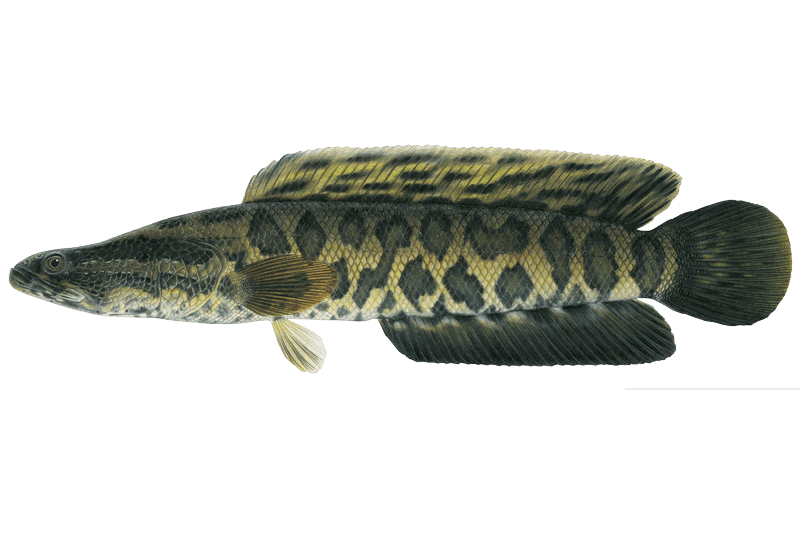
Northern Snakehead
Channa argus
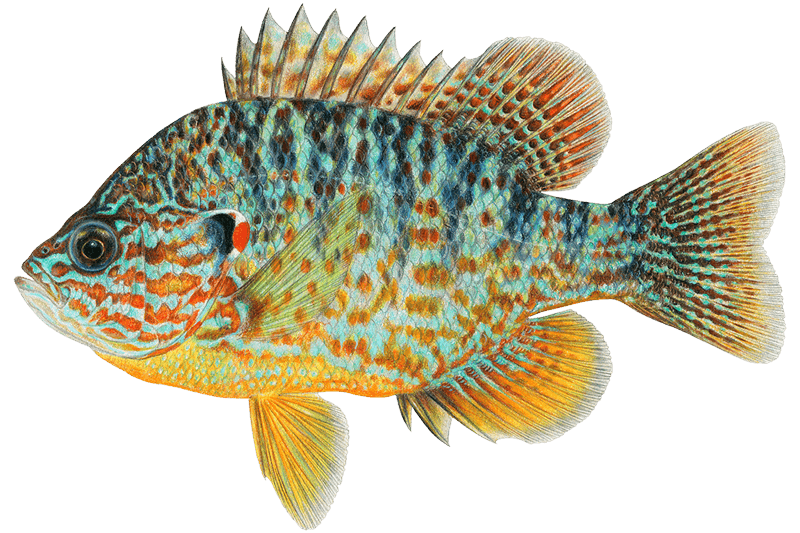
Pumpkinseed
Lepomis gibbosus

Rainbow Smelt
Osmerus mordax
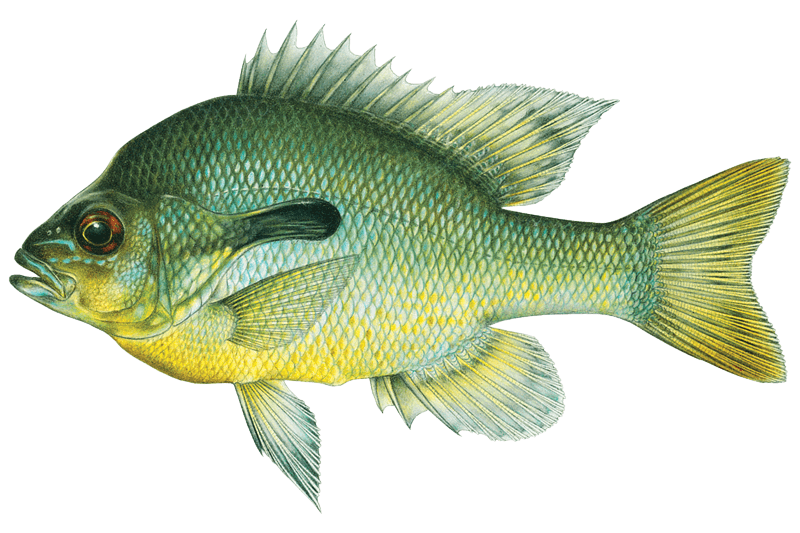
Redbreast Sunfish
Lepomis auritus
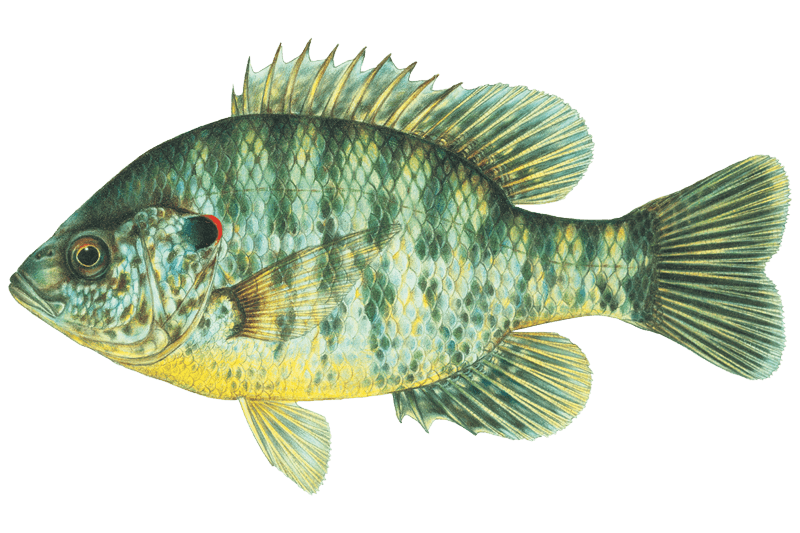
Redear Sunfish
Lepomis microlophus
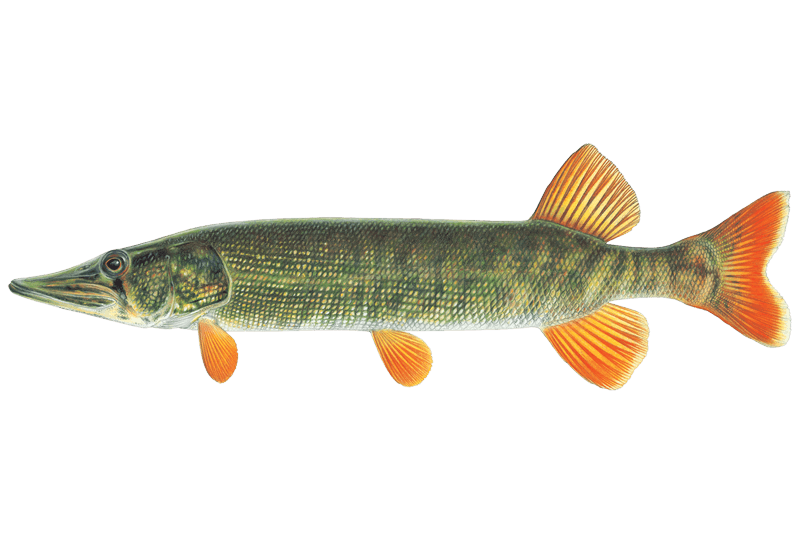
Redfin Pickerel
Esox americanus americanus
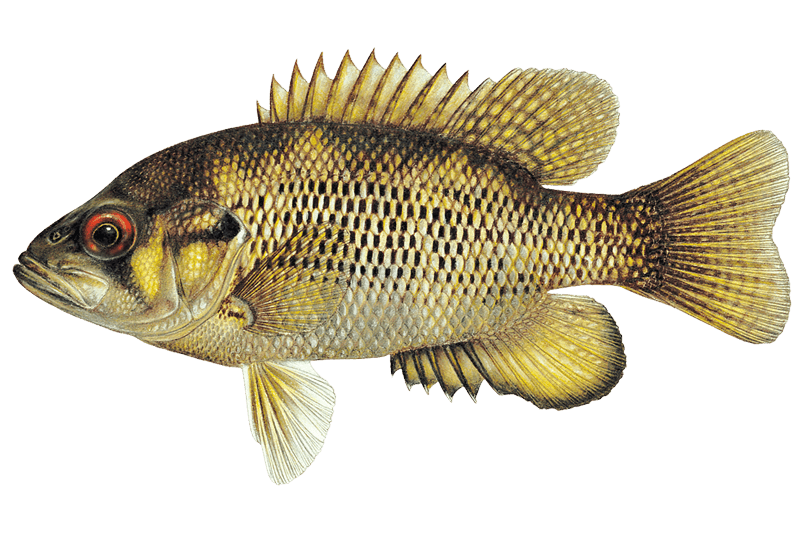
Rock Bass
Ambloplites rupestris
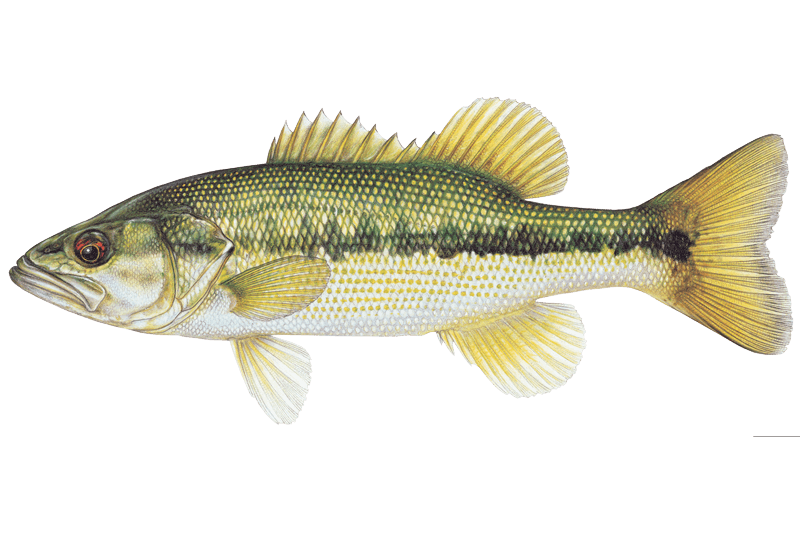
Spotted Bass
Micropterus punctulatus
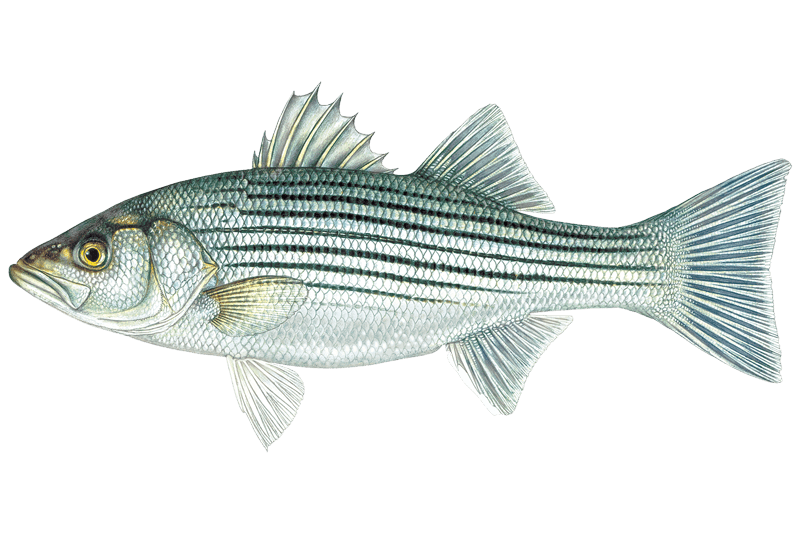
Striped Bass

Summer Flounder
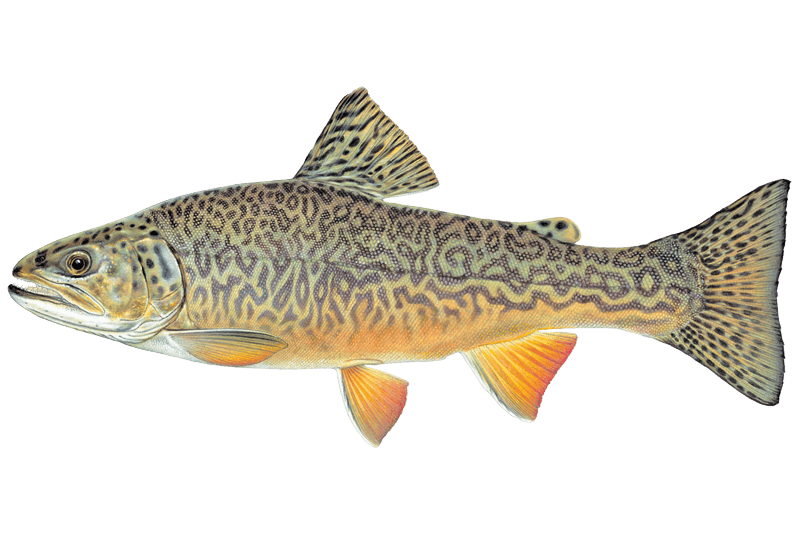
Tiger Trout
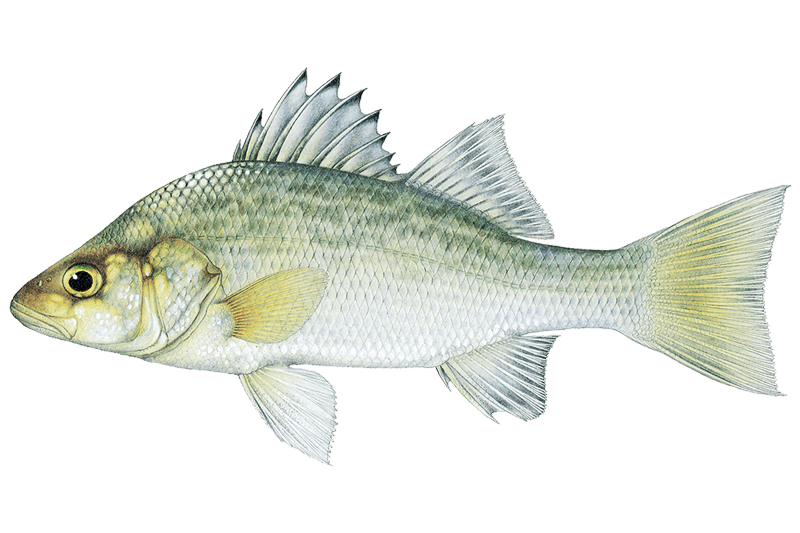
White Perch
Morone americana
Massachusetts licenses and regulations
Massachusetts Boating Regulations
When using any type of watercraft to access a body of water, it is important to follow all federal, state, and local rules and regulations. These rules and regulations include boat permitting and licensing, invasive species inspections and stamps, life jacket and PFD rules, motor size and horsepower restrictions, noise limitations, restrictions on personal watercraft, and many more. Visit the web link below for the most current rules and regulations for this body of water.

Massachusetts Fishing License
If you are 15 years of age or older, you need a license to fish. Licenses are FREE for Massachusetts residents 15-17 years of age, and those 70 and over. You can get your license online using MassFishHunt. You must carry your license with you when fishing, either as a paper copy or on your smartphone. If asked, anglers have to display a true, complete, and legible image of a valid license. Licenses expire each year on Dec. 31. You can renew your license online at MassFishHunt or print a duplicate copy if you’ve lost it.
Massachusetts Fishing Regulations
This river has a variety of species and regulations, including potential floating and/or watercraft restrictions. Because this river is specially managed for species, seasons, angling methods, and watercraft, it is strongly encouraged you to check all federal, state, and local regulations before fishing. Visit any of the links below, inquire locally, or contact a local fly shop to learn current regulations and restrictions.
Massachusetts Stream Access Laws
Massachusetts protects the public right to freely pass over all waters in the state, regardless of navigability. The rights of passage include recreation. Navigable waters are those subject to the ebb and flow of the tide, are navigable in fact or simply have the capacity for navigation, commercial or recreational.
Explore nearby waters
Explore Massachusetts waters
Top fishing waters
Popular Cities
Loading popular cities...
Smarter Fishing Starts in the App.
onWater Fish gives you everything you need to plan smarter, fish better, and own every trip from first cast to last.