Black Crappie

Black Crappie are not native to Massachusetts, having been introduced through widespread stocking programs beginning in the 1890s.
While not as plentiful as in other regions, they've established populations throughout the state, particularly in areas just off Cape Cod like Plymouth and beyond.
These medium-sized panfish are schooling species that often concentrate in specific areas of a water body.
Scientific Name: Pomoxis nigromaculatus
- These medium-sized panfish are distinguished from White Crappie by their 7-8 dorsal spines (versus 6 for White Crappie) and irregular dark blotches rather than vertical bars.
- Adult Black Crappie in Massachusetts typically reach 10-12 inches.
Fishing in Massachusetts
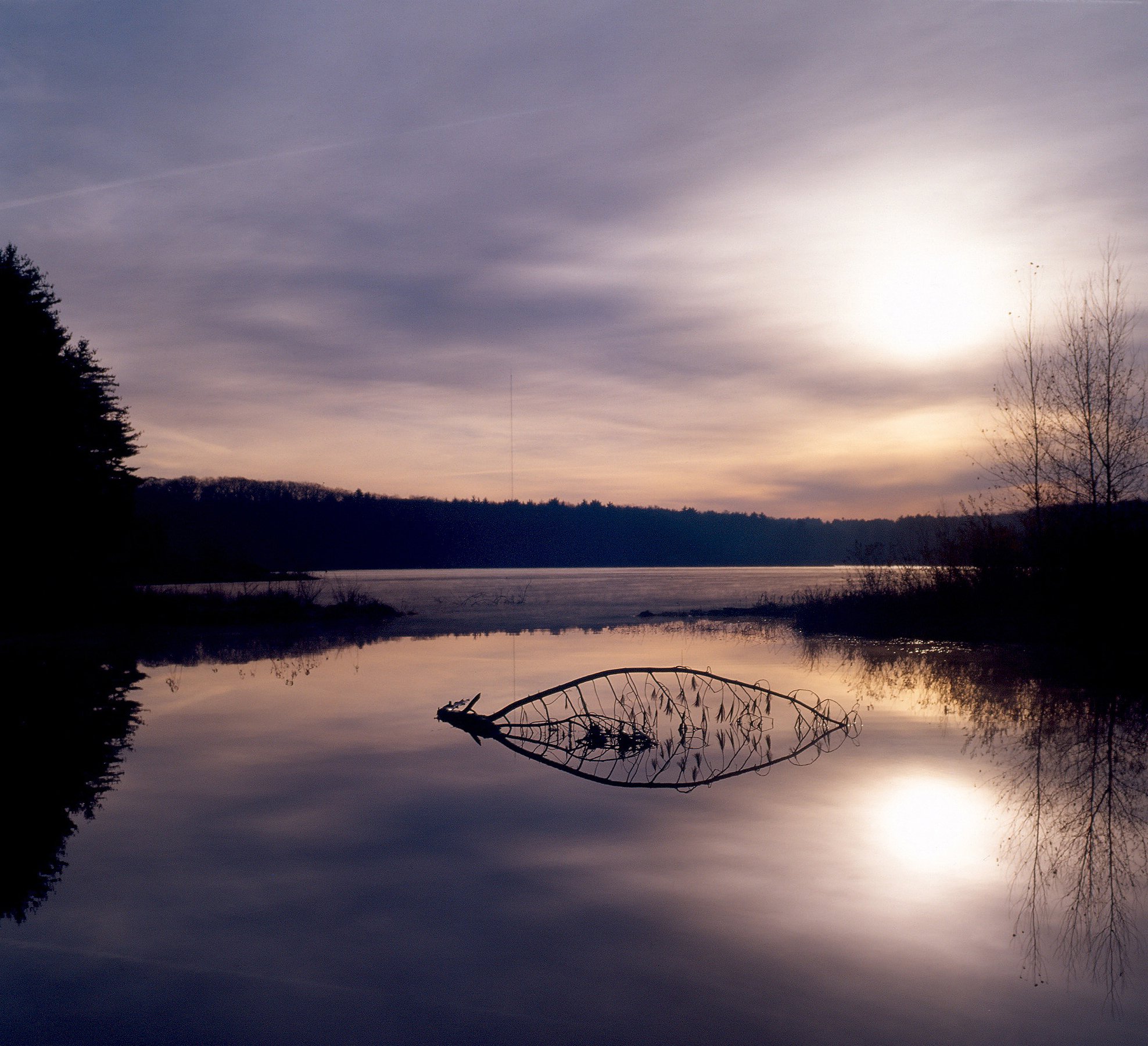
Wachusett Reservoir
Lake Cochituate
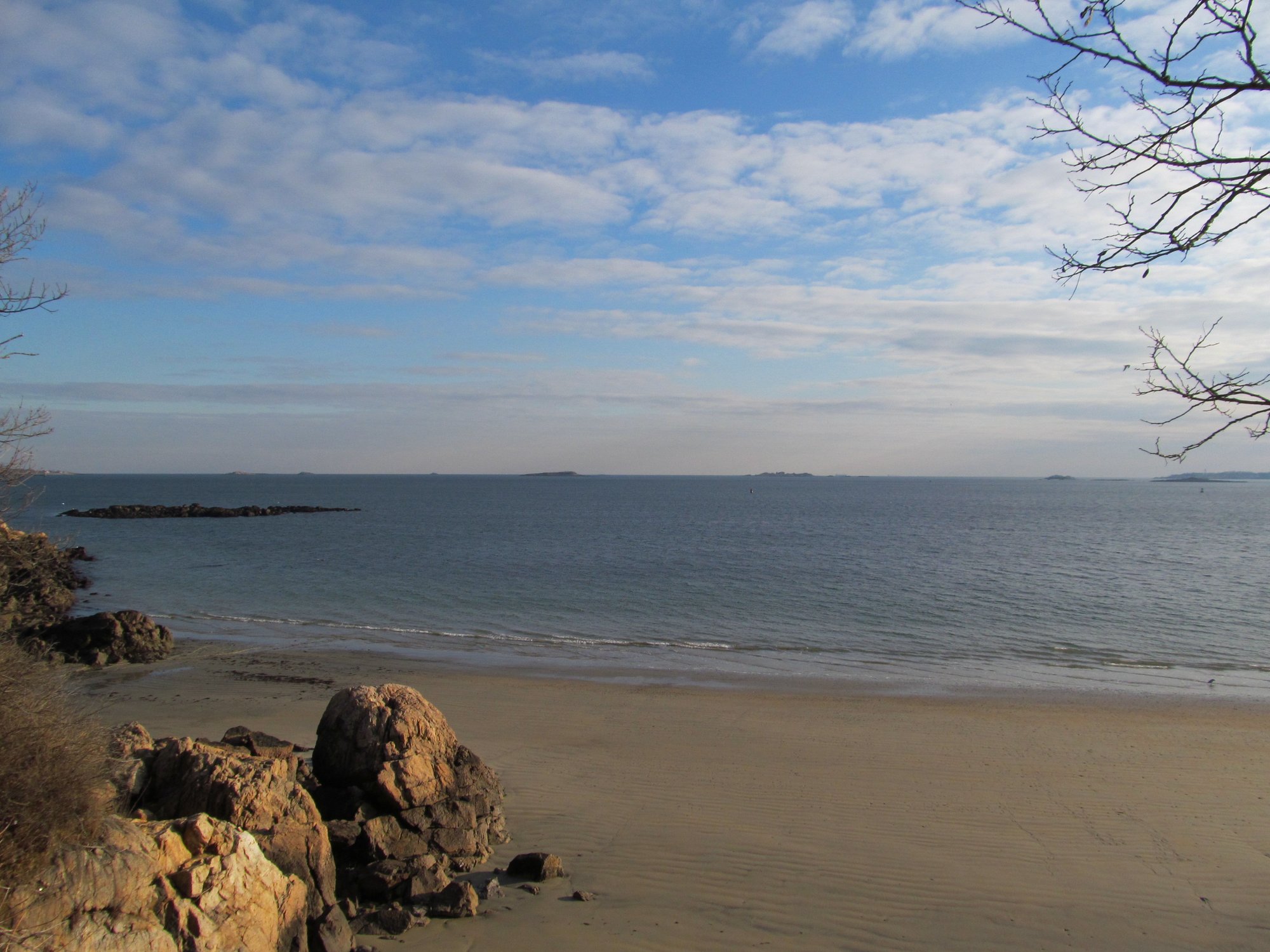
Massachusetts Bay
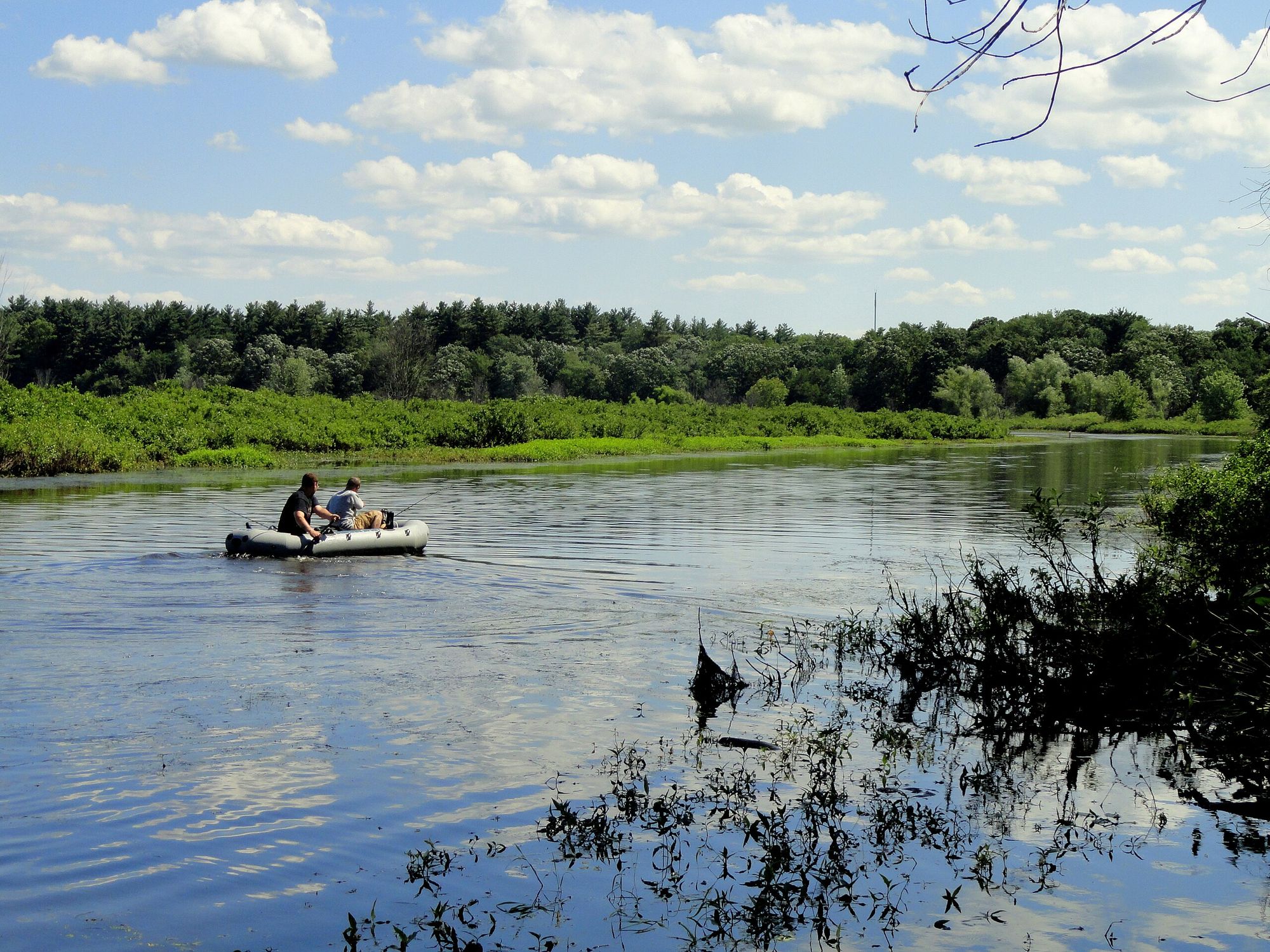
Sudbury River
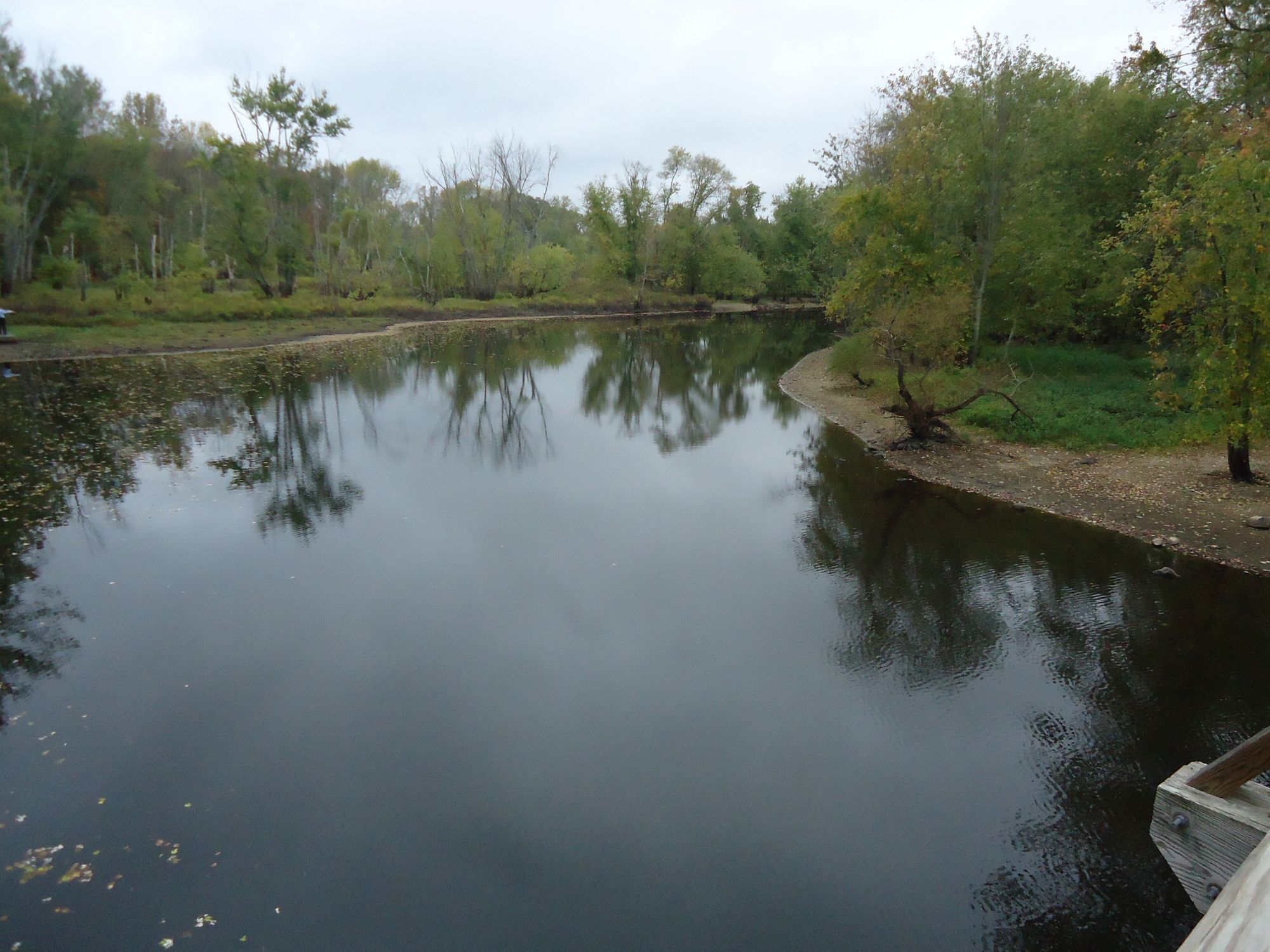
Concord River
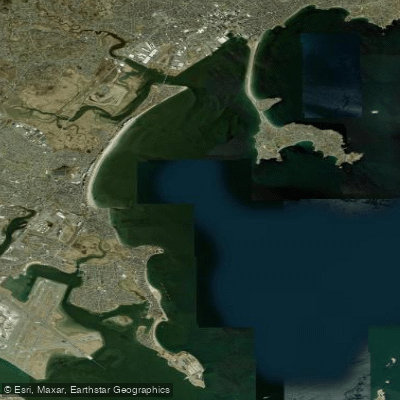
Broad Sound
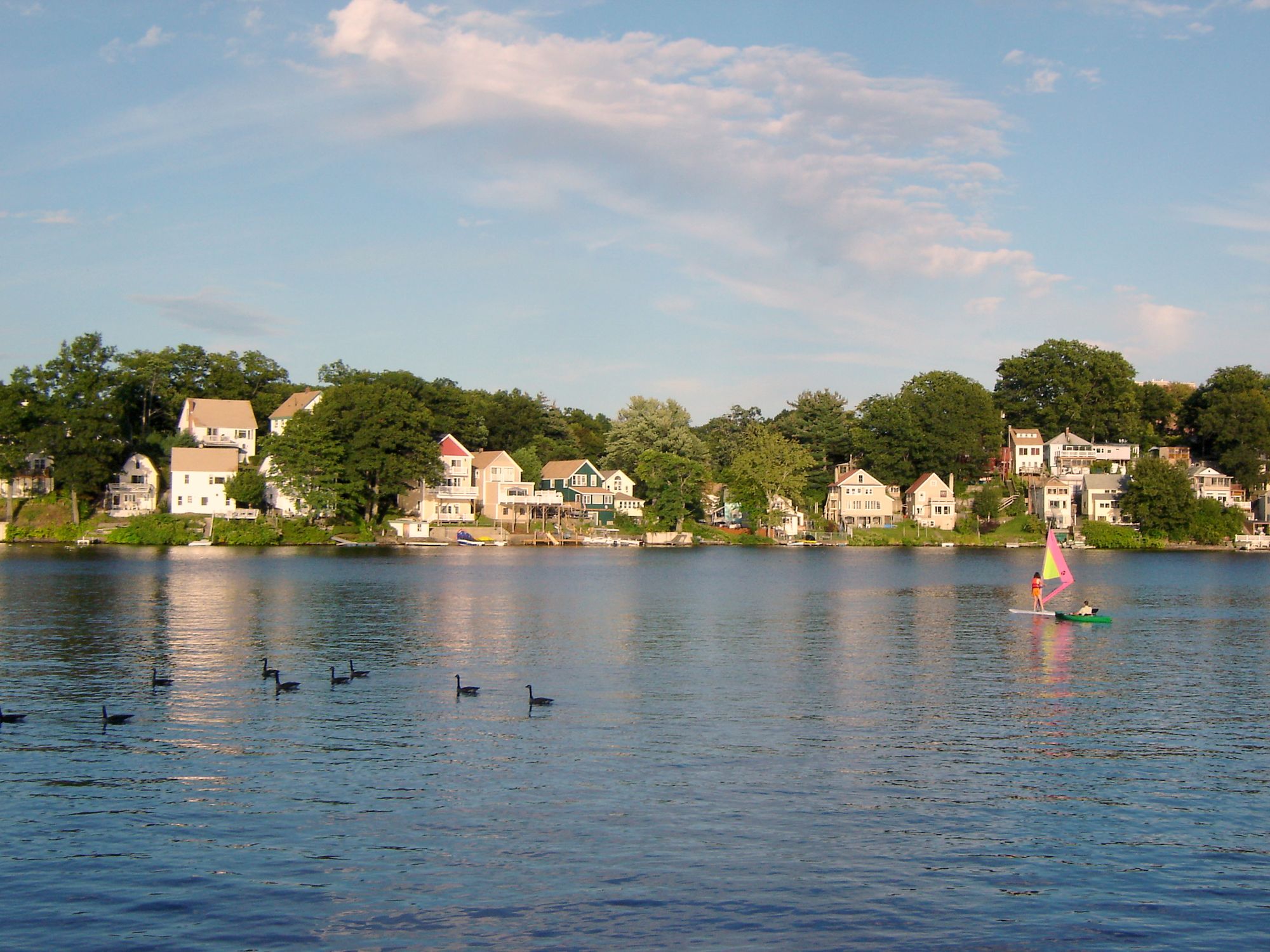
Lake Quinsigamond
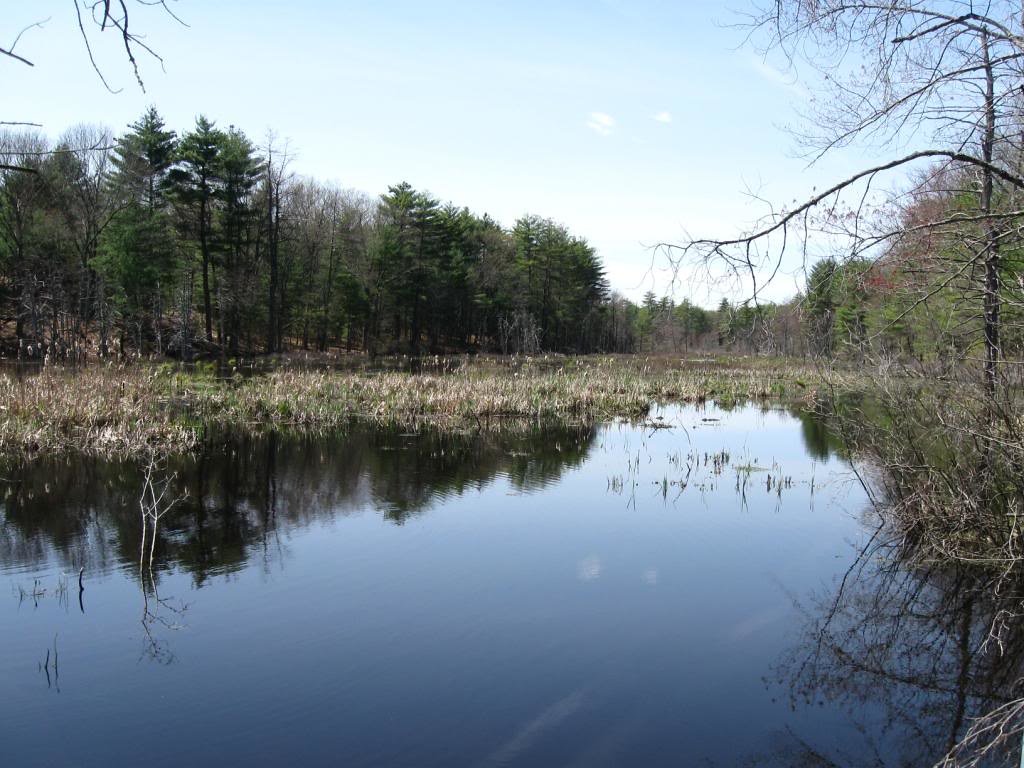
Assabet River
Dorchester Bay
Merrimack River
What to know
Habitat Distribution
- They inhabit freshwater lakes, ponds, reservoirs, and slow-moving streams, preferring areas with vegetation, submerged timber, and structure.
Key Locations
- Winnekeag Lake (Ashburnham), Quaboag/Quacumquasit Ponds (Brookfield), Lashaway Lake (East Brookfield), Coonamessett Pond (Falmouth), Assawompset Pond (Lakeville), Onota Lake (Pittsfield), Congamond Lake (Southwick), Webster Lake, Quabbin Reservoir, and the Connecticut River.
Specific Spots
- Fish around structure including submerged timber, brush piles, weedbeds, docks, and dropoffs in 6-20 feet of water.
- During spawning they move to shallow areas with firm substrates near vegetation.
Black Crappie FAQ
Answers from onWater's species guide.
What are the best lures and bait for Black Crappie in Massachusetts?
1/16 to 1/8 ounce jigheads with 2-inch soft plastics (particularly chartreuse and white, white and chartreuse, or hot pink color combinations), small crankbaits for covering water, and live minnows under bobbers. Eagle Claw tin ball head jigs with soft plastic tails work exceptionally well.
When is the best time to fish for Black Crappie in Massachusetts?
Spring before spawning season begins is best, specifically when water temperatures are in the 51-59°F range. During summer months when they move deeper, focus on early morning and evening periods.
How do you catch Black Crappie in Massachusetts?
Use vertical jigging techniques around heavy cover, or cast small jigs and crankbaits to shallow structure. Present baits slowly and be ready for quick hooksets as crappie often just 'nip' at lures. Use deeper presentations around structure during summer months.
What do Black Crappie eat?
Black Crappie are opportunistic feeders, with juveniles consuming zooplankton and microcrustaceans, while adults target small fish, insects, crustaceans, and minnows.
Where do Black Crappie live in Massachusetts?
They inhabit freshwater lakes, ponds, reservoirs, and slow-moving streams, preferring areas with vegetation, submerged timber, and structure.
Fish smarter with real-time insights
Whether you're en route and conditions shift or you're looking for the best spot based on current flows, we enable you to make informed decisions on the fly.




See it in the app
Most maps show you water.
onWater shows you Black Crappie.



- 01 · Species map filter
Map every Black Crappie water
Pick Black Crappie and the map zeroes in on the waters they call home. No more guessing which lake holds them.
- 02 · Waterbody species
Tap any water. See what lives there.
Species, behavior and seasonal patterns for every lake, river and pond, before you leave the driveway.
- 03 · Angler Intelligence
Ask how to catch Black Crappie
Tactics, gear and timing from onWater's AI fishing guide, tuned to the species and the water you're on.
Stop guessing where Black Crappie are.
Open the map, filter by Black Crappie, and head to water that holds them. Download onWater and plan your next trip in minutes.
- Species map filter
- Angler Intelligence
- Fishing journal
Explore other species
Trout, bass, salmon, panfish and everything in between. Each guide unpacks the behavior, seasons, and tactics that put fish in the net.
No species information available.
Massachusetts licenses and regulations
Explore nearby waters
Explore Massachusetts waters
Top fishing waters
Popular Cities
Loading popular cities...

Smarter Fishing Starts in the App.
onWater Fish gives you everything you need to plan smarter, fish better, and own every trip from first cast to last.