Golden Shiner

Golden Shiners are native freshwater minnows throughout Massachusetts, featuring deeply compressed bodies with a distinctive strongly decurved lateral line and scaleless ventral keel.
Scientific Name: Notemigonus crysoleucas
- They typically range 3-7 inches, though specimens can reach 8-12 inches in rare cases.
- Males develop intense golden coloration during breeding season while females remain more silver.
Fishing in Massachusetts
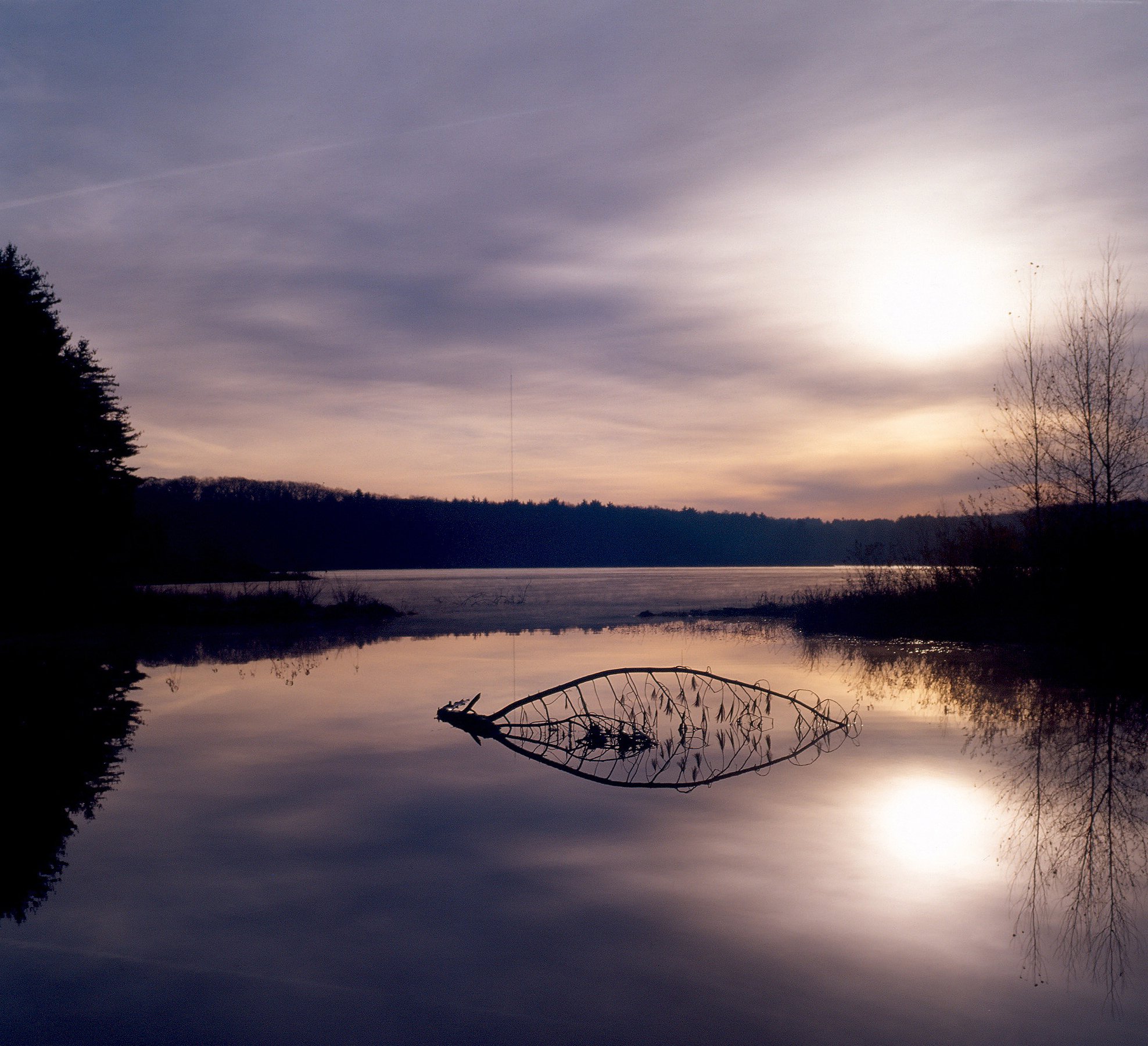
Wachusett Reservoir
Lake Cochituate
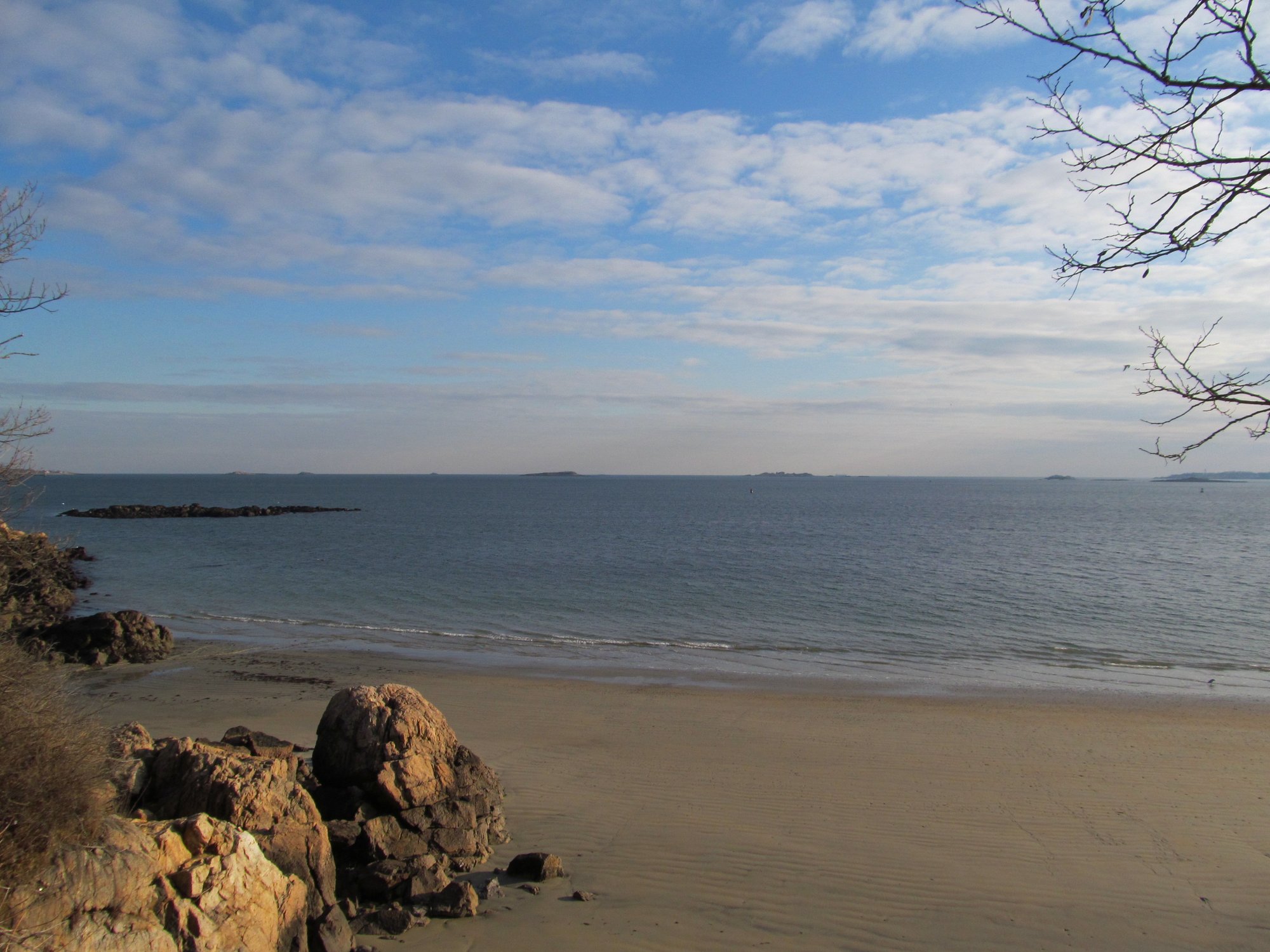
Massachusetts Bay
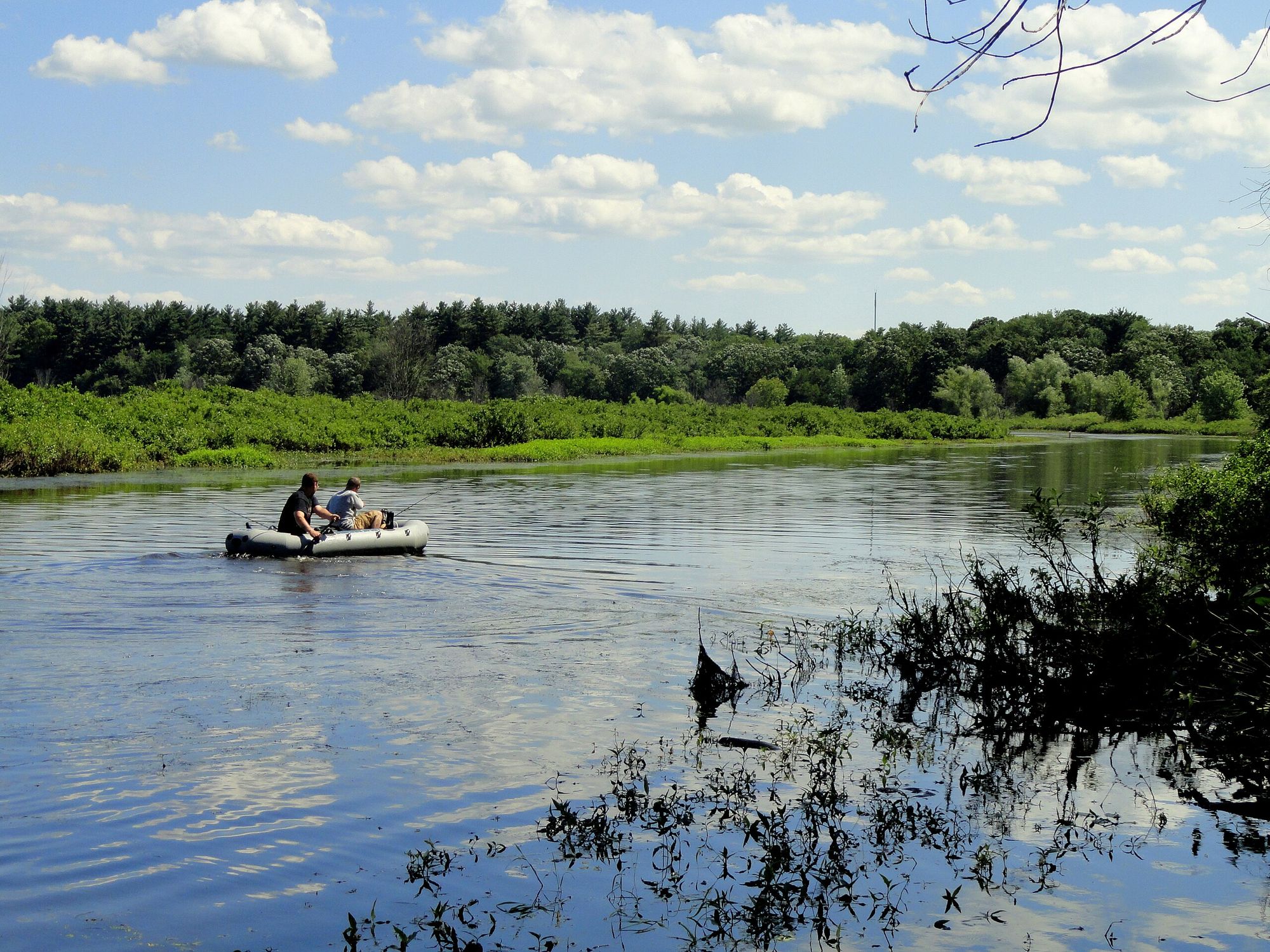
Sudbury River
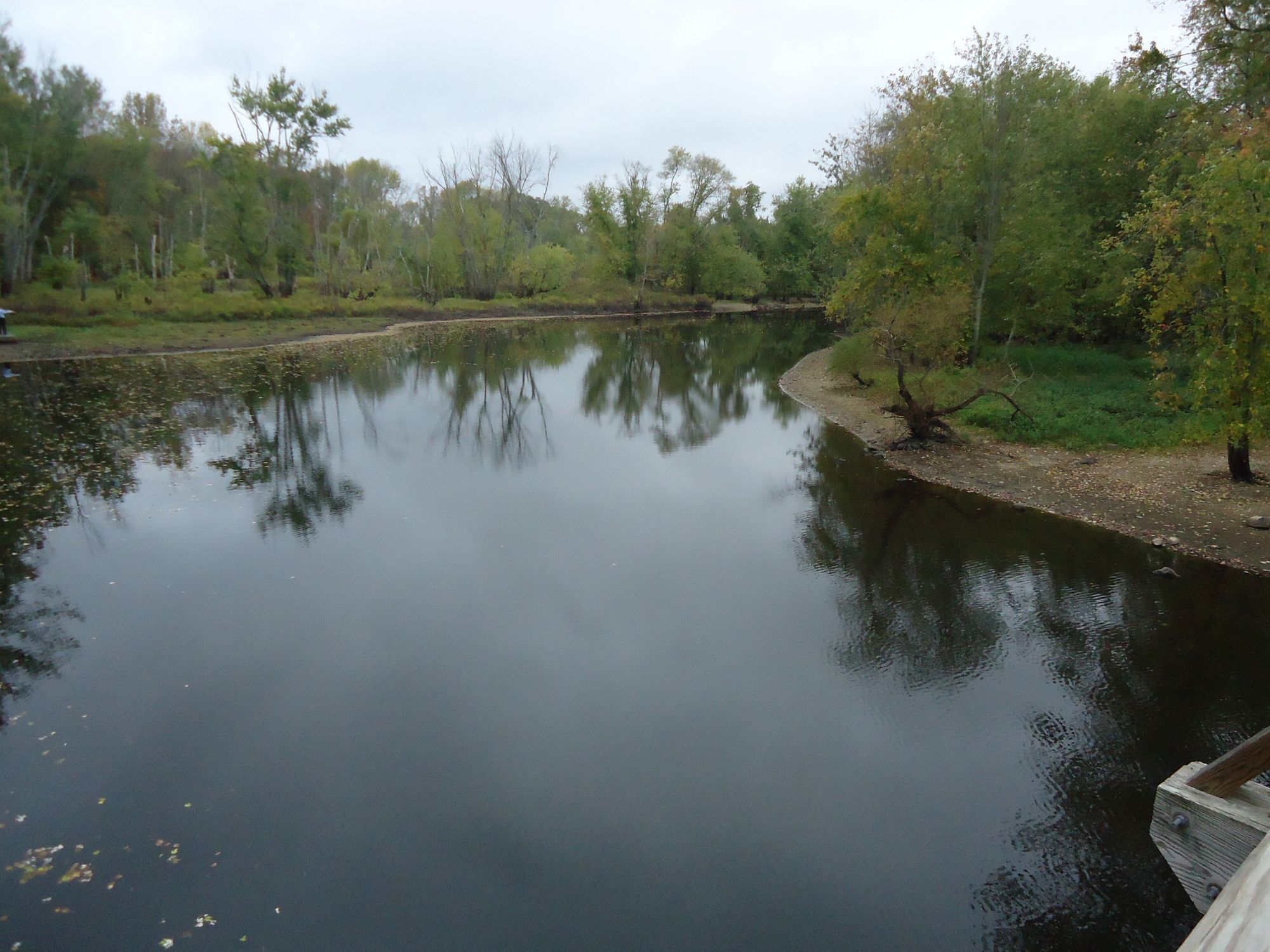
Concord River
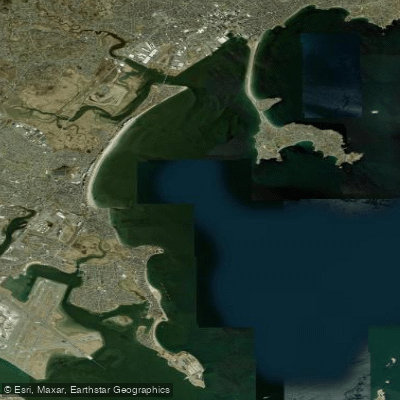
Broad Sound
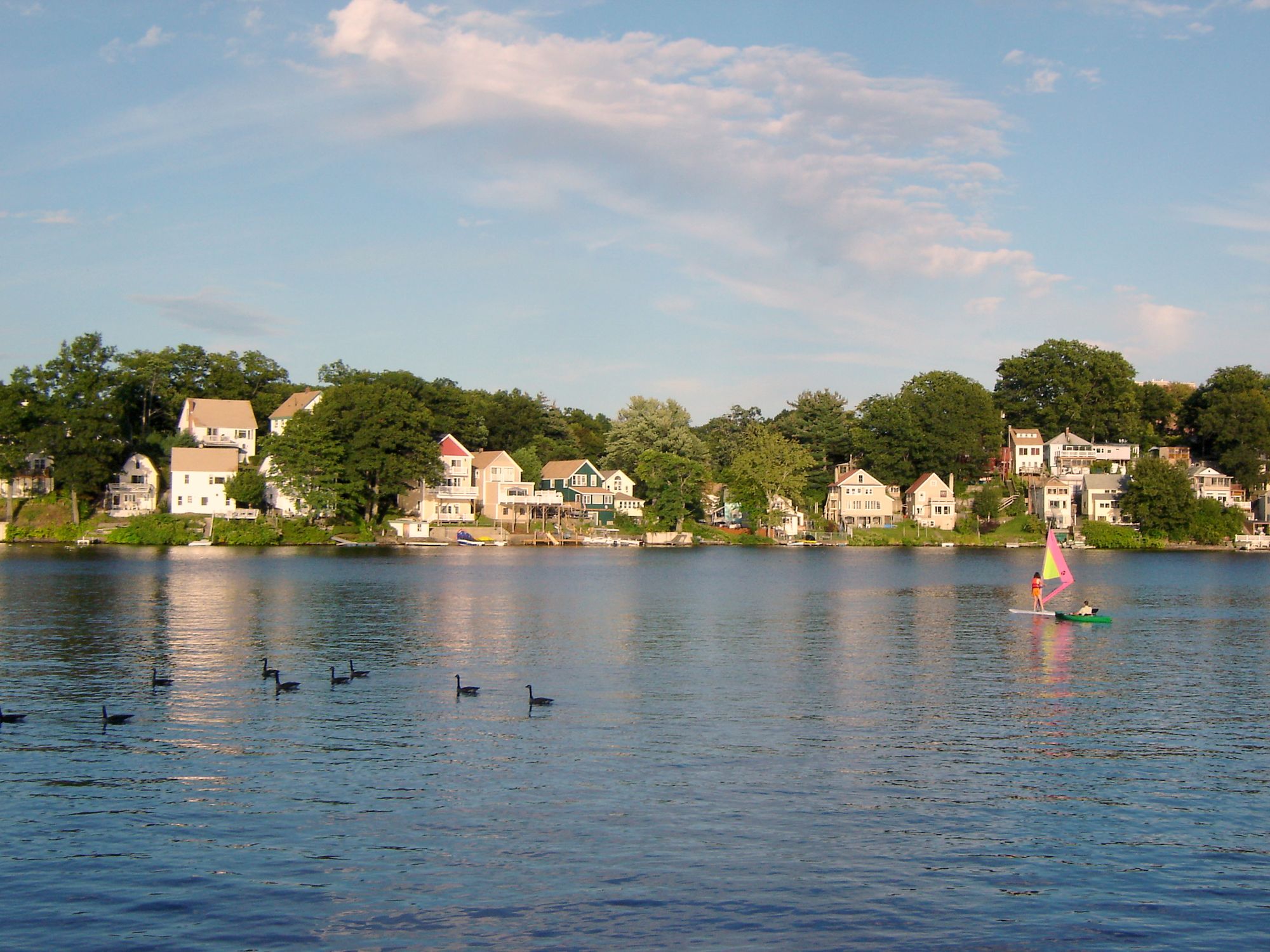
Lake Quinsigamond
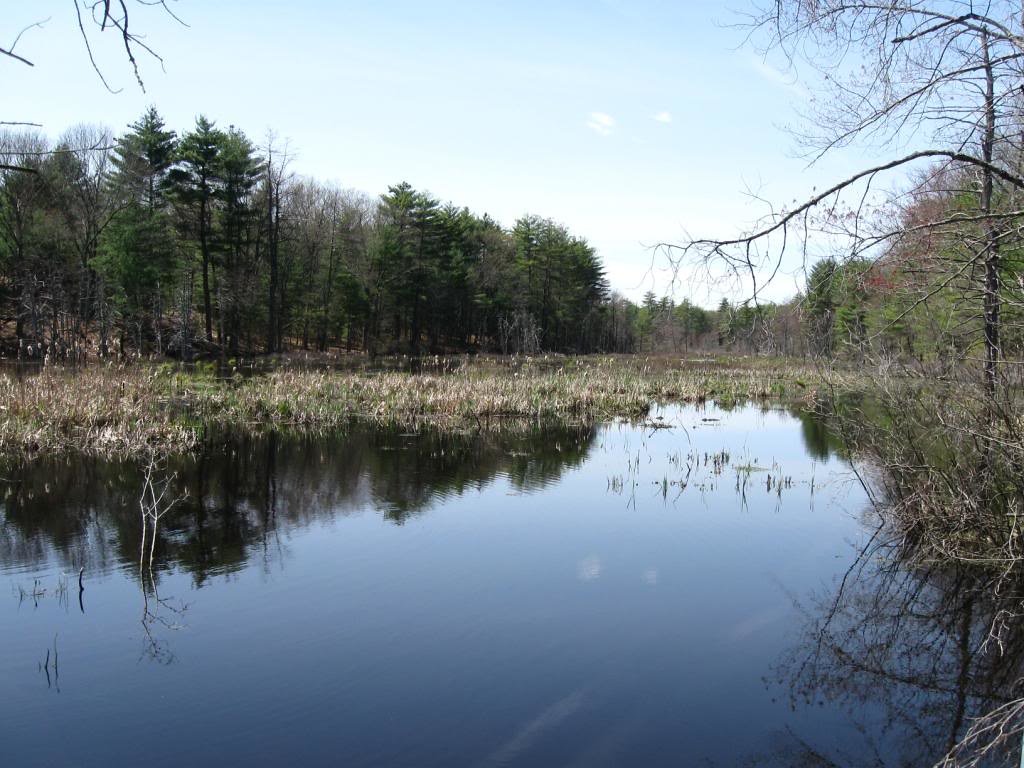
Assabet River
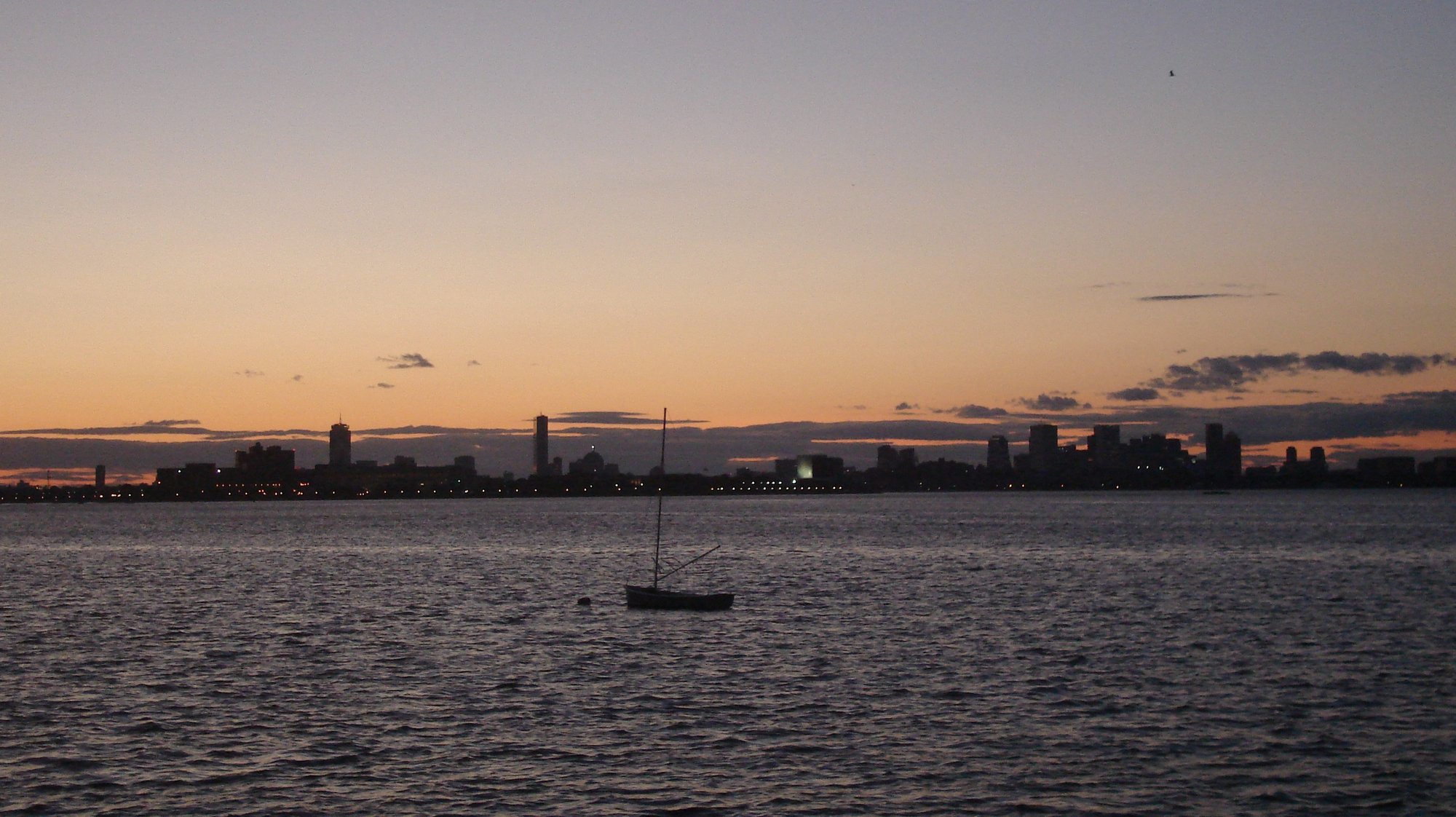
Dorchester Bay
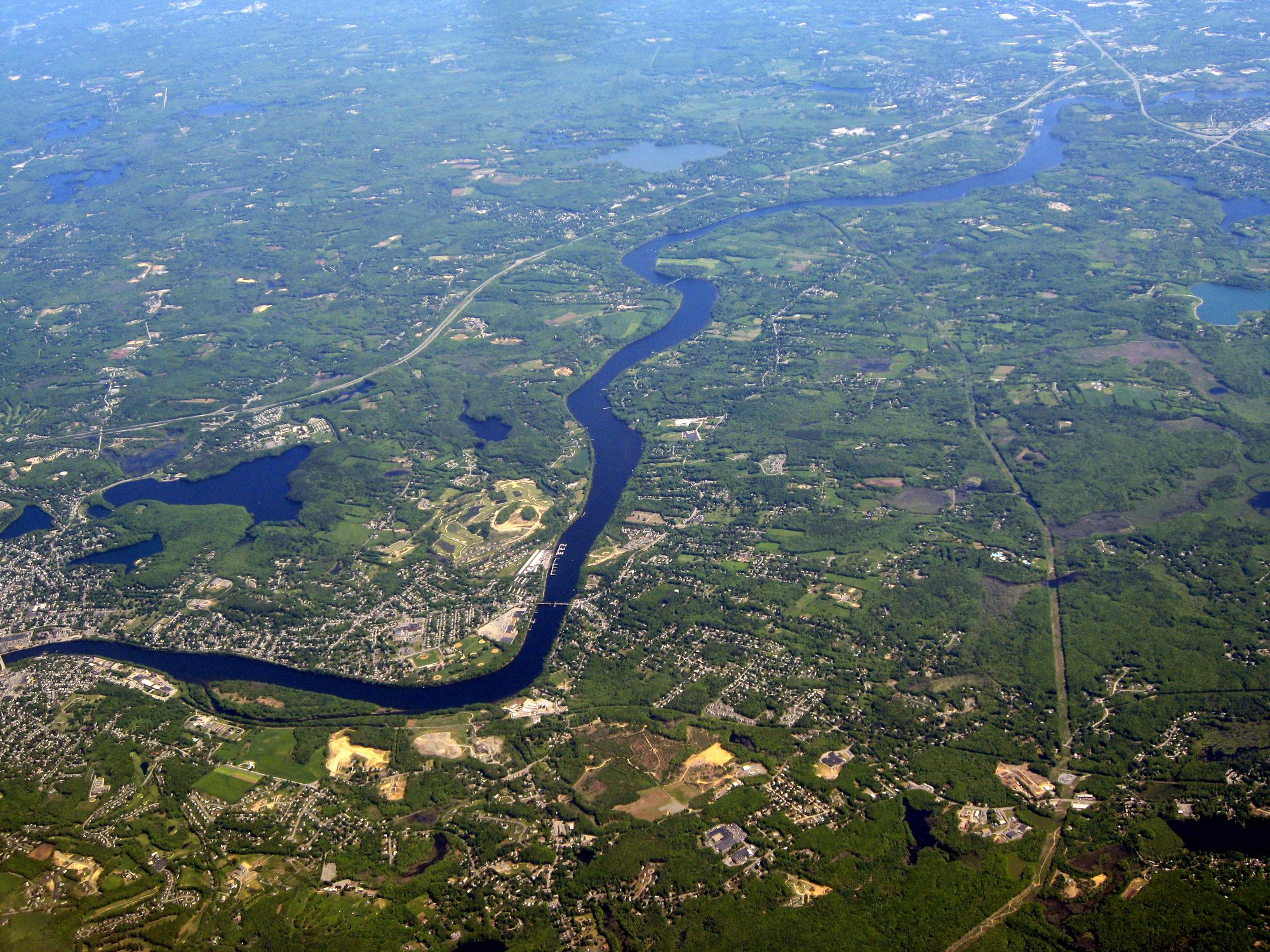
Merrimack River
What to know
Habitat Distribution
- They inhabit vegetated shallow waters including slow boggy creeks, beaver ponds, lake backwaters, and coves off large rivers.
- They thrive in tannic water stained by decaying vegetation and prefer areas with dense aquatic vegetation for cover.
Key Locations
- Chicopee River system including Red Bridge Pool, various ponds throughout the Brockton-Taunton area (Ames Long Pond, Big Sandy Pond, Billington Sea, Lake Sabbatia, Long Pond in Lakeville), and smaller water bodies in Douglas including Whitin Reservoir and Wallum Lake.
Specific Spots
- Target shallow vegetated areas, particularly around weed beds in 7-8 feet of water or deeper beds in 18-20 feet.
- In moving water, target pools with flat surfaces and minimal current, especially where streams back into swamps.
- Focus on vegetated coves and backwater areas, particularly north-facing shallow areas that warm first, and areas around submerged brush or fallen trees.
Golden Shiner FAQ
Answers from onWater's species guide.
What are the best lures and bait for Golden Shiner in Massachusetts?
Tiny tungsten jigs tipped with corn work exceptionally well, as Golden Shiners love corn and it stays on the hook effectively. Small pieces of nightcrawler also work but may attract unwanted bluegill.
What flies work for Golden Shiner in Massachusetts?
Small unweighted wet flies like Mini Hornbergs and Leadwing Coachman. When fish are surface feeding on emerging insects, try small foam beetles and Parachute Adams.
When is the best time to fish for Golden Shiner in Massachusetts?
Early spring and late fall are optimal when schools congregate in warming shallow areas. Peak activity May through August. Winter offers opportunities through the ice in deeper pond basins. Best fishing occurs on calm afternoons.
How do you catch Golden Shiner in Massachusetts?
Use a retrieve of short quick strips followed by pauses - fish often strike during the pause. Chumming with corn, bread crumbs, or oatmeal can bring schools within casting range. Fight fish gently as their soft mouths tear easily - use steady pressure rather than trying to horse them in.
What do Golden Shiner eat?
These omnivorous planktivores primarily feed on zooplankton, phytoplankton, microcrustaceans, aquatic insects, algae, and occasionally small fish.
Fish smarter with real-time insights
Whether you're en route and conditions shift or you're looking for the best spot based on current flows, we enable you to make informed decisions on the fly.







See it in the app
Most maps show you water.
onWater shows you Golden Shiner.



- 01 · Species map filter
Map every Golden Shiner water
Pick Golden Shiner and the map zeroes in on the waters they call home. No more guessing which lake holds them.
- 02 · Waterbody species
Tap any water. See what lives there.
Species, behavior and seasonal patterns for every lake, river and pond, before you leave the driveway.
- 03 · Angler Intelligence
Ask how to catch Golden Shiner
Tactics, gear and timing from onWater's AI fishing guide, tuned to the species and the water you're on.
Stop guessing where Golden Shiner are.
Open the map, filter by Golden Shiner, and head to water that holds them. Download onWater and plan your next trip in minutes.
- Species map filter
- Angler Intelligence
- Fishing journal
Explore other species
Trout, bass, salmon, panfish and everything in between. Each guide unpacks the behavior, seasons, and tactics that put fish in the net.

Find which waters have the species you want to catch

Largemouth Bass

Smallmouth Bass
Micropterus dolomieu

Rainbow Trout
Oncorhynchus mykiss

Brown Trout
Salmo trutta

Brook Trout
Salvelinus fontinalis

Northern Pike

Walleye
Sander vitreus

Black Crappie
Pomoxis nigromaculatus

Alewife
Alosa pseudoharengus

American Eel
Anguilla rostrata

American Shad
Alosa sapidissima

Atlantic Salmon

Atlantic Sturgeon
Acipenser oxyrinchus

Black Bullhead
Ameiurus melas

Blacknose Dace
Rhinichthys atratulus

Black Sea Bass
Centropristis striata

Bluefish
Pomatomus saltatrix

Bowfin
Amia calva

Brown Bullhead

Burbot
Lota lota

Chain Pickerel
Esox niger

Channel Catfish
Ictalurus punctatus

Common Carp
Cyprinus carpio

Creek Chub
Semotilus atromaculatus

Fallfish
Semotilus corporalis

Gizzard Shad
Dorosoma cepedianum

Green Sunfish
Lepomis cyanellus

Lake Trout
Salvelinus namaycush

Longnose Sucker
Catostomus catostomus
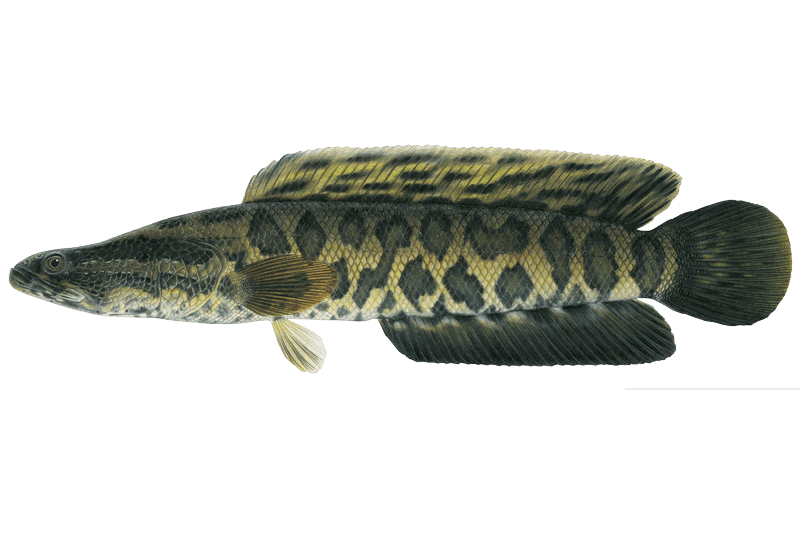
Northern Snakehead
Channa argus

Pumpkinseed
Lepomis gibbosus

Rainbow Smelt
Osmerus mordax
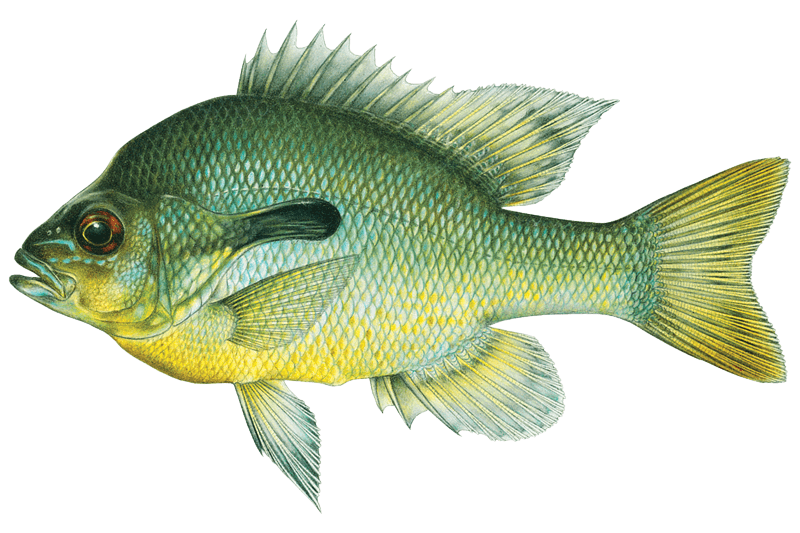
Redbreast Sunfish
Lepomis auritus

Redear Sunfish
Lepomis microlophus
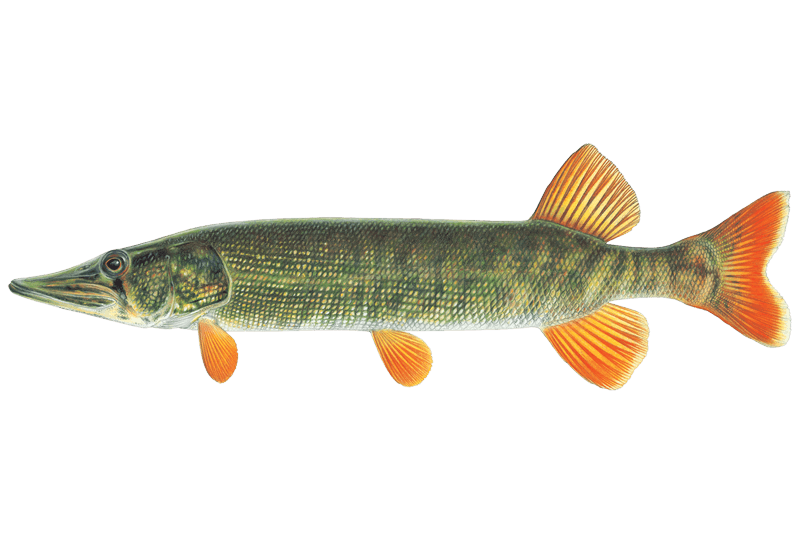
Redfin Pickerel
Esox americanus americanus

Rock Bass
Ambloplites rupestris
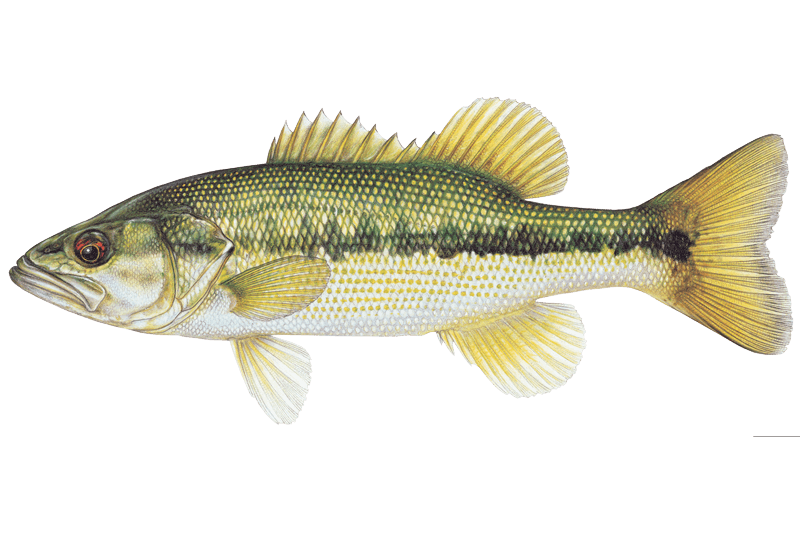
Spotted Bass
Micropterus punctulatus
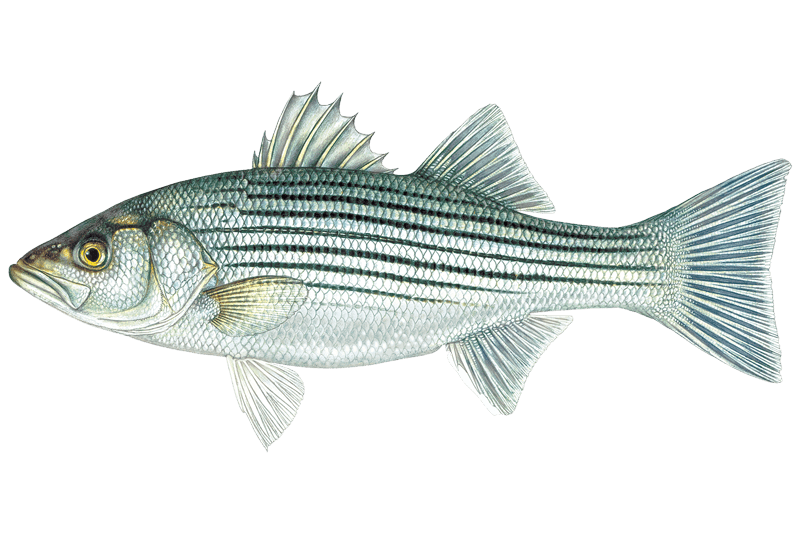
Striped Bass

Summer Flounder
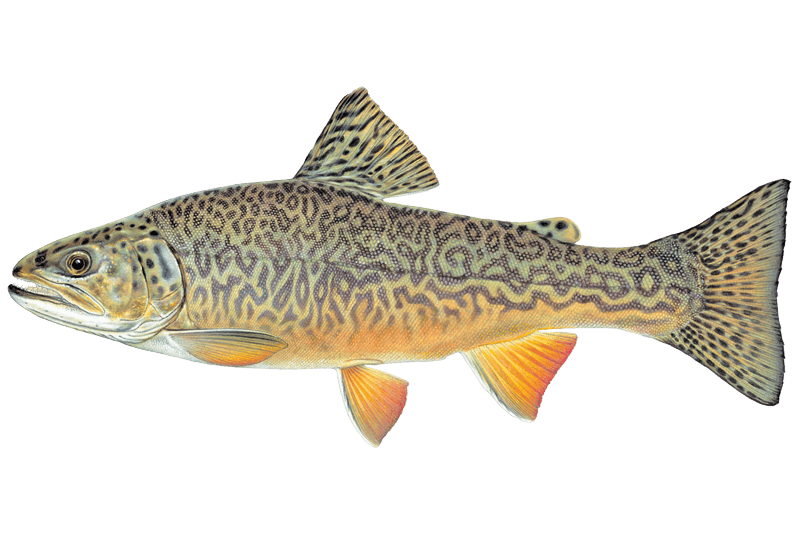
Tiger Trout
Massachusetts licenses and regulations

Massachusetts Boating Regulations
When using any type of watercraft to access a body of water, it is important to follow all federal, state, and local rules and regulations. These rules and regulations include boat permitting and licensing, invasive species inspections and stamps, life jacket and PFD rules, motor size and horsepower restrictions, noise limitations, restrictions on personal watercraft, and many more. Visit the web link below for the most current rules and regulations for this body of water.

Massachusetts Fishing License
If you are 15 years of age or older, you need a license to fish. Licenses are FREE for Massachusetts residents 15-17 years of age, and those 70 and over. You can get your license online using MassFishHunt. You must carry your license with you when fishing, either as a paper copy or on your smartphone. If asked, anglers have to display a true, complete, and legible image of a valid license. Licenses expire each year on Dec. 31. You can renew your license online at MassFishHunt or print a duplicate copy if you’ve lost it.

Massachusetts Fishing Regulations
This river has a variety of species and regulations, including potential floating and/or watercraft restrictions. Because this river is specially managed for species, seasons, angling methods, and watercraft, it is strongly encouraged you to check all federal, state, and local regulations before fishing. Visit any of the links below, inquire locally, or contact a local fly shop to learn current regulations and restrictions.

Massachusetts Stream Access Laws
Massachusetts protects the public right to freely pass over all waters in the state, regardless of navigability. The rights of passage include recreation. Navigable waters are those subject to the ebb and flow of the tide, are navigable in fact or simply have the capacity for navigation, commercial or recreational.
Explore nearby waters
Explore Massachusetts waters
Top fishing waters
Popular Cities
Loading popular cities...
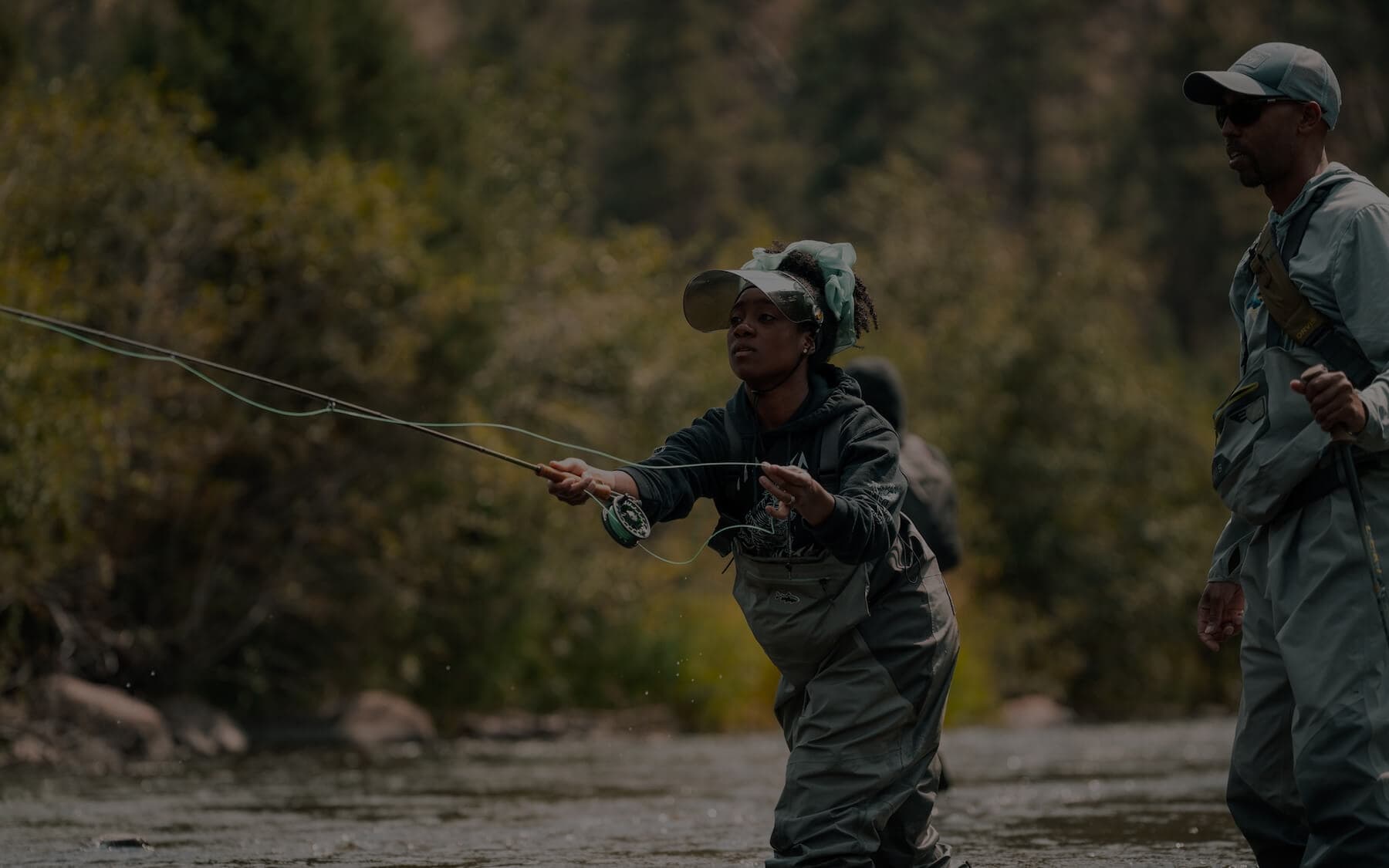
Smarter Fishing Starts in the App.
onWater Fish gives you everything you need to plan smarter, fish better, and own every trip from first cast to last.