Shortnose Sturgeon

Shortnose Sturgeon in Maine are prehistoric fish that predate dinosaurs, characterized by rows of bony armor-like plates called scutes on their sides and a cartilaginous skeleton rather than bones.
These bottom-dwelling fish are smaller than Atlantic Sturgeon, rarely exceeding 3 feet in length and typically growing to 30-40 inches for mature females.
Scientific Name: Acipenser brevirostrum
- They have a distinctive short, blunt, rounded snout with four fleshy barbels and a tube-like mouth used for vacuum feeding.
- Characterized by rows of bony armor-like plates called scutes on their sides and a cartilaginous skeleton rather than bones.
- Smaller than Atlantic Sturgeon, rarely exceeding 3 feet in length and typically growing to 30-40 inches for mature females.
Fishing in Maine
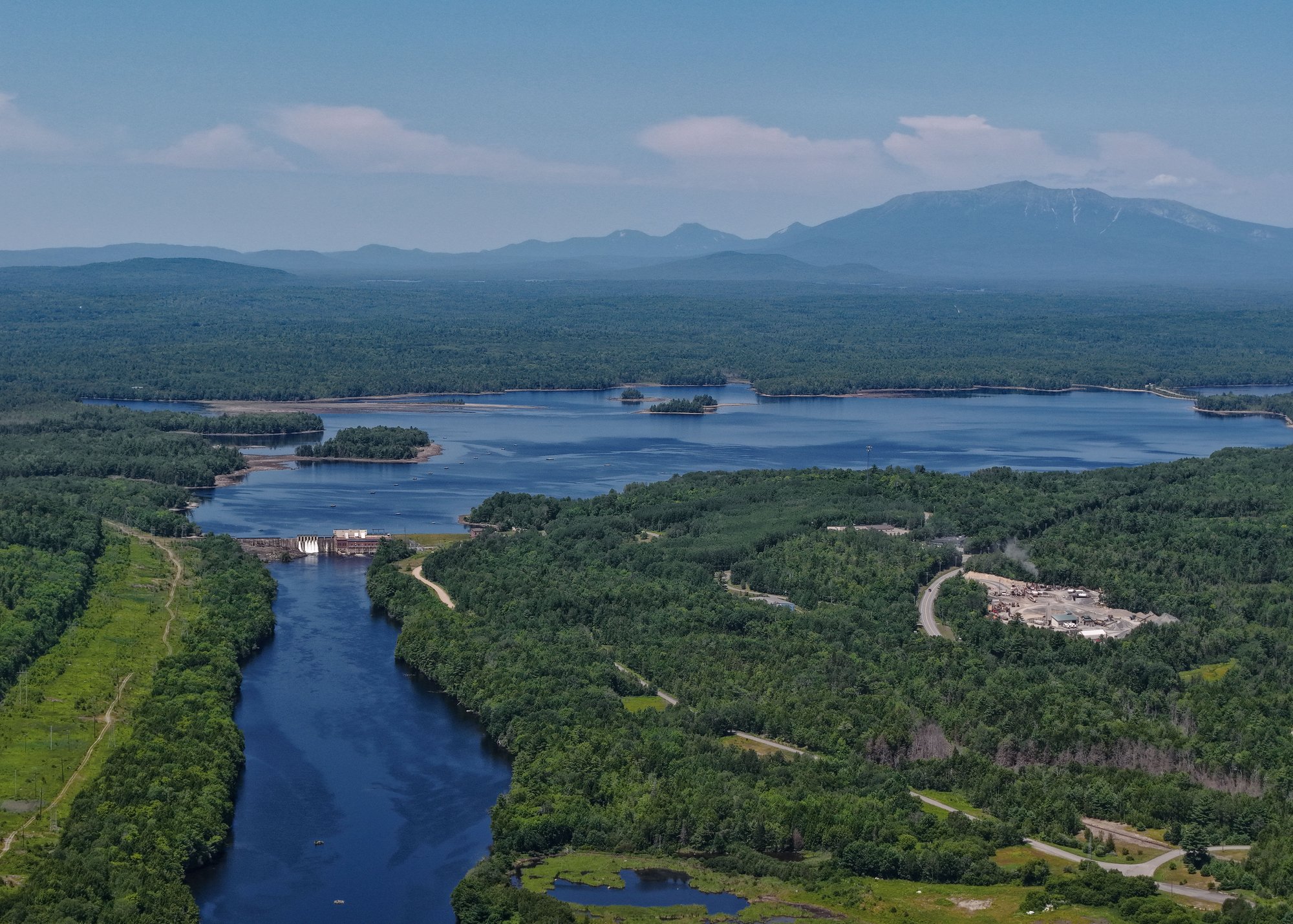
Penobscot River
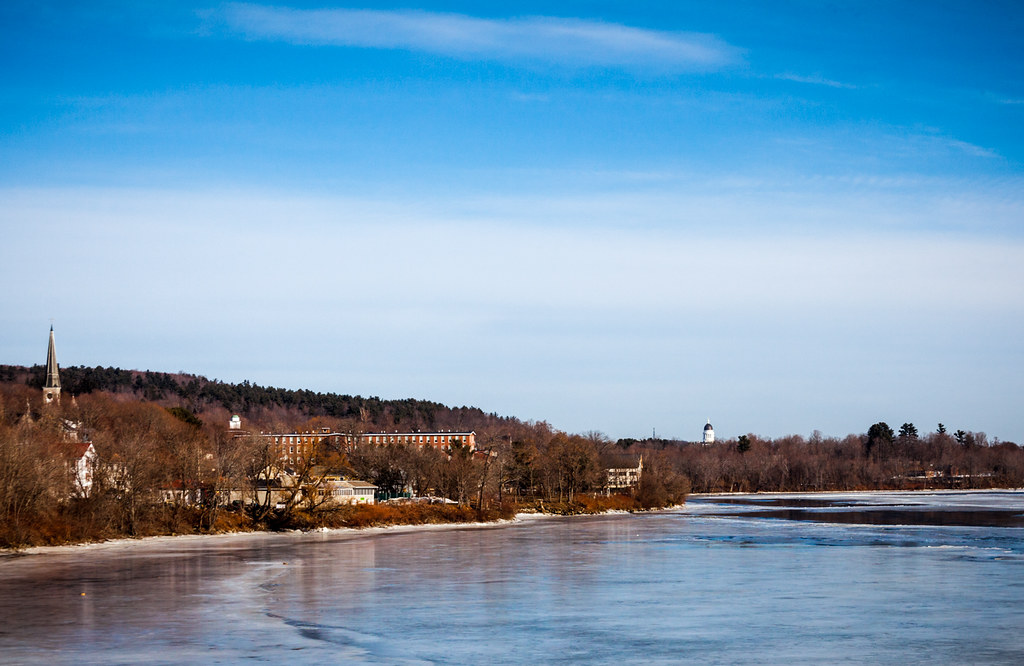
Kennebec River
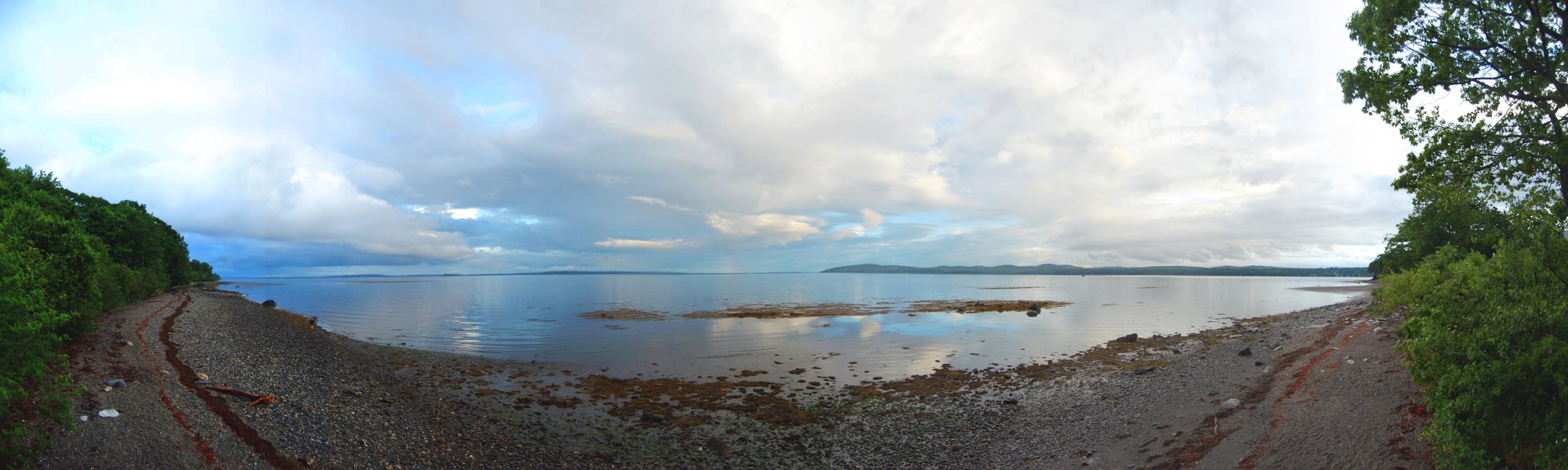
Penobscot Bay
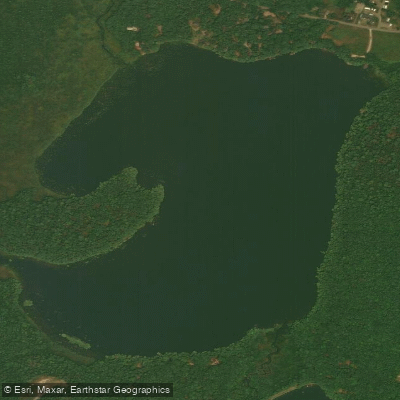
Fields Pond
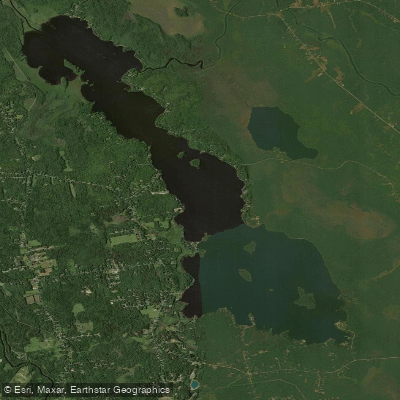
Pushaw Lake
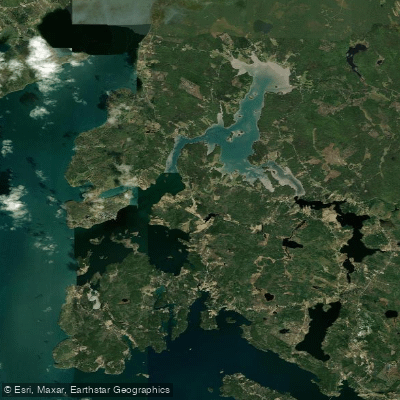
Bagaduce River
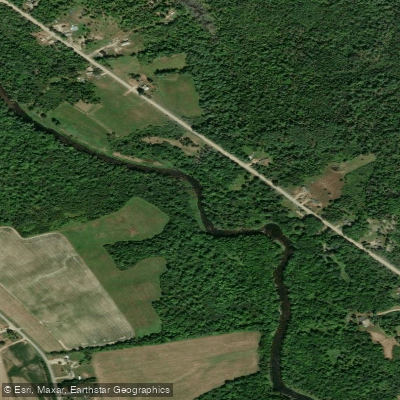
Kenduskeag Stream
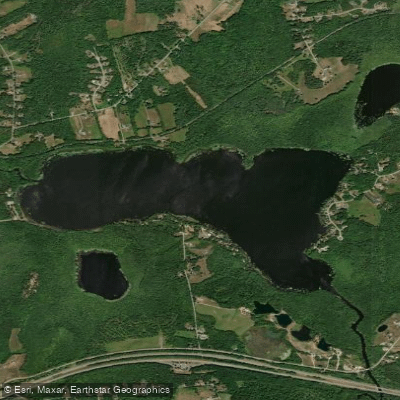
Hermon Pond
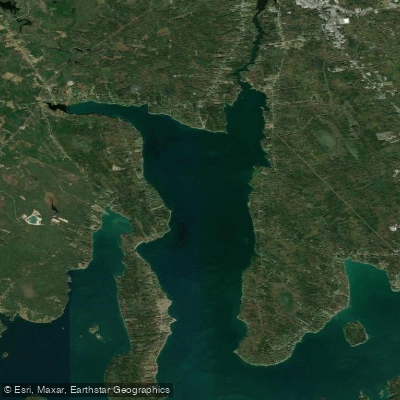
Union River Bay
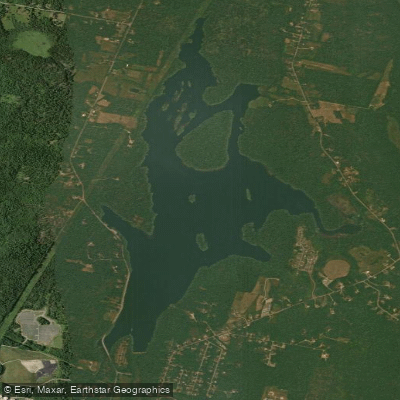
Silver Lake
What to know
Habitat Distribution
- Maine's Shortnose Sturgeon populations are amphidromous, spending most of their lives in riverine environments but moving between freshwater and brackish water.
Key Locations
- Found primarily in the Kennebec, Androscoggin, Sheepscot, Merrimack, and Penobscot River systems, with the Kennebec River having some of the best sturgeon habitat in Maine.
Specific Spots
- The species' bottom-feeding nature and use of deep channels, overwintering areas, and rocky spawning sites.
- Spawning over rocky substrates with strong currents.
Shortnose Sturgeon FAQ
Answers from onWater's species guide.
When is the best time to fish for Shortnose Sturgeon in Maine?
Adults migrate to spawning areas from late April through early June when water temperatures reach 46-65°F - these periods should be avoided by anglers to protect the species.
How do you catch Shortnose Sturgeon in Maine?
Any incidental encounters with Shortnose Sturgeon must be immediately reported to Maine Department of Marine Resources and the fish must be released unharmed. If accidentally hooked, sturgeon should be handled minimally, kept in the water, and released immediately while documenting the encounter for reporting purposes.
What do Shortnose Sturgeon eat?
These fish are benthic feeders that suck plants and animals from the substrate, with juveniles eating insects and small crustaceans while adults consume mollusks, insect larvae, amphipods (particularly scuds), and crustaceans.
Where do Shortnose Sturgeon live in Maine?
Maine's Shortnose Sturgeon populations are amphidromous, spending most of their lives in riverine environments but moving between freshwater and brackish water.
Fish smarter with real-time insights
Whether you're en route and conditions shift or you're looking for the best spot based on current flows, we enable you to make informed decisions on the fly.







See it in the app
Most maps show you water.
onWater shows you Shortnose Sturgeon.



- 01 · Species map filter
Map every Shortnose Sturgeon water
Pick Shortnose Sturgeon and the map zeroes in on the waters they call home. No more guessing which lake holds them.
- 02 · Waterbody species
Tap any water. See what lives there.
Species, behavior and seasonal patterns for every lake, river and pond, before you leave the driveway.
- 03 · Angler Intelligence
Ask how to catch Shortnose Sturgeon
Tactics, gear and timing from onWater's AI fishing guide, tuned to the species and the water you're on.
Stop guessing where Shortnose Sturgeon are.
Open the map, filter by Shortnose Sturgeon, and head to water that holds them. Download onWater and plan your next trip in minutes.
- Species map filter
- Angler Intelligence
- Fishing journal
Explore other species
Trout, bass, salmon, panfish and everything in between. Each guide unpacks the behavior, seasons, and tactics that put fish in the net.

Find which waters have the species you want to catch

Largemouth Bass

Smallmouth Bass
Micropterus dolomieu

Rainbow Trout

Brown Trout
Salmo trutta

Brook Trout
Salvelinus fontinalis

Northern Pike

Muskellunge

Walleye
Sander vitreus

Black Crappie
Pomoxis nigromaculatus

Alewife
Alosa pseudoharengus

American Eel
Anguilla rostrata

American Shad
Alosa sapidissima

Arctic Char
Salvelinus alpinus oquassa

Atlantic Mackerel
Scomber scombrus

Atlantic Salmon

Atlantic Sturgeon
Acipenser oxyrinchus

Black Bullhead
Ameiurus melas

Blacknose Dace
Rhinichthys atratulus

Brown Bullhead
Ameiurus nebulosus

Burbot
Lota lota

Chain Pickerel
Esox niger

Common Carp
Cyprinus carpio

Creek Chub
Semotilus atromaculatus

Fallfish
Semotilus corporalis

Green Sunfish
Lepomis cyanellus

Lake Trout
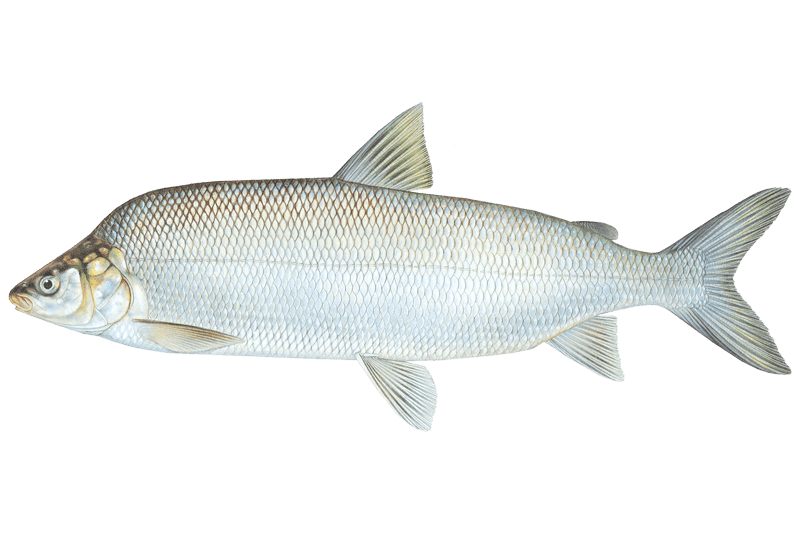
Lake Whitefish
Coregonus clupeaformis

Longnose Sucker
Catostomus catostomus

Pearl Dace
Margariscus margarita

Pumpkinseed
Lepomis gibbosus

Rainbow Smelt
Osmerus mordax
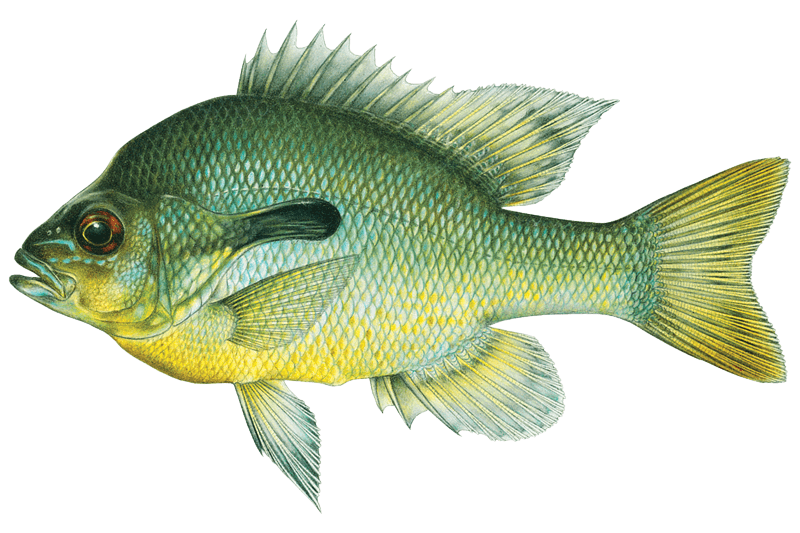
Redbreast Sunfish
Lepomis auritus
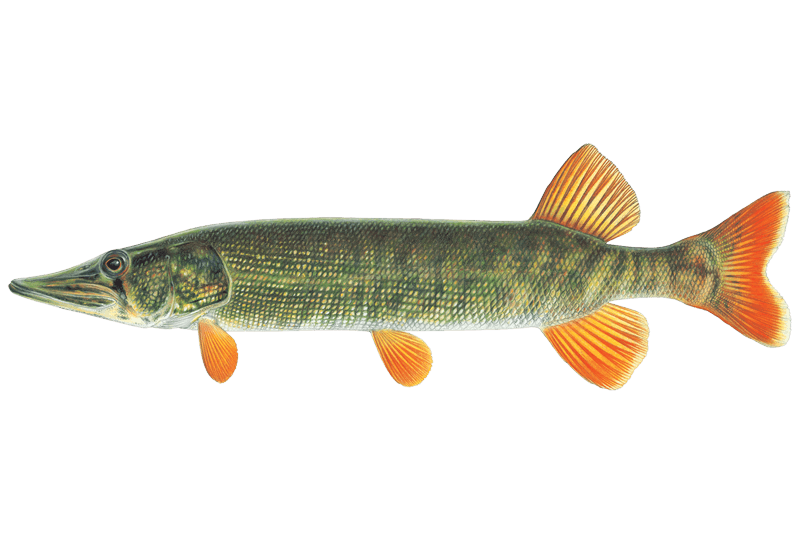
Redfin Pickerel
Esox americanus americanus

Rock Bass
Ambloplites rupestris

Round Whitefish
Prosopium cylindraceum
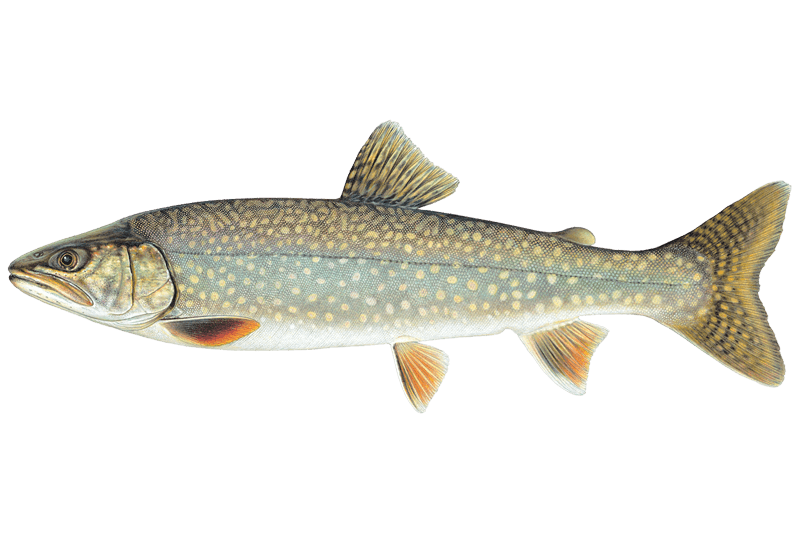
Splake
Salvelinus namaycush x Salvelinus fontinalis

Steelhead
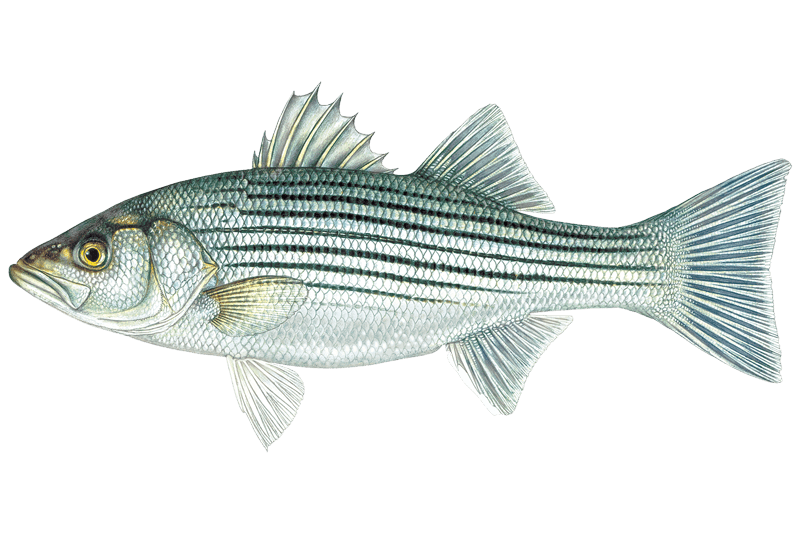
Striped Bass
Morone saxatilis
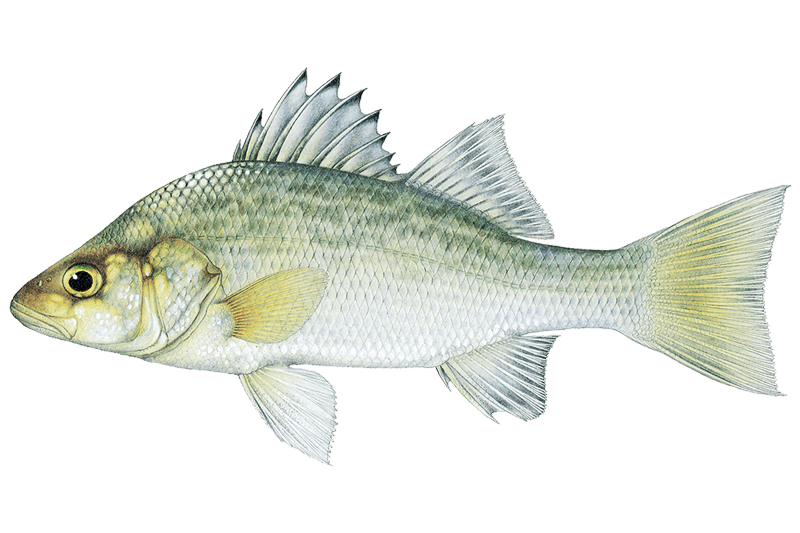
White Perch
Morone americana
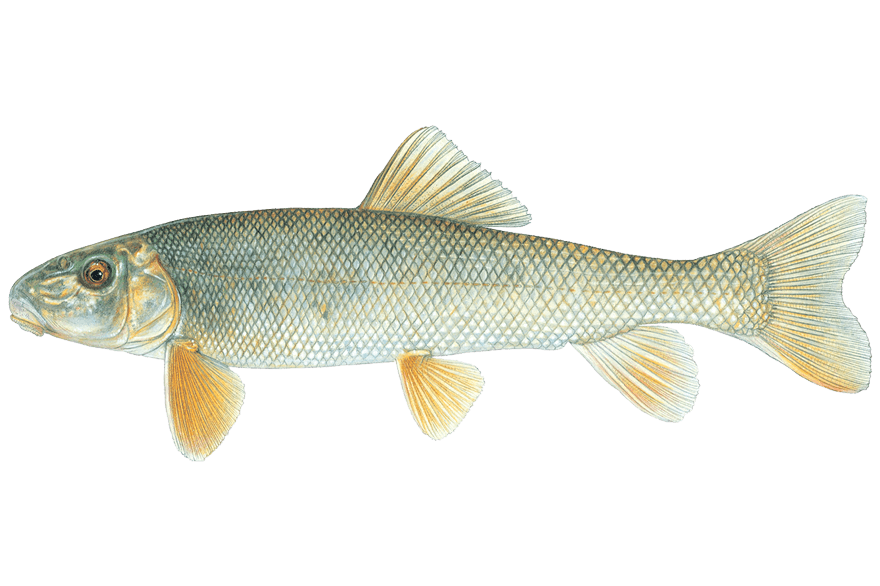
White Sucker
Catostomus commersonii
Maine licenses and regulations

Maine Boating Regulations
When using any type of watercraft to access a body of water, it is important to follow all federal, state, and local rules and regulations. These rules and regulations include boat permitting and licensing, invasive species inspections and stamps, life jacket and PFD rules, motor size and horsepower restrictions, noise limitations, restrictions on personal watercraft, and many more. Visit the web link below for the most current rules and regulations for this body of water.

Maine Fishing License
A valid Maine fishing license is required for anyone 16 years of age or older, to fish in inland waters or transport fish taken from inland waters. A person is required to keep their fishing license with them at all times while fishing or transporting fish and must exhibit their license for inspection by any warden, department employee, guide, or landowner upon request. An electronic license or permit can now be displayed in lieu of a physical paper license or permit.

Maine Fishing Regulations
This river has a variety of species and regulations, including potential floating and/or watercraft restrictions. Because this river is specially managed for species, seasons, angling methods, and watercraft, it is strongly encouraged you check all federal, state, and local regulations before fishing. Visit any of the links below, inquire locally, or contact a local fly shop to learn current regulations and restrictions.

Maine Stream Access Laws
"All streams of sufficient capacity in their natural condition to float boats, rafts or logs, are deemed public highways and as such are subject to the use of the public."
Explore nearby waters
Explore Maine waters
Top fishing waters
Popular Cities
Loading popular cities...

Smarter Fishing Starts in the App.
onWater Fish gives you everything you need to plan smarter, fish better, and own every trip from first cast to last.