Brook Trout
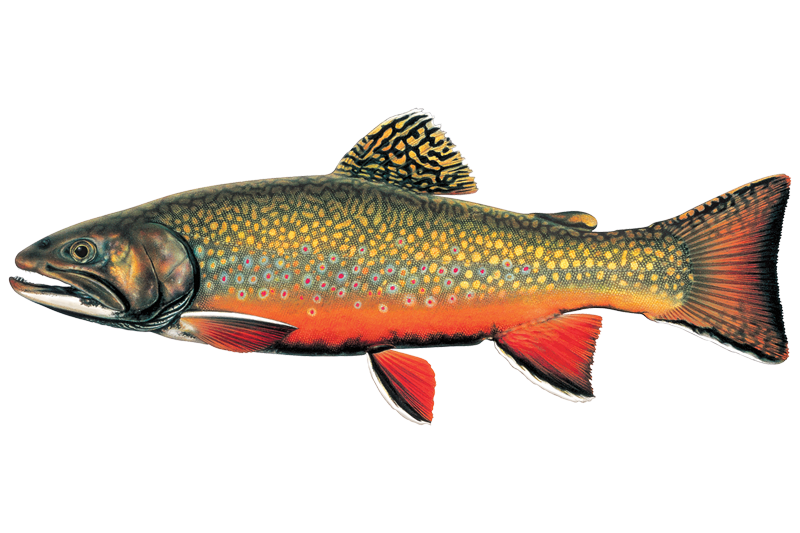
Brook trout (Salvelinus fontinalis) are actually char, not true trout, and Maine holds the most extensive distribution and abundance of wild brook trout in their native range within the United States.
Over 1,200 lakes and ponds are managed for brook trout, with approximately 60% sustained by natural reproduction, plus an estimated 22,248 miles of stream habitat.
Maine is the only state with extensive intact populations of wild, self-reproducing brook trout in lakes and ponds, including some over 5,000 acres.
Scientific Name: Salvelinus fontinalis
Also known as salters (for sea-run brook trout)
- Distinguished by their olive-green to black backs with distinctive worm-like vermiculations, orange to reddish spots encased in blue halos, and white leading edges on their fins.
- Males become particularly colorful during fall spawning season with fiery red lower flanks.
Fishing in Maine
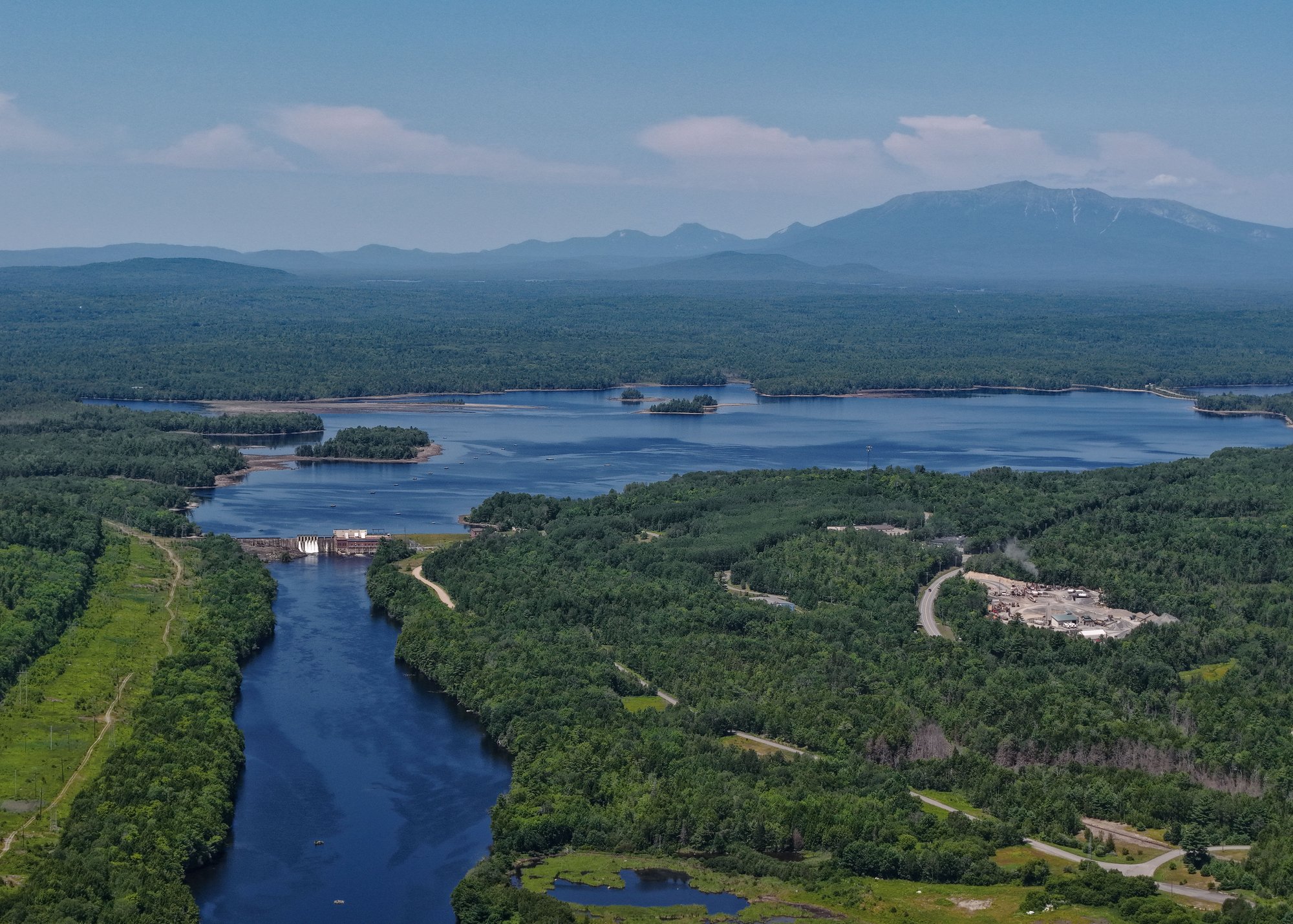
Penobscot River
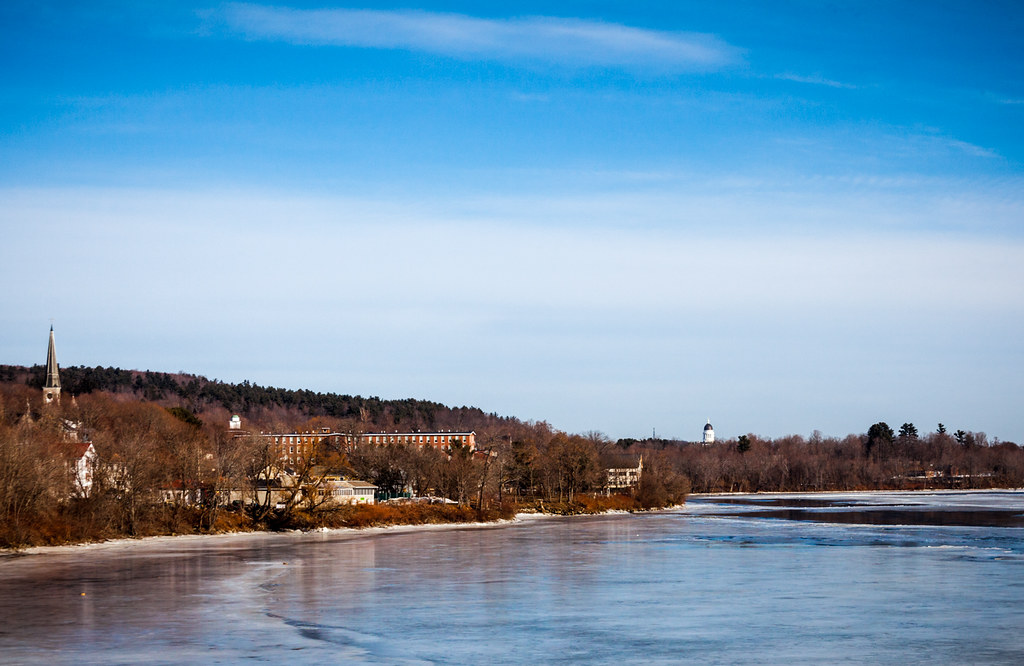
Kennebec River
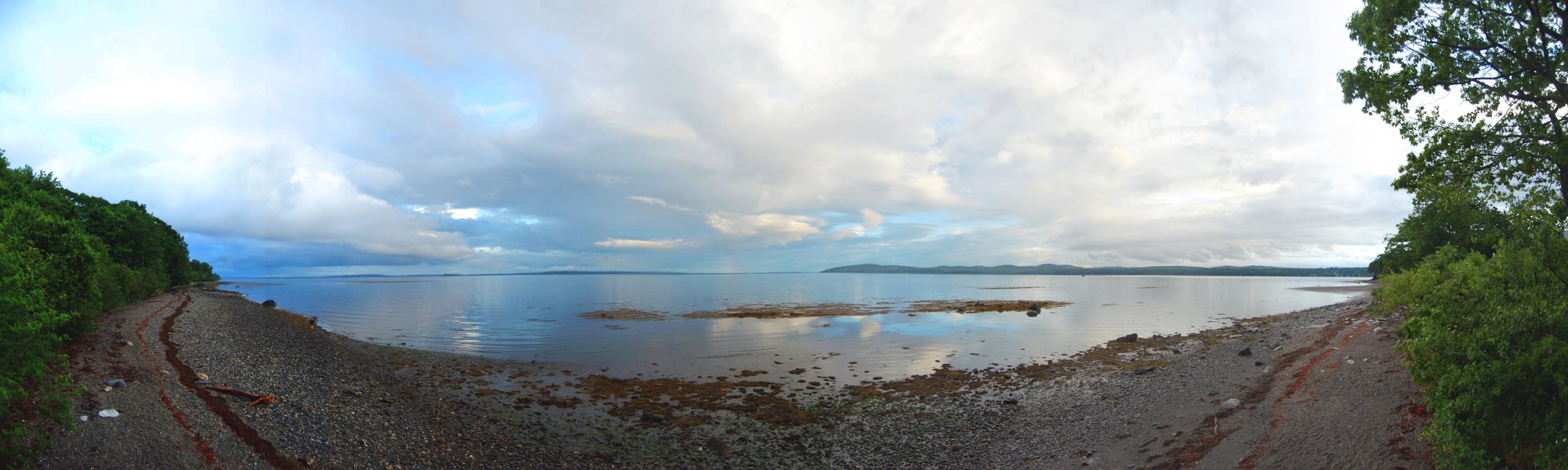
Penobscot Bay
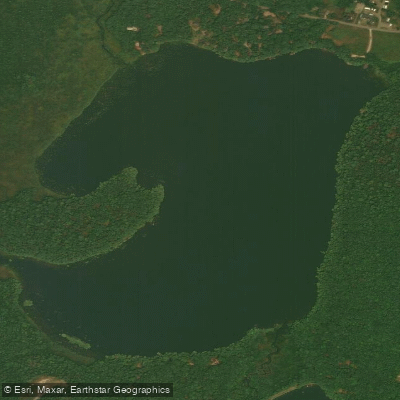
Fields Pond
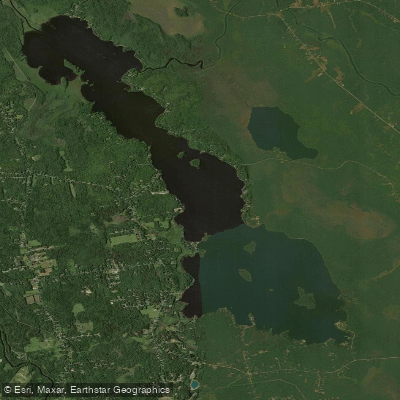
Pushaw Lake
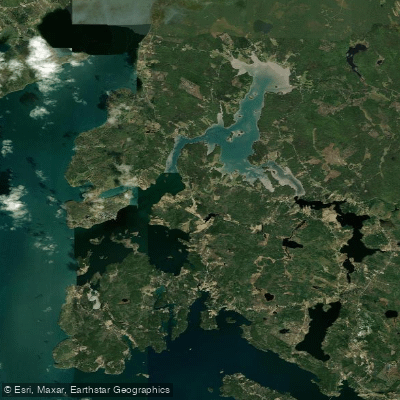
Bagaduce River
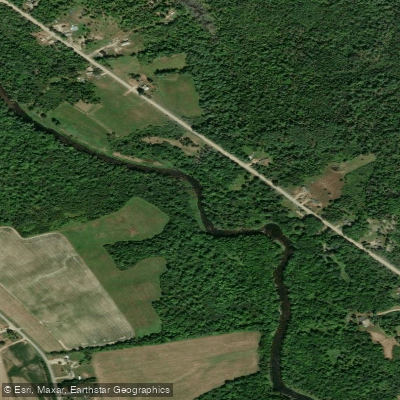
Kenduskeag Stream
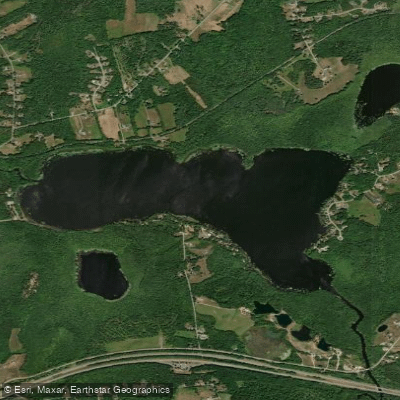
Hermon Pond
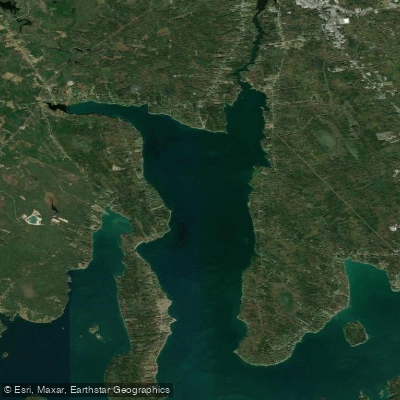
Union River Bay
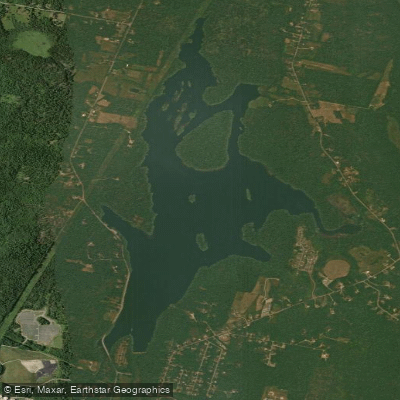
Silver Lake
What to know
Habitat Distribution
- Found throughout Maine but are most prevalent in the interior highlands and privately owned commercial forestlands.
- Maine supports diverse life histories including lake-dwelling populations, stream populations, and unique sea-run 'salters' that migrate between freshwater and saltwater along the coast.
Key Locations
- Rangeley Lakes region including Mooselookmeguntic Lake, Kennebago Lake, and Rapid River for trophy fish.
- The Moosehead Lake region offers hundreds of remote ponds and streams with self-sustaining populations.
- Fish River Lakes region in northern Maine provides robust brook trout populations in both large lakes and streams.
Specific Spots
- Focus on deep pools, undercut banks, fallen logs, beaver dams, and spring-fed areas.
- During summer heat, fish deeper waters (10-35 feet in lakes) or shaded stream pools.
Brook Trout FAQ
Answers from onWater's species guide.
What are the best lures and bait for Brook Trout in Maine?
Small inline spinners like Blue Fox Vibrax, Mepps Black Fury, Panther Martin, and Rooster Tail in sizes 1/16 to 3/8 oz. Effective spoons include Little Cleo (blue/silver and perch patterns), Williams Wobblers, Mooselook Wobblers, and copper-backed patterns. Live bait includes worms and dead minnows where permitted.
What flies work for Brook Trout in Maine?
Dr.y flies: Adams, Elk Hair Caddis, Stimulators, March Brown, Royal Coachman. Nymphs: Pheasant Tail and Hare's Ear. Streamers: Woolly Bugger, Muddler Minnow, Blacknose Dace, Baby Brook Trout, and Grey Ghost (work well especially in fall).
When is the best time to fish for Brook Trout in Maine?
Spring (late April through June) and fall (September-October) are best when water temperatures are in the ideal 50-65°F range. Fall spawning season (late September through November) should be avoided for fishing to protect spawning populations. Ice fishing is productive in winter.
How do you catch Brook Trout in Maine?
Ice fishing using small jigs, spoons, or live bait in 3-10 feet of water near structure. During summer heat, fish deeper waters (10-35 feet in lakes) or shaded stream pools.
What do Brook Trout eat?
Opportunistic feeders consuming aquatic insects like caddisflies, mayflies, stoneflies, dragonflies, midges, plus terrestrial insects, crustaceans, scuds, amphipods, worms, leeches, and smaller fish including smelts, sticklebacks, shiners, and even small sunfish.
Fish smarter with real-time insights
Whether you're en route and conditions shift or you're looking for the best spot based on current flows, we enable you to make informed decisions on the fly.







See it in the app
Most maps show you water.
onWater shows you Brook Trout.



- 01 · Species map filter
Map every Brook Trout water
Pick Brook Trout and the map zeroes in on the waters they call home. No more guessing which lake holds them.
- 02 · Waterbody species
Tap any water. See what lives there.
Species, behavior and seasonal patterns for every lake, river and pond, before you leave the driveway.
- 03 · Angler Intelligence
Ask how to catch Brook Trout
Tactics, gear and timing from onWater's AI fishing guide, tuned to the species and the water you're on.
Stop guessing where Brook Trout are.
Open the map, filter by Brook Trout, and head to water that holds them. Download onWater and plan your next trip in minutes.
- Species map filter
- Angler Intelligence
- Fishing journal
Explore other species
Trout, bass, salmon, panfish and everything in between. Each guide unpacks the behavior, seasons, and tactics that put fish in the net.

Find which waters have the species you want to catch

Largemouth Bass

Smallmouth Bass
Micropterus dolomieu

Rainbow Trout

Brown Trout
Salmo trutta

Northern Pike

Muskellunge

Walleye
Sander vitreus

Black Crappie
Pomoxis nigromaculatus

Alewife
Alosa pseudoharengus

American Eel
Anguilla rostrata

American Shad
Alosa sapidissima

Arctic Char
Salvelinus alpinus oquassa

Atlantic Mackerel
Scomber scombrus

Atlantic Salmon

Atlantic Sturgeon
Acipenser oxyrinchus

Black Bullhead
Ameiurus melas

Blacknose Dace
Rhinichthys atratulus

Brown Bullhead
Ameiurus nebulosus

Burbot
Lota lota

Chain Pickerel
Esox niger

Common Carp
Cyprinus carpio

Creek Chub
Semotilus atromaculatus
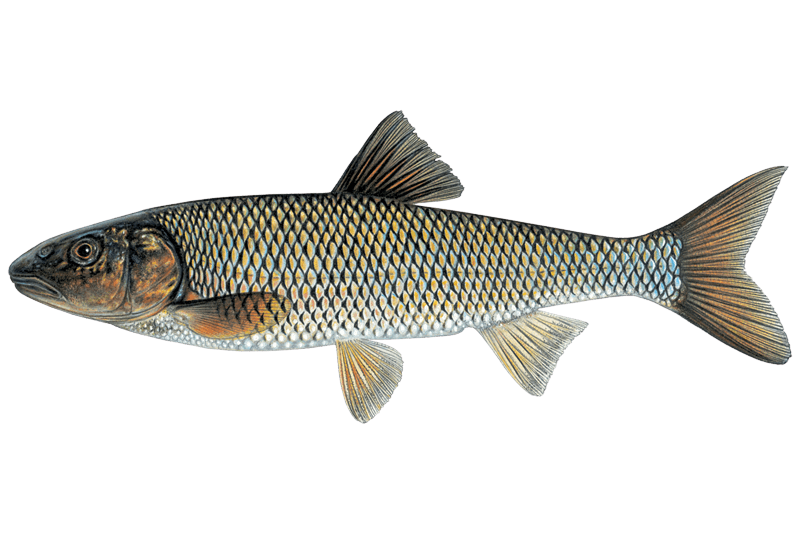
Fallfish
Semotilus corporalis

Green Sunfish
Lepomis cyanellus

Lake Trout
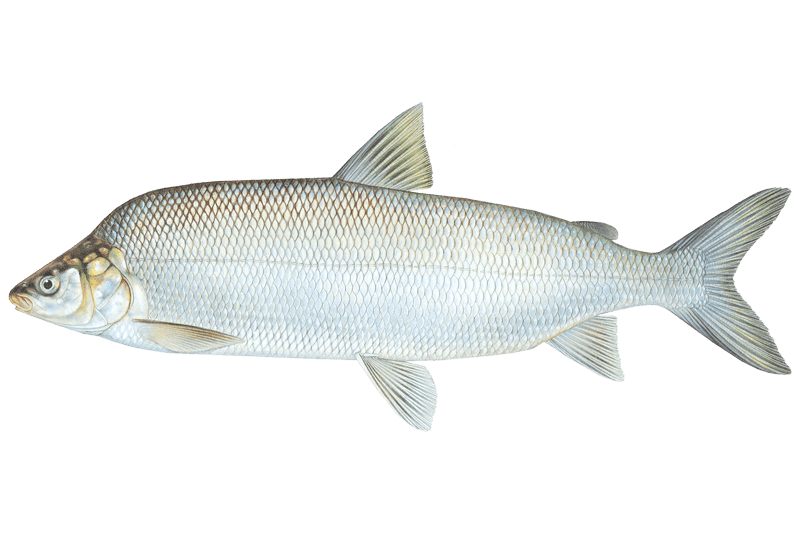
Lake Whitefish
Coregonus clupeaformis

Longnose Sucker
Catostomus catostomus

Pearl Dace
Margariscus margarita

Pumpkinseed
Lepomis gibbosus

Rainbow Smelt
Osmerus mordax
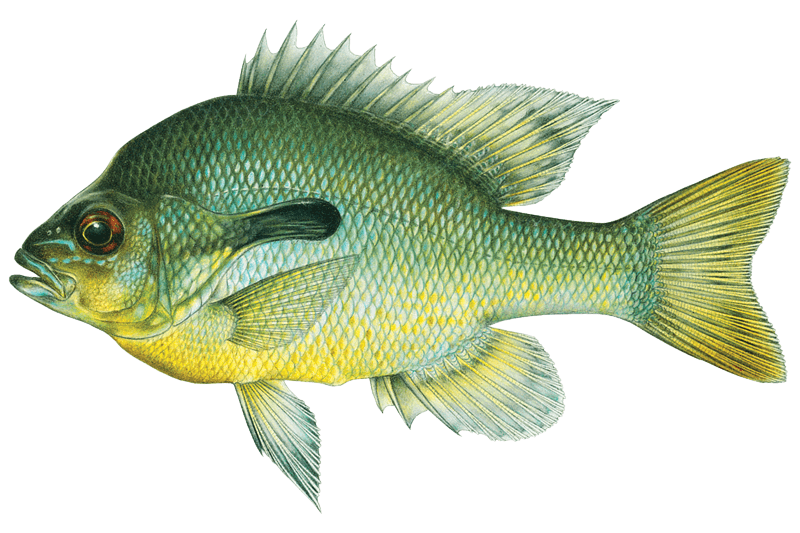
Redbreast Sunfish
Lepomis auritus
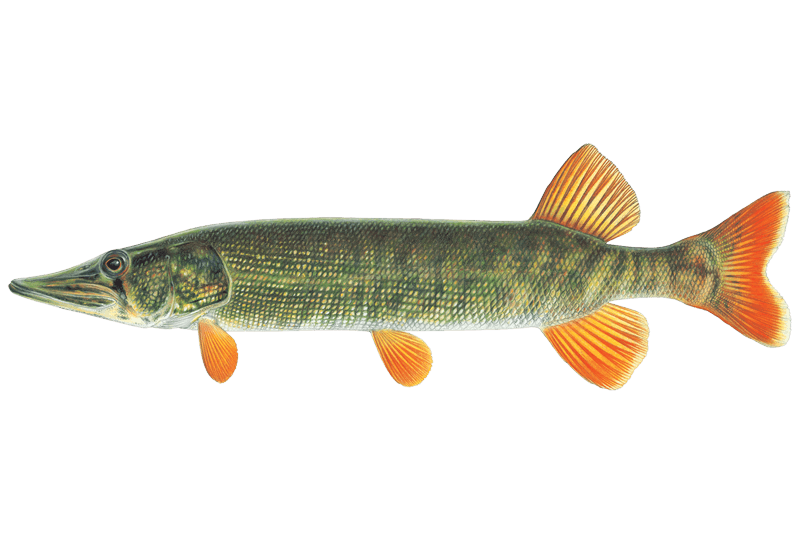
Redfin Pickerel
Esox americanus americanus

Rock Bass
Ambloplites rupestris

Round Whitefish
Prosopium cylindraceum
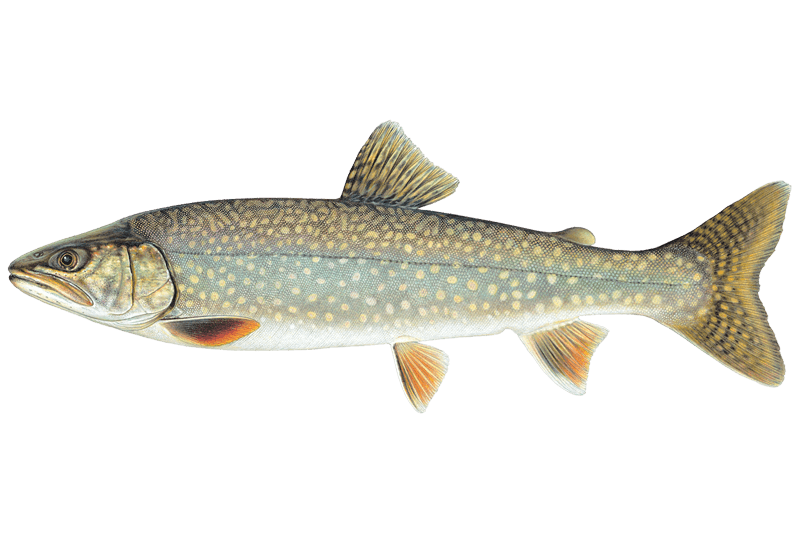
Splake
Salvelinus namaycush x Salvelinus fontinalis

Steelhead
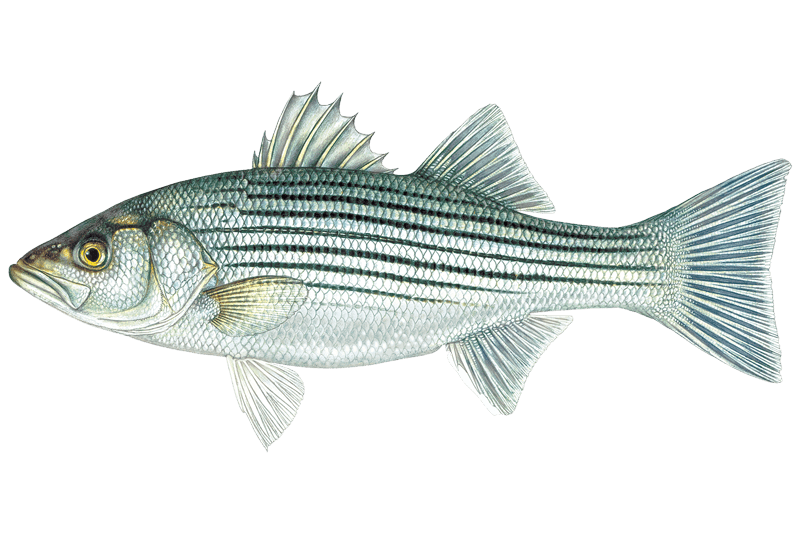
Striped Bass
Morone saxatilis
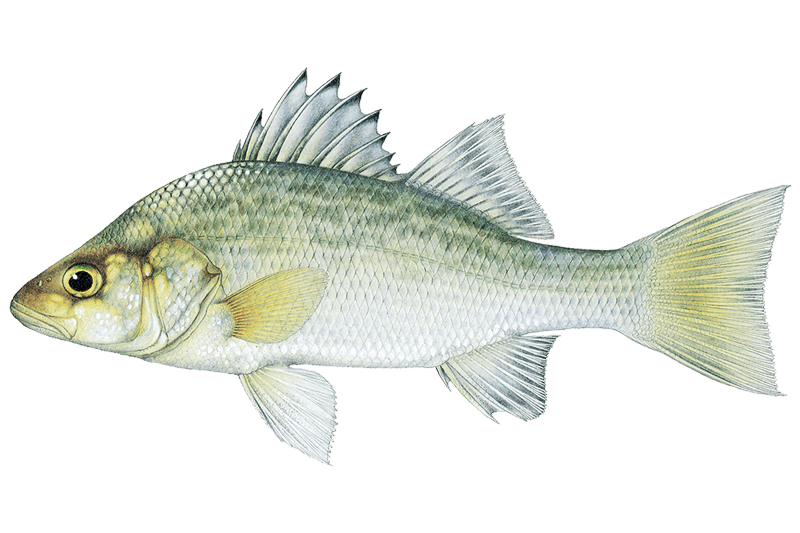
White Perch
Morone americana
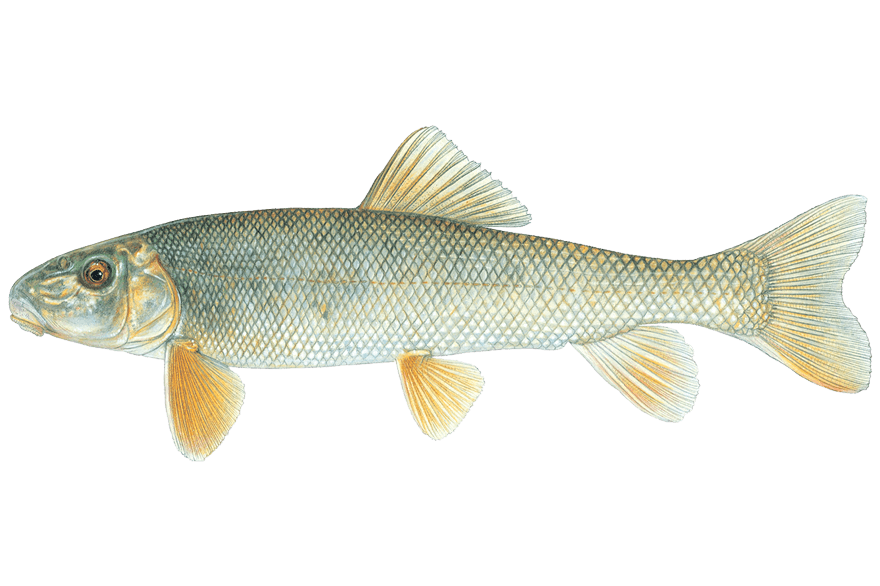
White Sucker
Catostomus commersonii
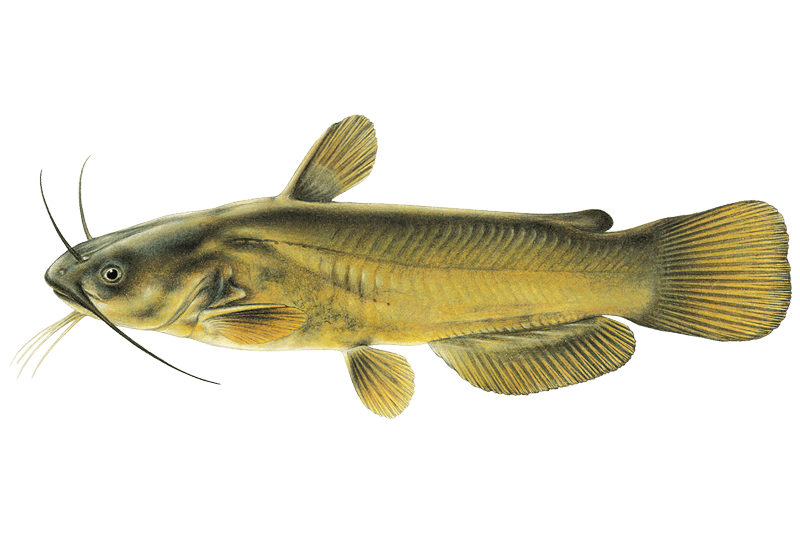
Yellow Bullhead
Ameiurus natalis
Maine licenses and regulations
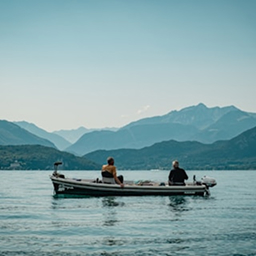
Maine Boating Regulations
When using any type of watercraft to access a body of water, it is important to follow all federal, state, and local rules and regulations. These rules and regulations include boat permitting and licensing, invasive species inspections and stamps, life jacket and PFD rules, motor size and horsepower restrictions, noise limitations, restrictions on personal watercraft, and many more. Visit the web link below for the most current rules and regulations for this body of water.

Maine Fishing License
A valid Maine fishing license is required for anyone 16 years of age or older, to fish in inland waters or transport fish taken from inland waters. A person is required to keep their fishing license with them at all times while fishing or transporting fish and must exhibit their license for inspection by any warden, department employee, guide, or landowner upon request. An electronic license or permit can now be displayed in lieu of a physical paper license or permit.

Maine Fishing Regulations
This river has a variety of species and regulations, including potential floating and/or watercraft restrictions. Because this river is specially managed for species, seasons, angling methods, and watercraft, it is strongly encouraged you check all federal, state, and local regulations before fishing. Visit any of the links below, inquire locally, or contact a local fly shop to learn current regulations and restrictions.
Maine Stream Access Laws
"All streams of sufficient capacity in their natural condition to float boats, rafts or logs, are deemed public highways and as such are subject to the use of the public."
Explore nearby waters
Explore Maine waters
Top fishing waters
Popular Cities
Loading popular cities...
Smarter Fishing Starts in the App.
onWater Fish gives you everything you need to plan smarter, fish better, and own every trip from first cast to last.