Pumpkinseed
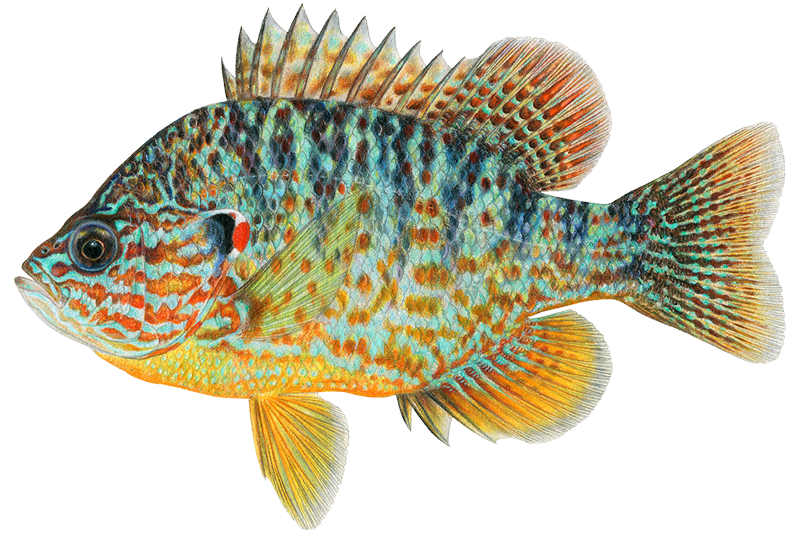
The Pumpkinseed is a native sunfish species found throughout Maine. Maine's Pumpkinseed populations are stable and widely distributed. They're considered excellent starter fish for young anglers due to their abundance and willingness to bite.
Scientific Name: Lepomis gibbosus
- Typically measuring 6-10 inches in length.
- Easily distinguished by its vibrant coloration featuring golden brown to olive backs fading to orange-red bellies, with distinctive blue-green wavy lines radiating from the head and a characteristic bright red crescent spot on the black gill flap.
Fishing in Maine
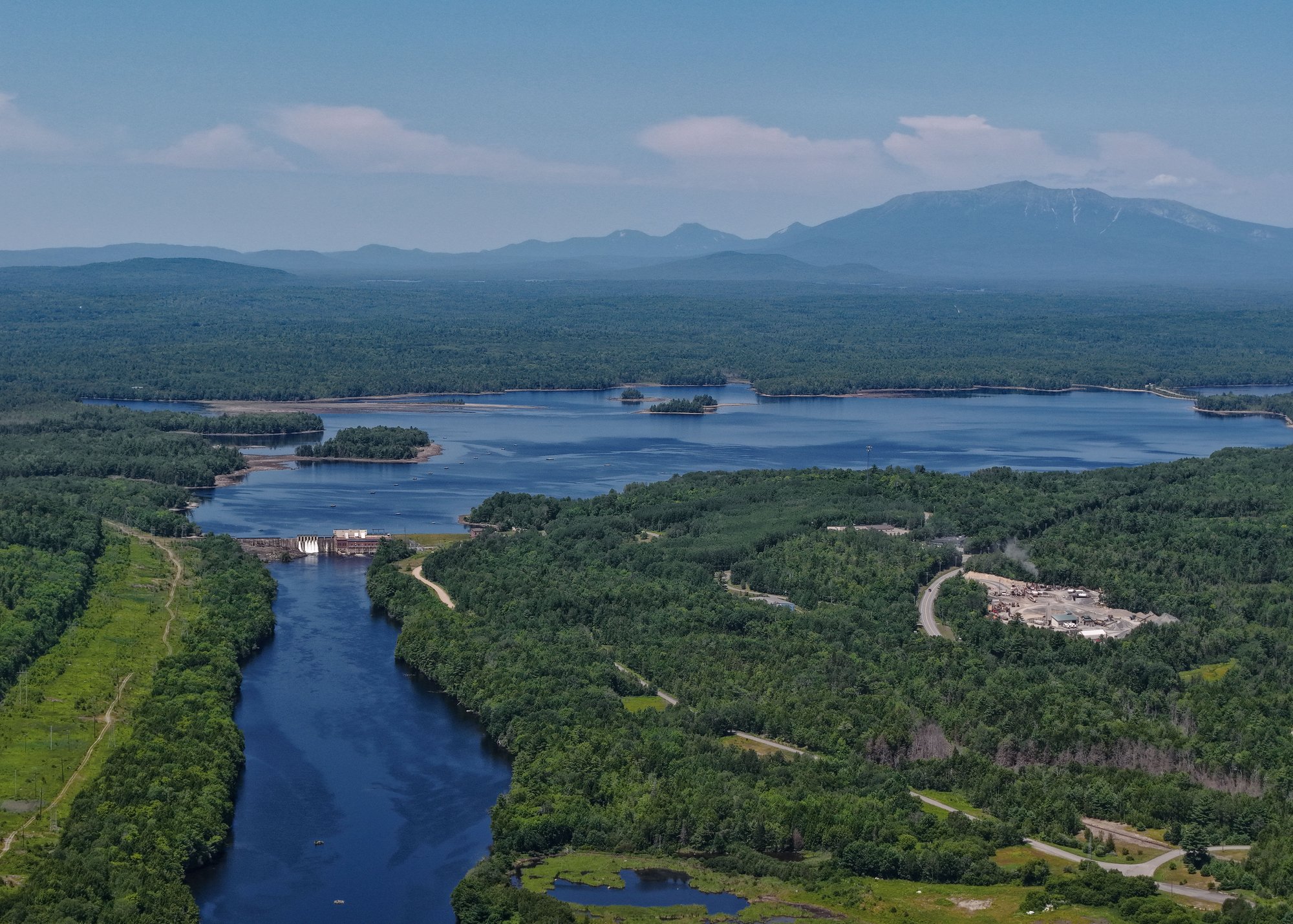
Penobscot River
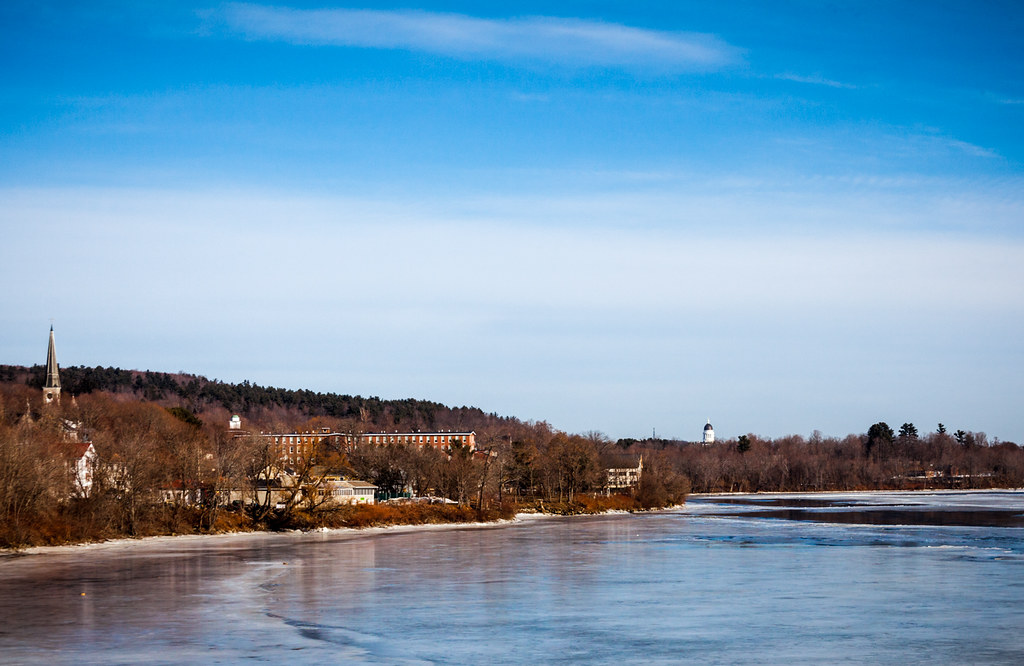
Kennebec River
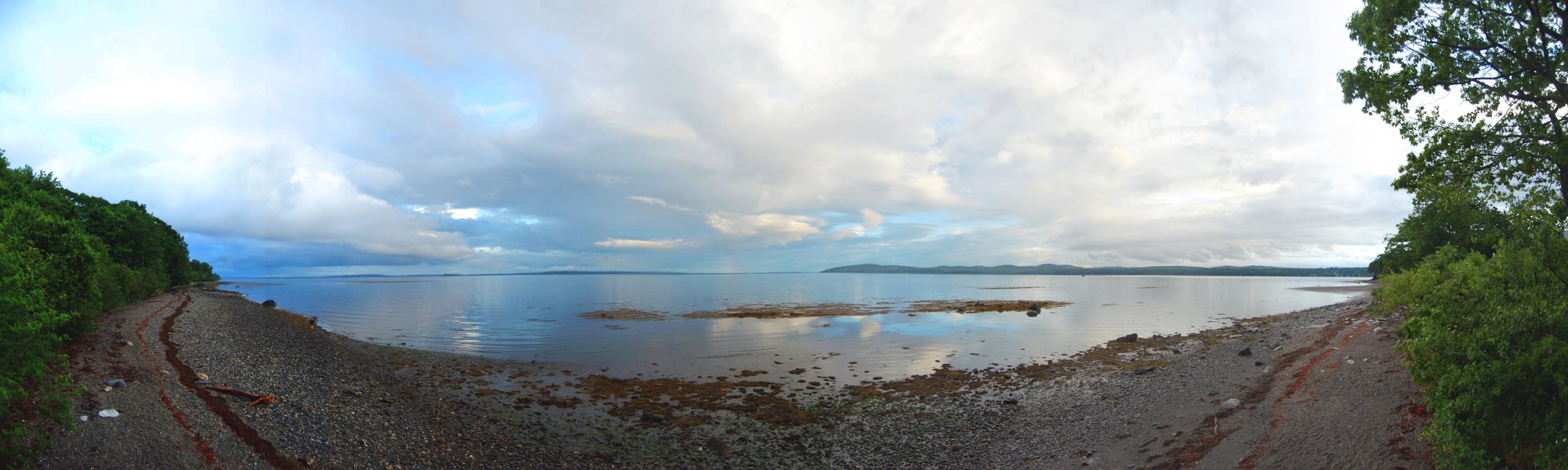
Penobscot Bay
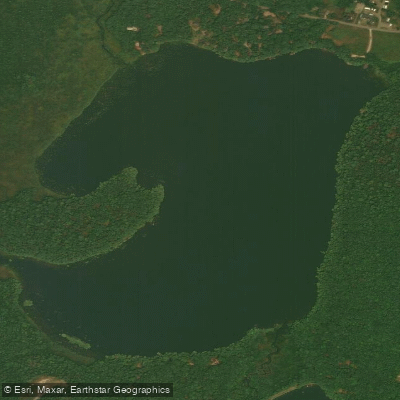
Fields Pond
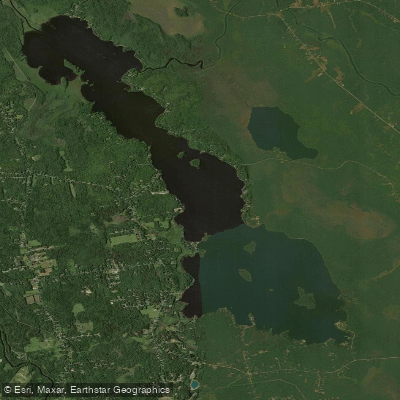
Pushaw Lake
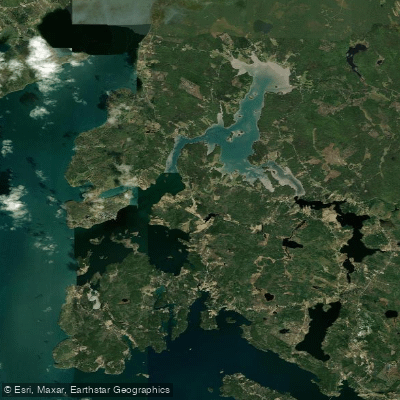
Bagaduce River
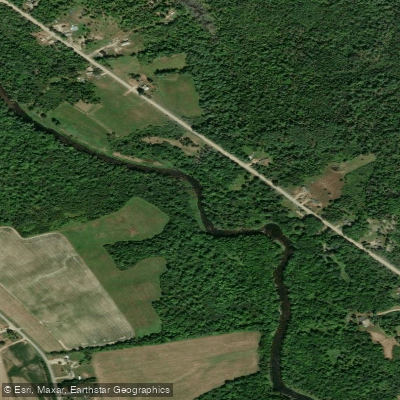
Kenduskeag Stream
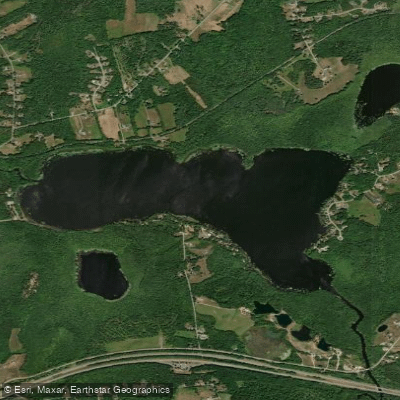
Hermon Pond
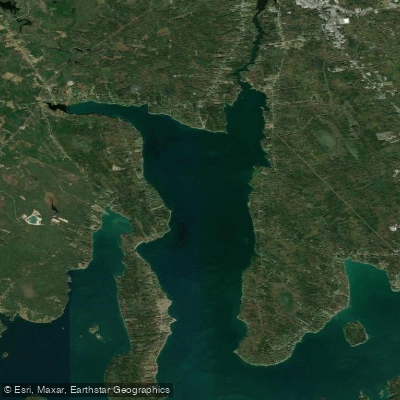
Union River Bay
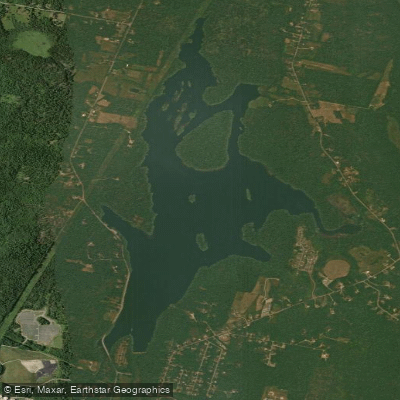
Silver Lake
What to know
Habitat Distribution
- Found throughout Maine in lakes, ponds, weedy bays of larger water bodies, and quiet pools of slow-moving streams and rivers.
Key Locations
- Lower Kimball Pond in North Fryeburg, Pennamaquan River Reservoir, and Annabessacook Lake in Monmouth.
Specific Spots
- Focus on areas with aquatic vegetation, submerged logs, fallen trees, lily pads, and cabbage weed beds in 1-2 feet of water.
- They stay close to shorelines in shallow protected areas with abundant vegetation for cover.
Pumpkinseed FAQ
Answers from onWater's species guide.
What are the best lures and bait for Pumpkinseed in Maine?
Small pieces of worms are most effective. Small jigs tipped with worms or soft plastics on 1/16 to 1/8 ounce jigheads produce excellent results.
What flies work for Pumpkinseed in Maine?
Small poppers in bumblebee, frog, or chartreuse patterns during surface activity, working them with gentle 'bloop' pops followed by 2-3 second pauses.
When is the best time to fish for Pumpkinseed in Maine?
Late spring through early fall when they're most active, with summer being prime time. Spawning occurs from late spring through early summer (May-July) when water temperatures reach 55-68°F - avoid fishing during these periods to protect spawning activities.
How do you catch Pumpkinseed in Maine?
For bait fishing, use a simple bobber rig. Small jigs work well. Use simple presentations as Pumpkinseed are aggressive feeders that respond well to small offerings fished slowly near cover.
What do Pumpkinseed eat?
Primarily carnivorous, feeding on small invertebrates including insects, mosquito larvae, mollusks, snails, crustaceans, small fish, tadpoles, and even smaller Pumpkinseed.
Fish smarter with real-time insights
Whether you're en route and conditions shift or you're looking for the best spot based on current flows, we enable you to make informed decisions on the fly.







See it in the app
Most maps show you water.
onWater shows you Pumpkinseed.



- 01 · Species map filter
Map every Pumpkinseed water
Pick Pumpkinseed and the map zeroes in on the waters they call home. No more guessing which lake holds them.
- 02 · Waterbody species
Tap any water. See what lives there.
Species, behavior and seasonal patterns for every lake, river and pond, before you leave the driveway.
- 03 · Angler Intelligence
Ask how to catch Pumpkinseed
Tactics, gear and timing from onWater's AI fishing guide, tuned to the species and the water you're on.
Stop guessing where Pumpkinseed are.
Open the map, filter by Pumpkinseed, and head to water that holds them. Download onWater and plan your next trip in minutes.
- Species map filter
- Angler Intelligence
- Fishing journal
Explore other species
Trout, bass, salmon, panfish and everything in between. Each guide unpacks the behavior, seasons, and tactics that put fish in the net.

Find which waters have the species you want to catch

Largemouth Bass

Smallmouth Bass
Micropterus dolomieu

Rainbow Trout

Brown Trout
Salmo trutta

Brook Trout
Salvelinus fontinalis

Northern Pike

Muskellunge

Walleye
Sander vitreus

Black Crappie
Pomoxis nigromaculatus

Alewife
Alosa pseudoharengus

American Eel
Anguilla rostrata

American Shad
Alosa sapidissima

Arctic Char
Salvelinus alpinus oquassa

Atlantic Mackerel
Scomber scombrus

Atlantic Salmon

Atlantic Sturgeon
Acipenser oxyrinchus

Black Bullhead
Ameiurus melas

Blacknose Dace
Rhinichthys atratulus

Brown Bullhead
Ameiurus nebulosus

Burbot
Lota lota

Chain Pickerel
Esox niger

Common Carp
Cyprinus carpio

Creek Chub
Semotilus atromaculatus
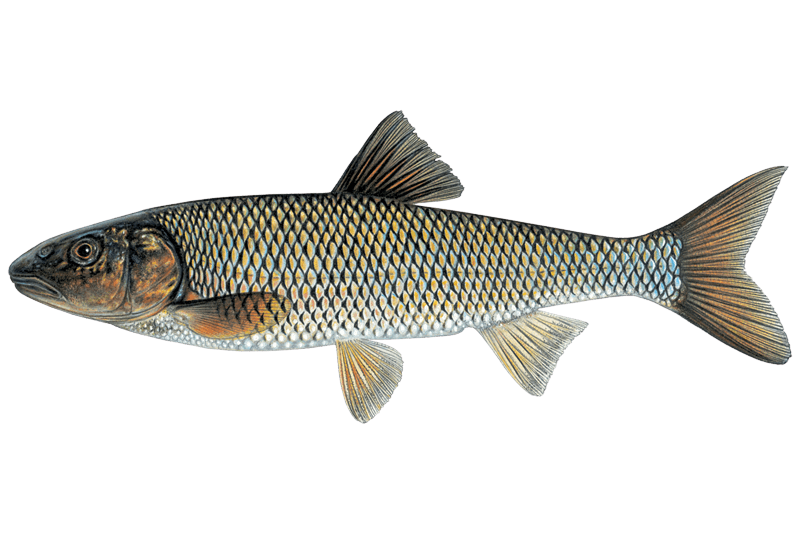
Fallfish
Semotilus corporalis

Green Sunfish
Lepomis cyanellus

Lake Trout
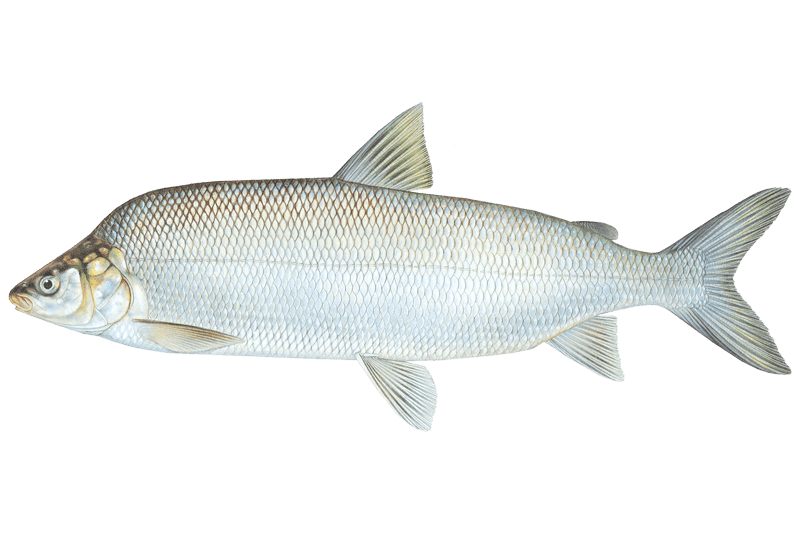
Lake Whitefish
Coregonus clupeaformis

Longnose Sucker
Catostomus catostomus

Pearl Dace
Margariscus margarita

Rainbow Smelt
Osmerus mordax
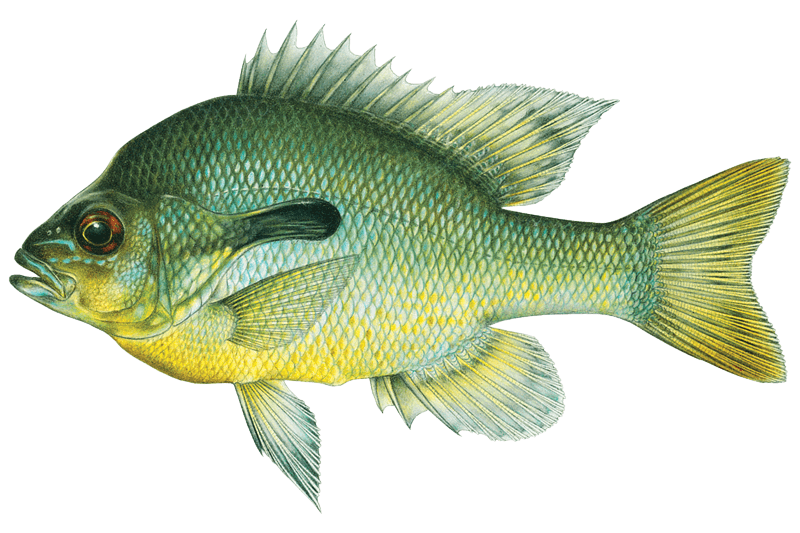
Redbreast Sunfish
Lepomis auritus
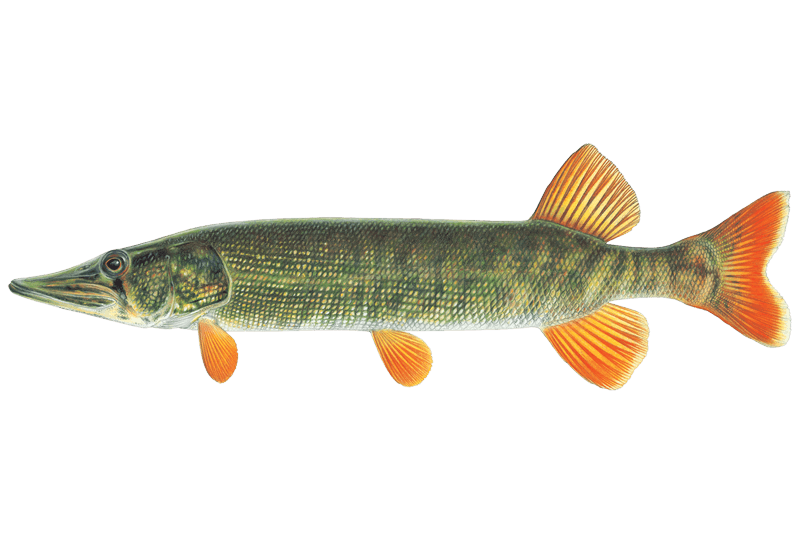
Redfin Pickerel
Esox americanus americanus

Rock Bass
Ambloplites rupestris

Round Whitefish
Prosopium cylindraceum
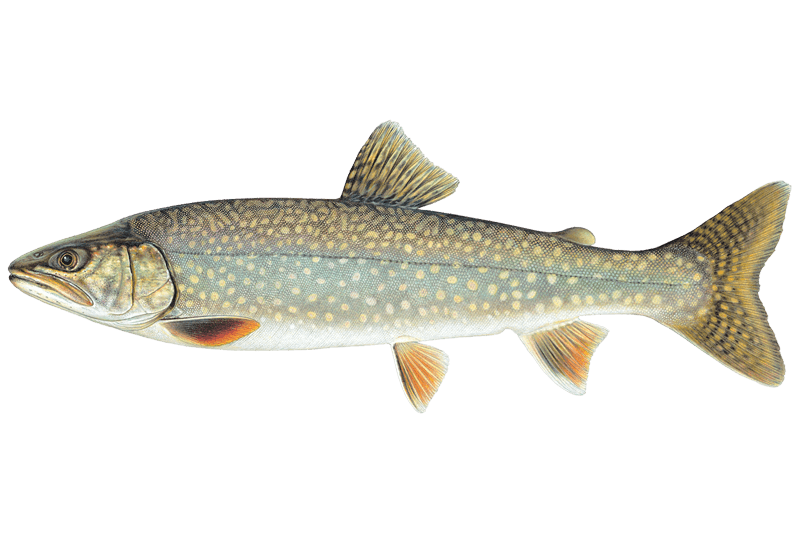
Splake
Salvelinus namaycush x Salvelinus fontinalis

Steelhead
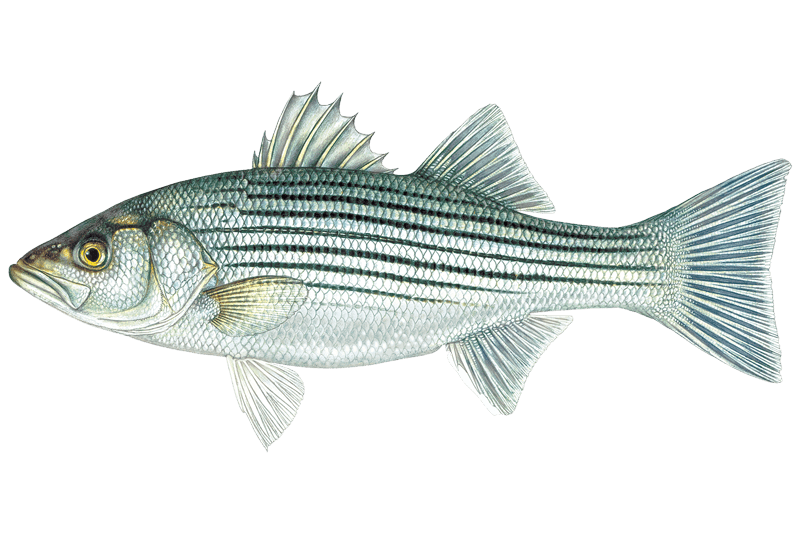
Striped Bass
Morone saxatilis
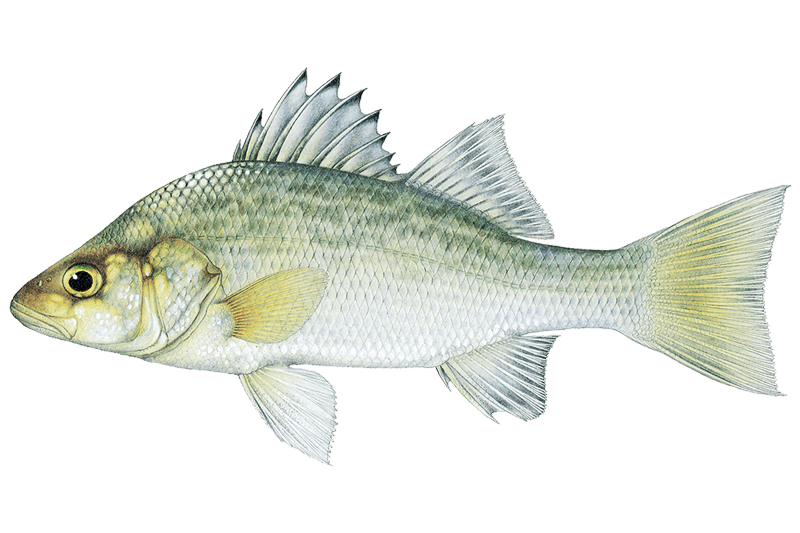
White Perch
Morone americana
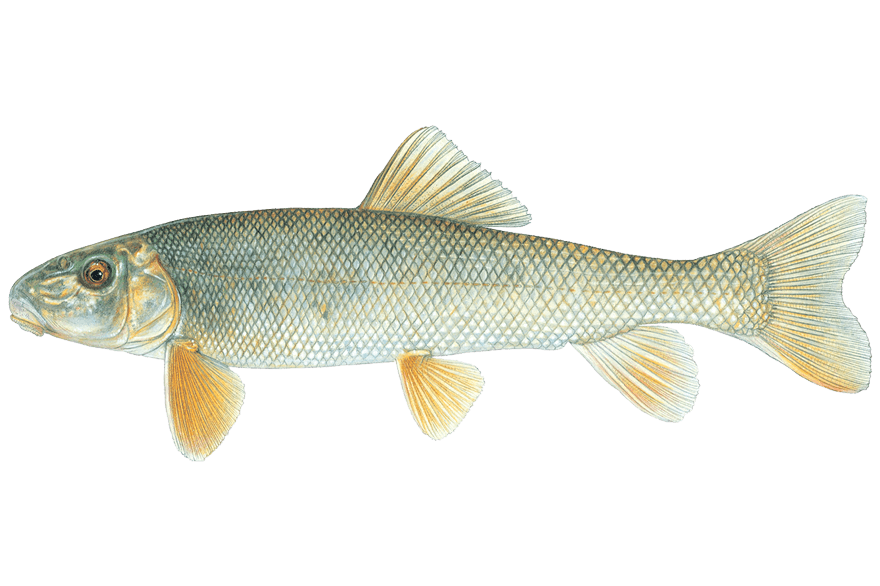
White Sucker
Catostomus commersonii
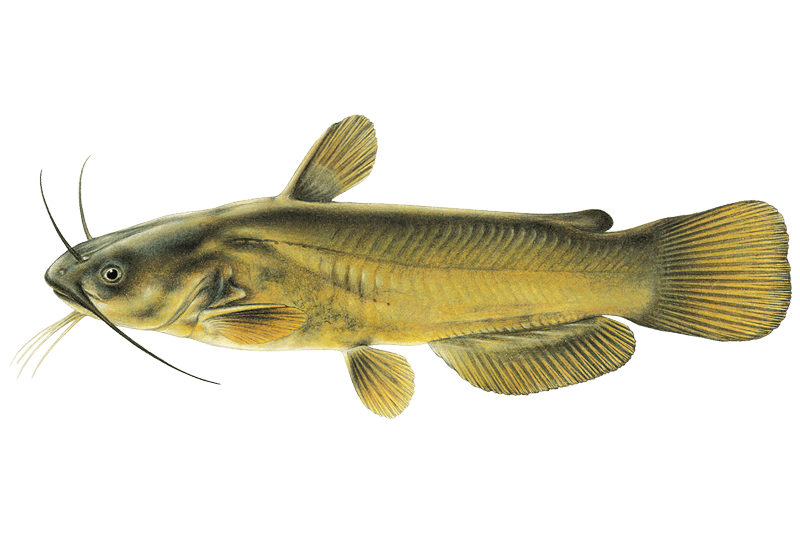
Yellow Bullhead
Ameiurus natalis
Maine licenses and regulations
Maine Boating Regulations
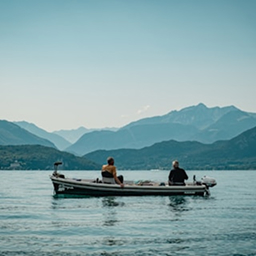
When using any type of watercraft to access a body of water, it is important to follow all federal, state, and local rules and regulations. These rules and regulations include boat permitting and licensing, invasive species inspections and stamps, life jacket and PFD rules, motor size and horsepower restrictions, noise limitations, restrictions on personal watercraft, and many more. Visit the web link below for the most current rules and regulations for this body of water.

Maine Fishing License
A valid Maine fishing license is required for anyone 16 years of age or older, to fish in inland waters or transport fish taken from inland waters. A person is required to keep their fishing license with them at all times while fishing or transporting fish and must exhibit their license for inspection by any warden, department employee, guide, or landowner upon request. An electronic license or permit can now be displayed in lieu of a physical paper license or permit.

Maine Fishing Regulations
This river has a variety of species and regulations, including potential floating and/or watercraft restrictions. Because this river is specially managed for species, seasons, angling methods, and watercraft, it is strongly encouraged you check all federal, state, and local regulations before fishing. Visit any of the links below, inquire locally, or contact a local fly shop to learn current regulations and restrictions.
Maine Stream Access Laws
"All streams of sufficient capacity in their natural condition to float boats, rafts or logs, are deemed public highways and as such are subject to the use of the public."
Explore nearby waters
Explore Maine waters
Top fishing waters
Popular Cities
Loading popular cities...
Smarter Fishing Starts in the App.
onWater Fish gives you everything you need to plan smarter, fish better, and own every trip from first cast to last.