Burbot

Burbot (Lota lota), commonly called cusk in Maine, are the only freshwater member of the cod family and the only freshwater species that spawns primarily in winter under ice.
These unique fish are native and naturally distributed in 158 lakes and ponds totaling 459,265 acres in Maine.
Scientific Name: Lota lota
Also known as cusk
- These unique fish have an elongated, almost eel-shaped body with a broad, flattened head, large mouth with small teeth, and a distinctive single whisker-like barbel under the chin.
- They're olive to dark brown with distinctive dark markings and spots, with a cream-colored belly.
- Aged Maine cusk averaging 18 inches and 24 ounces at eight years old.
Fishing in Maine

Penobscot River

Kennebec River
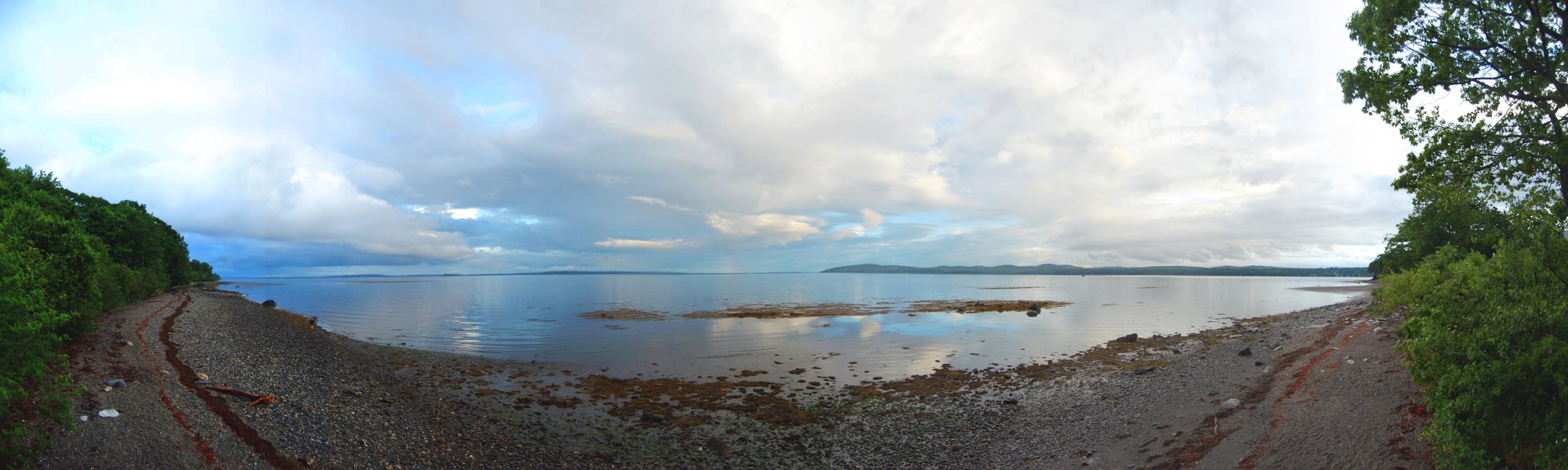
Penobscot Bay
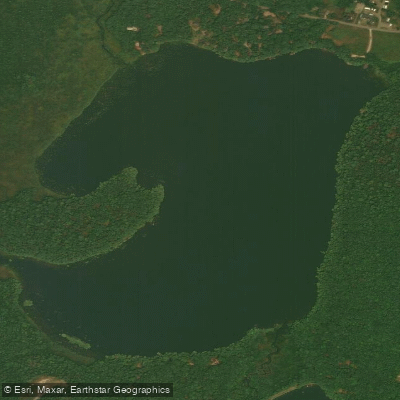
Fields Pond
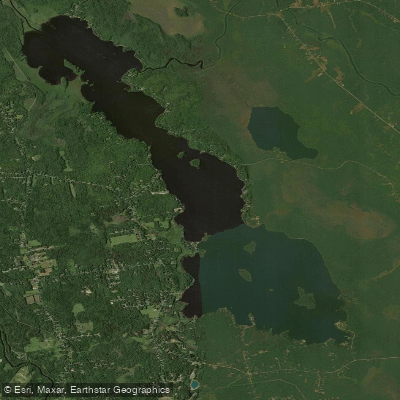
Pushaw Lake
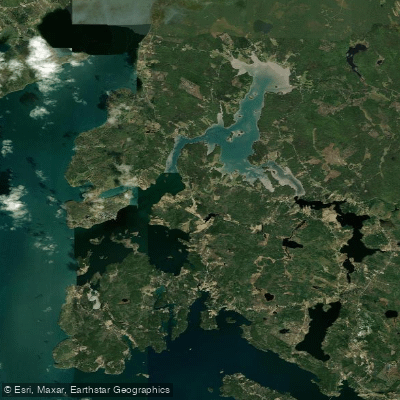
Bagaduce River
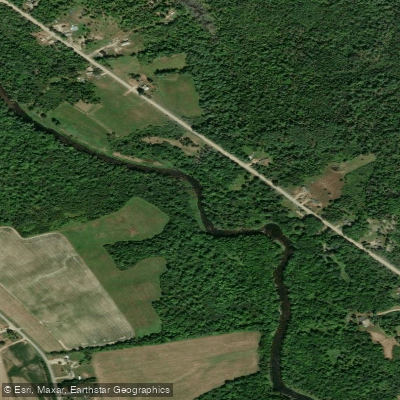
Kenduskeag Stream
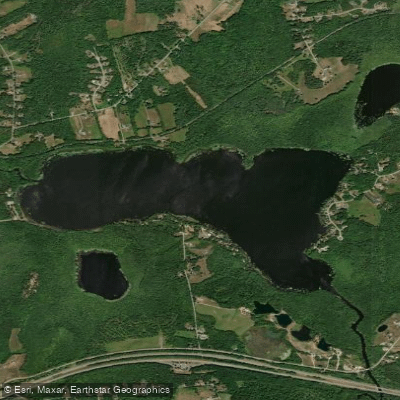
Hermon Pond
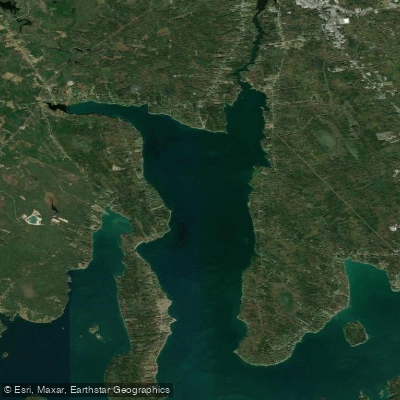
Union River Bay
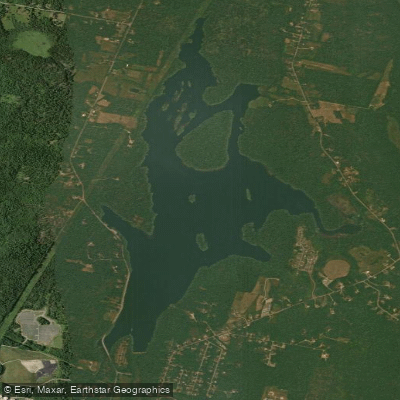
Silver Lake
What to know
Habitat Distribution
- Native and naturally distributed in 158 lakes and ponds totaling 459,265 acres, primarily in the headwaters of the Kennebec, Penobscot, and St.
- John river systems, while being conspicuously absent from smaller coastal drainages.
- They inhabit deep, cool areas during summer months alongside lake trout, whitefish, and sculpin.
Key Locations
- Primarily in the headwaters of the Kennebec, Penobscot, and St.
- John river systems, while being conspicuously absent from smaller coastal drainages.
- They're typically found in Maine's largest lakes including Moosehead (74,890 acres), Sebago (28,771 acres), and Chesuncook (26,200 acres), as well as waters like Eagle Lake in Aroostook County where Maine's record 18.5-pound burbot was caught in 1986.
Specific Spots
- Depths of 15-25 feet over sandy or gravelly bottoms.
- They inhabit deep, cool areas during summer months.
- They spawn at depths of 3-15 feet over sand and gravel substrates.
Burbot FAQ
Answers from onWater's species guide.
What are the best lures and bait for Burbot in Maine?
Productive baits include live minnows, cut bait such as sucker or chub, shiners, and fatheads. For lures, heavy jigging spoons work well, particularly glow-in-the-dark versions like the Trout-N-Pout Spoon in 1-1/8 oz size for 20-40 foot depths. Green glow being versatile and red glow effective up close.
When is the best time to fish for Burbot in Maine?
Best during the winter ice fishing season, particularly from mid-February to early March. In spring and fall, they move into shallow water along shores, and during winter they're active at all depths under ice.
How do you catch Burbot in Maine?
Successful methods include fishing with live or dead bait on or near the bottom using traps, or jigging on or near bottom with artificial lures tipped with dead bait.
What do Burbot eat?
They're very opportunistic feeders with smelts appearing in 50% of stomachs and crayfish in 40% of stomachs in Moosehead Lake studies. Their diet also includes sculpins, sticklebacks, yellow perch, suckers, minnows, insects, and invertebrates.
Where do Burbot live in Maine?
Native and naturally distributed in 158 lakes and ponds totaling 459,265 acres, primarily in the headwaters of the Kennebec, Penobscot, and St. John river systems, while being conspicuously absent from smaller coastal drainages.
Fish smarter with real-time insights
Whether you're en route and conditions shift or you're looking for the best spot based on current flows, we enable you to make informed decisions on the fly.




See it in the app
Most maps show you water.
onWater shows you Burbot.



- 01 · Species map filter
Map every Burbot water
Pick Burbot and the map zeroes in on the waters they call home. No more guessing which lake holds them.
- 02 · Waterbody species
Tap any water. See what lives there.
Species, behavior and seasonal patterns for every lake, river and pond, before you leave the driveway.
- 03 · Angler Intelligence
Ask how to catch Burbot
Tactics, gear and timing from onWater's AI fishing guide, tuned to the species and the water you're on.
Stop guessing where Burbot are.
Open the map, filter by Burbot, and head to water that holds them. Download onWater and plan your next trip in minutes.
- Species map filter
- Angler Intelligence
- Fishing journal
Explore other species
Trout, bass, salmon, panfish and everything in between. Each guide unpacks the behavior, seasons, and tactics that put fish in the net.
No species information available.
Maine licenses and regulations
Explore nearby waters
Explore Maine waters
Top fishing waters
Popular Cities
Loading popular cities...

Smarter Fishing Starts in the App.
onWater Fish gives you everything you need to plan smarter, fish better, and own every trip from first cast to last.