Walleye

Walleye are not native to Maine waters but were introduced as a non-native species, with the first documented introductions dating back to 1914.
These coolwater fish are primarily piscivorous predators with sharp teeth specialized for their fish-eating lifestyle.
Scientific Name: Sander vitreus
- Adult walleye typically reach 350mm for males and 450mm for females, with distinctive silvery eyes that have a reflective layer called the tapetum lucidum, allowing them to see effectively in low-light conditions.
Fishing in Maine
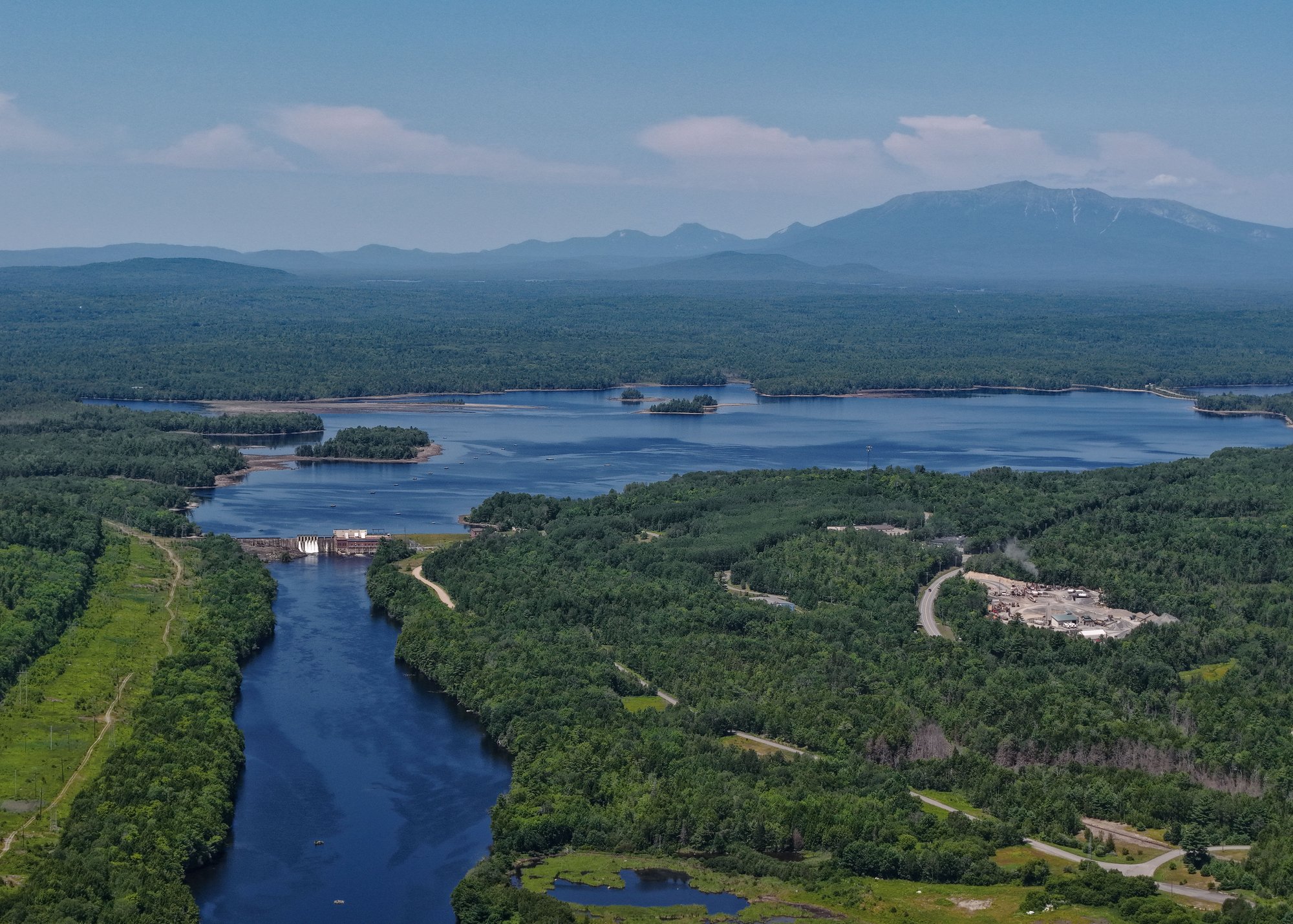
Penobscot River
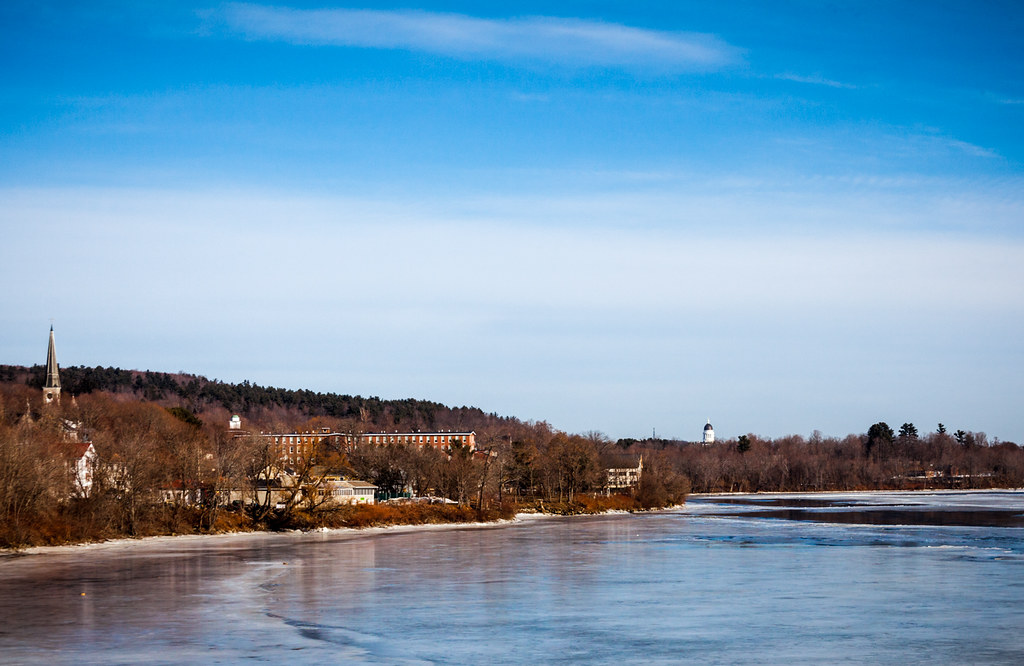
Kennebec River
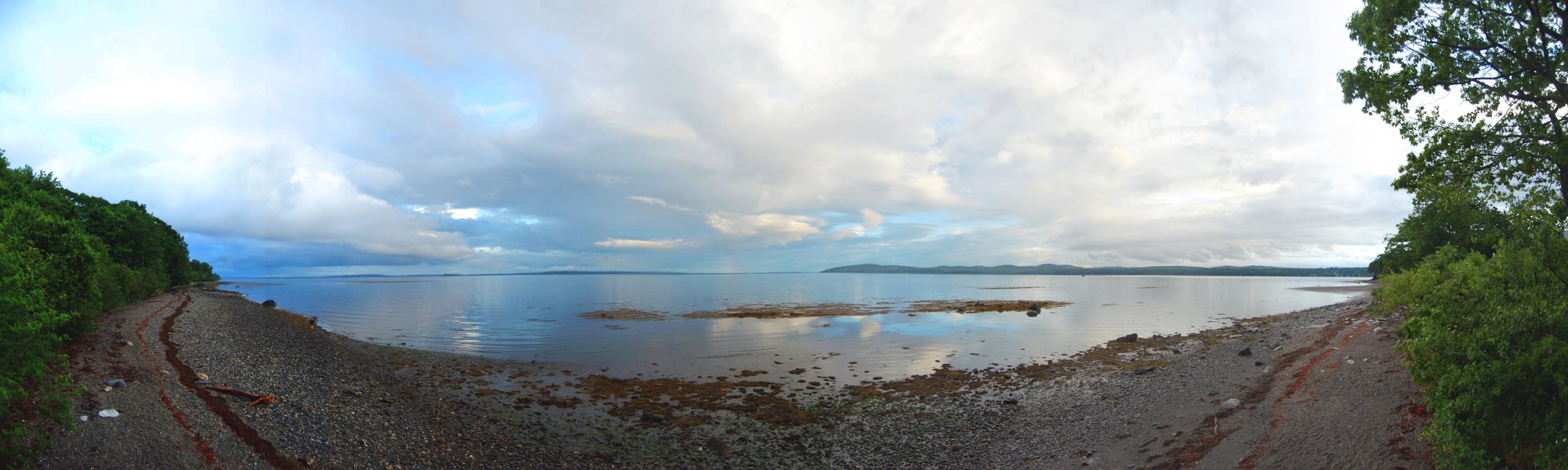
Penobscot Bay
Fields Pond
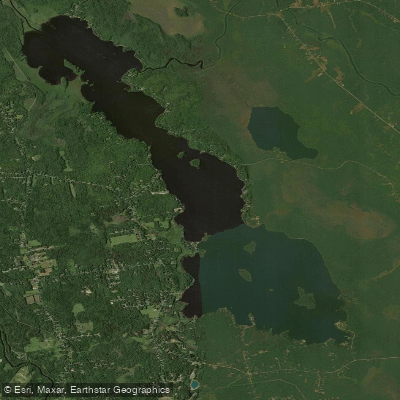
Pushaw Lake
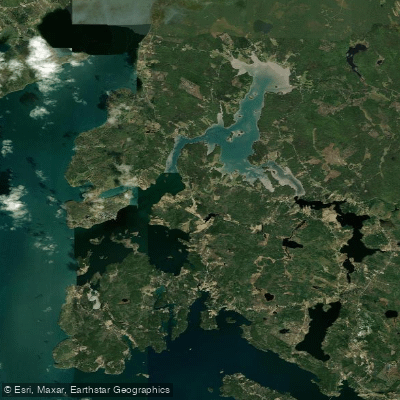
Bagaduce River
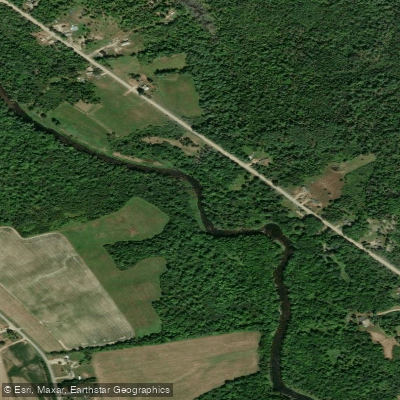
Kenduskeag Stream
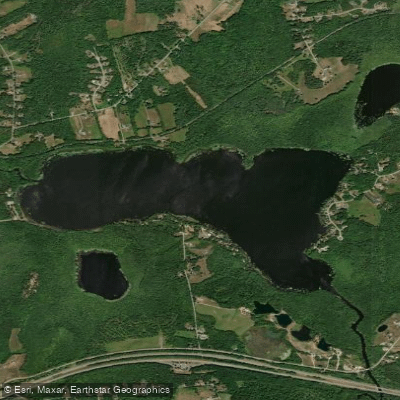
Hermon Pond
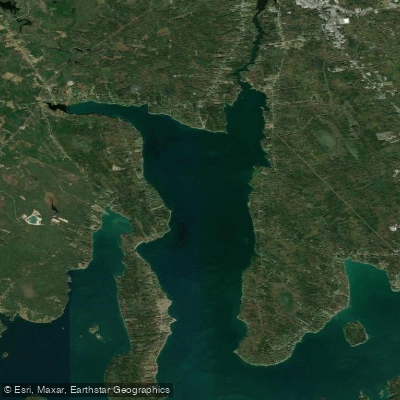
Union River Bay
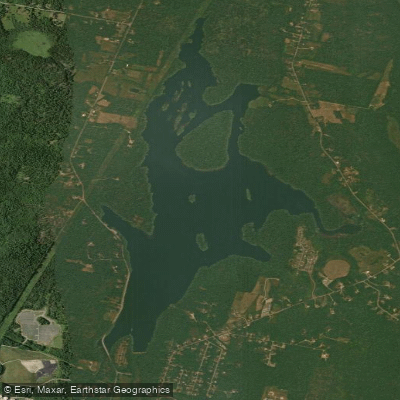
Silver Lake
What to know
Habitat Distribution
- Typically found in lakes, pools, backwaters, and runs of medium to large rivers with clear water near brush and structure, preferring areas with sand and gravel substrates and moderate current.
Key Locations
- In Maine, they inhabit primarily the larger lake systems and some river environments.
Specific Spots
- Target structure-rich areas including rock piles, weed beds, points, ledges, and drop-offs where walleye ambush prey.
- Focus on areas where baitfish concentrate.
- During warmer periods, fish deeper waters as walleye retreat to cooler depths, but continue targeting areas near structure and underwater cover where they stage to feed.
Walleye FAQ
Answers from onWater's species guide.
What are the best lures and bait for Walleye in Maine?
Focus on jigs tipped with minnows or plastic trailers, minnow-imitating plugs, and spoons.
What flies work for Walleye in Maine?
Effective fly patterns include Clouser minnows in blue/white combinations to mimic emerald shiners, firetiger patterns, and all-black flies with marabou construction. Glow-in-the-dark materials can be particularly effective in Maine's darker, murky waters or during night fishing.
When is the best time to fish for Walleye in Maine?
Spring and early fall provide the best fishing opportunities as walleye are more aggressive during these periods. They spawn in early spring when water temperatures reach 5°C (41°F), typically from late March to early April - during this time they should not be targeted to protect spawning populations.
How do you catch Walleye in Maine?
Use slip sinker rigs, slip bobber rigs, or spinner rigs when fishing with live bait. Position lures at the edges of baitfish schools rather than in the center, as walleye prefer to attack fish that venture outside the safety of the school.
What do Walleye eat?
Their diet consists primarily of other fish including yellow perch, gizzard shad, emerald shiners, and various minnow species, though they also consume crayfish, leeches, aquatic insects like mayflies, and occasionally frogs and mudpuppies when fish are scarce.
Fish smarter with real-time insights
Whether you're en route and conditions shift or you're looking for the best spot based on current flows, we enable you to make informed decisions on the fly.




See it in the app
Most maps show you water.
onWater shows you Walleye.
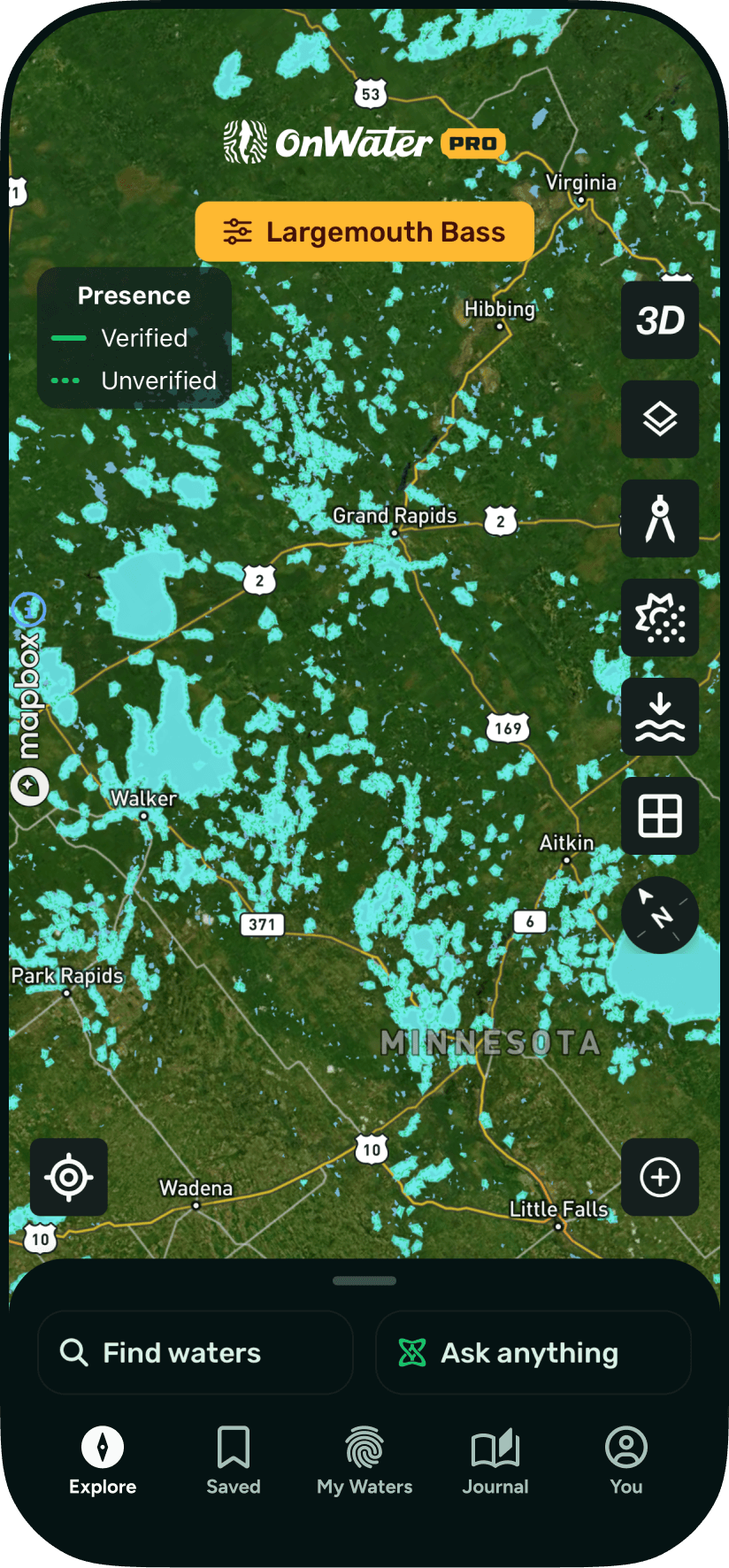
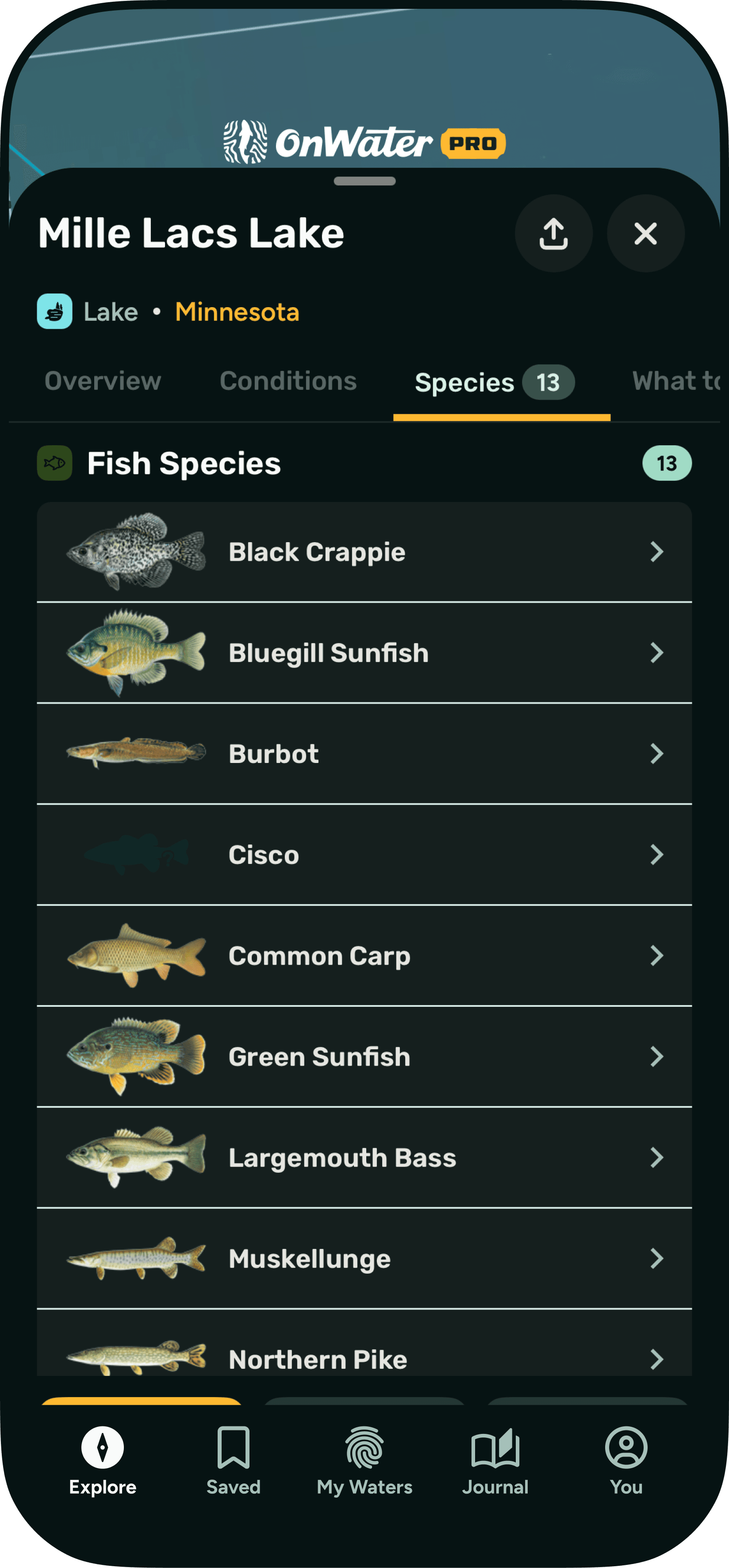
- 01 · Species map filter
Map every Walleye water
Pick Walleye and the map zeroes in on the waters they call home. No more guessing which lake holds them.
- 02 · Waterbody species
Tap any water. See what lives there.
Species, behavior and seasonal patterns for every lake, river and pond, before you leave the driveway.
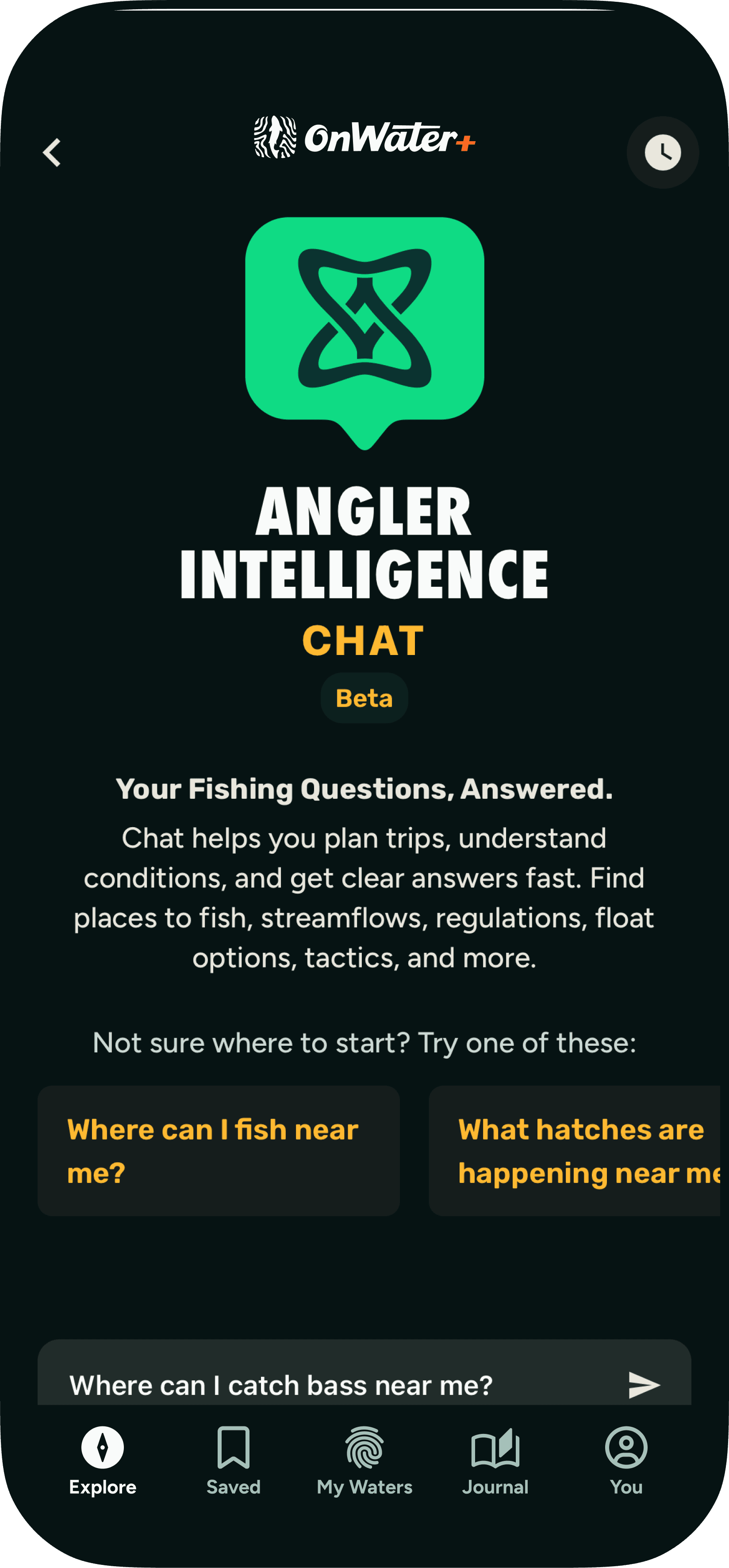
- 03 · Angler Intelligence
Ask how to catch Walleye
Tactics, gear and timing from onWater's AI fishing guide, tuned to the species and the water you're on.
Stop guessing where Walleye are.
Open the map, filter by Walleye, and head to water that holds them. Download onWater and plan your next trip in minutes.
- Species map filter
- Angler Intelligence
- Fishing journal
Explore other species
Trout, bass, salmon, panfish and everything in between. Each guide unpacks the behavior, seasons, and tactics that put fish in the net.
Find which waters have the species you want to catch
Largemouth Bass
Smallmouth Bass
Micropterus dolomieu
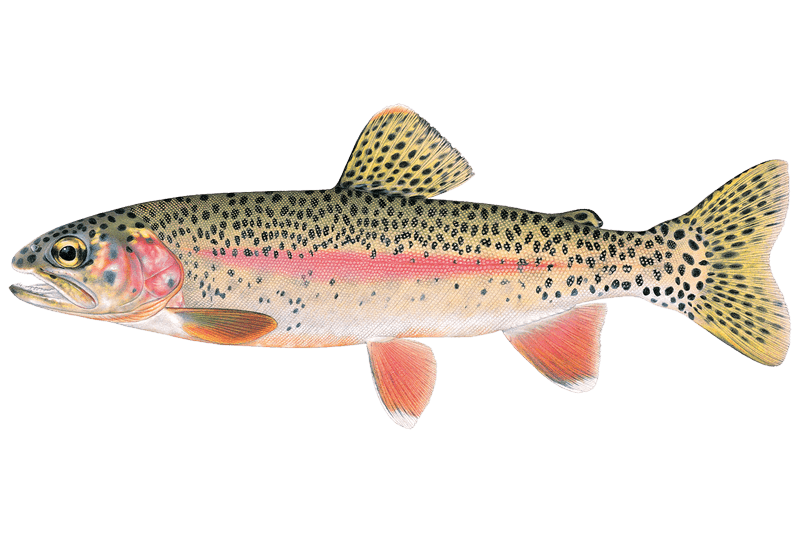
Rainbow Trout
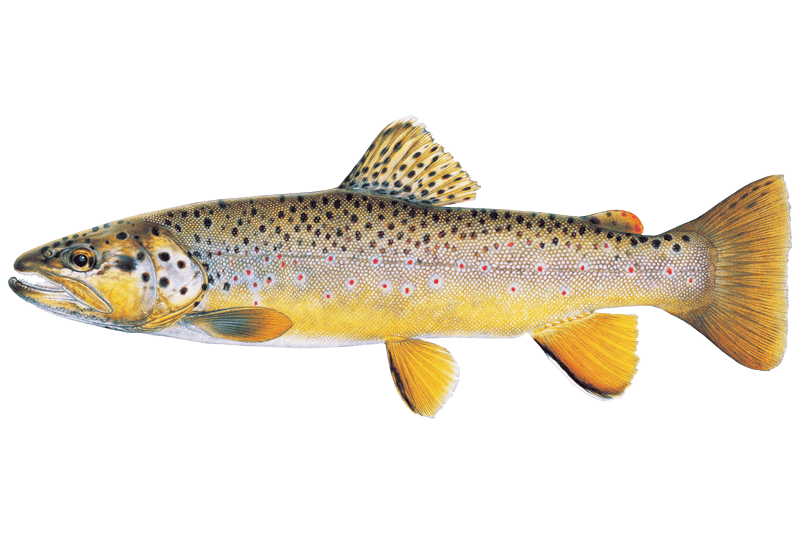
Brown Trout
Salmo trutta
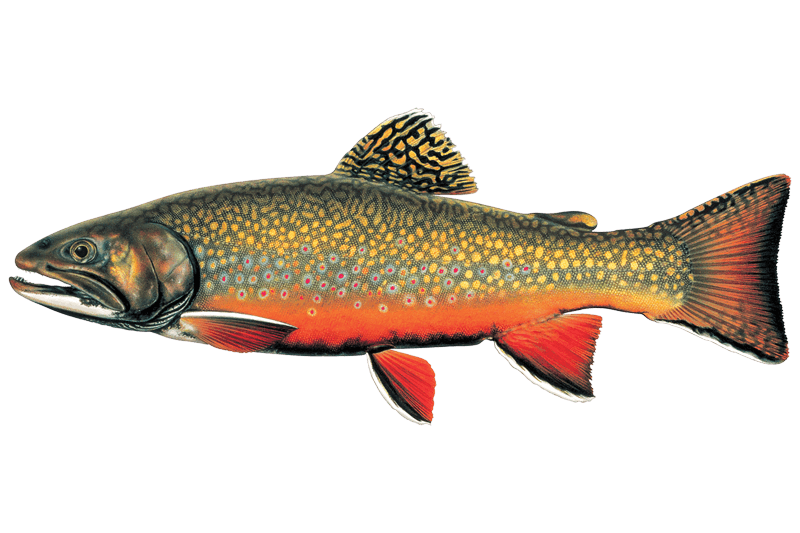
Brook Trout
Salvelinus fontinalis
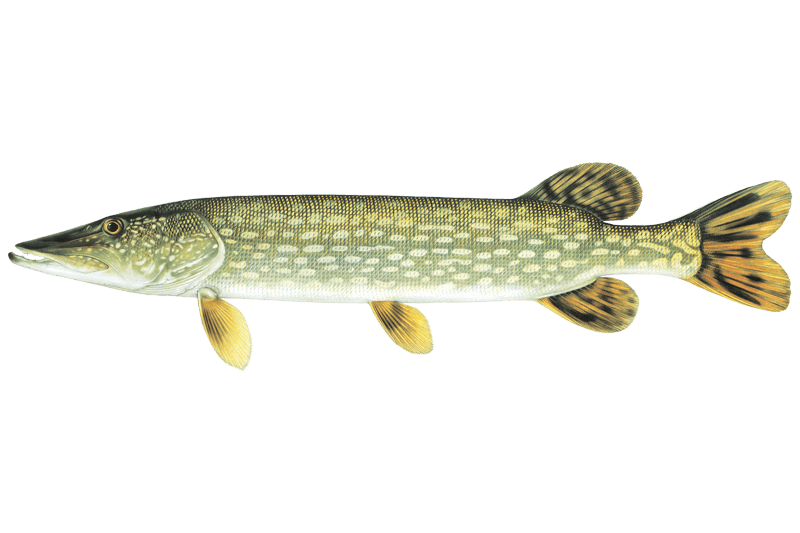
Northern Pike
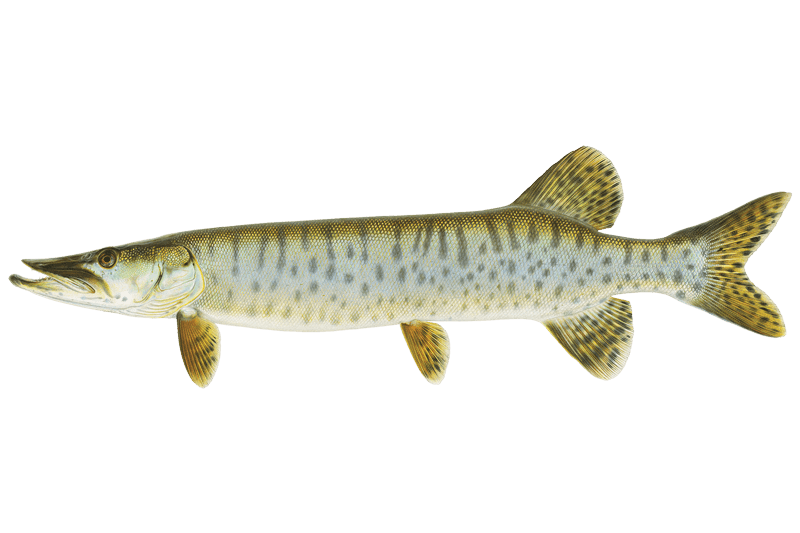
Muskellunge
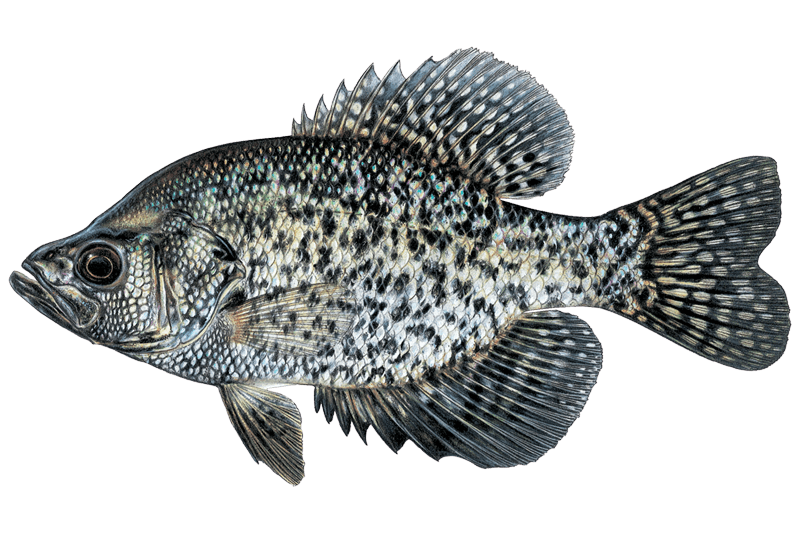
Black Crappie
Pomoxis nigromaculatus

Alewife
Alosa pseudoharengus

American Eel
Anguilla rostrata
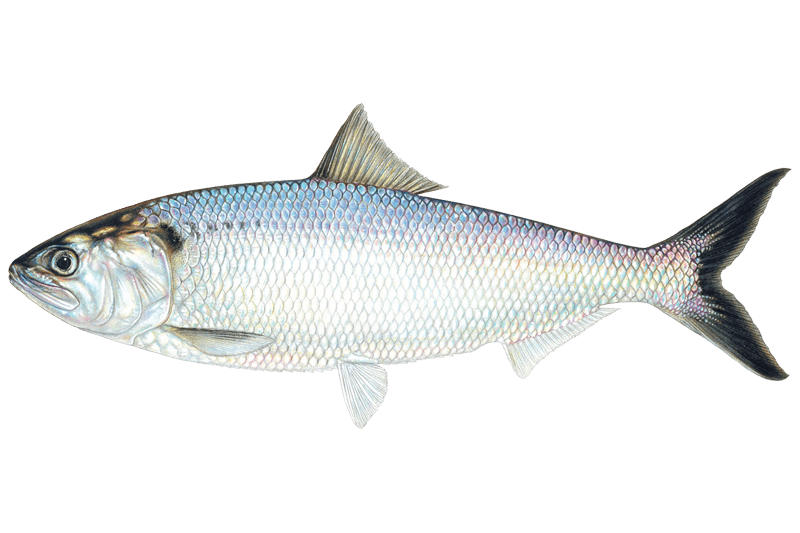
American Shad
Alosa sapidissima

Arctic Char
Salvelinus alpinus oquassa

Atlantic Mackerel
Scomber scombrus
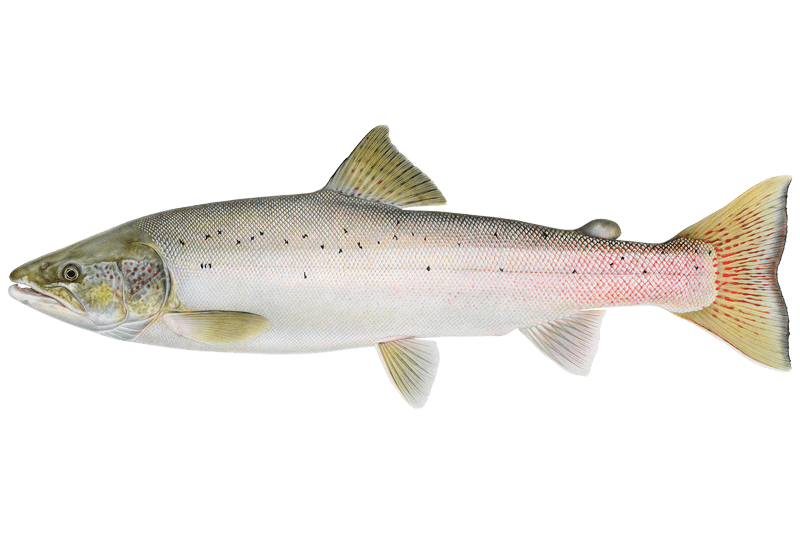
Atlantic Salmon

Atlantic Sturgeon
Acipenser oxyrinchus

Black Bullhead
Ameiurus melas

Blacknose Dace
Rhinichthys atratulus
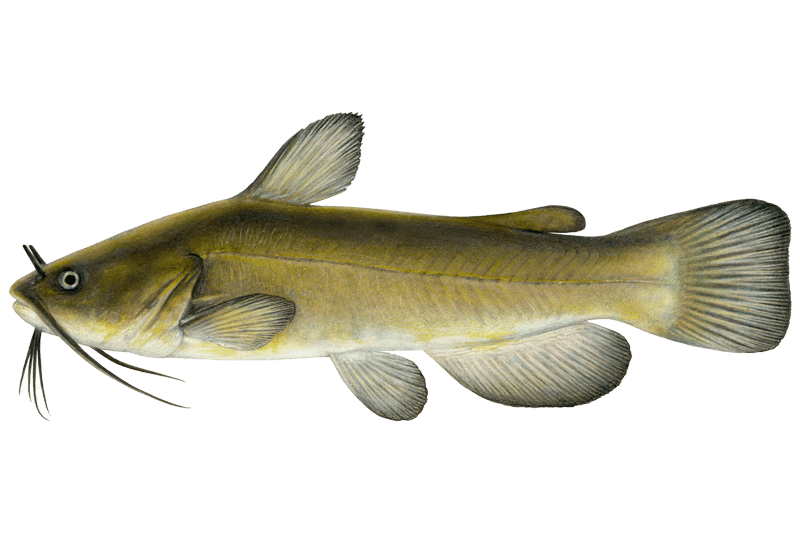
Brown Bullhead
Ameiurus nebulosus
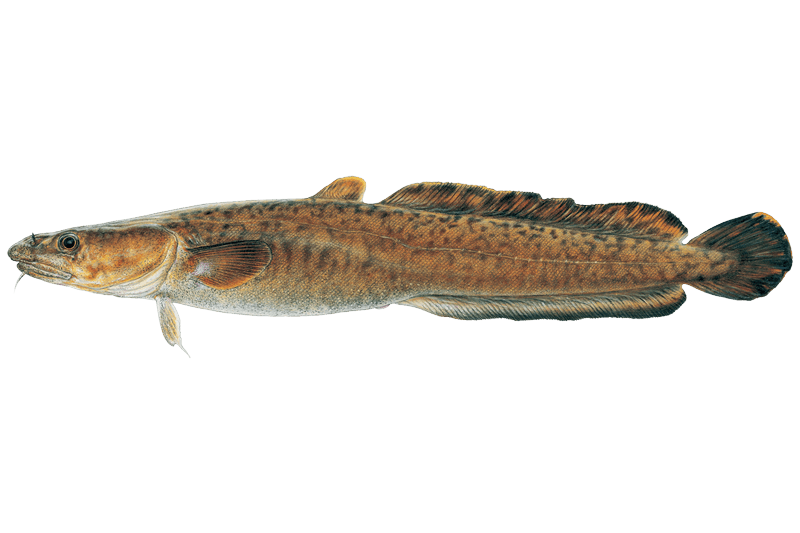
Burbot
Lota lota
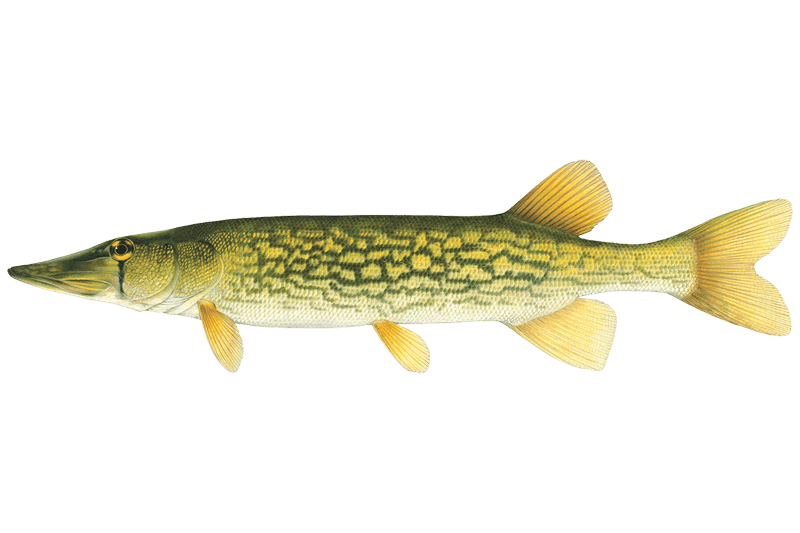
Chain Pickerel
Esox niger
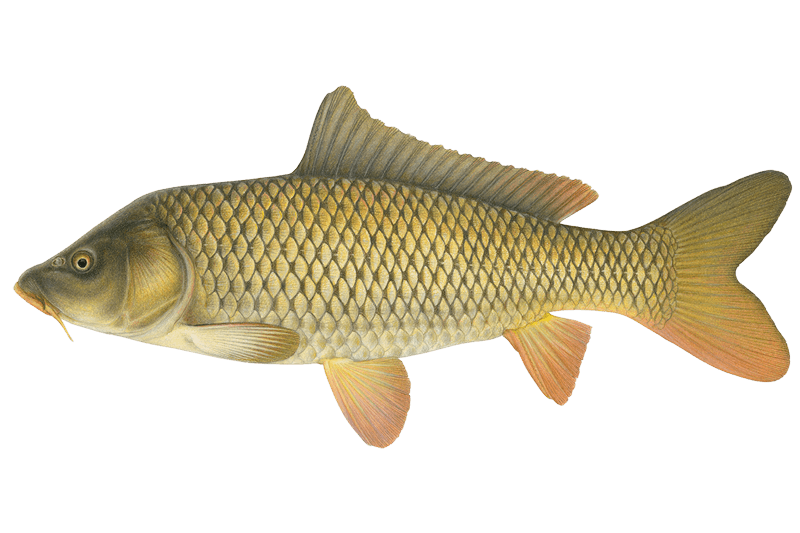
Common Carp
Cyprinus carpio

Creek Chub
Semotilus atromaculatus
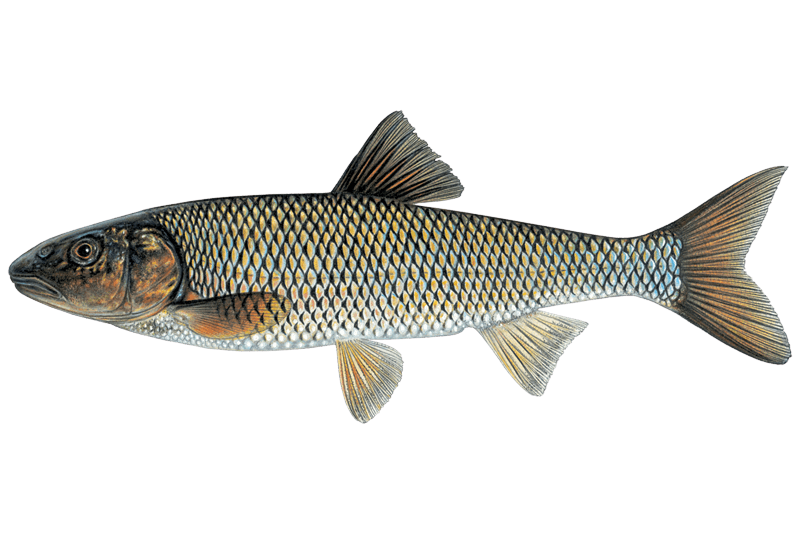
Fallfish
Semotilus corporalis
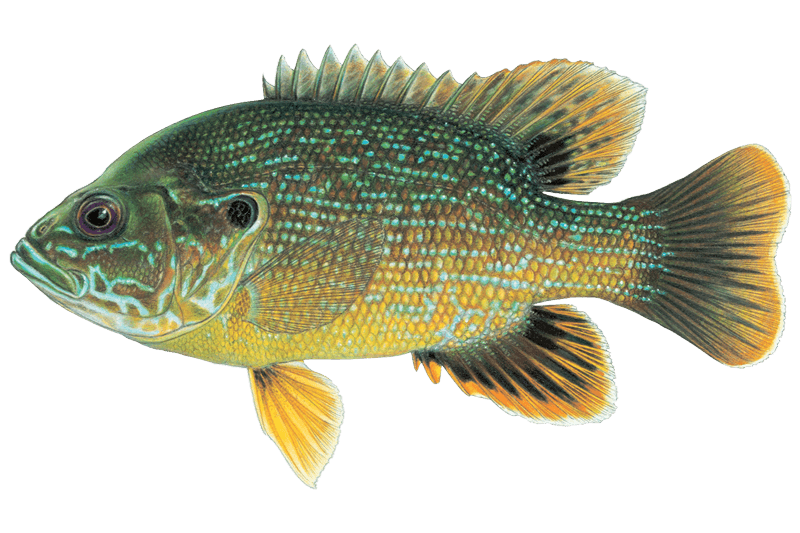
Green Sunfish
Lepomis cyanellus
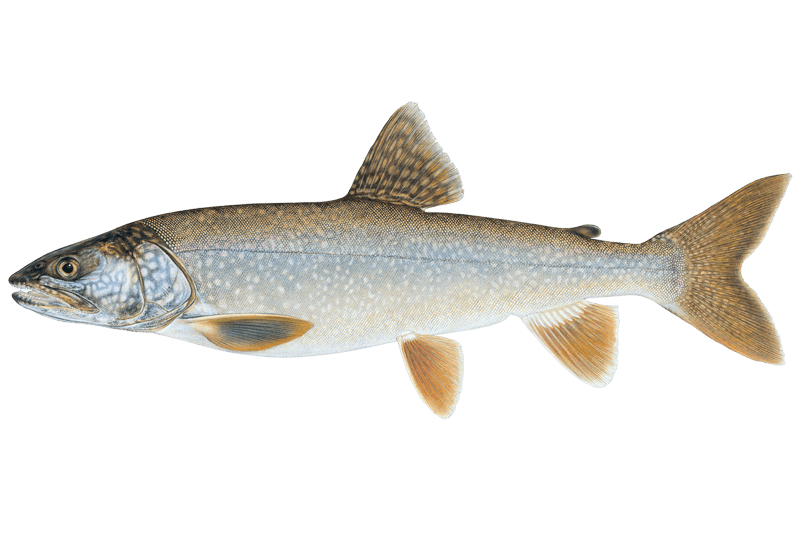
Lake Trout
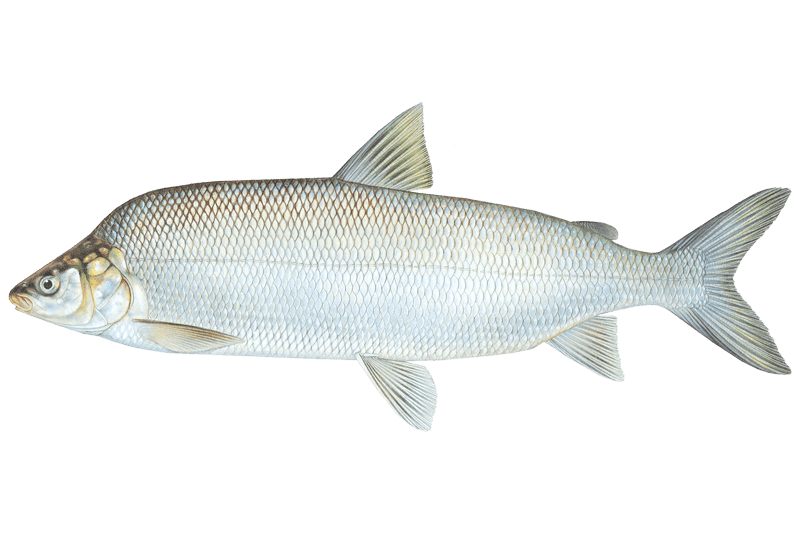
Lake Whitefish
Coregonus clupeaformis

Longnose Sucker
Catostomus catostomus

Pearl Dace
Margariscus margarita
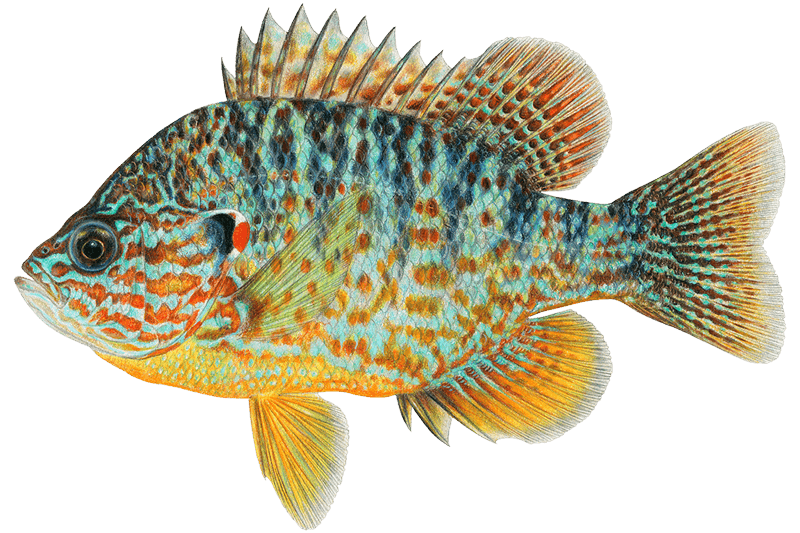
Pumpkinseed
Lepomis gibbosus

Rainbow Smelt
Osmerus mordax
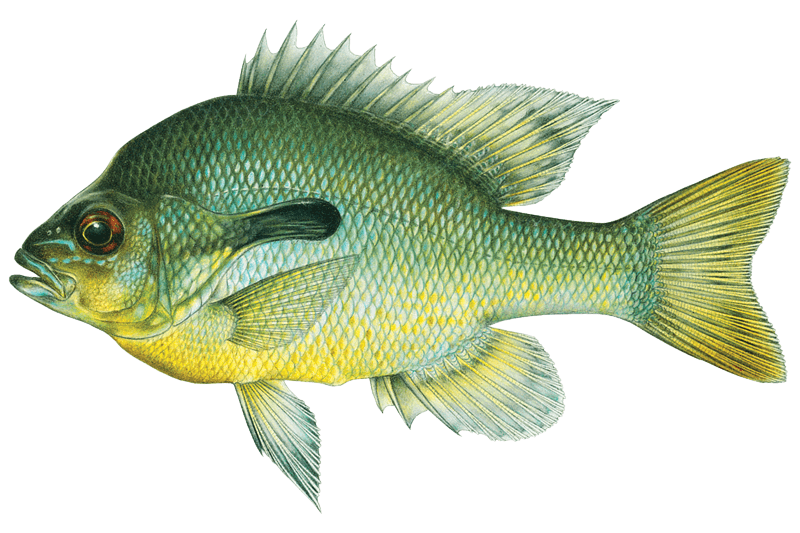
Redbreast Sunfish
Lepomis auritus
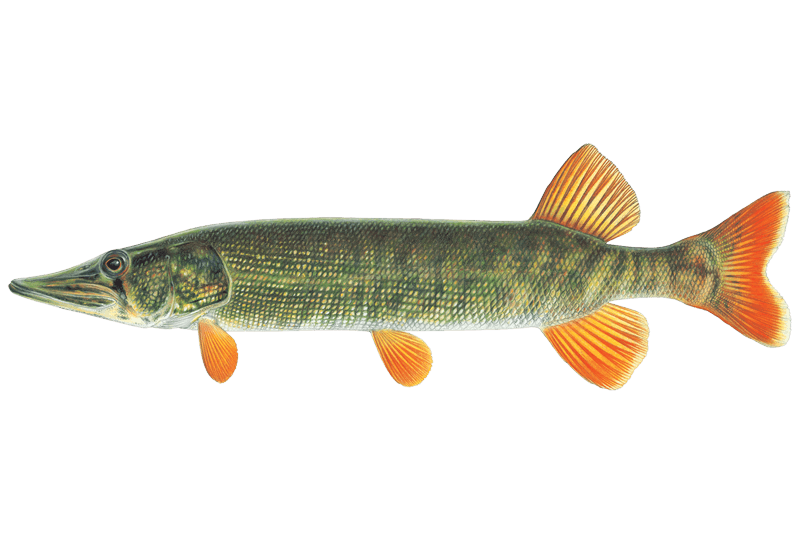
Redfin Pickerel
Esox americanus americanus
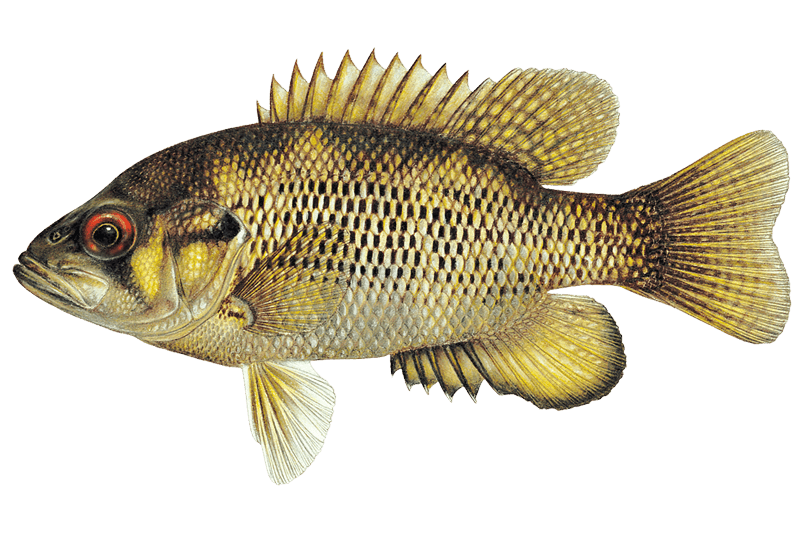
Rock Bass
Ambloplites rupestris

Round Whitefish
Prosopium cylindraceum
Splake
Salvelinus namaycush x Salvelinus fontinalis

Steelhead
Striped Bass
Morone saxatilis
White Perch
Morone americana
White Sucker
Catostomus commersonii
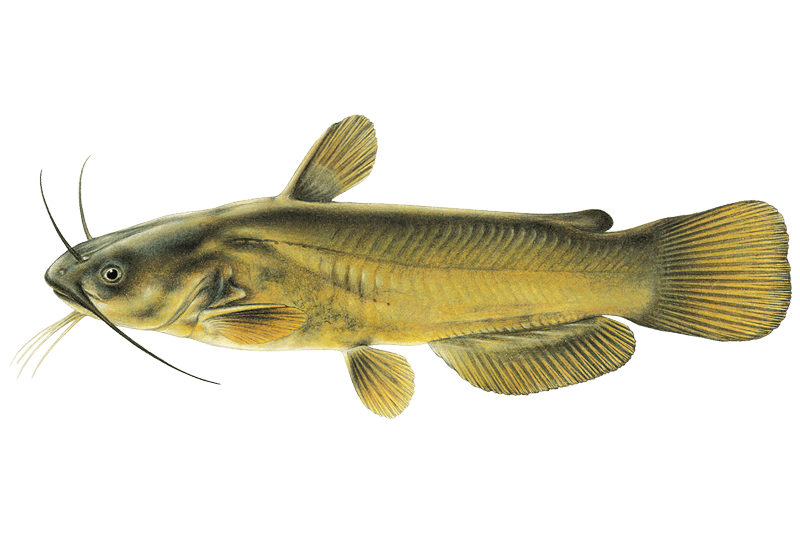
Yellow Bullhead
Ameiurus natalis
Maine licenses and regulations
Maine Boating Regulations
When using any type of watercraft to access a body of water, it is important to follow all federal, state, and local rules and regulations. These rules and regulations include boat permitting and licensing, invasive species inspections and stamps, life jacket and PFD rules, motor size and horsepower restrictions, noise limitations, restrictions on personal watercraft, and many more. Visit the web link below for the most current rules and regulations for this body of water.

Maine Fishing License
A valid Maine fishing license is required for anyone 16 years of age or older, to fish in inland waters or transport fish taken from inland waters. A person is required to keep their fishing license with them at all times while fishing or transporting fish and must exhibit their license for inspection by any warden, department employee, guide, or landowner upon request. An electronic license or permit can now be displayed in lieu of a physical paper license or permit.
Maine Fishing Regulations
This river has a variety of species and regulations, including potential floating and/or watercraft restrictions. Because this river is specially managed for species, seasons, angling methods, and watercraft, it is strongly encouraged you check all federal, state, and local regulations before fishing. Visit any of the links below, inquire locally, or contact a local fly shop to learn current regulations and restrictions.
Maine Stream Access Laws
"All streams of sufficient capacity in their natural condition to float boats, rafts or logs, are deemed public highways and as such are subject to the use of the public."
Explore nearby waters
Explore Maine waters
Top fishing waters
Popular Cities
Loading popular cities...
Smarter Fishing Starts in the App.
onWater Fish gives you everything you need to plan smarter, fish better, and own every trip from first cast to last.