White Sucker

White Sucker is a native Maine species found in over 1,200 lakes covering nearly 900,000 acres of water, making it one of the most widespread non-sport fish in the state.
These bottom-feeding fish play a crucial role in nutrient recycling in Maine's aquatic systems.
Scientific Name: Catostomus commersonii
- These bottom-feeding fish can grow to 4-5 pounds in Maine lake environments, typically reaching 8-14 inches at maturity.
Fishing in Maine
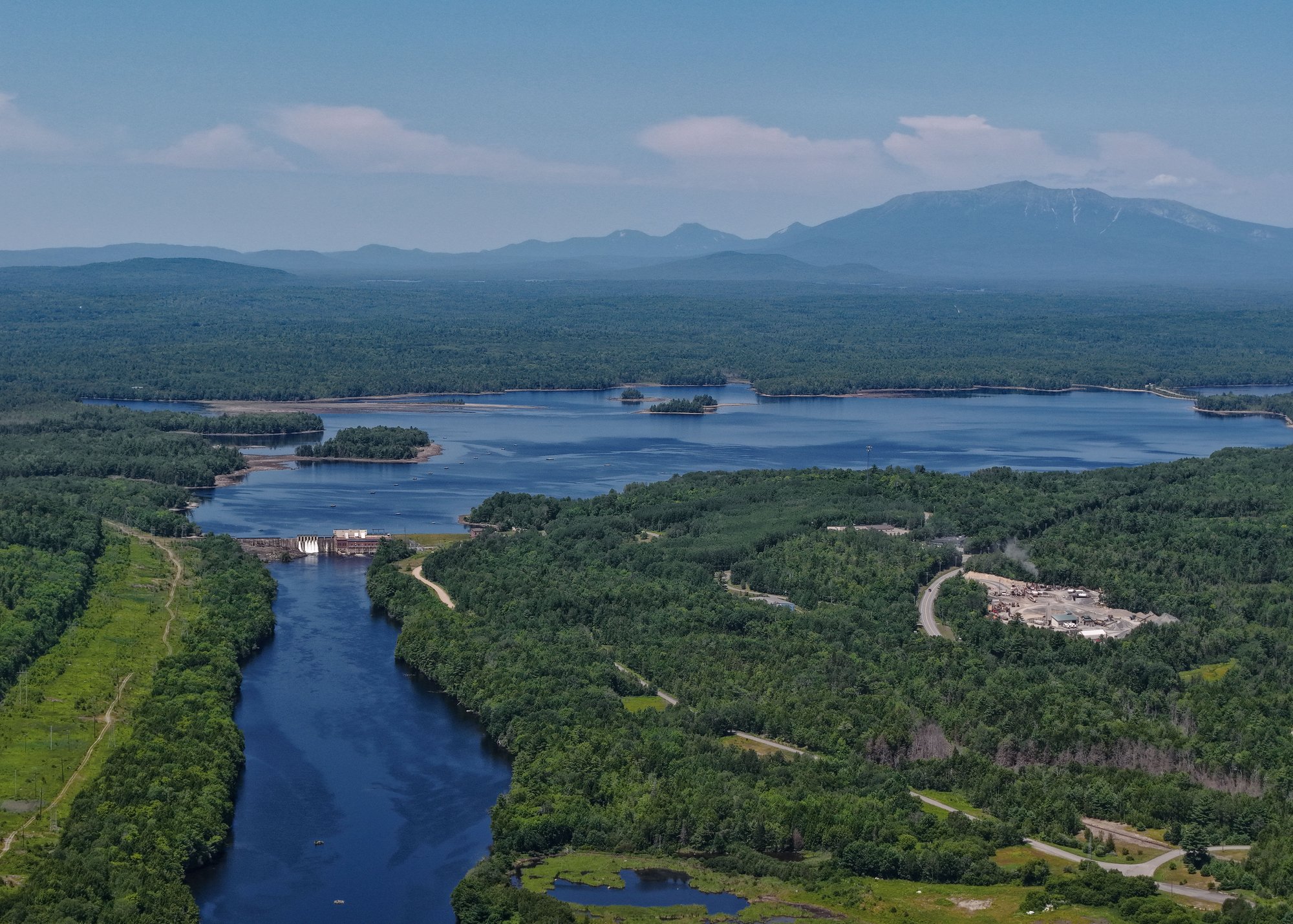
Penobscot River
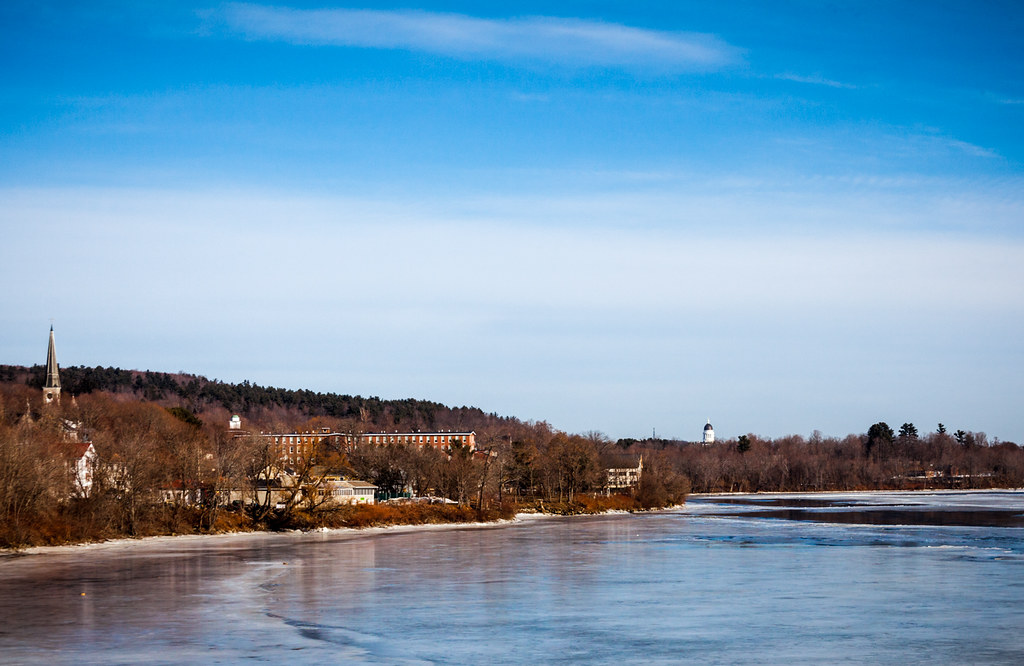
Kennebec River
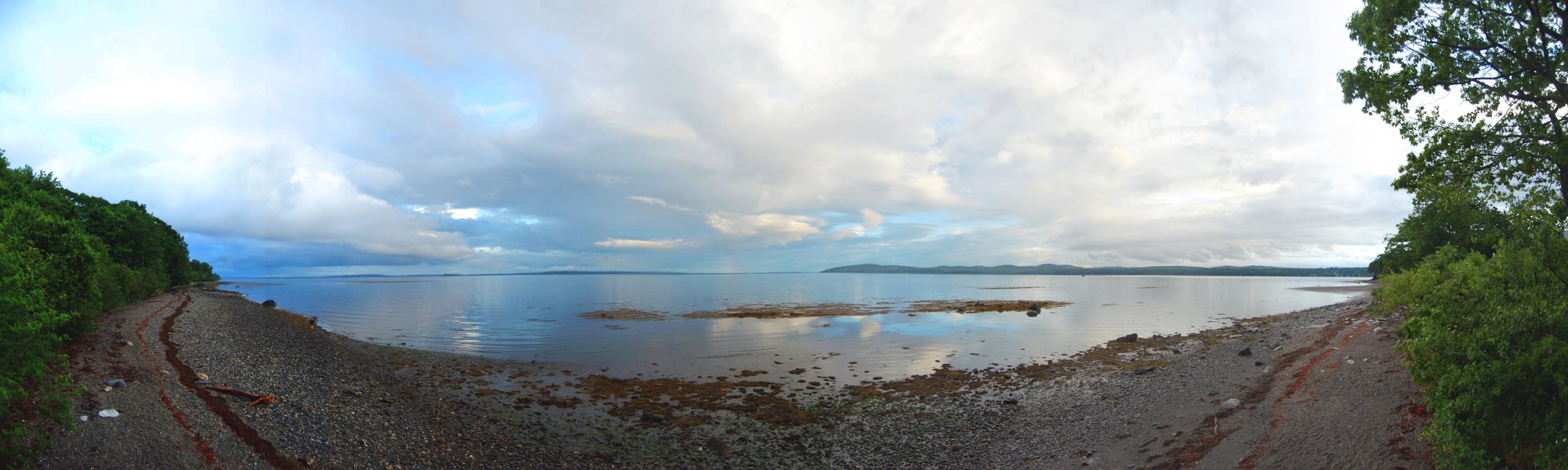
Penobscot Bay
Fields Pond
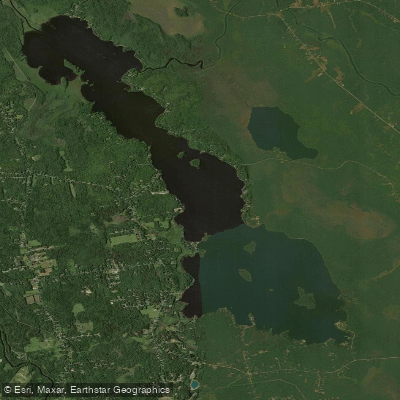
Pushaw Lake
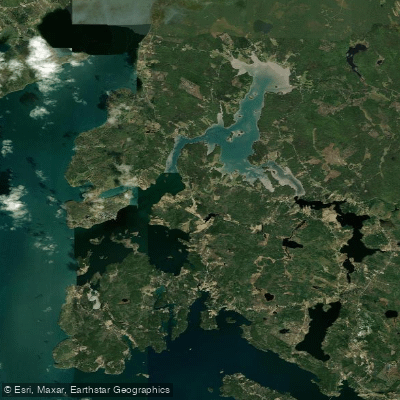
Bagaduce River
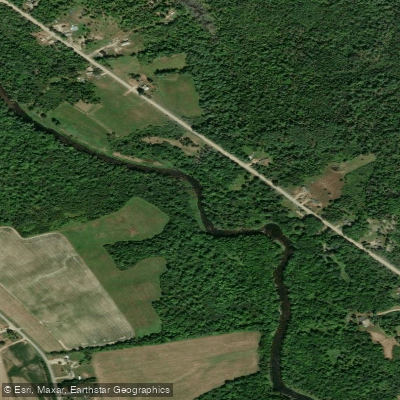
Kenduskeag Stream
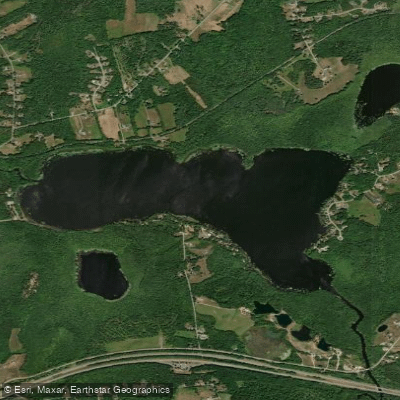
Hermon Pond
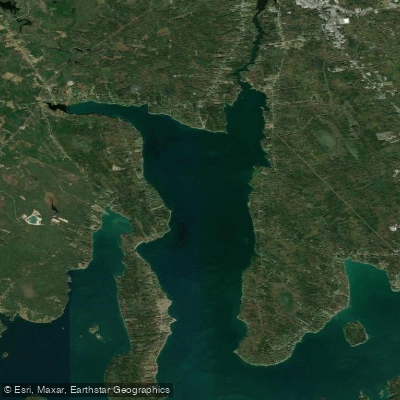
Union River Bay
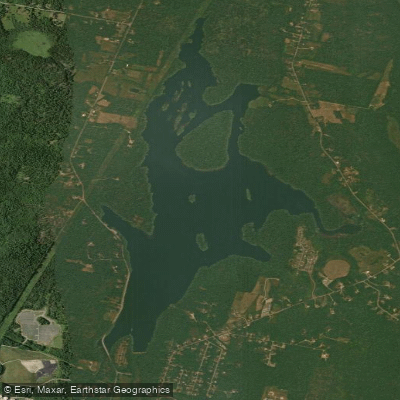
Silver Lake
What to know
Habitat Distribution
- They inhabit an extraordinarily wide range of habitats - from small streams to large lakes, rocky to muddy substrates, swift to quiet waters, both warm and cold environments, and areas with heavy to minimal aquatic vegetation.
Key Locations
- They're particularly abundant in waters like Webb Lake, Long Lake, and Moose Pond.
Specific Spots
- Target them in the varied habitats they prefer: deeper pools in streams, lake bottoms with mixed substrates of rubble, gravel, and sand, and areas with cover like fallen trees, brush piles, or undercut banks.
- Fish near structures like bridge supports, riprapped banks, large boulders, and areas with accumulated debris where suckers seek cover.
- Target locations include the outlets and inlets of lakes, deeper pools in streams, and areas where currents slow.
White Sucker FAQ
Answers from onWater's species guide.
What are the best lures and bait for White Sucker in Maine?
The most effective baits are small offerings like garden worms or nightcrawlers, which White Suckers can easily suck up from the bottom. Some anglers use 'pack bait' - softened grains formed into dough and molded around a sinker that dissolves in water to attract feeding fish to the area.
What flies work for White Sucker in Maine?
Focus on flies that sink quickly to the bottom to mimic their natural food sources.
When is the best time to fish for White Sucker in Maine?
Late spring through fall when water temperatures are between 50-69°F. During early spring (typically April-May when water reaches 50°F), they migrate from lakes into tributaries for spawning - this period should be avoided for fishing to protect spawning populations.
How do you catch White Sucker in Maine?
Focus on flies that sink quickly to the bottom to mimic their natural food sources. Match fly size to water clarity - use larger patterns in murky water.
What do White Sucker eat?
White Suckers spend most of their time near the bottom feeding on insect larvae, snails, small crustaceans, worms, algae, fish e.g.gs, and dead animal matter.
Fish smarter with real-time insights
Whether you're en route and conditions shift or you're looking for the best spot based on current flows, we enable you to make informed decisions on the fly.




See it in the app
Most maps show you water.
onWater shows you White Sucker.



- 01 · Species map filter
Map every White Sucker water
Pick White Sucker and the map zeroes in on the waters they call home. No more guessing which lake holds them.
- 02 · Waterbody species
Tap any water. See what lives there.
Species, behavior and seasonal patterns for every lake, river and pond, before you leave the driveway.
- 03 · Angler Intelligence
Ask how to catch White Sucker
Tactics, gear and timing from onWater's AI fishing guide, tuned to the species and the water you're on.
Stop guessing where White Sucker are.
Open the map, filter by White Sucker, and head to water that holds them. Download onWater and plan your next trip in minutes.
- Species map filter
- Angler Intelligence
- Fishing journal
Explore other species
Trout, bass, salmon, panfish and everything in between. Each guide unpacks the behavior, seasons, and tactics that put fish in the net.
No species information available.
Maine licenses and regulations
Explore nearby waters
Explore Maine waters
Top fishing waters
Popular Cities
Loading popular cities...

Smarter Fishing Starts in the App.
onWater Fish gives you everything you need to plan smarter, fish better, and own every trip from first cast to last.