Bluegill
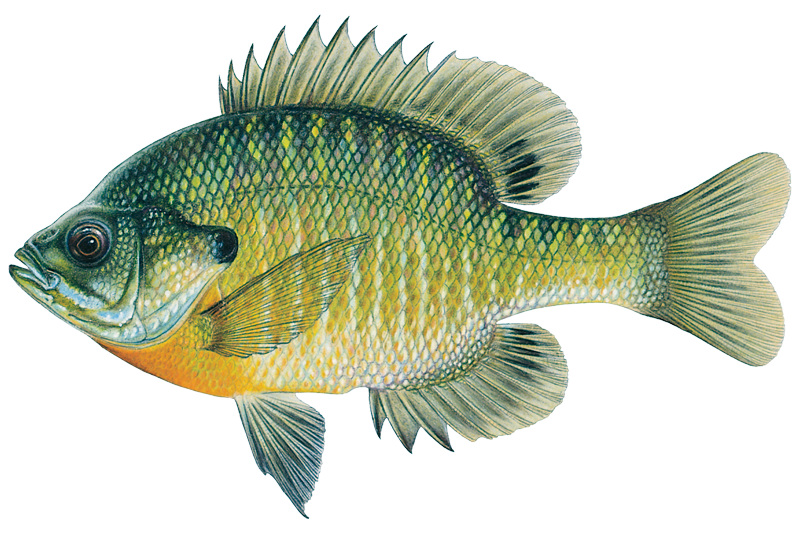
Bluegill are not native to Maine waters and are considered an invasive species that has been illegally introduced to several watersheds, most notably the Sheepscot River system.
These panfish belong to the sunfish family (Centrarchidae) and are closely related to Maine's native pumpkinseed sunfish.
Also known as pumpkingills (when hybridized with pumpkinseeds)
- They can be distinguished by their lack of the red mark on the gill cover that pumpkinseeds display.
- Bluegill also have more rounded pectoral fins compared to the long, pointed fins of pumpkinseeds, and lack the wavy emerald or blue streaks on their heads.
Fishing in Maine
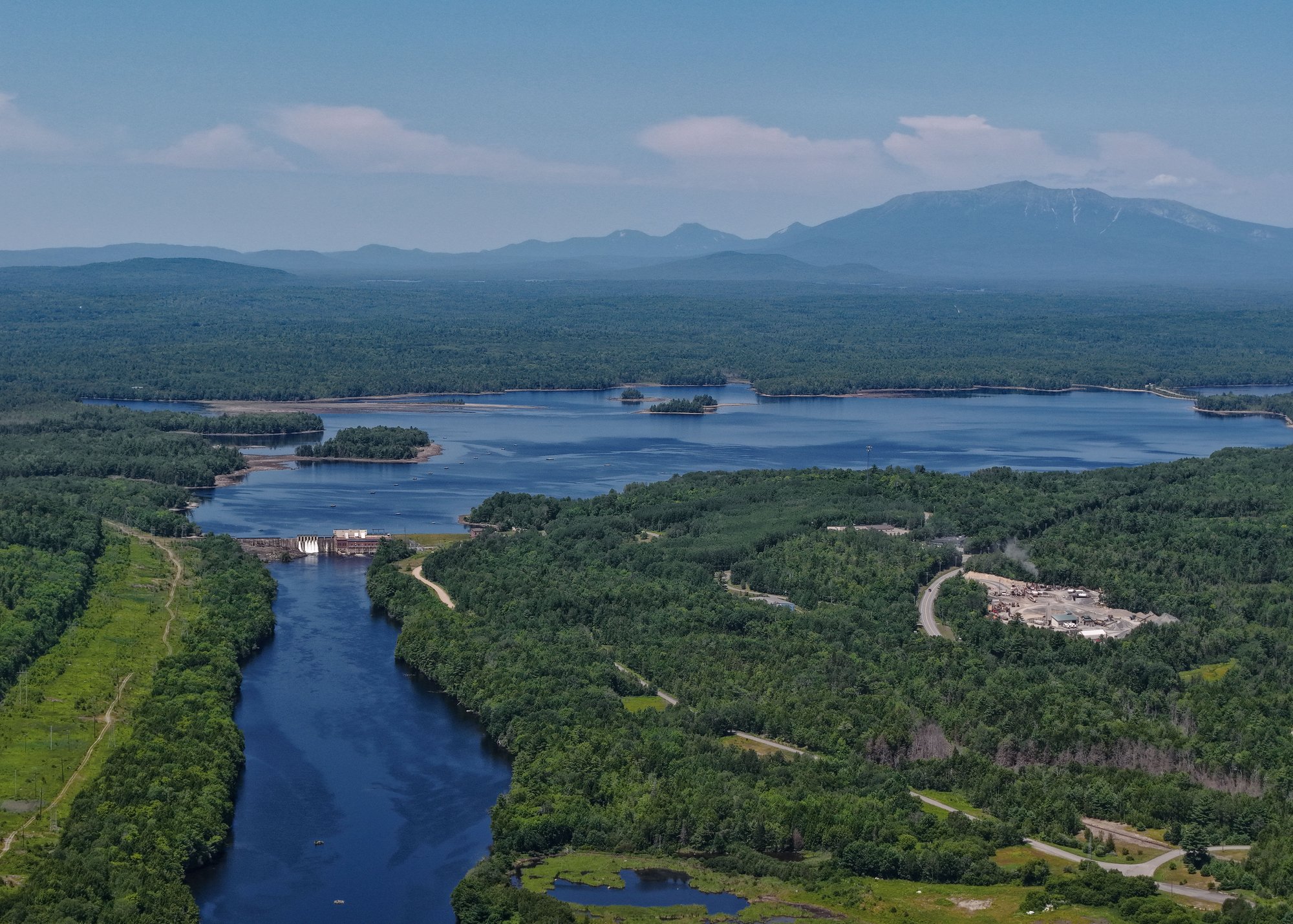
Penobscot River
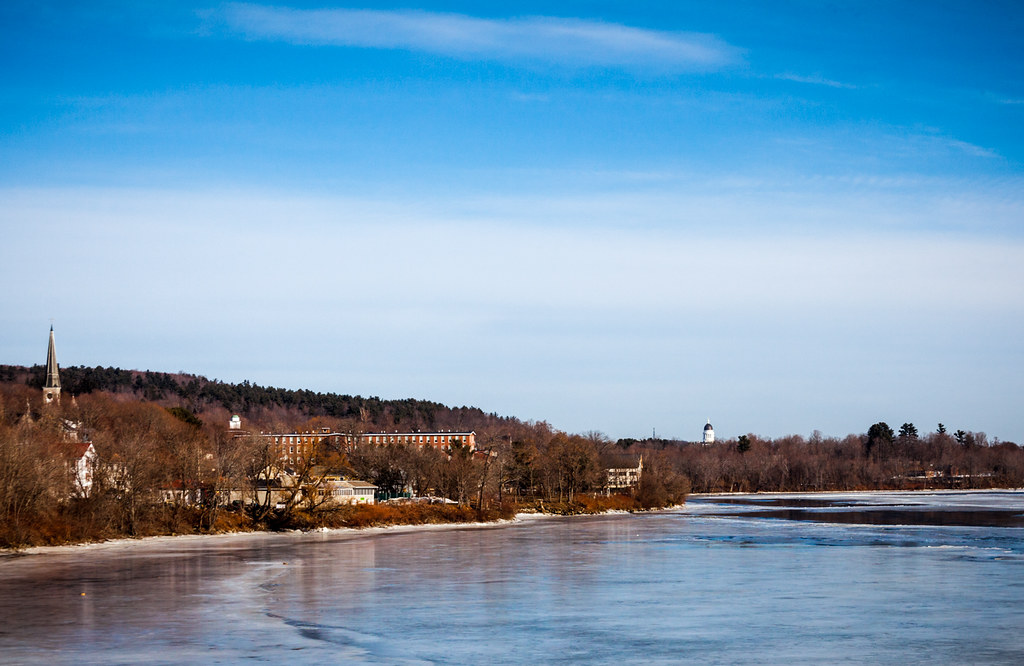
Kennebec River
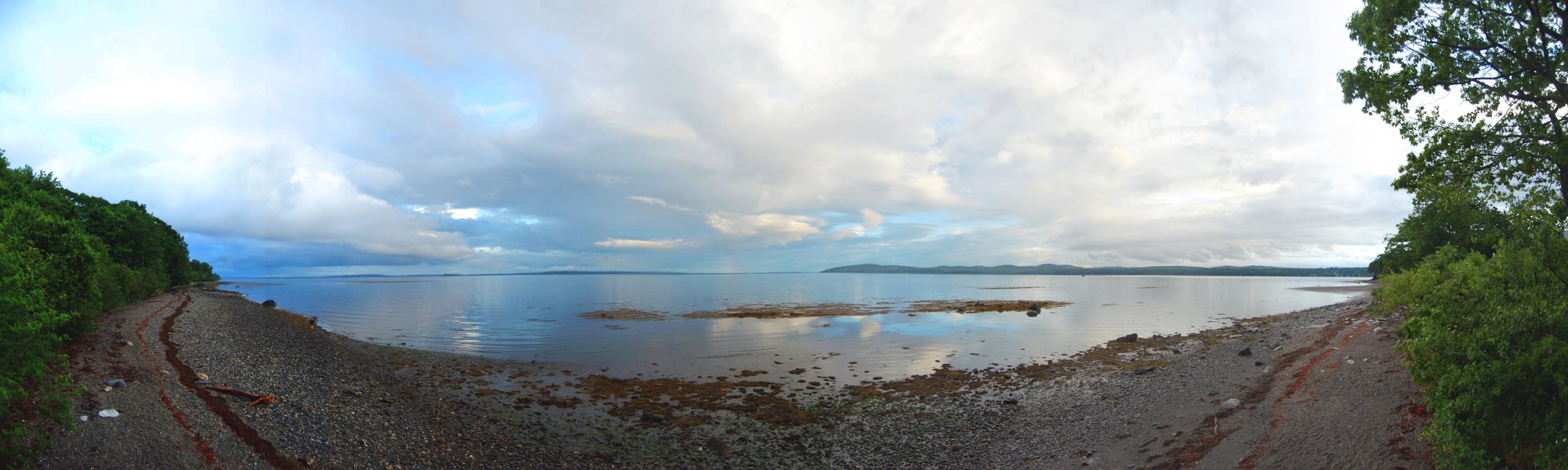
Penobscot Bay
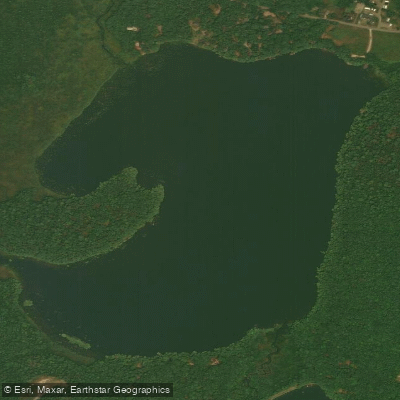
Fields Pond
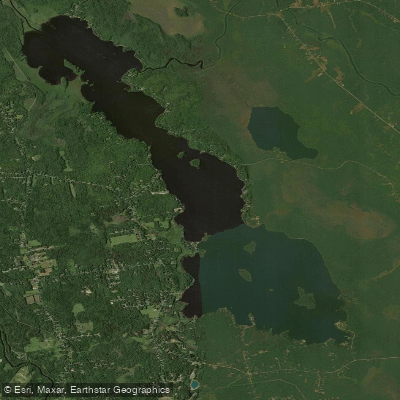
Pushaw Lake
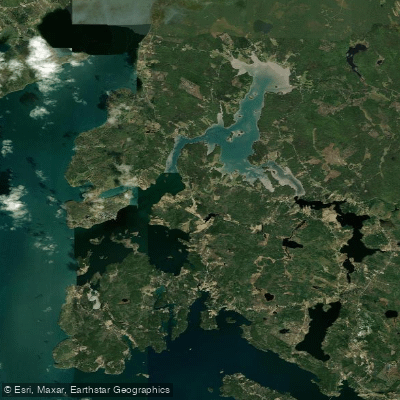
Bagaduce River
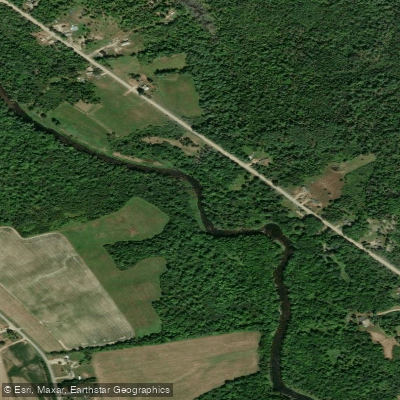
Kenduskeag Stream
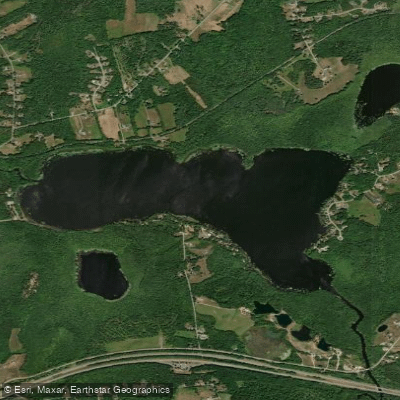
Hermon Pond
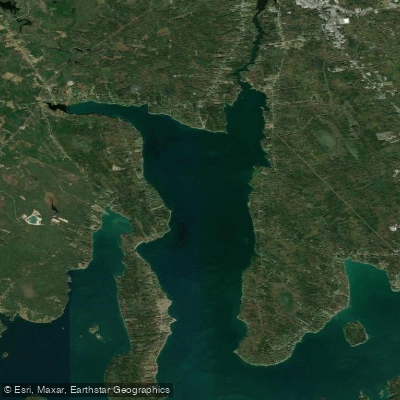
Union River Bay
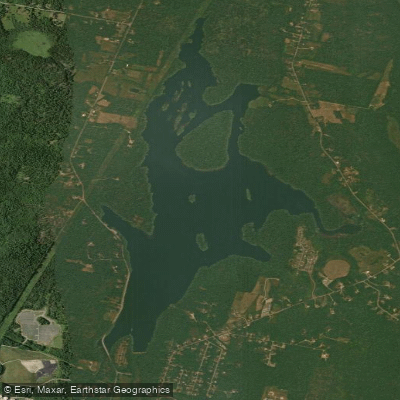
Silver Lake
What to know
Habitat Distribution
- Established populations exist in several watersheds, most notably the Sheepscot River system.
Key Locations
- Savade Pond (Windsor), Turner Mills Pond (Somerville), Long Pond (Windsor), and Sheepscot Pond (Palermo), particularly in the known populations within the Sheepscot River watershed.
Specific Spots
- They prefer shallow, vegetated littoral zones and areas with structure like docks, fallen trees, and weed beds.
- Productive locations include shallow, weedy areas around docks, fallen timber, and vegetation edges.
- Focus on water less than 6 feet deep with structure and vegetation.
Bluegill FAQ
Answers from onWater's species guide.
What are the best lures and bait for Bluegill in Maine?
Small jigs (1/32-1/16 ounce) tipped with redworms, nightcrawlers, crickets, or small leeches.
What flies work for Bluegill in Maine?
Size 8-12 panfish poppers, small black ants (size 14-18), beetles (size 12-14), grasshoppers (size 8-10), foam spiders, micro Woolly Buggers in black or olive, Hare's Ear nymphs, Green Weenies, and San Juan Worms for larger specimens.
When is the best time to fish for Bluegill in Maine?
Spring and early summer when they're most active before spawning begins, and again in fall when cooler water temperatures make them more accessible in shallow areas.
How do you catch Bluegill in Maine?
Fish terrestrial patterns on the surface with subtle twitches, or fish nymphs under light strike indicators. Bluegill respond well to patient, quiet presentations as they can be easily spooked in shallow water.
What do Bluegill eat?
Bluegill are opportunistic feeders with diverse diets including microinvertebrates, phytoplankton, periphyton (a combination of algae, fungi, bacteria and rotifers), terrestrial insects, aquatic invertebrates, small crustaceans, worms, unhatched e.g.gs, small fish, and even plant material.
Fish smarter with real-time insights
Whether you're en route and conditions shift or you're looking for the best spot based on current flows, we enable you to make informed decisions on the fly.







See it in the app
Most maps show you water.
onWater shows you Bluegill.



- 01 · Species map filter
Map every Bluegill water
Pick Bluegill and the map zeroes in on the waters they call home. No more guessing which lake holds them.
- 02 · Waterbody species
Tap any water. See what lives there.
Species, behavior and seasonal patterns for every lake, river and pond, before you leave the driveway.
- 03 · Angler Intelligence
Ask how to catch Bluegill
Tactics, gear and timing from onWater's AI fishing guide, tuned to the species and the water you're on.
Stop guessing where Bluegill are.
Open the map, filter by Bluegill, and head to water that holds them. Download onWater and plan your next trip in minutes.
- Species map filter
- Angler Intelligence
- Fishing journal
Explore other species
Trout, bass, salmon, panfish and everything in between. Each guide unpacks the behavior, seasons, and tactics that put fish in the net.

Find which waters have the species you want to catch

Largemouth Bass

Smallmouth Bass
Micropterus dolomieu

Rainbow Trout

Brown Trout
Salmo trutta

Brook Trout
Salvelinus fontinalis

Northern Pike

Muskellunge

Walleye
Sander vitreus

Black Crappie
Pomoxis nigromaculatus

Alewife
Alosa pseudoharengus

American Eel
Anguilla rostrata

American Shad
Alosa sapidissima

Arctic Char
Salvelinus alpinus oquassa

Atlantic Mackerel
Scomber scombrus

Atlantic Salmon

Atlantic Sturgeon
Acipenser oxyrinchus

Black Bullhead
Ameiurus melas

Blacknose Dace
Rhinichthys atratulus

Brown Bullhead
Ameiurus nebulosus

Burbot
Lota lota

Chain Pickerel
Esox niger

Common Carp
Cyprinus carpio

Creek Chub
Semotilus atromaculatus

Fallfish
Semotilus corporalis

Green Sunfish
Lepomis cyanellus

Lake Trout
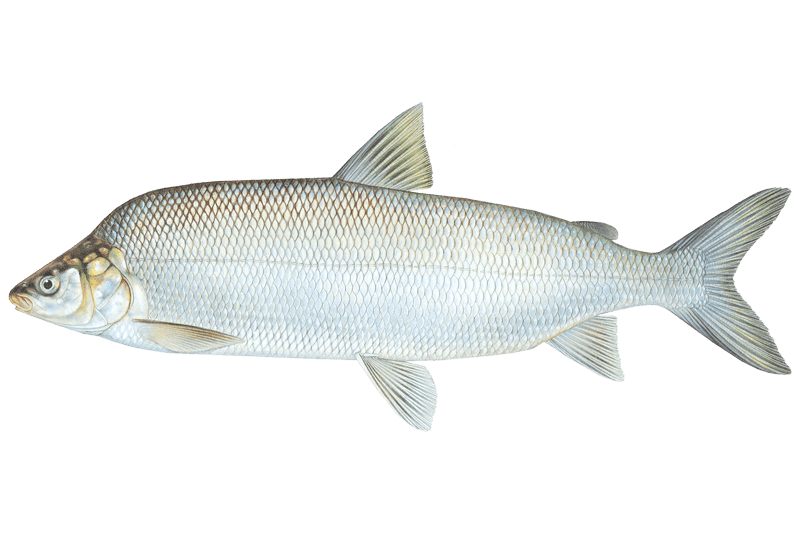
Lake Whitefish
Coregonus clupeaformis

Longnose Sucker
Catostomus catostomus

Pearl Dace
Margariscus margarita

Pumpkinseed
Lepomis gibbosus

Rainbow Smelt
Osmerus mordax
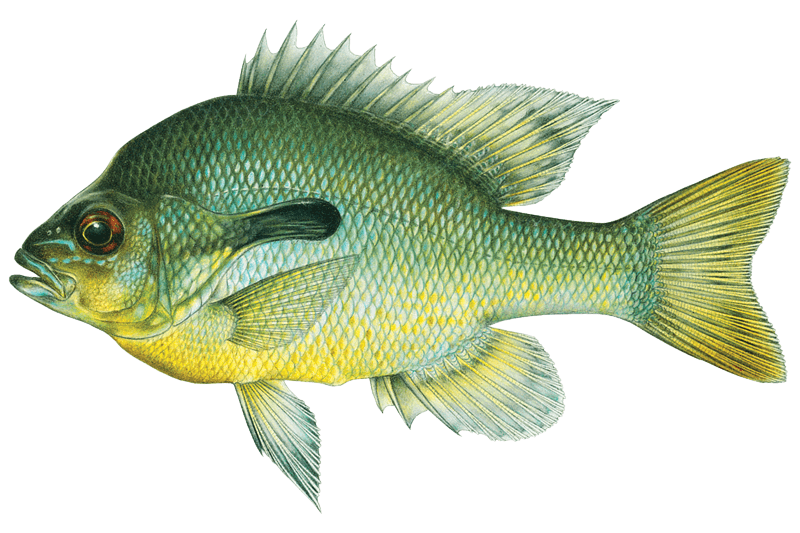
Redbreast Sunfish
Lepomis auritus
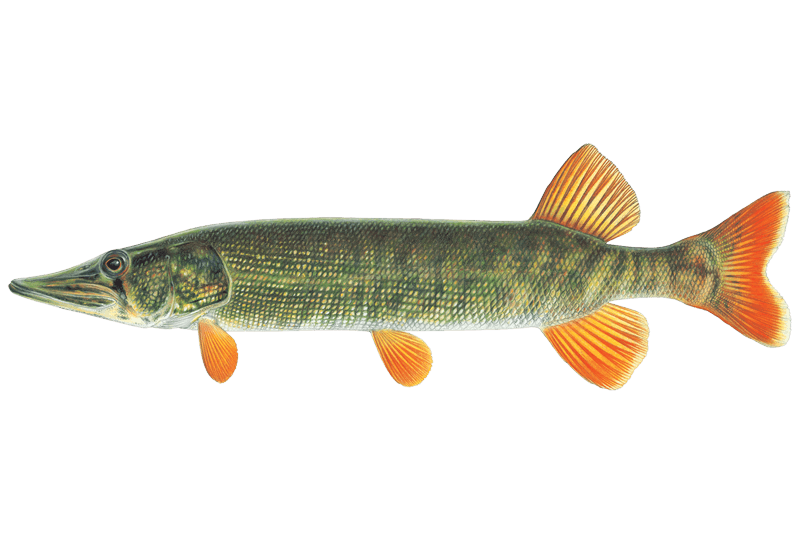
Redfin Pickerel
Esox americanus americanus

Rock Bass
Ambloplites rupestris

Round Whitefish
Prosopium cylindraceum
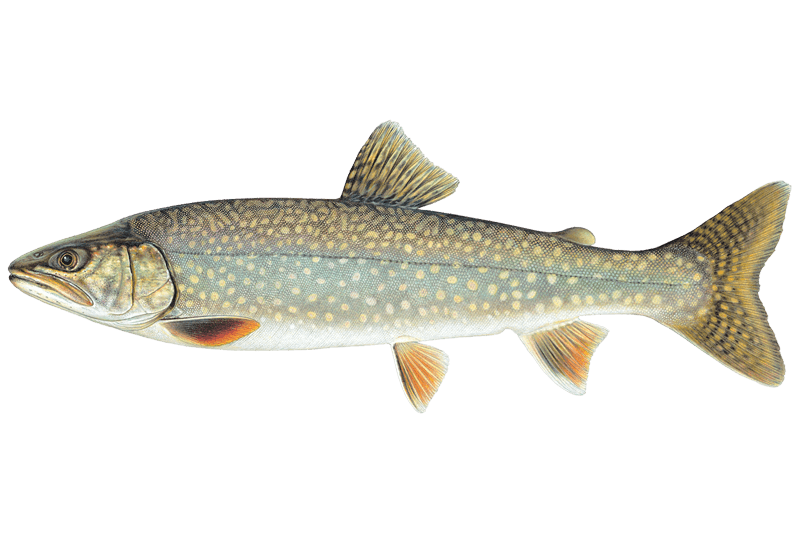
Splake
Salvelinus namaycush x Salvelinus fontinalis

Steelhead
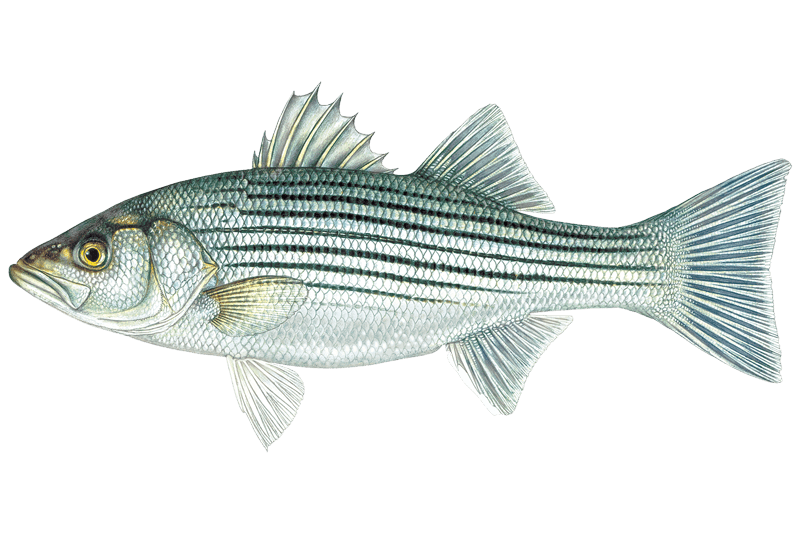
Striped Bass
Morone saxatilis
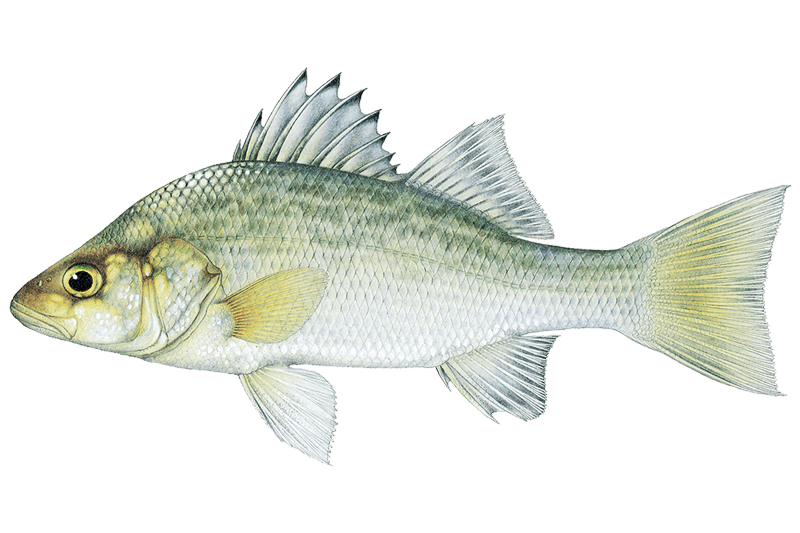
White Perch
Morone americana
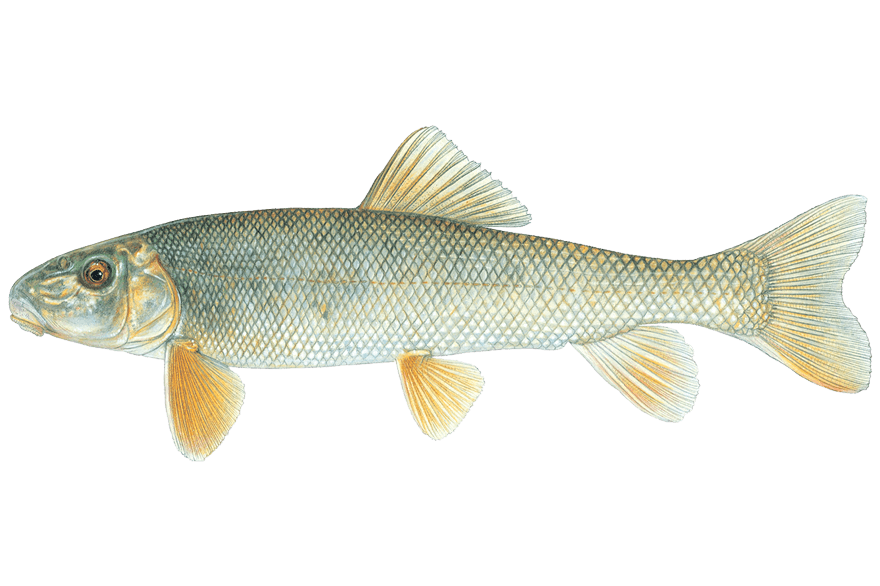
White Sucker
Catostomus commersonii
Maine licenses and regulations

Maine Boating Regulations
When using any type of watercraft to access a body of water, it is important to follow all federal, state, and local rules and regulations. These rules and regulations include boat permitting and licensing, invasive species inspections and stamps, life jacket and PFD rules, motor size and horsepower restrictions, noise limitations, restrictions on personal watercraft, and many more. Visit the web link below for the most current rules and regulations for this body of water.

Maine Fishing License
A valid Maine fishing license is required for anyone 16 years of age or older, to fish in inland waters or transport fish taken from inland waters. A person is required to keep their fishing license with them at all times while fishing or transporting fish and must exhibit their license for inspection by any warden, department employee, guide, or landowner upon request. An electronic license or permit can now be displayed in lieu of a physical paper license or permit.

Maine Fishing Regulations
This river has a variety of species and regulations, including potential floating and/or watercraft restrictions. Because this river is specially managed for species, seasons, angling methods, and watercraft, it is strongly encouraged you check all federal, state, and local regulations before fishing. Visit any of the links below, inquire locally, or contact a local fly shop to learn current regulations and restrictions.

Maine Stream Access Laws
"All streams of sufficient capacity in their natural condition to float boats, rafts or logs, are deemed public highways and as such are subject to the use of the public."
Explore nearby waters
Explore Maine waters
Top fishing waters
Popular Cities
Loading popular cities...

Smarter Fishing Starts in the App.
onWater Fish gives you everything you need to plan smarter, fish better, and own every trip from first cast to last.