Nile Tilapia

Nile Tilapia are non-native cichlids found in Alabama waters, particularly in the Mobile-Tensaw River Delta - a vast network of rivers, creeks, and wetlands covering over 200,000 acres north of Mobile Bay.
Scientific Name: Oreochromis niloticus
Nile Tilapia are distinguished from Blue Tilapia by their distinctive dark vertical stripes on the tail fins and typically grow slightly larger, reaching 1-2 feet in length and 2-5 pounds, though they can reach up to 10 pounds.
Fishing in Alabama
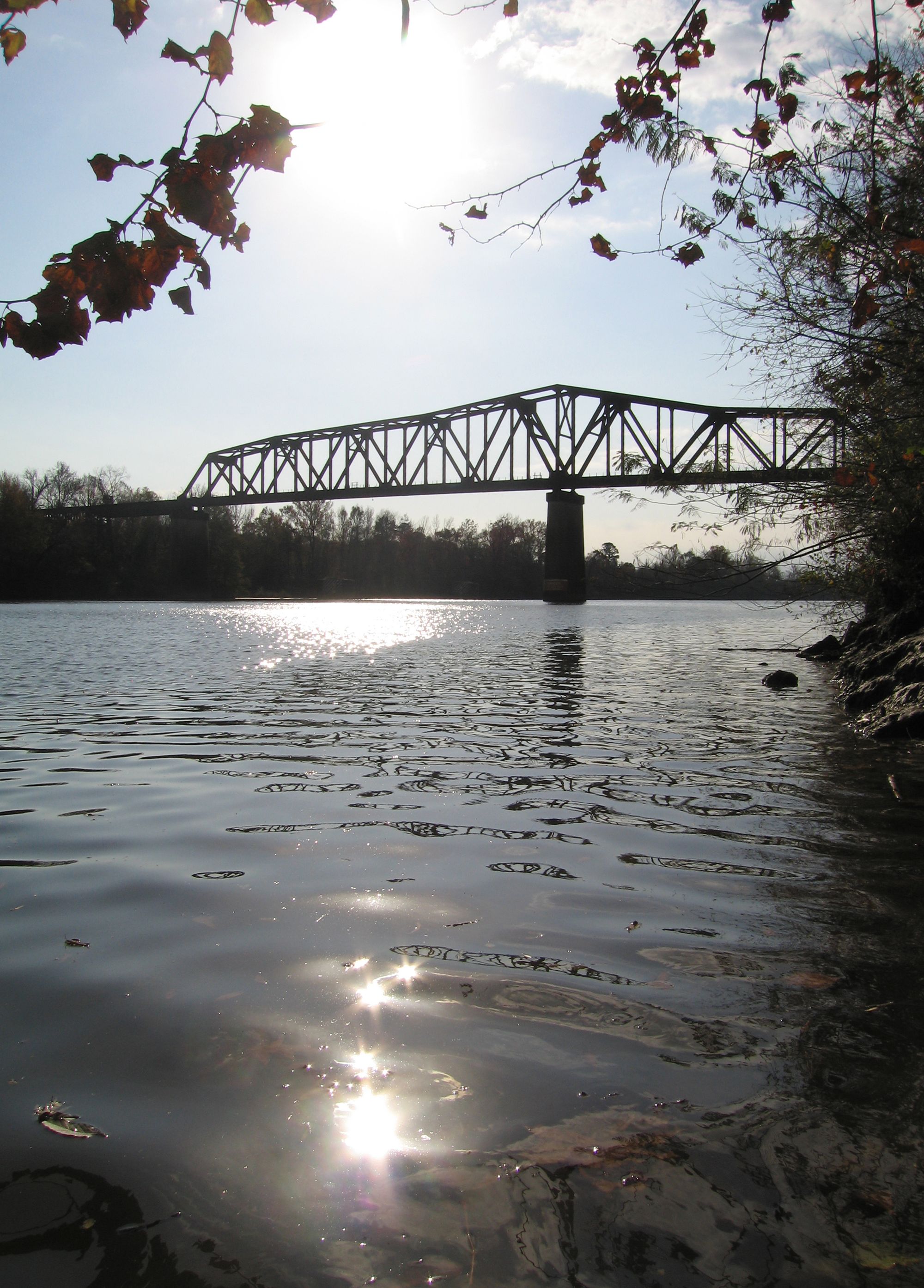
Black Warrior River
Demopolis Lake
Lay Lake
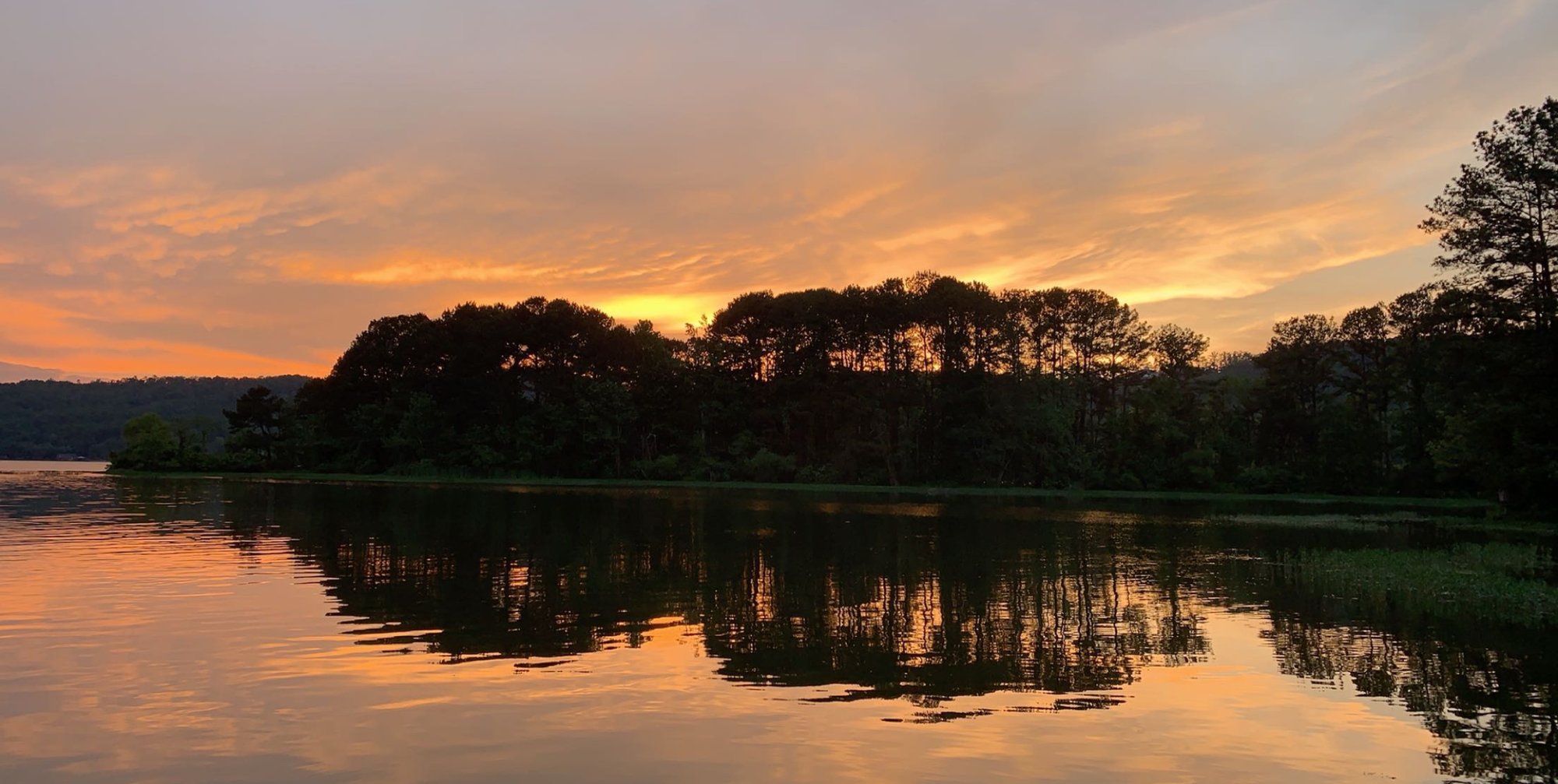
Coosa River
Cahaba River
Holt Lake
Mitchell Lake
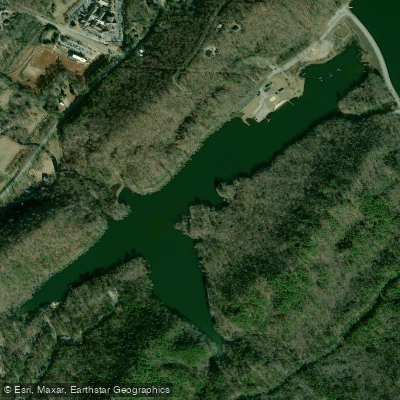
Oak Mountain Lake
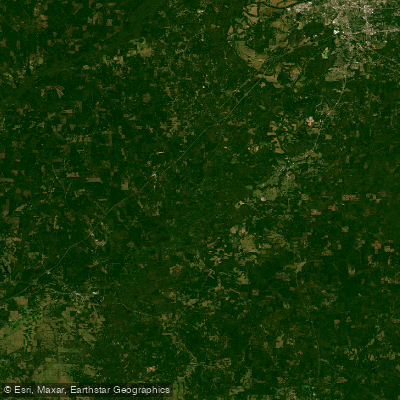
Warrior Lake
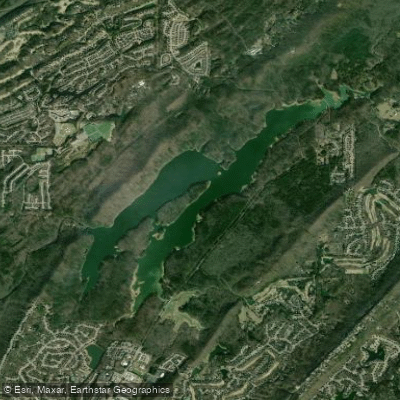
The Narrows
What to know
Habitat Distribution
These warm-water fish prefer shallow, slow-moving freshwater and can tolerate brackish conditions.Key Locations
Mobile-Tensaw River Delta, Cahaba, Lower Tallapoosa, Upper Choctawhatchee, and Mobile Bay watersheds. First reported in Alabama in 1986 from Yates Reservoir in the Tallapoosa drainage.Specific Spots
Focus on shallow waters along riverbanks, pond edges, and backwater tributaries of the Mobile-Tensaw River Delta system. Look for them in areas with vegetation and avoid causing disturbances near their circular crater-like nests visible in shallow, clear water.Nile Tilapia FAQ
Answers from onWater's species guide.
What are the best lures and bait for Nile Tilapia in Alabama?
Since they're primarily herbivorous, use simple baits like corn kernels, peas, and bread balls. Small earthworm pieces can also be effective. For artificial lures, use small ultralight lures with very small hooks.
How do you catch Nile Tilapia in Alabama?
Use a basic bobber setup or split-shot rig. Keep your distance to avoid spooking these skittish fish - cast beyond visible spawning beds or use small floats to suspend bait over productive areas. Consider chumming with corn, peas, or bread pieces to draw them closer to shore.
What do Nile Tilapia eat?
They are primarily herbivorous, feeding on phytoplankton, detritus, algae, bacteria, aquatic vegetation like duckweed, and periphyton (algae and microbes attached to submerged surfaces).
Where do Nile Tilapia live in Alabama?
These warm-water fish prefer shallow, slow-moving freshwater and can tolerate brackish conditions.
Fish smarter with real-time insights
Whether you're en route and conditions shift or you're looking for the best spot based on current flows, we enable you to make informed decisions on the fly.







See it in the app
Most maps show you water.
onWater shows you Nile Tilapia.



- 01 · Species map filter
Map every Nile Tilapia water
Pick Nile Tilapia and the map zeroes in on the waters they call home. No more guessing which lake holds them.
- 02 · Waterbody species
Tap any water. See what lives there.
Species, behavior and seasonal patterns for every lake, river and pond, before you leave the driveway.
- 03 · Angler Intelligence
Ask how to catch Nile Tilapia
Tactics, gear and timing from onWater's AI fishing guide, tuned to the species and the water you're on.
Stop guessing where Nile Tilapia are.
Open the map, filter by Nile Tilapia, and head to water that holds them. Download onWater and plan your next trip in minutes.
- Species map filter
- Angler Intelligence
- Fishing journal
Explore other species
Trout, bass, salmon, panfish and everything in between. Each guide unpacks the behavior, seasons, and tactics that put fish in the net.

Find which waters have the species you want to catch

Largemouth Bass
Micropterus salmoides

Smallmouth Bass
Micropterus dolomieu

Rainbow Trout
Oncorhynchus mykiss

Brown Trout

Walleye
Sander vitreus

Black Crappie
Pomoxis nigromaculatus
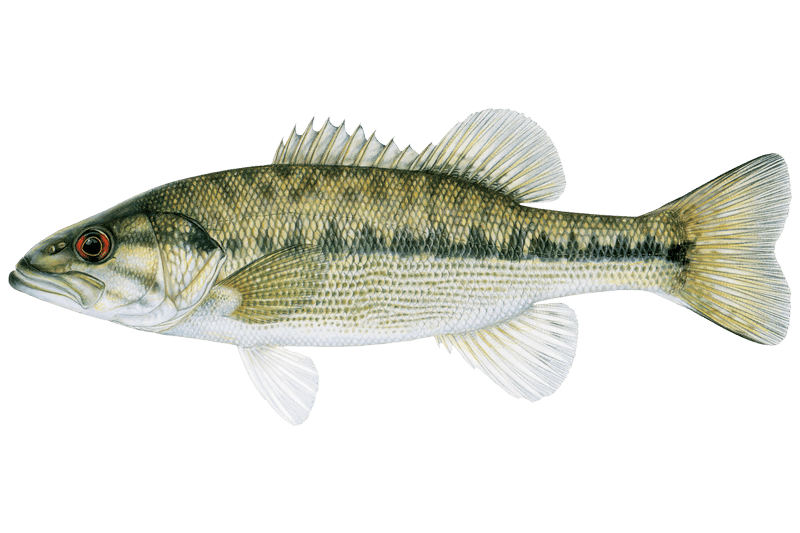
Alabama Bass
Micropterus henshalli

Alewife
Alosa pseudoharengus
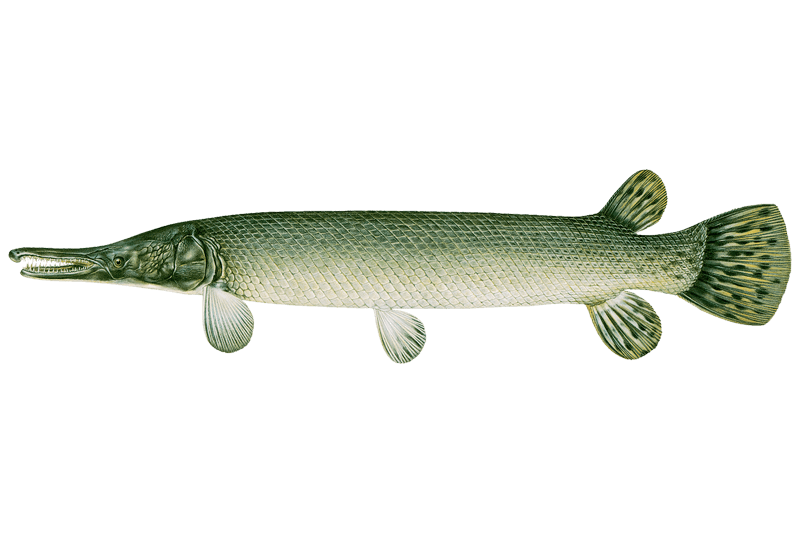
Alligator Gar
Atractosteus spatula

American Eel
Anguilla rostrata

American Shad
Alosa alabamae

Atlantic Croaker
Micropogonias undulatus

Bighead Carp

Bigmouth Buffalo
Ictiobus cyprinellus

Black Buffalo
Ictiobus niger

Black Bullhead
Ameiurus melas

Black Drum
Pogonias cromis

Blue Catfish
Ictalurus furcatus

Blue Runner
Caranx crysos

Blue Sucker
Cycleptus elongatus (represented by Cycleptus meridionalis)

Bowfin
Amia calva

Brown Bullhead
Ameiurus nebulosus

Chain Pickerel
Esox niger

Channel Catfish
Ictalurus punctatus

Common Carp
Cyprinus carpio

Creek Chub
Semotilus atromaculatus

Flathead Catfish
Pylodictis olivaris

Flier
Centrarchus macropterus

Freshwater Drum
Aplodinotus grunniens

Gafftopsail Catfish
Bagre marinus

Gizzard Shad
Dorosoma cepedianum

Golden Redhorse
Moxostoma erythrurum

Grass Carp
Ctenopharyngodon idella

Green Sunfish
Lepomis cyanellus

Lake Sturgeon
Acipenser fulvescens

Longear Sunfish
Lepomis megalotis

Longnose Gar
Lepisosteus osseus

Mangrove Snapper
Lutjanus griseus

Northern Hogsucker
Hypentelium nigricans
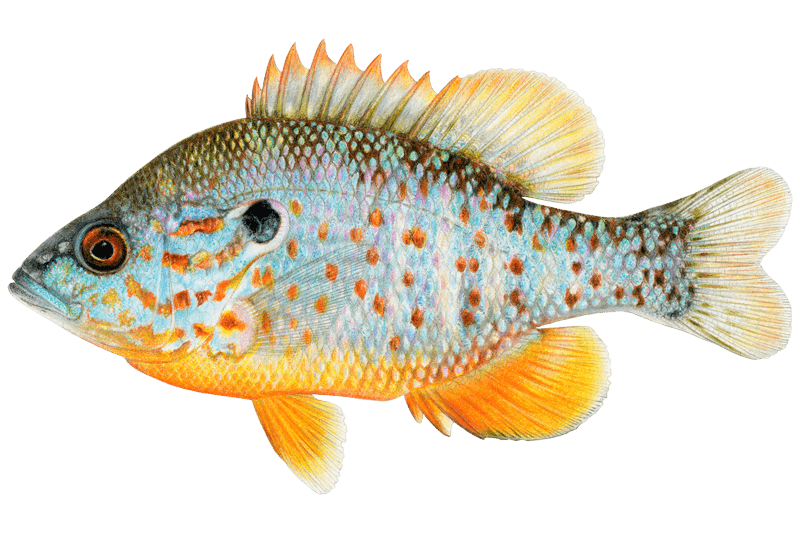
Orangespotted Sunfish
Lepomis humilis
Alabama licenses and regulations
Alabama Boating Regulations
When using any type of watercraft to access a body of water, it is important to follow all federal, state, and local rules and regulations. These rules and regulations include boat permitting and licensing, invasive species inspections and stamps, life jacket and PFD rules, motor size and horsepower restrictions, noise limitations, restrictions on personal watercraft, and many more. Visit the web link below for the most current rules and regulations for this body of water.

Alabama Fishing License
A License Information Packet can be viewed for each license for information, laws and regulations.

Alabama Fishing Regulations
This river has a variety of species and regulations, including potential floating and/or watercraft restrictions. Because this river is specially managed for species, seasons, angling methods, and watercraft, it is strongly encouraged you check all federal, state, and local regulations before fishing. Visit any of the links below, inquire locally, or contact a local fly shop to learn current regulations and restrictions.

Alabama Stream Access Laws
The public can float waterways that meet various standards, but generally include all those capable of floating commercial logs outside of flood seasons. Boaters may not walk on private streambeds or access navigable waters through private lands, unless there is no posted signage stating the land is private. Portage is only permitted in an emergency.
Explore nearby waters
Explore Alabama waters
Top fishing waters
Popular Cities
Loading popular cities...
Smarter Fishing Starts in the App.
onWater Fish gives you everything you need to plan smarter, fish better, and own every trip from first cast to last.