Channel Catfish

Channel Catfish are native to Alabama and represent the most important food fish in the state.
Scientific Name: Ictalurus punctatus
- These slender, elongate catfish feature a deeply forked tail, protruding upper jaw, and distinctive scattered dark spots on their sides (which fade in larger adults).
- Adults typically range 15-24 inches and are dark gray on the back, grading to light yellow or greenish yellow on the sides with white bellies.
- They're distinguished from blue catfish by their curved head profile and rounded anal fin with 24-29 soft rays.
Fishing in Alabama
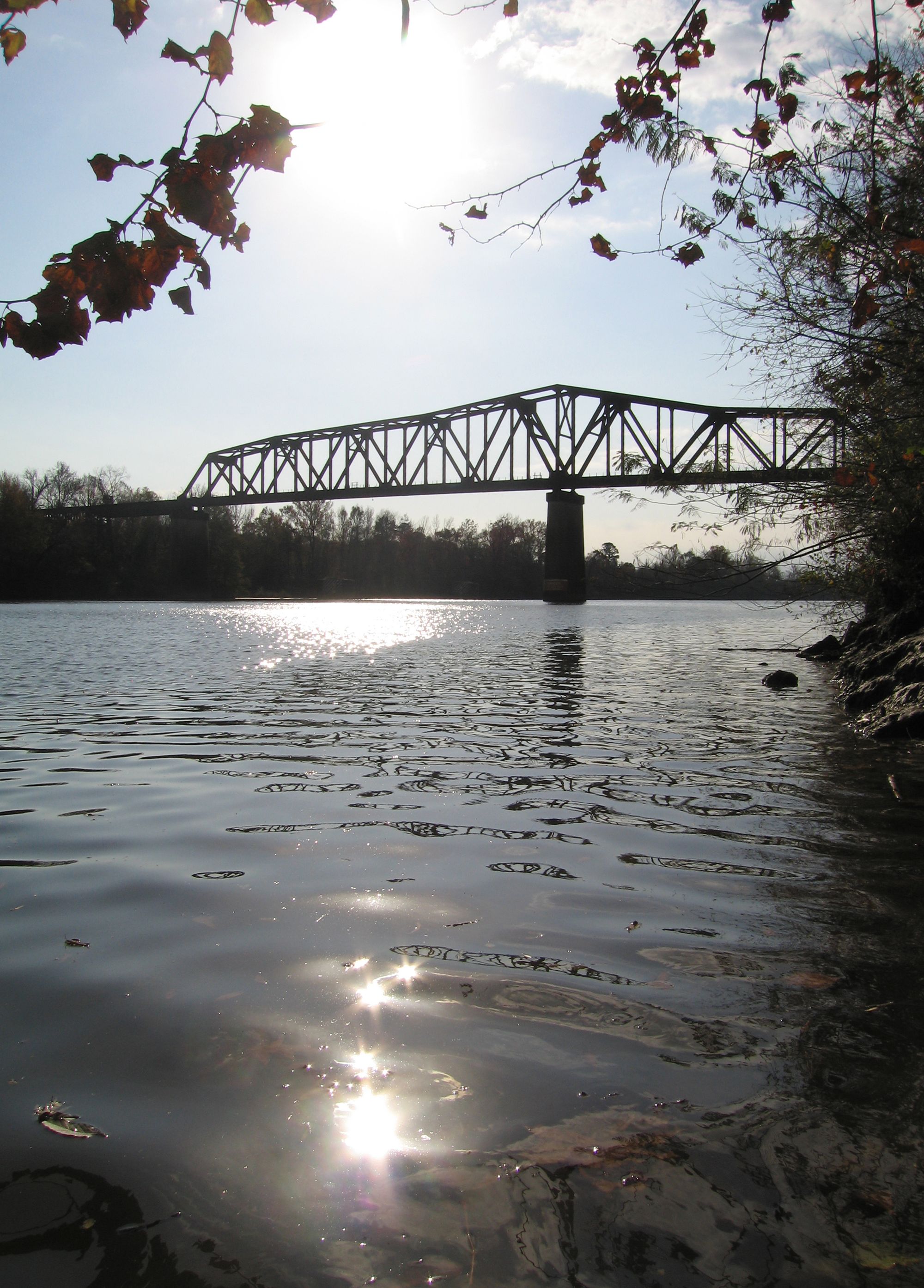
Black Warrior River
Demopolis Lake
Lay Lake
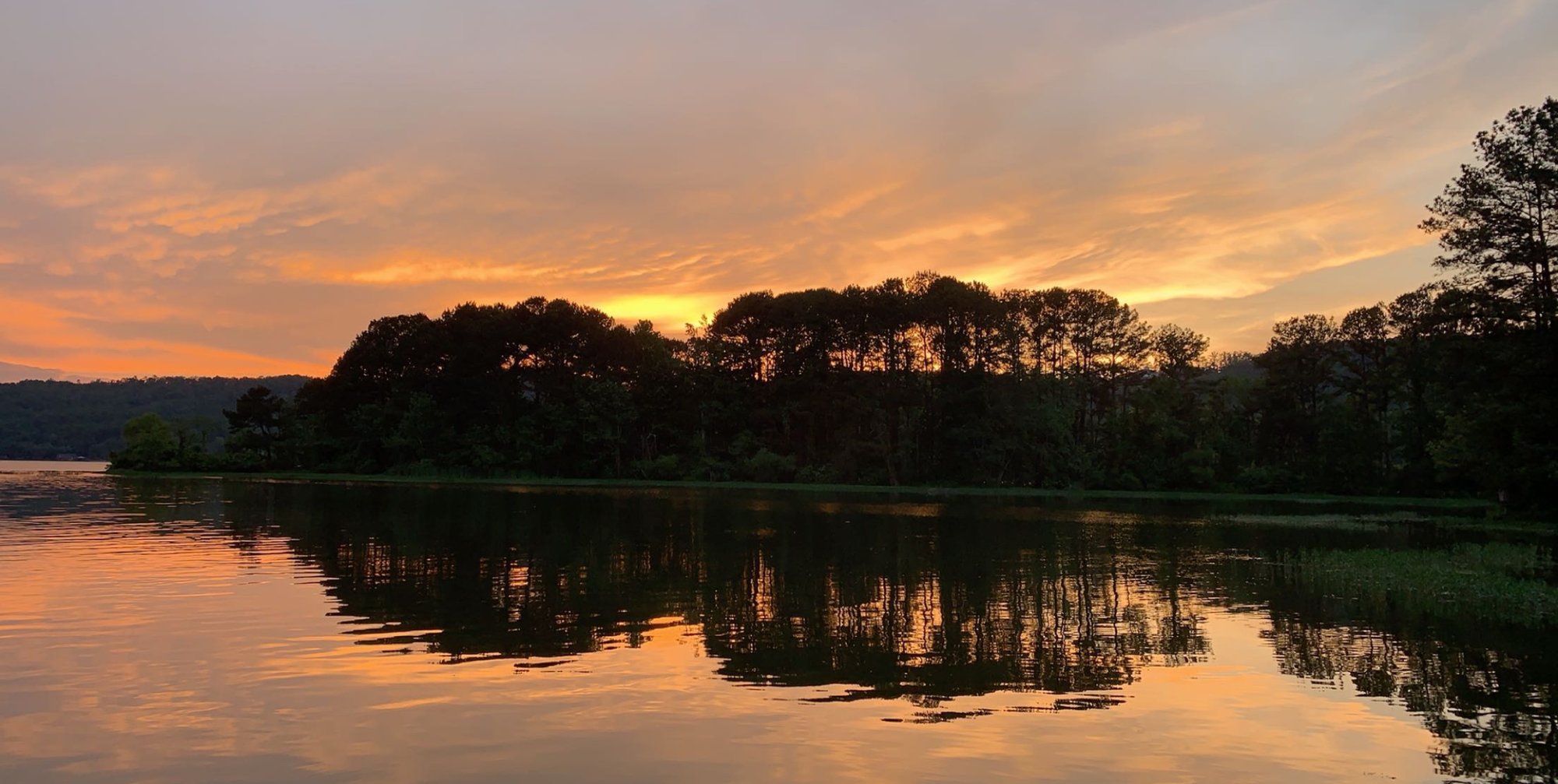
Coosa River
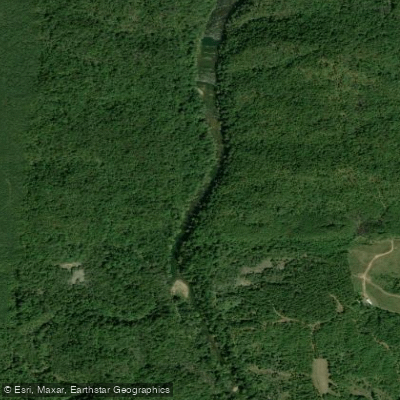
Cahaba River
Holt Lake
Mitchell Lake
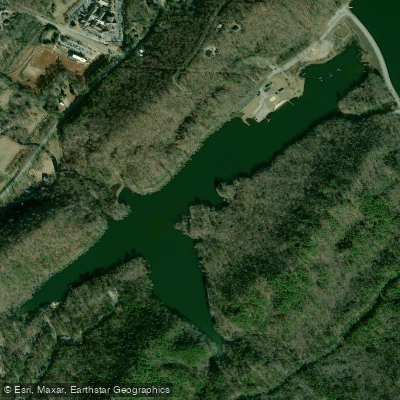
Oak Mountain Lake
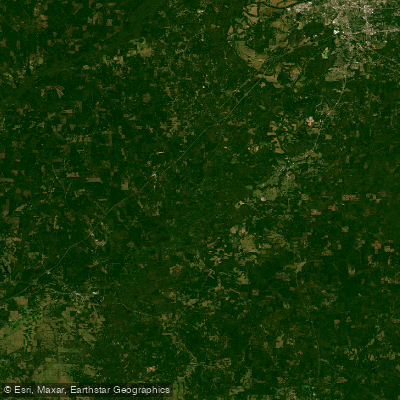
Warrior Lake
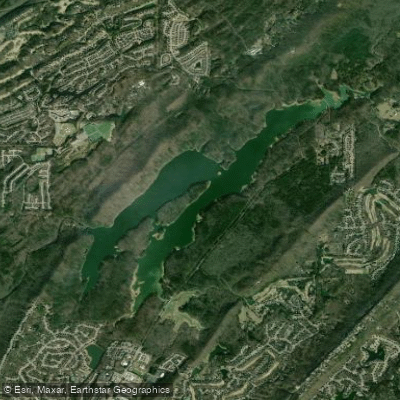
The Narrows
What to know
Habitat Distribution
- Channel catfish inhabit diverse waters throughout Alabama including rivers, reservoirs, streams, backwaters, swamps, and oxbow lakes, thriving in conditions from slow to moderate currents over sand, gravel, and silt substrates around submerged trees and aquatic vegetation.
Key Locations
- Major fisheries include the Coosa River system, Lake Martin, Pickwick Lake, Wilson Lake, Wheeler Lake, Lake Eufaula, Tombigbee River, and Alabama's 23 Public Fishing Lakes where they're stocked annually during winter.
- Target them in tailwater areas below dams like Wilson Dam, Mitchell Dam, and Jordan Dam.
- Prime locations include Lake Martin's coves and creek mouths, Pickwick Lake's current breaks, the Coosa River tailwater sections, and the Tombigbee River's deep holes with structure.
Specific Spots
- Focus on structure-rich areas including current breaks, deep holes near dam tailwaters, creek mouths, submerged trees, brush piles, bridge pilings, and drop-offs near shallow feeding areas.
Channel Catfish FAQ
Answers from onWater's species guide.
What are the best lures and bait for Channel Catfish in Alabama?
Top baits include prepared 'stink baits' and punch baits fished on bare treble hooks, cut bait (shad, herring), chicken livers, nightcrawlers, cheese, and live bait like small sunfish or minnows.
When is the best time to fish for Channel Catfish in Alabama?
Channel catfish fishing is excellent year-round in Alabama, with summer being prime season. Avoid fishing during spawning periods (May-August when water temps reach 68-74°F). On Alabama's Public Fishing Lakes, target them around stocked areas during winter months.
How do you catch Channel Catfish in Alabama?
Channel catfish fishing is excellent year-round in Alabama, with summer being prime season when they move to faster, shallower water and feed more actively. Avoid fishing during spawning periods (May-August when water temps reach 68-74°F) as fish become less responsive.
What do Channel Catfish eat?
They're omnivorous feeders consuming aquatic insect larvae, crayfish, mollusks, small fish, and terrestrial insects, using their highly developed taste buds throughout their body to locate food.
Where do Channel Catfish live in Alabama?
Channel catfish inhabit diverse waters throughout Alabama including rivers, reservoirs, streams, backwaters, swamps, and oxbow lakes, thriving in conditions from slow to moderate currents over sand, gravel, and silt substrates around submerged trees and aquatic vegetation.
Fish smarter with real-time insights
Whether you're en route and conditions shift or you're looking for the best spot based on current flows, we enable you to make informed decisions on the fly.




See it in the app
Most maps show you water.
onWater shows you Channel Catfish.



- 01 · Species map filter
Map every Channel Catfish water
Pick Channel Catfish and the map zeroes in on the waters they call home. No more guessing which lake holds them.
- 02 · Waterbody species
Tap any water. See what lives there.
Species, behavior and seasonal patterns for every lake, river and pond, before you leave the driveway.
- 03 · Angler Intelligence
Ask how to catch Channel Catfish
Tactics, gear and timing from onWater's AI fishing guide, tuned to the species and the water you're on.
Stop guessing where Channel Catfish are.
Open the map, filter by Channel Catfish, and head to water that holds them. Download onWater and plan your next trip in minutes.
- Species map filter
- Angler Intelligence
- Fishing journal
Explore other species
Trout, bass, salmon, panfish and everything in between. Each guide unpacks the behavior, seasons, and tactics that put fish in the net.
No species information available.
Alabama licenses and regulations
Explore nearby waters
Explore Alabama waters
Top fishing waters
Popular Cities
Loading popular cities...

Smarter Fishing Starts in the App.
onWater Fish gives you everything you need to plan smarter, fish better, and own every trip from first cast to last.