Grass Carp
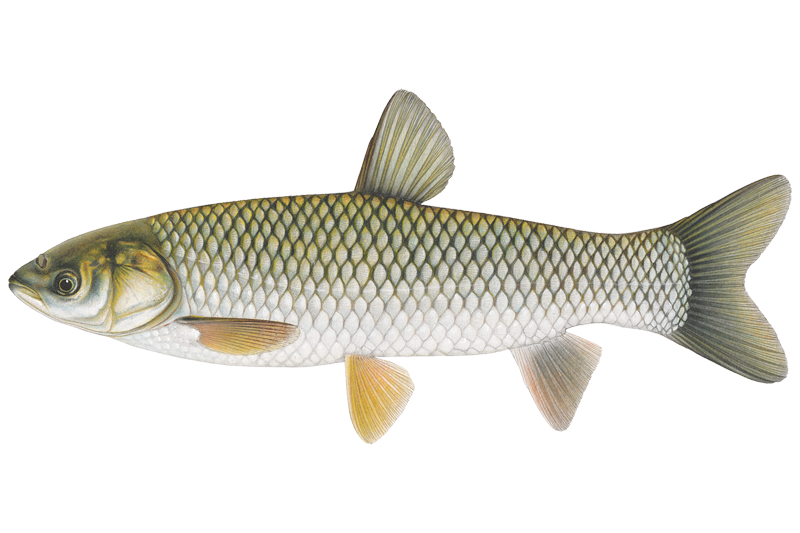
Grass Carp are large exotic fish native to Asia that were first imported to the United States in 1963 for aquatic weed control. In Alabama, they're extensively stocked throughout reservoirs and ponds.
Scientific Name: Ctenopharyngodon idella
Also known as white amur
- Adults range 2.6-4.3 feet in length and up to 51 pounds, characterized by thick, mullet-like bodies, small blunt heads, and scales prominently edged in black.
- Unlike common carp, they don't muddy water since they don't feed in sediment.
Fishing in Alabama
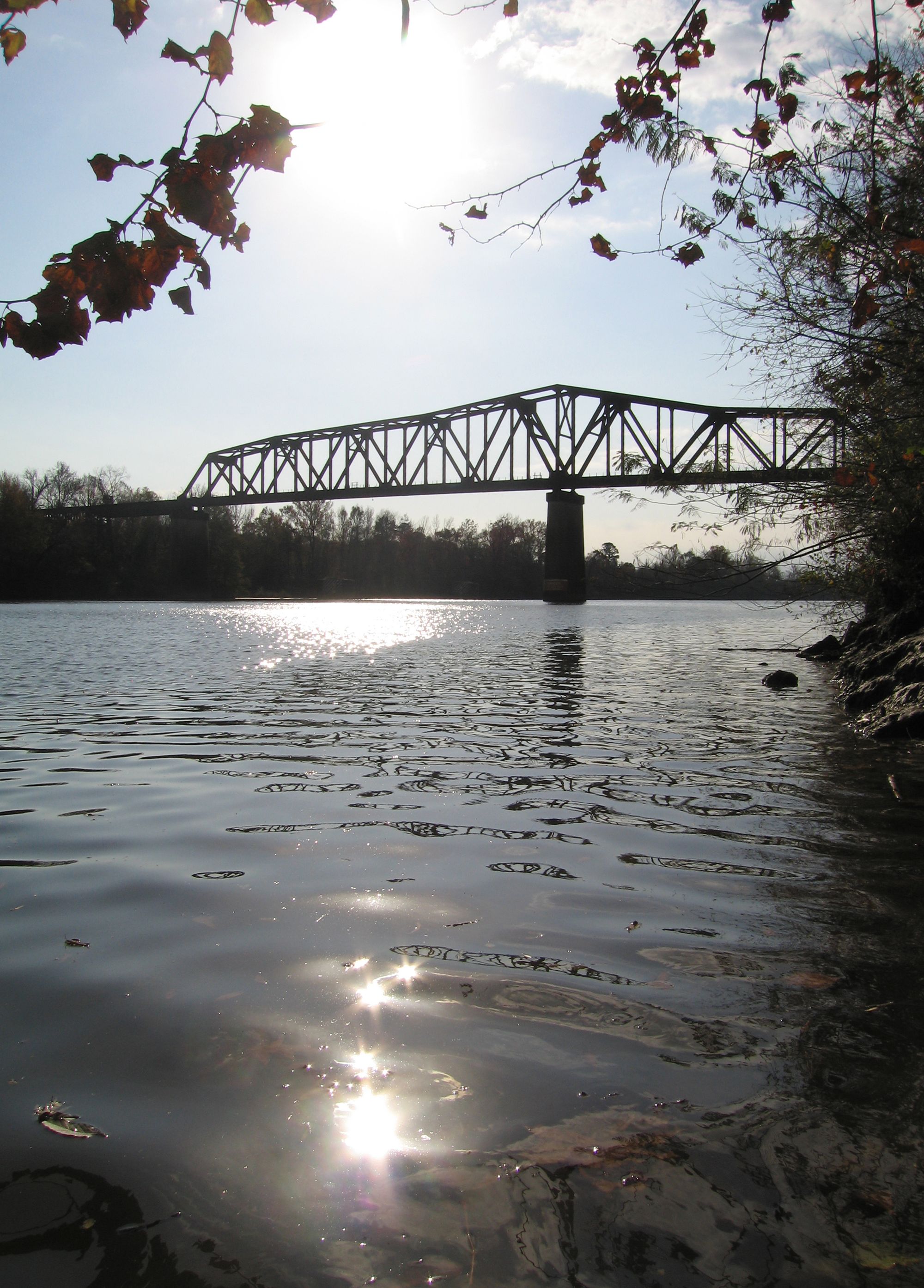
Black Warrior River
Demopolis Lake
Lay Lake
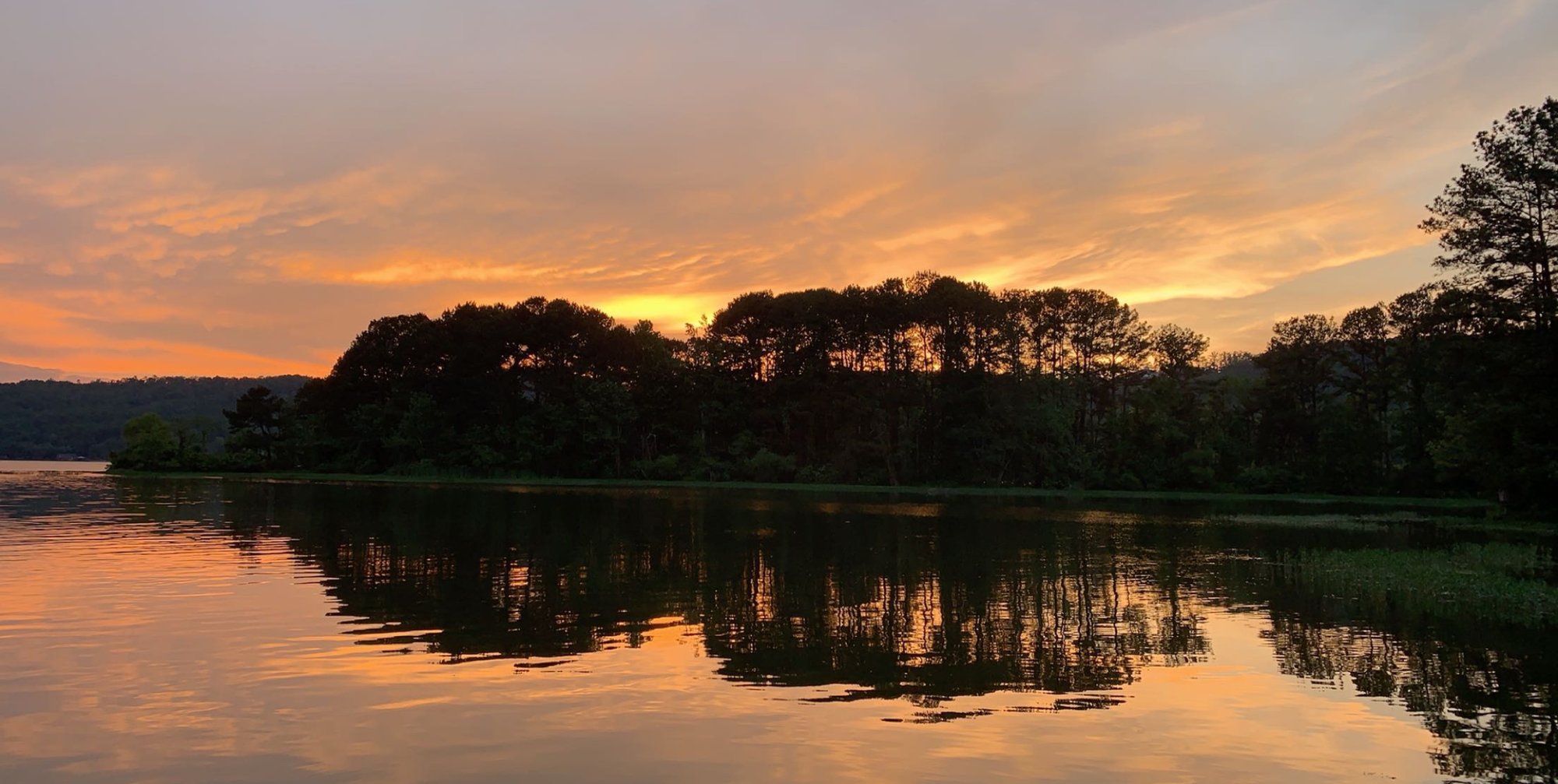
Coosa River
Cahaba River
Holt Lake
Mitchell Lake
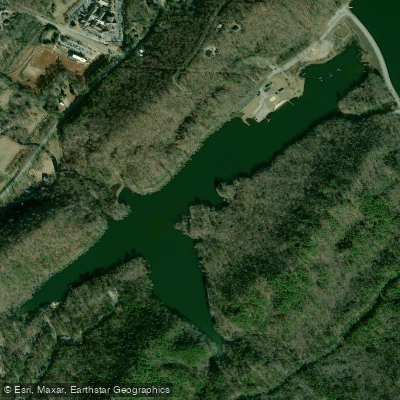
Oak Mountain Lake
Warrior Lake
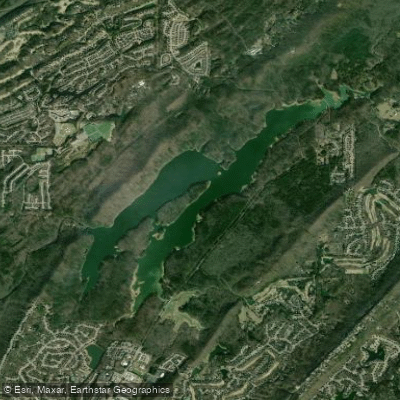
The Narrows
What to know
Habitat Distribution
- extensively stocked throughout reservoirs and ponds in Alabama.
Key Locations
- Guntersville Reservoir (stocked by Tennessee Valley Authority with thousands of fingerlings) and the Choctawhatchee River (introduced accidentally when a catfish pond dam failed).
Specific Spots
- Target shallow weedy areas, backs of coves, and around aquatic vegetation where they feed.
- In ponds with pelleted feed, target around feeding areas.
Grass Carp FAQ
Answers from onWater's species guide.
What are the best lures and bait for Grass Carp in Alabama?
worms, grass, catfish pellets, small dough balls, corn for chumming, cherry tomatoes, floating pinched white bread.
What flies work for Grass Carp in Alabama?
terrestrials like cicadas and mulberry flies, neutral buoyancy flies or droppers off dry flies.
When is the best time to fish for Grass Carp in Alabama?
Best fishing occurs during pre-spawn periods when water temperatures reach 64°F. Spring stocking when pond vegetation is blooming results in more active fish. Avoid fishing during spawning periods in late spring when they're focused on reproduction rather than feeding.
How do you catch Grass Carp in Alabama?
For fly fishing, use techniques like 'the claw' (modified dapping by lowering flies directly in front of fish), drag-drop-lay presentations, and 'the drop' as a trigger. The 'mulberry plop' technique involves plopping mulberry flies near fish as fruit falls naturally.
What do Grass Carp eat?
Grass carp are primarily herbivorous, consuming up to their body weight in aquatic vegetation daily. Adults feed on macroscopic aquatic plants while juveniles eat small invertebrates and crustaceans.
Fish smarter with real-time insights
Whether you're en route and conditions shift or you're looking for the best spot based on current flows, we enable you to make informed decisions on the fly.







See it in the app
Most maps show you water.
onWater shows you Grass Carp.



- 01 · Species map filter
Map every Grass Carp water
Pick Grass Carp and the map zeroes in on the waters they call home. No more guessing which lake holds them.
- 02 · Waterbody species
Tap any water. See what lives there.
Species, behavior and seasonal patterns for every lake, river and pond, before you leave the driveway.
- 03 · Angler Intelligence
Ask how to catch Grass Carp
Tactics, gear and timing from onWater's AI fishing guide, tuned to the species and the water you're on.
Stop guessing where Grass Carp are.
Open the map, filter by Grass Carp, and head to water that holds them. Download onWater and plan your next trip in minutes.
- Species map filter
- Angler Intelligence
- Fishing journal
Explore other species
Trout, bass, salmon, panfish and everything in between. Each guide unpacks the behavior, seasons, and tactics that put fish in the net.

Find which waters have the species you want to catch

Largemouth Bass
Micropterus salmoides

Smallmouth Bass
Micropterus dolomieu

Rainbow Trout
Oncorhynchus mykiss

Brown Trout

Walleye
Sander vitreus

Black Crappie
Pomoxis nigromaculatus
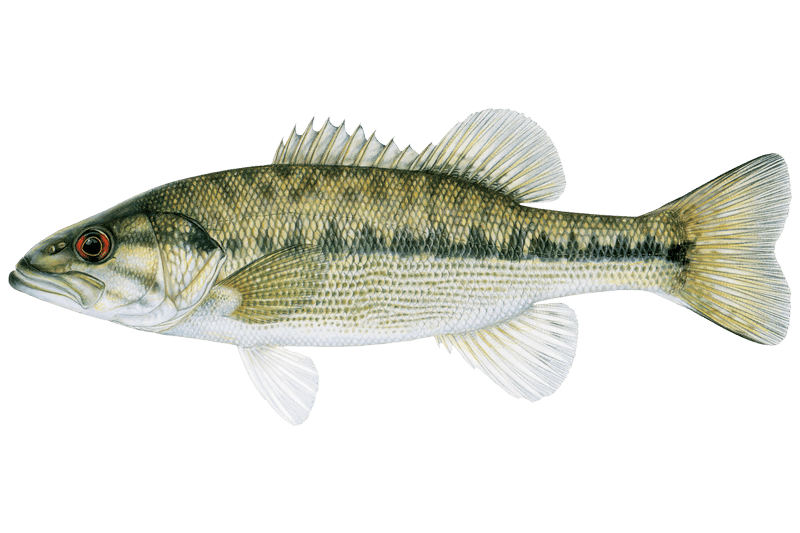
Alabama Bass
Micropterus henshalli

Alewife
Alosa pseudoharengus
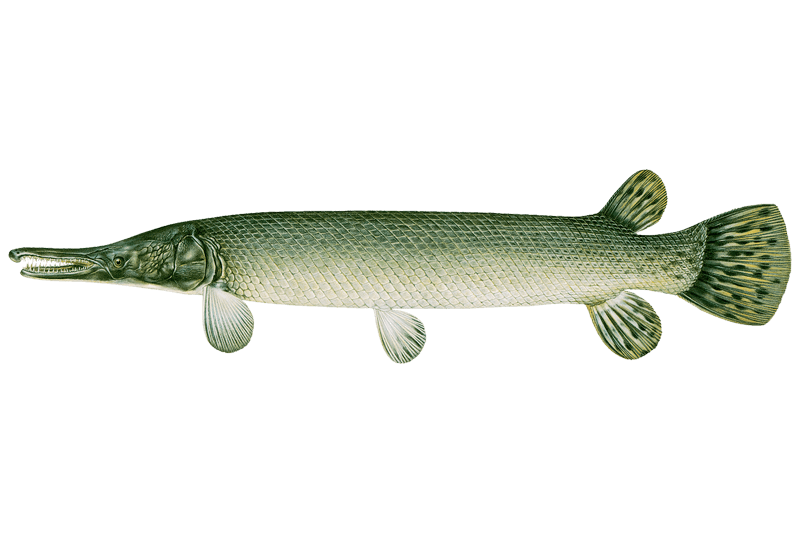
Alligator Gar
Atractosteus spatula

American Eel
Anguilla rostrata

American Shad
Alosa alabamae

Atlantic Croaker
Micropogonias undulatus

Bighead Carp

Bigmouth Buffalo
Ictiobus cyprinellus

Black Buffalo
Ictiobus niger

Black Bullhead
Ameiurus melas

Black Drum
Pogonias cromis

Blue Catfish
Ictalurus furcatus

Blue Runner
Caranx crysos

Blue Sucker
Cycleptus elongatus (represented by Cycleptus meridionalis)

Bowfin
Amia calva

Brown Bullhead
Ameiurus nebulosus

Chain Pickerel
Esox niger

Channel Catfish
Ictalurus punctatus

Common Carp
Cyprinus carpio

Creek Chub
Semotilus atromaculatus

Flathead Catfish
Pylodictis olivaris

Flier
Centrarchus macropterus

Freshwater Drum
Aplodinotus grunniens

Gafftopsail Catfish
Bagre marinus

Gizzard Shad
Dorosoma cepedianum

Golden Redhorse
Moxostoma erythrurum

Green Sunfish
Lepomis cyanellus

Lake Sturgeon
Acipenser fulvescens

Longear Sunfish
Lepomis megalotis

Longnose Gar
Lepisosteus osseus

Mangrove Snapper
Lutjanus griseus

Nile Tilapia
Oreochromis niloticus

Northern Hogsucker
Hypentelium nigricans
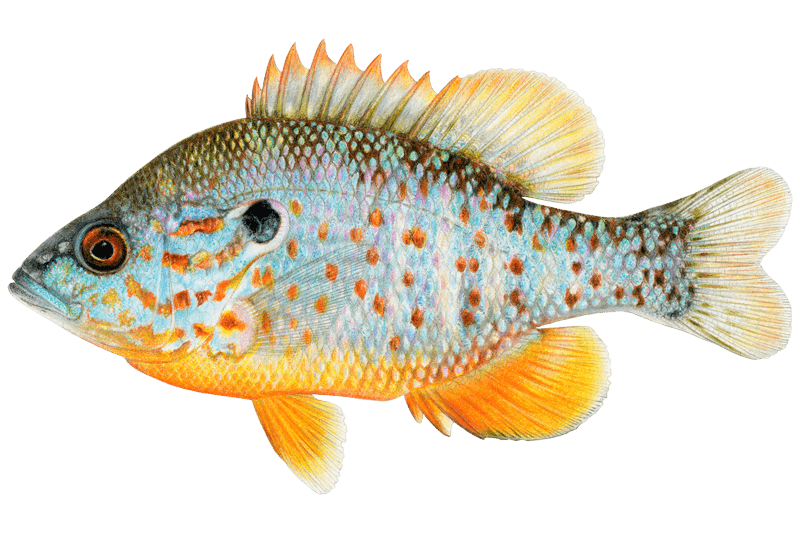
Orangespotted Sunfish
Lepomis humilis
Alabama licenses and regulations

Alabama Boating Regulations
When using any type of watercraft to access a body of water, it is important to follow all federal, state, and local rules and regulations. These rules and regulations include boat permitting and licensing, invasive species inspections and stamps, life jacket and PFD rules, motor size and horsepower restrictions, noise limitations, restrictions on personal watercraft, and many more. Visit the web link below for the most current rules and regulations for this body of water.

Alabama Fishing License
A License Information Packet can be viewed for each license for information, laws and regulations.

Alabama Fishing Regulations
This river has a variety of species and regulations, including potential floating and/or watercraft restrictions. Because this river is specially managed for species, seasons, angling methods, and watercraft, it is strongly encouraged you check all federal, state, and local regulations before fishing. Visit any of the links below, inquire locally, or contact a local fly shop to learn current regulations and restrictions.

Alabama Stream Access Laws
The public can float waterways that meet various standards, but generally include all those capable of floating commercial logs outside of flood seasons. Boaters may not walk on private streambeds or access navigable waters through private lands, unless there is no posted signage stating the land is private. Portage is only permitted in an emergency.
Explore nearby waters
Explore Alabama waters
Top fishing waters
Popular Cities
Loading popular cities...
Smarter Fishing Starts in the App.
onWater Fish gives you everything you need to plan smarter, fish better, and own every trip from first cast to last.