Longnose Gar
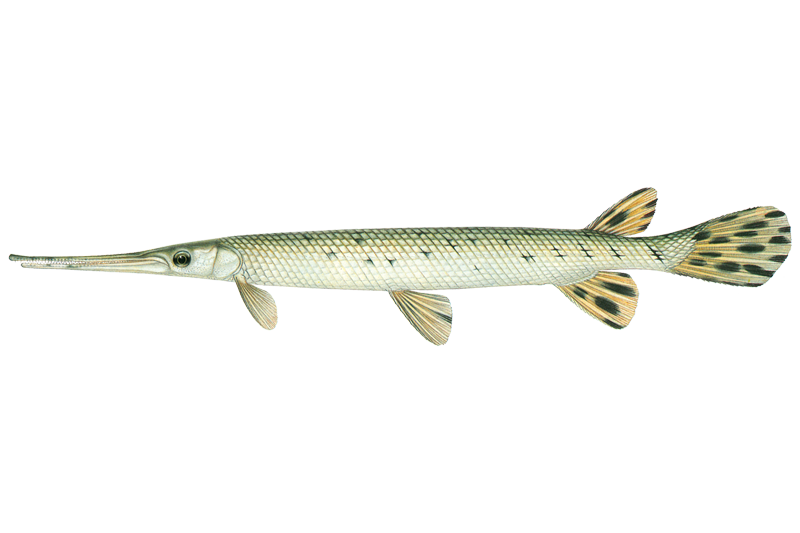
Longnose gar are ancient predatory fish that occur in every river system in Alabama except the Escatawpa. These are prehistoric fish that can breathe both air and water through a modified swim bladder, allowing them to survive in low-oxygen environments.
Scientific Name: Lepisosteus osseus
- These distinctive fish reach 3.9 to 5.9 feet in length and are characterized by their elongated torpedo-shaped bodies, extremely long narrow snouts (three times the length of their head), and armor-like ganoid scales.
- Their olive green to light brown backs fade to cream or white bellies, with light gray fins scattered with dark spots.
Fishing in Alabama
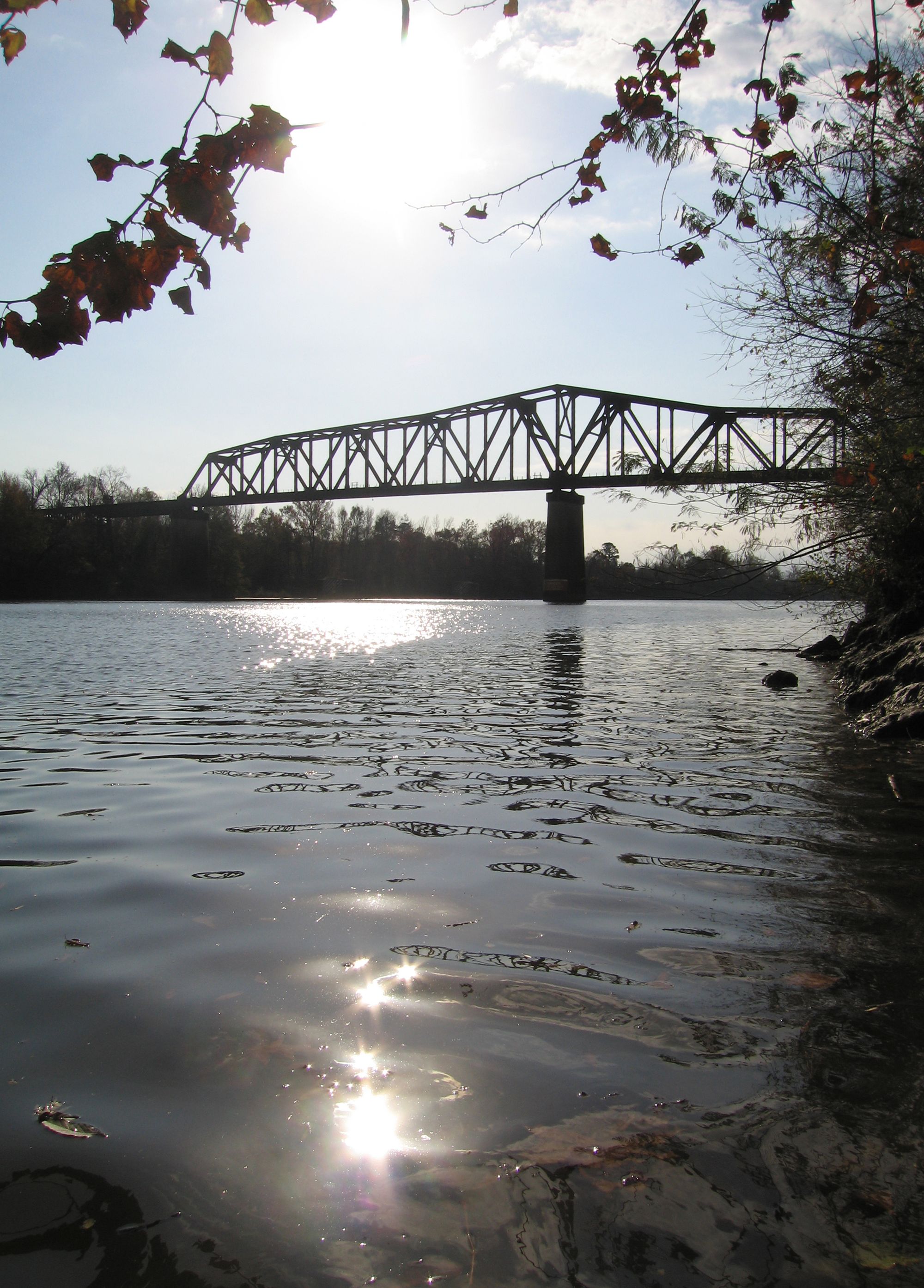
Black Warrior River
Demopolis Lake
Lay Lake
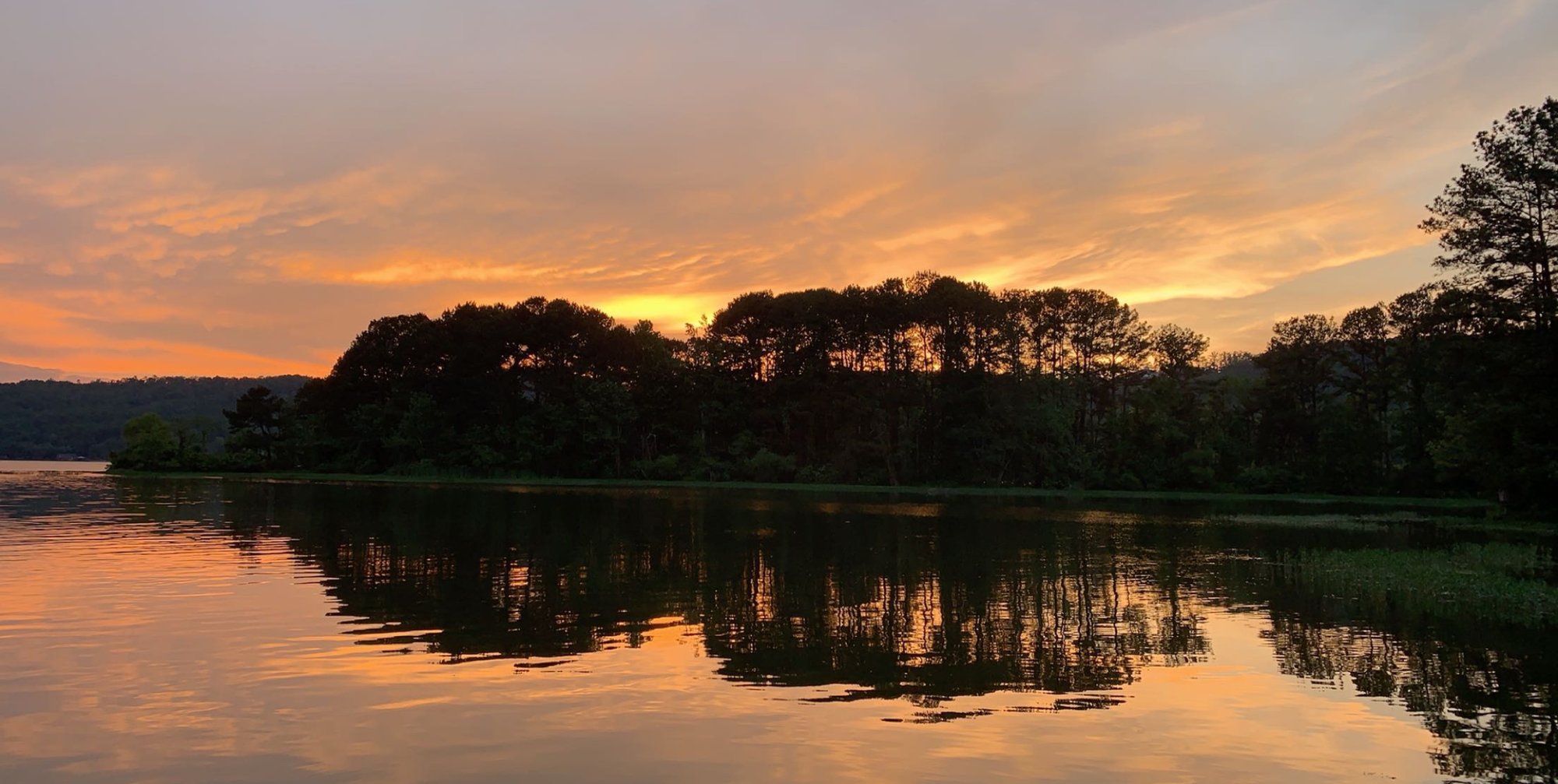
Coosa River
Cahaba River
Holt Lake
Mitchell Lake
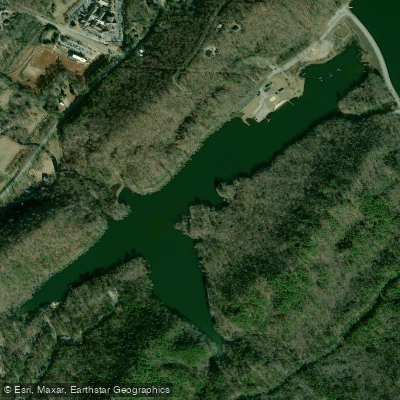
Oak Mountain Lake
Warrior Lake
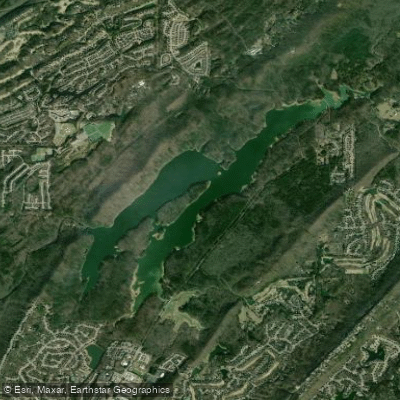
The Narrows
What to know
Habitat Distribution
- In Alabama, they inhabit rivers, reservoirs, large streams, and swamps, preferring flowing water.
- They venture into brackish and salt water.
- The Tennessee River system supports more populations than previously believed, with dozens of individuals up to 4 feet long observed in Paint Rock River and Bear Creek.
Key Locations
- Prime locations include the Coosa River chain, Paint Rock River, Bear Creek in the Tennessee drainage.
- Target tailwater areas below every lock and dam in the Mobile basin.
- The lower Coosa River main channel in Elmore County is particularly notable during spawning season.
Specific Spots
- Target tailwater areas below every lock and dam in the Mobile basin, rocky riffles and runs in flowing water, large backwater pools off main channels, and areas around structure like downed trees, vegetation, and drop-offs.
- Areas with moderate current and rocky structure are prime locations.
- They respond well to surface-oriented presentations.
Longnose Gar FAQ
Answers from onWater's species guide.
What are the best lures and bait for Longnose Gar in Alabama?
Small live baits (minnows), cut bait, small in-line spinners, spoons, jigs, and minnow-type plugs.
When is the best time to fish for Longnose Gar in Alabama?
Most productive from late May through September when water temperatures reach 70°F and above, with peak action during hot, clear, sunny days in July and August. Avoid fishing during spawning periods in May and early June when they congregate for reproduction.
How do you catch Longnose Gar in Alabama?
The most effective technique is using rope flies - 8-inch sections of frayed nylon rope that tangle in their teeth. When a gar strikes a rope fly, don't set the hook immediately; instead, feed line for 8-10 seconds while maintaining light tension, allowing the fish to chew and become entangled before coming tight.
What do Longnose Gar eat?
Longnose gar are apex predators with cone-shaped teeth lining their needle-like snouts, feeding primarily on fish including shad, sunfish, minnows, and in coastal areas, menhaden.
Where do Longnose Gar live in Alabama?
In Alabama, they inhabit rivers, reservoirs, large streams, and swamps, preferring flowing water. They venture into brackish and salt water. The Tennessee River system supports more populations than previously believed, with dozens of individuals up to 4 feet long observed in Paint Rock River and Bear Creek.
Fish smarter with real-time insights
Whether you're en route and conditions shift or you're looking for the best spot based on current flows, we enable you to make informed decisions on the fly.




See it in the app
Most maps show you water.
onWater shows you Longnose Gar.



- 01 · Species map filter
Map every Longnose Gar water
Pick Longnose Gar and the map zeroes in on the waters they call home. No more guessing which lake holds them.
- 02 · Waterbody species
Tap any water. See what lives there.
Species, behavior and seasonal patterns for every lake, river and pond, before you leave the driveway.
- 03 · Angler Intelligence
Ask how to catch Longnose Gar
Tactics, gear and timing from onWater's AI fishing guide, tuned to the species and the water you're on.
Stop guessing where Longnose Gar are.
Open the map, filter by Longnose Gar, and head to water that holds them. Download onWater and plan your next trip in minutes.
- Species map filter
- Angler Intelligence
- Fishing journal
Explore other species
Trout, bass, salmon, panfish and everything in between. Each guide unpacks the behavior, seasons, and tactics that put fish in the net.
No species information available.
Alabama licenses and regulations
Explore nearby waters
Explore Alabama waters
Top fishing waters
Popular Cities
Loading popular cities...

Smarter Fishing Starts in the App.
onWater Fish gives you everything you need to plan smarter, fish better, and own every trip from first cast to last.