Black Buffalo

Black Buffalo are uncommon in Alabama waters, making them a challenging and rewarding species for dedicated anglers.
These robust suckers are extremely difficult to collect with standard sampling techniques and are rarely encountered by biologists, making angling opportunities particularly special.
Scientific Name: Ictiobus niger
Also known as blue rooters (called by local commercial fishermen during spawning season)
Adults typically measure 20-34 inches and are distinguished by their dark gray to bronze coloration with a greenish overcast, slightly oblique mouth positioned beneath the snout, and distinctive hump that develops on breeding males.
During spawning season they turn deep blue to black in color. More streamlined body compared to Smallmouth Buffalo.
Fishing in Alabama
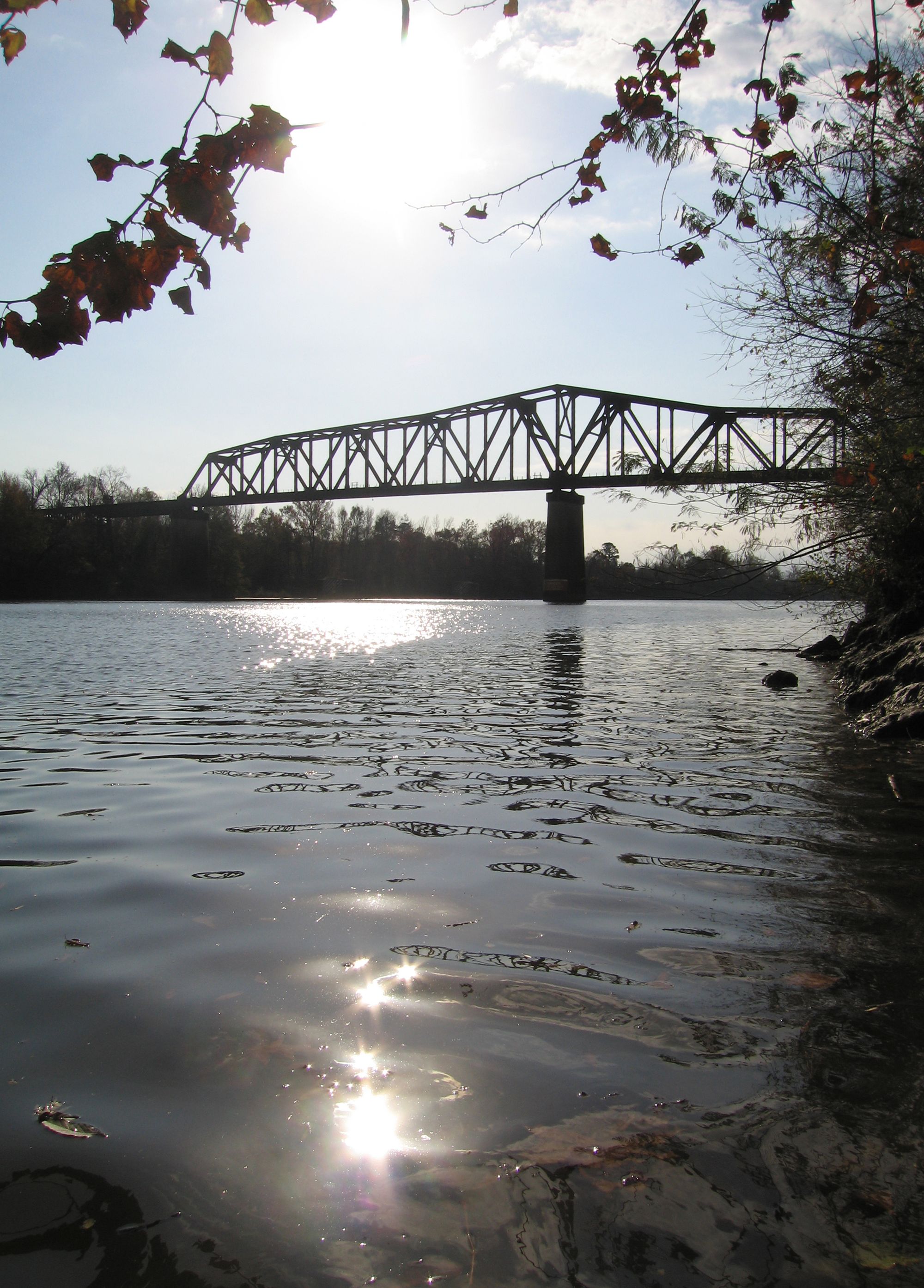
Black Warrior River
Demopolis Lake
Lay Lake
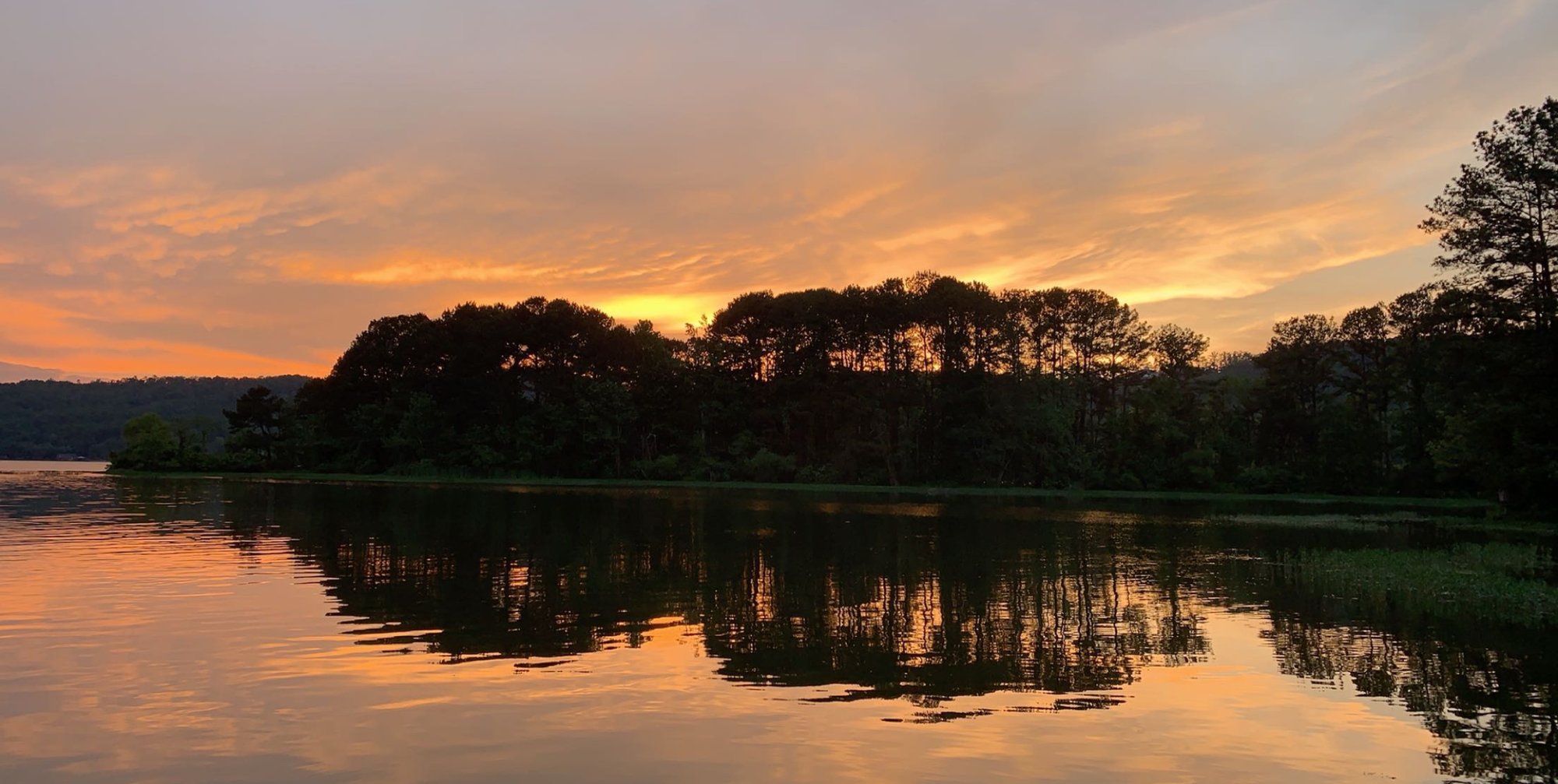
Coosa River
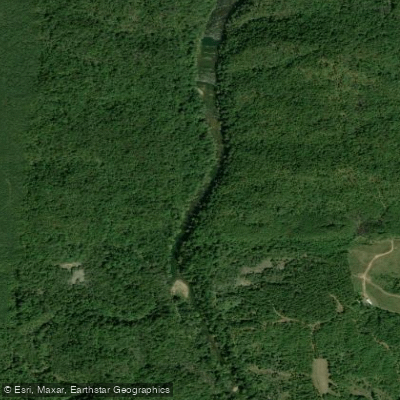
Cahaba River
Holt Lake
Mitchell Lake
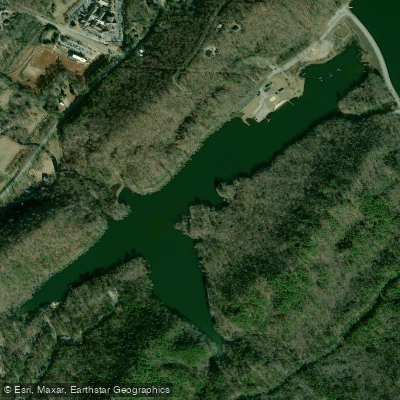
Oak Mountain Lake
Warrior Lake
The Narrows
What to know
Habitat Distribution
Inhabit the lower reaches of large streams, rivers, and reservoirs throughout the state. They prefer deeper waters compared to their Bigmouth Buffalo cousins and are often found in strong currents of large rivers.Key Locations
Tennessee River system including Bear Creek, Cypress Creek, Flint River, and Paint Rock River. They may eventually expand their range into the upper Tombigbee River system via the Tennessee-Tombigbee Waterway.Specific Spots
Fish around submerged structures in deeper pools and backwaters of major river systems, areas with muddy or sandy bottoms where they root for food, slower-moving sections of large rivers.Black Buffalo FAQ
Answers from onWater's species guide.
What are the best lures and bait for Black Buffalo in Alabama?
Natural baits that sink to the bottom, corn, small pieces of Asian clams if available, other mollusk-based baits, small particle baits or dough balls that mimic their natural food sources.
When is the best time to fish for Black Buffalo in Alabama?
Best fishing times are outside the April-May spawning period when fish are in deeper waters rather than shallow backwaters. Evening and early morning hours may be most productive when fish are actively feeding.
How do you catch Black Buffalo in Alabama?
The most effective method is using a small hook setup with natural baits that sink to the bottom. Bottom-fishing rigs work best, presenting baits near the substrate. Target areas where muddy plumes indicate feeding activity, especially along the bottoms of slower-moving sections of large rivers.
What do Black Buffalo eat?
Bottom feeders with a diet consisting primarily of Asian clams (Corbicula), algae, plankton, diatoms, crustaceans, aquatic insects, and water plants including duckweed. They are primarily filter feeders consuming plankton and benthic organisms.
Where do Black Buffalo live in Alabama?
Inhabit the lower reaches of large streams, rivers, and reservoirs throughout the state. They prefer deeper waters compared to their Bigmouth Buffalo cousins and are often found in strong currents of large rivers.
Fish smarter with real-time insights
Whether you're en route and conditions shift or you're looking for the best spot based on current flows, we enable you to make informed decisions on the fly.




See it in the app
Most maps show you water.
onWater shows you Black Buffalo.



- 01 · Species map filter
Map every Black Buffalo water
Pick Black Buffalo and the map zeroes in on the waters they call home. No more guessing which lake holds them.
- 02 · Waterbody species
Tap any water. See what lives there.
Species, behavior and seasonal patterns for every lake, river and pond, before you leave the driveway.
- 03 · Angler Intelligence
Ask how to catch Black Buffalo
Tactics, gear and timing from onWater's AI fishing guide, tuned to the species and the water you're on.
Stop guessing where Black Buffalo are.
Open the map, filter by Black Buffalo, and head to water that holds them. Download onWater and plan your next trip in minutes.
- Species map filter
- Angler Intelligence
- Fishing journal
Explore other species
Trout, bass, salmon, panfish and everything in between. Each guide unpacks the behavior, seasons, and tactics that put fish in the net.
No species information available.
Alabama licenses and regulations
Explore nearby waters
Explore Alabama waters
Top fishing waters
Popular Cities
Loading popular cities...

Smarter Fishing Starts in the App.
onWater Fish gives you everything you need to plan smarter, fish better, and own every trip from first cast to last.