Atlantic Croaker

Atlantic Croaker are bottom-dwelling members of the drum family, abundant in Alabama's coastal waters with Alabama historically harvesting 77% of the Gulf's croaker catch.
Scientific Name: Micropogonias undulatus
Recognizable by their three to five chin barbels, inferior mouth, and characteristic croaking sound produced during spawning.
Fishing in Alabama
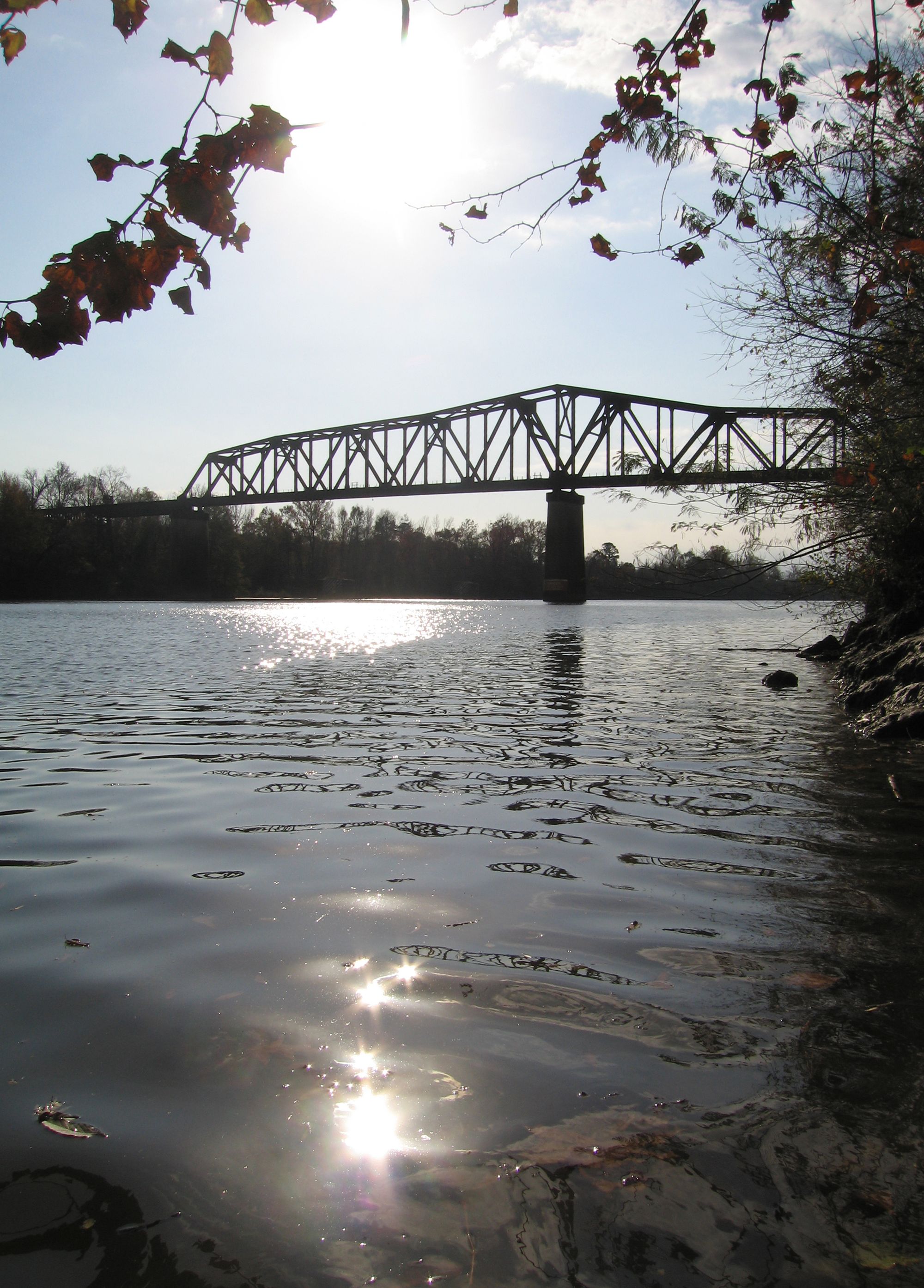
Black Warrior River
Demopolis Lake
Lay Lake
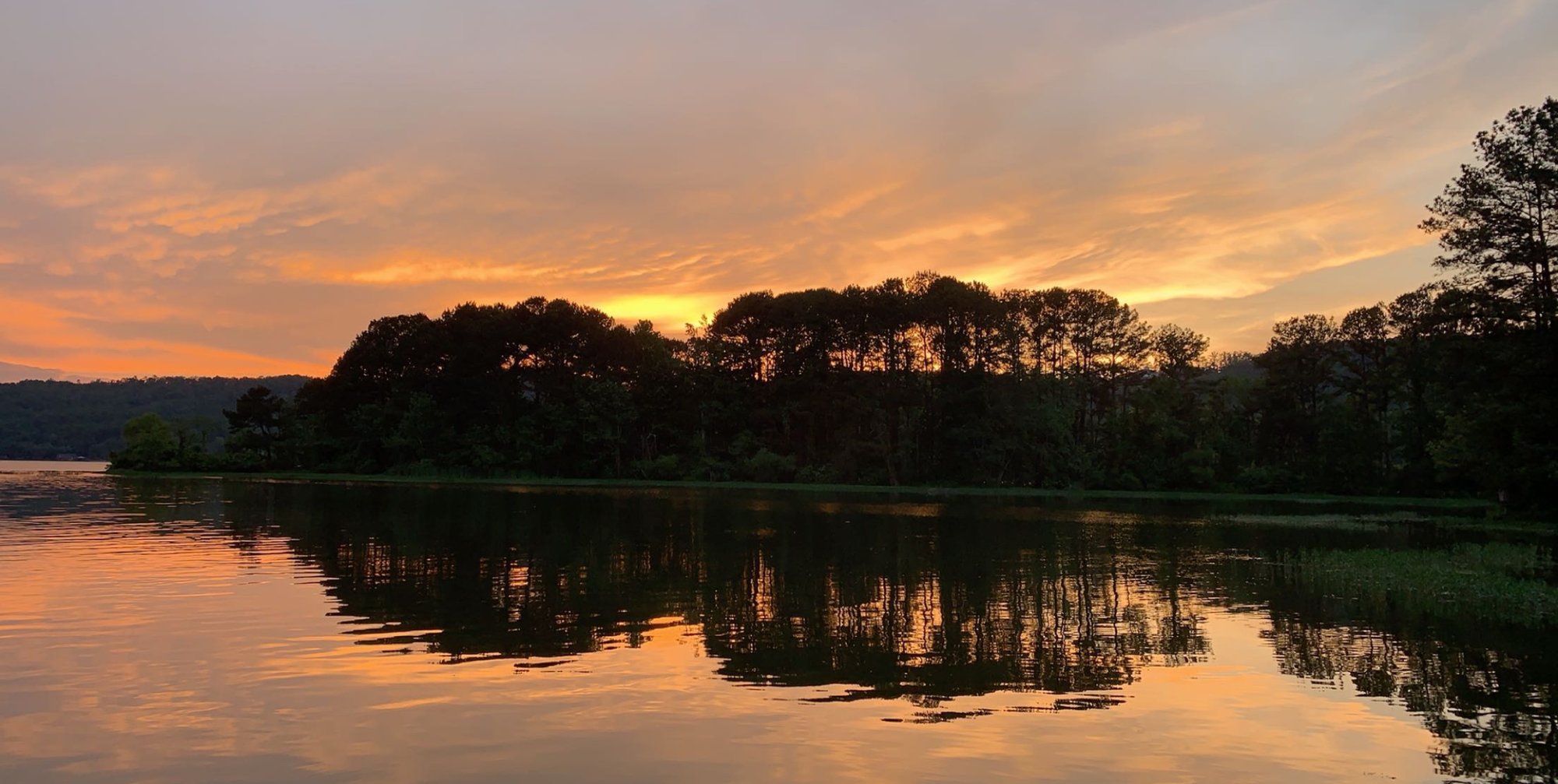
Coosa River
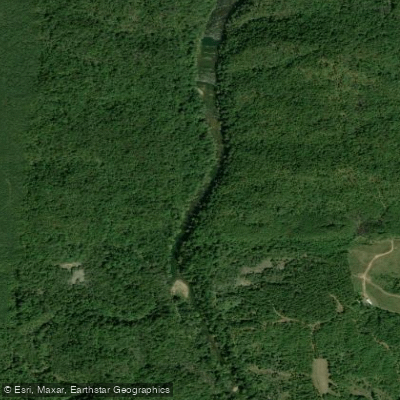
Cahaba River
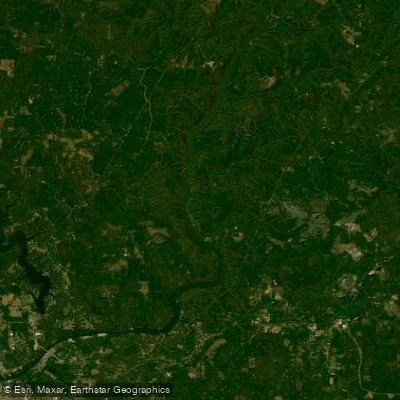
Holt Lake
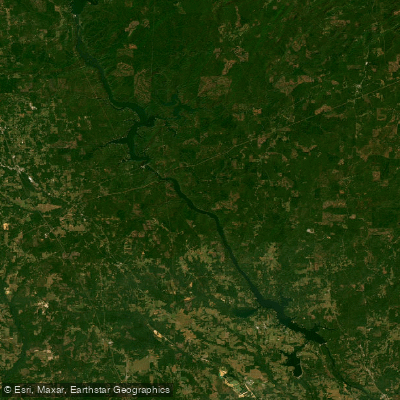
Mitchell Lake
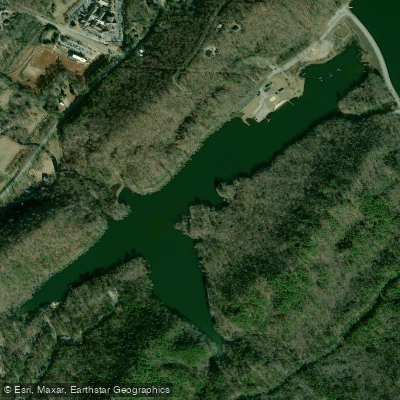
Oak Mountain Lake
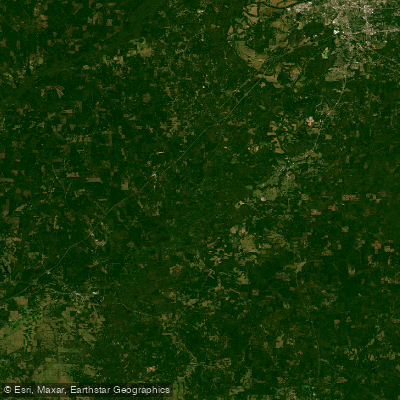
Warrior Lake
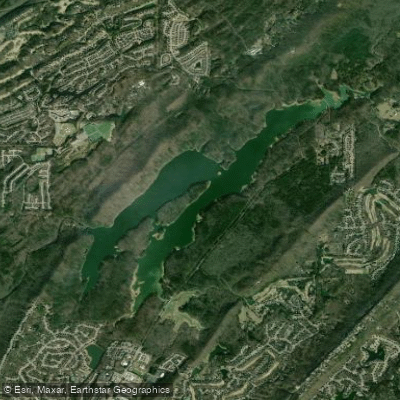
The Narrows
What to know
Habitat Distribution
They prefer muddy and sandy substrates in shallow waters and are considered habitat generalists, utilizing oyster reefs, submerged grass beds, marsh edges, and deeper channels.Key Locations
Alabama's coastal waters including Mobile Bay, Mississippi Sound, Perdido Bay, Wolf Bay, and Little Lagoon. Effective locations include Mobile Bay oyster reefs, around bridge pilings, inshore artificial reefs, tributary river mouths, and along channel ledges. In murky waters like those around West Point.Specific Spots
Target areas with muddy bottoms near structure like crab pot lines and oyster beds.Atlantic Croaker FAQ
Answers from onWater's species guide.
What flies work for Atlantic Croaker in Alabama?
2-4 inch Clouser Minnows in bright colors - yellow/white, all white, pink/yellow/chartreuse with flash. In murky waters add scent strips or small pieces of squid to flies to help croakers locate them through smell.
When is the best time to fish for Atlantic Croaker in Alabama?
Most productive from April through October, with peak fishing during late spring and summer. Avoid the October-March spawning period when fish move offshore to deeper waters.
How do you catch Atlantic Croaker in Alabama?
Bottom fishing is the primary technique, using cut bait, dead shrimp, squid, and small pieces of crab fished on or near the bottom in 8-15 feet of water. For fly fishing, bottom-bouncing techniques work best, allowing flies to drag along the substrate with very slow retrieves.
What do Atlantic Croaker eat?
Atlantic Croaker are opportunistic bottom feeders with a diet dominated by polychaete worms (especially Nereis succinea), followed by crustaceans like amphipods (Corophium louisianum, Ampelisca abdita), mysid shrimp (Mysidopsis almyra), penaeid shrimp, blue crabs, and bivalves like Mulinia lateralis.
Where do Atlantic Croaker live in Alabama?
They prefer muddy and sandy substrates in shallow waters and are considered habitat generalists, utilizing oyster reefs, submerged grass beds, marsh edges, and deeper channels.
Fish smarter with real-time insights
Whether you're en route and conditions shift or you're looking for the best spot based on current flows, we enable you to make informed decisions on the fly.




See it in the app
Most maps show you water.
onWater shows you Atlantic Croaker.



- 01 · Species map filter
Map every Atlantic Croaker water
Pick Atlantic Croaker and the map zeroes in on the waters they call home. No more guessing which lake holds them.
- 02 · Waterbody species
Tap any water. See what lives there.
Species, behavior and seasonal patterns for every lake, river and pond, before you leave the driveway.
- 03 · Angler Intelligence
Ask how to catch Atlantic Croaker
Tactics, gear and timing from onWater's AI fishing guide, tuned to the species and the water you're on.
Stop guessing where Atlantic Croaker are.
Open the map, filter by Atlantic Croaker, and head to water that holds them. Download onWater and plan your next trip in minutes.
- Species map filter
- Angler Intelligence
- Fishing journal
Explore other species
Trout, bass, salmon, panfish and everything in between. Each guide unpacks the behavior, seasons, and tactics that put fish in the net.
No species information available.
Alabama licenses and regulations
Explore nearby waters
Explore Alabama waters
Top fishing waters
Popular Cities
Loading popular cities...

Smarter Fishing Starts in the App.
onWater Fish gives you everything you need to plan smarter, fish better, and own every trip from first cast to last.