Gizzard Shad

Gizzard Shad in Alabama are silver-bodied members of the herring family that serve as the primary forage fish for largemouth bass, striped bass, and other predators, with research showing they can comprise 30-100% of predator diets by weight.
Scientific Name: Dorosoma cepedianum
- Distinguished by their blunt snout, small toothless mouth, long trailing last dorsal ray, and closely packed gill rakers numbering over 400.
- They have 'eyelids' composed of adipose tissue and a compressed body with bony scutes along the belly ridge.
- Adults can reach 52cm (about 20 inches) and are considerably larger than threadfin shad.
Fishing in Alabama
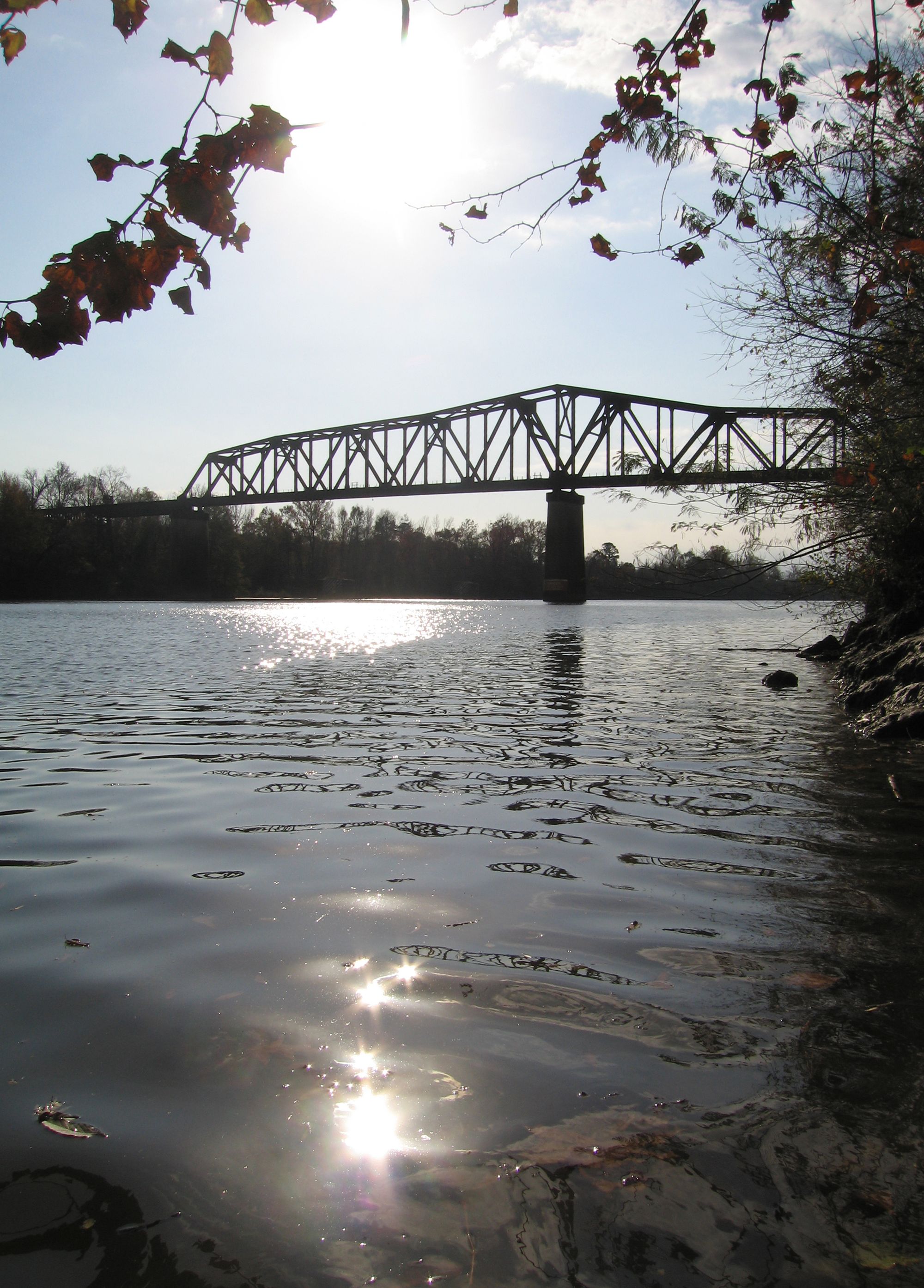
Black Warrior River
Demopolis Lake
Lay Lake
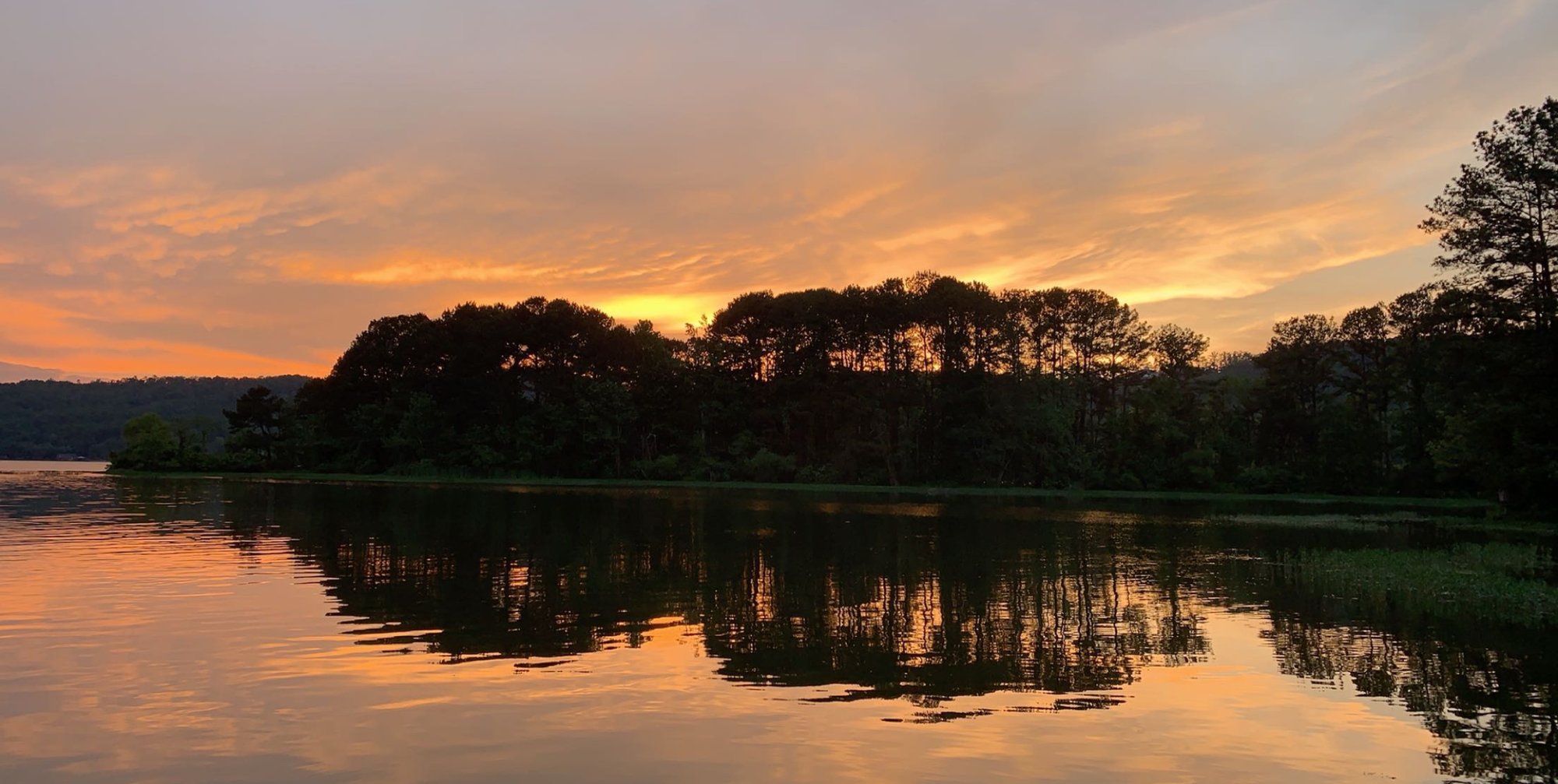
Coosa River
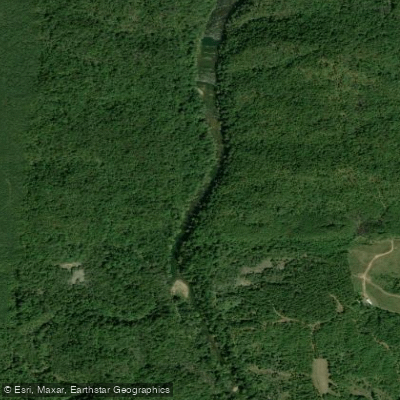
Cahaba River
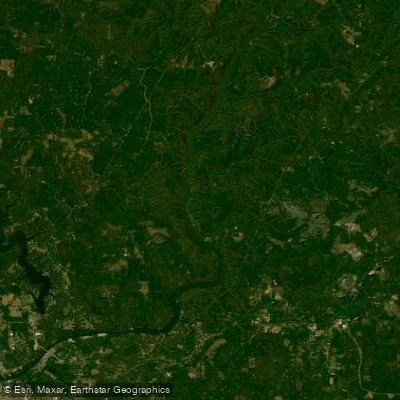
Holt Lake
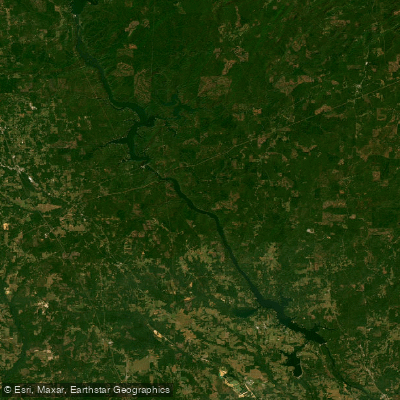
Mitchell Lake
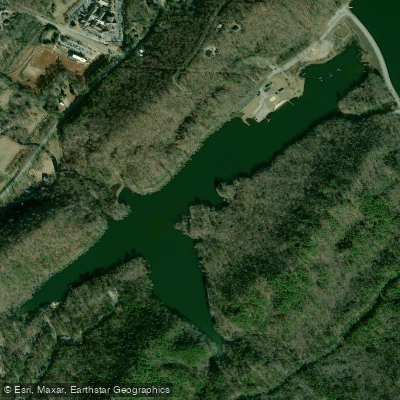
Oak Mountain Lake
Warrior Lake
The Narrows
What to know
Habitat Distribution
- Found throughout Alabama's major river systems and reservoirs.
- They're more cold-tolerant than threadfin shad and less susceptible to winter mortality.
Key Locations
- Found throughout Alabama's major river systems including the Mobile River basin (Alabama, Tombigbee, Black Warrior, Cahaba, and Coosa rivers) and in virtually all major reservoirs like Guntersville, Wheeler, Wilson, Pickwick, Smith Lake, and others.
- Areas around Guntersville, Wheeler, Wilson, and Pickwick lakes offer the highest shad populations due to excellent habitat and abundant aquatic vegetation.
Specific Spots
- Target areas include eel grass and hydrilla flats in 3-6 feet of water, channel shoulders, and upstream points of bars and islands.
- Look for bays that will later attract spawning bluegills, as these typically hold spawning shad as well.
- Avoid murky or stagnant bays without vegetation growth.
- Fish moving into grassy bays and shallow areas of 3-4 feet deep around eel grass and hydrilla flats.
Gizzard Shad FAQ
Answers from onWater's species guide.
When is the best time to fish for Gizzard Shad in Alabama?
Late spring through summer. Spring spawning occurs when water temperatures reach 55-80°F (peak at 68-72°F), typically May through June.
How do you catch Gizzard Shad in Alabama?
Using beaded squirrel hair nymphs. Schools can often be spotted visually as dark patches in the water or detected with sonar. During spawning, they move into shallows at dusk, spawn at night, and return to deeper water at sunrise.
What do Gizzard Shad eat?
Filter feeders that consume plankton, algae, and suspended organic material, often grazing on bottom sediments.
Where do Gizzard Shad live in Alabama?
Found throughout Alabama's major river systems and reservoirs. They're more cold-tolerant than threadfin shad and less susceptible to winter mortality.
Fish smarter with real-time insights
Whether you're en route and conditions shift or you're looking for the best spot based on current flows, we enable you to make informed decisions on the fly.







See it in the app
Most maps show you water.
onWater shows you Gizzard Shad.



- 01 · Species map filter
Map every Gizzard Shad water
Pick Gizzard Shad and the map zeroes in on the waters they call home. No more guessing which lake holds them.
- 02 · Waterbody species
Tap any water. See what lives there.
Species, behavior and seasonal patterns for every lake, river and pond, before you leave the driveway.
- 03 · Angler Intelligence
Ask how to catch Gizzard Shad
Tactics, gear and timing from onWater's AI fishing guide, tuned to the species and the water you're on.
Stop guessing where Gizzard Shad are.
Open the map, filter by Gizzard Shad, and head to water that holds them. Download onWater and plan your next trip in minutes.
- Species map filter
- Angler Intelligence
- Fishing journal
Explore other species
Trout, bass, salmon, panfish and everything in between. Each guide unpacks the behavior, seasons, and tactics that put fish in the net.

Find which waters have the species you want to catch

Largemouth Bass
Micropterus salmoides

Smallmouth Bass
Micropterus dolomieu

Rainbow Trout
Oncorhynchus mykiss

Brown Trout

Walleye
Sander vitreus

Black Crappie
Pomoxis nigromaculatus
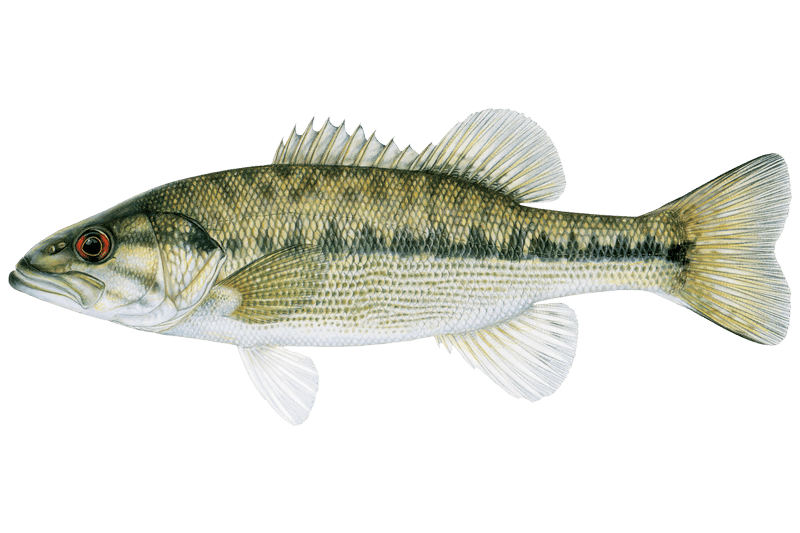
Alabama Bass
Micropterus henshalli

Alewife
Alosa pseudoharengus
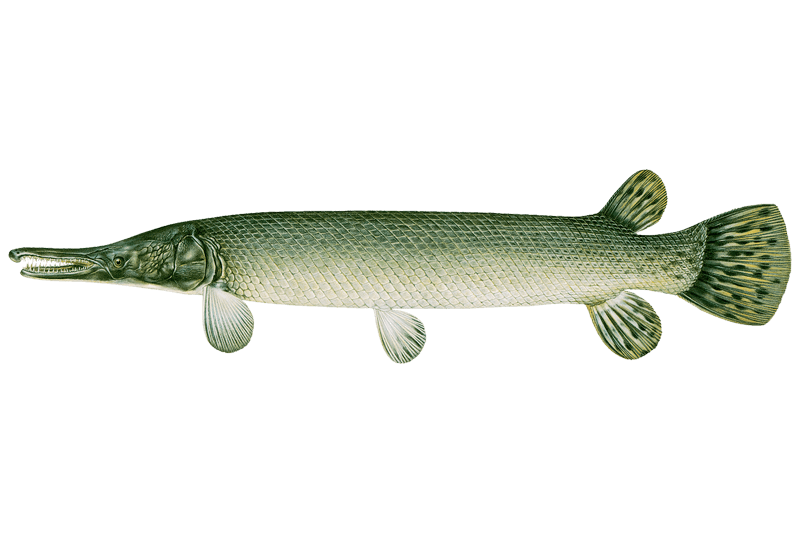
Alligator Gar
Atractosteus spatula

American Eel
Anguilla rostrata

American Shad
Alosa alabamae

Atlantic Croaker
Micropogonias undulatus

Bighead Carp

Bigmouth Buffalo
Ictiobus cyprinellus

Black Buffalo
Ictiobus niger

Black Bullhead
Ameiurus melas

Black Drum
Pogonias cromis

Blue Catfish
Ictalurus furcatus

Blue Runner
Caranx crysos

Blue Sucker
Cycleptus elongatus (represented by Cycleptus meridionalis)

Bowfin
Amia calva

Brown Bullhead
Ameiurus nebulosus

Chain Pickerel
Esox niger

Channel Catfish
Ictalurus punctatus

Common Carp
Cyprinus carpio

Creek Chub
Semotilus atromaculatus

Flathead Catfish
Pylodictis olivaris

Flier
Centrarchus macropterus

Freshwater Drum
Aplodinotus grunniens

Gafftopsail Catfish
Bagre marinus

Golden Redhorse
Moxostoma erythrurum

Grass Carp
Ctenopharyngodon idella

Green Sunfish
Lepomis cyanellus

Lake Sturgeon
Acipenser fulvescens

Longear Sunfish
Lepomis megalotis

Longnose Gar
Lepisosteus osseus

Mangrove Snapper
Lutjanus griseus

Nile Tilapia
Oreochromis niloticus

Northern Hogsucker
Hypentelium nigricans
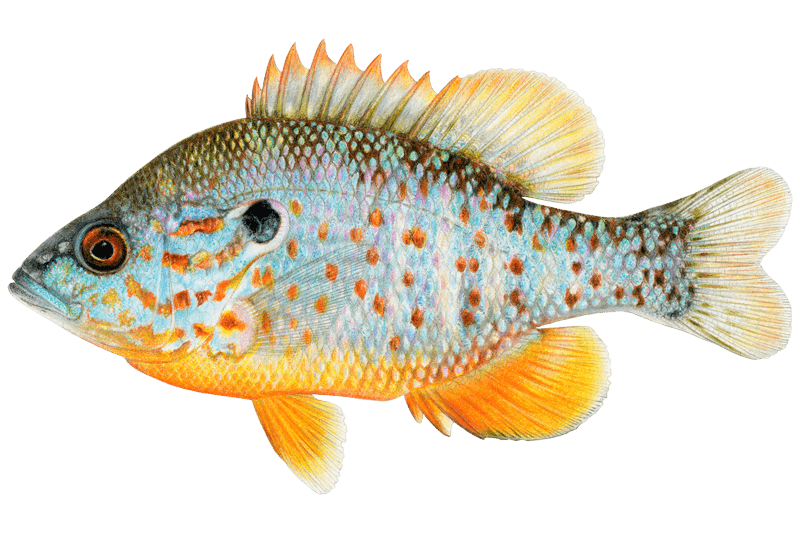
Orangespotted Sunfish
Lepomis humilis
Alabama licenses and regulations
Alabama Boating Regulations
When using any type of watercraft to access a body of water, it is important to follow all federal, state, and local rules and regulations. These rules and regulations include boat permitting and licensing, invasive species inspections and stamps, life jacket and PFD rules, motor size and horsepower restrictions, noise limitations, restrictions on personal watercraft, and many more. Visit the web link below for the most current rules and regulations for this body of water.

Alabama Fishing License
A License Information Packet can be viewed for each license for information, laws and regulations.

Alabama Fishing Regulations
This river has a variety of species and regulations, including potential floating and/or watercraft restrictions. Because this river is specially managed for species, seasons, angling methods, and watercraft, it is strongly encouraged you check all federal, state, and local regulations before fishing. Visit any of the links below, inquire locally, or contact a local fly shop to learn current regulations and restrictions.

Alabama Stream Access Laws
The public can float waterways that meet various standards, but generally include all those capable of floating commercial logs outside of flood seasons. Boaters may not walk on private streambeds or access navigable waters through private lands, unless there is no posted signage stating the land is private. Portage is only permitted in an emergency.
Explore nearby waters
Explore Alabama waters
Top fishing waters
Popular Cities
Loading popular cities...

Smarter Fishing Starts in the App.
onWater Fish gives you everything you need to plan smarter, fish better, and own every trip from first cast to last.