Black Crappie

Black crappie in Alabama are distinguished from white crappie by having 7-8 dorsal spines versus 5-6 for whites, and display irregular dark blotches and speckles rather than vertical bars.
They're found throughout Alabama's lakes, reservoirs, and slow-moving streams.
Scientific Name: Pomoxis nigromaculatus
- Distinguished from white crappie by having 7-8 dorsal spines versus 5-6 for whites, and display irregular dark blotches and speckles rather than vertical bars.
- Males develop extremely dark coloration during breeding season, with heads and breasts turning nearly black.
- Alabama's black crappie grow at a slightly slower rate than whites, averaging 8.5 inches at age 1 and taking an estimated 1.39 years to reach the 9-inch harvestable size.
- The current Alabama state record is 4 pounds, 5 ounces.
Fishing in Alabama
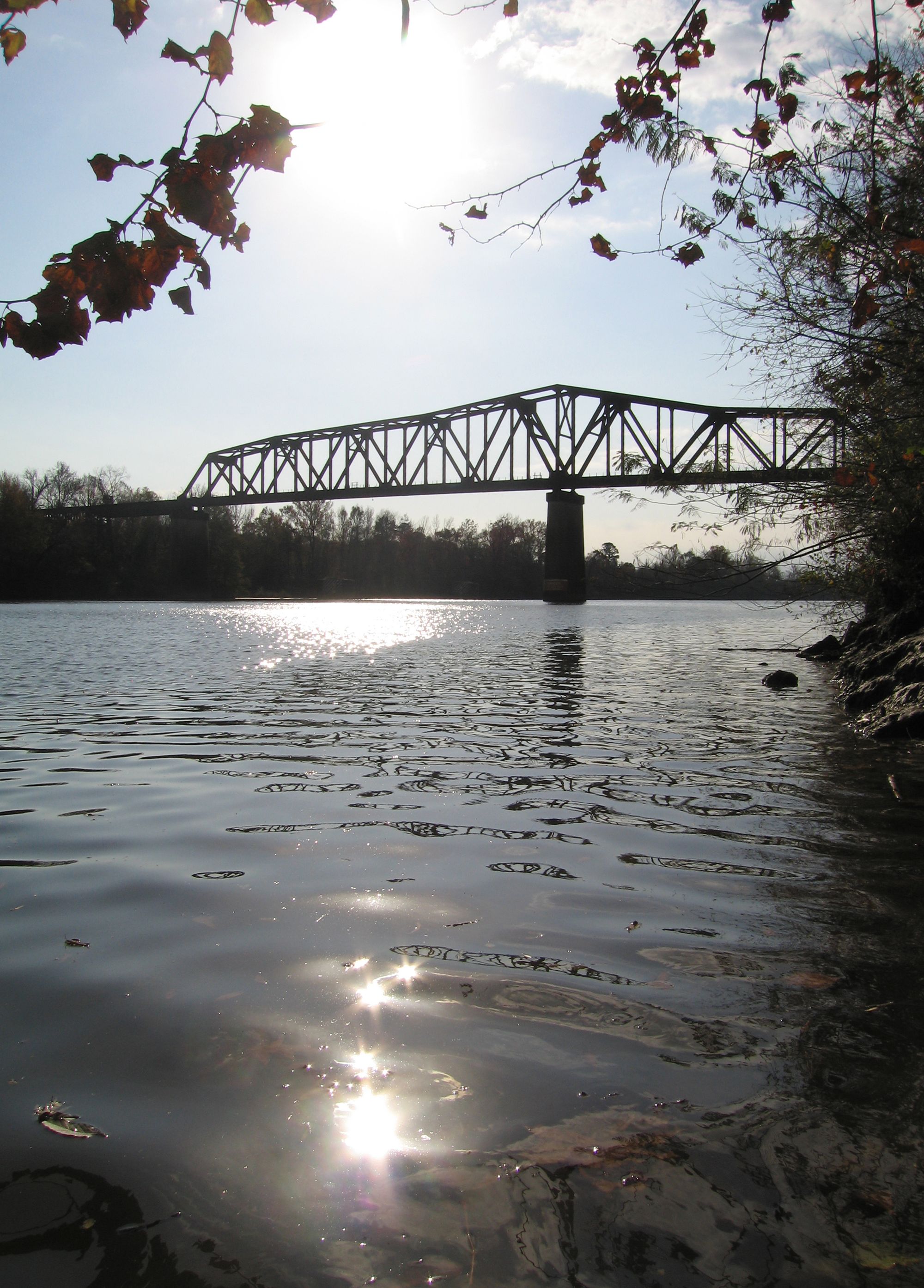
Black Warrior River
Demopolis Lake
Lay Lake
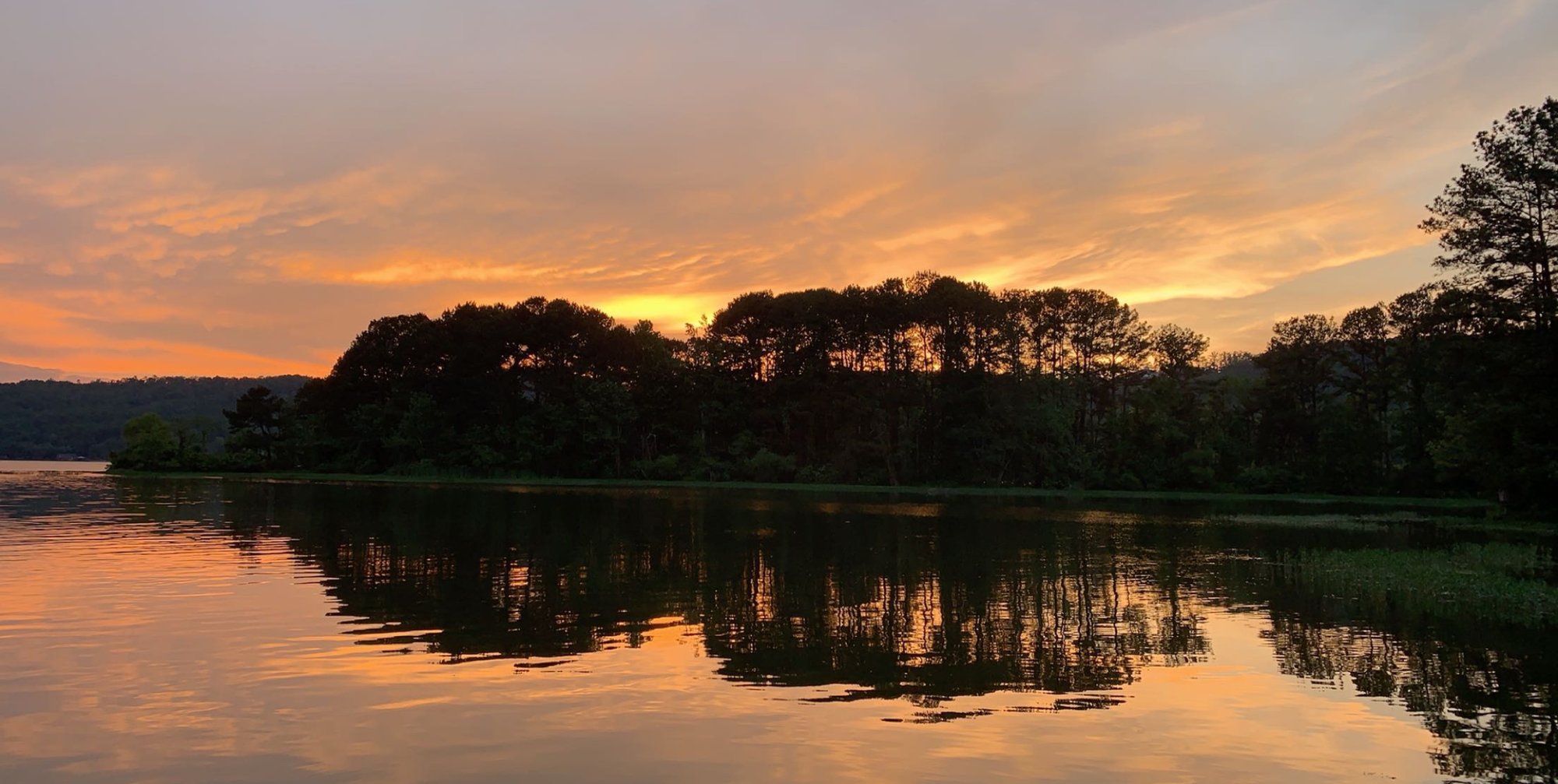
Coosa River
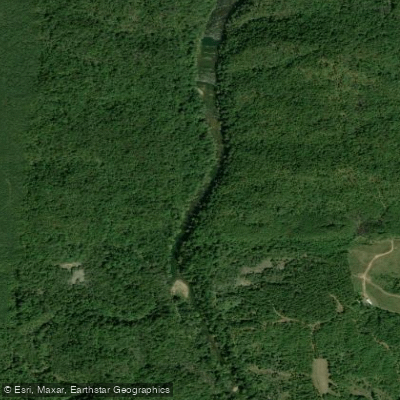
Cahaba River
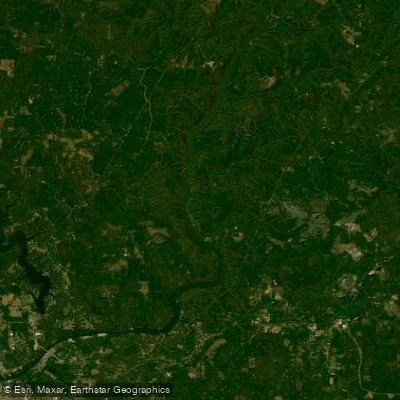
Holt Lake
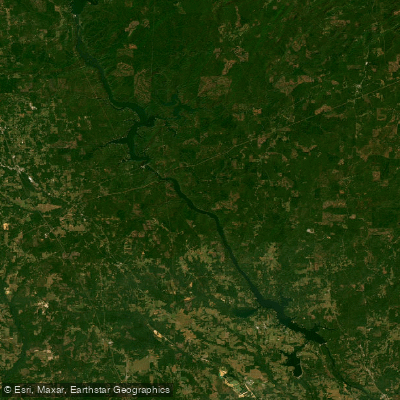
Mitchell Lake
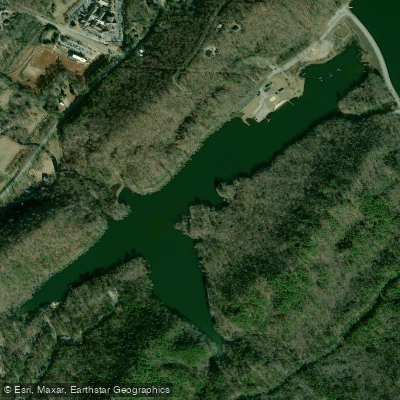
Oak Mountain Lake
Warrior Lake
The Narrows
What to know
Habitat Distribution
- Found throughout Alabama's lakes, reservoirs, and slow-moving streams.
- Prefer clearer waters with steep gradient structure and dense aquatic vegetative cover.
Key Locations
- Notable populations in Weiss Lake (known as the 'Crappie Capital of Alabama'), Lake Eufaula, Pickwick Lake, Lewis Smith Lake, Lake Martin, and Logan Martin Lake.
- Productive Alabama locations include Weiss Lake's creek channels and brush areas, Lake Eufaula's Cowikee Creek and Chewalla Creek, Pickwick Lake's Bear Creek and Yellow Creek, and the deeper structure areas of Lewis Smith Lake and Lake Martin.
Specific Spots
- Target shallow water around woody debris, vegetation over hard bottoms, brush piles, stake beds, submerged timber, and boat docks, especially those in 4+ feet of water.
- Target depths of 8-15 feet around submerged structure, creek channels, and drop-offs.
Black Crappie FAQ
Answers from onWater's species guide.
What are the best lures and bait for Black Crappie in Alabama?
Small twister tails, tubes like the Southern Pro Lit'l Hustler, or hair jigs in white, chartreuse, yellow, and black colors - black jigs are particularly effective during spawning season. Live fathead minnows (1-2 inches) work well, hooked behind the lips or in the back.
When is the best time to fish for Black Crappie in Alabama?
Prime fishing from January through May and again from late September into early December. They spawn when water temperatures reach 56°F and above, typically from late February through April in Alabama.
How do you catch Black Crappie in Alabama?
Vertical jigging over brush piles, long-line trolling at 0.8 mph with small jigs cast 30 yards behind the boat, and 'shooting the docks' by skipping small jigs under dock structures. Fish slower presentations in colder water and increase retrieve speed as temperatures rise.
What do Black Crappie eat?
Young crappie are planktivorous, feeding on zooplankton and microcrustaceans until reaching 2 inches, then transitioning to insect larvae, larger crustaceans, and eventually small fish like fathead minnows, shiner minnows, and small shad. Adult black crappie tend to feed on smaller prey items compared to white crappie.
Where do Black Crappie live in Alabama?
Found throughout Alabama's lakes, reservoirs, and slow-moving streams. Prefer clearer waters with steep gradient structure and dense aquatic vegetative cover.
Fish smarter with real-time insights
Whether you're en route and conditions shift or you're looking for the best spot based on current flows, we enable you to make informed decisions on the fly.




See it in the app
Most maps show you water.
onWater shows you Black Crappie.



- 01 · Species map filter
Map every Black Crappie water
Pick Black Crappie and the map zeroes in on the waters they call home. No more guessing which lake holds them.
- 02 · Waterbody species
Tap any water. See what lives there.
Species, behavior and seasonal patterns for every lake, river and pond, before you leave the driveway.
- 03 · Angler Intelligence
Ask how to catch Black Crappie
Tactics, gear and timing from onWater's AI fishing guide, tuned to the species and the water you're on.
Stop guessing where Black Crappie are.
Open the map, filter by Black Crappie, and head to water that holds them. Download onWater and plan your next trip in minutes.
- Species map filter
- Angler Intelligence
- Fishing journal
Explore other species
Trout, bass, salmon, panfish and everything in between. Each guide unpacks the behavior, seasons, and tactics that put fish in the net.
No species information available.
Alabama licenses and regulations
Explore nearby waters
Explore Alabama waters
Top fishing waters
Popular Cities
Loading popular cities...

Smarter Fishing Starts in the App.
onWater Fish gives you everything you need to plan smarter, fish better, and own every trip from first cast to last.