Fishing in Lake Clark National Park
- National Park
- Open 24 hours
- Lakes
- 7
- Rivers
- 38
- Access
- 0
- Boat Ramps
- 0
- Shops
- 0
- Species
- 15
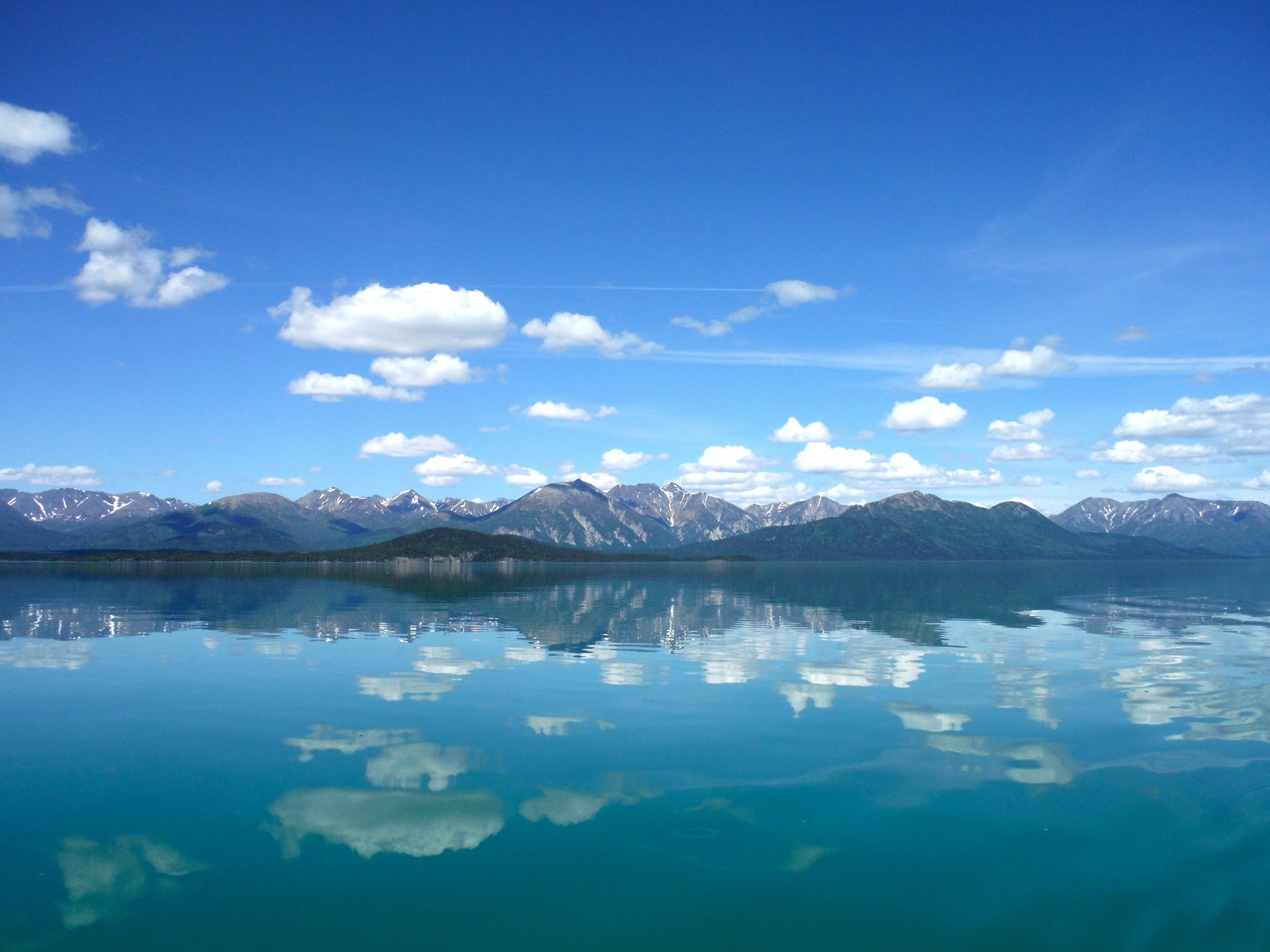
Lake Clark sits in southwest Alaska where the Alaska Range meets the Bristol Bay watershed, draining into one of the most productive salmon systems on the continent.
The park holds a mix of glacial lakes, mountain streams, and tundra rivers — water that ranges from high-elevation alpine lakes to broad lowland drainages.
Preserving the sockeye salmon fishery was written into the park's founding legislation, which shapes how the place is managed and what fishing here means. The main fishing season runs May through October, with July and August carrying the heaviest salmon runs.
Mountain lakes may not be ice-free until June, though ice fishing draws anglers in winter when conditions allow. Species across the park include all five Pacific salmon, rainbow trout, arctic grayling, Dolly Varden, arctic char, lake trout, and northern pike.
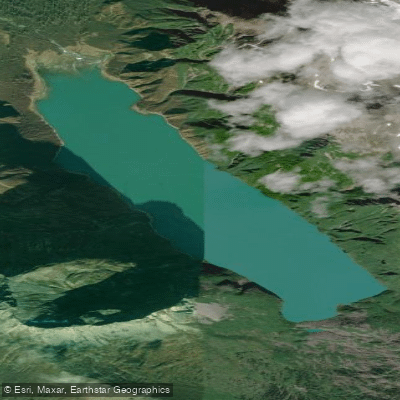
Lake Clark itself is a glacial lake at the center of the park, fed by mountain creeks and rivers that hold grayling at nearly every inlet.
The Kijik River is accessed primarily by floatplane from Kijik Lake — a deep mountain lake with lake trout, Dolly Varden, and grayling — and sees sockeye salmon arriving in the third week of July.
The Chilikadrotna River holds Dolly Varden and draws fly anglers working the current. Crescent Lake and Silver Salmon Creek are both named fishing destinations within the park. Upper Twin Lake is worth targeting for grayling.
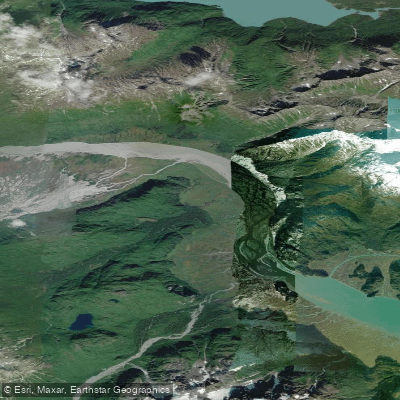
The surrounding drainages connect to the broader Bristol Bay system, and the park sits at the headwaters of the Kvichak salmon run.
There is no separate park fishing permit required here — Alaska state fishing licenses and tags apply, and regulations are managed cooperatively between the National Park Service and the State of Alaska.
Guides and outfitters operating inside the park boundaries require a Commercial Use Authorization from the NPS.
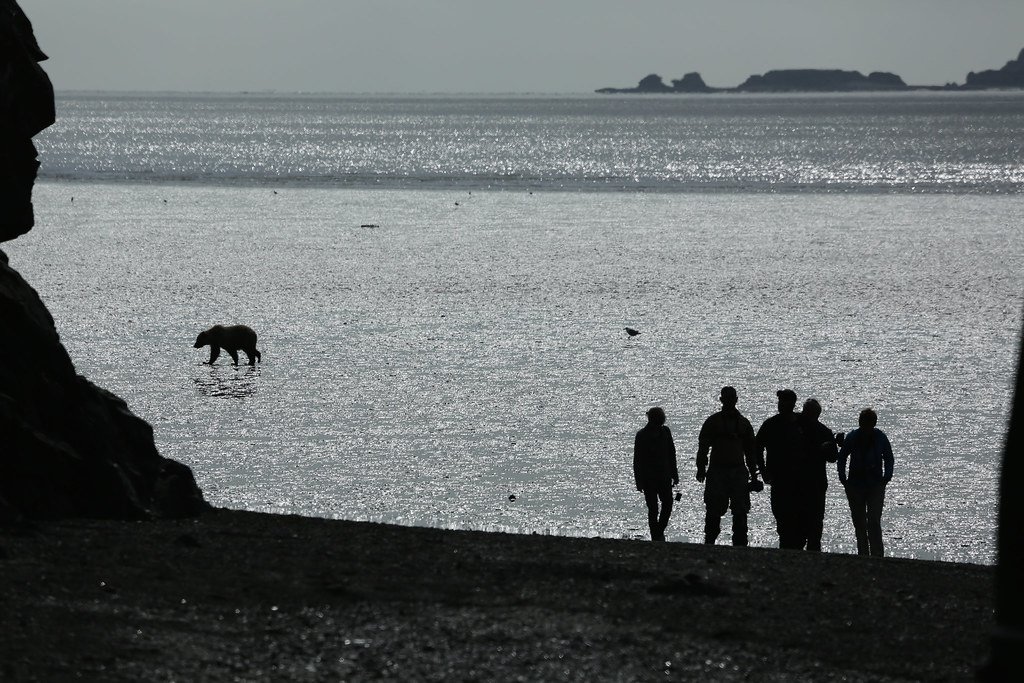
Check current state regulations before you go; the park's remote access means most anglers arrive by floatplane or boat, and logistics matter as much as tackle. Bears use the same water you will.
On any salmon stream during a run, you are fishing in active bear habitat. Give bears room at the water, yield the bank if one approaches, and stop fishing if a bear is close enough to notice a fish on the line.
This is not a courtesy — it's how the park asks you to operate. The fishing here is real, but so is the remoteness. Plan access carefully, and the water will hold up its end.
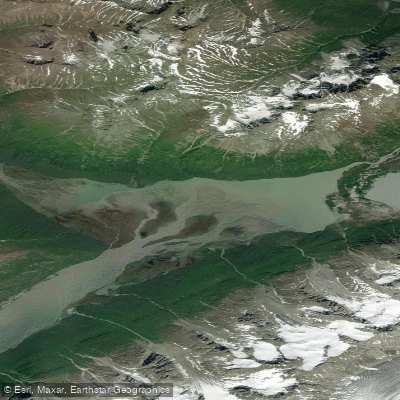
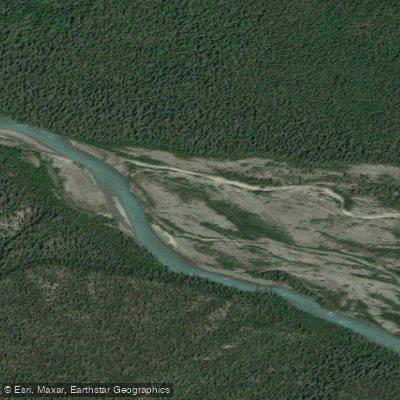
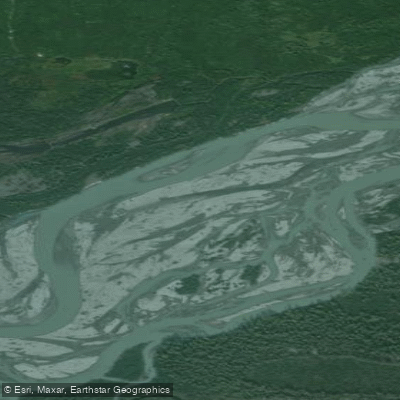
Top waters to fish near Lake Clark National Park

Species & education
Learn what type of fish are in Lake Clark National Park and what's needed to catch them.
Find which waters have the species you want to catch

Black Rockfish
Sebastes melanops
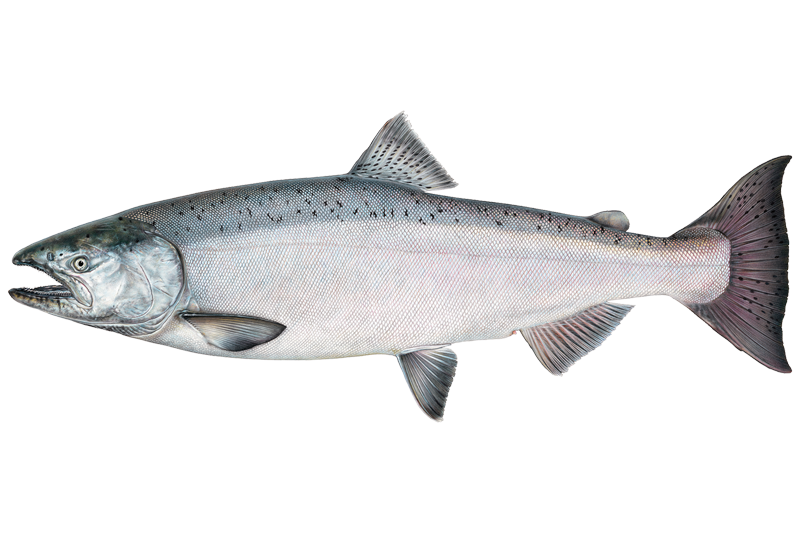
Chinook Salmon

Chum Salmon
Oncorhynchus keta
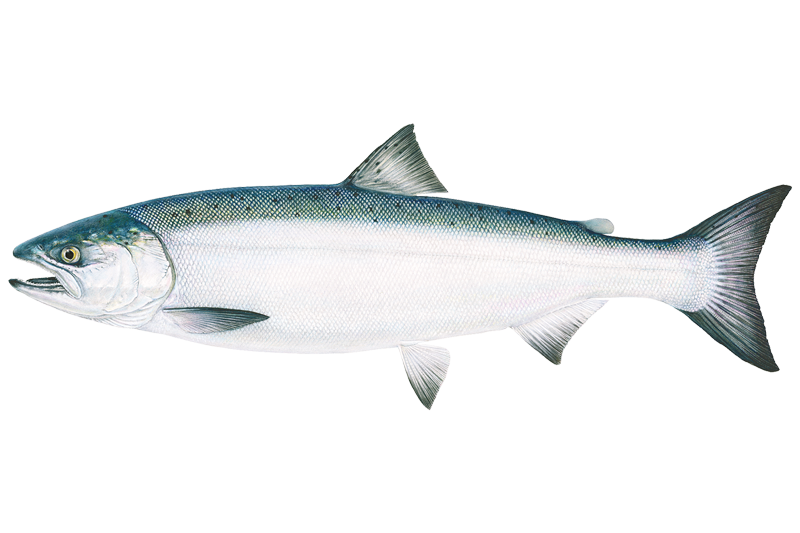
Coho Salmon
Oncorhynchus kisutch

Copper Rockfish
Sebastes caurinus
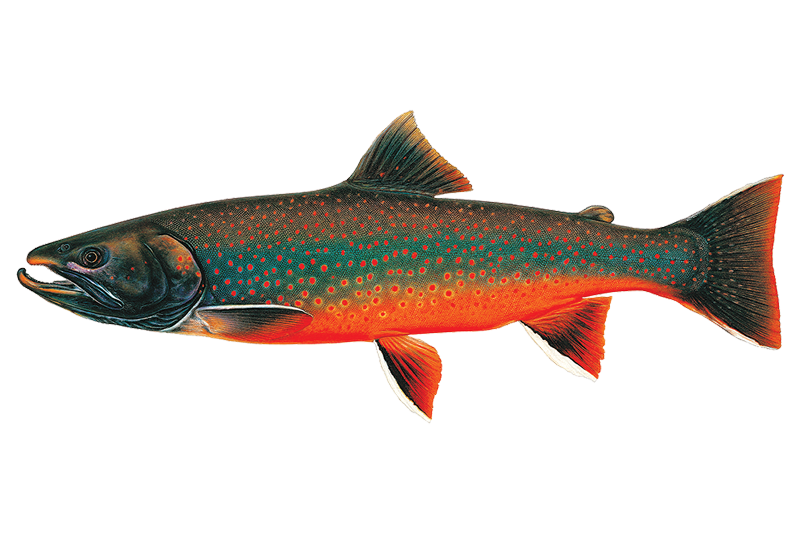
Dolly Varden
Salvelinus malma

Lingcod
Ophiodon elongatus

Pacific Cod
Gadus macrocephalus

Pacific Halibut
Hippoglossus stenolepis

Pink Salmon
Oncorhynchus gorbuscha

Sockeye Salmon
Oncorhynchus nerka

Starry Flounder

Steelhead

Yelloweye Rockfish
Sebastes ruberrimus

Arctic Grayling
Thymallus arcticus
Water and weather conditions (10 day forecast)
See the best times to fish Lake Clark National Park and check the forecast before you go.
No forecast data available.
Park alerts & road status
Closures and conditions Lake Clark National Park has posted, from the National Park Service.
Checking the park's alerts…
Hours & fees
When Lake Clark National Park is open and what it costs to get in, from the National Park Service.
Hours
Open 24 hoursThe park and preserve are open 24 hours per day, seven days per week year round. However, visitor services are limited Labor Day through Memorial Day. Seasonal and temporary closures are listed by location on the Operating Hours & Seasons page.
Entrance fees
No entrance fee is listed for this park.
Fishing guides near Lake Clark National Park
Book a trip with a local fishing guide through Guidesly.


Nate Rogers
Nate Of The North Outdoors
5.0 (1 review)
Learn to Fish the Alaskan Way
Book on Guidesly, opens in new tab
Justin Dorathy
Sweet Action Charter
5.0 (1 review)
Family friendly Private Alaska fishing trips
Book on Guidesly, opens in new tab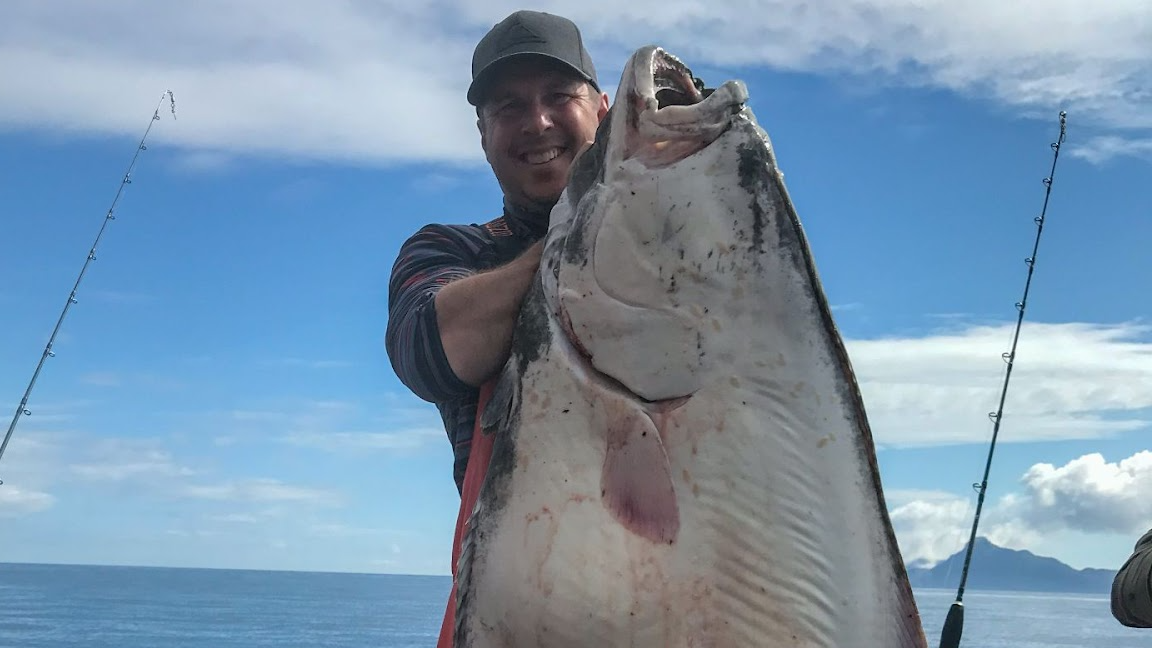
Tai Riser
Big Butt Charters
Your Premier Choice for Homer Alaska Fishing
Book on Guidesly, opens in new tab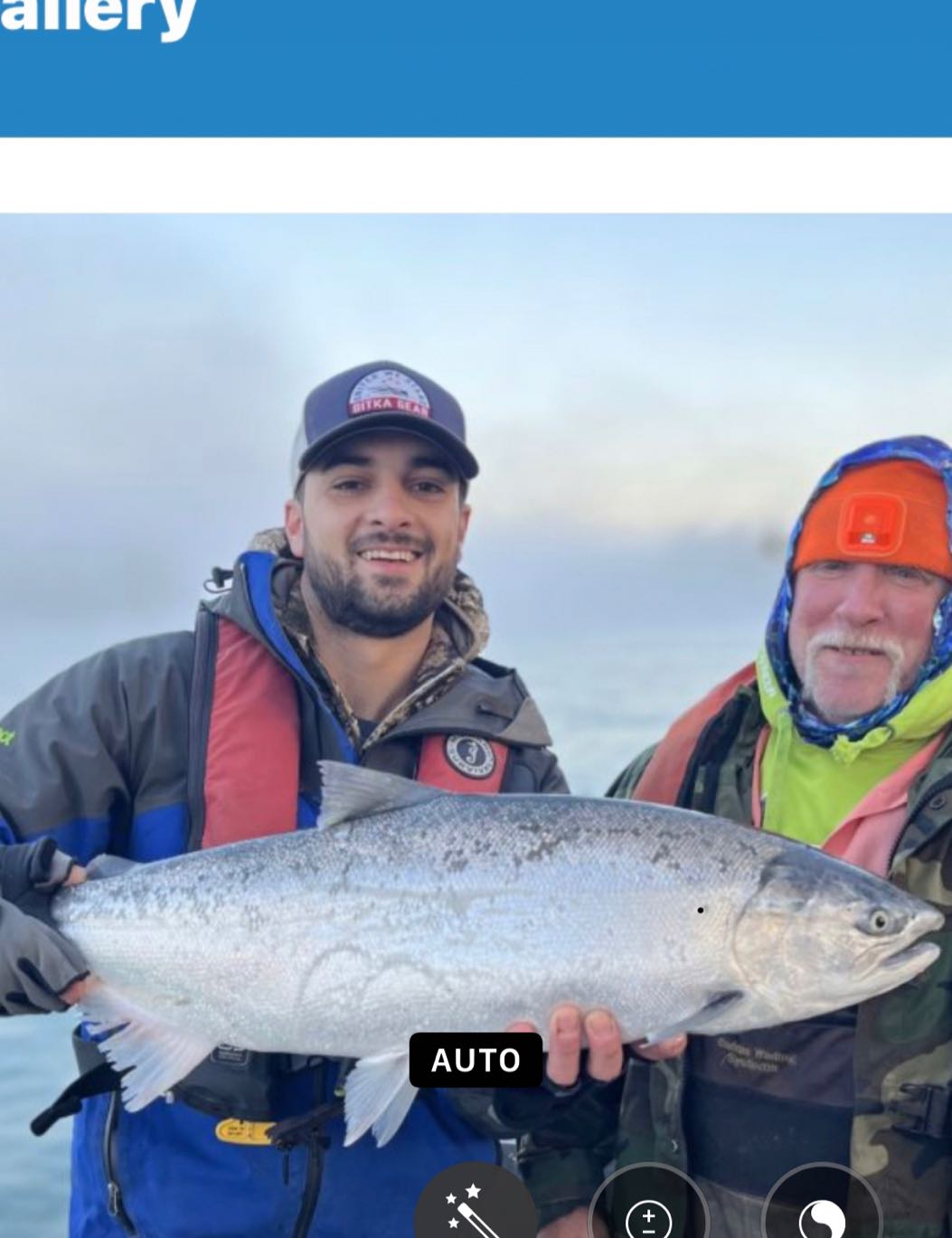
Robert Cushway
Scout Lake Adventures
Book Your Next Freshwater Fishing in Kenai!
Book on Guidesly, opens in new tab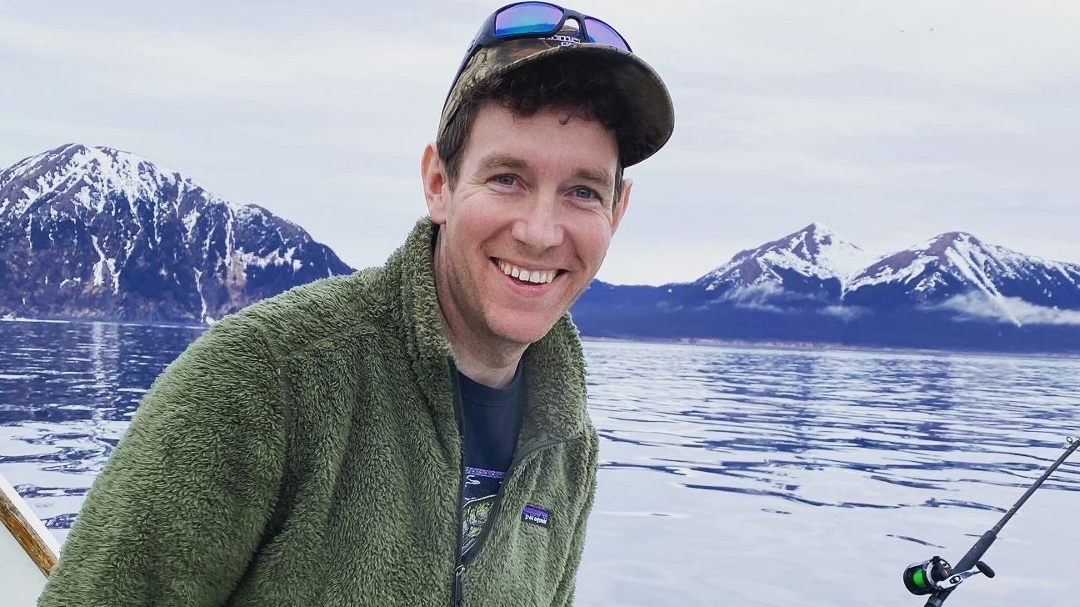
Travis Blount
Blount Adventures Cruises
Discover Homer, AK Fishing Charters, Book Today!
Book on Guidesly, opens in new tab
Chaz Gustines
Greatland Guide Service & Lodge
Book With Greatland Guide Service
Book on Guidesly, opens in new tab
Fish smarter with real-time insights
Whether you're en route and conditions shift or you're looking for the best spot based on current flows, we enable you to make informed decisions on the fly.




Fishing near Lake Clark National Park
Loading...
Gateway towns
Where to base yourself for fishing in Lake Clark National Park.
The main base inside the park, with the NPS visitor center, lodges, campgrounds, and air access via Lake Clark Air.
Primary departure hub for air taxis and charter flights into the park, with outfitters like Rust's Flying Service operating from here.
- HomerAK
Coastal departure point for day-trip bear-viewing flights into the park's Silver Salmon Creek and Chinitna Bay areas.
Lake Clark National Park fishing rules
The park's own rules, on top of Alaska licenses and regulations. Limits, fees and closures change, so check the park's page before you go.
Alaska State Fishing License Required
The park and state co-manage the fishery, so you must carry a valid Alaska state fishing license and comply with all state fishing regulations while fishing here.
Commercial Guides Need a Permit
Any business providing sport fishing guide services inside the park or preserve must hold a Commercial Use Authorization. Book only with properly permitted operators.
Check the Superintendent's Compendium
Closures, special permit requirements, and rules like how to dispose of fish remains are set in the Superintendent's Compendium. Review the current version before your trip.
Explore Lake Clark National Park
Top fishing waters
Popular Cities
Loading popular cities...

Smarter Fishing Starts in the App.
onWater Fish gives you everything you need to plan smarter, fish better, and own every trip from first cast to last.