Fishing in Katmai National Park
- National Park
- Open 24 hours
- Lakes
- 0
- Rivers
- 5
- Access
- 0
- Boat Ramps
- 0
- Shops
- 0
- Species
- 10
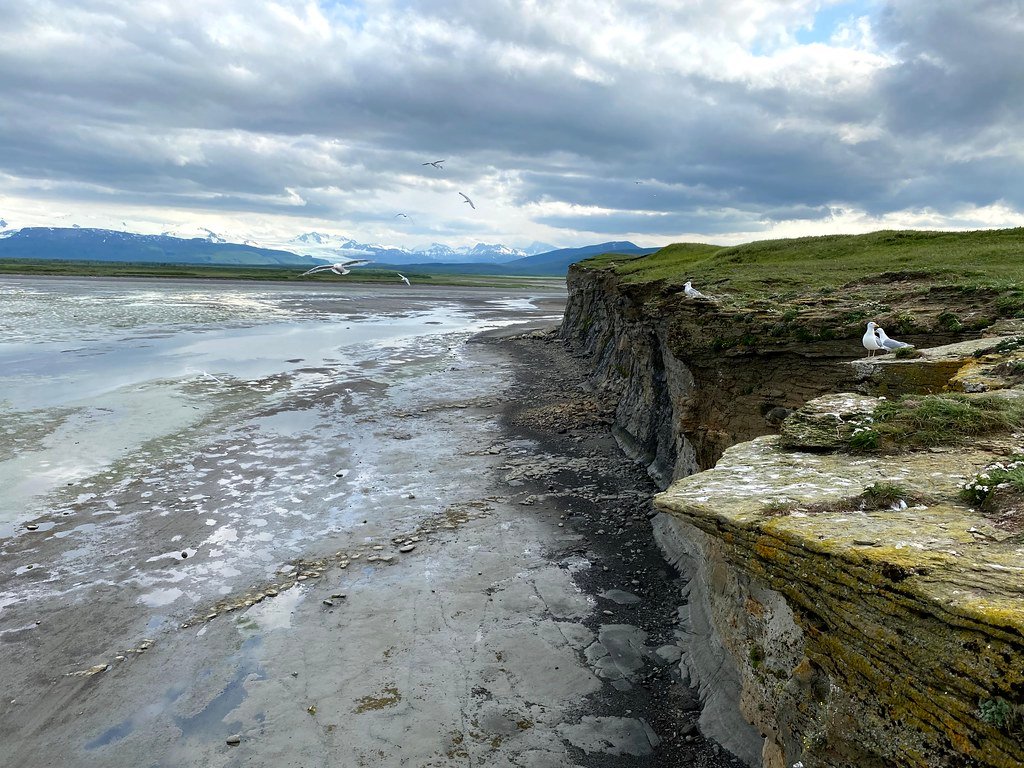
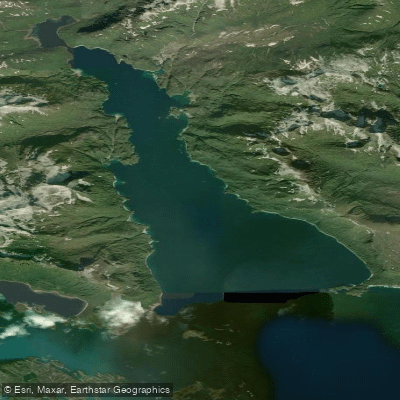
Katmai sits on the Alaska Peninsula, a sprawling landscape of volcanic terrain, lakes, and river systems draining into Bristol Bay and the Pacific. The park covers roughly 4. 7 million acres, and most of it stays well beyond the reach of casual visitors.
What fishing access exists is concentrated around a handful of waters, all of them tied to the same engine: the annual Pacific salmon runs that pull fish from saltwater into the park's rivers and lakes each summer.
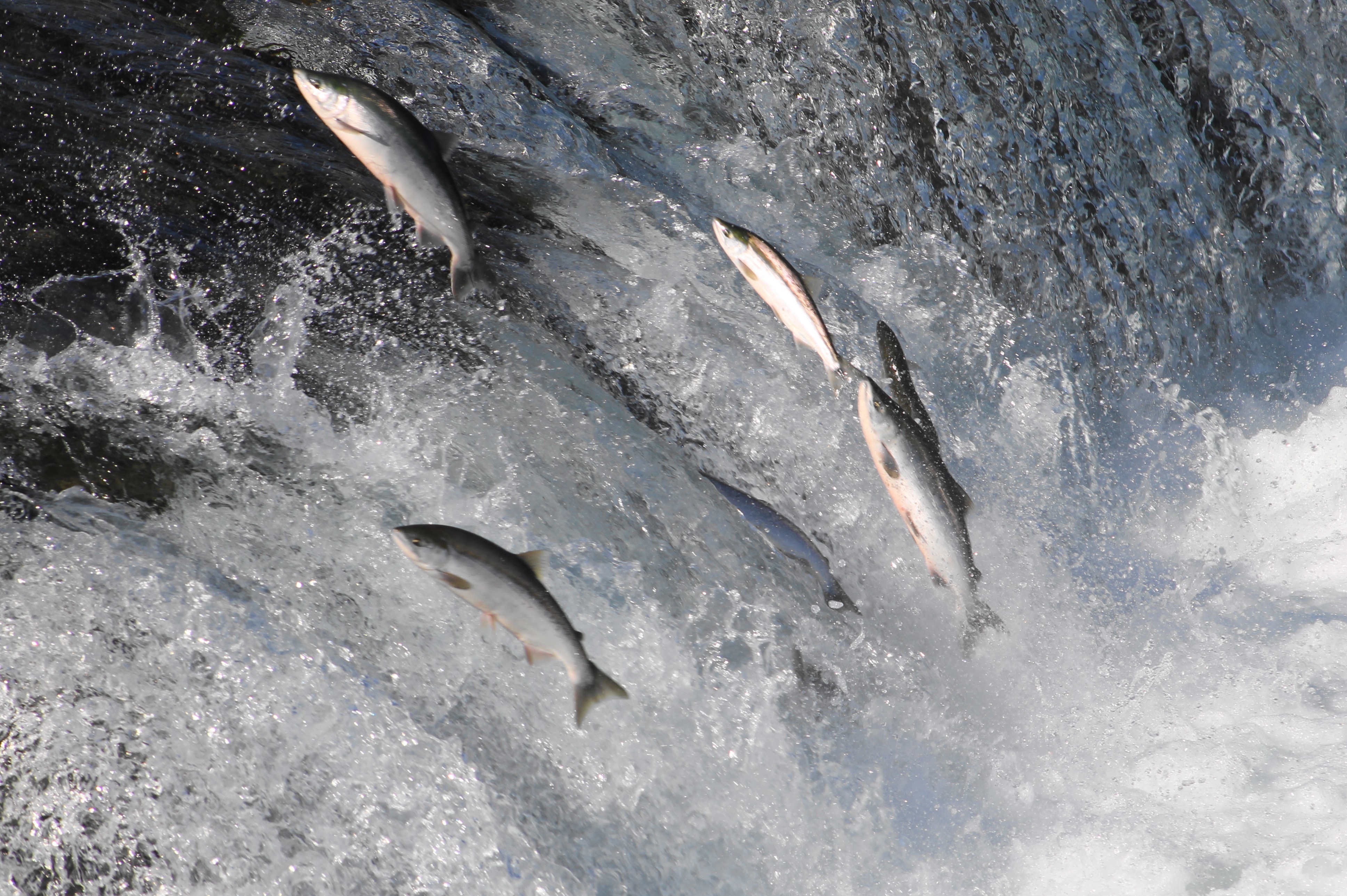
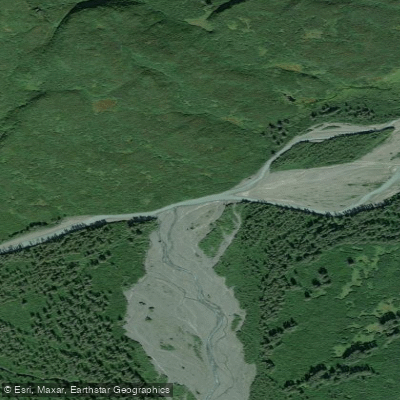
Brooks River is the most visited water in the park. It's about a mile long, connecting Naknek Lake to Lake Brooks, and it holds rainbow trout, arctic char, and multiple salmon species — sockeye in particular.
Rainbows in the system average 14 to 22 inches, though fish pushing 30 inches are possible. The sockeye run peaks in late June and draws both anglers and brown bears in numbers that shape how the river is fished.
Because of sustained pressure and increasing visitor traffic, Katmai has implemented a permit system for the Brooks River Corridor — the river itself plus 50 yards from either bank, from the Lake Brooks inlet downstream to the elevated bridge.
Permits are required from June 15 through October 31, cover a group of up to six for seven days, and are booked through recreation. gov. Check with the park for current rules before you go.
The Naknek River, which flows out of Naknek Lake, is another anchor water. Sockeye fishing there runs from mid-July through early September, with the peak of the run generally considered the prime window.
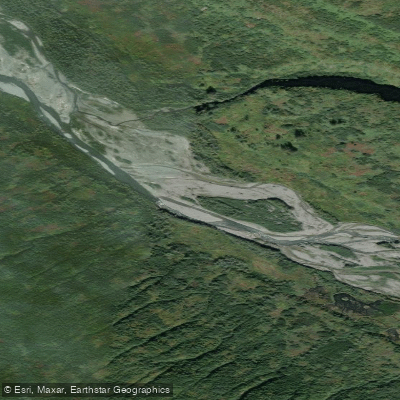
Beyond Brooks and the Naknek, the park's interior rivers and streams are accessible mainly by floatplane. That access barrier keeps pressure low but raises the cost and logistics considerably.
Arctic grayling are present in the freshwater system alongside the trout and salmon. Fishing anywhere in Katmai means fishing around brown bears. The park supports one of the highest densities of brown bears on earth, and a fish on the line is an attractant.
The protocols are real: be ready to cut your line, never let a bear take a fish from you, and attend the bear orientation at the visitor center when you arrive at Brooks Camp.
Barbless hooks are strongly encouraged throughout the park — they're easier to remove quickly, which matters when a bear is moving toward you. The permit system, the bear protocols, and the remote access aren't obstacles so much as the terms of fishing here.
The river gives a lot; it asks for attention in return.
Species & education
Learn what type of fish are in Katmai National Park and what's needed to catch them.
Find which waters have the species you want to catch
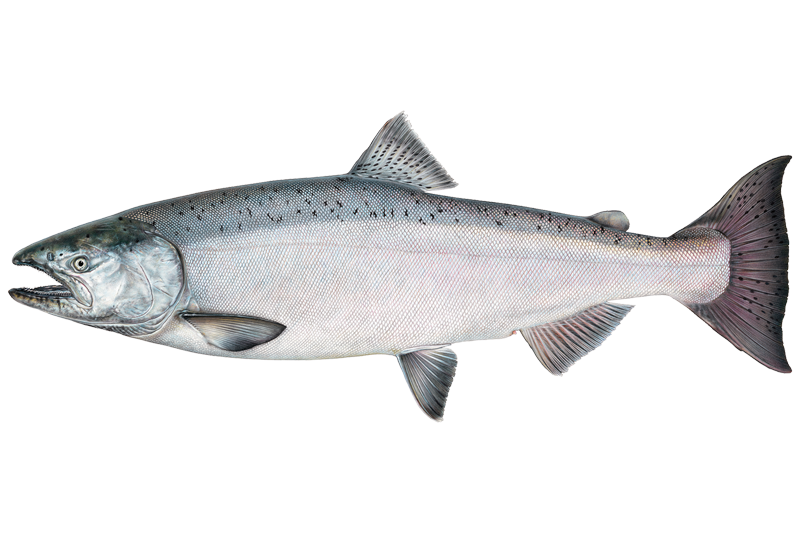
Chinook Salmon
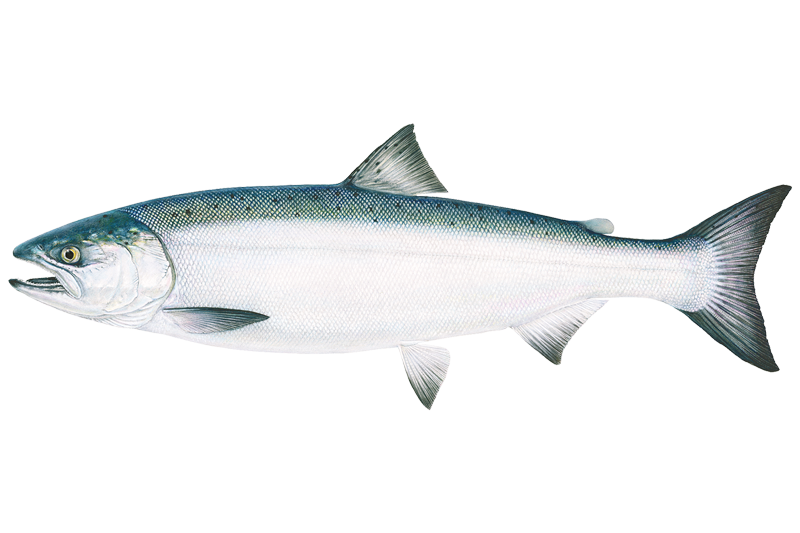
Coho Salmon
Oncorhynchus kisutch
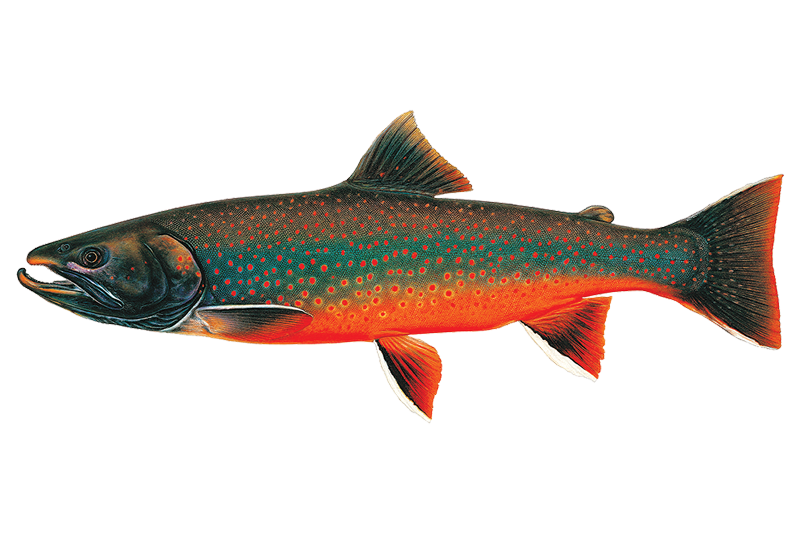
Dolly Varden
Salvelinus malma

Sockeye Salmon
Oncorhynchus nerka

Starry Flounder

Pink Salmon
Oncorhynchus gorbuscha

Chum Salmon
Oncorhynchus keta

Pacific Cod
Gadus macrocephalus

Pacific Halibut
Hippoglossus stenolepis

Pollock
Pollachius virens
Water and weather conditions (10 day forecast)
See the best times to fish Katmai National Park and check the forecast before you go.
No forecast data available.
Park alerts & road status
Closures and conditions Katmai National Park has posted, from the National Park Service.
Checking the park's alerts…
Hours & fees
When Katmai National Park is open and what it costs to get in, from the National Park Service.
Hours
Open 24 hoursKatmai is open 24 hours per day, seven days per week.
Entrance fees
No entrance fee is listed for this park.
Parking & getting around
Where to leave the car in Katmai National Park. Lots fill early on busy days, so plan where you will park before you head for the water.
Lake Camp Boat Access
A public access boat ramp is available as well as parking for vehicles and trailers (for up to 14 days), PFDs for public use, two vault toilets and a picnicking area.
Getting around
Katmai National Park & Preserve is located on the northern Alaska Peninsula, northwest of Kodiak Island and southwest of Homer, Alaska. The park’s headquarters is in King Salmon, about 290 air miles southwest of Anchorage. Unlike most national parks in the United States, Katmai is almost exclusively accessed by plane or boat.
Directions on nps.govFishing guides near Katmai National Park
Book a trip with a local fishing guide through Guidesly.

Fish smarter with real-time insights
Whether you're en route and conditions shift or you're looking for the best spot based on current flows, we enable you to make informed decisions on the fly.




Fishing near Katmai National Park
Loading...
Gateway towns
Where to base yourself for fishing in Katmai National Park.
Park headquarters town and main hub; visitors fly here then take a floatplane or water taxi into the park.
Major departure point for commercial flights to King Salmon and direct floatplane day trips to Brooks Falls.
- HomerAK
Offers direct floatplane access into Katmai, serving as an alternative launch point for bear viewing trips.
- KodiakAK
Small aircraft depart from here directly into Katmai, giving visitors on Kodiak Island a practical entry option.
Katmai National Park fishing rules
The park's own rules, on top of Alaska licenses and regulations. Limits, fees and closures change, so check the park's page before you go.
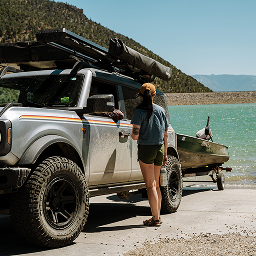
Brooks River Corridor Permit Required
A permit is required to access the Brooks River Corridor from mid-June through October. This covers the river and 50 yards from each bank, from the Lake Brooks inlet to the elevated bridge. Get your permit at recreation.gov before you arrive.

Use Barbless Hooks
Use barbless hooks whenever possible. They cause less injury to fish and make hook removal faster, which is critical when a bear is heading your way.
Practice Careful Catch and Release
Many fish in Katmai are caught multiple times each season. Keep fish in the water while removing the hook, and release them quickly and gently. Never play a fish to exhaustion.
Be Ready to Cut Your Line
Bears will approach when they hear a fish on your line. Always be prepared to cut or break your line, free the fish, and move out of the water. Never allow a bear to take a fish from you.
Explore Katmai National Park
Top fishing waters
Popular Cities
Loading popular cities...

Smarter Fishing Starts in the App.
onWater Fish gives you everything you need to plan smarter, fish better, and own every trip from first cast to last.