Fishing in Glacier Bay National Park
- National Park
- Open 24 hours
- Lakes
- 0
- Rivers
- 0
- Access
- 0
- Boat Ramps
- 0
- Shops
- 0
- Species
- 15
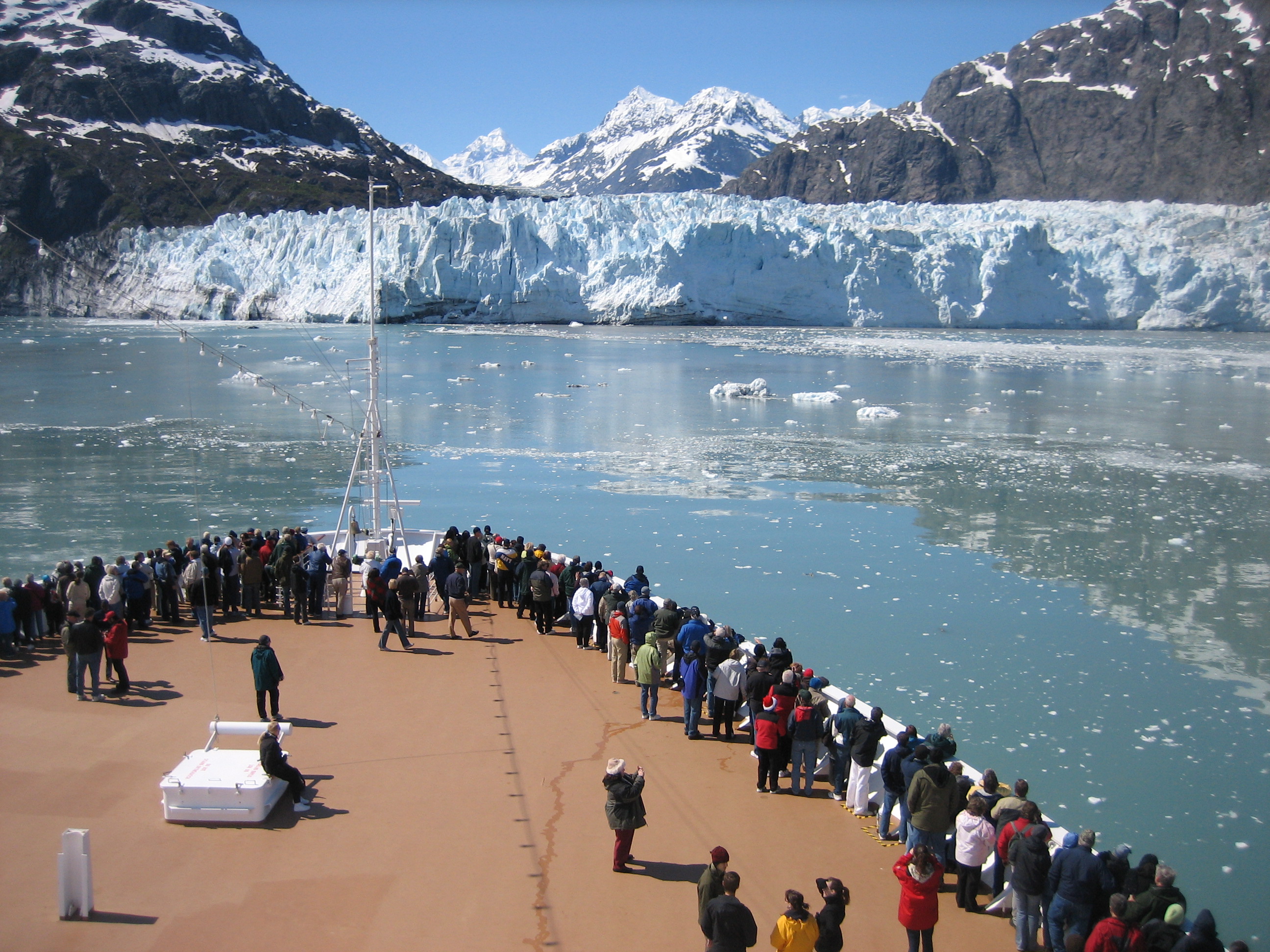
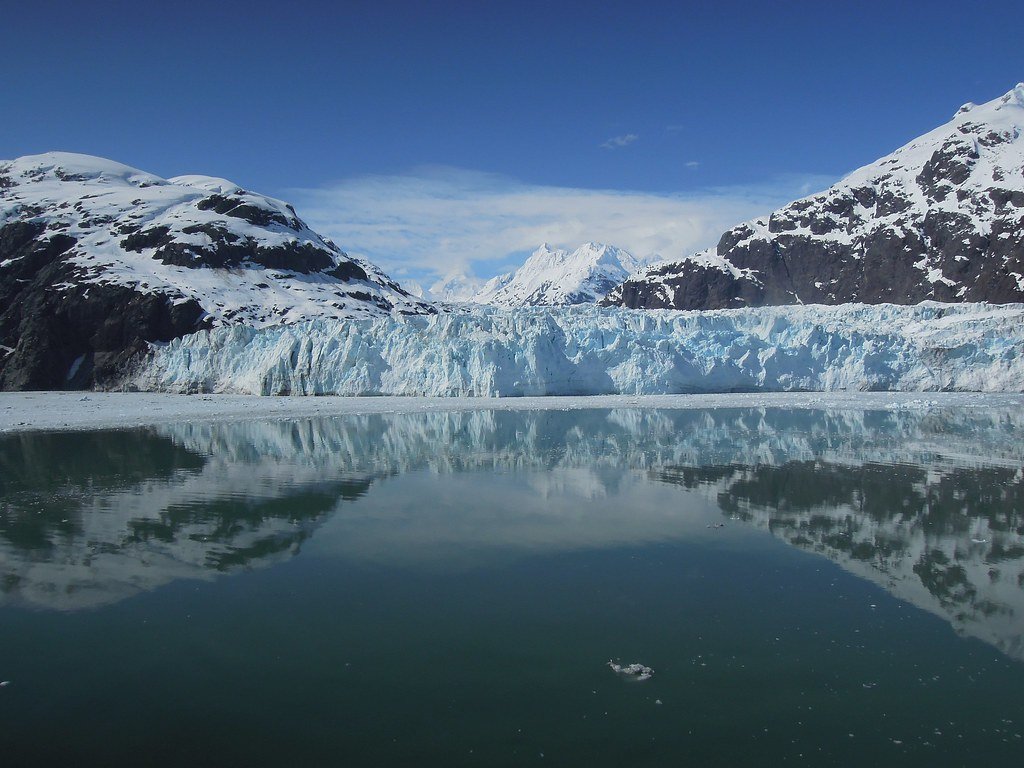
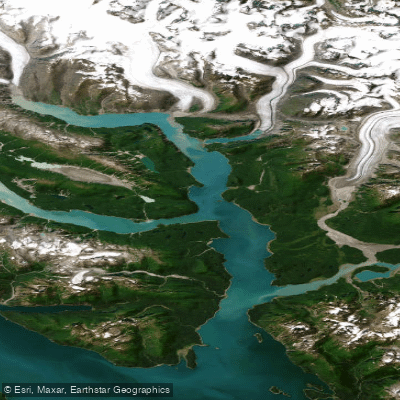
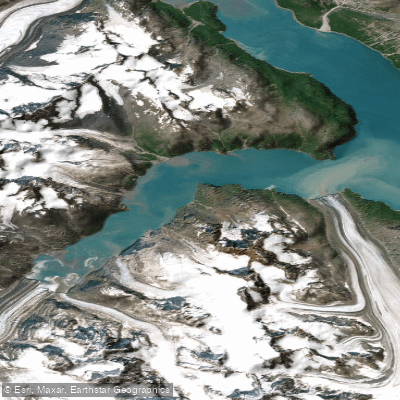
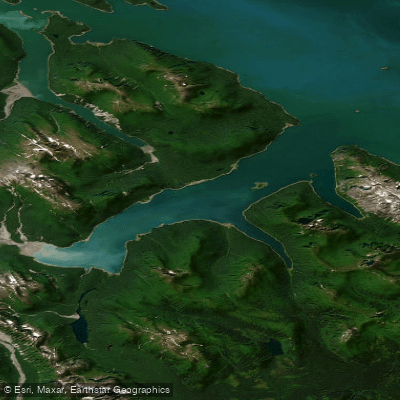
Glacier Bay sits at the northern end of Southeast Alaska, where tidewater glaciers calve into a fjord system that opens onto Icy Strait and the Gulf of Alaska beyond.
The park holds both saltwater and freshwater fishing — a combination that's unusual even by Alaska standards — and it was designated a Marine Protected Area in 2009.
That designation shapes how fishing works here: recreational fishing is encouraged when it's compatible with conservation goals, but the park's primary obligation is to the ecosystem.
Before fishing anywhere in the park, nonresident anglers 16 and older and Alaska residents between 18 and 59 need a valid Alaska sportfishing license.
The park also urges anglers to review current Alaska Department of Fish & Game regulations, including any emergency orders, since those can change outside the standard regulation booklet.
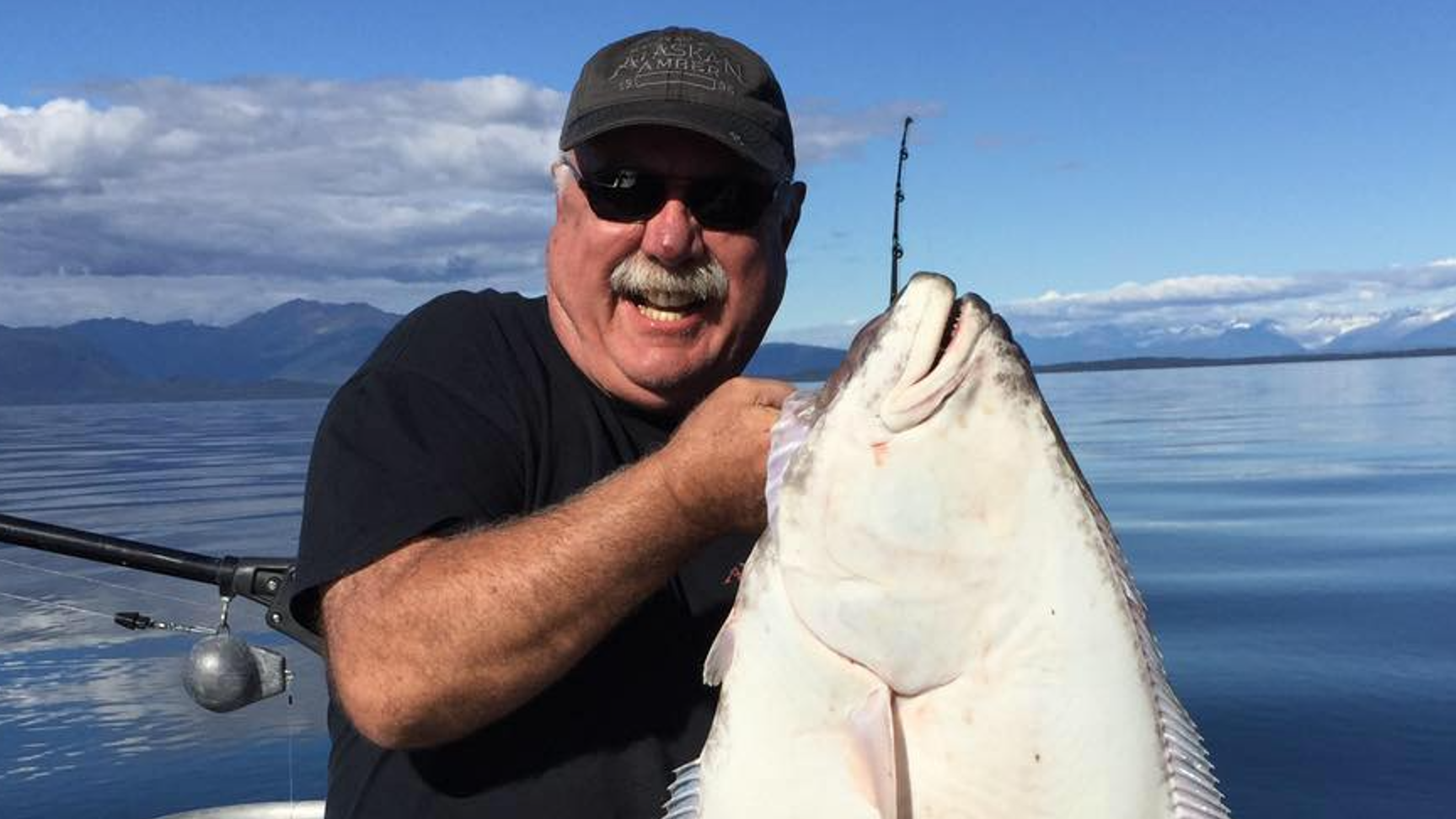
Check with the park directly for any additional requirements specific to Glacier Bay. In saltwater, halibut draw the most attention. They're bottom fish, and the bay's deep channels hold them through the summer.
Chinook and coho salmon are the other main saltwater targets, with runs that follow the seasonal rhythms common to Southeast Alaska. The tidal range here can reach twenty vertical feet, which means water moves hard and timing matters.
Freshwater fishing runs into a different set of waters entirely — the hundreds of streams, lakes, and rivers that drain the surrounding mountains.
Salmon move into these systems as well, and anglers fishing freshwater can also find sea-run and resident trout: steelhead, cutthroat, and Dolly Varden char.
Access to most of these drainages means traveling by boat or floatplane; there's no road system into the backcountry. The main visitor season runs from late May through early September, with July at the peak.
Outside that window, access gets harder and services thin out. The fishing follows the same arc — summer is when the bay is fishable for most visitors. Glacier Bay rewards anglers who come prepared and move carefully through it.
The wildlife — bears, eagles, humpback whales in the feeding grounds — is not backdrop. It's the same ecosystem you're fishing in.
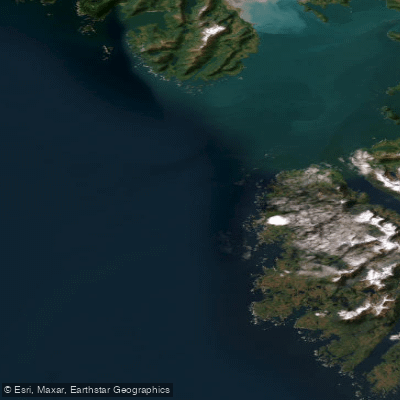
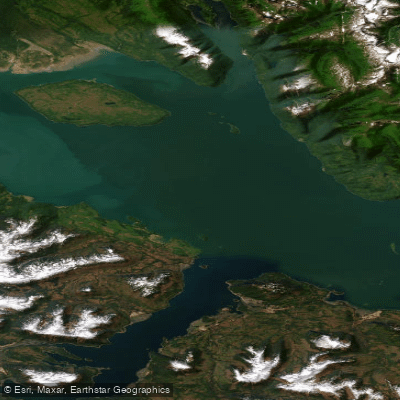
Top waters to fish near Glacier Bay National Park
Species & education
Learn what type of fish are in Glacier Bay National Park and what's needed to catch them.
Find which waters have the species you want to catch

Black Rockfish
Sebastes melanops
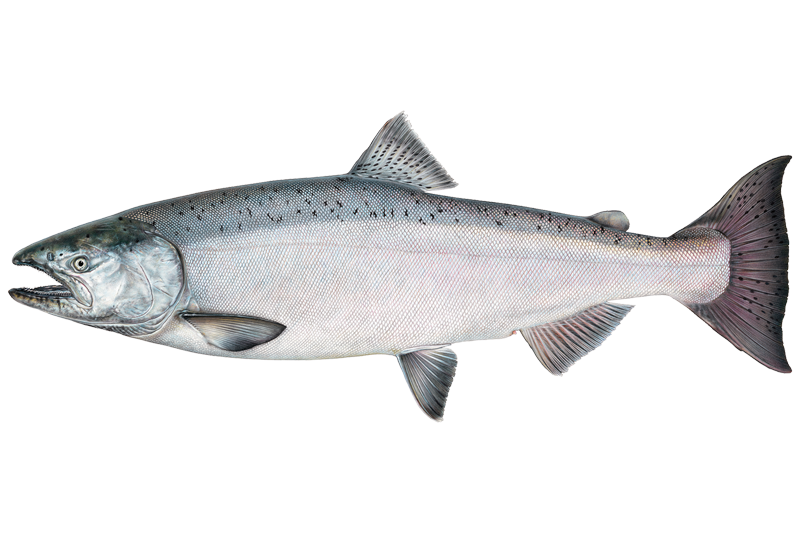
Chinook Salmon

Chum Salmon
Oncorhynchus keta
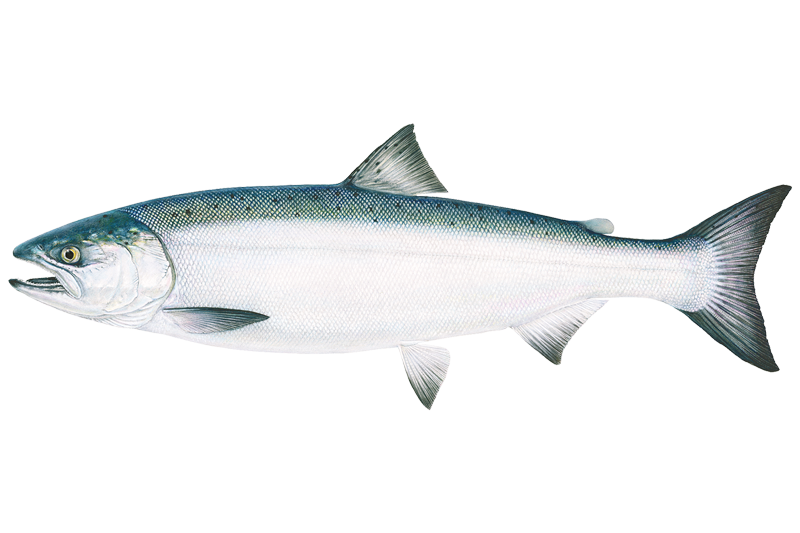
Coho Salmon
Oncorhynchus kisutch

Copper Rockfish
Sebastes caurinus
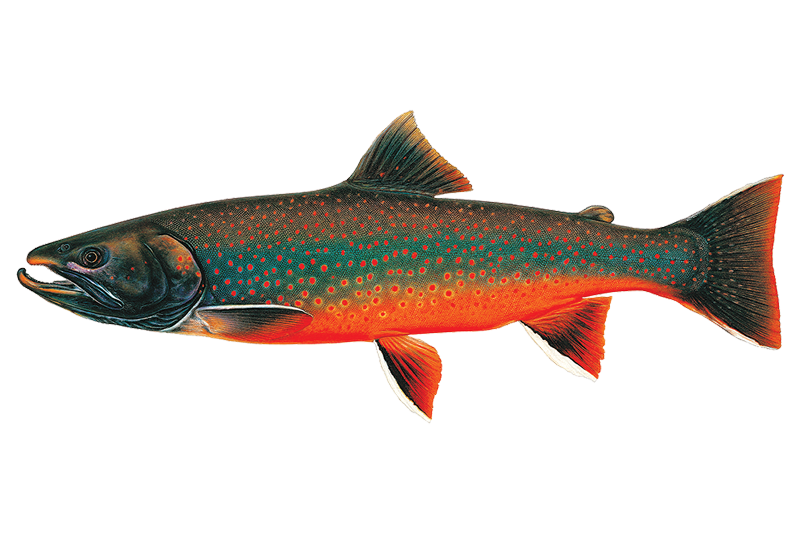
Dolly Varden
Salvelinus malma

Kelp Greenling
Hexagrammos decagrammus

Lingcod
Ophiodon elongatus

Pacific Cod
Gadus macrocephalus

Pacific Halibut
Hippoglossus stenolepis

Petrale Sole
Eopsetta jordani

Pink Salmon
Oncorhynchus gorbuscha

Sockeye Salmon
Oncorhynchus nerka

Yelloweye Rockfish
Sebastes ruberrimus
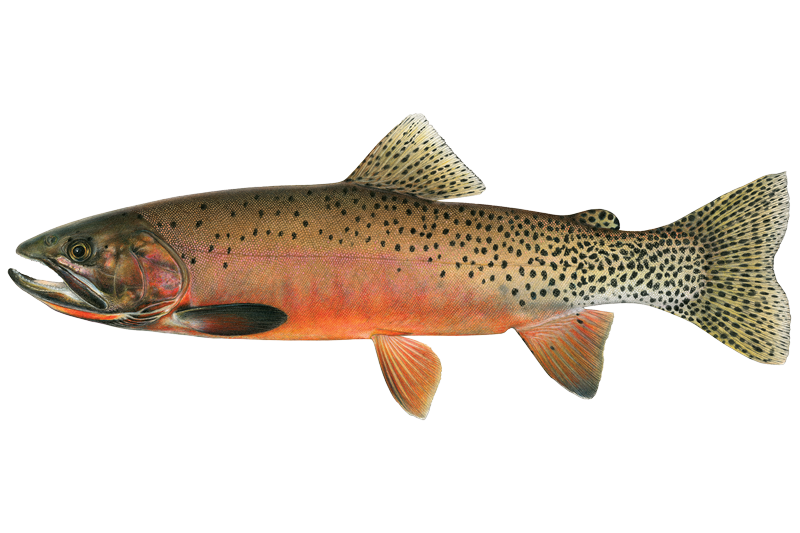
Cutthroat Trout
Oncorhynchus clarkii clarkii
Water and weather conditions (10 day forecast)
See the best times to fish Glacier Bay National Park and check the forecast before you go.
No forecast data available.
Park alerts & road status
Closures and conditions Glacier Bay National Park has posted, from the National Park Service.
Checking the park's alerts…
Hours & fees
When Glacier Bay National Park is open and what it costs to get in, from the National Park Service.
Hours
Open 24 hoursThere are no entrance gates at Glacier Bay National Park, so we are technically open 24-hours a day; however, services may be extremely limited depending on the time of your visit. The main visitor season is from late-May through early-September with the peak being the month of July. Check the VISITOR CENTERS tab below to see hours for specific facilities, and read the exceptions that detail seasonal changes in hours.
Entrance fees
No entrance fee is listed for this park.
Fishing guides near Glacier Bay National Park
Book a trip with a local fishing guide through Guidesly.

Fish smarter with real-time insights
Whether you're en route and conditions shift or you're looking for the best spot based on current flows, we enable you to make informed decisions on the fly.




Fishing near Glacier Bay National Park
Loading...
Gateway towns
Where to base yourself for fishing in Glacier Bay National Park.
- GustavusAK
The only gateway town to Glacier Bay, with the airfield, ferry dock, inns, and outfitters serving independent visitors to Bartlett Cove.
- JuneauAK
The main hub for flights and the state ferry to Gustavus, and the departure point for many cruise ships and charter boats entering the park.
- YakutatAK
Provides air taxi access to the Dry Bay unit of Glacier Bay National Preserve at the park's remote northwest boundary.
Glacier Bay National Park fishing rules
The park's own rules, on top of Alaska licenses and regulations. Limits, fees and closures change, so check the park's page before you go.

Alaska Sportfishing License Required
You need a valid Alaska sportfishing license to fish in Glacier Bay. Nonresidents 16 and older and Alaska residents 18 to 59 must have one. Check the Alaska Department of Fish and Game for current license details.
Check ADF&G Emergency Orders
Regulations in Glacier Bay can change outside the standard Alaska Sport Fishing Regulations booklet. Always check ADF&G Sport Fish Emergency Orders and News Releases before you head out.
Marine Protected Area Rules Apply
Glacier Bay is a federally designated Marine Protected Area. Conservation is a primary goal here, so fishing is only permitted when it does not unacceptably impact park resources or natural processes.
Explore Glacier Bay National Park
Top fishing waters
Popular Cities
Loading popular cities...

Smarter Fishing Starts in the App.
onWater Fish gives you everything you need to plan smarter, fish better, and own every trip from first cast to last.