Longnose Gar
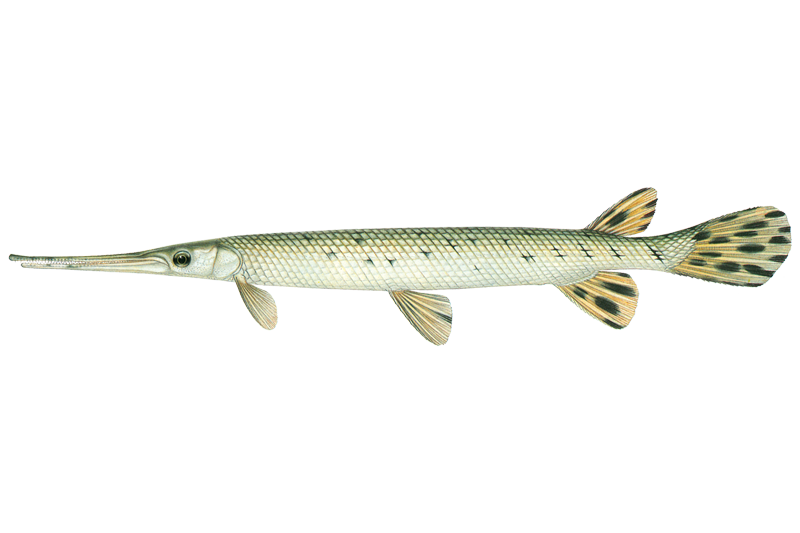
Longnose gar are prehistoric fish that have existed for approximately 100 million years and are native to North Carolina waters.
These are opportunistic apex predators that are mostly nocturnal feeders and ambush predators that lie motionless until prey passes by.
Scientific Name: Lepisosteus osseus
- These torpedo-shaped fish have olive brown to green coloration with diamond-shaped ganoid scales and an elongated needle-like snout nearly three times the length of their head.
- In North Carolina, they typically reach 28-48 inches in length, though specimens up to 6.5 feet have been recorded.
Fishing in North Carolina
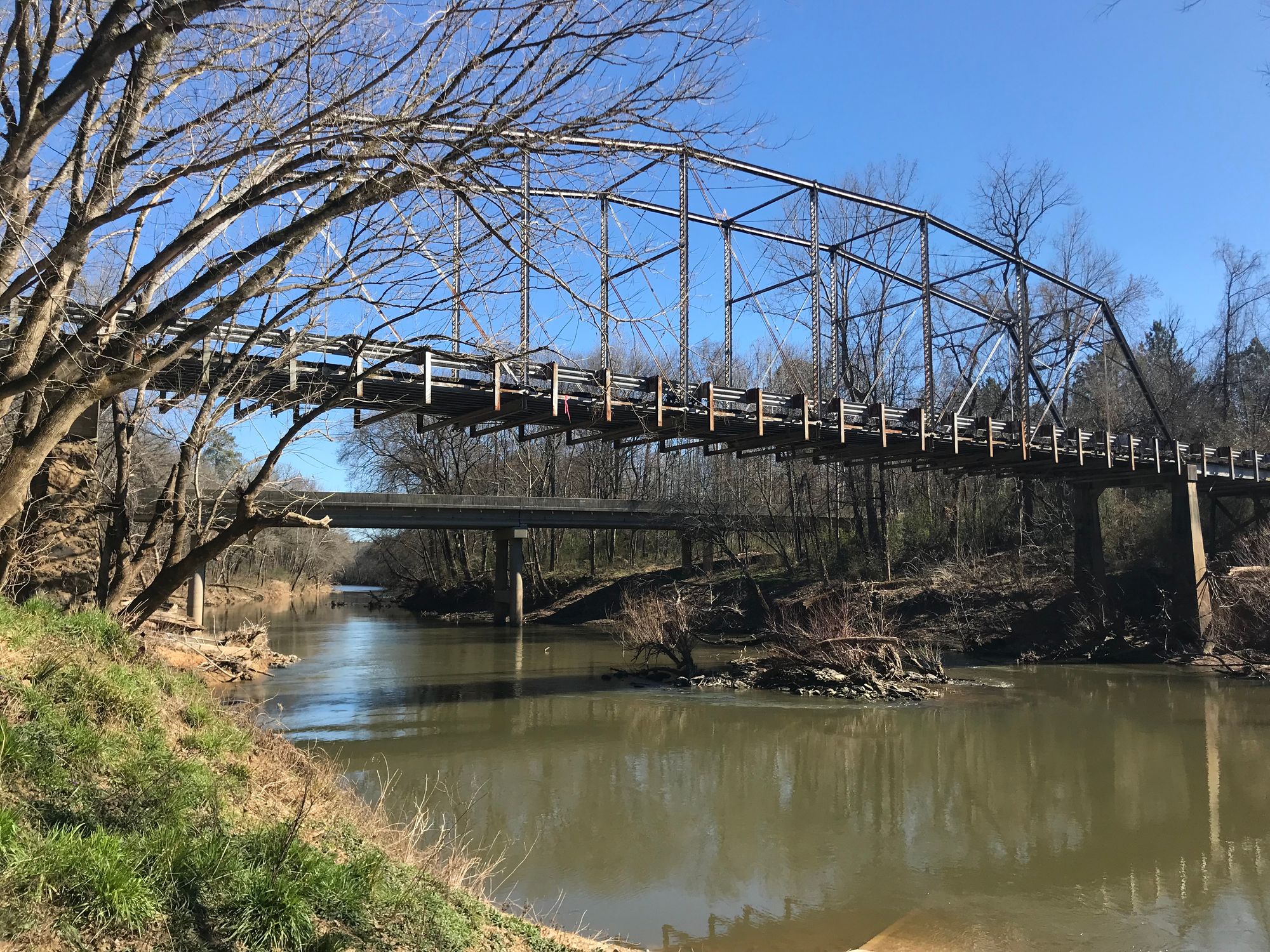
Deep River
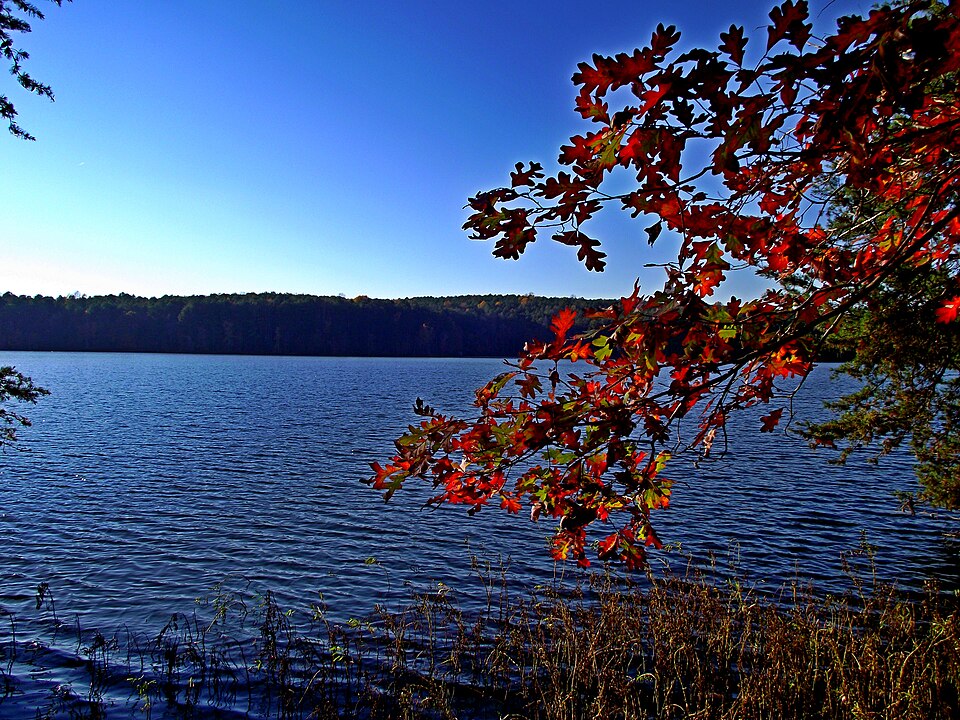
Badin Lake
Lake Tillery
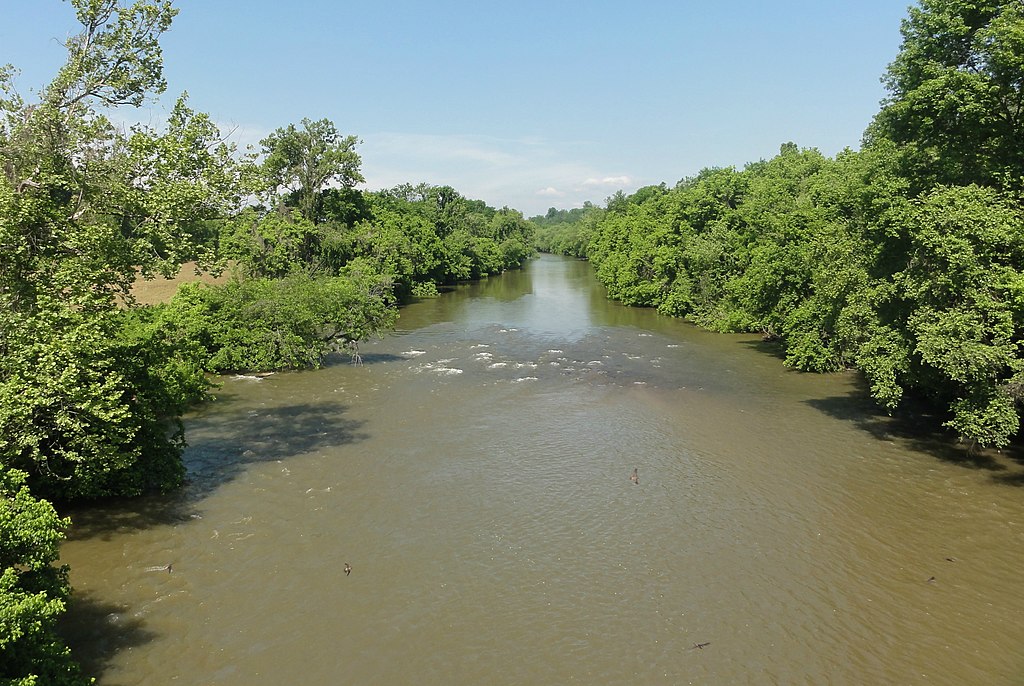
Yadkin River
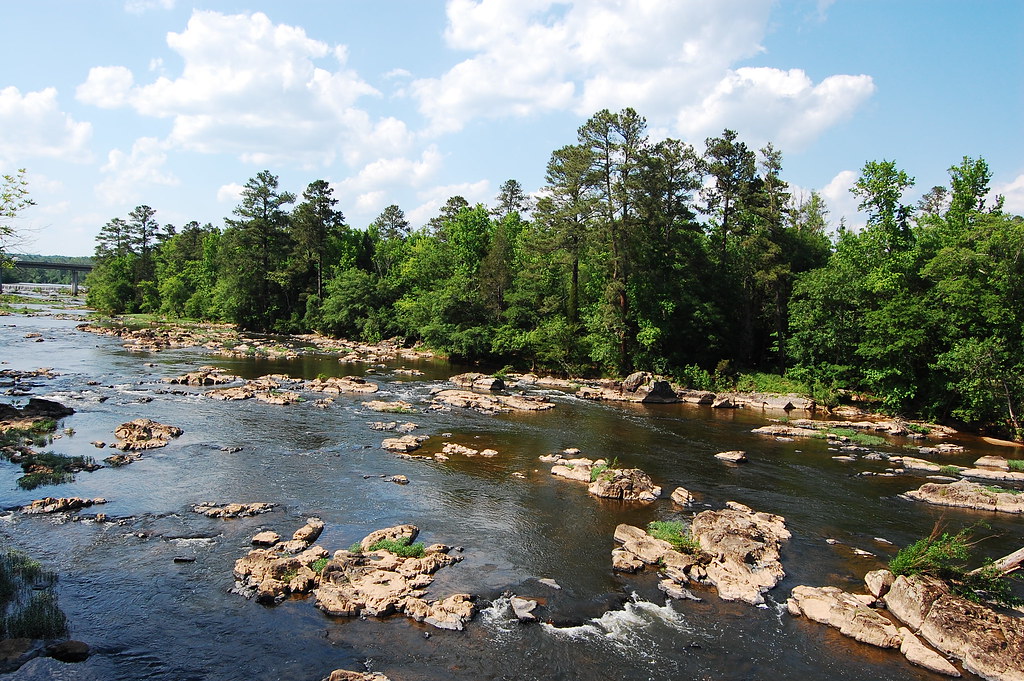
Haw River
Cape Fear River
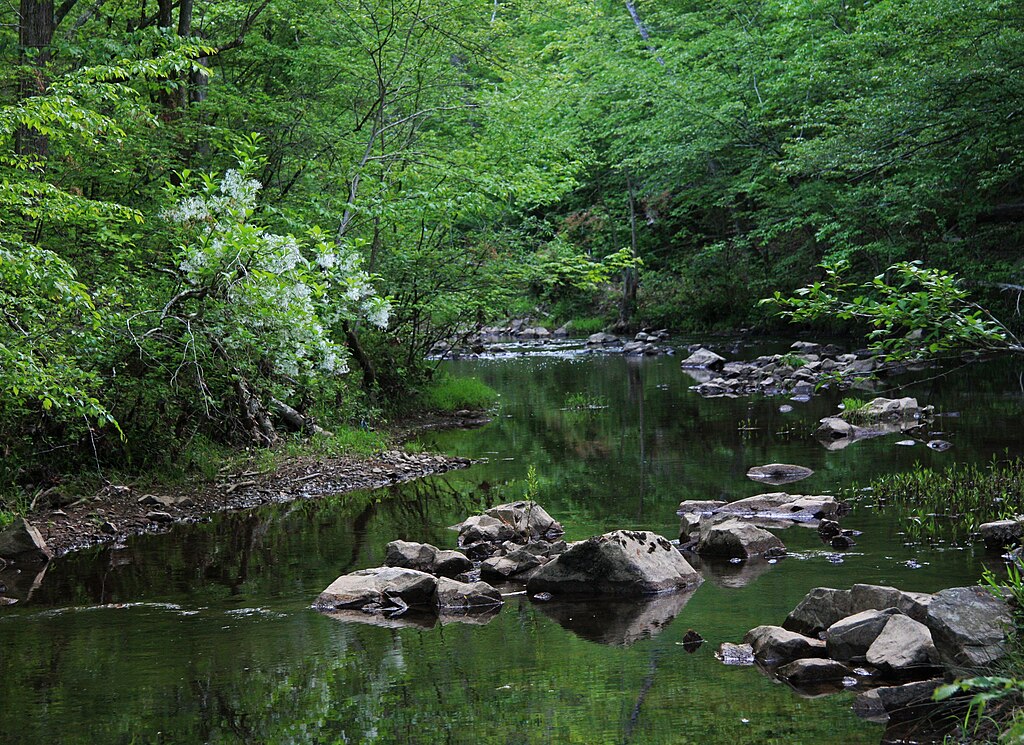
New Hope Creek
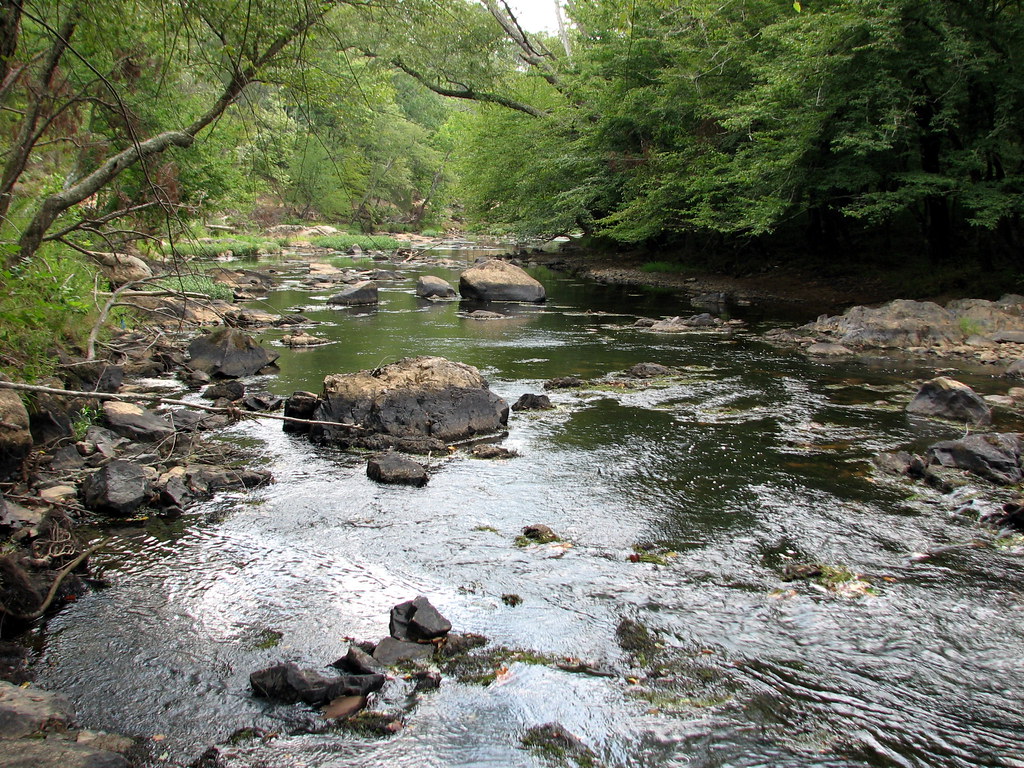
Eno River
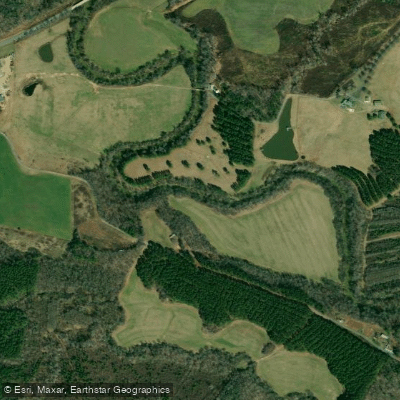
Uwharrie River
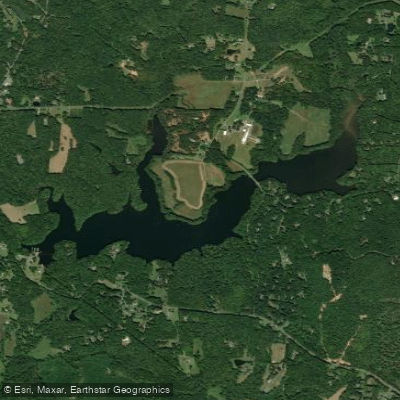
Back Creek Lake
What to know
Habitat Distribution
- They inhabit rivers, lakes, reservoirs, coastal sounds, and can tolerate brackish water up to 31 ppt salinity.
Key Locations
- Cape Fear River (from RKM 95-190), Waccamaw River, White Oak River, Perquimans River, Eno River, Flat River below Lake Michie, New River in Jacksonville, Kerr Lake, and coastal areas around Stella.
- Particularly abundant in the Albemarle and Pamlico Sounds.
- White Oak River near Stella is highly productive.
Specific Spots
- Target slow-moving or stagnant waters including river backwaters, oxbows, large weedy flats near deep water, around downed trees, stone outcrops, and vegetation.
Longnose Gar FAQ
Answers from onWater's species guide.
What are the best lures and bait for Longnose Gar in North Carolina?
Live or dead minnows (4-6 inches), shiners, or finger mullet. For lures: broken-back Rebels with upgraded #4 treble hooks and MR-27 crankbaits.
What flies work for Longnose Gar in North Carolina?
3-3.5 inch streamers including bend-backs, wool heads, and zonkers. The most effective method uses rope flies - 6-8 inch pieces of unbraided nylon rope that tangle in their teeth.
When is the best time to fish for Longnose Gar in North Carolina?
Peak fishing during hot summer months of June through September when water temperatures reach 70°F and above. Spawning occurs in late April to early July when water temperatures reach 68°F - this period should be avoided for fishing to protect spawning populations.
How do you catch Longnose Gar in North Carolina?
For conventional tackle, fish live or dead bait 8-12 inches below a bobber. When a gar takes the bait, let it run for 5-10 minutes before setting the hook hard, as they need time to turn the bait and swallow it properly.
What do Longnose Gar eat?
They feed primarily on small fish including menhaden, sunfish, bluegill, shiners, gizzard shad, and bullhead catfish, as well as crustaceans and insects.
Fish smarter with real-time insights
Whether you're en route and conditions shift or you're looking for the best spot based on current flows, we enable you to make informed decisions on the fly.




See it in the app
Most maps show you water.
onWater shows you Longnose Gar.



- 01 · Species map filter
Map every Longnose Gar water
Pick Longnose Gar and the map zeroes in on the waters they call home. No more guessing which lake holds them.
- 02 · Waterbody species
Tap any water. See what lives there.
Species, behavior and seasonal patterns for every lake, river and pond, before you leave the driveway.
- 03 · Angler Intelligence
Ask how to catch Longnose Gar
Tactics, gear and timing from onWater's AI fishing guide, tuned to the species and the water you're on.
Stop guessing where Longnose Gar are.
Open the map, filter by Longnose Gar, and head to water that holds them. Download onWater and plan your next trip in minutes.
- Species map filter
- Angler Intelligence
- Fishing journal
Explore other species
Trout, bass, salmon, panfish and everything in between. Each guide unpacks the behavior, seasons, and tactics that put fish in the net.
No species information available.
North Carolina licenses and regulations
Explore nearby waters
Explore North Carolina waters
Top fishing waters
Popular Cities
Loading popular cities...

Smarter Fishing Starts in the App.
onWater Fish gives you everything you need to plan smarter, fish better, and own every trip from first cast to last.