Fishing in Montana
- Lakes
- 3,193
- Rivers
- 9,996
- Access
- 899
- Boat Ramps
- 498
- Shops
- 189
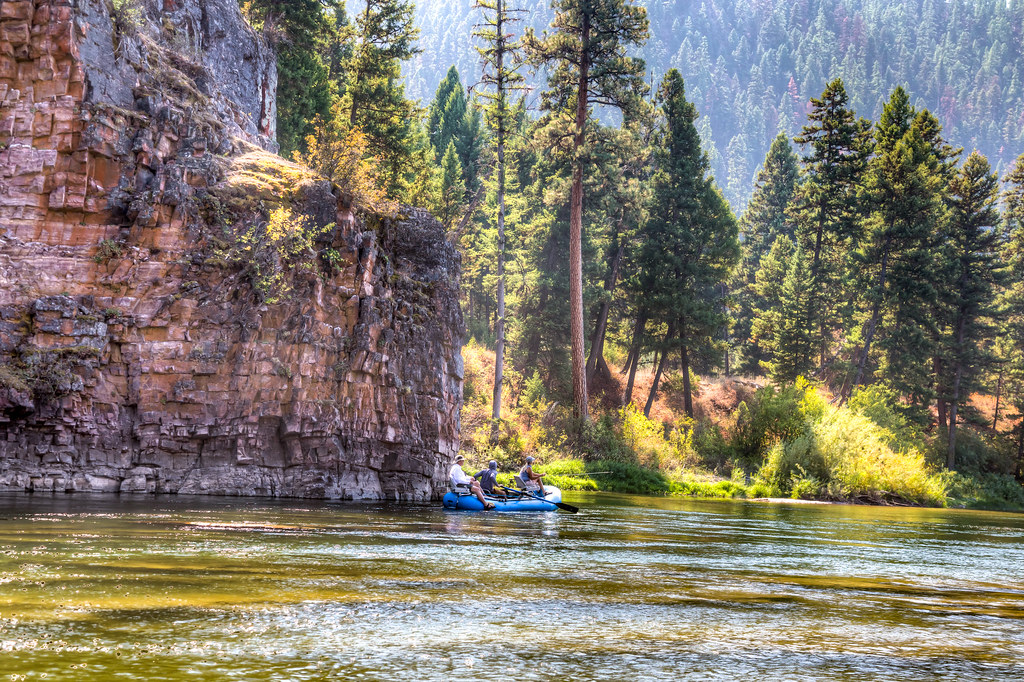
Montana splits cleanly down the middle, and most visiting anglers don't expect it. West of the Continental Divide is freestone country — undammed rivers off wilderness slopes, wild and native trout, hatch-driven dry-fly culture.
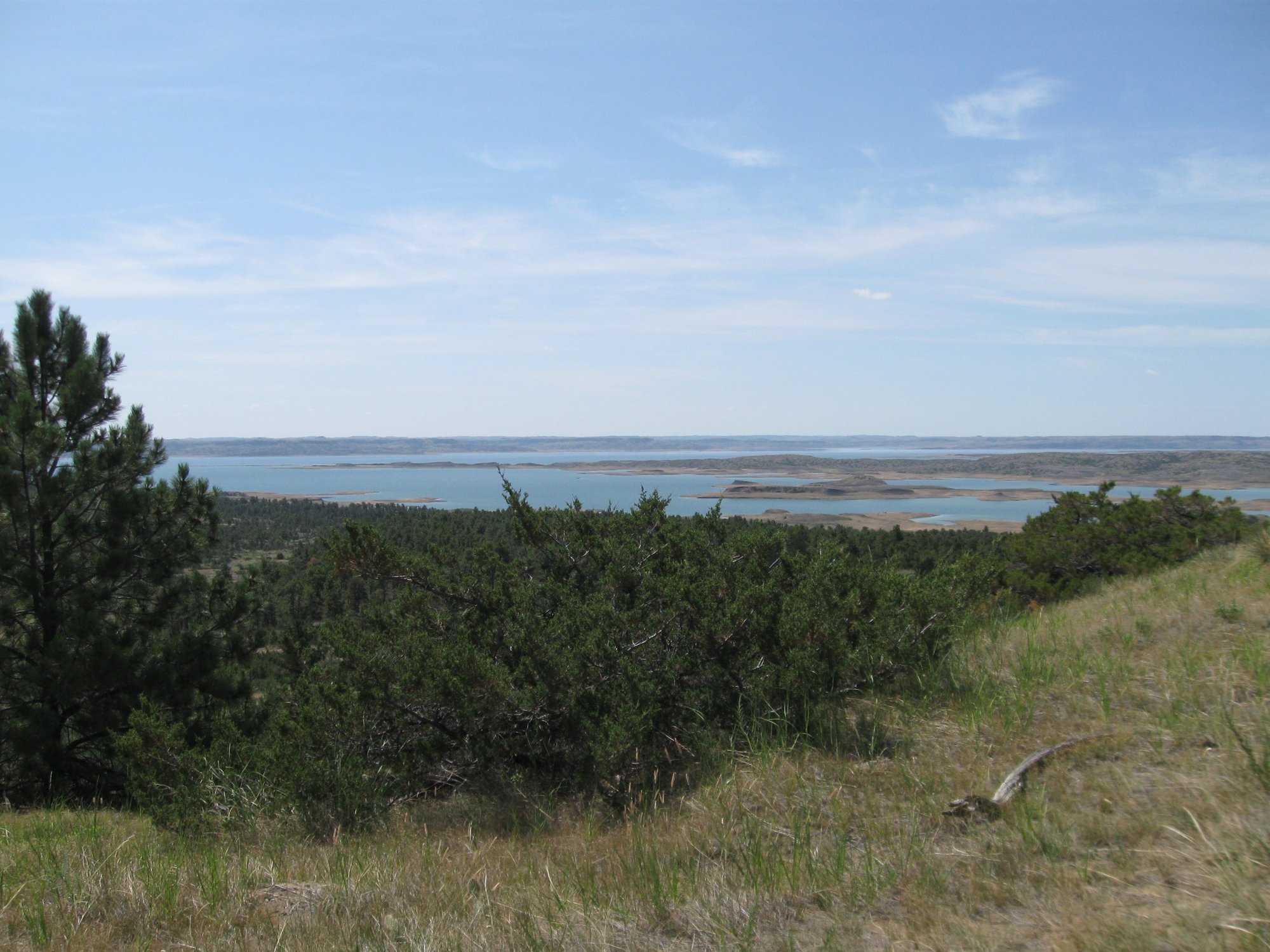
East is a different planet: prairie tailwaters, the enormous walleye and pike water of Fort Peck, and the communal spectacle of paddlefish snagging on the lower Yellowstone.
What stitches it together is the 1984 Stream Access Law, which lets you wade or float through private land up to the high-water mark — a right Montanans defend fiercely and that doesn't exist in most western states.
The freestone scene runs on weather and bugs. Salmonflies come off the Madison, Blackfoot, and Clark Fork from mid-June into July, right behind runoff, and that hatch is the one anglers plan years around.
Hoppers take over by mid-August on the Madison and Yellowstone; spruce moths bring cutthroat up on the Blackfoot when the rest of the day's fishing has gone quiet.
Missoula sits at the convergence of four major rivers — Bitterroot, Blackfoot, Clark Fork, Rock Creek — and is about as angler-dense a town as exists in the West.
Western District rivers don't open until the third Saturday in May, so the calendar has a real starting gun. The tailwater game is its own thing.
Below Holter Dam, the Missouri runs cold year-round through Craig — a town where three fly shops sit within a block of each other and drift boats are parked everywhere.
PMDs and caddis blanket the river in June, tricos take the mornings in August, and the streamer bite for big browns sharpens through October and November.
The Bighorn below Yellowtail Dam, based out of tiny Fort Smith, fishes scuds and sowbugs all year and turns on hard for tricos at first light in late summer. Drought is the modern anxiety.
Hoot-owl restrictions — afternoon closures when water hits 73°F for three straight days — are now a near-annual summer reality on the Big Hole, Madison, Clark Fork, and Bitterroot, and guides increasingly lean on tailwaters when the freestones run warm.
The conservation work underneath all this is real: Trout Unlimited and FWP are reconnecting bull trout and Westslope cutthroat habitat in the upper Clark Fork, and fighting to hold onto the Big Hole's fluvial Arctic grayling, the last self-sustaining river population in the lower 48.
Out east, paddlefish snagging opens May 1 near Glendive — barbless hooks, no forward-facing sonar, and a 1,000-fish quota shared with North Dakota that can close the season inside two weeks. It looks nothing like trout fishing, and that's the point.
Top waters to fish near Montana
Flathead Lake
Fort Peck Lake
Canyon Ferry Lake
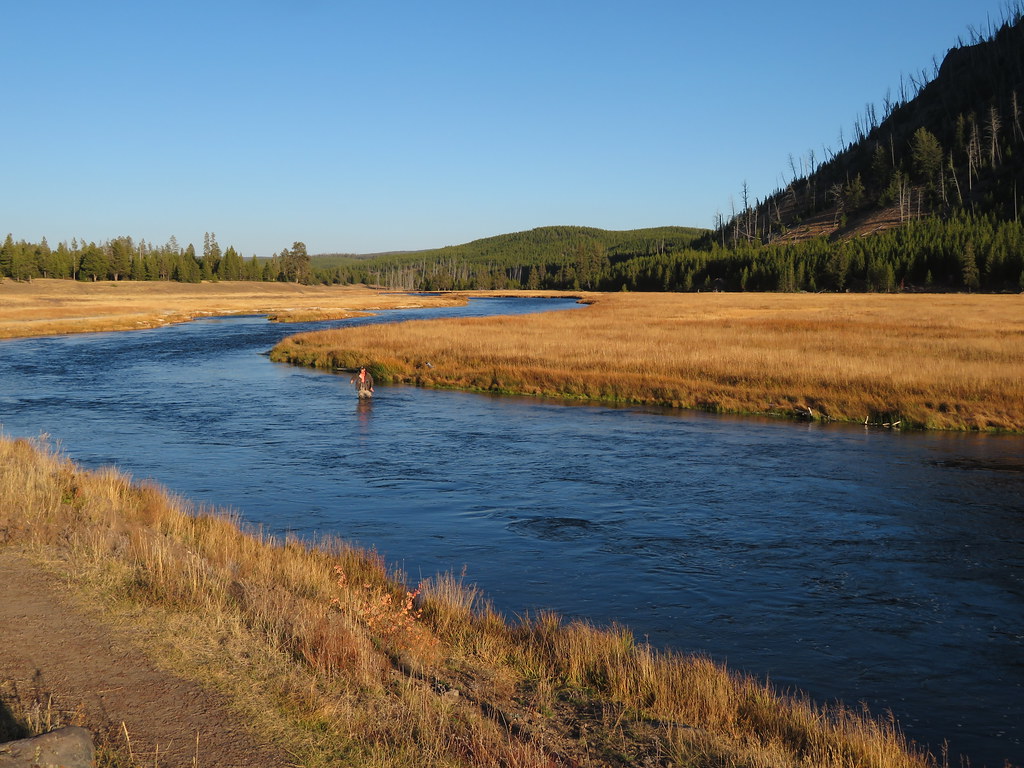
Madison River
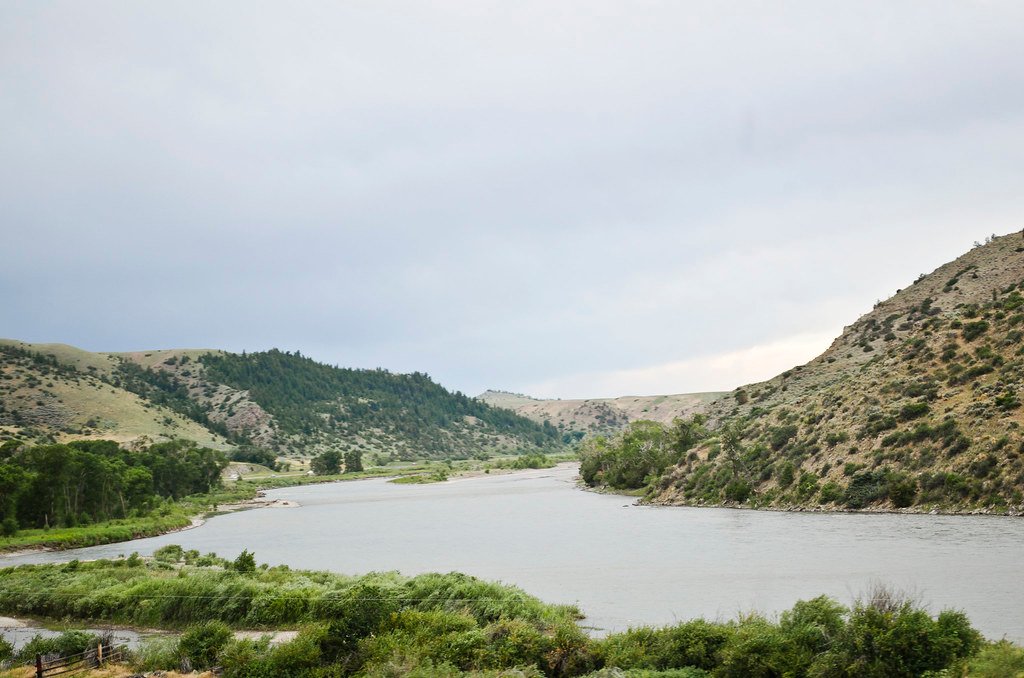
Yellowstone River
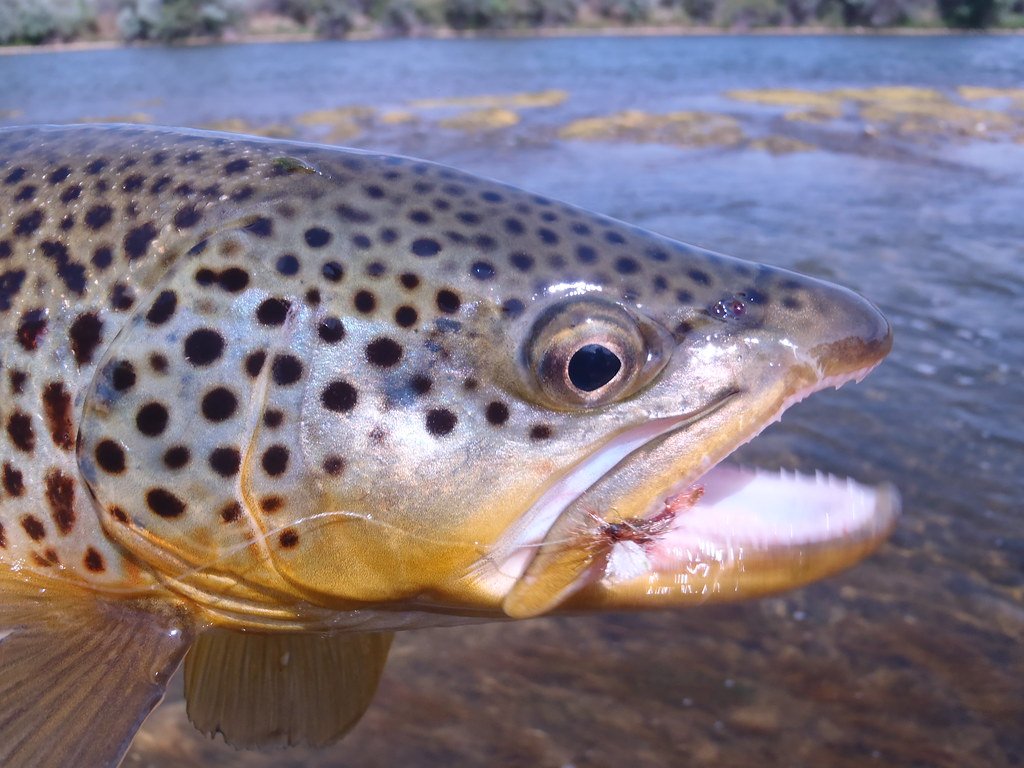
Bighorn River
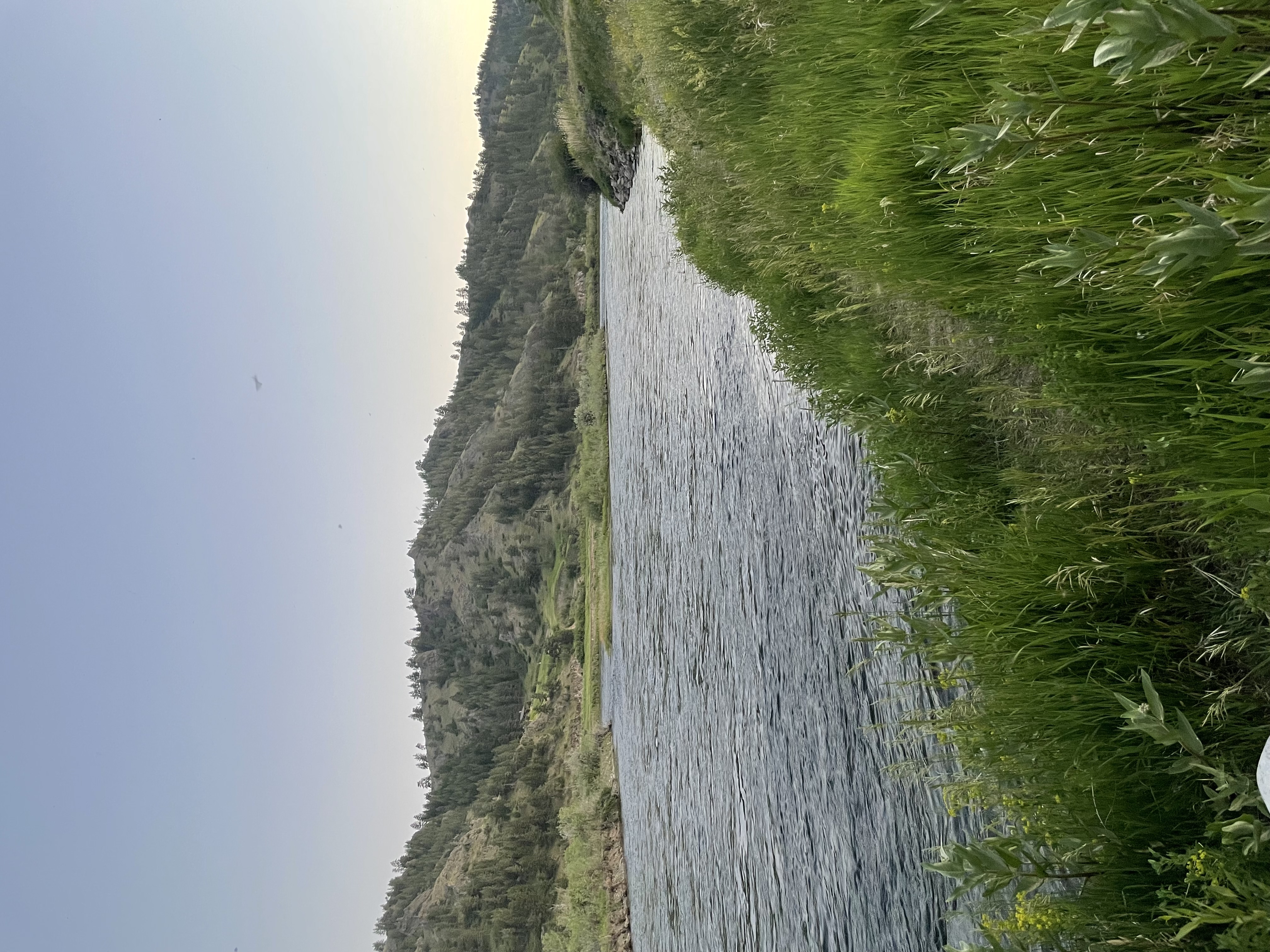
Missouri River
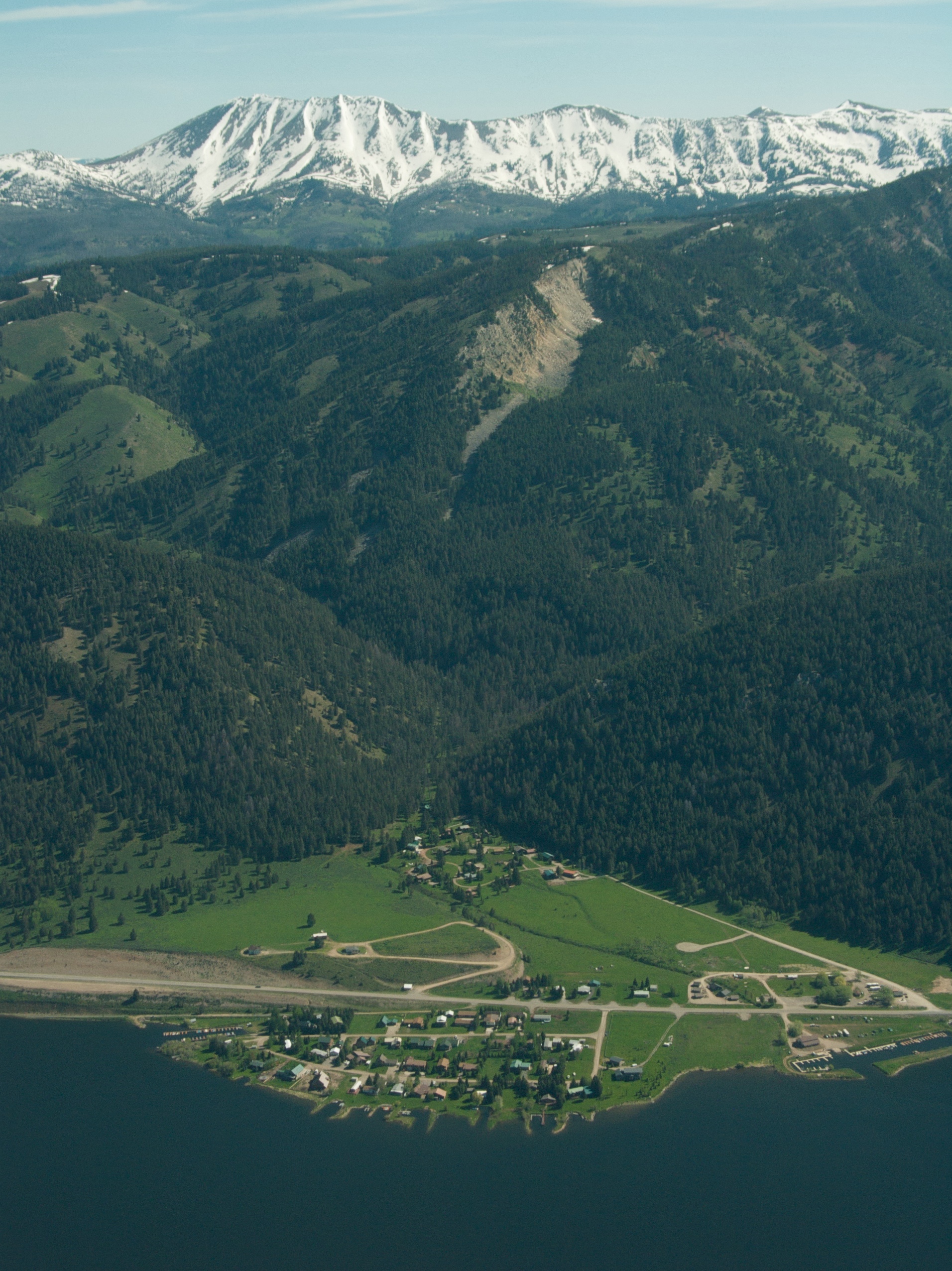
Hebgen Lake
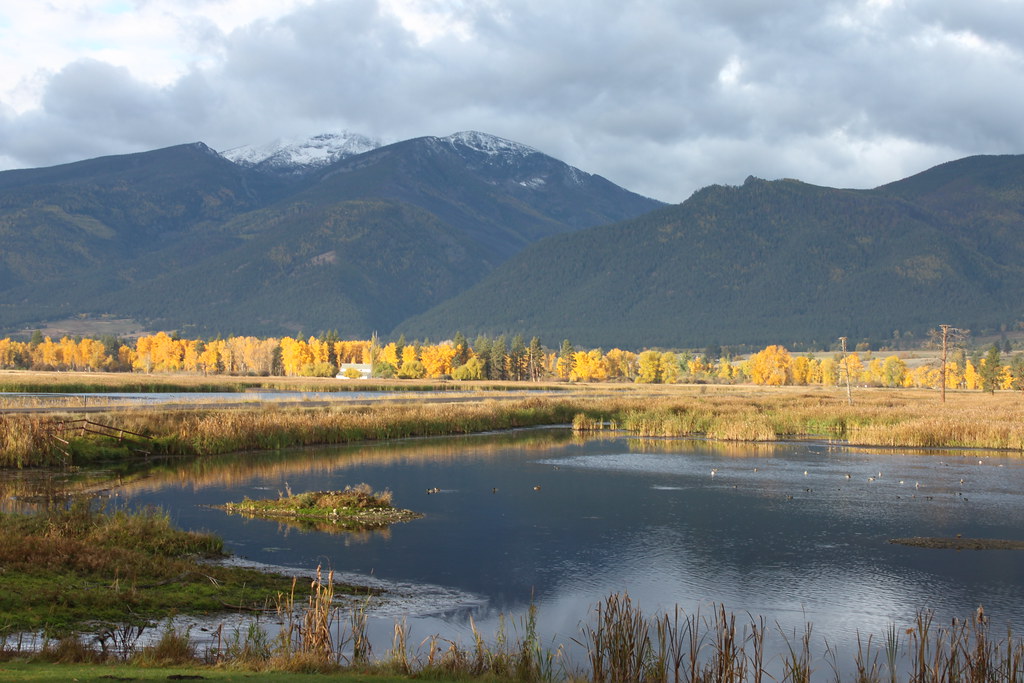
Bitterroot River
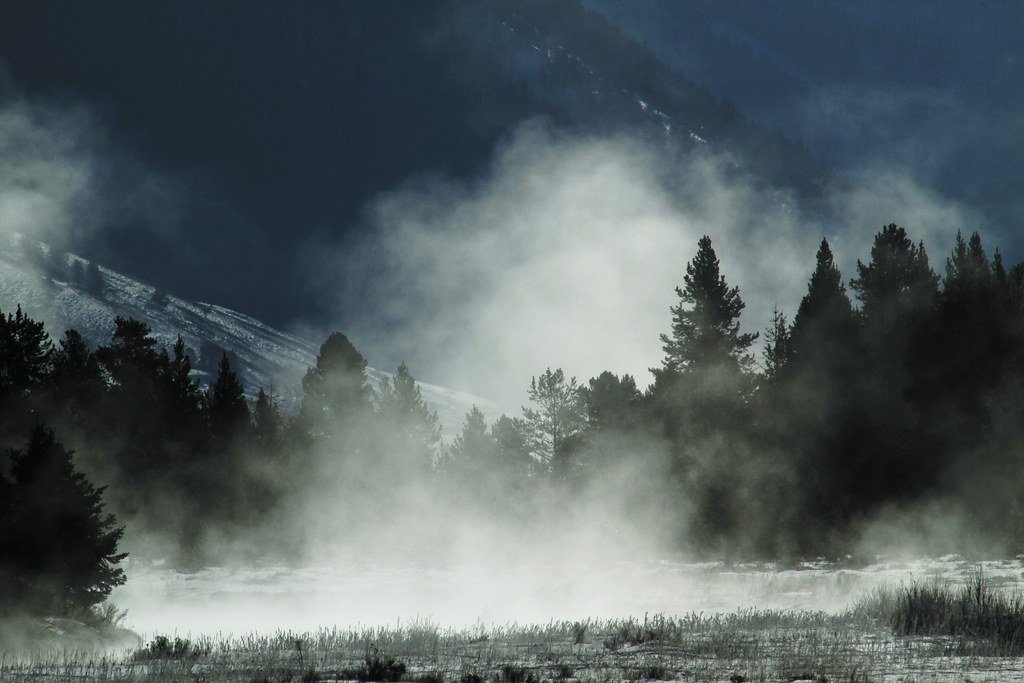
Gallatin River
Species & education
Learn what type of fish are in Montana and what's needed to catch them.

Find which waters have the species you want to catch

Largemouth Bass

Smallmouth Bass
Micropterus dolomieu

Rainbow Trout
Oncorhynchus mykiss

Brown Trout
Salmo trutta

Brook Trout
Salvelinus fontinalis

Cutthroat Trout

Northern Pike
Esox lucius

Walleye

Black Crappie
Pomoxis nigromaculatus
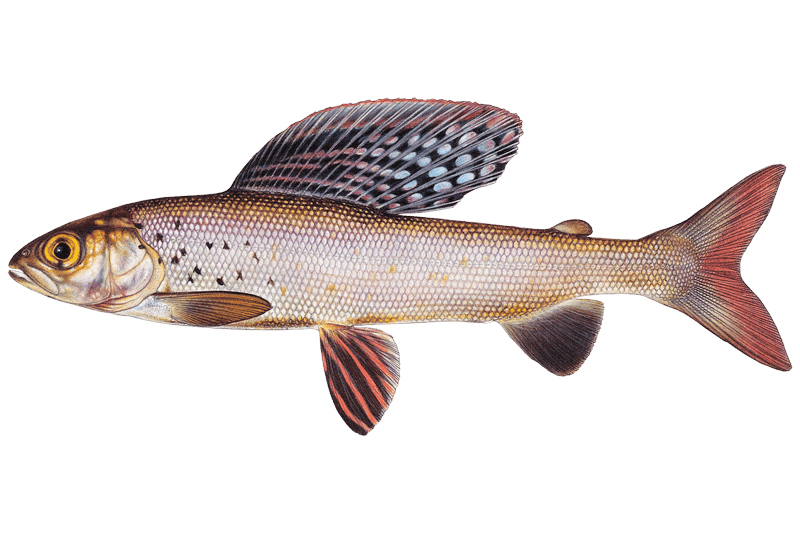
Arctic Grayling
Thymallus arcticus

Bigmouth Buffalo
Ictiobus cyprinellus

Black Bullhead
Ameiurus melas

Blue Sucker
Cycleptus elongatus
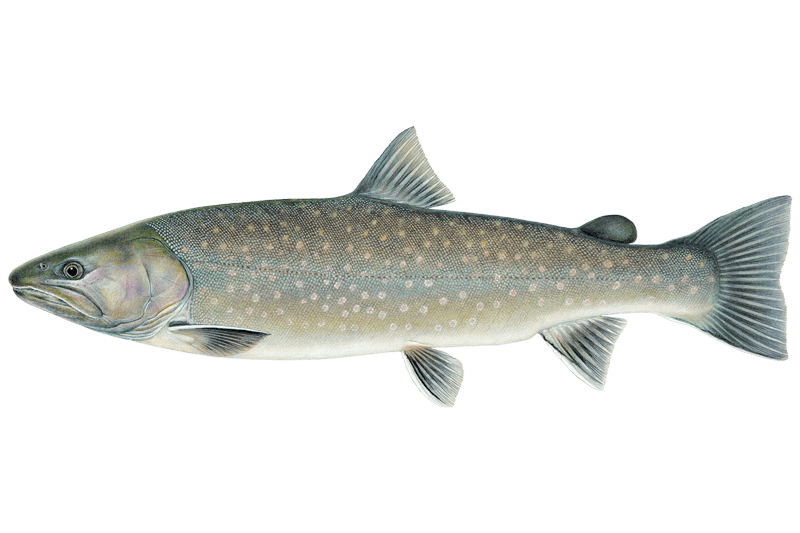
Bull Trout
Salvelinus confluentus

Burbot
Lota lota

Channel Catfish
Ictalurus punctatus

Chinook Salmon

Cisco
Coregonus artedi

Coho Salmon
Oncorhynchus kisutch

Common Carp
Cyprinus carpio

Creek Chub
Semotilus atromaculatus

Flathead Chub
Platygobio gracilis

Freshwater Drum
Aplodinotus grunniens
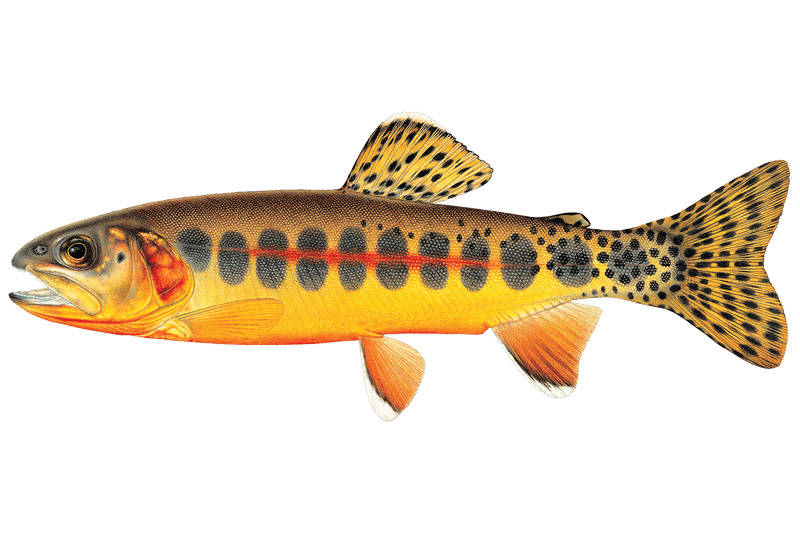
Golden Trout
Oncorhynchus mykiss aguabonita

Green Sunfish
Lepomis cyanellus
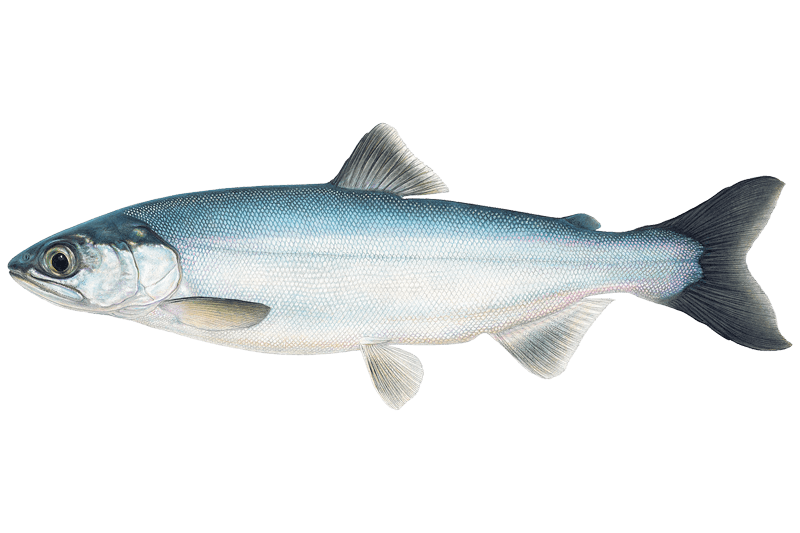
Kokanee Salmon
Oncorhynchus nerka

Lake Trout
Salvelinus namaycush
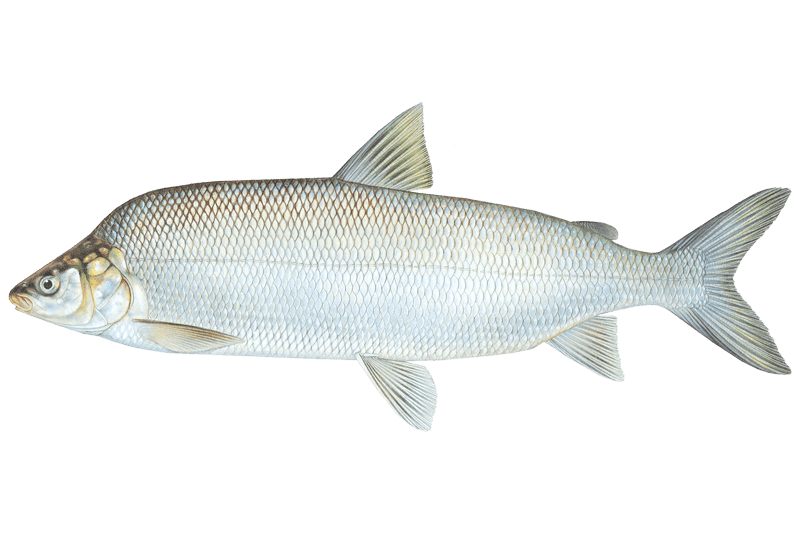
Lake Whitefish
Coregonus clupeaformis

Largescale Sucker
Catostomus macrocheilus

Longnose Sucker
Catostomus catostomus
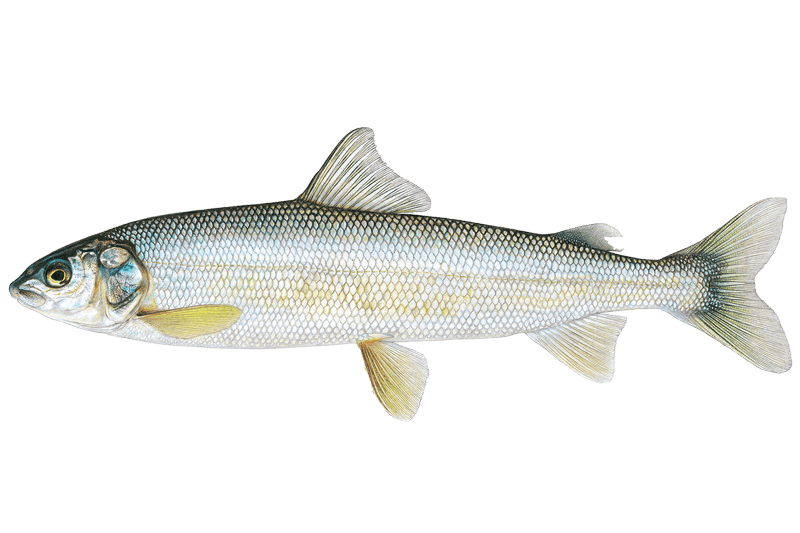
Mountain Whitefish
Prosopium williamsoni
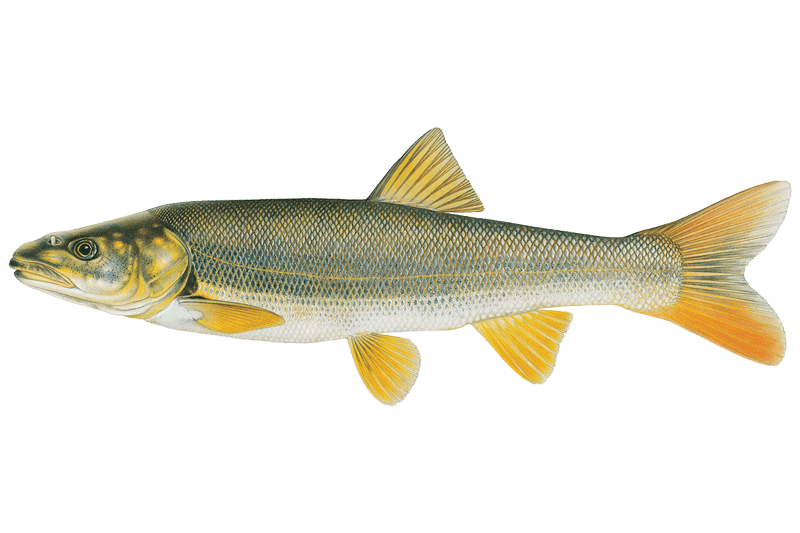
Northern Pikeminnow
Ptychocheilus oregonensis

Pumpkinseed
Lepomis gibbosus
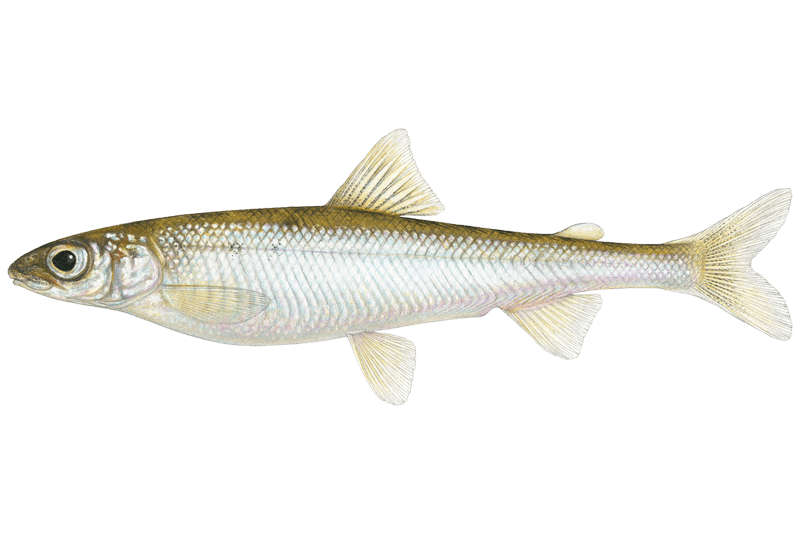
Pygmy Whitefish
Prosopium coulterii

Redside Shiner
Richardsonius balteatus

Rock Bass
Ambloplites rupestris
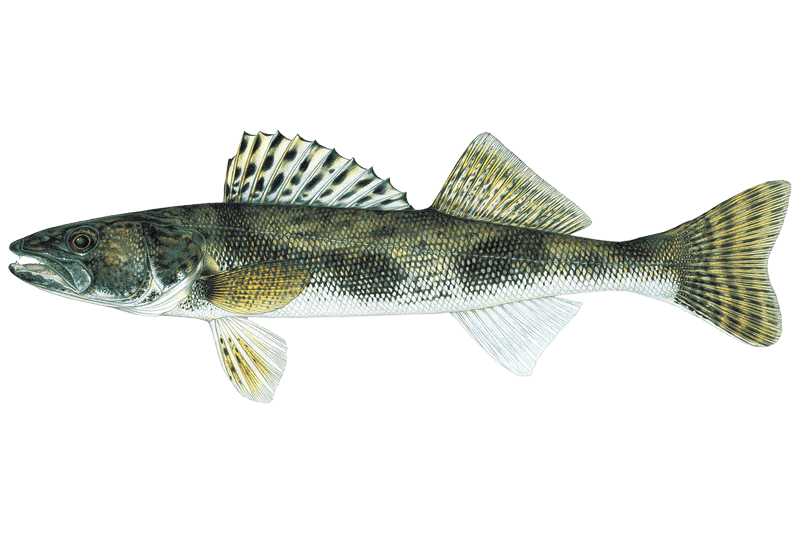
Sauger
Sander canadensis
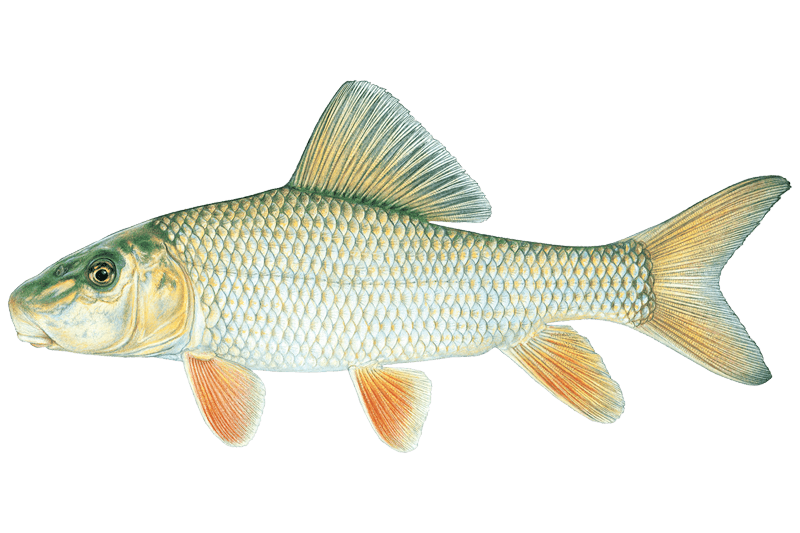
Silver Redhorse
Moxostoma anisurum
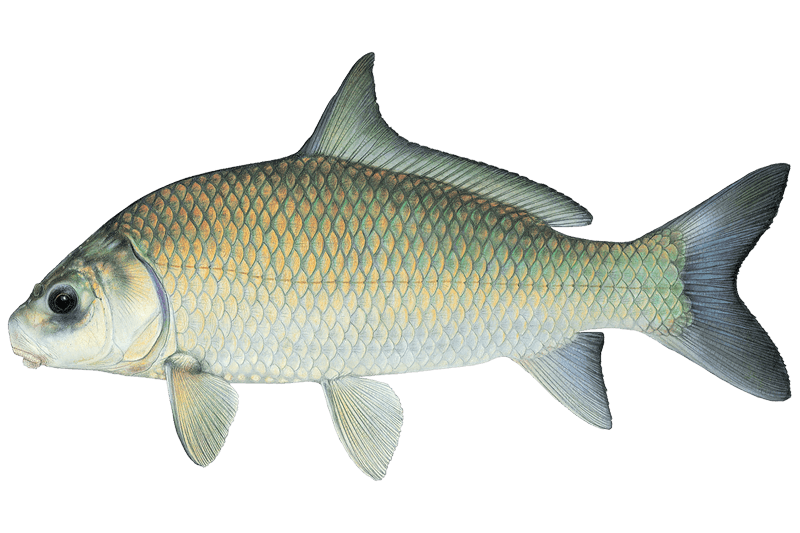
Smallmouth Buffalo
Ictiobus bubalus

Sockeye Salmon
Oncorhynchus nerka
Fishing guides in Montana
Book a trip with a local fishing guide through Guidesly.

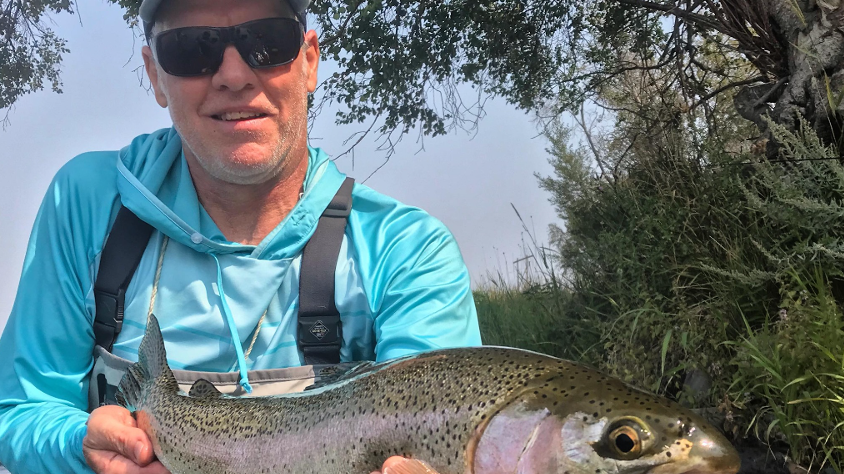
Michael Stack
Fishtales Outfitting
Ultimate Guide to Trout Fishing in Montana
Book on Guidesly, opens in new tab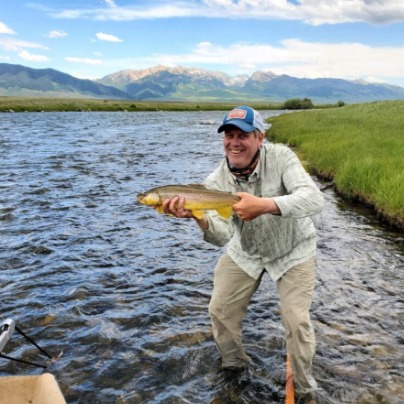
Rick Knight
River Knight Outfitters
Missouri River Best Fly Fishing Charter in Montana
Book on Guidesly, opens in new tab
Jeremy DeVries
River Rock Outfitters
Experience Fly Fishing Charters on Bighorn River
Book on Guidesly, opens in new tab
Tyson Sugihara
Lightweight Fly Shop
Fly Fishing Stevensville MT – Trout & Scenic River
Book on Guidesly, opens in new tab
Zach Petrich
Paradise Valley Angler
Family Friendly Fly Fishing Adventure in Montana!
Book on Guidesly, opens in new tab
Fish smarter with real-time insights
Whether you're en route and conditions shift or you're looking for the best spot based on current flows, we enable you to make informed decisions on the fly.







Montana licenses and regulations

Montana Boating Regulations
When using any type of watercraft to access a body of water, it is important to follow all federal, state, and local rules and regulations. These rules and regulations include boat permitting and licensing, invasive species inspections and stamps, life jacket and PFD rules, motor size and horsepower restrictions, noise limitations, restrictions on personal watercraft, and many more. Visit the web link below for the most current rules and regulations for this body of water.

Montana Fishing License
All anglers 12 and over must possess a license.
Montana Fishing Regulations
This river has a variety of species and regulations, including potential floating and/or watercraft restrictions. Because this river is specially managed for species, seasons, angling methods, and watercraft, it is strongly encouraged you check all federal, state, and local regulations before fishing. Visit any of the links below, inquire locally, or contact a local fly shop to learn current regulations and restrictions.
Montana Stream Access Laws
Under the Montana Stream Access Law, the public may use rivers and streams for recreational purposes up to the ordinary high water marks. Although the law gives recreationists the right to use rivers and streams for water-related recreation, it does not give them the right to enter private lands bordering those streams or to cross private lands to gain access to streams without landowner permission. Montana's stream access law ensures public access to surface waters by public bridge or county road right-of-way. The width of a public bridge or public road right-of-way easement is the same as the public highway to which it is attached.
National parks in Montana
Explore Montana waters
Smarter Fishing Starts in the App.
onWater Fish gives you everything you need to plan smarter, fish better, and own every trip from first cast to last.