Lake Trout

Lake Trout (Salvelinus namaycush) are actually chars, not true trout, belonging to the same genus as Bull Trout and Brook Trout.
Known as 'mackinaw' or 'namaycush' (meaning 'dwellers of the deep'), they're the largest freshwater salmonid native to North America.
Scientific Name: Salvelinus namaycush
Also known as mackinaw, namaycush
- In Montana, they're distinguished by their deeply forked tail, light spotting on a dark background ranging from light green to almost black, and white anterior borders on their pectoral, pelvic, and anal fins.
- Montana's state record is a 42-pound fish from Flathead Lake.
Fishing in Montana

Missouri River
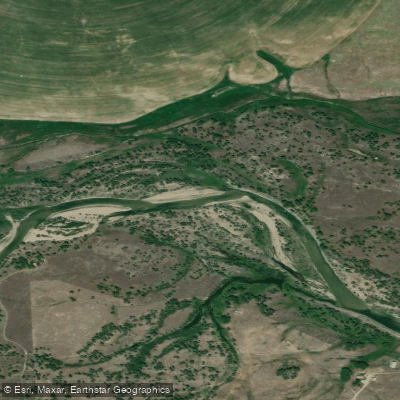
Sun River
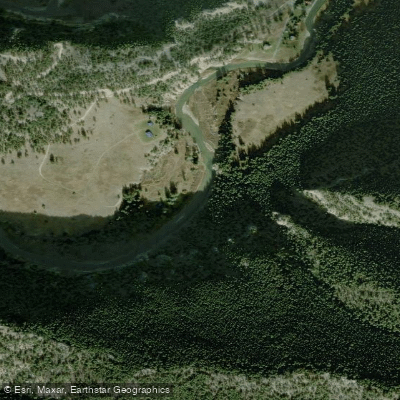
Smith River
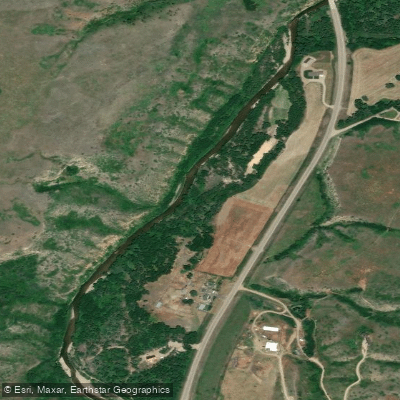
Belt Creek
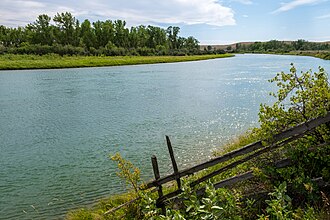
Marias River
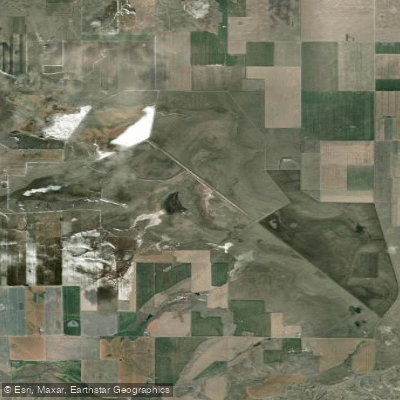
Benton Lake
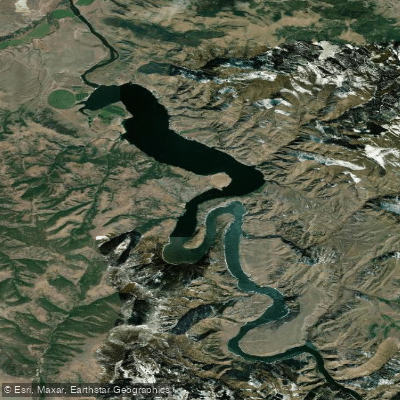
Holter Lake
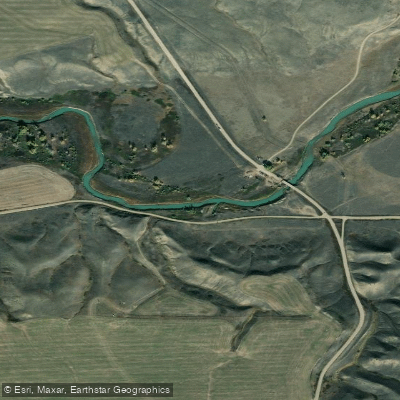
Teton River
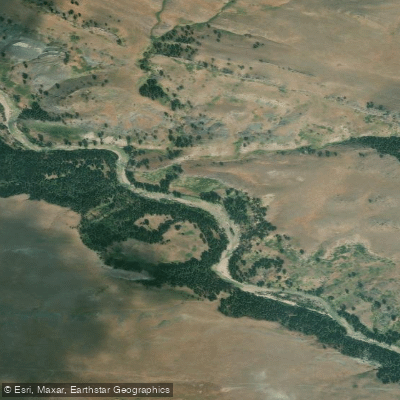
Dearborn River
Little Muddy Creek
What to know
Habitat Distribution
- Native populations in Montana are found in only a few locations: the St.
- Mary and Missouri River drainages.
- These represent remnant populations from Pleistocene glacial refugia.
- Lake Trout have also been introduced to Flathead Lake, Fort Peck Reservoir, and scattered mountain lakes.
- They inhabit very deep, cold lakes.
Key Locations
- Flathead Lake (Woods Bay, Yellow Bay, Blue Bay, West Shore State Park, Conrad Point, Painted Rocks/Cedar Island, Wildhorse Island, the Narrows, Finley Point, and Gravel Bay), Fort Peck Reservoir, Waterton Lake, Glenns Lake, Cosley Lake, St.
- Mary Lake in Glacier National Park, Lower St.
- Mary Lake on the Blackfeet Indian Reservation, Twin Lake in the Big Hole River drainage, and Elk Lake in the Red Rock River drainage.
Specific Spots
- Rocky substrates, steep shorelines with rocky substrates for shore fishing.
- Spawning occurs over rocky substrate in depths from 10-120 feet.
Lake Trout FAQ
Answers from onWater's species guide.
What are the best lures and bait for Lake Trout in Montana?
Leadhead jigs with 3-5 inch plastic grub bodies in white, chartreuse, or glow-in-the-dark colors, tipped with cut fish. Use 1/2 to 2 oz jigheads depending on depth. 3/8 oz spoons (Krocodiles in silver/red or gold/red) or minnow plugs (Rebels, Rapalas in black/silver or fluorescent orange).
When is the best time to fish for Lake Trout in Montana?
Shore fishing is possible in May-June and October-November when water is cool. Spring and fall when surface temperatures are within their preferred range.
How do you catch Lake Trout in Montana?
Vertical jigging is highly effective, jigging 1-3 feet off bottom every 10-20 seconds. Trolling methods include flatlining 100-200 feet behind the boat in 30-200 feet of water. Downriggers using squid and dodger combinations - place squid 2.5 dodger lengths behind an 8+ inch dodger.
What do Lake Trout eat?
Young Lake Trout feed on plankton and aquatic invertebrates, but fish over 2-3 pounds become primarily piscivorous, eating other fish.
Where do Lake Trout live in Montana?
Native populations in Montana are found in only a few locations: the St. Mary and Missouri River drainages. These represent remnant populations from Pleistocene glacial refugia. Lake Trout have also been introduced to Flathead Lake, Fort Peck Reservoir, and scattered mountain lakes. They inhabit very deep, cold lakes.
Fish smarter with real-time insights
Whether you're en route and conditions shift or you're looking for the best spot based on current flows, we enable you to make informed decisions on the fly.




See it in the app
Most maps show you water.
onWater shows you Lake Trout.



- 01 · Species map filter
Map every Lake Trout water
Pick Lake Trout and the map zeroes in on the waters they call home. No more guessing which lake holds them.
- 02 · Waterbody species
Tap any water. See what lives there.
Species, behavior and seasonal patterns for every lake, river and pond, before you leave the driveway.
- 03 · Angler Intelligence
Ask how to catch Lake Trout
Tactics, gear and timing from onWater's AI fishing guide, tuned to the species and the water you're on.
Stop guessing where Lake Trout are.
Open the map, filter by Lake Trout, and head to water that holds them. Download onWater and plan your next trip in minutes.
- Species map filter
- Angler Intelligence
- Fishing journal
Explore other species
Trout, bass, salmon, panfish and everything in between. Each guide unpacks the behavior, seasons, and tactics that put fish in the net.
No species information available.
Montana licenses and regulations
Explore nearby waters
Explore Montana waters
Top fishing waters
Popular Cities
Loading popular cities...

Smarter Fishing Starts in the App.
onWater Fish gives you everything you need to plan smarter, fish better, and own every trip from first cast to last.